

Milano Verticale UNA Esperienze
Porta Garibaldi - Porta Nuova, Milan
Hotel in Milan, Italy
 Book with Pearl
The Read
Porta Nuova Vertical Living
Price
$200–300per night
Why go
Milano Verticale UNA Esperienze is a sensible Milan shortlist pick for travelers who want a credible, easy-to-book hotel base with external recognition. It is strongest for business-first or repeat-city stays; choose the lower available room tier unless extra space or hosting comfort clearly changes the trip.
About Milano Verticale UNA Esperienze
Milano Verticale UNA Esperienze is worth shortlisting if the priority is a Milan hotel with third-party recognition. It is a Preferred Hotels Member for 2025 and is listed in the MICHELIN Guide hotel selection for 2025. It does not provide details on restaurant concepts, named chefs, menu styles, price ranges, or room-category hierarchies.
For a repeat Milan visitor, the smart play is to consider this a hotel-quality booking rather than a destination dining booking. Its strongest point is simple: it is a recognized hotel in Milan. If the stay is mainly about having a Milan base and avoiding a decision built solely on dining or room claims, this is a sensible candidate to compare with other hotels in the city.
Choose the room by purpose, not by fantasy upgrade
Without specific category-level value signals, avoid paying for a higher room tier unless the trip clearly needs more space or a different room setup. For a solo stay or a couple using the hotel as a Milan base, start by comparing the available room options directly with the hotel or booking channel. For a longer stay, the upgrade question becomes practical: extra room can matter more if there will be work, luggage, or downtime between plans.
Specific details regarding cuisine type, chef, price range, menu format, or signature dish are not available, so do not choose the hotel because of a specific food program. Choose it if the hotel side already works, then use Milan's wider restaurant and bar scene around the stay. For broader planning, pair this page with Our full Milan restaurants guide, Our full Milan bars guide, and Our full Milan hotels guide.
The booking case is strongest when recognition matters
The clearest reasons to consider Milano Verticale UNA Esperienze are its Milan location, Preferred Hotels Member status, and MICHELIN Guide hotel selection. If dates are fixed, compare rates and room types early enough to make a calm decision. If dates are flexible, compare against Urban Hive Milano, ME Milan Il Duca, and other Milan hotels according to the style of stay you want.
For a second stay in Milan, this is a stronger choice when the previous hotel felt like the wrong fit and you want a recognized hotel option to benchmark. It is less compelling if the next trip is built around a specific hotel restaurant, a highly specific suite experience, or detailed service promises, because details on those elements are not available. In that case, cross-shop named Milan hotel peers before committing, especially if the room rate moves into a range where experience detail matters more than recognition alone.
Inside Milano Verticale UNA Esperienze
Planning details
- Location
- Via Carlo de Cristoforis, 6, 20124 Milano MI
- Website
- unaitalianhospitality.com/it/soggiorni/milano-verticale-una-esperienze
- Phone
- +39 02 895261
The take
The Take
The Vibe
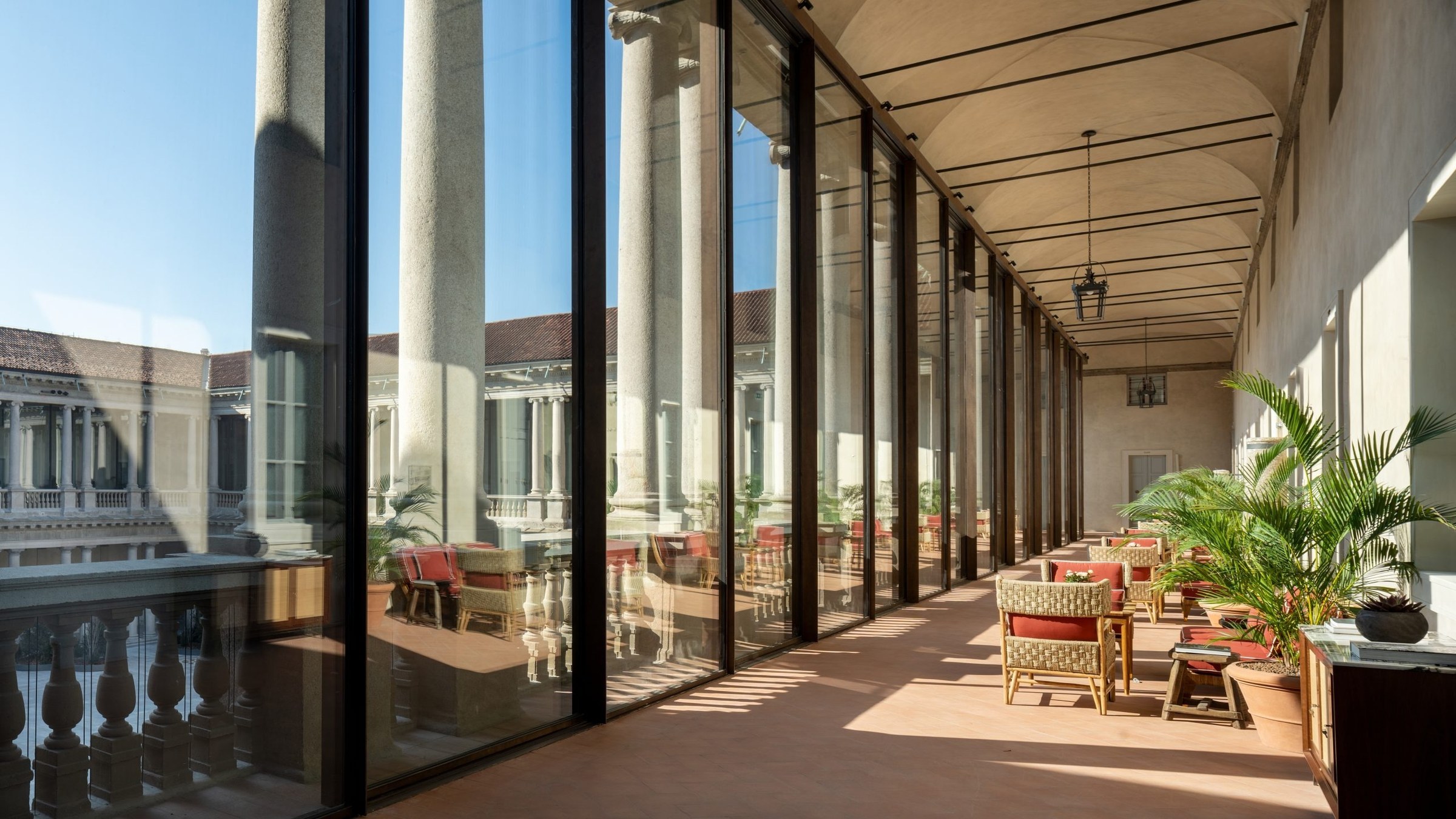
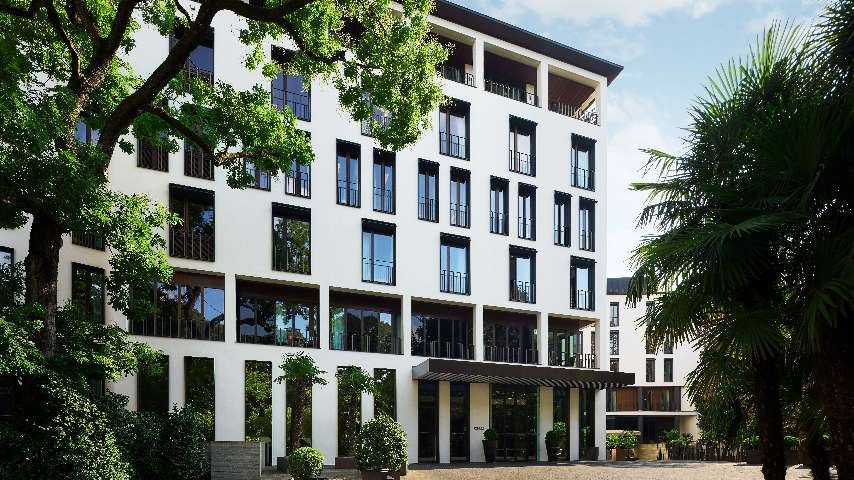
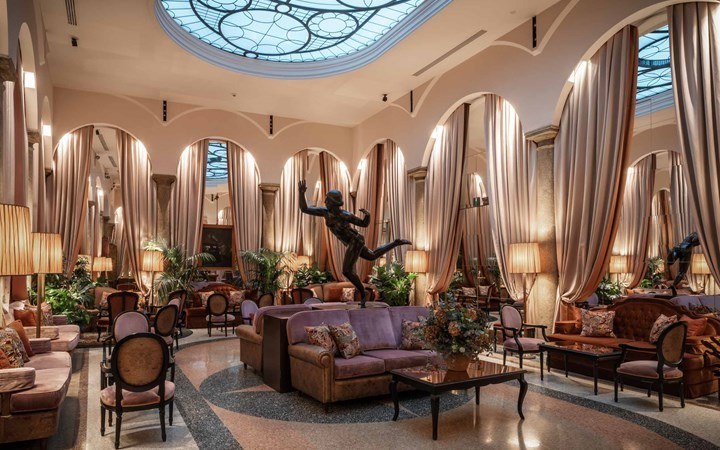
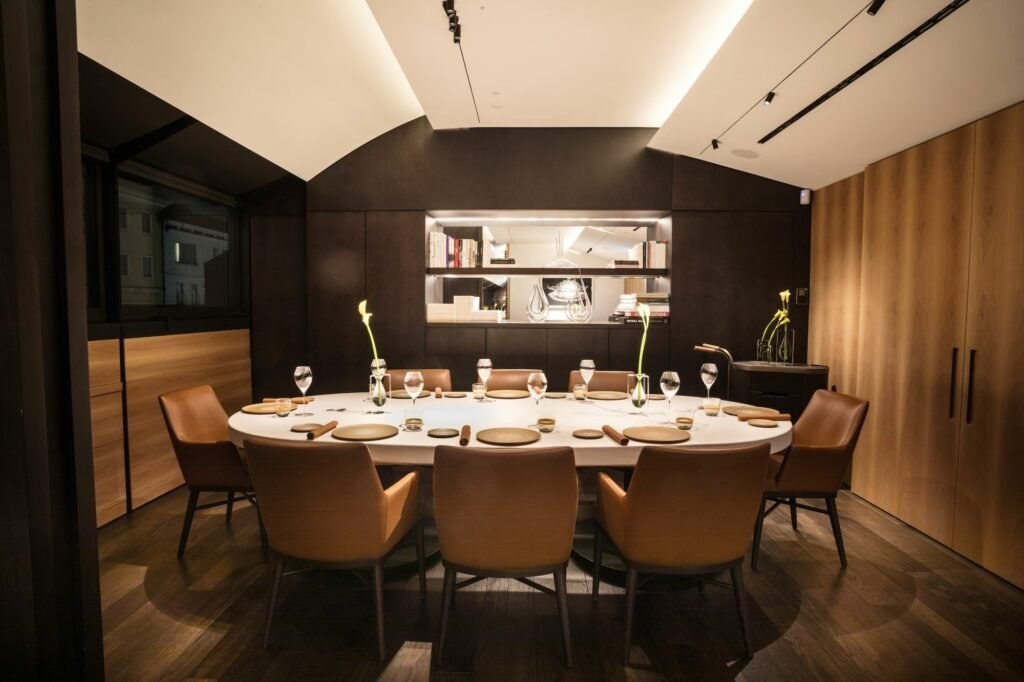
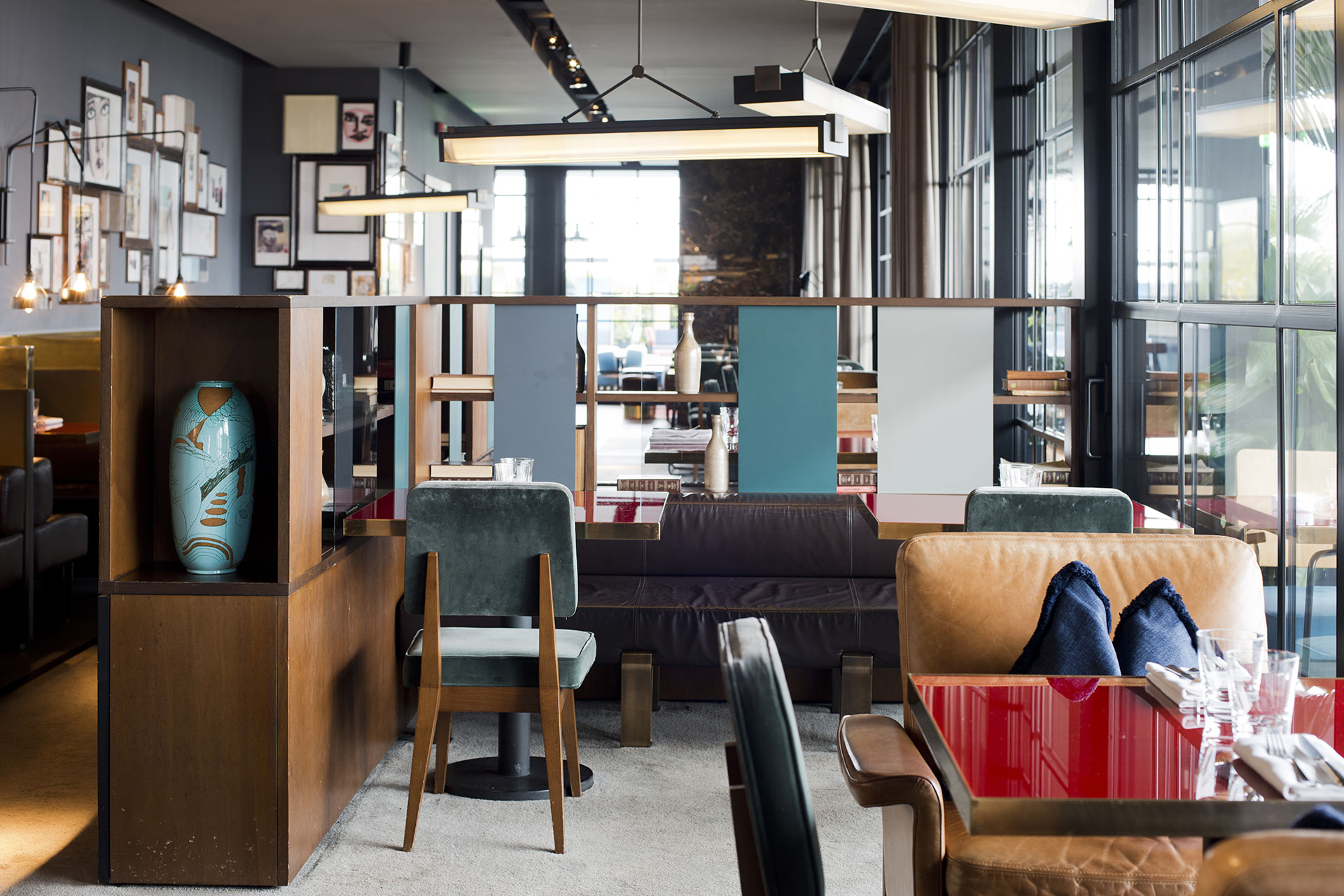
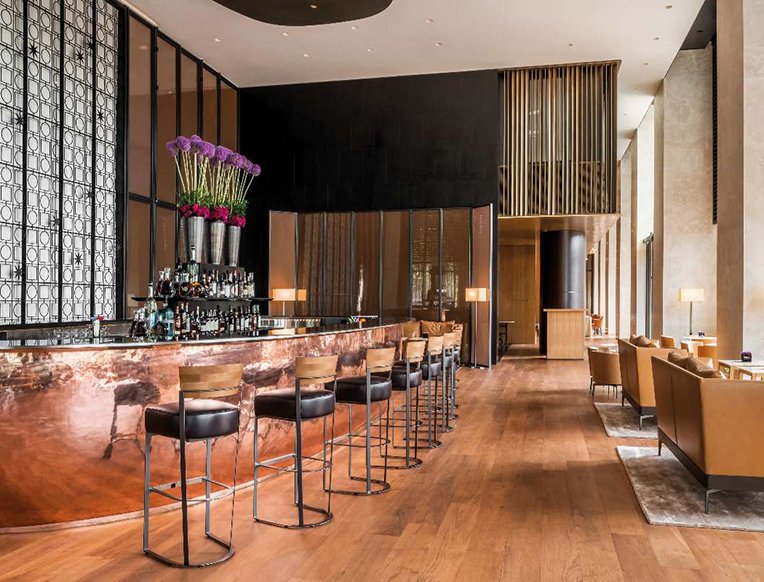
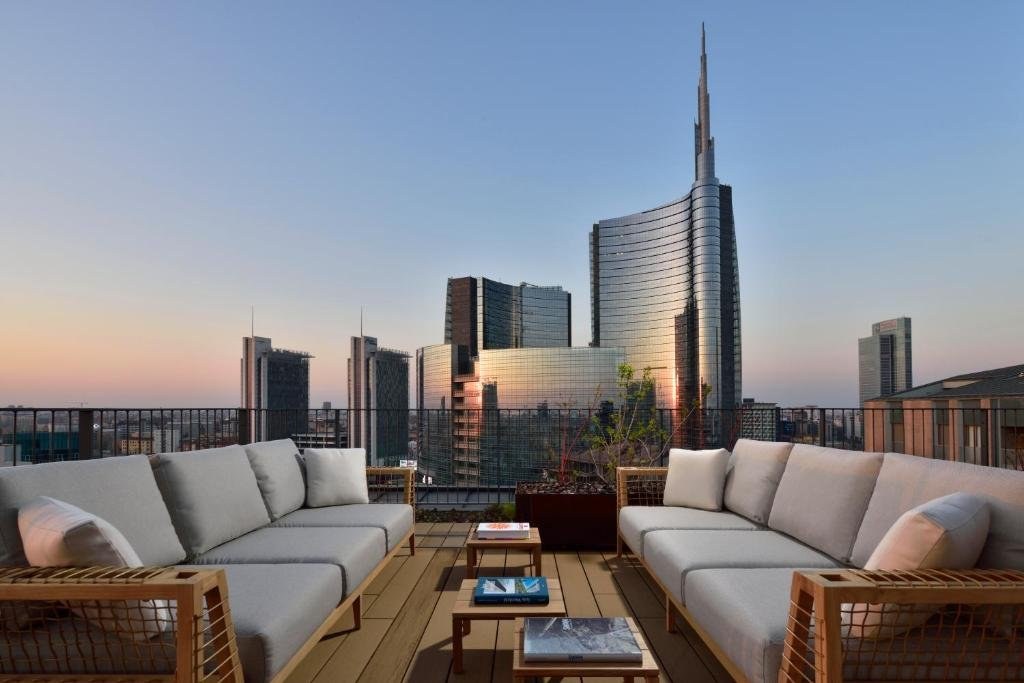
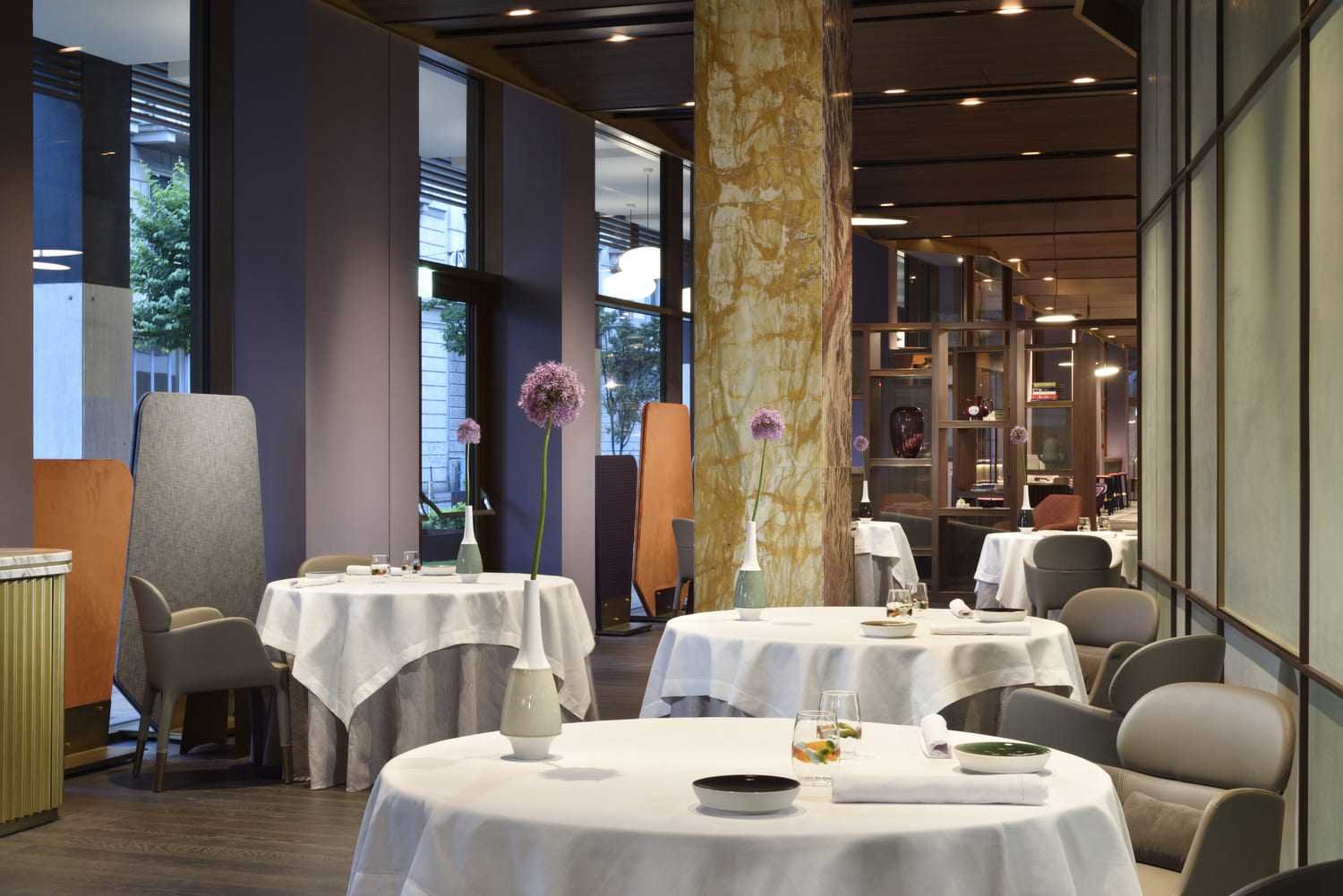
Milano Verticale UNA Esperienze reads like an architectural statement: the hotel foregrounds verticality, layering and a design-first approach rather than accumulated historic ornament. It operates at a mid-large scale, 173 rooms, so it feels more like a thoughtfully engineered urban object than a boutique hideaway or a palace-style grand hotel. The building’s form and interior language are primary credentials, placing the property within Milan’s newer wave of design hotels. The result is a polished, design-led presence in the Repubblica/Porta Nuova corridor that signals intentional modernity and a strong architectural identity.
Best For
This hotel suits travelers who prize architecture and location: business visitors appreciate the proximity to Milano Centrale and the city’s transit spine, while weekend visitors and couples who want a design-focused stay find its placement between the Duomo cluster and Brera convenient for sightseeing. At 173 rooms the property balances scale and personality, making it a reliable choice for business trips, romantic getaways or a short city escape where contemporary design and easy access to Milan’s main nodes matter as much as comfort.
Venue details
Ambiance
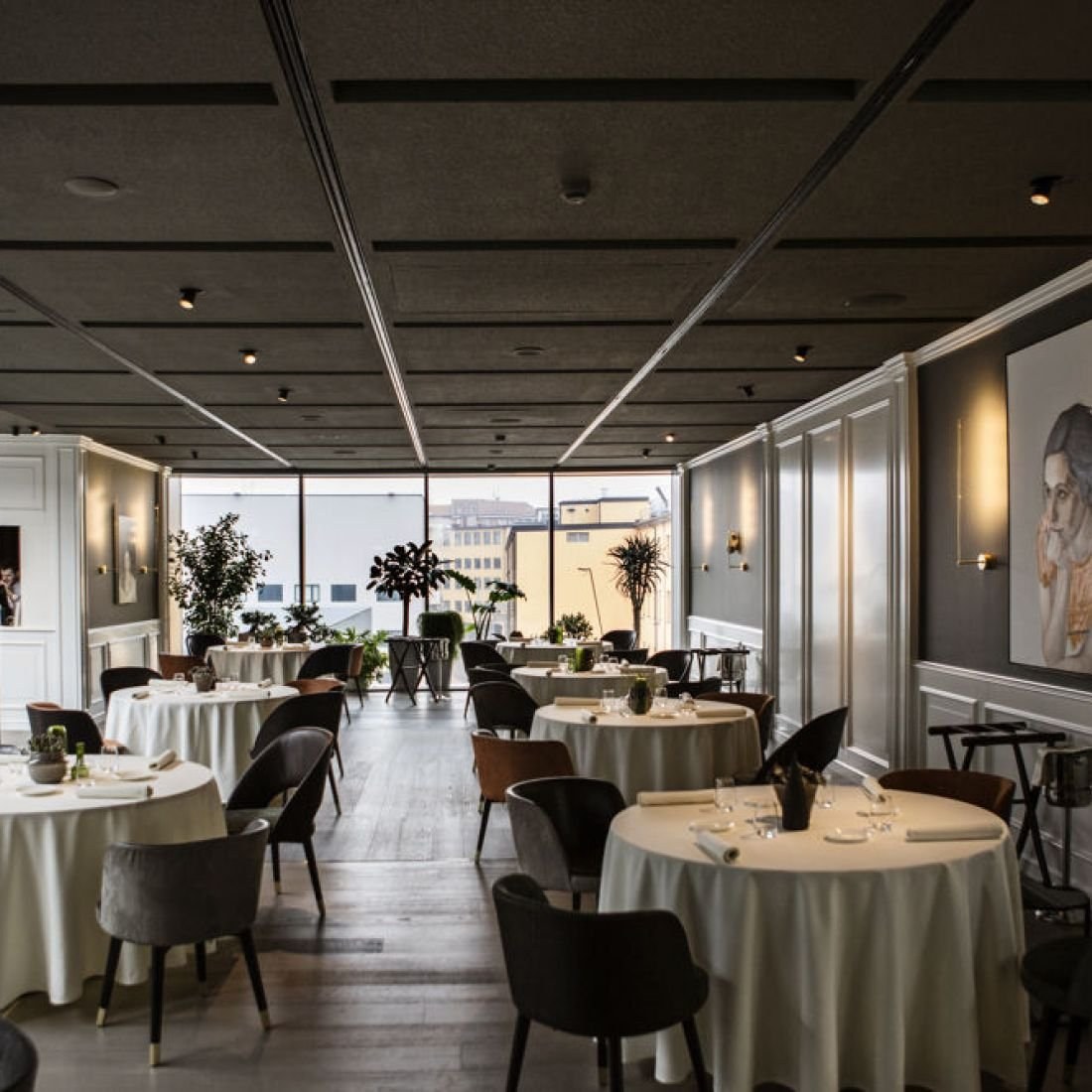
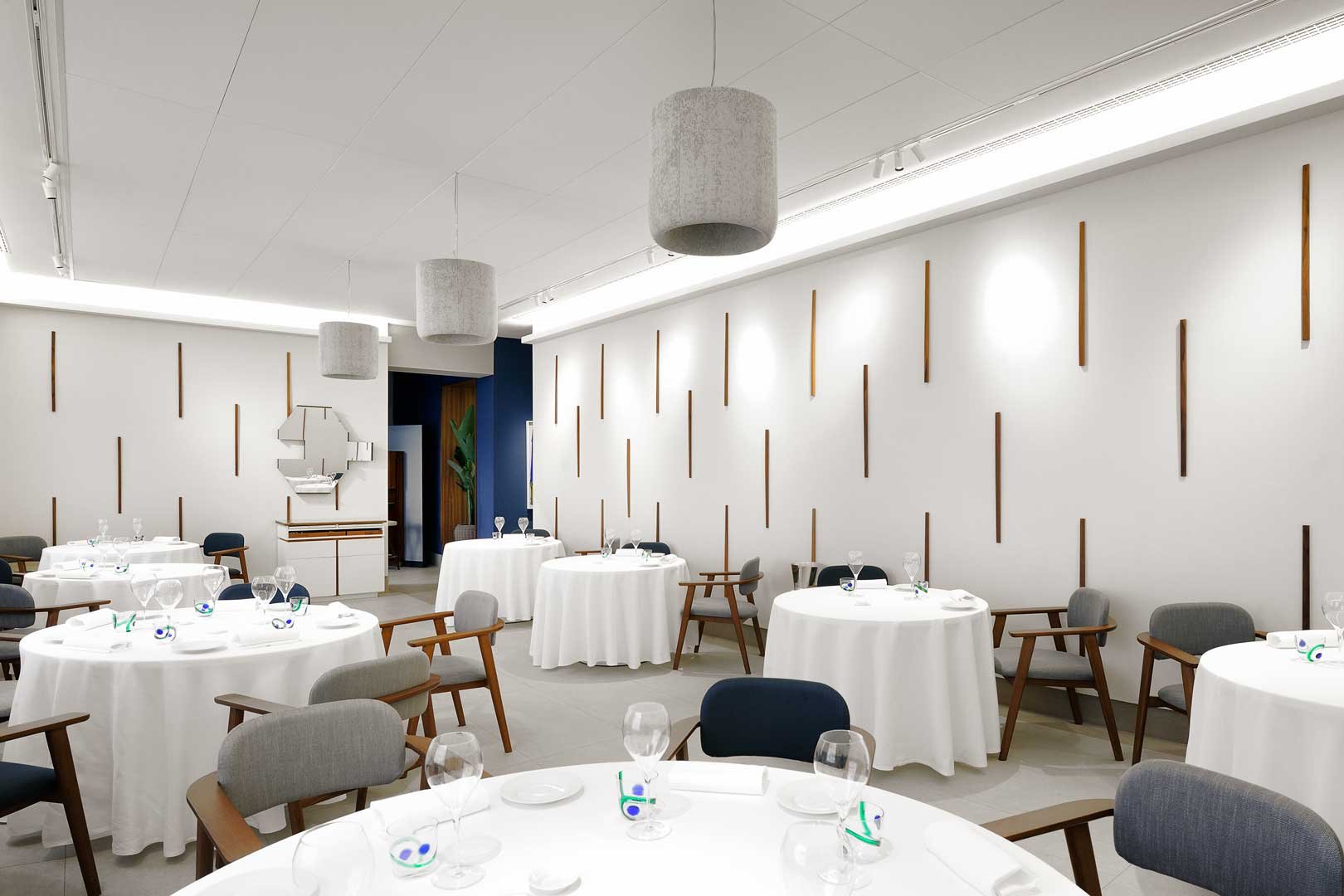
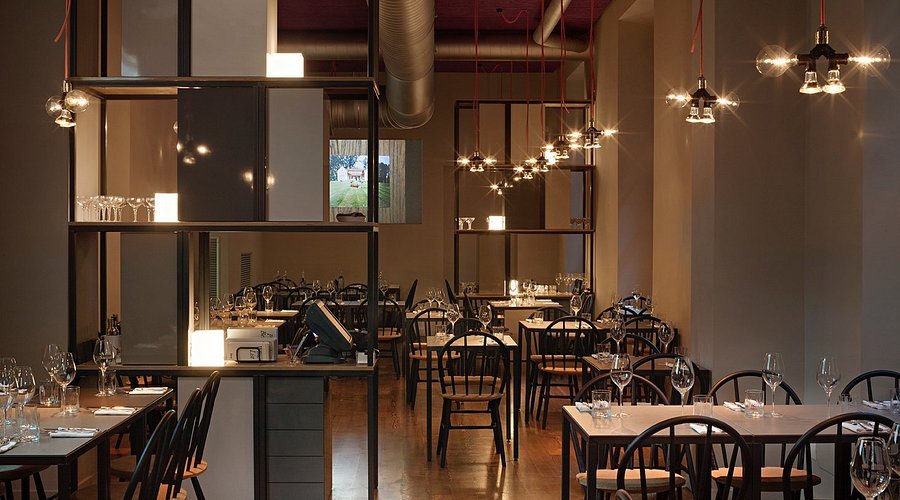
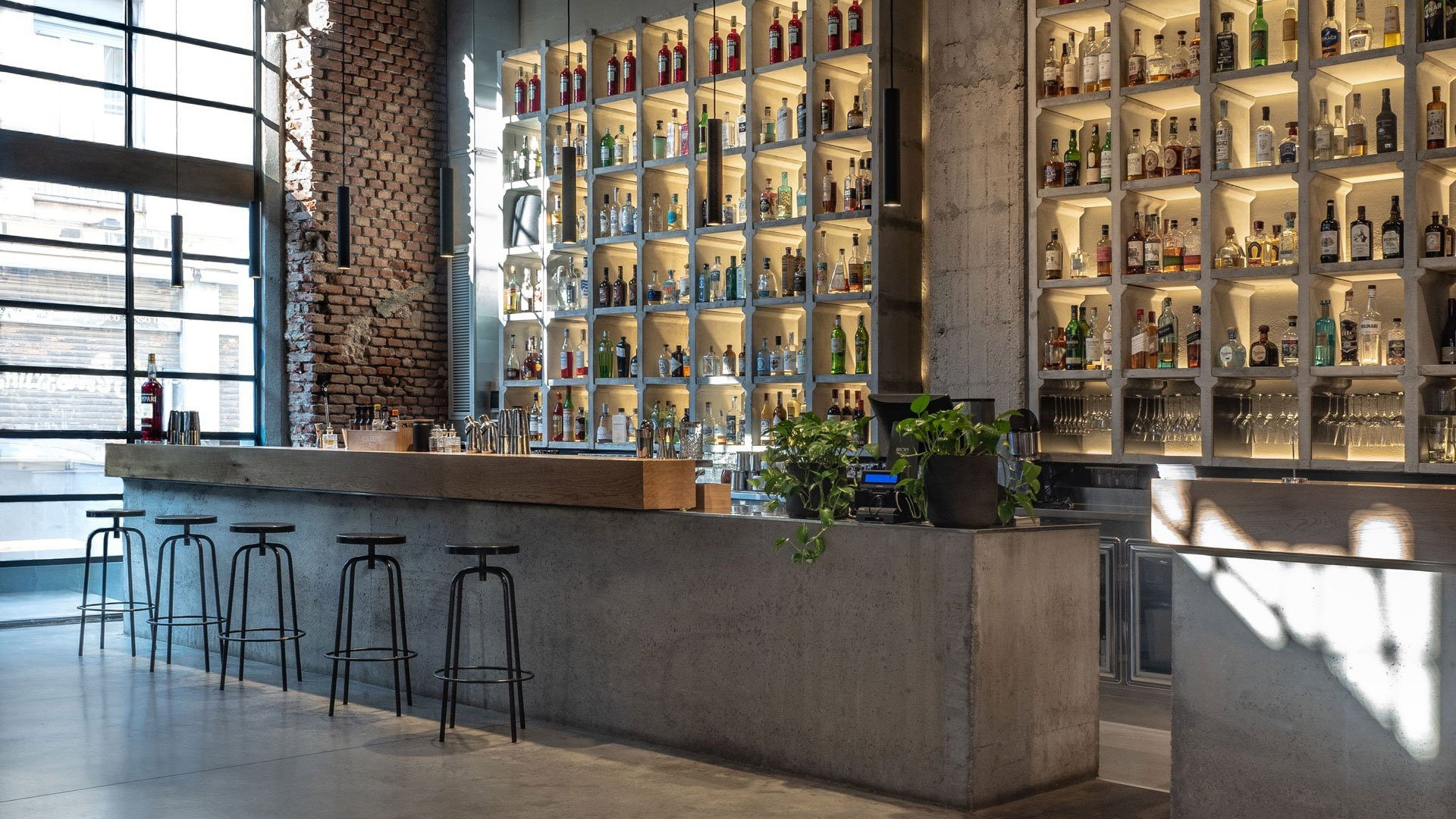
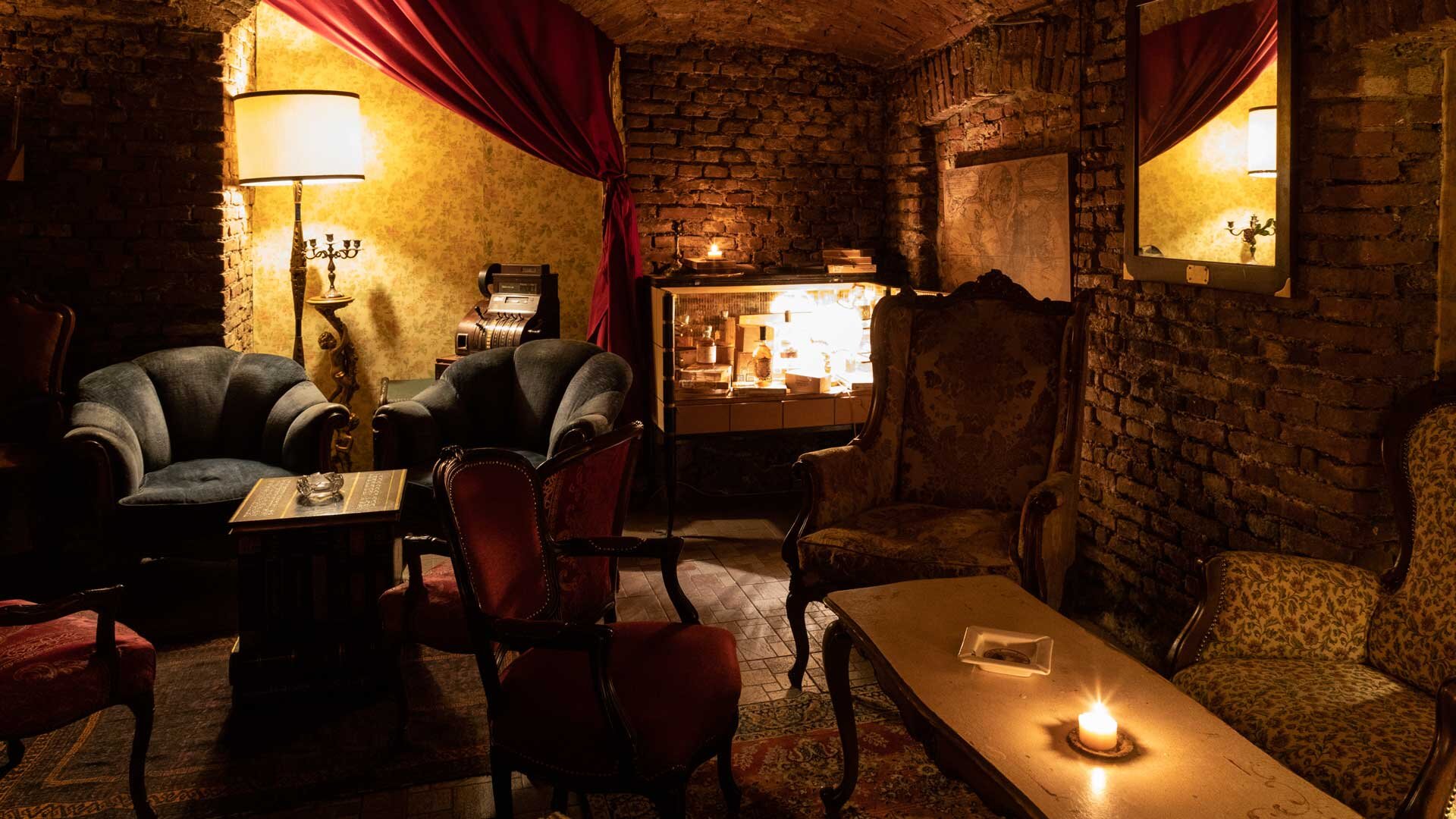
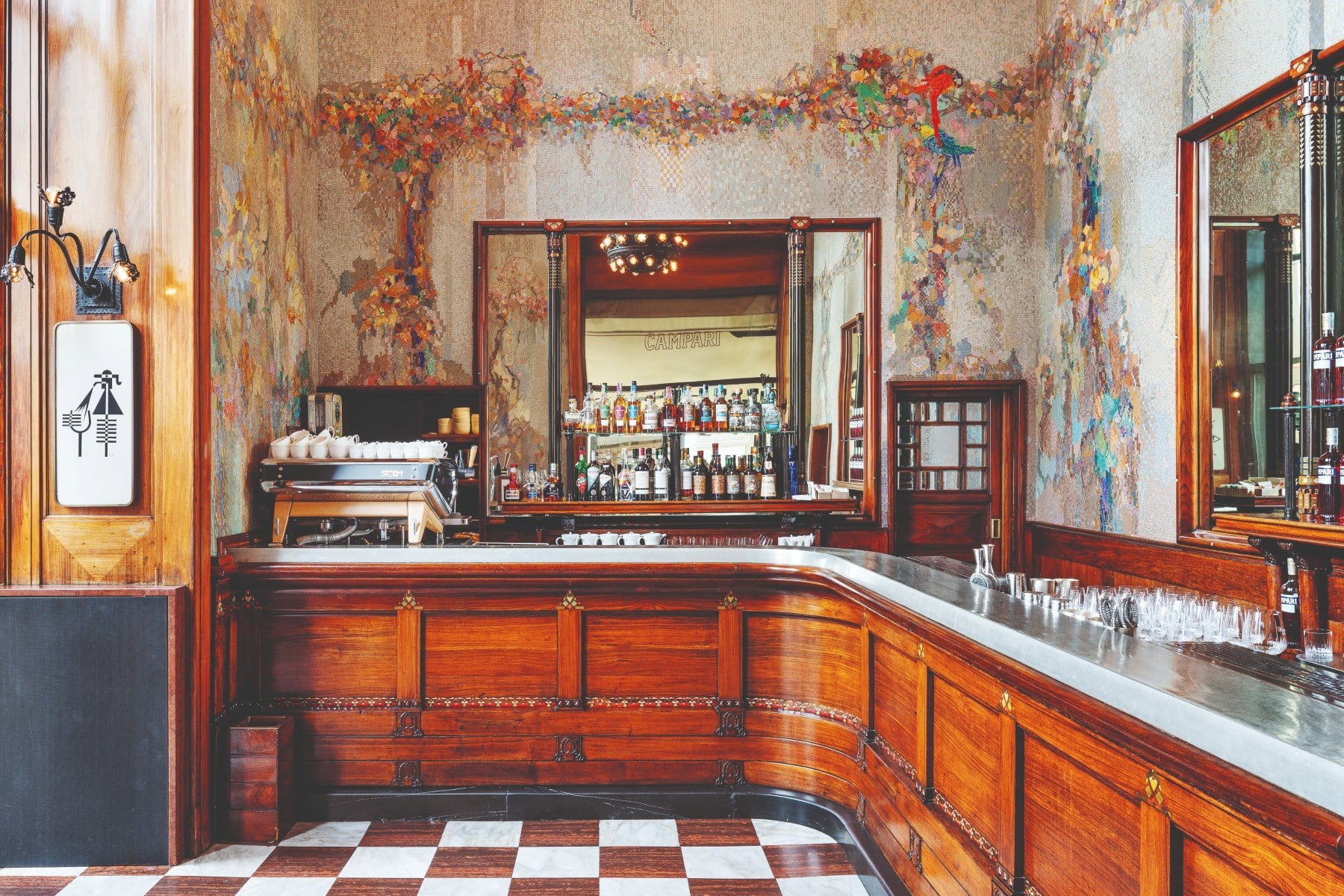
Contemporary elegant atmosphere with modern Milanese design, stylish lighting, and a relaxing wellness-oriented feel enhanced by soundproof rooms.
Tags
Vibe
Best For
Experience
Amenities
View
Accessibility
About the Stay
- Rooms
- 173
- Check-in
- 14:00
- Check-out
- 12:00
- Property Type
- Design hotel
- Property Style
- Contemporary Urban Hotel Reinterpreting Milanese Style with Eclectic Dynamism.
- Design Style
- Modern Minimalist with Non Conventional Contemporary Interiors by Vudafieri Saverino Partners.
- Airport Transfer
- Available
- Spa
- Yes
- Pets
- Allowed
- Cancellation
- Moderate
Know before you go
Know Before You Go
- Getting there
- Via Carlo de Cristoforis, 6, 20124 Milano MI
Planning details
Location
Via Carlo de Cristoforis, 6, 20124 Milano MI · Directions
unaitalianhospitality.com/it/soggiorni/milano-verticale-una-esperienze
Recognition and awards
Also consider
Where to look if this does not fit
If this hotel is not the right match, try ME Milan Il Duca for a more social Milan stay, or Urban Hive Milano for a more relaxed alternative. If the trip is centered on Corso Como, compare 3Rooms 10 Corso Como and 3 Rooms 10 Corso Como Milano before deciding.
Hotel context
How it compares in Milan
Milano Verticale UNA Esperienze is the safer all-purpose hotel choice if the priority is a credible Milan base with easy booking and less dependence on a specific scene. ME Milan Il Duca is the better cross-shop for a more social hotel mood, while Urban Hive Milano is the more casual alternative if the stay is about value and simplicity rather than hotel recognition.
Against the Corso Como cluster, the decision is about format. 3Rooms 10 Corso Como and 3 Rooms 10 Corso Como Milano read as better fits for travelers who want a smaller, more design-linked stay. Milano Verticale UNA Esperienze is the more practical pick for business travel or a trip where predictable hotel infrastructure matters more than boutique character.
10 Corso Como Café belongs in the comparison only if the trip is being planned around the Corso Como area and its fashion-adjacent feel. If the room is the main decision, Milano Verticale UNA Esperienze is easier to justify; if the day is built around shopping, café time, and a neighborhood rhythm, the Corso Como options deserve a closer look.
Around this place
Discover more on Pearl
Unlock the full Milano Verticale UNA Esperienze guide in Pearl, including awards, comparisons, FAQs, planning details, and nearby places.
Compare Milano Verticale UNA Esperienze
| Venue | Location | Awards |
|---|---|---|
| Milano Verticale UNA Esperienze | Milan | 2025 Michelin Selected HotelsPreferred Hotels Member 2025 |
| 3Rooms 10 Corso Como | Milan | No published awards |
| 3 Rooms 10 Corso Como Milano | Milan | No published awards |
| 10 Corso Como Café | Milan | No published awards |
| Urban Hive Milano | Milan | No published awards |
| ME Milan Il Duca | Milan | 2026 Forbes Recommended2026 La Liste Top Hotels2025 Forbes Recommended |


How Milano Verticale UNA Esperienze compares with similar nearby venues.
FAQ
Frequently Asked Questions
What is check-in like at Milano Verticale UNA Esperienze?
Details regarding check-in time or arrival procedure are not provided. Confirm timing directly with the hotel if your arrival is late or if you need a specific check-in arrangement in Milan.
When is the best time to book Milano Verticale UNA Esperienze?
Book when the rate, room type, and Milan travel dates match your needs. Booking window or availability pattern details are not provided, so compare current options directly before committing.
Is Milano Verticale UNA Esperienze good for business travel?
It can be a reasonable candidate for a Milan business stay if you value a recognized hotel: it is a Preferred Hotels Member for 2025 and is in the MICHELIN Guide hotel selection for 2025.
How does Milano Verticale UNA Esperienze compare to other Milan hotels?
Use Milano Verticale UNA Esperienze as a recognized Milan hotel benchmark, then compare it with Urban Hive Milano and ME Milan Il Duca according to rate, room type, and the style of stay you want. 3Rooms 10 Corso Como, 3 Rooms 10 Corso Como Milano, and 10 Corso Como Café may also be useful reference points for the broader Milan trip, depending on what you are comparing.
Do loyalty programs work at Milano Verticale UNA Esperienze?
Milano Verticale UNA Esperienze is a Preferred Hotels Member for 2025.