

Sofitel Mexico City Reforma
Cuauhtemoc, Mexico City
Hotel in Mexico City, Mexico
 Book with Pearl
The Read
Franco-Mexican Vertical Living
Why go
Sofitel Mexico City Reforma is worth booking for a polished Reforma stay, especially for business travel, celebrations, and families who want predictable city logistics over boutique atmosphere. Its Michelin 1 Key recognition and Virtuoso Luxury Hotel Partner status make it a stronger luxury signal than simpler nearby options, though travelers wanting a smaller neighborhood feel should compare Roma, Condesa, and Polanco hotels first.
About Sofitel Mexico City Reforma
Sofitel Mexico City Reforma is a Mexico City hotel with a Michelin 1 Key for 2025 and recognition as a Virtuoso Luxury Hotel Partner for 2026. It has a smart casual dress code. Given its confirmed credentials, the hotel is best evaluated as a Mexico City hotel choice, and specific details about rooms, dining, amenities, or neighborhood advantages should be checked directly.
The clearest case for choosing Sofitel Mexico City Reforma is its confirmed hotel recognition. It may suit travelers who want a hotel in Mexico City with those credentials, but details such as dining format, room categories, views, family programming, meeting facilities, or transportation convenience should be checked directly with the hotel before booking.
A Mexico City base with confirmed hotel recognition
The main distinction is the Michelin 1 Key in 2025, alongside its Virtuoso Luxury Hotel Partner status for 2026. Those signals support considering Sofitel Mexico City Reforma for a Mexico City stay, especially if confirmed hotel credentials matter more than assumptions about style, amenities, or services.
Travelers should avoid assuming specific services, room features, restaurant concepts, or amenities unless they are confirmed through the hotel's current channels. If the trip depends on particular needs, compare the hotel directly with other Mexico City options before committing.
Who should consider Sofitel Mexico City Reforma
Consider Sofitel Mexico City Reforma if you want a Mexico City hotel with confirmed recognition and a smart casual dress code. Further details are best confirmed directly with the hotel, so the best fit is a traveler who values the hotel's confirmed credentials and is willing to confirm practical details before booking.
For broader planning, use Our full Mexico City restaurants guide for food planning, then pair it with Our full Mexico City bars guide if the trip includes drinks. For hotel research, Our full Mexico City hotels guide can help place Sofitel Mexico City Reforma alongside other Mexico City stays.
Inside Sofitel Mexico City Reforma
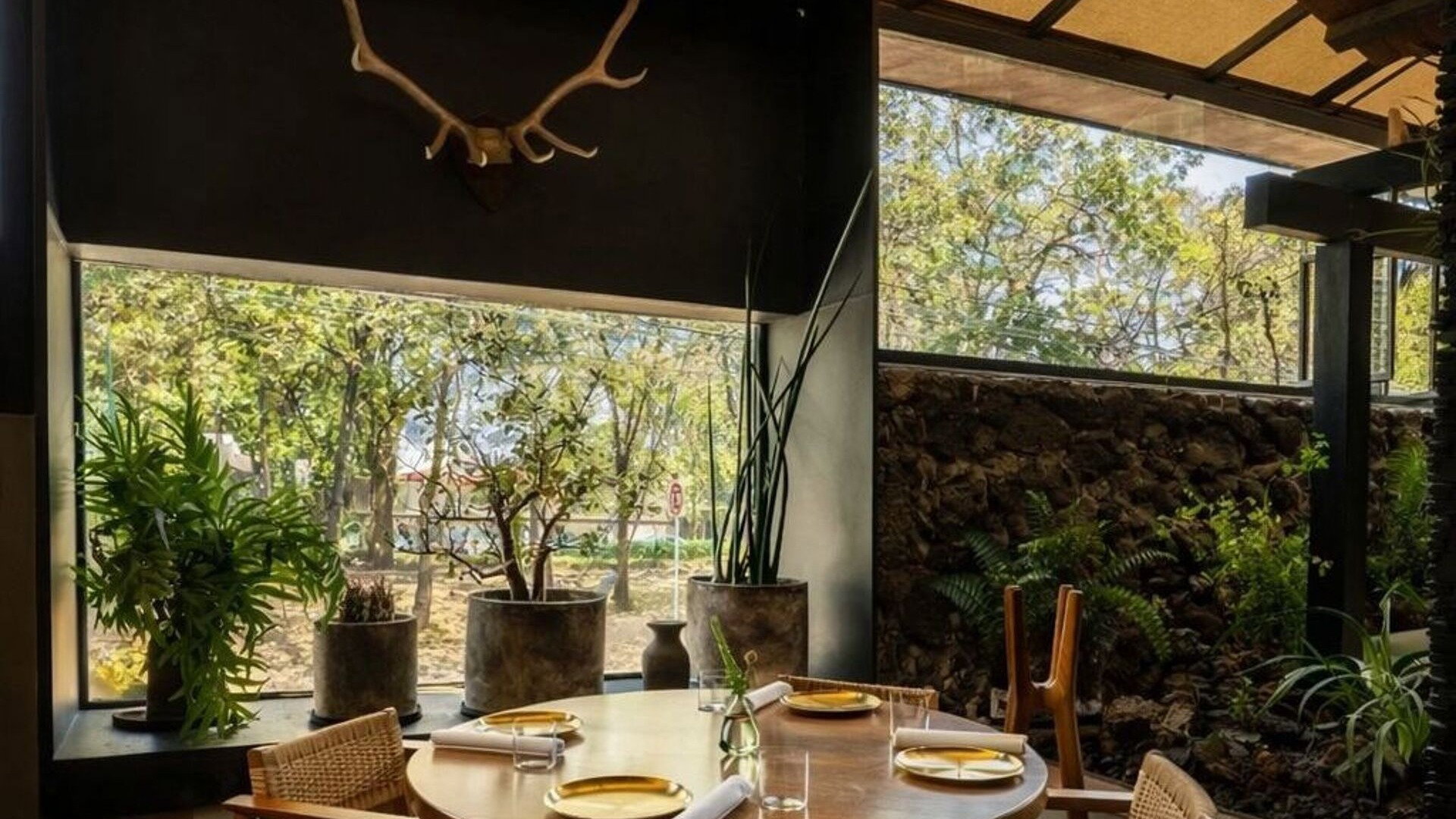
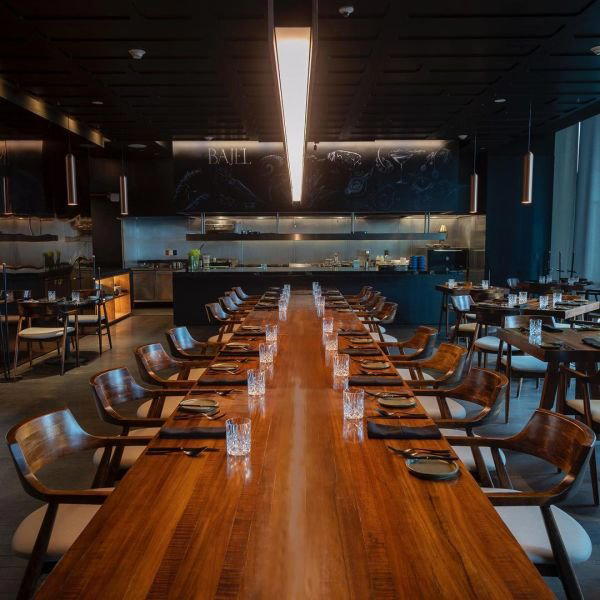 restaurantBajelBajel holds consecutive Michelin Plate recognition for 2024 and 2025, placing it among the more consistent contemporary addresses on Paseo de la Reforma. The room sits in one of Mexico City's most trafficked corridors, yet the kitchen operates at a register that rewards attention rather than rush. A Google rating of 4.8 across 239 reviews suggests the kitchen's output matches its ambitions.
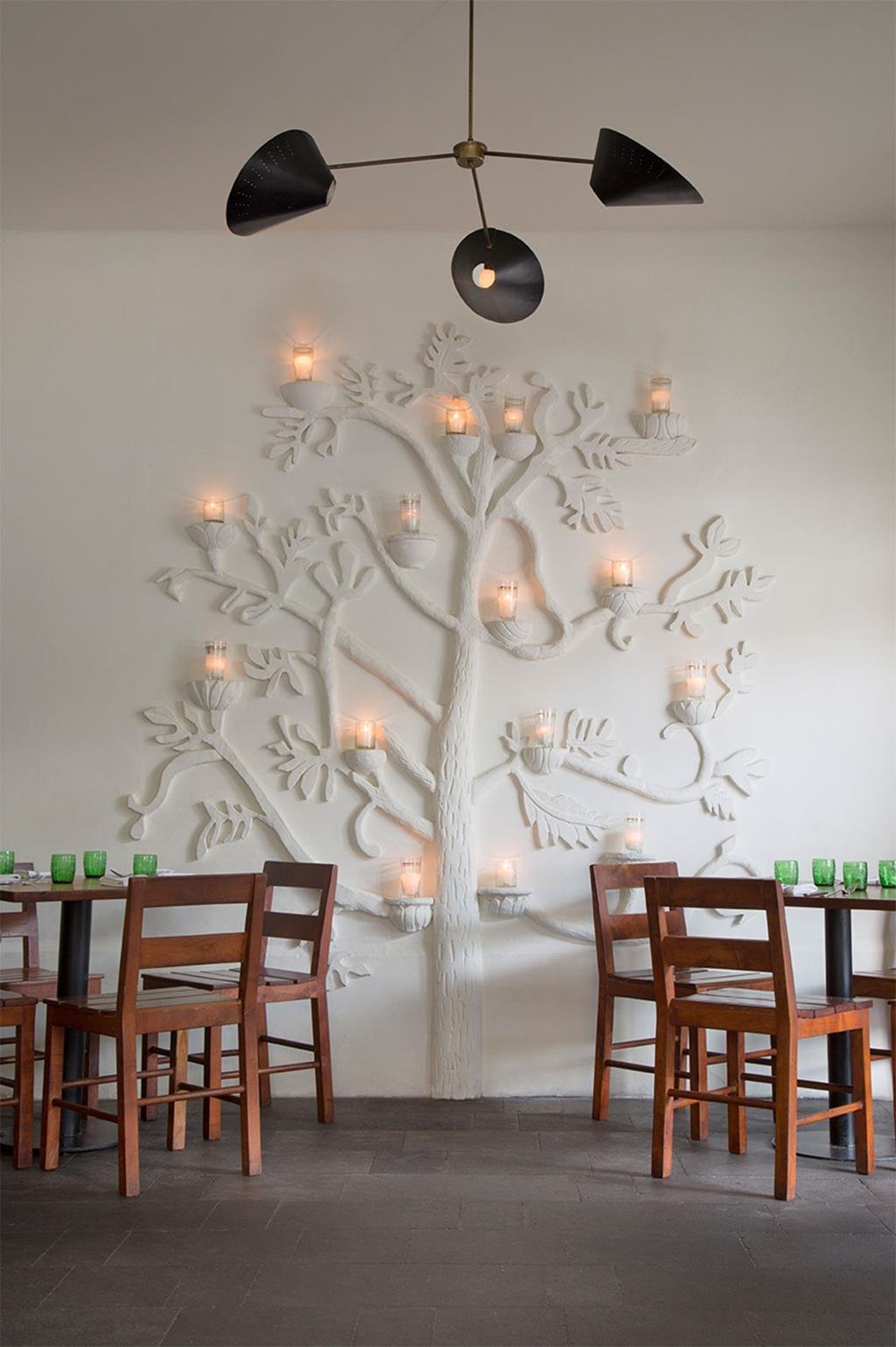
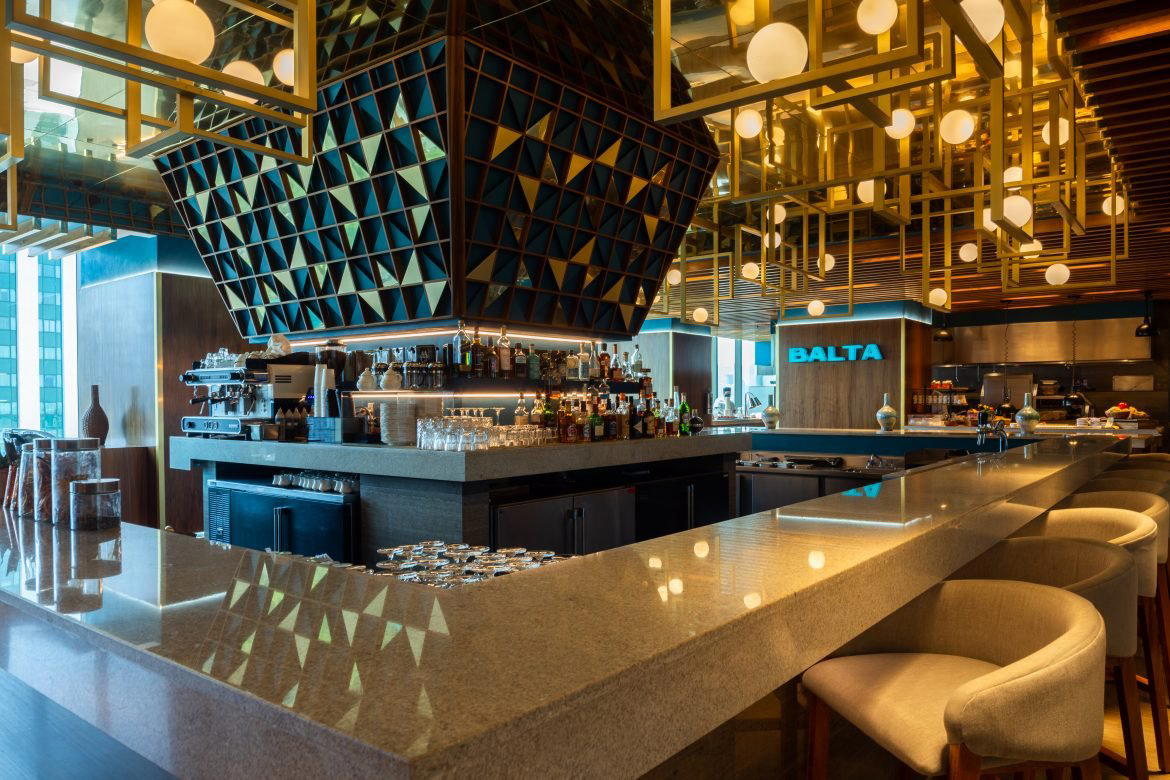 restaurantBaltaPositioned on Paseo de la Reforma in the Cuauhtémoc district, Balta occupies one of Mexico City's most consequential dining corridors, where the capital's appetite for serious cooking meets the rhythm of a working boulevard. The address places it in direct conversation with the city's broader fine-dining shift toward midday ambition and evening restraint, a divide that shapes how the room reads at different hours.
Planning details
- Location
- 297 Avenue, Av. P.º de la Reforma, Cuauhtémoc, 06500 Ciudad de México, CDMX
- Website
- sofitel.accor.com/hotels/9615?merchantid=seo-maps-MX-9615&sourceid=aw-cen
- Phone
- +52 55 8660 0500
The take
The Take
The Vibe
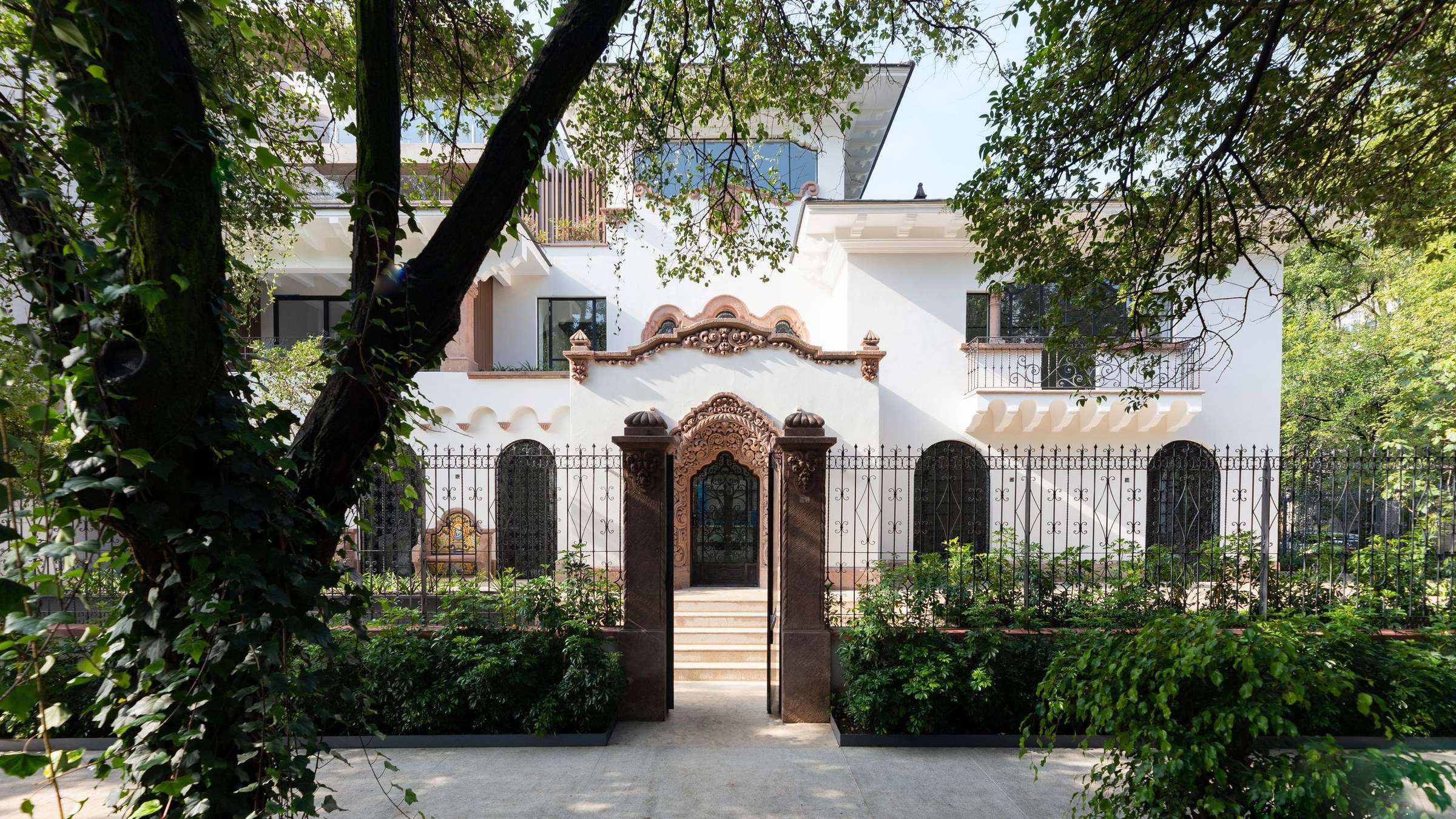
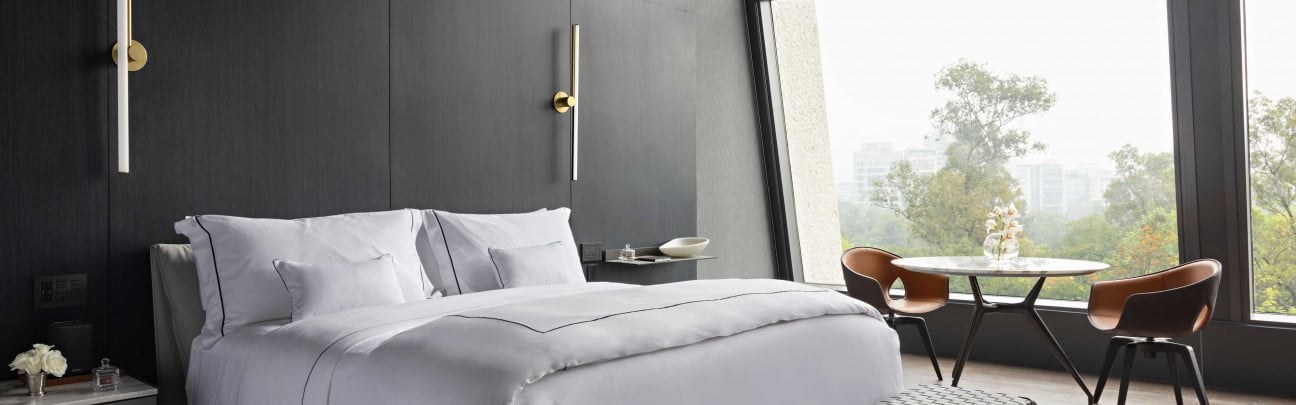
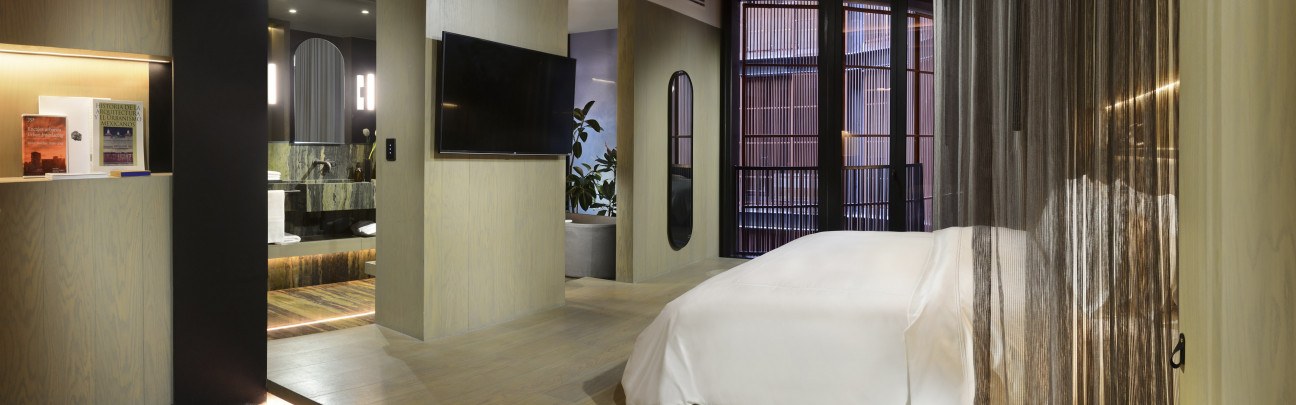
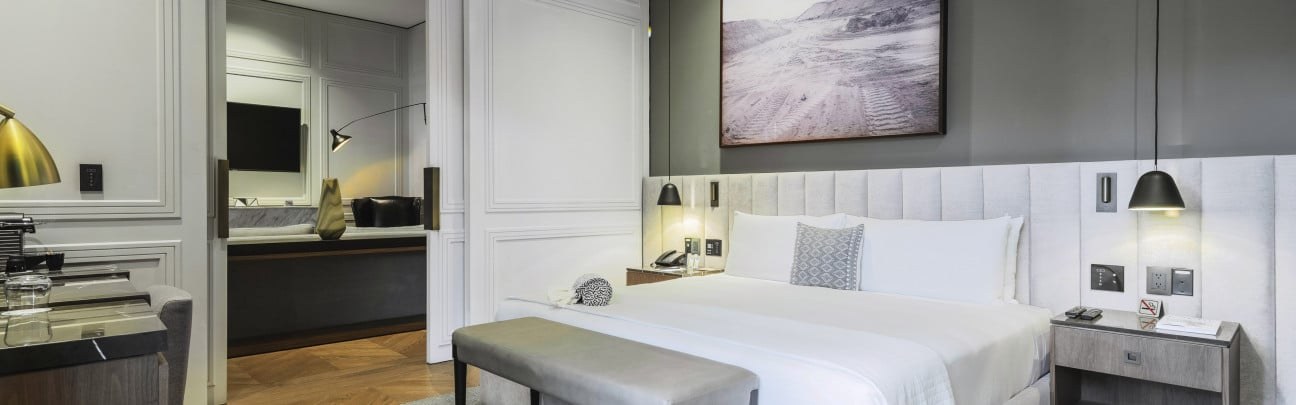
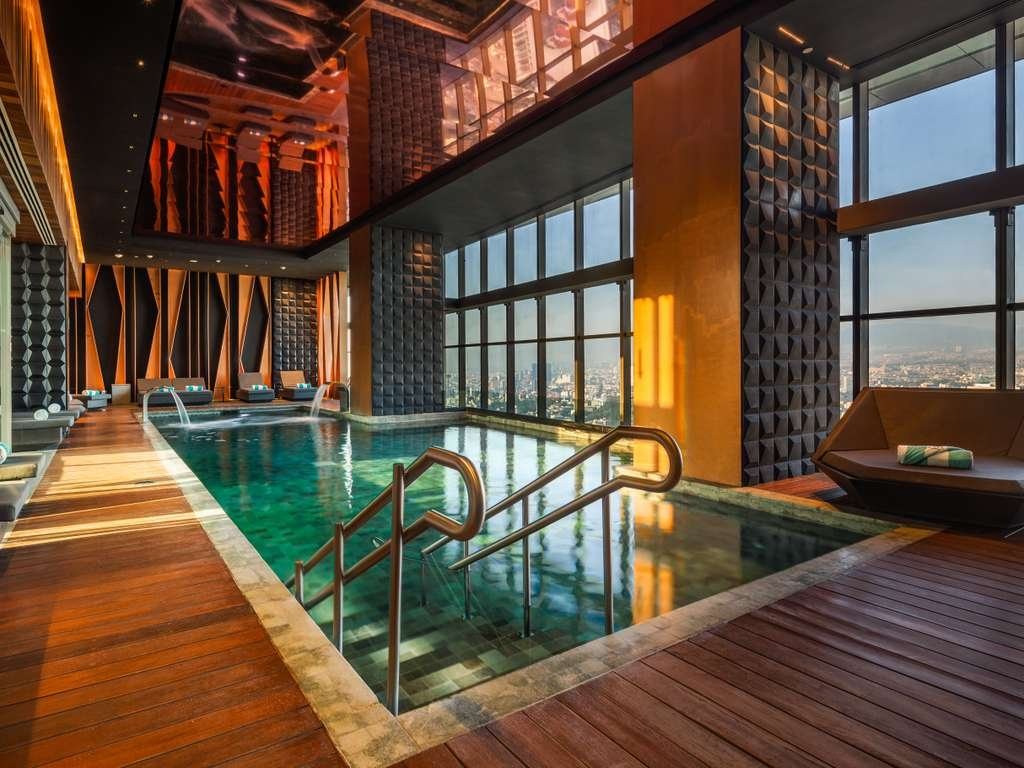
Sofitel Mexico City Reforma presents itself as a vertical address: a 40-story tower that offers sweeping vantage points down Paseo de la Reforma. The public and private spaces balance a modernist aesthetic with warm touches — patterned carpets, organic textures and warm tones — so rooms feel hospitable rather than stark. French touches thread through the experience, from L'Occitane bath products to Nespresso machines, reinforcing the Sofitel DNA without overwhelming the local context. The overall effect is refined and scenic: a high-rise urban hotel that reads the city from above while keeping interiors comfortably warm.
Best For
This Sofitel suits travelers who want to orient themselves in Mexico City from a high vantage and appreciate polished international-hotel service. Business travelers benefit from the Reforma address amid financial towers, while couples and weekend visitors find the panoramic views and elevated rooms well suited to a romantic or restorative stay. The property’s 275 rooms and suites are built around the view, and the hotel explicitly houses two principal restaurants, making it convenient for guests who prefer to dine on-site rather than venture far from the boulevard.
Stay Tips
Book a high-floor room or suite to maximize the Reforma sightlines — floor-to-ceiling windows are the primary design gesture in most categories. If you prefer darkness for sleep, use the automated curtains that fully black out the panorama; if you want morning light, open them to flood the room. Rooms come with in-room Nespresso machines and L'Occitane bath amenities, so plan light morning routines accordingly. For dining, consider reserving at one of the hotel's two principal restaurants to keep the evening simple and close to your room.
Venue details
Ambiance
Sophisticated and calming with natural light from expansive windows, serene spa-like atmosphere, and modern French elegance.
Tags
Vibe
Best For
Experience
Amenities
View
Accessibility
About the Stay
- Rooms
- 275
- Property Style
- Modern Luxury High Rise with French Chic and Panoramic City Views
- Design Style
- Contemporary Minimalist with Calming Tones, Marble Bathrooms, and Cutting Edge Technology
Know before you go
Know Before You Go
- Getting there
- 297 Avenue, Av. P.º de la Reforma, Cuauhtémoc, 06500 Ciudad de México, CDMX
Planning details
Location
297 Avenue, Av. P.º de la Reforma, Cuauhtémoc, 06500 Ciudad de México, CDMX · Directions
sofitel.accor.com/hotels/9615?merchantid=seo-maps-MX-9615&sourceid=aw-cen
Recognition and awards

Also consider
Also Consider
- Hotel Carlota, Notable alternative
- Galeria Plaza Reforma, Notable alternative
- Volga, Notable alternative
- Casapani, Notable alternative
- The St. Regis Mexico City, Notable alternative
Hotel context
How it compares in Mexico City
The St. Regis Mexico City is the clearest luxury cross-shop: choose it if classic high-service formality is the priority, and choose Sofitel Mexico City Reforma if the stay needs a polished Reforma base with a slightly more contemporary feel. Both suit special occasions and business travel; the St. Regis is the safer pick for travelers who want a known luxury benchmark, while Sofitel is the better fit for guests who want Reforma convenience without defaulting to the older luxury playbook.
Hotel Carlota, Volga, and Casapani are better comparisons for travelers who care more about design scale and neighborhood personality than full-service hotel polish. Sofitel is the stronger choice for families, business travelers, and celebration stays where the hotel needs to feel dependable. Those smaller properties make more sense for couples or solo travelers who want a lighter, more local-feeling base and are willing to give up some big-hotel predictability.
Galeria Plaza Reforma is the practical value counterpoint. Pick it when location matters more than luxury recognition and the room is mainly a place to sleep. Pick Sofitel Mexico City Reforma when the stay itself is part of the spend: quieter atmosphere, higher occasion value, and a stronger credential set. Booking difficulty is marked hard, so travelers with fixed dates should compare availability across these five rather than waiting for the Reforma choice to open up.
Explore Mexico City
Around this place
Discover more on Pearl
Unlock the full Sofitel Mexico City Reforma guide in Pearl, including awards, comparisons, FAQs, planning details, and nearby places.
Compare Sofitel Mexico City Reforma
| Venue | Location | Awards |
|---|---|---|
| Sofitel Mexico City Reforma | Mexico City | 2026 Virtuoso Luxury Hotel CollectionMichelin 1 Key 20252025 Michelin 1 Key |
| Hotel Carlota | Mexico City | No published awards |
| Galeria Plaza Reforma | Mexico City | Preferred Hotels Member 2025 |
| Volga | Mexico City | 2026 Mr & Mrs Smith Luxury Hotels2025 Michelin 1 KeyPreferred Hotels L.V.X. Collection 2025 |
| Casapani | Mexico City | No published awards |
| The St. Regis Mexico City | Mexico City | 2026 Virtuoso Luxury Hotel Collection2026 Forbes 4-StarAAA Diamonds Top 10 Hotels 20262026 La Liste Top Hotels2025 Michelin Selected Hotels2025 Forbes 4-Star2025 AAA 5 Diamond Hotel |






How Sofitel Mexico City Reforma compares with similar nearby venues.
FAQ
Frequently Asked Questions
How is the location of Sofitel Mexico City Reforma?
Sofitel Mexico City Reforma is in Mexico City. Specific address, neighborhood, and landmark details should be confirmed directly with the hotel before booking.
What is check-in like at Sofitel Mexico City Reforma?
Specific check-in details are not available. Confirm arrival times, early check-in options, and any special arrival needs directly with Sofitel Mexico City Reforma before travel.
Is Sofitel Mexico City Reforma good for business travel?
The hotel has confirmed recognition, including a Michelin 1 Key for 2025 and Virtuoso Luxury Hotel Partner status for 2026. Specific business-travel features or services are not detailed, so confirm meeting, workspace, and arrival requirements directly with the hotel.
Which room category is best at Sofitel Mexico City Reforma?
Room-category guidance is not available. Choose based on your budget and confirm room size, view, bedding, and included benefits directly with Sofitel Mexico City Reforma.
How does Sofitel Mexico City Reforma compare to other options?
Compare Sofitel Mexico City Reforma with Hotel Carlota, Galeria Plaza Reforma, The St. Regis Mexico City, Casapani, and Volga based on current rates, availability, and the specific stay details each venue confirms. Sofitel Mexico City Reforma's distinctions are its Michelin 1 Key for 2025 and Virtuoso Luxury Hotel Partner recognition for 2026.
When is the best time to book Sofitel Mexico City Reforma?
No specific booking window is available. If rates or availability matter, compare dates early against Galeria Plaza Reforma and The St. Regis Mexico City, and confirm cancellation terms directly before booking.