

Ignacia Guest House
Centro Urbano Benito Juarez, Mexico City
Hotel in Mexico City, Mexico
 Book with Pearl
The Read
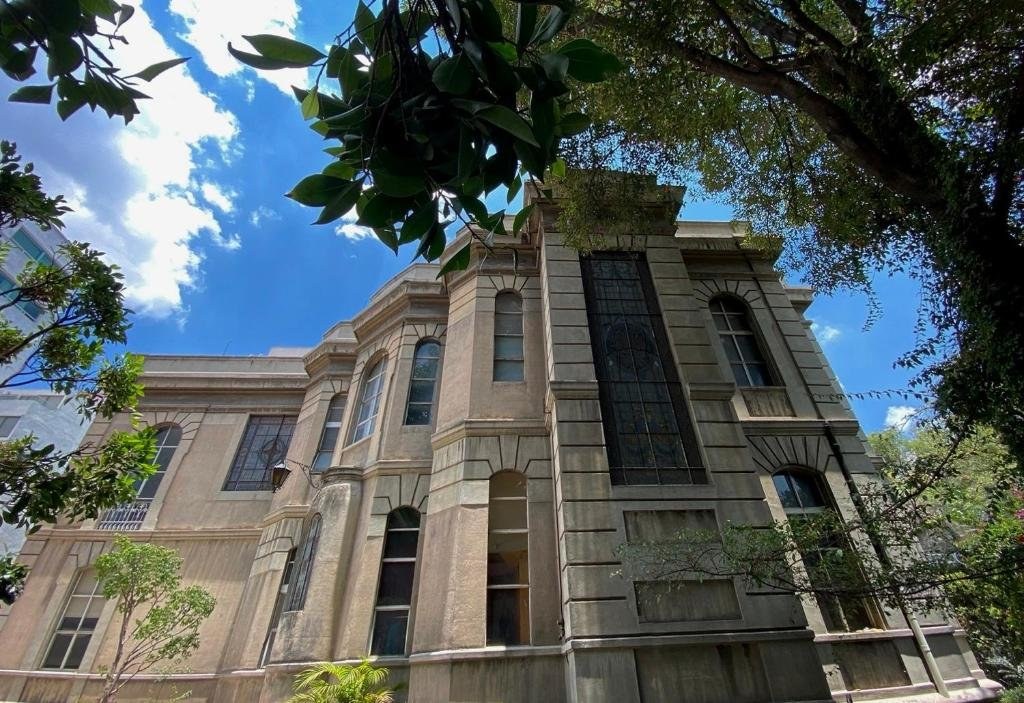
Century Mansion, Five Rooms
Why go
Ignacia Guest House is a strong pick for travelers who want a small, design-led Roma Norte base rather than a full-service hotel. The 2025 Michelin 1 Key recognition gives it real credibility, but treat dining as a neighborhood advantage rather than the reason to stay.
About Ignacia Guest House
Ignacia Guest House is a Mexico City hotel with a clearly distinction: Michelin 1 Key recognition in 2025. Beyond that accolade and the city, the available data is limited, so the safest way to evaluate it is as a Key-recognized stay rather than through claims about neighborhood, facilities, dining, design, rates, or service style.
Choose it for a Michelin Key stay in Mexico City
The strongest confirmed reason to consider Ignacia Guest House is its Michelin 1 Key recognition in 2025. That makes it relevant for travelers comparing distinctive hotel stays in Mexico City, especially those who want a property with a confirmed hospitality accolade rather than a generic listing.
There is not enough information here to make specific claims about on-site dining, amenities, room count, service format, or guest profile. If those details matter, confirm them directly with the property before booking. Travelers comparing other Mexico City hotel options may also want to look at Brick Hotel, Casa Goliana, Hotel Parian, Maison Celeste, or Nima Local House hotel.
Practical read for a first Mexico City stay
Reservations: check current availability directly before planning around the stay. Dress:Budget:Area: the location is Mexico City; use current maps and the venue's own channels for precise planning. For broader planning, use Our full Mexico City hotels guide, Our full Mexico City restaurants guide, and Our full Mexico City bars guide.
Planning details
- Location
- Jalapa 208, Roma Nte., Cuauhtémoc, 06700 Ciudad de México, CDMX
- Website
- ignacia.mx
- Phone
- +52 55 2121 0966
The take
The Take
The Vibe
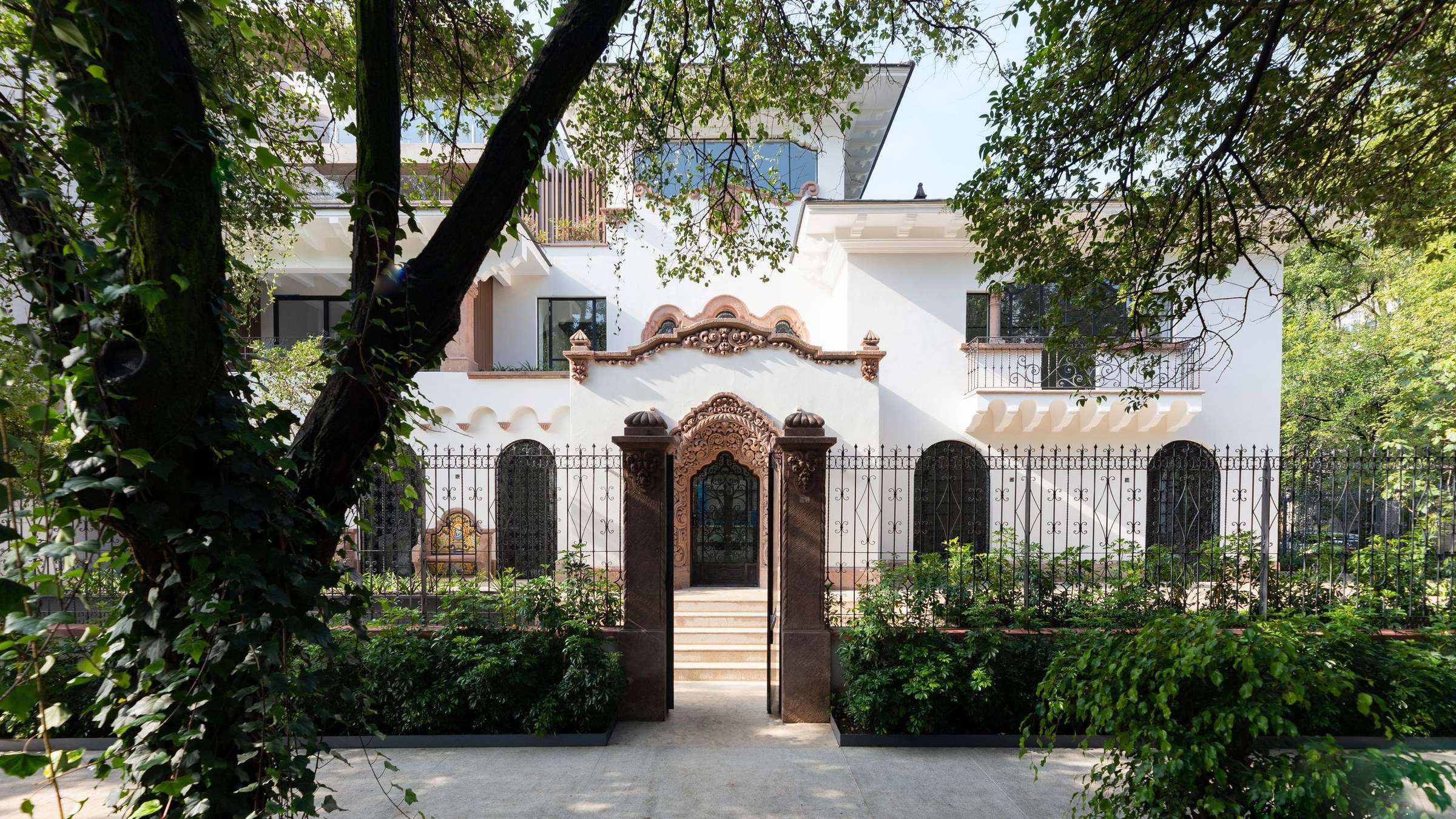
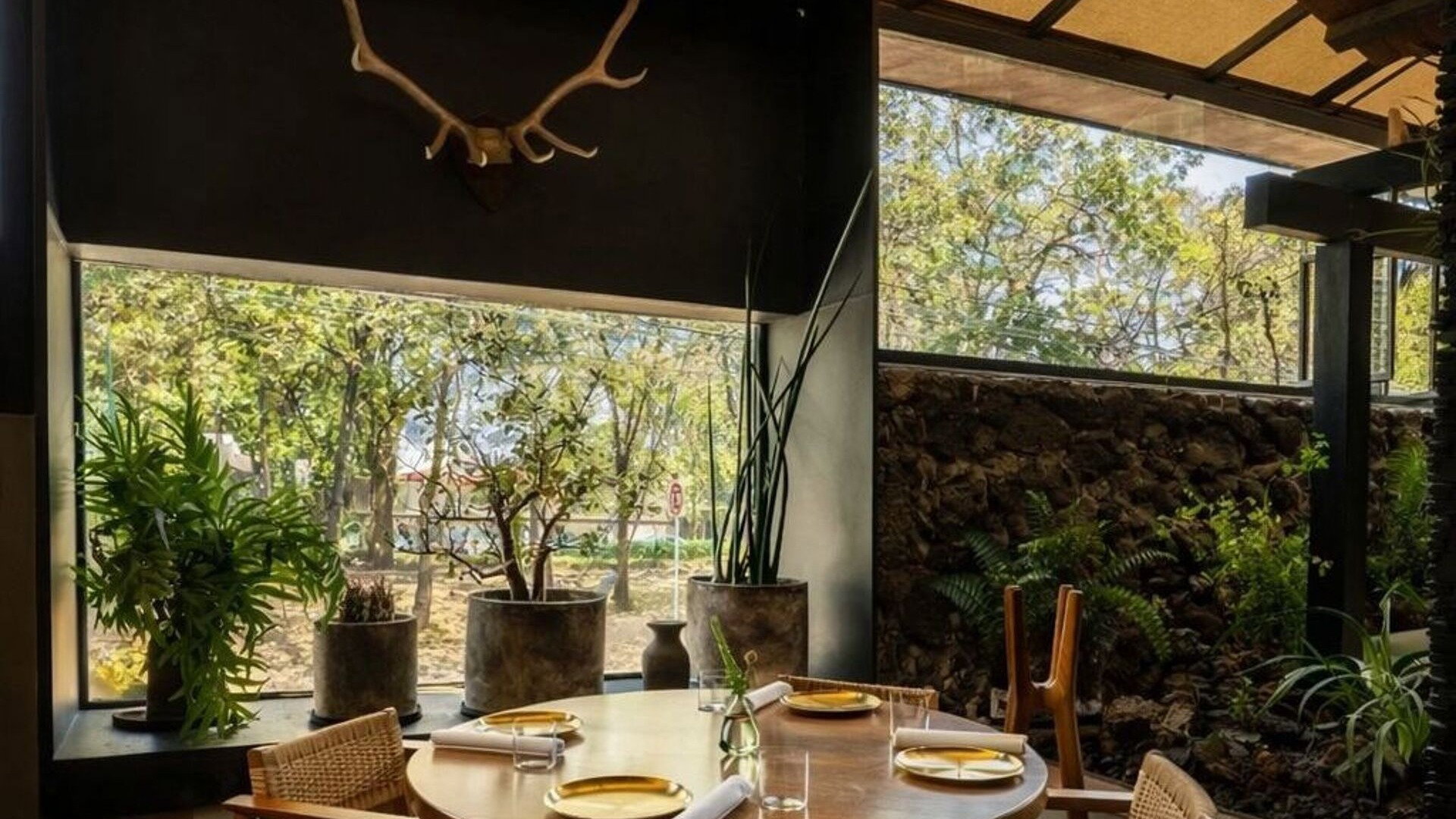
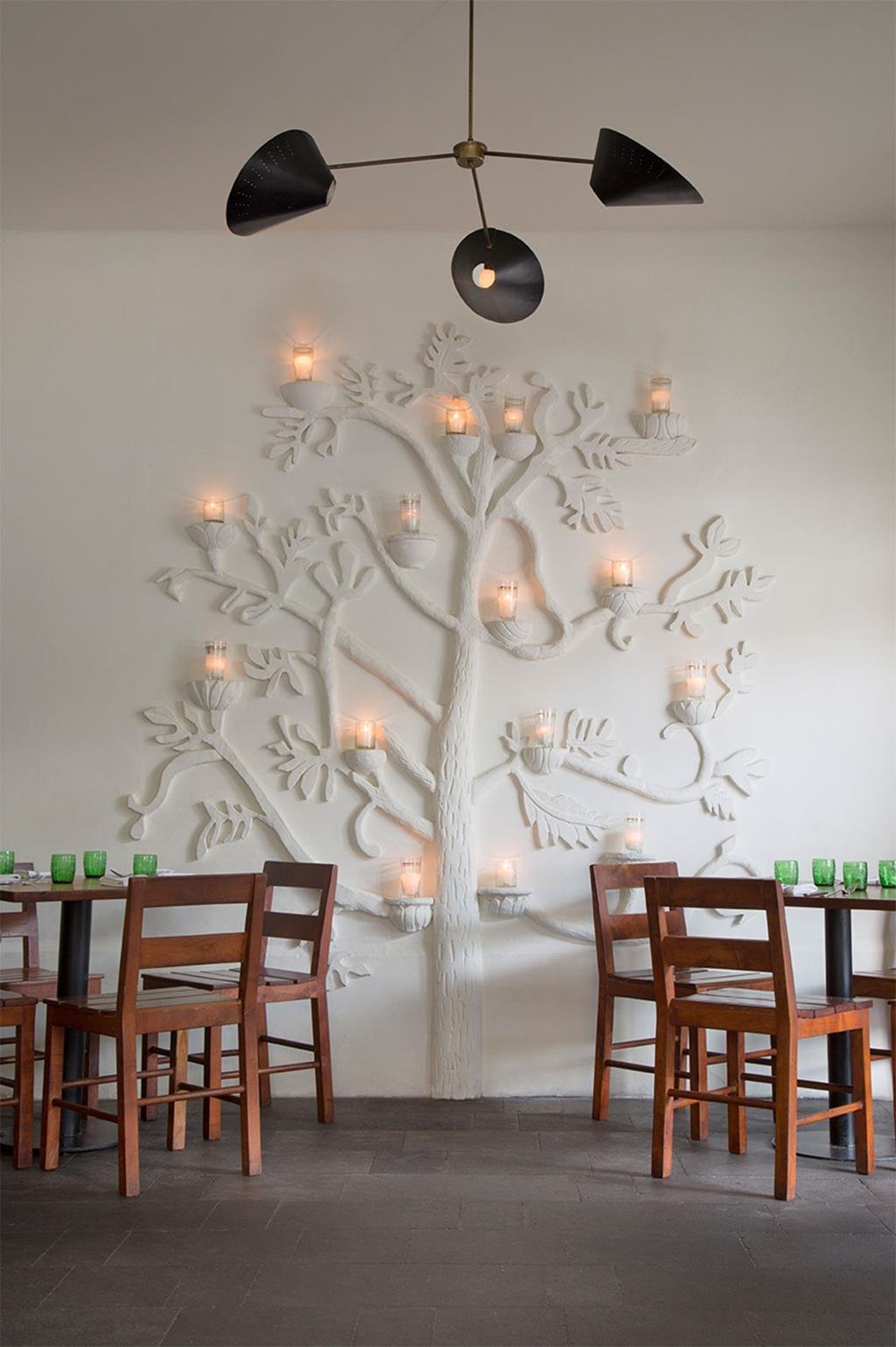
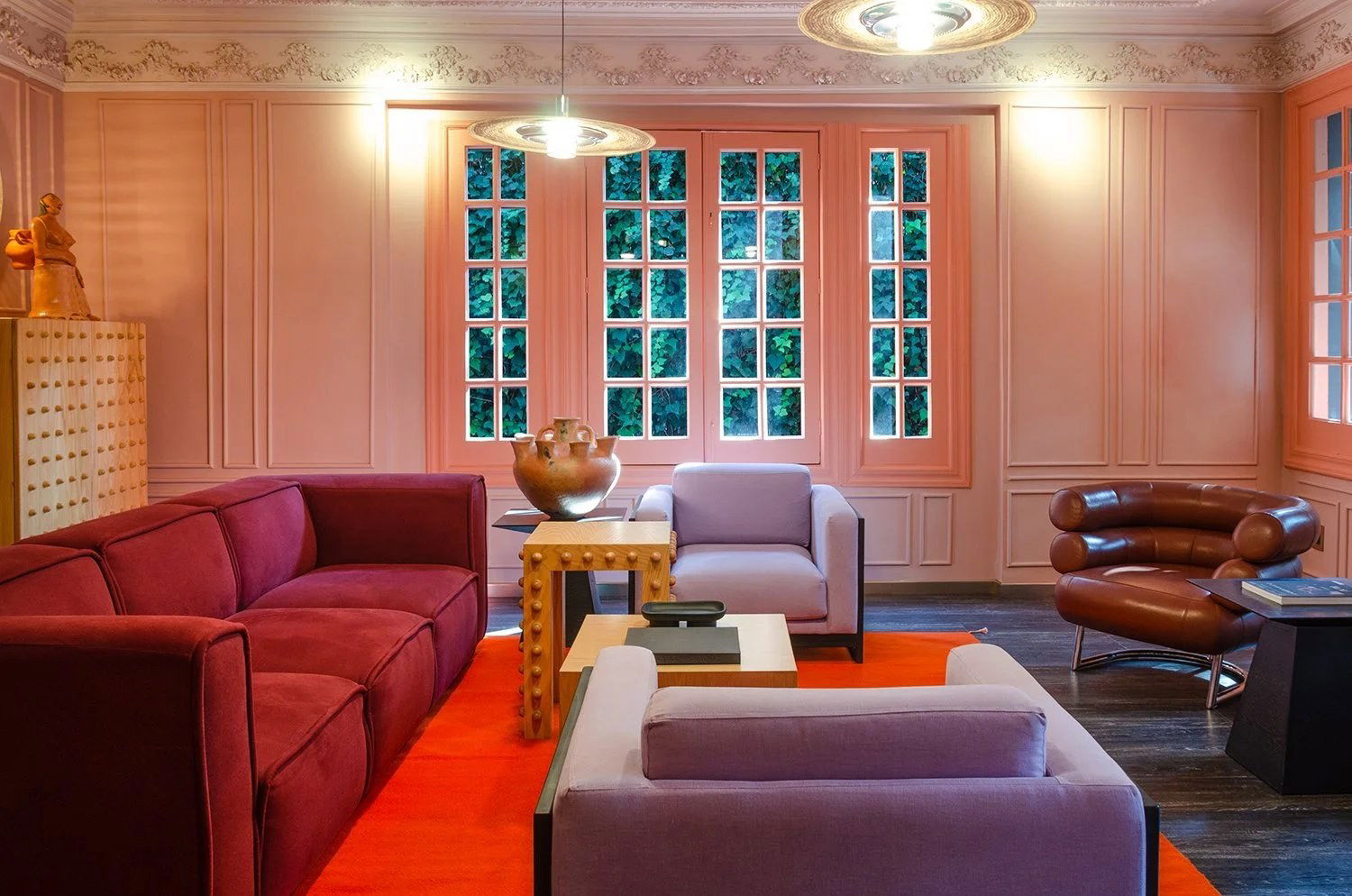
Ignacia Guest House occupies a century-old mansion in Roma Norte and presents a quietly sophisticated study in architectural reinvention. The property — literally 'a mansion remade for five' — shows the building's 1913 bones alongside carefully considered modern additions by Fermín Espinosa and Andrés Gutiérrez. The result reads neither as a museum nor a minimalist capsule but as a layered, design-forward residence that privileges craft over flash. The scale feels intimate because of the house's proportions, and the overall tone favors refined restraint: historic materiality, clean contemporary interventions, and an editorial approach to hospitality aimed at design-minded travelers.
Best For
Ignacia is best for travelers seeking a design-led, low-key escape in one of Mexico City's most talked-about neighborhoods. Its small scale and careful preservation make it a natural choice for romantic getaways, anniversaries, and short weekend escapes where privacy and atmosphere matter more than brand trappings. Guests who care about architecture, thoughtful detailing, and being based in Roma's independent-gallery-and-café ecosystem will find the property especially rewarding. The hotel positions itself on the premium end of Roma's boutique scene, offering a quieter, more considered alternative to larger luxury flags elsewhere in the city.
Venue details
Ambiance
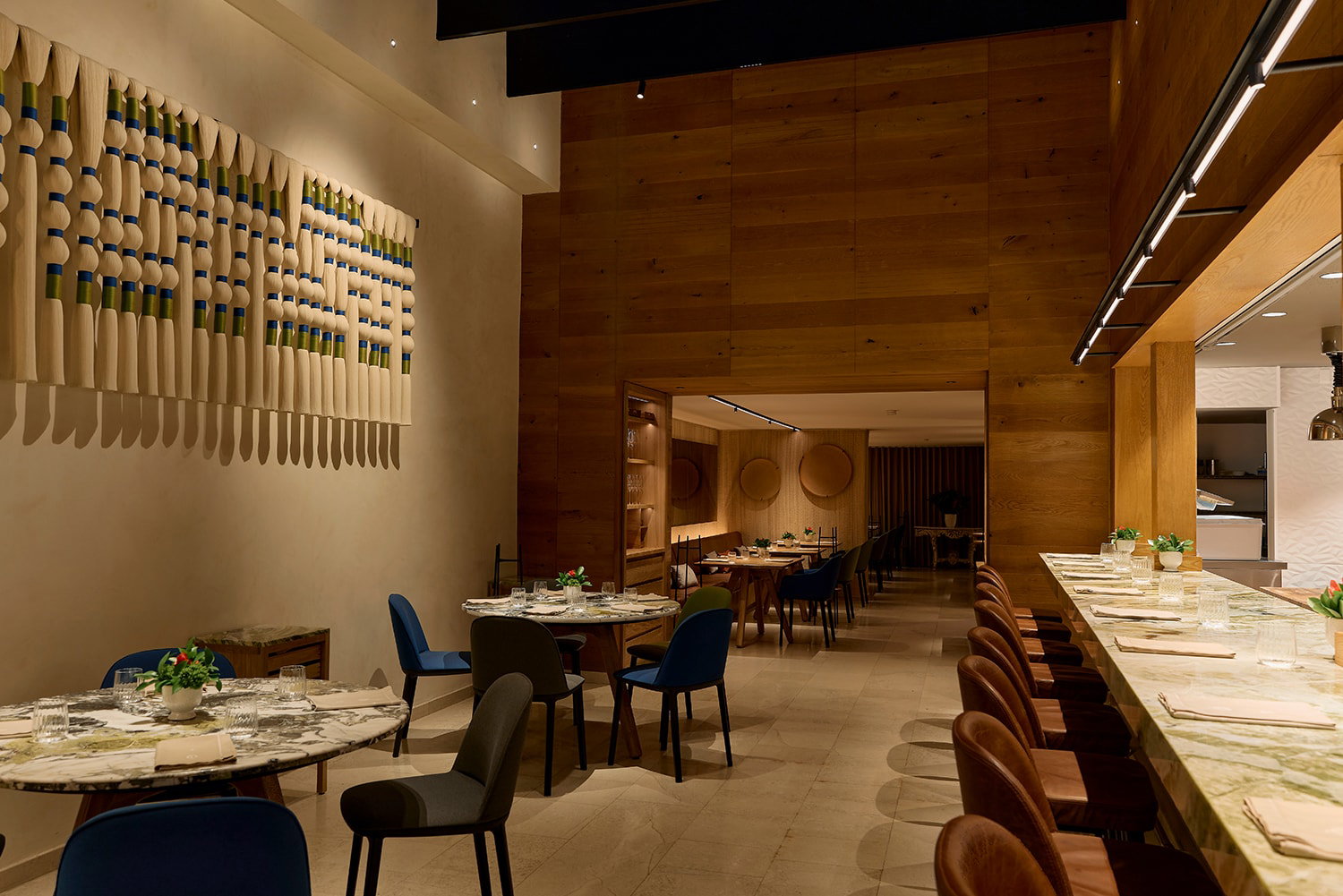
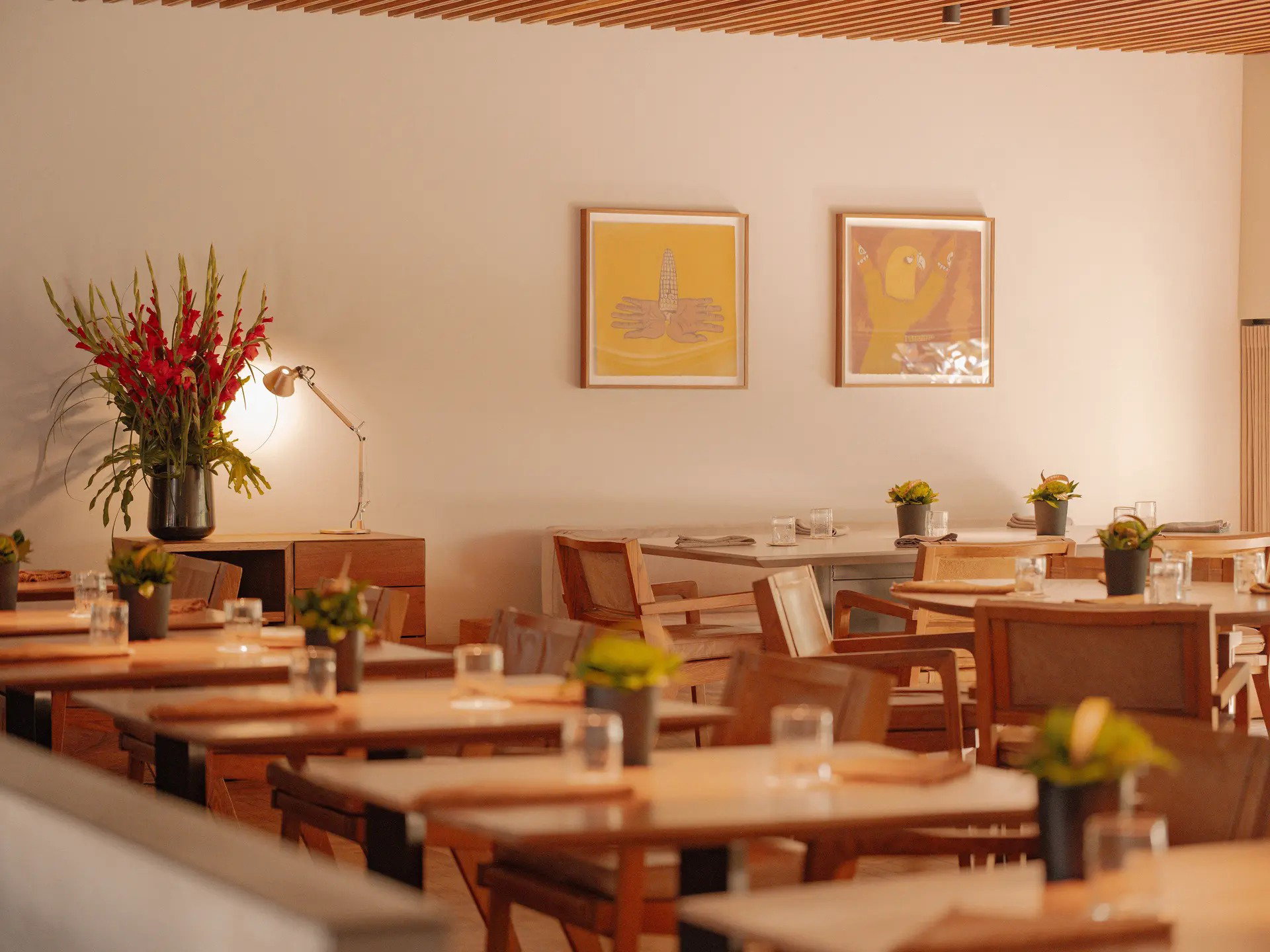
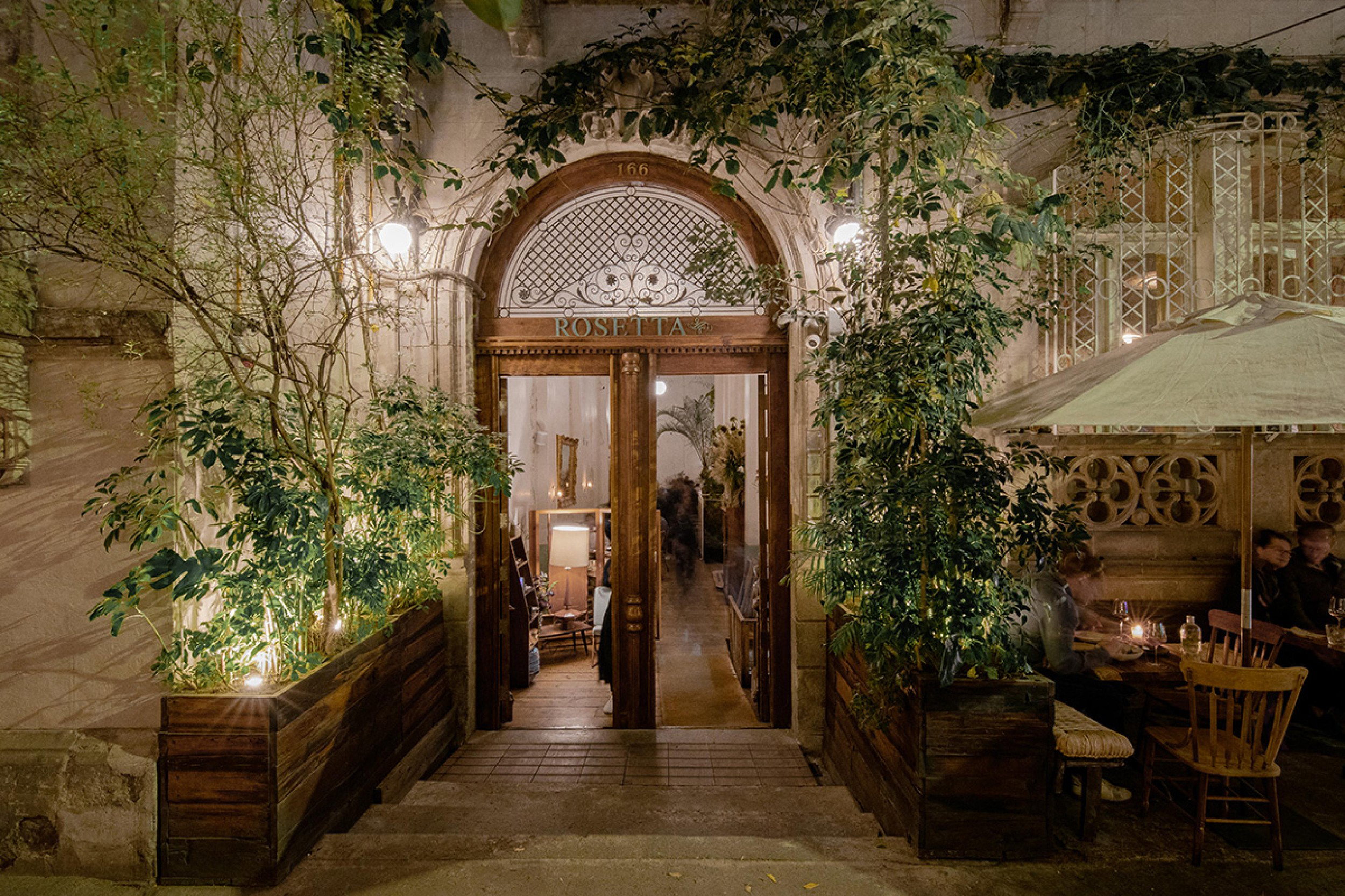
Homey and quiet with warmly decorated interiors, beautiful gardens, art, floral arrangements, and a serene courtyard oasis.
Tags
Vibe
Best For
Experience
Amenities
View
About the Stay
- Rooms
- 9
- Property Style
- Restored Mansion Turned Luxury Bed & Breakfast
- Design Style
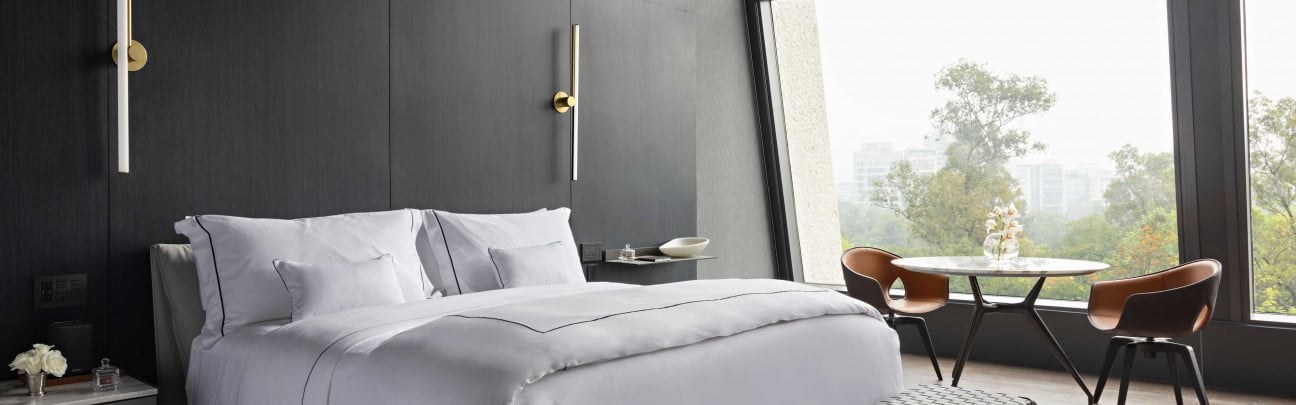
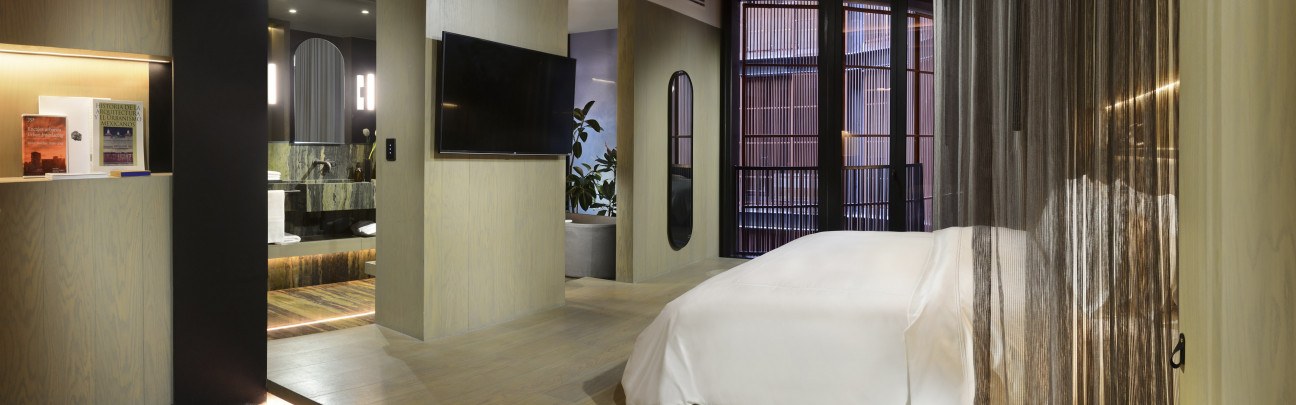
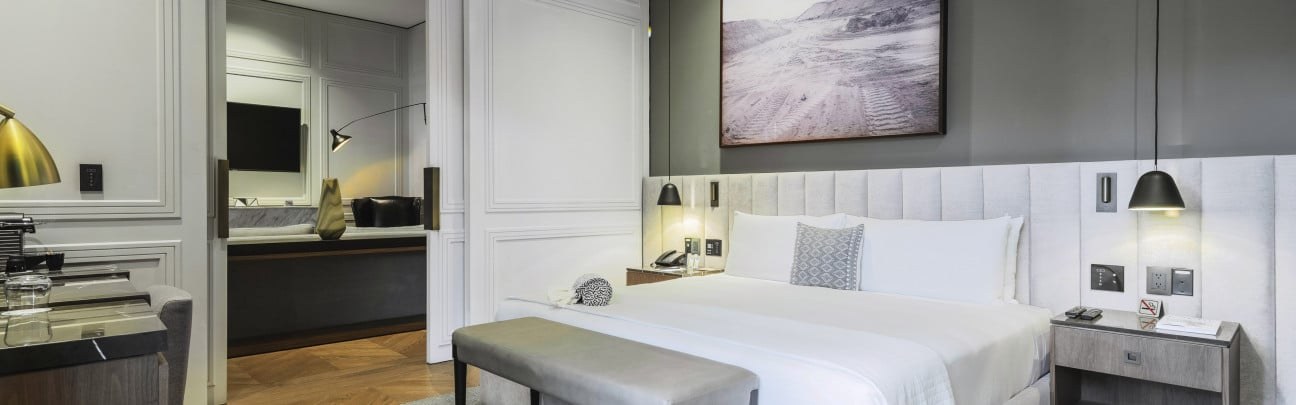
- Understated Chic with Individual Room Character, Marble Bathrooms, and Local Artisanal Touches
Know before you go
Know Before You Go
- Getting there
- Jalapa 208, Roma Nte., Cuauhtémoc, 06700 Ciudad de México, CDMX
Planning details
Location
Jalapa 208, Roma Nte., Cuauhtémoc, 06700 Ciudad de México, CDMX · Directions
Recognition and awards

Also consider
Where to look if it is unavailable
If Ignacia Guest House is unavailable, try Brick Hotel for a more service-forward boutique hotel choice, or Nima Local House hotel for a smaller, residential-feeling alternative.
Hotel context
How it compares with Mexico City boutique stays
Choose Ignacia Guest House over Maison Celeste, Casa Goliana, and Nima Local House hotel if the priority is a highly intimate Roma Norte stay with Michelin 1 Key validation. The tradeoff is scale: smaller properties can feel more personal, but they are less useful for guests who want broad hotel services or a dining program to anchor the trip.
Brick Hotel is the better cross-shop for travelers who want a more hotel-like experience in the same general boutique lane, especially if on-site dining and service depth matter. Ignacia is the better call when atmosphere and residential character matter more than a fuller amenity set.
Hotel Parian is the practical comparison for travelers weighing value and availability. If Ignacia is unavailable or priced above comfort, compare live rates there first, then check Casa Goliana or Nima Local House hotel for a similar small-stay mood.
Explore Mexico City
Around this place
Discover more on Pearl
Unlock the full Ignacia Guest House guide in Pearl, including awards, comparisons, FAQs, planning details, and nearby places.
Compare Ignacia Guest House
| Venue | Location | Awards |
|---|---|---|
| Ignacia Guest House | Mexico City | 2026 Vogue Best Hotels in Mexico CityMichelin 1 Key 20252025 Michelin 1 Key |
| Maison Celeste | Mexico City | 2026 Vogue Best Hotels in Mexico CityTablet Hotels Design Awards 2026: Best New Hotel Designs (Mexico & More)2025 Michelin 1 Key |
| Casa Goliana | Mexico City | No published awards |
| Hotel Parian | Mexico City | No published awards |
| Brick Hotel | Mexico City | 2026 Mr & Mrs Smith Luxury Hotels2025 Michelin 1 KeySmall Luxury Hotels Member 2025 |
| Nima Local House hotel | Mexico City | 2026 Mr & Mrs Smith Luxury Hotels2025 Michelin 1 Key |


How Ignacia Guest House Mexico City compares with similar nearby venues.
FAQ
Frequently Asked Questions
Is Ignacia Guest House family-friendly?
When is the best time to book Ignacia Guest House?
Because Ignacia Guest House has Michelin 1 Key recognition in 2025, it is sensible to check availability early once your Mexico City dates are set.
Do loyalty programs work at Ignacia Guest House?
How is the location of Ignacia Guest House?
Ignacia Guest House is in Mexico City. No more specific location detail is provided here, so use the property's official channels and current maps for precise planning.