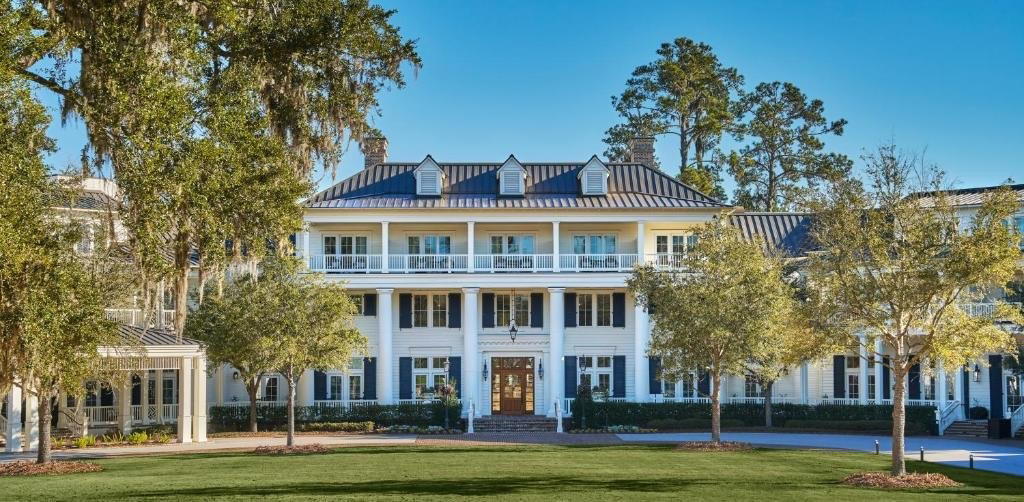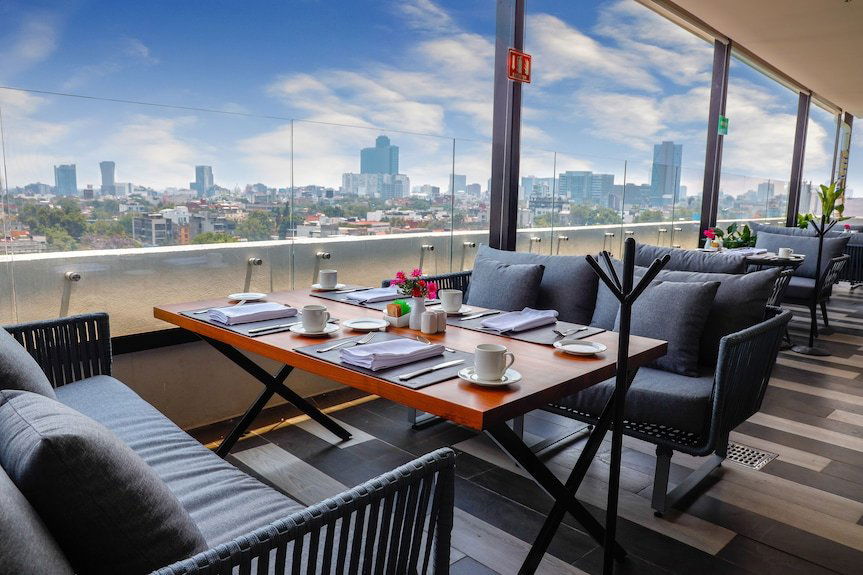

HS HOTSSON Hotel CDMX Condesa Sur
San Miguel Chapultepec, Mexico City
Hotel in Mexico City, Mexico
 Book with Pearl
The Read
Mid-City Transit Anchor
Why go
HS HOTSSON Hotel CDMX Condesa Sur is a practical Mexico City pick for business travelers who want Condesa access without relying on a small boutique stay. Booking is easy, and the 2025 Preferred Hotels Preferred Residences recognition gives it a stronger reliability signal than a pure design-led choice.
About HS HOTSSON Hotel CDMX Condesa Sur
Book HS HOTSSON Hotel CDMX Condesa Sur as a Mexico City hotel option with Preferred Hotels Preferred Residences recognition in 2025. For travelers comparing hotels in Mexico City, that recognition is the main signal here. Use it as a basic reference point and confirm current details directly with the hotel before booking.
If you are comparing this stay with other Mexico City options, OCTAVIA CASA, Casa Cuenca, and Casa Nuevo León Hotel may be useful names to check alongside it. If you want another hotel comparison, Andaz Mexico City Condesa - A Concept by Hyatt is a natural cross-shop.
A Mexico City hotel with a limited but clear profile
Because room categories, dining program, price range, hours, amenities, and service details are not included here, avoid choosing the hotel based on assumptions about those features. The practical move is to verify the latest room types, policies, and on-property services through the hotel's official channels before committing.
For broader planning, use Our full Mexico City hotels guide alongside Our full Mexico City restaurants guide and Our full Mexico City bars guide. The verdict: consider HS HOTSSON Hotel CDMX Condesa Sur as a Mexico City hotel with Preferred Hotels Preferred Residences recognition, then confirm the current specifics that matter for your trip.
Planning details
- Location
- Av. Revolución 67, Tacubaya, Miguel Hidalgo, 11870 Ciudad de México, CDMX
- Website
- hotsson.com/hoteles/miguel_hidalgo-sur
- Phone
- +52 55 8844 0101
The take
The Take
The Vibe
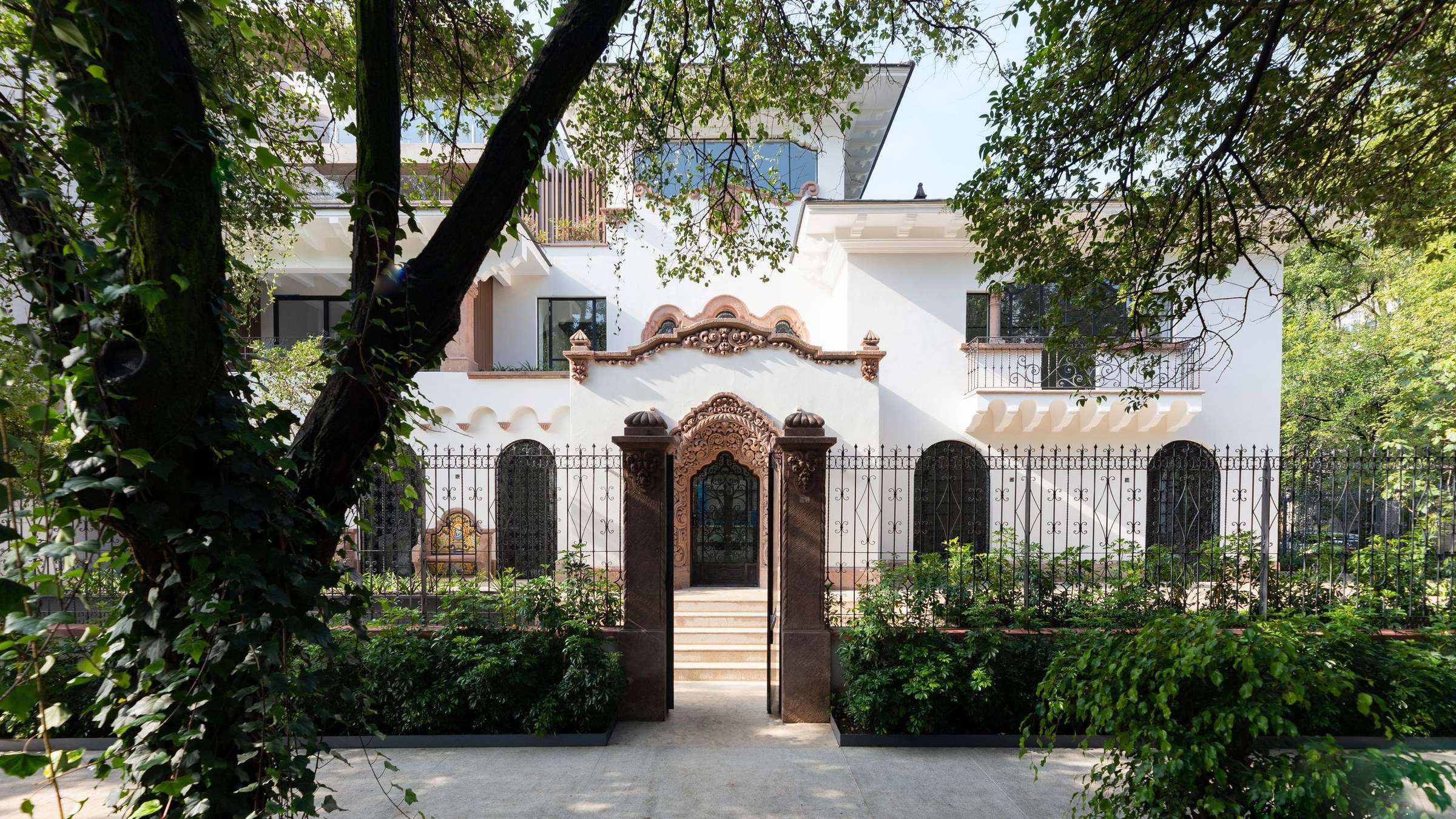
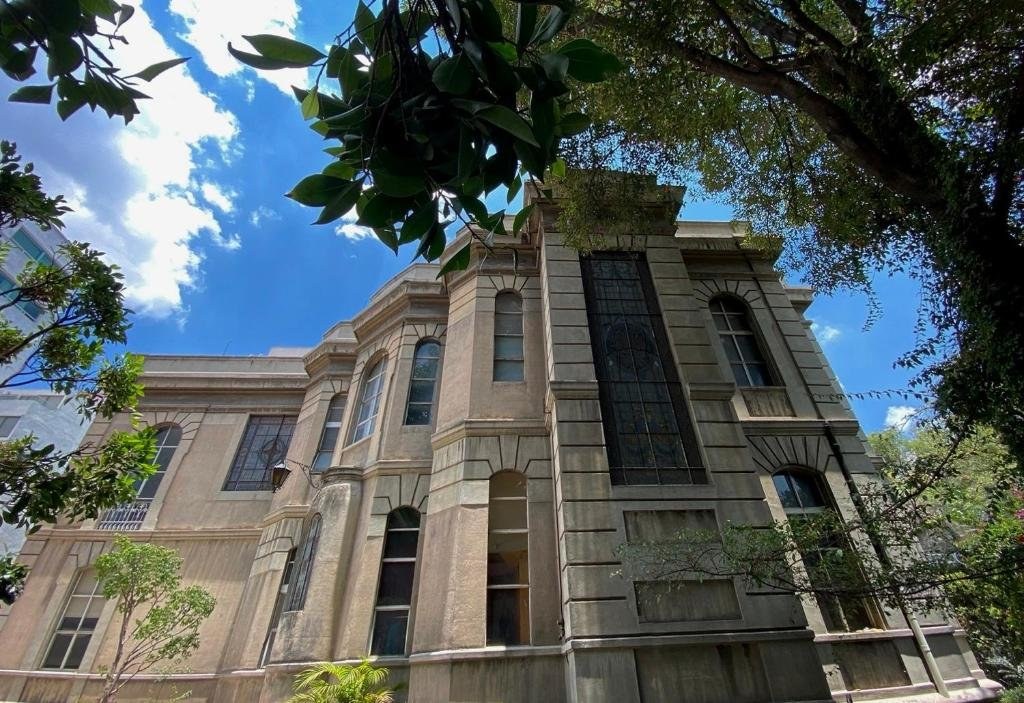
HS HOTSSON Hotel CDMX Condesa Sur positions itself at an urban inflection point, sitting just outside the centres of Condesa and Roma yet close enough to both to be strategically useful. The description frames the property as a deliberate choice for travelers who prize mobility across neighborhoods rather than a single-base stay. With a mid-tier scale of 103 rooms, the hotel reads as pragmatic and focused — not a boutique hideaway nor a full-service tower, but a calibrated option that rewards specificity in location and logistics. The write-up emphasizes the site’s edge-of-neighborhood character and practical value for itinerant visitors.
Best For
This hotel is best for travelers who plan to move across Mexico City’s neighborhoods and rely on efficient transit connections. The proximity to Tacubaya’s metro hub and walking distance to Chapultepec Park’s western access points make it a convenient base for museum visits and for reaching Observatorio, Chapultepec, and Insurgentes. Business travelers benefit from the logistical advantages highlighted in the description, while anyone organizing an itinerary that spans Condesa, Roma and nearby cultural corridors will find the location particularly useful. It suits guests who prioritize access and practicality over staying in the denser centre of a single neighborhood.
Stay Tips
Choose HS HOTSSON Hotel CDMX Condesa Sur when your plans require flexibility across multiple neighborhoods — the text stresses its strategic edge location and transit connectivity. The property’s 103-room scale places it between small boutique inventories and large full-service towers, which suggests steadier availability than tiny boutique hotels in Roma Norte. Use the Tacubaya metro hub for efficient cross-city movement and take advantage of the hotel’s walking distance to Chapultepec Park if your itinerary includes the park or the nearby museum corridor. The description encourages booking based on mobility needs rather than a single-neighborhood focus.
Venue details
Ambiance
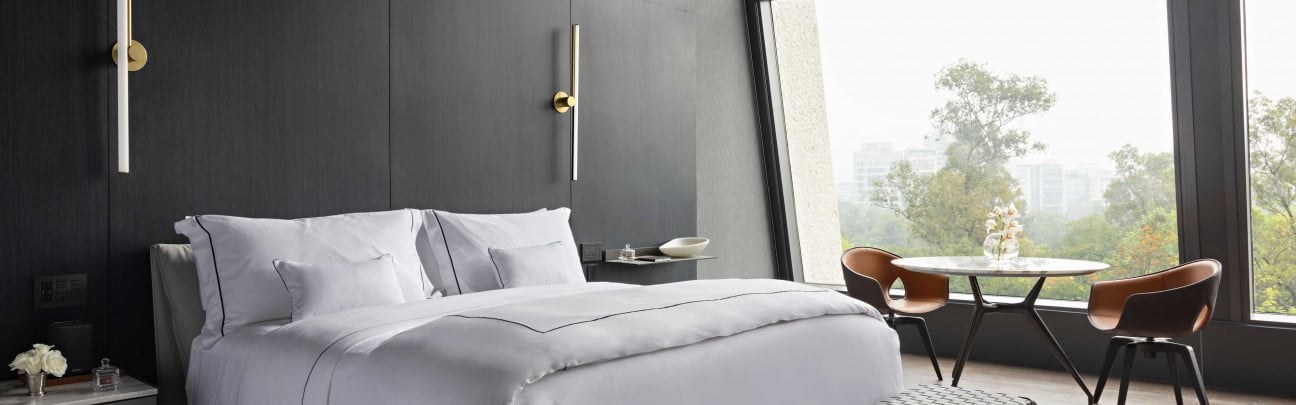
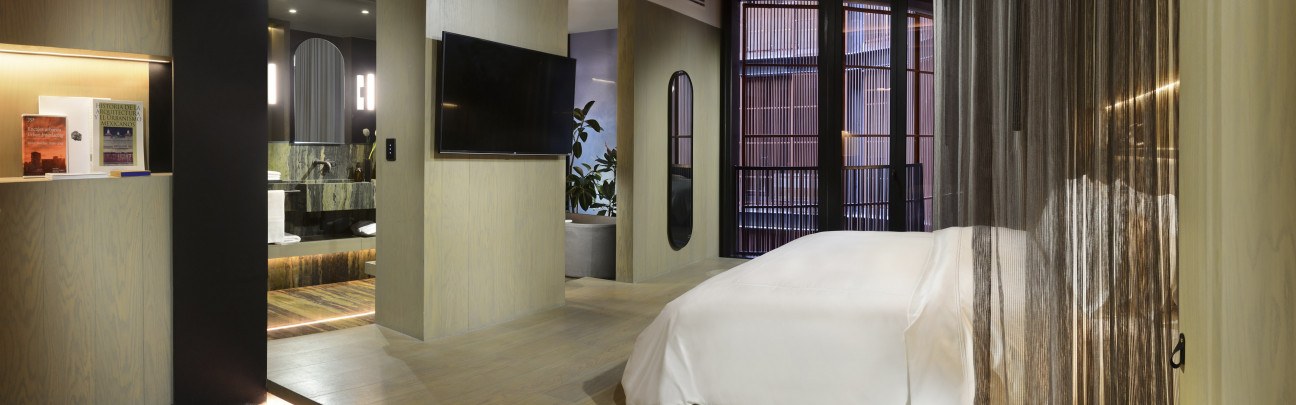
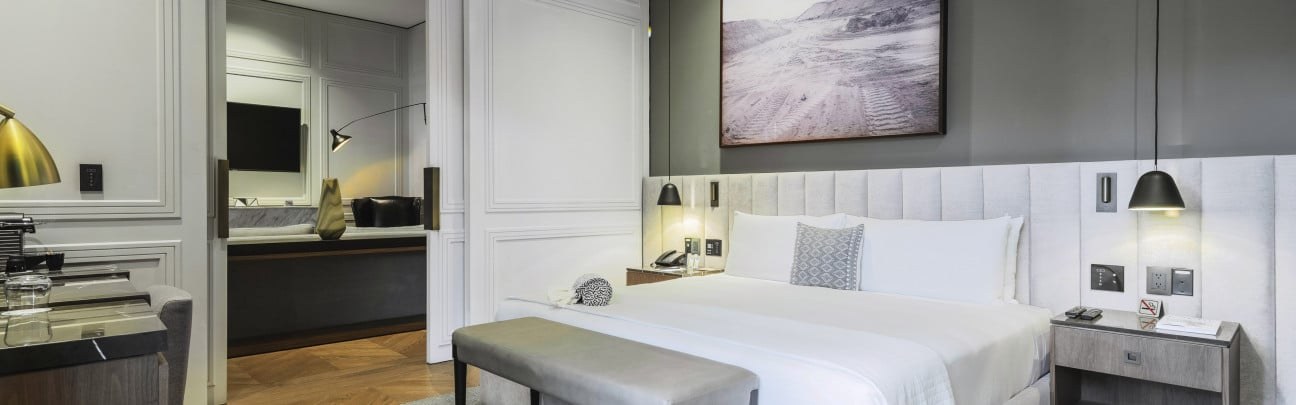
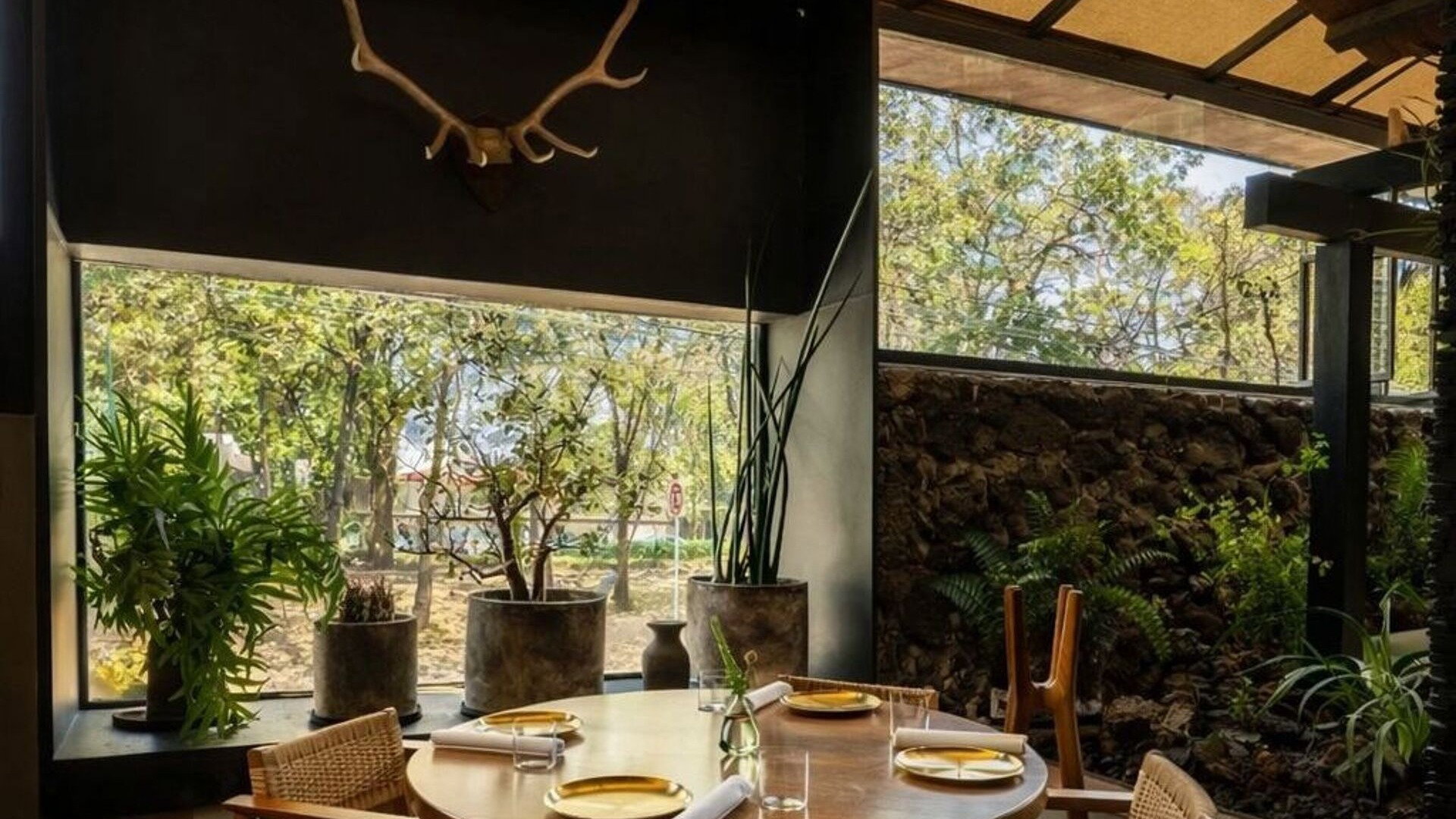
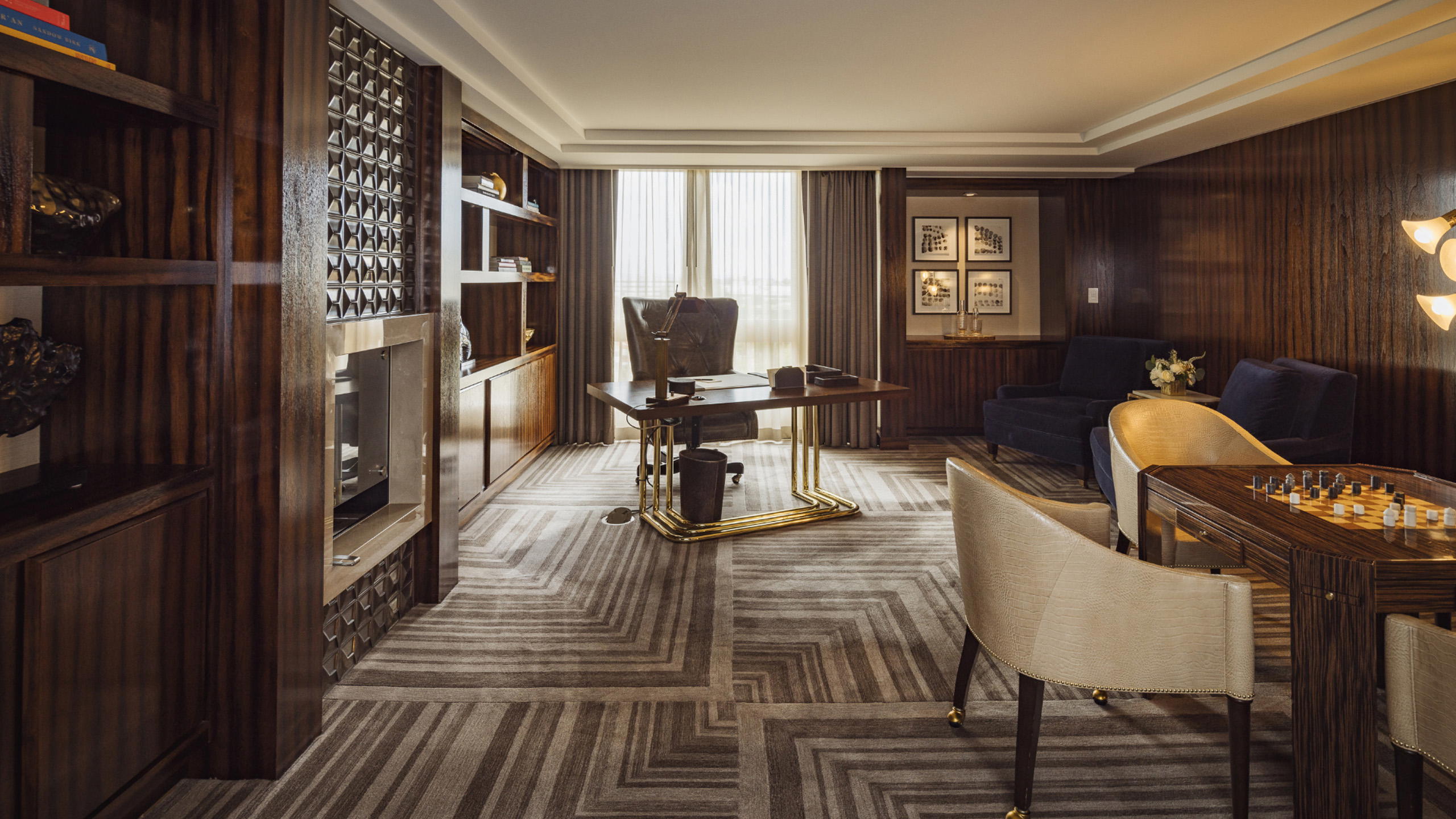
Modern, clean, and peaceful with soundproofed rooms and comfortable, functional spaces praised for quiet private floors.
Tags
Vibe
Best For
Amenities
Accessibility
About the Stay
- Rooms
- 103
- Check-in
- 15:00
- Check-out
- 12:00
- Property Style
- Extended Stay Urban Hotel with Apartment Style Suites
- Design Style
- Modern Minimalist
Know before you go
Know Before You Go
- Getting there
- Av. Revolución 67, Tacubaya, Miguel Hidalgo, 11870 Ciudad de México, CDMX
Planning details
Location
Av. Revolución 67, Tacubaya, Miguel Hidalgo, 11870 Ciudad de México, CDMX · Directions
Recognition and awards
Also consider
Also Consider
- OCTAVIA CASA, Notable alternative
- Hotel Dama, Notable alternative
- Casa Nuevo León Hotel, Notable alternative
- Andaz Mexico City Condesa - A Concept by Hyatt, Notable alternative
- Casa Cuenca, Notable alternative
Hotel context
How It Compares
Choose HS HOTSSON Hotel CDMX Condesa Sur for work-trip practicality and easier booking. Against OCTAVIA CASA and Casa Cuenca, it reads less like a design-led stay and more like a functional base for travelers who expect to spend most of the day out in the city.
Andaz Mexico City Condesa - A Concept by Hyatt is the stronger choice if brand-backed amenities and a Condesa address are central to the trip. HS HOTSSON Hotel CDMX Condesa Sur makes more sense when availability and business utility matter more than a full lifestyle-hotel feel.
If the goal is a smaller neighborhood stay, compare Hotel Dama and Casa Nuevo León Hotel before committing. Those are better fits for travelers prioritizing ambiance; this is the safer call for an easy, work-focused booking.
Explore Mexico City
Around this place
Discover more on Pearl
Unlock the full HS HOTSSON Hotel CDMX Condesa Sur guide in Pearl, including awards, comparisons, FAQs, planning details, and nearby places.
Compare HS HOTSSON Hotel CDMX Condesa Sur
| Venue | Location | Awards |
|---|---|---|
| HS HOTSSON Hotel CDMX Condesa Sur | Mexico City | Preferred Hotels Preferred Residences 2025 |
| OCTAVIA CASA | Mexico City | 2026 Vogue Best Hotels in Mexico City2026 Mr & Mrs Smith Luxury Hotels2025 Michelin 1 Key |
| Hotel Dama | Mexico City | No published awards |
| Casa Nuevo León Hotel | Mexico City | No published awards |
| Andaz Mexico City Condesa - A Concept by Hyatt | Mexico City | No published awards |
| Casa Cuenca | Mexico City | No published awards |


How HS HOTSSON Hotel CDMX Condesa Sur compares with similar nearby venues.
FAQ
Frequently Asked Questions
How is the location of HS HOTSSON Hotel CDMX Condesa Sur?
HS HOTSSON Hotel CDMX Condesa Sur is in Mexico City. Confirm the exact location through the hotel's official channels before booking. If you are comparing other Mexico City hotel options, Andaz Mexico City Condesa - A Concept by Hyatt is a useful name to check as well.
How is the dining at HS HOTSSON Hotel CDMX Condesa Sur?
Dining details are not provided here. Treat the food and beverage offering as something to confirm directly with the hotel rather than a reason to book based on this guide. You can also compare it with other Mexico City hotels, including Andaz Mexico City Condesa - A Concept by Hyatt, depending on what matters for your stay.
Is HS HOTSSON Hotel CDMX Condesa Sur good for business travel?
It may be worth considering for a Mexico City trip, and the recognition is Preferred Hotels Preferred Residences (2025), which is a useful reference point. Travelers should confirm the current services and room setup directly with the hotel.
Which room category is best at HS HOTSSON Hotel CDMX Condesa Sur?
Choose based on the room types, rates, and policies shown by the hotel at the time of booking. If you are still comparing Mexico City stays, Casa Nuevo León Hotel is worth checking alongside it.
When is the best time to book HS HOTSSON Hotel CDMX Condesa Sur?
Book when your Mexico City dates are firm and compare current availability directly through the hotel or your preferred booking channel. OCTAVIA CASA and Casa Cuenca are useful alternatives to check alongside it.
How does HS HOTSSON Hotel CDMX Condesa Sur compare to other hotels?
The clearest distinction is its Preferred Hotels Preferred Residences (2025) recognition. Compare current offerings with Hotel Dama, Casa Nuevo León Hotel, Casa Cuenca, OCTAVIA CASA, and Andaz Mexico City Condesa - A Concept by Hyatt before choosing.