
Refuge de la Traye
Meribel - Les Allues
Hotel in Meribel - Les Allues, France
 Book with Pearl
The Read
Alpine Hamlet Dispersal
Why go
Refuge de la Traye is a better fit for families and repeat Méribel travelers who want a quieter Les Allues base rather than a central resort hotel. Its 2025 Small Luxury Hotels of the World membership is the key trust signal, but dining, room choice, and family logistics should be checked before committing.
About Refuge de la Traye
Refuge de la Traye is a venue in Meribel - Les Allues. Confirm key practical details directly before booking, including dining, pricing, hours, accommodation details, and services.
The venue is a 2025 member of Small Luxury Hotels of the World. The dress code is smart casual. Those points support positioning it within a curated luxury-hospitality context; for specific dining format, cuisine, prices, amenities, or service details, check directly before booking.
A better call for travelers who confirm the details first
For guests considering Refuge de la Traye, the main planning point is to confirm the particulars that matter for the trip. Confirm booking details, arrival logistics, dining arrangements, and any service needs directly with the venue before committing.
Dining should be treated as a question to resolve before arrival, not the reason to book on its own. Guests with dietary requirements, fixed meal windows, or strong dining preferences should make the food plan part of the booking decision. For a broader scan of the area, use Our full Meribel - Les Allues restaurants guide alongside the wider Meribel - Les Allues planning shortlist.
Who should book it, and who should cross-shop
Book this if Refuge de la Traye fits the kind of Meribel - Les Allues stay you are planning and you are comfortable confirming the operational details directly. Cross-shop if the trip depends on published dining specifics, transparent accommodation guidance, or firm service information before inquiry.
For planning around the wider trip, local guides to Meribel - Les Allues bars, experiences, and wineries can help fill in the itinerary. If you want to compare other regional luxury stays, consider named options such as Hôtel Le Coucou, Hôtel Le Kaïla, Hôtel-Spa La Bouitte – Restaurant René et Maxime Meilleur, La Sivolière, or Le Chabichou Hôtel & Spa where relevant to your itinerary.
Planning details
- Location
- Plateau de, 73550 Les Allues
- Website
- refugedelatraye.fr
- Phone
- +33 4 58 24 04 04
The take
The Take
The Vibe
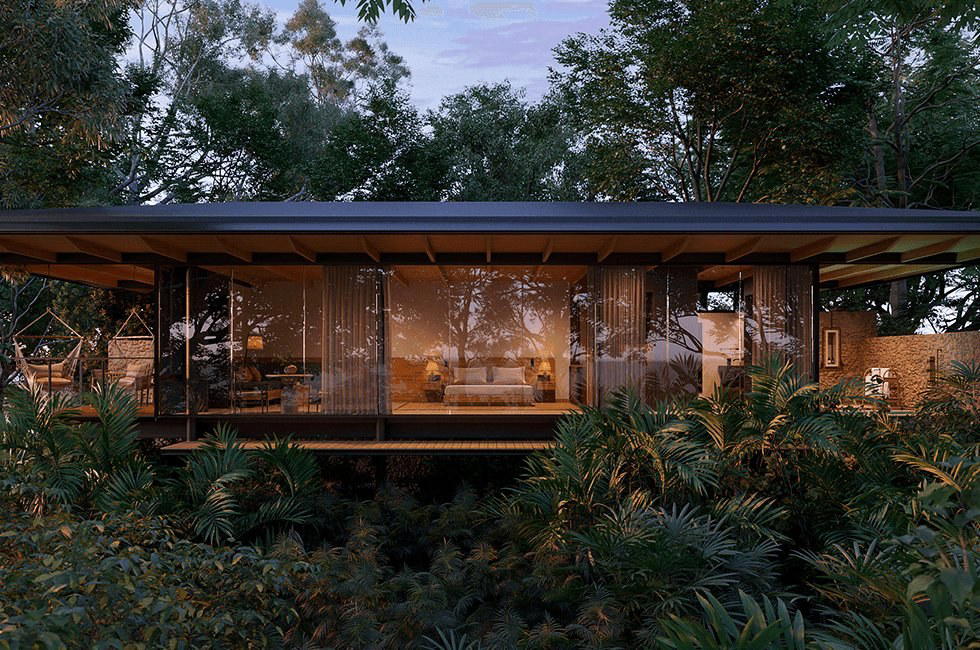
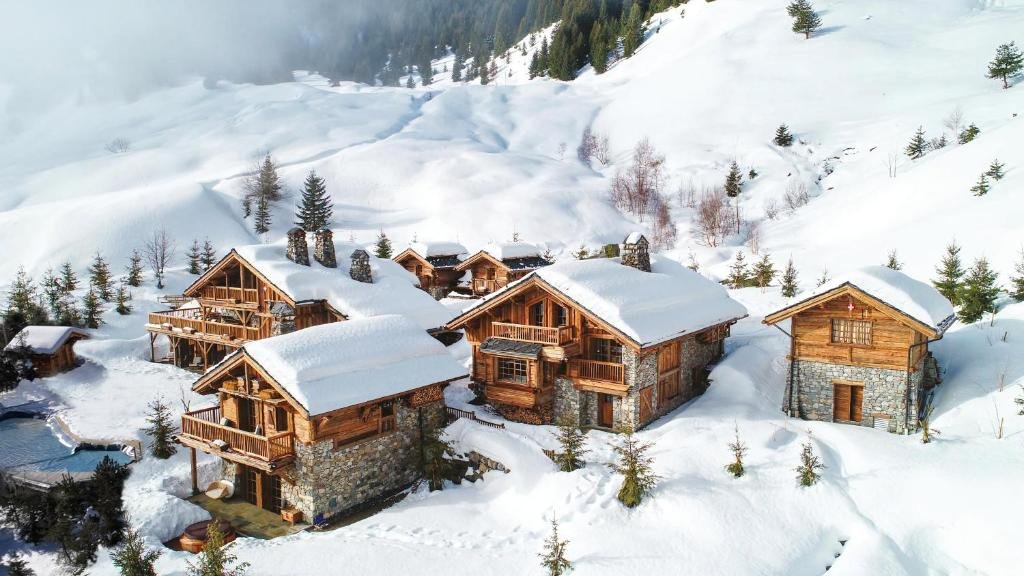
Refuge de la Traye presents itself as an intentional hamlet high above the Meribel valley, applying Savoyard building conventions across a cluster of eco-luxury chalets. The property reads less like a single mountain lodge and more like a compact village, anchored by a chapel and even a shepherd’s hut that reinforce a pastoral, scenographic composition. Interiors and exteriors lean on classic Savoie details—steep roofs, exposed timber and stone bases—while a design-led sensibility keeps the whole feeling curated rather than purely vernacular. The result is a quietly charming, intimate alpine retreat that foregrounds architecture and landscape integration.
Best For
This property suits travelers who prize architecture and alpine atmosphere over high-volume resort amenities. It works especially well for couples seeking an intimate, scenic romantic getaway and for guests looking for a peaceful, design-focused weekend escape. The emphasis on landscape integration and a hamlet layout also makes it a strong choice for wellness-minded visitors who value seclusion and restorative mountain views. Guests who prioritize lift-adjacent, conference-style hotels will find Refuge de la Traye a deliberately different proposition focused on place and provenance.
Stay Tips
Expect a hamlet experience rather than a typical ski hotel: accommodation is dispersed across individual chalets clustered like a village. When booking, prioritize the type and position of the chalet if you want a particular relationship to the plateau or valley outlook, because the property’s value proposition is architectural coherence and landscape integration rather than lift proximity or large-scale facilities. Treat the stay as a design-led retreat—ask about the layout of the hamlet and the location of your unit within it to secure the quieter, more scenographic vantage points the description emphasizes.
Venue details
Ambiance
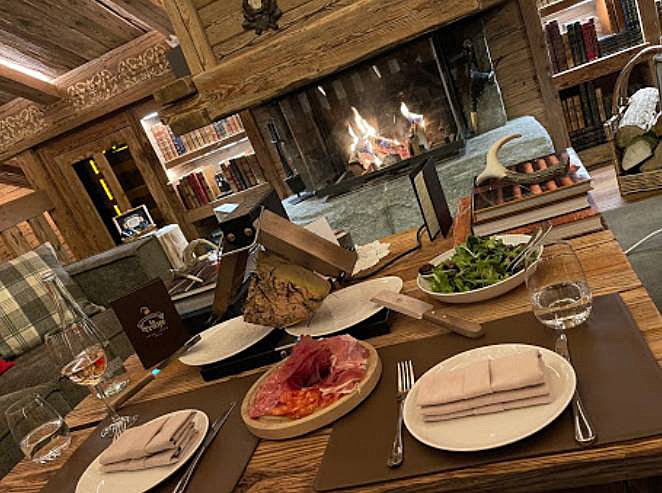
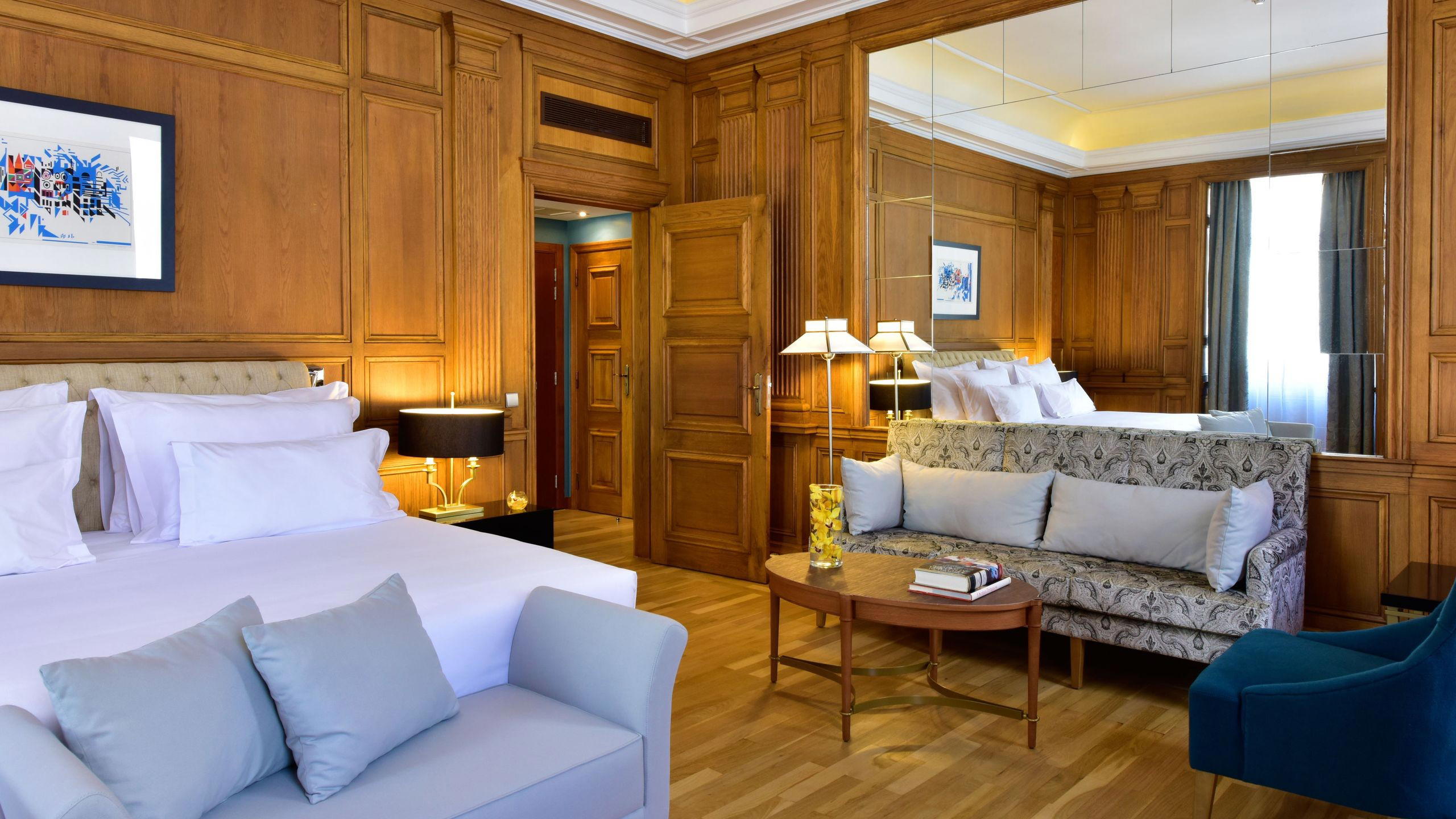
Warm, refined atmosphere with original pine panelling, earthy tones, fireplaces, and total immersion in pristine mountain nature for peaceful escapism.
Tags
Vibe
Best For
Experience
Amenities
View
About the Stay
- Rooms
- 7
- Check-in
- 11:30
- Check-out
- 11:00
- Property Style
- Traditional Alpine Chalet Hamlet with Modern Luxury
- Design Style
- Rustic Chic with Pine Panelling, Warm Earthy Colours, and Refined Elegance
Know before you go
Know Before You Go
- Getting there
- Plateau de, 73550 Les Allues
Planning details
Location
Recognition and awards

Also consider
Where to look if this is not the right fit
If the family wants a more conventional resort-hotel stay, start with Hôtel Le Kaïla or Hôtel Le Coucou. If dining is the anchor, compare Hôtel-Spa La Bouitte – Restaurant René et Maxime Meilleur before committing.
Hotel context
How Refuge de la Traye compares in Méribel
Choose Refuge de la Traye if the priority is a quieter mountain retreat feel around Les Allues. Hôtel Le Kaïla and Hôtel Le Coucou are stronger cross-shops for travelers who want a more classic full-service resort-hotel decision, especially when central convenience matters more than being removed from the busiest parts of the area.
For food-led travelers, Hôtel-Spa La Bouitte – Restaurant René et Maxime Meilleur is the more obvious comparison because the restaurant is part of the decision. Refuge de la Traye is easier to justify when the stay itself is the point and dining detail is confirmed separately before arrival.
Families should also compare La Sivolière and Le Chabichou Hôtel & Spa. Those are safer shortlists if the group wants a more conventional ski-hotel rhythm; Refuge de la Traye is the better call when quiet and retreat energy outweigh maximum resort convenience.
Explore Meribel - Les Allues
Around this place
Discover more on Pearl
Unlock the full Refuge de la Traye guide in Pearl, including awards, comparisons, FAQs, planning details, and nearby places.
Compare Refuge de la Traye
| Venue | Location | Awards |
|---|---|---|
| Refuge de la Traye | Meribel - Les Allues | Small Luxury Hotels Member 2025 |
| Hôtel Le Kaïla | Les Allues | Michelin 1 Key 20252025 Michelin 1 Key2025 Gault & Millau Exceptional Hotel2024 Michelin 1 Key |
| Hôtel Le Coucou | Les Allues | 2026 Virtuoso Luxury Hotel Collection2026 La Liste Top Hotels2025 Michelin Selected Hotels2025 Gault & Millau Exceptional Hotel |
| Hôtel-Spa La Bouitte – Restaurant René et Maxime Meilleur | Hameau de Saint Marcel | 2026 Virtuoso Luxury Hotel Collection2026 Relais Chateaux Hotels2026 La Liste Top Hotels2025 Relais Chateaux Award2024 Michelin 1 Key |
| La Sivolière | Courchevel | 2025 Michelin Selected Hotels2025 Gault & Millau Exceptional Hotel |
| Le Chabichou Hôtel & Spa | Courchevel | 2025 Michelin Selected Hotels2025 Gault & Millau Exceptional Hotel |






How Refuge de la Traye compares with similar nearby venues.
FAQ
Frequently Asked Questions
How is the location of Refuge de la Traye?
How is the dining at Refuge de la Traye?
Ask the venue directly about current cuisine style, menu format, price range, and dining arrangements before arrival.
When is the best time to book Refuge de la Traye?
The best time to book depends on your travel dates and the venue's availability. Confirm current availability, booking terms, and any seasonal operating details directly with Refuge de la Traye.
Which room category is best at Refuge de la Traye?
Choose based on the current information from the venue, and ask directly about size, layout, views, and any features that matter for your stay.
What is check-in like at Refuge de la Traye?
Contact Refuge de la Traye directly for arrival times, access instructions, and any requirements before you travel to Meribel - Les Allues.
Do loyalty programs work at Refuge de la Traye?
Refuge de la Traye is listed as a Small Luxury Hotels of the World Member for 2025. If loyalty benefits, points, or status credit matter, confirm the current policy directly before booking.