

Château de Mercuès
Mercuès
Hotel in Mercuès, France
 Book with Pearl
The Read
Medieval Château Viticulture
Why go
Château de Mercuès is worth booking when the stay itself should feel like part of the Lot and Cahors itinerary, not just a room for the night. Its Michelin 1 Key recognition in 2024 and Relais & Châteaux Award in 2026 make it a stronger fit for planned château atmosphere than for last-minute convenience.
About Château de Mercuès
For travelers considering a stay in Mercuès, Château de Mercuès is best framed around the essentials: it is Château de Mercuès in Mercuès, with Michelin 1 Key recognition in 2024 and a Relais Chateaux Award in 2026. Those markers make recognition part of the appeal, while travelers who need specifics on rooms, facilities, dining formats, prices, or services should check directly with the property.
Book it if the appeal of the venue itself is the priority. The strongest case is simple: Château de Mercuès is a recognized venue in Mercuès, with smart casual dress noted as the dress code and recognition that may matter to travelers choosing between premium stays. If you need a highly detailed checklist before booking, check current amenities, room categories, dining arrangements, and policies directly with the property.
The reason to choose it is the recognition, not checklist convenience
The decision hinges on whether the venue identity and recognition are enough to shape the stay. Château de Mercuès is not best described through promises about specific views, spa time, restaurant formats, or family programming. The clearest reason to consider it is the combination of Mercuès location, Michelin 1 Key recognition, and Relais Chateaux Award recognition.
That also means room choice and itinerary planning should be handled carefully at the booking stage. Travelers should not assume a particular layout, view, service, or facility. Ask the property what is included, what is seasonal, and which option best matches the kind of stay you want.
Plan with the essentials in mind
For Château de Mercuès, the accolades give the venue a clear recognition signal, while availability patterns, minimum stays, pricing, dining access, and special services should be checked directly with the property. If timing, meals, accessibility, or room configuration matters, review those details before committing.
Use Mercuès as the anchor, then build outward. For broader local planning, food-led travelers can pair the stay with the Mercuès restaurants guide. The practical verdict: choose Château de Mercuès if you want a recognized stay in Mercuès. Look elsewhere if you need a simpler decision based on fully specified amenities, rates, or services.
Inside Château de Mercuès
Planning details
- Location
- Rue du Château, 46090 Mercuès
- Website
- chateaudemercues.com
- Phone
- +33 5 65 20 00 01
The take
The Take
The Vibe
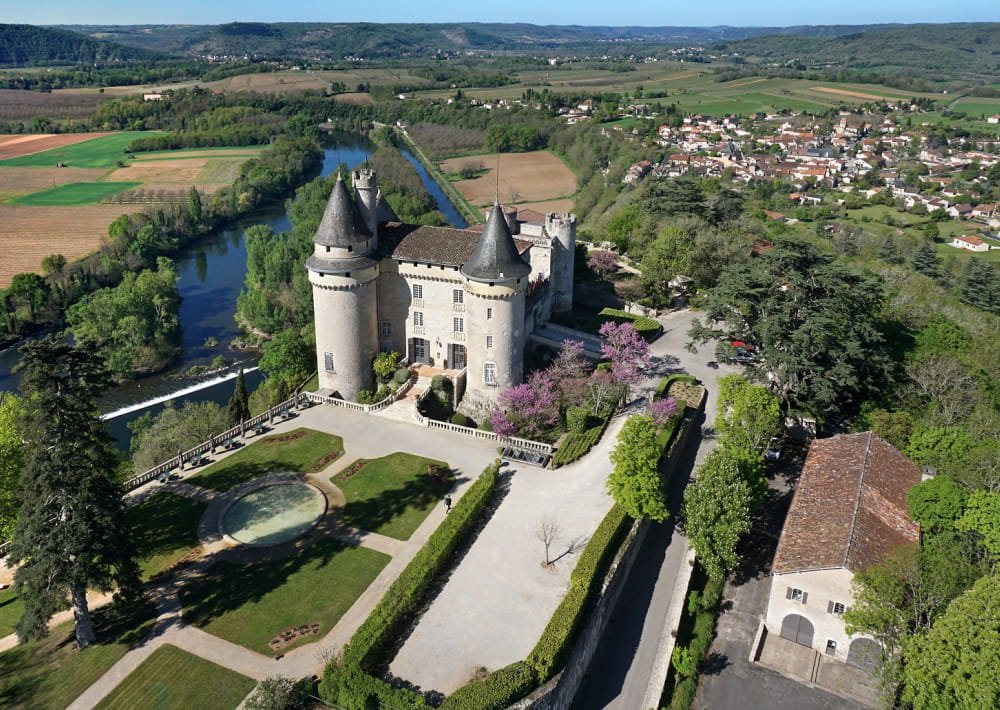
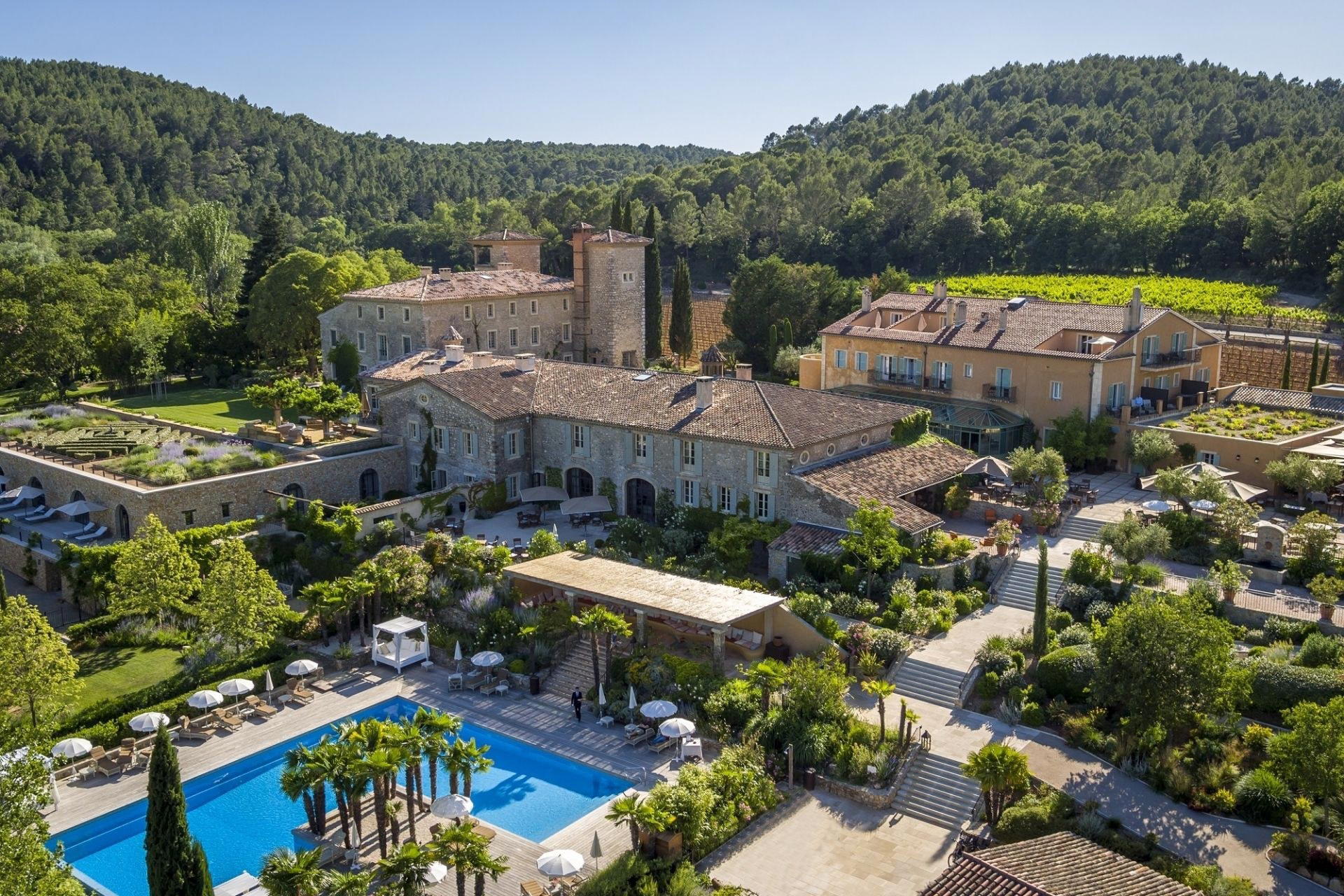
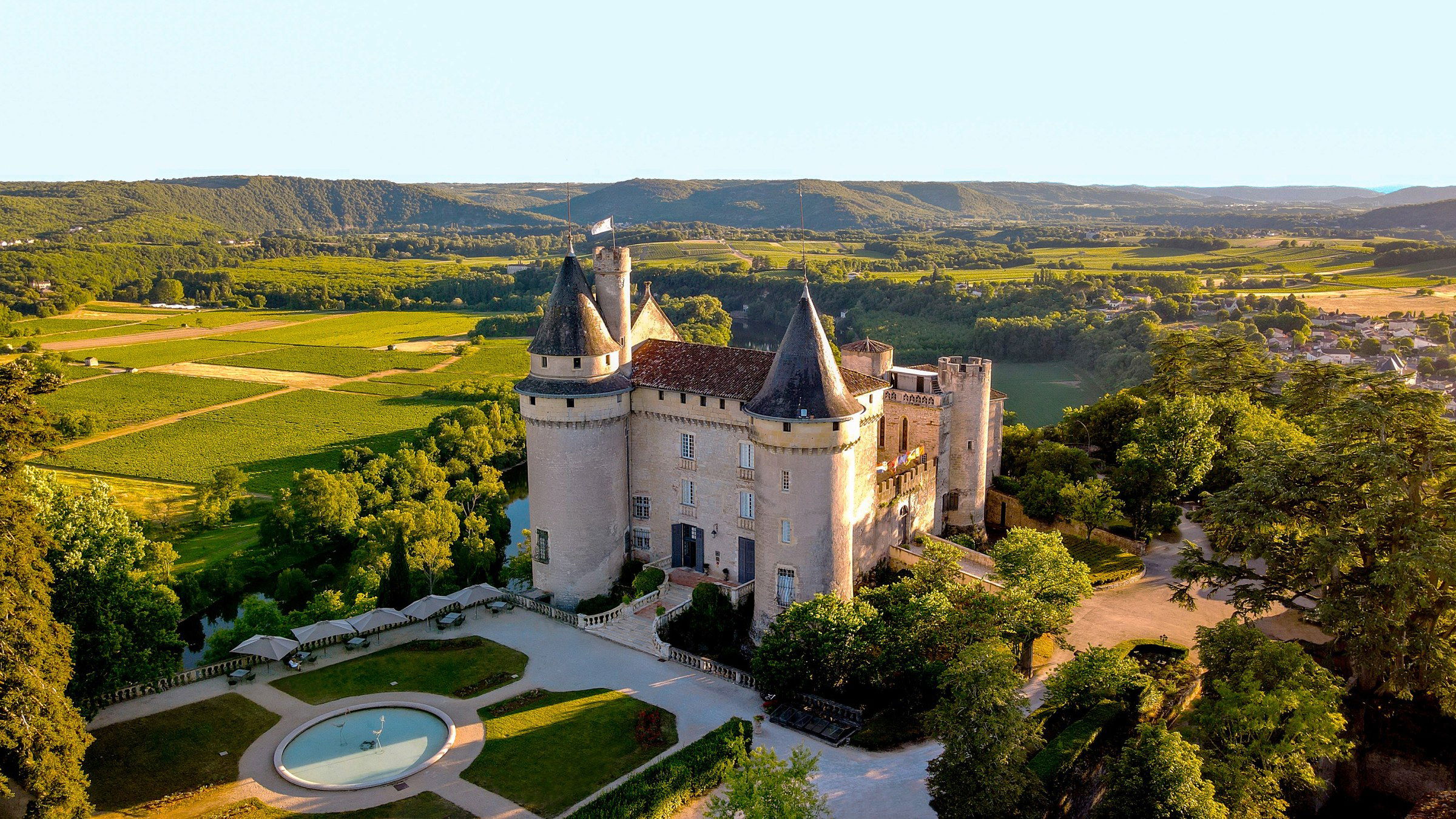
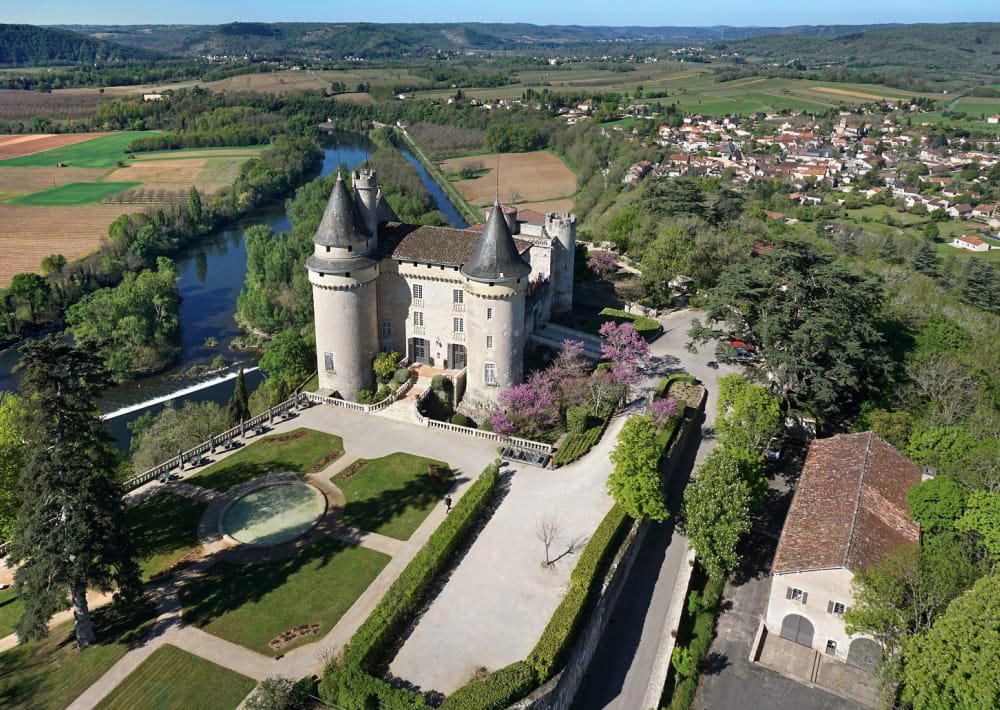
Château de Mercuès reads like an architectural manuscript: medieval turrets and fortified walls, exposed stone and vaulted ceilings give the property an immediacy that no contemporary refit could manufacture. The château leans into its history rather than erasing it, so interiors feel like adaptations of original episcopal rooms rather than themed recreations. The estate’s winemaking identity and promontory siting above the Lot Valley reinforce a restrained, historic elegance—less staged luxury, more accumulated substance—making the hotel feel like a preserved moment in time with quiet, contemplative grounds and long valley views.
Best For
This is a stay for travelers who prize historical authenticity and a wine-focused countryside setting over glossy resort theatrics. It suits couples seeking a quietly romantic escape, history-minded guests who appreciate medieval fabric and individual rooms such as the Tower Room and the Bishop's Room, and wine-focused visitors curious about a château estate in the Lot Valley. The property’s quieter register also makes it a solid choice for relaxed weekend escapes and anniversary stays where the landscape and heritage are the primary draw.
Stay Tips
When booking, request one of the château’s signature rooms — the Tower Room or the Bishop's Room — both called out for their scale and original character. Arrive by the D811 from Cahors (the approach climbs above the Lot and frames the château) so you leave time to take in the valley outlook. Given the estate identity, ask the hotel about its wines and any on-site experiences or opportunities to learn about the domaine; the description highlights the wine estate as the property's clearest point of identity.
Venue details
Ambiance
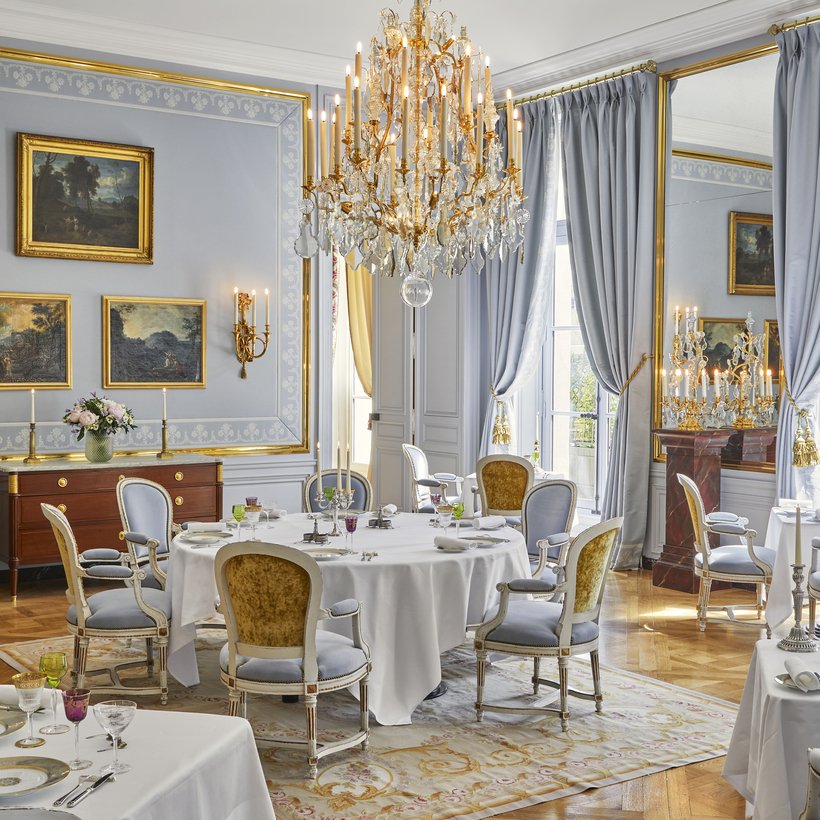
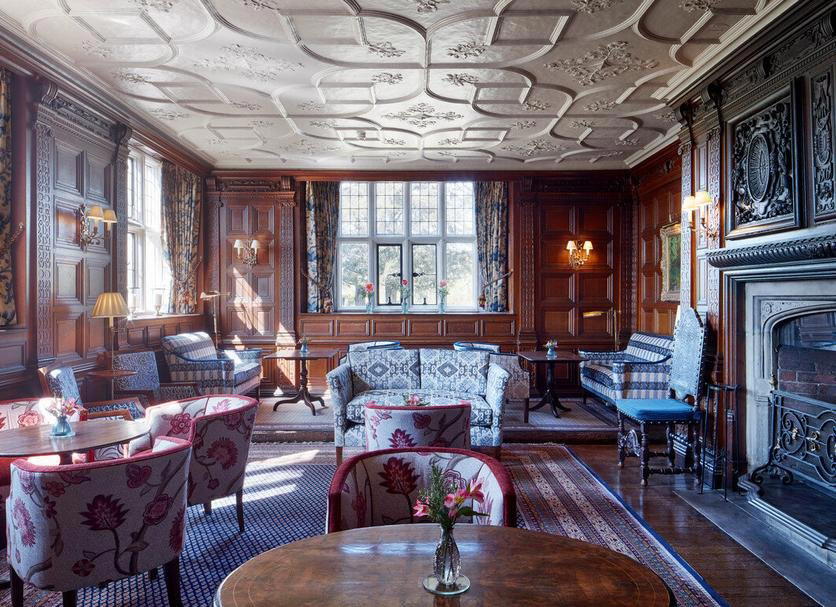
Haven of peace with elegant, individually decorated rooms blending historic charm and modern luxury, surrounded by scenic countryside views.
Tags
Vibe
Best For
Experience
Amenities
View
Accessibility
About the Stay
- Rooms
- 30
- Check-in
- 16:00
- Check-out
- 12:00
- Property Style
- 13th Century Restored Castle with Modern Conveniences
- Design Style
- Elegant French Style with Stone Walls, Exposed Timbers, and Marble Bathrooms
Know before you go
Know Before You Go
- Getting there
- Rue du Château, 46090 Mercuès
Planning details
Location
Recognition and awards

Also consider
Also Consider
- Domaine de Rochebois, Notable alternative
- Château de la Treyne, Notable alternative
- Manoir de Malagorse, Notable alternative
- Mercure Figeac Viguier du Roy, Notable alternative
- Les Glycines, Notable alternative
Hotel context
Choose Château de Mercuès over Mercure Figeac Viguier du Roy if the hotel setting is meant to carry the trip. The Mercure is the more practical fallback for travelers who want a town base and simpler logistics; Château de Mercuès is the more compelling choice when ambiance, recognition, and a destination feel matter more than convenience.
Against Domaine de Rochebois and Château de la Treyne, the decision is about mood and availability. Château de Mercuès suits travelers who want a château stay tied closely to the Mercuès and Cahors area. Cross-shop the others if the itinerary is already pulling farther across the region or if your dates are fixed and this property is tight.
Manoir de Malagorse and Les Glycines are better alternatives when a softer, less formal countryside stay is the goal. For a splurge built around atmosphere, Château de Mercuès is the clearer call; for easier value and a lower-pressure base, start with Manoir de Malagorse or Les Glycines.
Explore Mercuès
Around this place
Discover more on Pearl
Unlock the full Château de Mercuès guide in Pearl, including awards, comparisons, FAQs, planning details, and nearby places.
Compare Château de Mercuès
| Venue | Location | Awards |
|---|---|---|
| Château de Mercuès | Mercuès | 2026 Relais Chateaux Hotels2025 Relais Chateaux AwardMichelin 1 Key 20252025 Michelin 1 Key2024 Michelin 1 Key |
| Domaine de Rochebois | Vitrac | 2025 Gault & Millau Exceptional Hotel |
| Château de la Treyne | Lacave | 2026 Relais Chateaux Hotels2026 La Liste Top Hotels2025 Michelin 1 Key2025 Relais Chateaux Award2025 Gault & Millau Exceptional Hotel2024 Michelin 1 Key |
| Manoir de Malagorse | Cuzance | No published awards |
| Mercure Figeac Viguier du Roy | Figeac | No published awards |
| Les Glycines | Les Eyzies | No published awards |


How Château de Mercuès Mercuès compares with similar nearby venues.
FAQ
Frequently Asked Questions
Is Château de Mercuès family-friendly?
Family facilities and policies should be checked directly with the property. Château de Mercuès is a recognized venue in Mercuès with a smart casual dress code, so families should ask about room setup, age policies, and any child-specific services before booking.
How does Château de Mercuès compare to other hotels?
Château de Mercuès is the choice to consider if a recognized stay in Mercuès is the priority, with Michelin 1 Key recognition in 2024 and a Relais Chateaux Award in 2026. Mercure Figeac Viguier du Roy, Domaine de Rochebois, and Château de la Treyne may be useful alternatives to compare, depending on the location and style of stay you want.
Which room category is best at Château de Mercuès?
Ask Château de Mercuès directly which room category, view, layout, and price point best fit your priorities before booking.
Are pool or spa details available for Château de Mercuès?
If pool or spa facilities are important to the stay, check directly with Château de Mercuès for current availability, access rules, and any seasonal conditions.