
Hotel in Melbourne, Australia
The Interlude
625Pearl PointsCoburg base

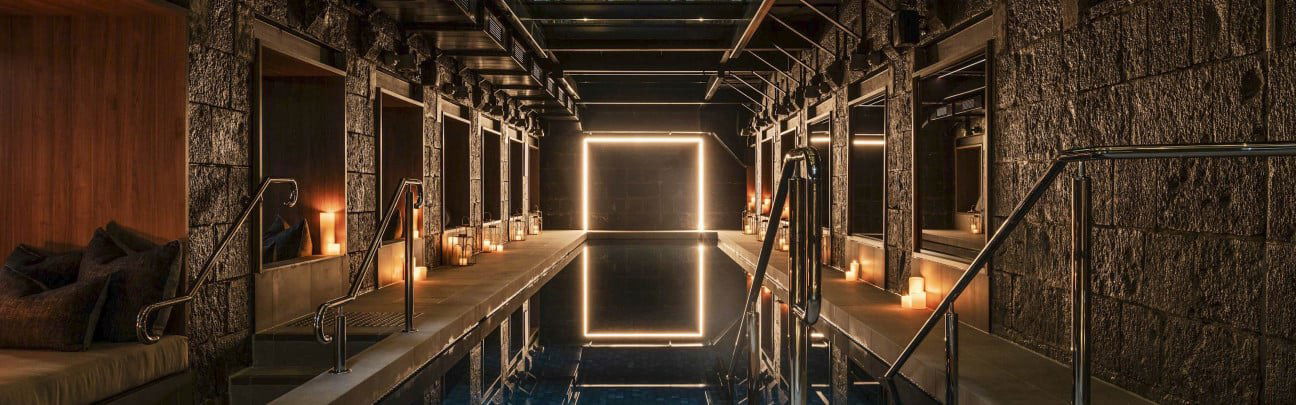
About The Interlude
The Interlude is the Melbourne pick for travellers who want a more intentional Coburg stay rather than a default CBD hotel. Its Michelin 1 Key recognition and Mr & Mrs Smith Seal of Approval make it worth considering, but the location suits slower itineraries better than packed business or dining schedules.
For a trip to Melbourne, the practical question is whether The Interlude fits the purpose of the stay. The verified details are limited, but the venue does carry confirmed recognition, including Michelin 1 Key (2025) and the Mr & Mrs Smith Seal of Approval (2026). The verified dress code is smart casual.
The decision should be based on the details you can confirm for your own dates. Melbourne has many accommodation options, and the best choice will depend on the itinerary, booking conditions, and what the venue currently offers. If specific services, room features, dining details, or arrival procedures matter, confirm them directly with The Interlude before booking.
Choose it for a more intentional Melbourne stay, not just convenience
The strongest verified case for The Interlude is its confirmed recognition. Michelin 1 Key (2025) and the Mr & Mrs Smith Seal of Approval (2026) make it a notable Melbourne option, but they do not replace checking the practical details of the stay. Treat it as a venue to evaluate carefully rather than assuming it will suit every schedule.
Before committing, compare the current booking terms, location needs within Melbourne, and any specific services you require. The verified information here does not establish room categories, dining format, transport convenience, or on-site facilities, so those details should come from the venue or booking channel.
Who should cross-shop before committing
If you are comparing Melbourne stays Pearl's Melbourne hotels guide and consider options such as Art Series - The Larwill Studio, The Larwill Studio Melbourne - Art Series, Lanson Place Parliament Gardens, Laneways By Ovolo, Melbourne, and Zagame's House. The right choice depends less on a single headline and more on how each hotel fits the trip's timing and movement around Melbourne.
For dining-focused trips, use Pearl's Melbourne restaurants guide to plan where your meals will be, then decide whether The Interlude works for the overall itinerary. Verified dining details for The Interlude are not available here, so check the venue's official channels for current information.
Frequently Asked Questions
When is the best time to book The Interlude?
Book once your Melbourne dates and requirements are clear, especially if you want The Interlude specifically for its confirmed recognition, including Michelin 1 Key (2025). If you are comparing it with Melbourne options such as Lanson Place Parliament Gardens or Laneways By Ovolo, Melbourne, check current availability and booking terms directly.
How does The Interlude compare to other hotels?
Choose The Interlude if its confirmed award profile and Melbourne setting suit your itinerary. Compared with The Larwill Studio Melbourne - Art Series, Zagame's House, Lanson Place Parliament Gardens, and Laneways By Ovolo, Melbourne, this is a venue to compare on trip fit rather than on unverified details such as room inventory, dining format, or specific services.
What is check-in like at The Interlude?
Specific check-in details are not verified here. The confirmed award profile, including Michelin 1 Key (2025), supports treating The Interlude as a notable Melbourne venue, but guests should check the venue's official channels for current arrival procedures.
Is The Interlude good for business travel?
It can be, if The Interlude's Melbourne setting works for your meetings and schedule. If you need a different base in the city, compare it with Lanson Place Parliament Gardens or Laneways By Ovolo, Melbourne before booking.
Which room category is best at The Interlude?
Verified room-category details are not available here. Choose based on the current options shown by the venue or booking channel, and confirm any space, outlook, or layout preferences directly before booking.
How is the dining at The Interlude?
Verified dining details are not available here. If dining is the priority, compare the overall choice against where your Melbourne meals will be, and check the venue's official channels for the latest information.
Do loyalty programs work at The Interlude?
Only rely on loyalty benefits if the venue or booking channel confirms your specific membership benefits for this stay. If points or elite credits matter, check the rate rules before comparing it with Art Series - The Larwill Studio or Zagame's House.
Location
1 Pentridge Blvd, Coburg VIC 3058
Melbourne, Australia
Compare The Interlude
Comparison snapshot
| Hotel | Use case | Trade-off |
|---|---|---|
| The Interlude | Hotel-led Coburg stay with stronger recognition | Less convenient for CBD-heavy plans |
| Zagame's House | Inner-north city access and easier dining logistics | Less of a destination-stay decision |
| Lanson Place Parliament Gardens | Central business or longer-stay base | More practical than character-led |
| Laneways By Ovolo, Melbourne | Playful CBD-adjacent stay | Less suited to a quiet, contained overnight |
Where to look if it is not the right fit
Choose Lanson Place Parliament Gardens if the trip is meeting-heavy and central access matters more than atmosphere. Choose Laneways By Ovolo, Melbourne if the stay is built around CBD dining, bars, and a lighter city-hotel mood.
How it compares with Melbourne hotel peers
The Interlude is the stronger choice if the hotel itself is part of the reason for the trip and Coburg works for the itinerary. Zagame's House is the more practical cross-shop for travellers who want a Carlton-adjacent base with easier access to inner-city dining and nightlife, while Lanson Place Parliament Gardens makes more sense for longer stays or business travellers who need central positioning.
For design-led value, compare against The Larwill Studio Melbourne - Art Series and Art Series - The Larwill Studio. Those are better fits when the brief is relaxed, art-forward, and easier to place within a broader Melbourne itinerary. The Interlude is the more distinctive bet, but it demands more confidence in the location.
If the goal is a playful city stay rather than a quieter hotel-led escape, Laneways By Ovolo, Melbourne is the easier alternative. Choose The Interlude when recognition, atmosphere, and a slower check-in-to-check-out rhythm matter more than maximum convenience.
Recognized By

Explore Melbourne
Save or rate The Interlude on Pearl
Keep this venue in your Pearl passport, rate it after you visit, and track it alongside every other place you collect.