

Tobira Onsen Myojinkan
Iriyamabe, Matsumoto
Hotel in Matsumoto, Japan
 Book with Pearl
The Read
Alpine Onsen Immersion
Why go
Tobira Onsen Myojinkan is worth choosing for a slow onsen-focused stay outside central Matsumoto, especially if the room will be part of the trip rather than just a place to sleep. Upgrade only if you plan to spend real downtime on property; otherwise, a standard room is the cleaner value play.
About Tobira Onsen Myojinkan
For a Matsumoto stay, choose Tobira Onsen Myojinkan when you want a hotel with recognition rather than a long list of amenities or services. Compared with Matsumoto Jujo, the decision should come down to the kind of stay you want in Matsumoto and the details you confirm directly before booking.
Tobira Onsen Myojinkan has Relais Chateaux Award recognition in 2026 and MICHELIN Guide, Hotels Selected recognition in 2025. Specific room features, meal formats, prices, service details, and location particulars beyond Matsumoto should be checked with the property or booking source rather than assumed.
Choose it for confirmed hotel recognition in Matsumoto
Tobira Onsen Myojinkan is a Matsumoto hotel with recognition from Relais Chateaux Award and the MICHELIN Guide hotel selection. For a broader hotel decision, use 's full Matsumoto hotels guide; for dining around town, see Pearl's Matsumoto restaurants guide.
The strongest reason to consider Tobira Onsen Myojinkan is that recognition: Relais Chateaux Award (2026) and MICHELIN Guide, Hotels Selected (2025). Beyond those signals, travelers should verify the practical details that matter to their trip, including room category, meals, and access, before committing.
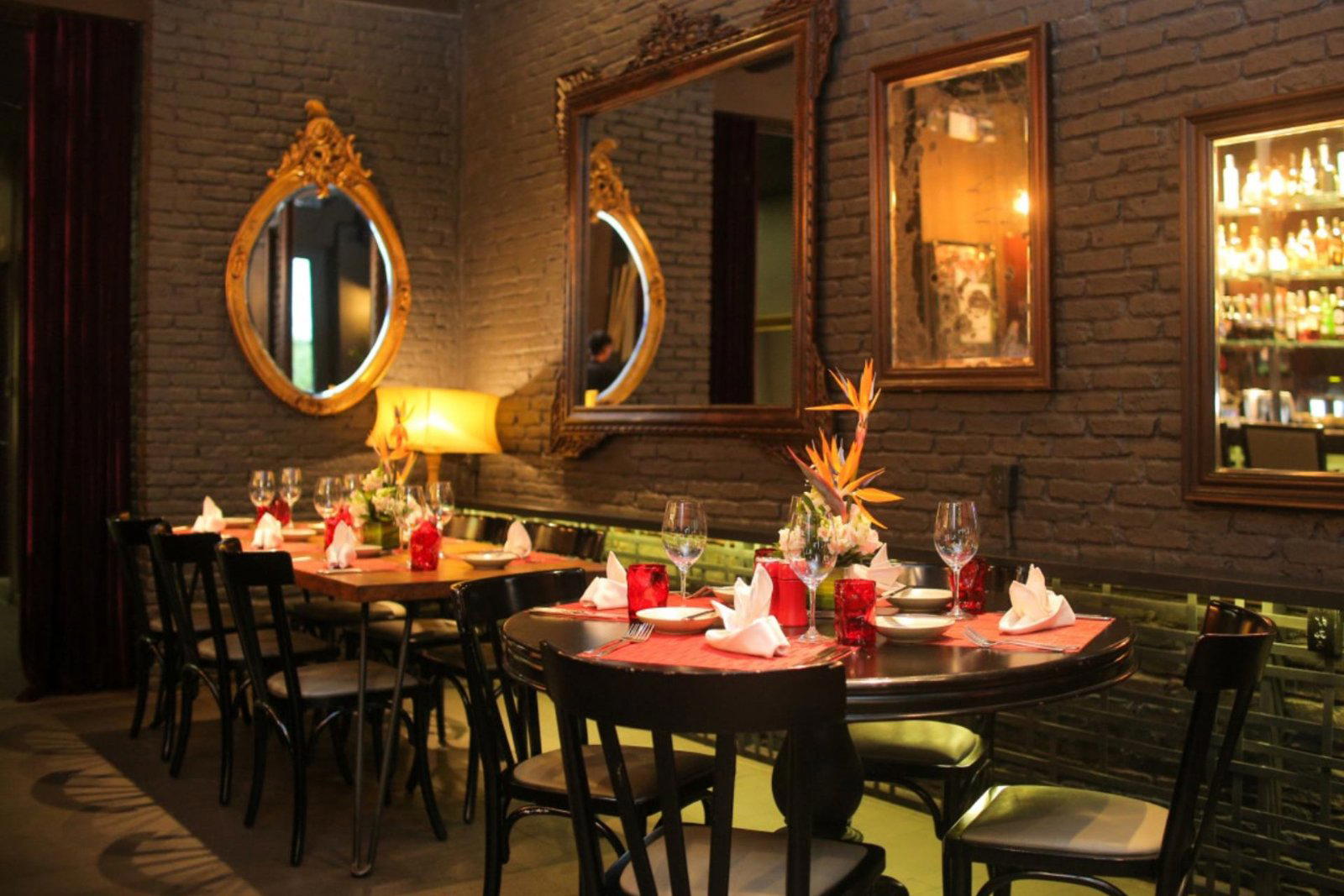
Inside Tobira Onsen Myojinkan
Planning details
- Location
- 明神館-8967 Iriyamabe, Matsumoto, Nagano 390-0222
- Website
- tobira-group.com/myojinkan
- Phone
- +81 263-31-2301
The take
The Take
The Vibe
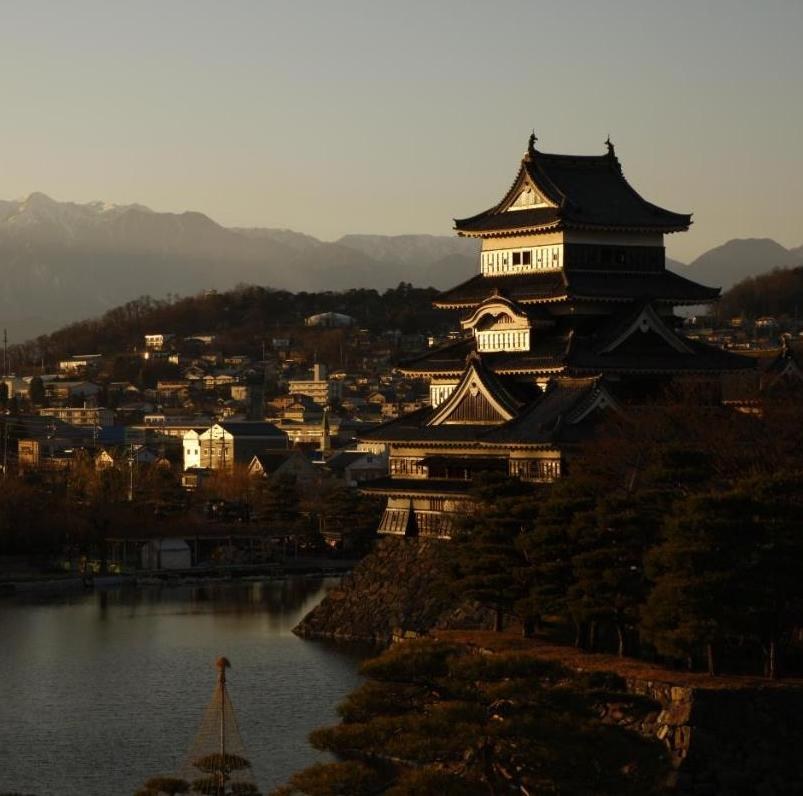
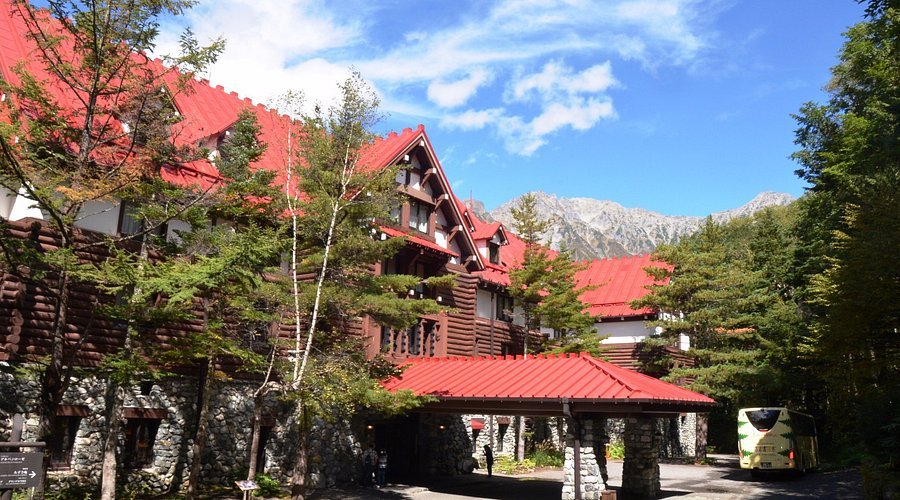
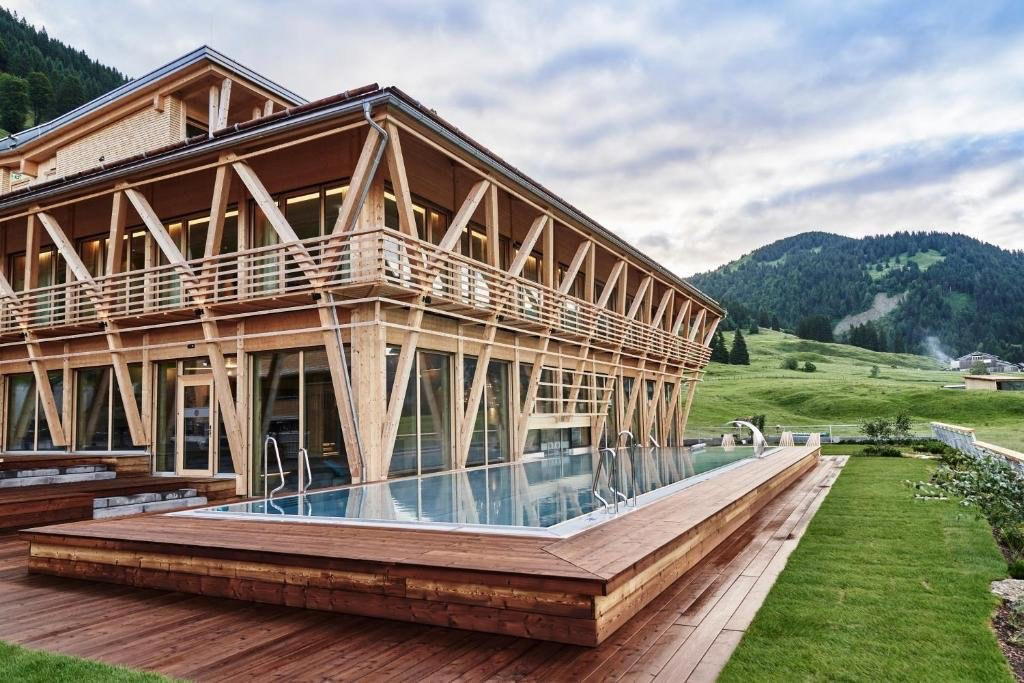
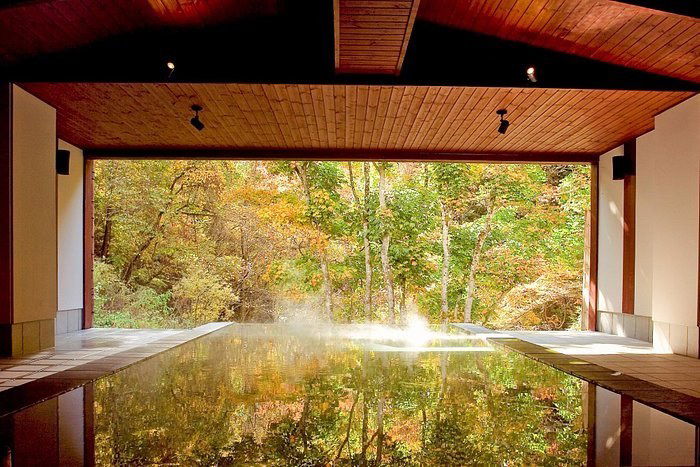
Tobira Onsen Myojinkan reads like a mountain ryokan in which architecture and landscape are inseparable. Approaching through the Nagano highlands, guests feel the shift of altitude and season; roofs, materials and sightlines are designed expressly to withstand snow and to reveal different faces in autumn, winter and summer. The property emphasizes onsen culture and geological thermal waters, so the experience is contemplative and restorative rather than flashy. Expect a serene, culturally rooted atmosphere where the building’s form and the Alps themselves play equal roles in shaping the stay.
Best For
This is a destination for travelers seeking a restorative, place-based stay. Tobira Onsen Myojinkan suits couples on romantic getaways and guests focused on wellness retreats, drawn by its celebrated thermal waters and alpine setting. The property’s traditional ryokan character also makes it an appropriate choice for anniversary stays or intimate celebrations that prioritize quiet, scenic seclusion and ritual bathing. It is less about nightlife or city sightseeing and more about slowing down to experience mountain weather, architecture and the onsen itself.
Stay Tips
Plan logistics in advance: the property provides a complimentary shuttle from Matsumoto that departs at 15:15 and 16:30, and a taxi from Matsumoto East Exit runs roughly JPY 5,500–6,000, so coordinate arrival times with the shuttle schedule or expect a taxi fare. Given the alpine location and seasonal shifts in access, confirm transfer options before traveling. Because the ryokan’s appeal centers on its thermal waters and architecture, prioritize arrival times that allow you to settle in and visit the baths while daylight remains.
Venue details
Ambiance
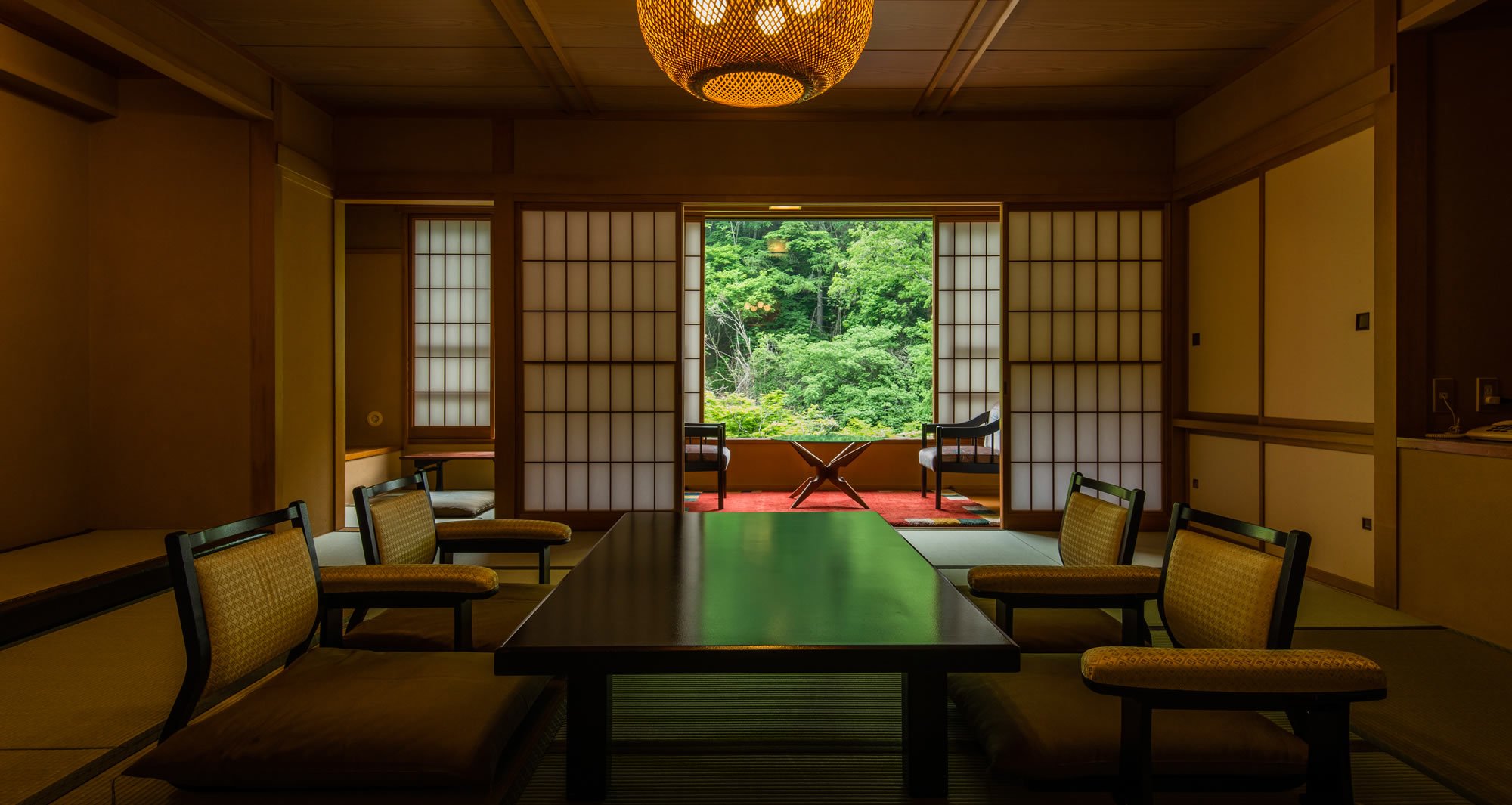
Serene and tranquil atmosphere with forest views, tatami rooms, and relaxing hot spring baths surrounded by nature.
Tags
Vibe
Best For
Experience
Amenities
View
Accessibility
About the Stay
- Rooms
- 45
- Check-in
- 15:00
- Check-out
- 12:00
- Property Type
- Heritage hotel
- Property Style
- Historic Ryokan Blending Traditional Japanese and Modern Comforts
- Design Style
- Minimalist Tatami with Shoji Screens and Natural Wood
- Pool
- Yes
- Spa
- Yes
Know before you go
Know Before You Go
- Getting there
- 明神館-8967 Iriyamabe, Matsumoto, Nagano 390-0222
Planning details
Location
明神館-8967 Iriyamabe, Matsumoto, Nagano 390-0222 · Directions
Recognition and awards

Also consider
Also Consider
- Matsumoto Jujo, Notable alternative
- BYAKU Narai, Notable alternative
- Hotel Keyforest Hokuto, Notable alternative
- The Hiramatsu Karuizawa Miyota, Notable alternative
- SHISHI-IWA-HOUSE Karuizawa, Notable alternative
Hotel context
How it compares in the Matsumoto and Nagano hotel set
Matsumoto Jujo is the easier cross-shop for travelers who want a Matsumoto base with more city access. Tobira Onsen Myojinkan is the better fit when the stay is built around onsen time and quiet, while Matsumoto Jujo makes more sense for guests who want to move in and out of town without making the hotel the full focus.
BYAKU Narai is the stronger alternative if restored townscape atmosphere is the main draw. Hotel Keyforest Hokuto suits design-led travelers willing to be outside Matsumoto for a more architectural stay. Against both, Tobira Onsen Myojinkan is the safer choice for a first-timer who wants a classic retreat rhythm rather than a concept-led hotel decision.
The Hiramatsu Karuizawa Miyota and SHISHI-IWA-HOUSE Karuizawa are better cross-shops if Karuizawa is already in the itinerary. Pick them for a Karuizawa-focused trip; choose Tobira Onsen Myojinkan when Matsumoto and an onsen retreat are the anchors.
Explore Matsumoto
Around this place
Discover more on Pearl
Unlock the full Tobira Onsen Myojinkan guide in Pearl, including awards, comparisons, FAQs, planning details, and nearby places.
Compare Tobira Onsen Myojinkan
| Venue | Location | Awards |
|---|---|---|
| Tobira Onsen Myojinkan | Matsumoto | 2026 Relais Chateaux Hotels2026 Michelin 1 Key2025 Michelin Selected Hotels2025 Relais Chateaux Award |
| Matsumoto Jujo | Matsumoto | No published awards |
| BYAKU Narai | Narai | 2026 Michelin 1 Key2025 Michelin 1 Key2024 Michelin 1 Key |
| Hotel Keyforest Hokuto | Hokuto | No published awards |
| The Hiramatsu Karuizawa Miyota | Miyota | 2026 Michelin 2 Keys2025 Michelin 2 Keys2024 Michelin 1 Key |
| SHISHI-IWA-HOUSE Karuizawa | Karuizawa | 2026 Mr & Mrs Smith Luxury HotelsTablet Hotels Design Awards 2026: Best New Hotel Designs (Asia)2026 Michelin 1 KeyTatler Best Hotels Asia-Pacific 20252025 Michelin 1 Key2024 Michelin 1 Key |





How Tobira Onsen Myojinkan Matsumoto Hotel compares with similar nearby venues.
FAQ
Frequently Asked Questions
Which room category is best at Tobira Onsen Myojinkan?
How does Tobira Onsen Myojinkan compare to other hotels?
Choose Tobira Onsen Myojinkan if its recognition matters to your decision: Relais Chateaux Award (2026) and MICHELIN Guide, Hotels Selected (2025). Matsumoto Jujo, BYAKU Narai, and SHISHI-IWA-HOUSE Karuizawa may suit different hotel preferences, so compare current room details, location needs, and booking terms directly.
Do loyalty programs work at Tobira Onsen Myojinkan?
The clearest trust signals are Relais Chateaux Award (2026) and MICHELIN Guide, Hotels Selected (2025).
How is the location of Tobira Onsen Myojinkan?
Tobira Onsen Myojinkan is in Matsumoto. Specific address, neighborhood, access, and transport details should be confirmed with the hotel or booking source.
How is the pool and spa at Tobira Onsen Myojinkan?
Is Tobira Onsen Myojinkan family-friendly?
How is the dining at Tobira Onsen Myojinkan?
The confirmed recognition is Relais Chateaux Award (2026) and MICHELIN Guide, Hotels Selected (2025), but cuisine, menu format, prices, and dietary accommodations should be checked directly with the property.