
Dar Les Cigognes
Marrakech-Médina, Marrakech
Hotel in Marrakech, Morocco
 Book with Pearl
The Read
Southern Medina Courtyard Immersion
Why go
A good Marrakech pick if you want a medina riad stay with more atmosphere than resort sprawl. Choose it for scale, setting, and old-city access; cross-shop larger properties if pool, spa, or full-service hotel infrastructure matters more.
About Dar Les Cigognes
Should you consider Dar Les Cigognes in Marrakech? It can belong on a serious shortlist for travelers specifically considering this venue in Marrakech and who are comfortable confirming trip-critical details directly before booking. In other words, it can belong on a serious shortlist, but it should not be treated as fully understood from the information available alone. The clearest signals are its smart casual dress code and its La Liste Top Hotels recognition in 2026 with a score of 90.5pts, both of which offer useful orientation without answering every practical question a traveler may have.
A Marrakech choice with limited practical detail
Dar Les Cigognes can be considered as part of a Marrakech shortlist, but many practical details should be confirmed directly. That makes the venue more suitable for travelers who are willing to do a final round of direct checks rather than those who need every element settled in advance from a public profile alone. Before treating it as the right fit, confirm the current setup, facilities, dining arrangements, and any services that matter to your visit through the property's official channels. This is especially important when the decision depends on specific expectations rather than the general appeal of staying in Marrakech.
The best comparison set is other Marrakech options rather than assumptions about format or amenities. If you are deciding between Dar Les Cigognes and alternatives, compare it with La Sultana Marrakech, Les Jardins de la Médina, Riad Al Moussika, Riad Antara, and Riad Mena & Beyond based on your own priorities and the latest direct information from each property. That comparison should be practical as much as atmospheric: look at what each property currently confirms, how clearly it matches the kind of stay you want, and whether any important details require follow-up. The strongest approach is to keep Dar Les Cigognes in the mix while letting confirmed, up-to-date information guide the final choice.
Use the confirmed recognition as a quality signal, not a full brief
Recognition from La Liste Top Hotels in 2026 gives Dar Les Cigognes a useful trust signal, with a listed score of 90.5pts. That is meaningful because it is a concrete point in an otherwise limited public snapshot. It suggests the venue has received external recognition, and for many travelers that will be enough to justify a closer look. Even so, it should be read as a confirmed accolade, not as a substitute for checking the details that shape a booking: location preferences within Marrakech, facilities, dining, policies, and property-specific information. A score can point you toward a property, but it cannot tell you whether the experience aligns with the particulars of your trip.
For planning, treat Dar Les Cigognes as one candidate in Marrakech and verify the essentials before booking. Its smart casual dress code may help set expectations, particularly for guests who want to arrive prepared and avoid misreading the tone of the venue. The La Liste Top Hotels score provides a concise external marker, giving the property a clearer place in the decision process than an entirely unrecognized listing would have. Beyond that, compare current information directly. The most balanced reading is simple: Dar Les Cigognes has enough confirmed credibility to merit consideration, but the available detail is not broad enough to replace direct confirmation before committing to a stay or visit.
Planning details
- Location
- 108 Rue de Berrima, Marrakech 40000
- Website
- hoteldlc.com
- Phone
- +212 5 24 38 27 40
The take
The Take
The Vibe
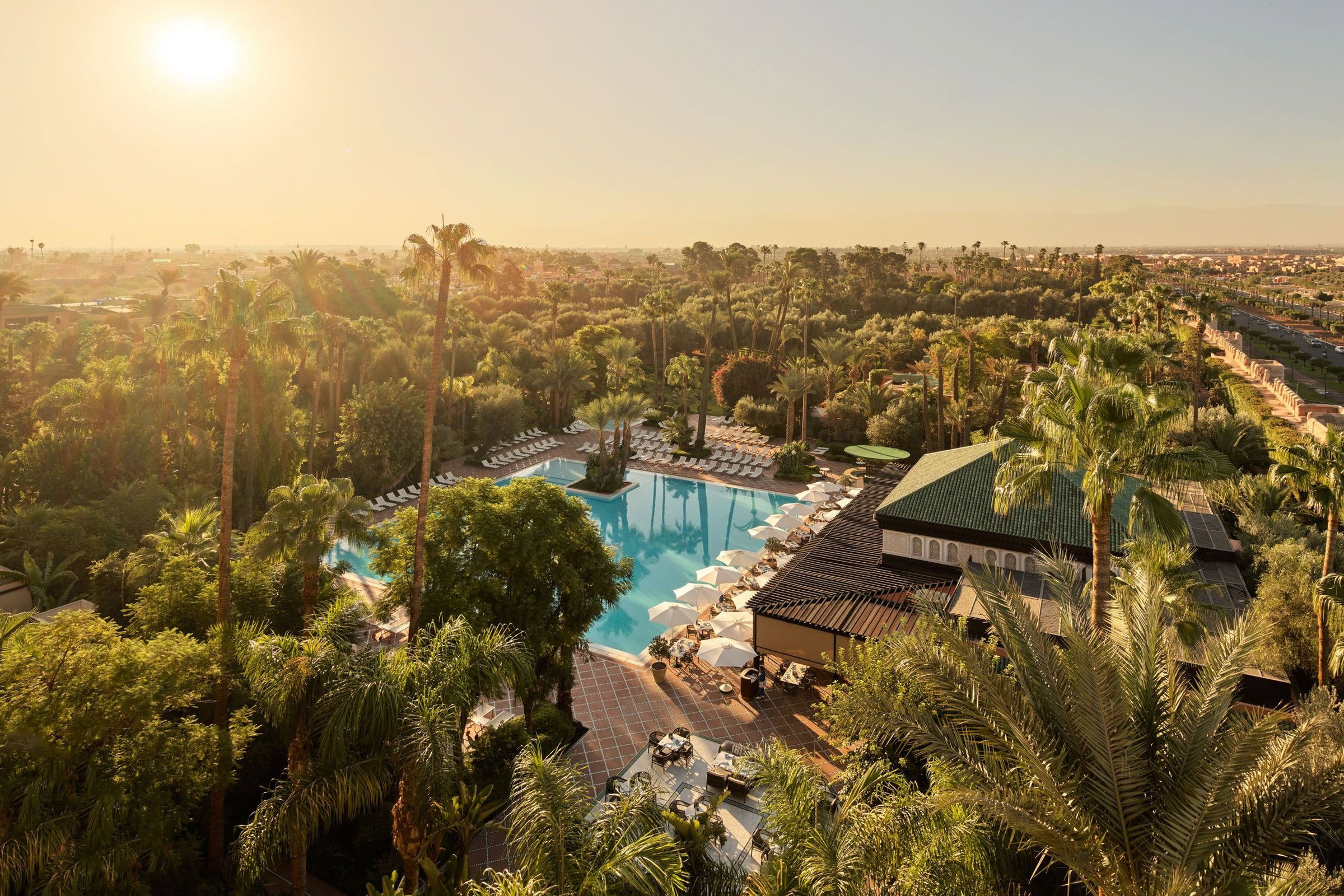
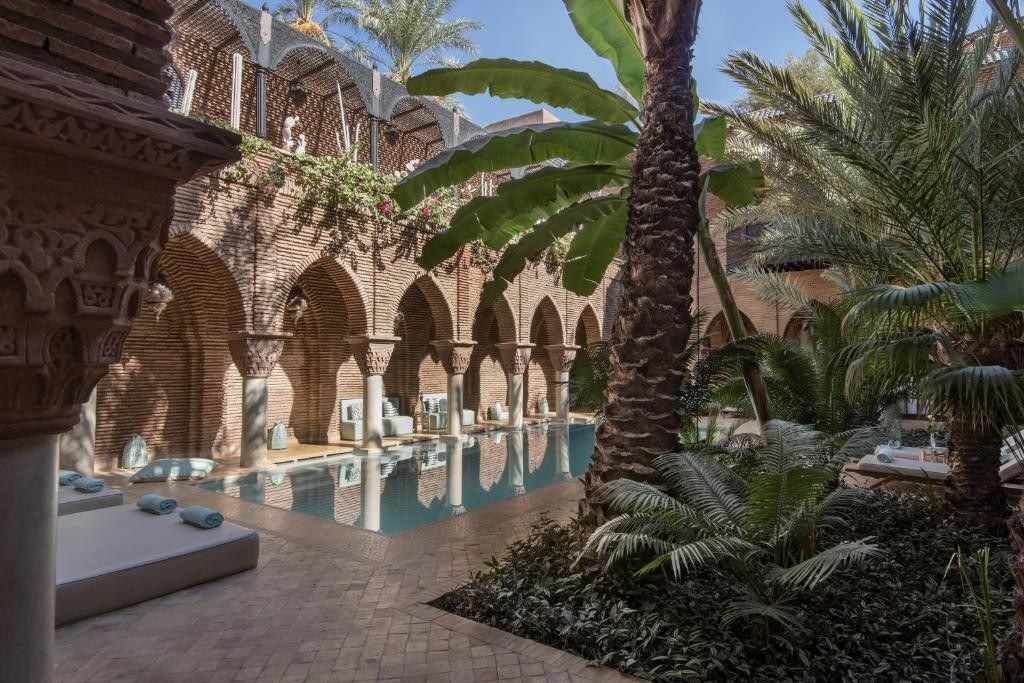
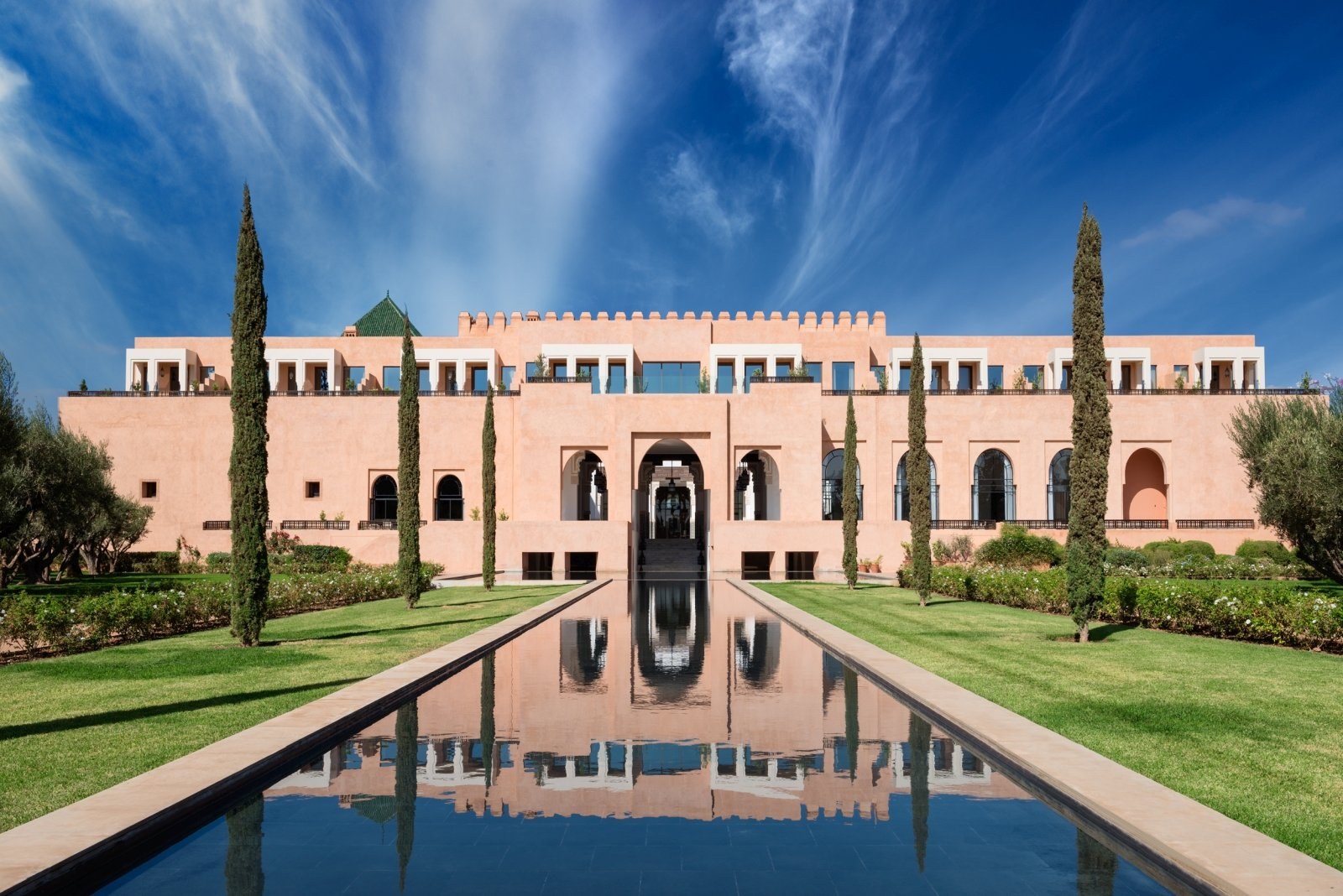
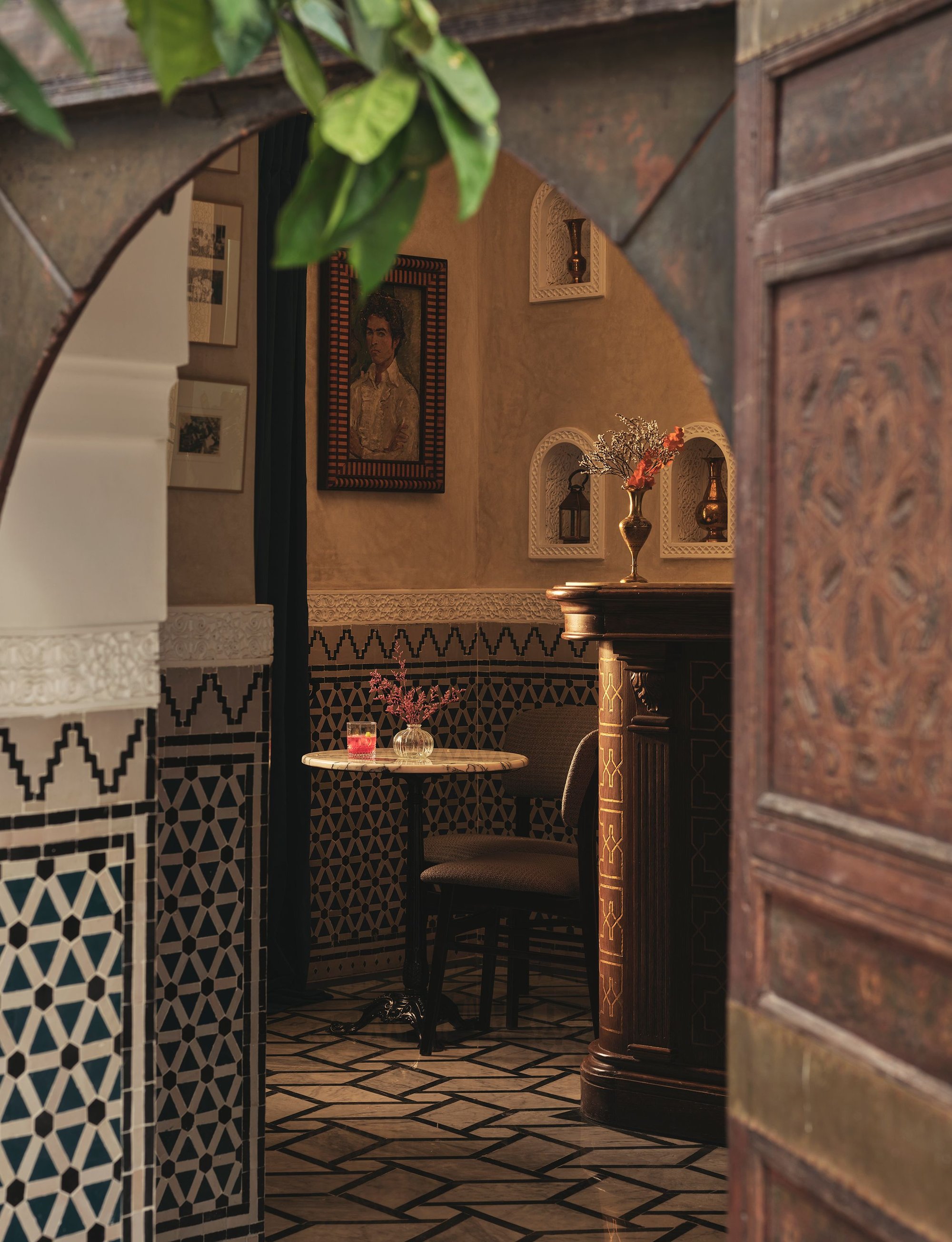
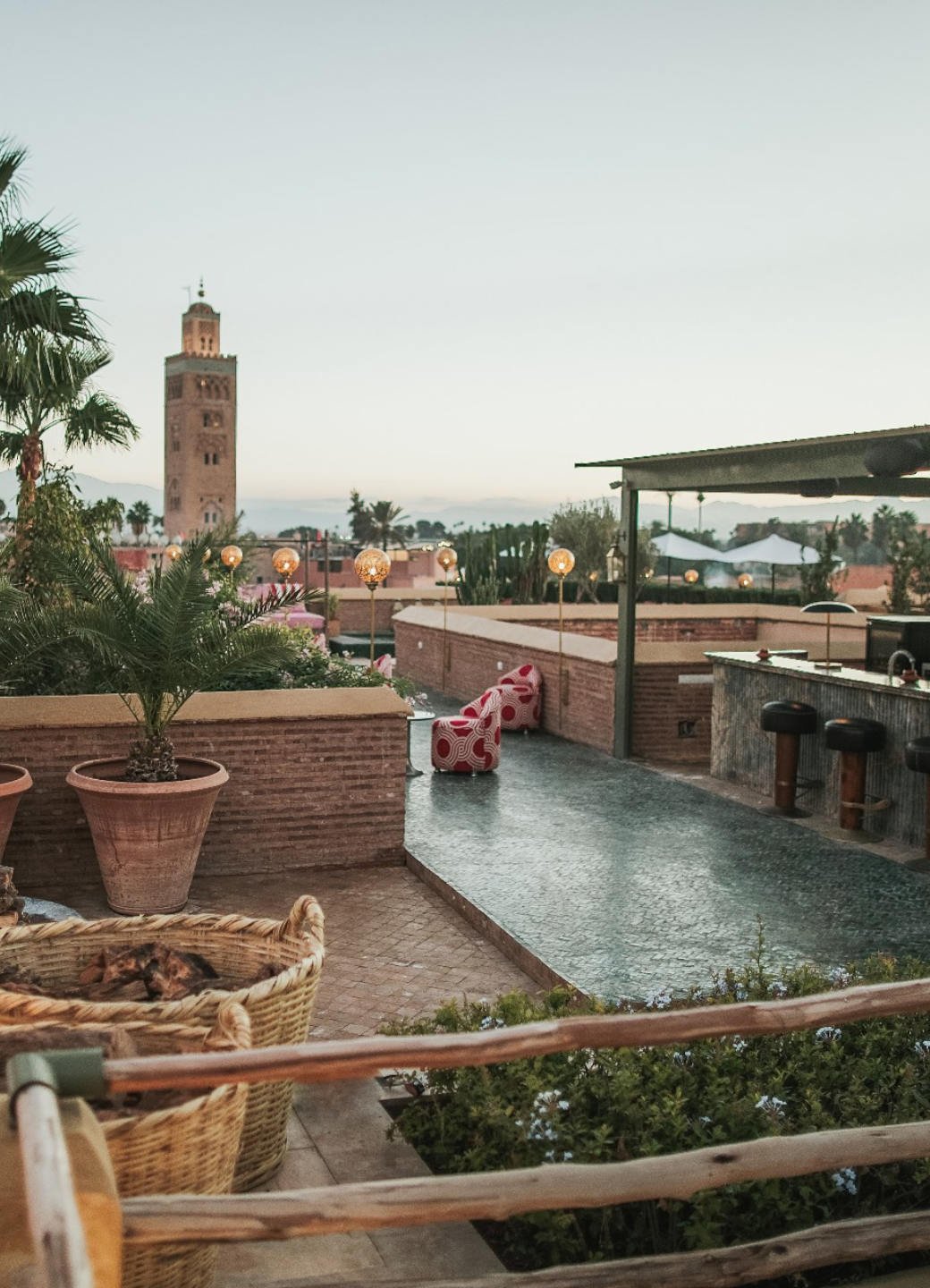
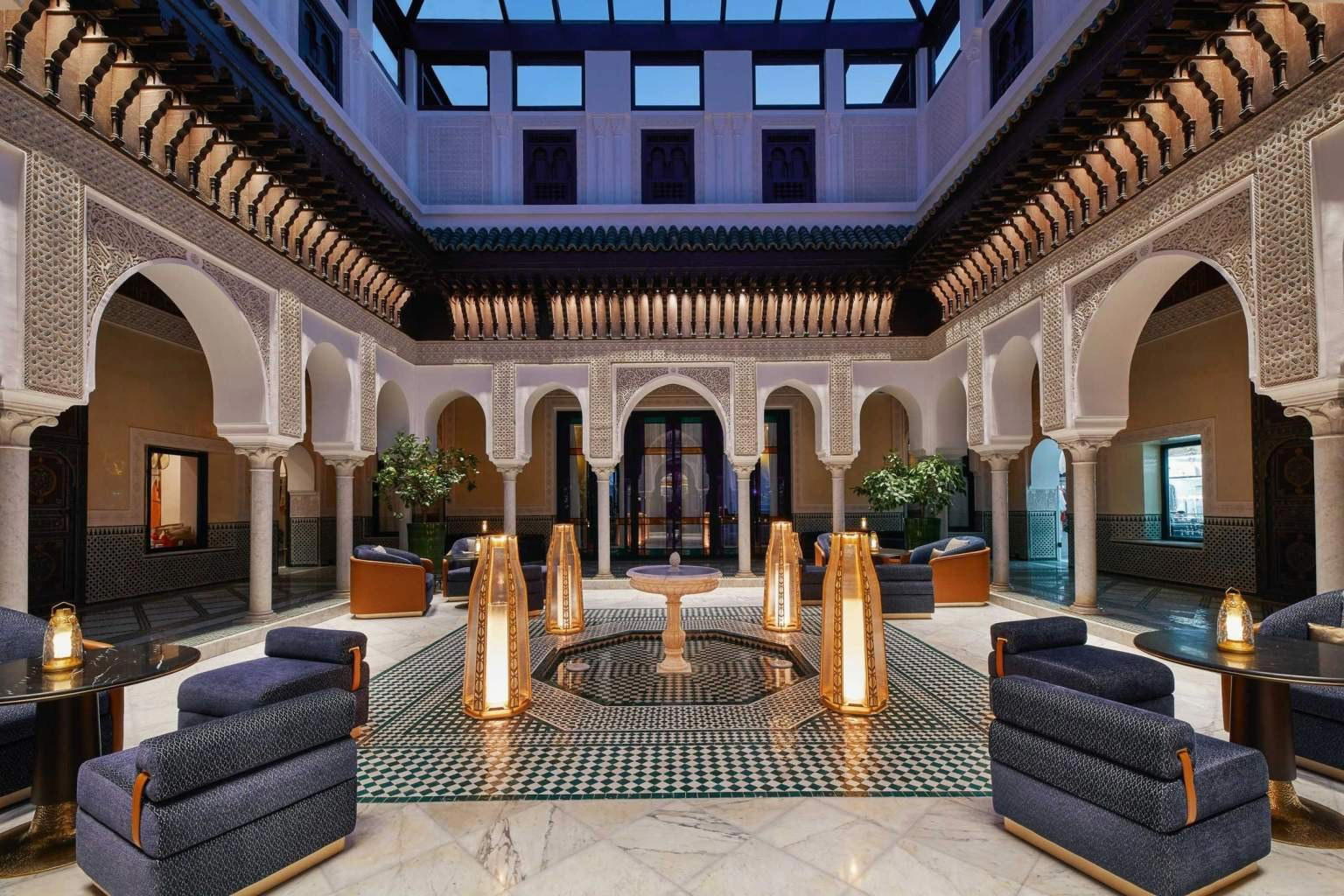
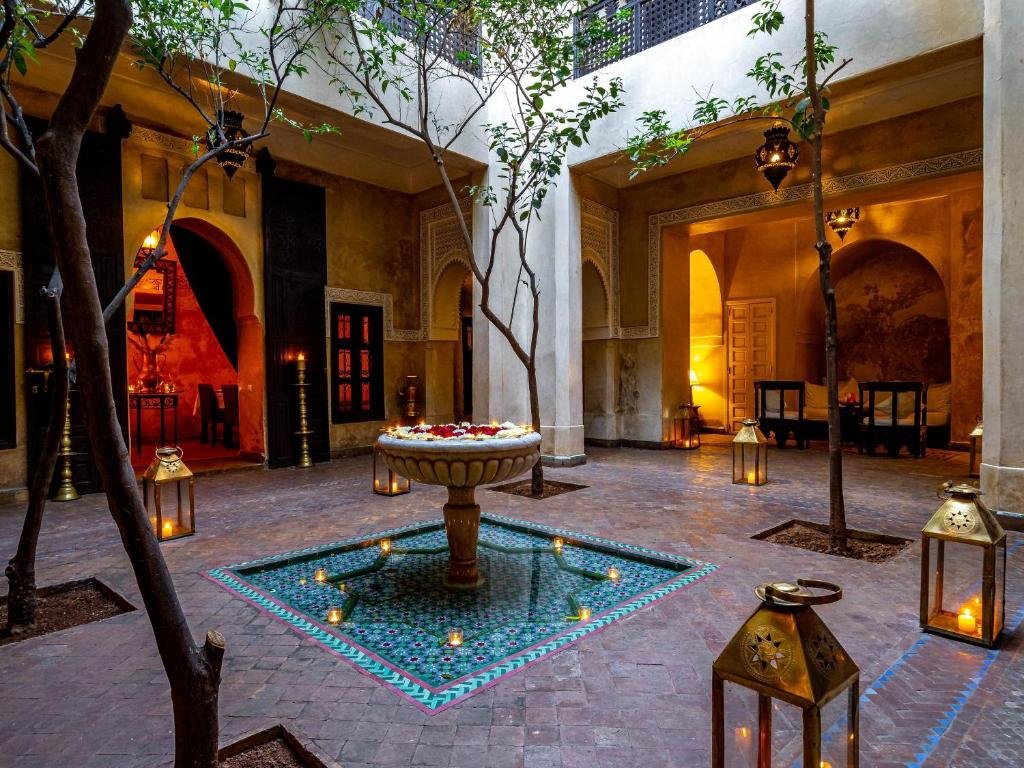
Dar Les Cigognes presents a quietly historic riad experience anchored in the medina’s inner fabric. The approach through narrow derbs and a single doorstep transition immediately mutes the street’s bustle; tiled central courtyards and thick pisé walls articulate a traditional, climate‑wise architecture. Upper terraces overlook palace walls where storks nest, reinforcing a strong sense of place inside the old city rather than on a tourist edge. The overall effect is restrained and classic—an intimate house that feels like a lived-in fragment of Marrakech’s layered past rather than a modern insertion.
Best For
This riad suits travelers who prize immersion over amenity scale: guests who want to sleep within the medina’s historic core, appreciate traditional Moroccan architecture and small‑scale hospitality, and prefer calm courtyards to large resort lobbies. It reads as an ideal choice for couples or solo travelers seeking an authentic, quietly luxurious base near the Royal Palace district. Because the property occupies the intimate tier of Marrakech accommodation and has limited keys, it appeals to those who value atmosphere and specificity of place rather than full‑service resort infrastructure.
Stay Tips
Expect a medina arrival: approach via narrow derbs to Rue de Berrima and notice how the riad’s single‑doorstep transition separates you from the street. Book early—the description notes "limited keys" and a notable La Liste ranking, so rooms can be in demand. If views matter, request a room with access to the upper terraces, where palace walls and nesting storks are visible. Plan to spend time in the central courtyard, which is deliberately designed for passive cooling in warmer afternoons.
Venue details
Ambiance
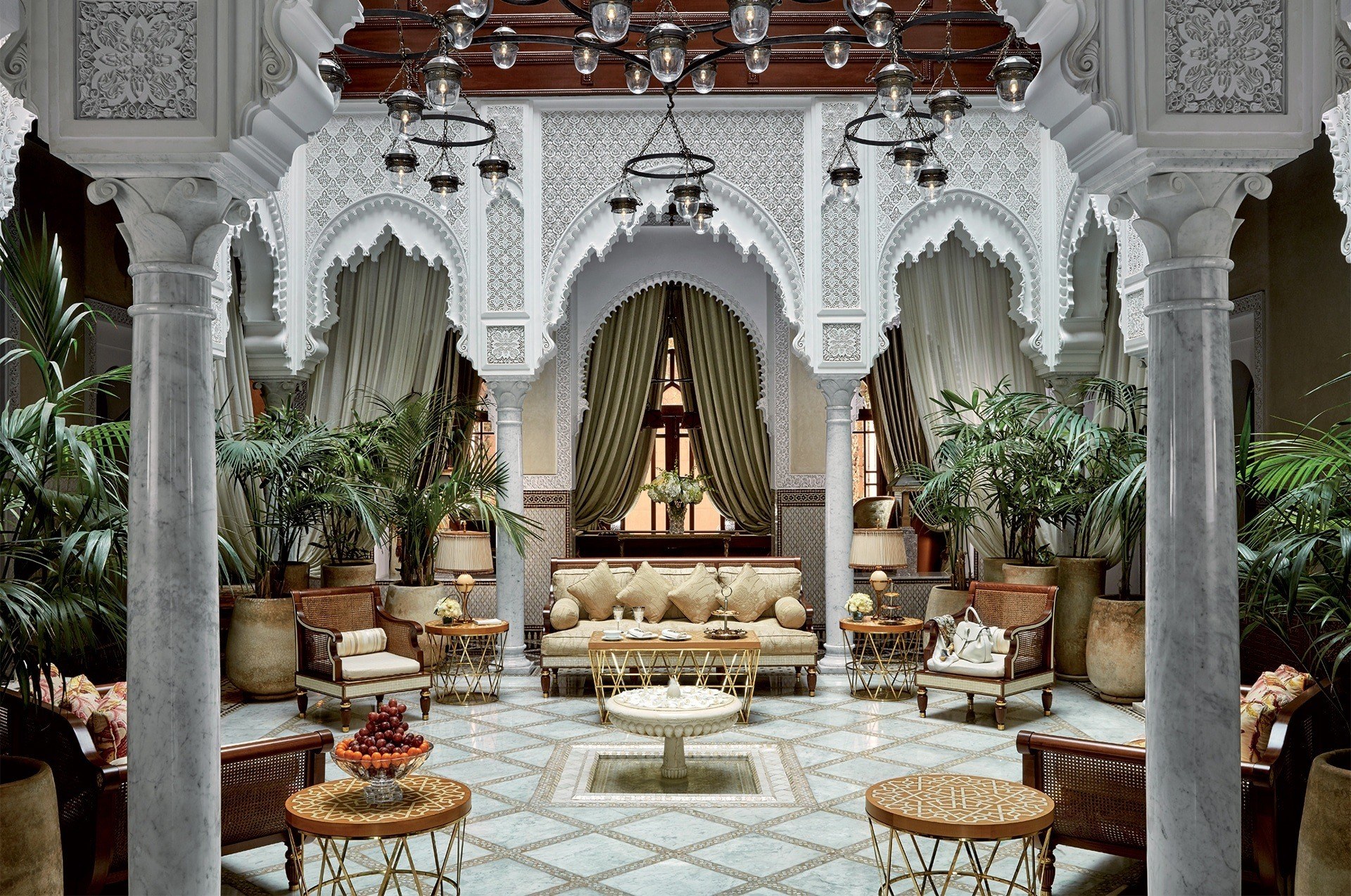
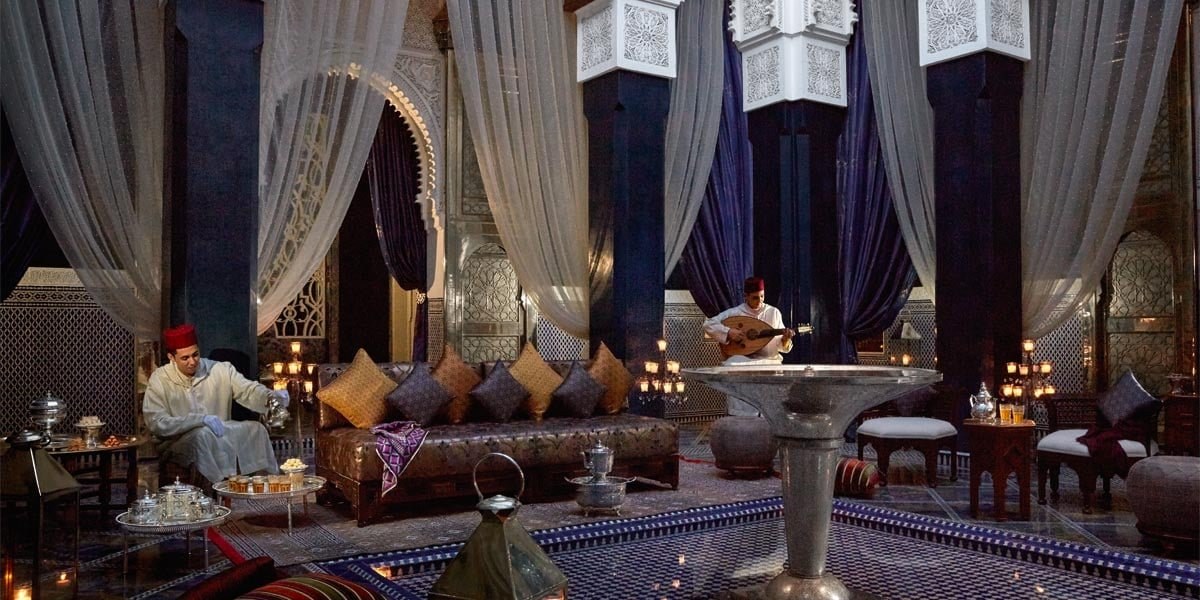
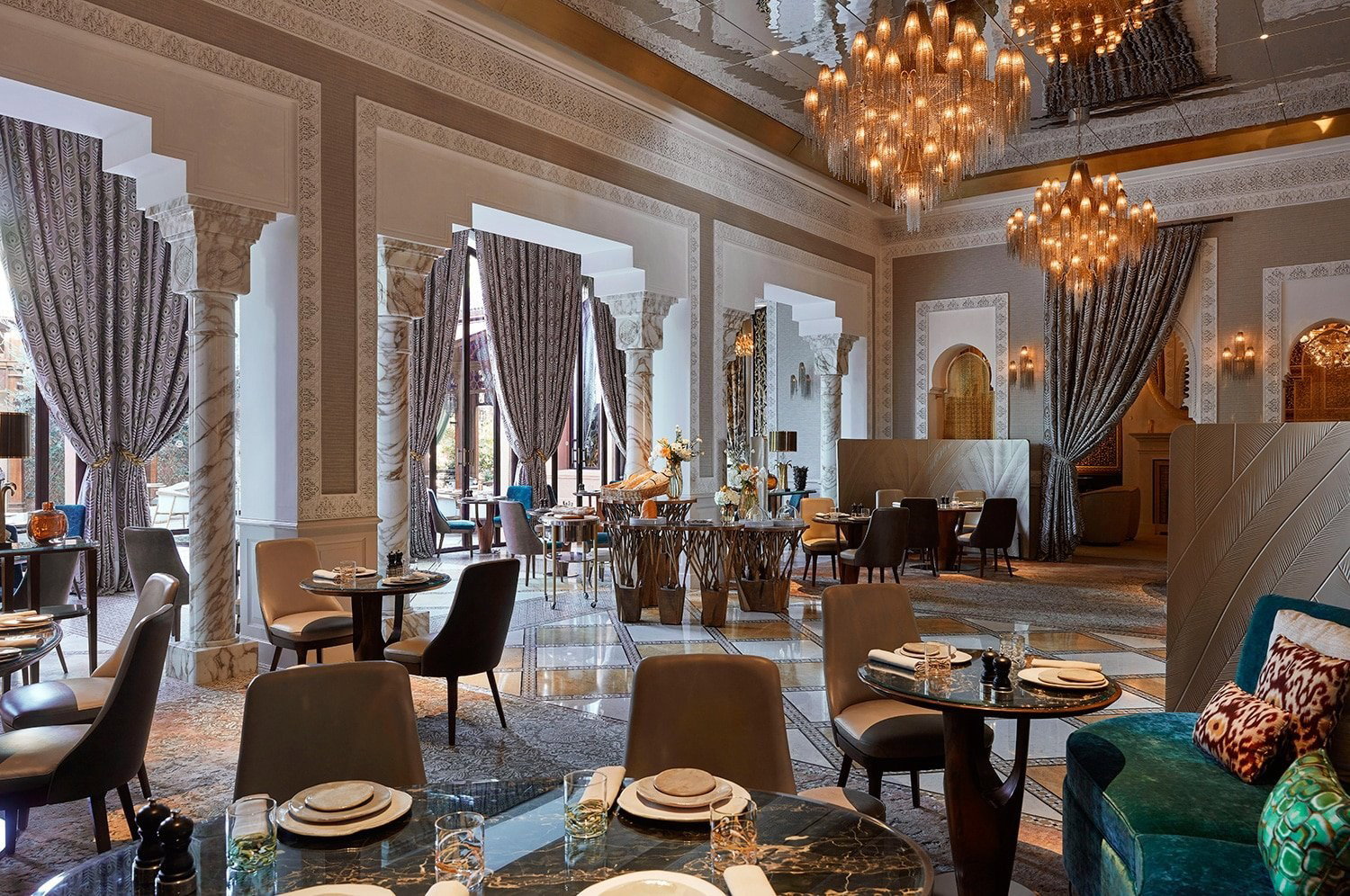
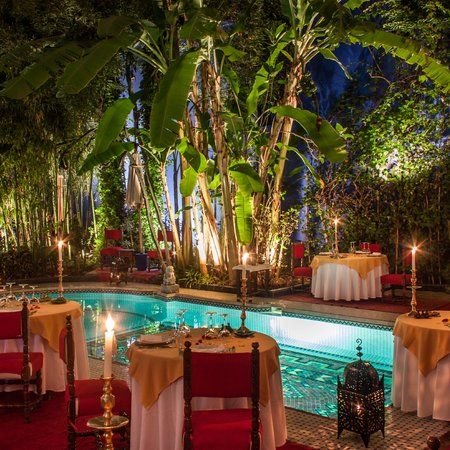
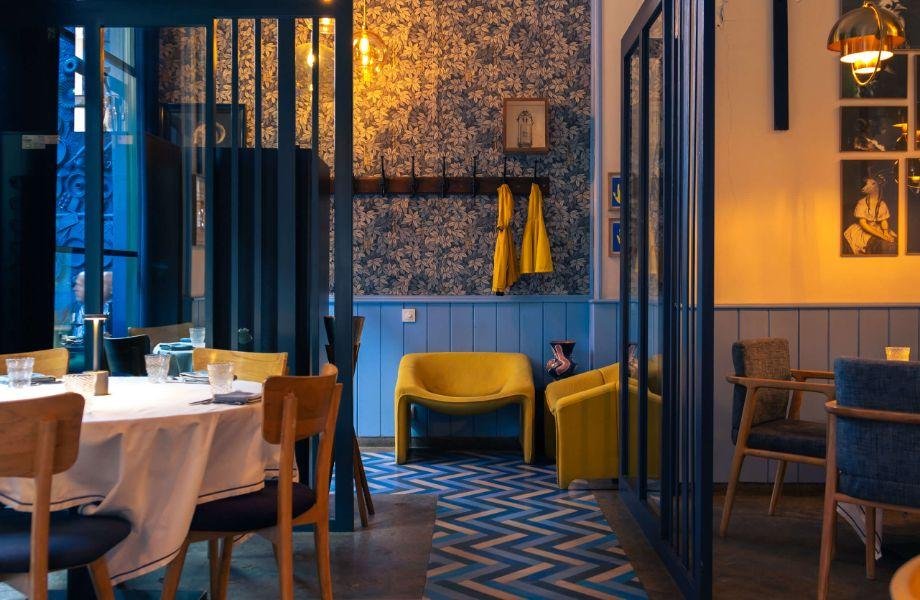
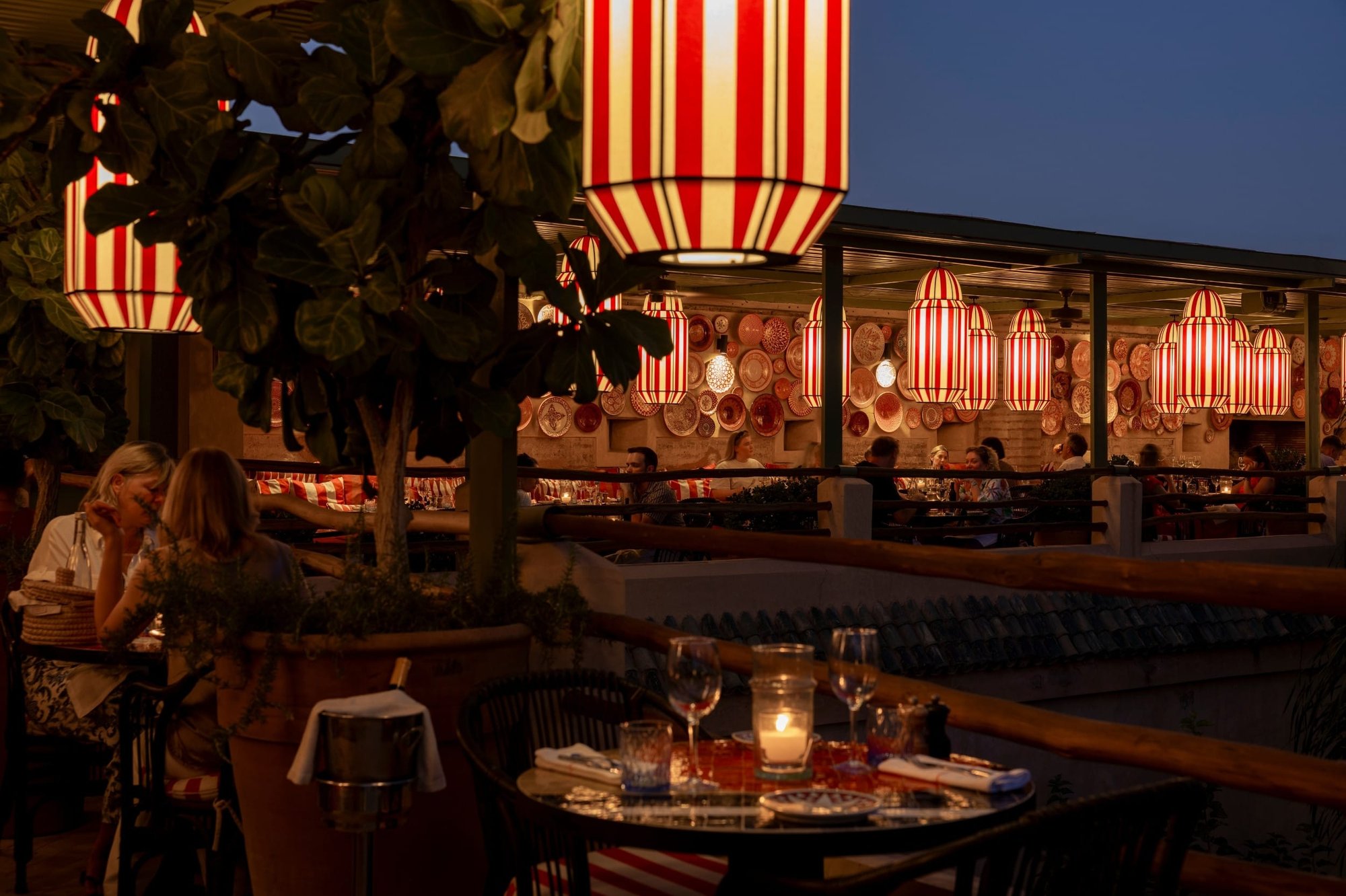
Cozy and elegant atmosphere featuring traditional Moroccan decor with rose-adorned fountains, intricate tiling, fireplaces, soft lighting, and serene courtyard and rooftop terrace settings.
Tags
Vibe
Best For
Experience
Amenities
View
Accessibility
About the Stay
- Rooms
- 11
- Check-in
- 14:00
- Check-out
- 12:00
- Property Style
- Authentic Moroccan Riad with Traditional Architecture and Luxurious Boutique Amenities
- Design Style
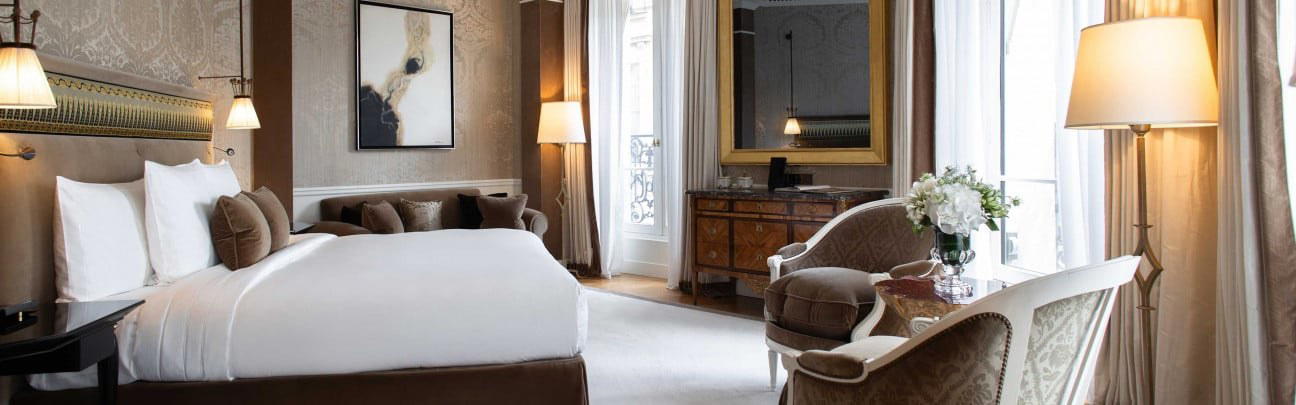
- Traditional Moroccan with Carved Wooden Furniture, Zellige Tiles, and Opulent Fireplaces
Know before you go
Know Before You Go
- Getting there
- 108 Rue de Berrima, Marrakech 40000
Planning details
Location
Recognition and awards

Also consider
Where to look if this is not the right fit
If you want a more polished luxury stay near the medina, try La Sultana Marrakech. If you want a calmer garden setting, look at Les Jardins de la Médina. For another boutique riad-style option, compare availability at Riad Mena & Beyond.
Hotel context
How it compares in Marrakech
Dar Les Cigognes is the riad-leaning choice for travelers who want atmosphere and old-city proximity without defaulting to a larger luxury hotel. Compared with Riad Antara and Riad Al Moussika, it sits in the same intimate-stay conversation: choose between them based on room availability, preferred location, and how much service structure you want around the stay.
La Sultana Marrakech is the stronger cross-shop if you want a more polished luxury-hotel feel while staying close to the medina energy. Les Jardins de la Médina is the better fit for travelers prioritizing garden space and a calmer retreat feel. Riad Mena & Beyond should be on the list if design matters and you want another boutique option before choosing.
Booking difficulty is generally easier than the city's hardest-to-secure luxury stays, so this works well for travelers planning a Marrakech trip without a long lead time. If the trip is built around facilities, cross-shop up. If the trip is built around medina access, smaller scale, and atmosphere, keep this high on the list.
Explore Marrakech
Around this place
Discover more on Pearl
Unlock the full Dar Les Cigognes guide in Pearl, including awards, comparisons, FAQs, planning details, and nearby places.
Compare Dar Les Cigognes
| Venue | Location | Awards |
|---|---|---|
| Dar Les Cigognes | Marrakech | 2026 La Liste Top Hotels |
| Riad Antara | Marrakech | No published awards |
| La Sultana Marrakech | Marrakech | 2026 Virtuoso Luxury Hotel Collection2026 Forbes Recommended2026 La Liste Top Hotels2025 Michelin 1 Key2025 Forbes RecommendedSmall Luxury Hotels Member 2025 |
| Les Jardins de la Médina | Marrakech | No published awards |
| Riad Al Moussika | Marrakech | 2026 La Liste Top Hotels |
| Riad Mena & Beyond | Marrakech | 2026 La Liste Top Hotels |




How Dar Les Cigognes Marrakech compares with similar nearby venues.
FAQ
Frequently Asked Questions
How is the pool and spa at Dar Les Cigognes?
Pool and spa details should be confirmed directly with Dar Les Cigognes before booking, and compare with La Sultana Marrakech if you are considering another Marrakech option.
How is the location of Dar Les Cigognes?
When is the best time to book Dar Les Cigognes?
Do loyalty programs work at Dar Les Cigognes?
The confirmed recognition is its La Liste Top Hotels (2026) score of 90.5pts, and the confirmed dress code is smart casual.
How is the dining at Dar Les Cigognes?
Dining details should be checked directly with Dar Les Cigognes. The confirmed dress code is smart casual, and if dining is a major factor, you can also compare current information for Riad Al Moussika and La Sultana Marrakech.
How does Dar Les Cigognes compare to other Marrakech options?
Dar Les Cigognes has a confirmed La Liste Top Hotels (2026) score of 90.5pts. For a broader Marrakech comparison, check current details for La Sultana Marrakech, Riad Antara, Les Jardins de la Médina, Riad Al Moussika, and Riad Mena & Beyond before deciding.