
Cannúa Lodge
Marinilla countryside, Marinilla
Hotel in Marinilla, Colombia
 Book with Pearl
The Read
Soil-Built Mountain Retreat
Why go
Cannúa Lodge is worth booking for a first countryside stay near Marinilla if the hotel itself is the main event. Its Michelin 2 Keys recognition in 2025 and Mr & Mrs Smith Seal of Approval in 2026 give it stronger quality signals than many rural peers, but it is less suited to business travel or restaurant-led itineraries.
About Cannúa Lodge
Is Cannúa Lodge worth booking in Marinilla? Cannúa Lodge is a Marinilla venue with a casual dress code and two recognition points: Michelin 2 Keys in 2025 and the Mr & Mrs Smith Seal of Approval in 2026.
For current booking, arrival, dining, and amenity details, use the official venue channels.
What to know about Cannúa Lodge
Cannúa Lodge is in Marinilla. Its recognition includes Michelin 2 Keys (2025) and the Mr & Mrs Smith Seal of Approval (2026). The dress code is casual.
That makes the venue easiest to evaluate on its recognition. If setting, facilities, cuisine, or logistics matter for the trip, confirm them directly before booking.
Where it sits against other hotel options
Travelers comparing Cannúa Lodge with Porto Marina Hotel, Tau House, BOSKO HOTEL, Wake BioHotel, and Hotel Quinta Ladera should focus on the details each property provides directly. For Cannúa Lodge, the strongest differentiators are its Michelin 2 Keys recognition and Mr & Mrs Smith Seal of Approval.
Verdict: choose Cannúa Lodge if a Marinilla stay with Michelin 2 Keys and Mr & Mrs Smith recognition is the priority. If the decision depends on exact location details, dining style, wellness facilities, or transport logistics, verify those points directly before committing.
Planning details
- Location
- Vda Gaviria KM 7+200, Marinilla, Antioquia
- Website
- cannua.com
- Phone
- +57 311 6099237
The take
The Take
The Vibe
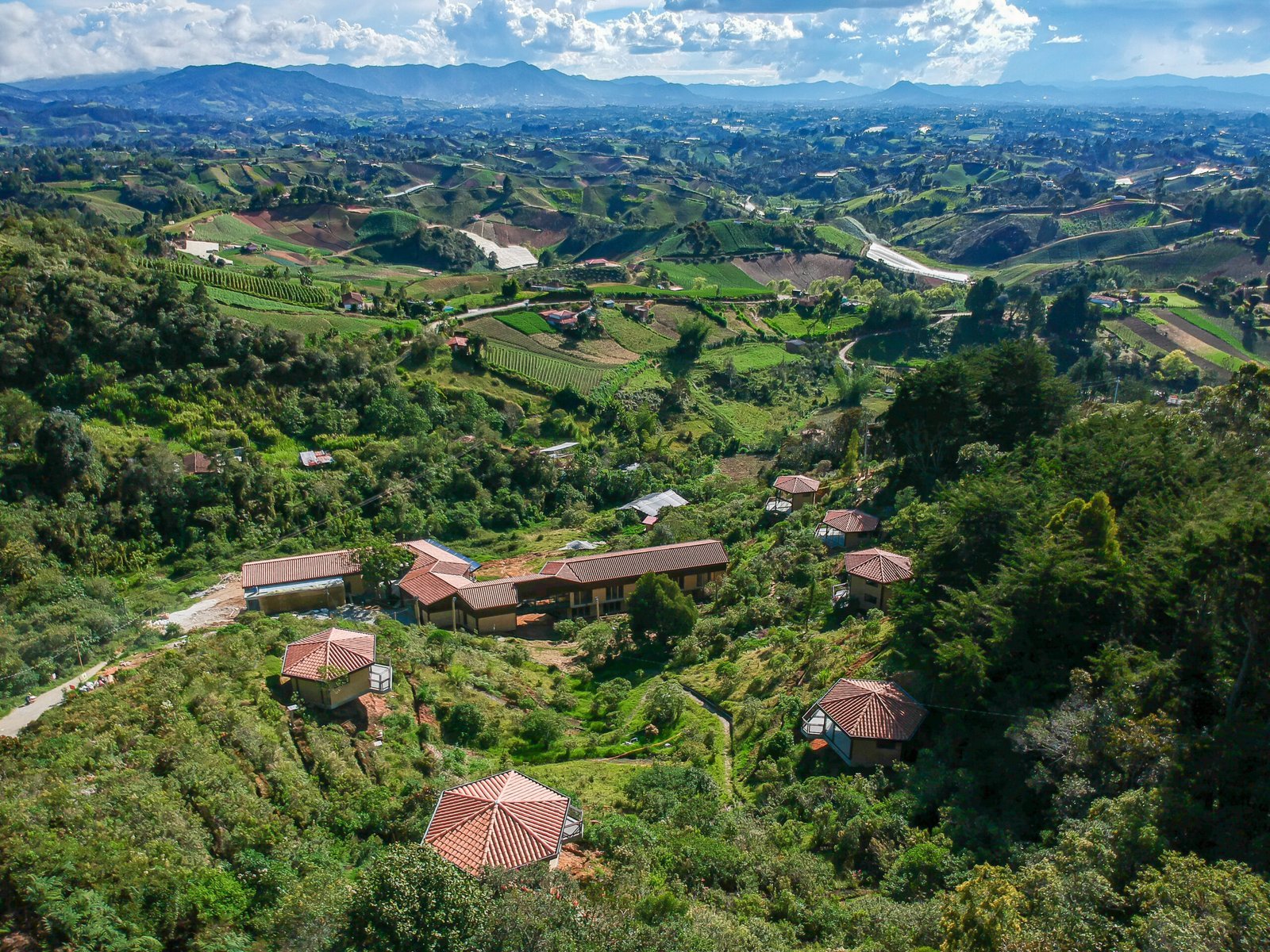
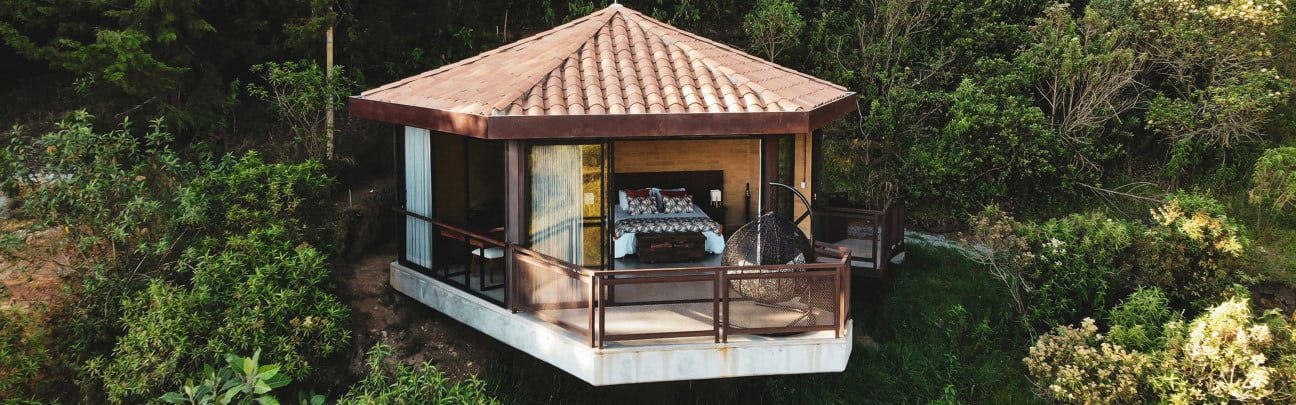
Cannúa Lodge reads as a material-first mountainside retreat: you approach through forest and a valley that opens into view, and the building arrives as a considered interruption of the hillside. The property foregrounds local craft — bricks made on site from estate soil — and leans into ecological and cultural specificity rather than borrowing a colonial or coffee-farm aesthetic. The result is quietly rustic and intimate, with a thoughtful, low‑key charm that favors the land and the architecture’s relation to it over ostentation. Guests can expect a serene, design‑minded escape set into the Antioquia hills.
Best For
This is a property for travelers seeking a restorative break from Colombian cities: weekend escapes, wellness-focused stays, and small retreats that prioritize landscape and local craft. Its remote approach and emphasis on estate grounds make it appropriate for couples looking for privacy or solo travelers after contemplative time in nature. The lodge’s architectural focus and quiet setting also suit guests who value thoughtful design and scenic vantage points rather than urban amenities or resort trappings.
Stay Tips
The lodge sits seven kilometres up the Vda Gaviria road into the Antioquia hills and intentionally distances itself from resort conventions, so plan logistics in advance. Expect a rural approach through forested terrain; arrange reliable transport and allow extra travel time from Marinilla or nearby cities. Because the property emphasizes its relationship to the land and crafted materials, guests should set expectations for a design‑forward, low‑key experience rather than full‑service urban hotel amenities.
Venue details
Ambiance
Serene mountain retreat with natural light streaming through vast windows overlooking San Nicolás Valley; peaceful, restorative atmosphere enhanced by forest surroundings and thoughtful sustainable design using compressed earth blocks and bamboo.
Tags
Vibe
Best For
Experience
Amenities
View
Accessibility
About the Stay
- Rooms
- 18
- Check-in
- 15:00
- Check-out
- 11:00
- Property Style
- Sustainable Eco Lodge Blending Modern Loft Inspired Design with Rustic Natural Materials in Harmony with Cloud Forest Environment.
- Design Style
- Clean Lined Contemporary Architecture Using Compressed Earth Blocks and Bamboo with Floor to Ceiling Windows Framing Mountain Vistas; Minimalist Interiors Contrasted with Organic Surroundings.
Know before you go
Know Before You Go
- Getting there
- Vda Gaviria KM 7+200, Marinilla, Antioquia
Planning details
Location
Recognition and awards
Also consider
Also Consider
- Porto Marina Hotel, Notable alternative
- Tau House, Notable alternative
- BOSKO HOTEL, Notable alternative
- Wake BioHotel, Notable alternative
- Hotel Quinta Ladera, Notable alternative
Hotel context
How Cannúa Lodge compares nearby
Cannúa Lodge is the strongest splurge choice in this set if recognition and quality assurance matter. Porto Marina Hotel is the more practical alternative if the trip needs a simpler hotel base, while Tau House is better for travelers who want a quieter boutique feel without making the lodge itself the full itinerary.
BOSKO HOTEL and Wake BioHotel are the closer cross-shops for nature-first ambiance. Pick them if the priority is an outdoorsy stay with a lighter commitment. Choose Cannúa Lodge if awards-backed hotel quality is the deciding factor and availability is not flexible.
Hotel Quinta Ladera is the better fallback for readers who want easier urban access and fewer logistics. Cannúa Lodge is the more compelling rural retreat, but it asks more from the trip: plan around the property, secure dates early, and avoid treating it like a casual overnight stop.
Explore Marinilla
Around this place
Discover more on Pearl
Unlock the full Cannúa Lodge guide in Pearl, including awards, comparisons, FAQs, planning details, and nearby places.
Compare Cannúa Lodge
| Venue | Location | Awards |
|---|---|---|
| Cannúa Lodge | Marinilla | 2026 Mr & Mrs Smith Luxury Hotels2025 Michelin 2 KeysMichelin 2 Keys 2025 |
| Porto Marina Hotel | Guatapé | No published awards |
| Tau House | Guatapé | Tablet Hotels Top 40 New Hotels 2025 · #112025 Michelin Selected Hotels |
| BOSKO HOTEL | Guatapé | No published awards |
| Wake BioHotel | Medellín | No published awards |
| Hotel Quinta Ladera | Medellín | No published awards |


How Cannúa Lodge Marinilla compares with similar nearby venues.
FAQ
Frequently Asked Questions
How does Cannúa Lodge compare to other hotels?
Cannúa Lodge has Michelin 2 Keys recognition for 2025 and the Mr & Mrs Smith Seal of Approval for 2026. When comparing it with Porto Marina Hotel, Tau House, BOSKO HOTEL, Wake BioHotel, and Hotel Quinta Ladera, check each venue's current official information for details such as amenities, pricing, availability, and logistics.
What is check-in like at Cannúa Lodge?
Is Cannúa Lodge good for business travel?
Business travelers should confirm practical requirements such as facilities, transport logistics, meeting spaces, and connectivity directly with Cannúa Lodge before booking.