die HOCHKÖNIGIN Mountain Resort
Maria Alm am Steinernen Meer, Maria Alm
Hotel in Maria Alm, Austria
 Book with Pearl
The Read
Family-Run Alpine Design
Why go
A strong Maria Alm choice if the Hochkönig setting is the reason for the trip. die HOCHKÖNIGIN Mountain Resort makes more sense for leisure travelers planning around mountain access and wellness time than for business travelers or loyalty-program chasers. Booking is hard, so decide early and compare Leogang peers if resort scale matters more than the village address.
About die HOCHKÖNIGIN Mountain Resort
For a stay in Maria Alm, the core question is simple: is die HOCHKÖNIGIN Mountain Resort the right hotel to build the trip around? The facts support a concise answer rather than an over-specified one: this is a Maria Alm resort with smart-casual dress expectations and a confirmed Michelin 1 Key recognition in 2025.
The recommendation is strongest for travelers who specifically want to stay in Maria Alm and value a recognized hotel choice there. First-timers should compare the hotel against other options based on the city they want to stay in and the kind of trip they are planning.
Choose it for Maria Alm itself, not as a generic Austrian base
The location is the point. Staying in Maria Alm gives the trip a clear destination, and die HOCHKÖNIGIN Mountain Resort makes the most sense when Maria Alm is the reason for the stay. If the itinerary depends on another city or a broader regional circuit, compare carefully before treating this as the automatic choice.
The strongest confirmed trust signal is its Michelin 1 Key recognition in 2025, which places it in a more selective hotel conversation than an ordinary listing. That does not automatically mean it is the right spend for every guest. It does mean the hotel has a credential worth factoring into a Maria Alm hotel decision.
Where it sits against other hotel options
Against Hotel Salzburgerhof, Hotel Krallerhof, Naturresort PURADIES, mama thresl, and Naturhotel Forsthofgut, the decision should come down to where you want to stay and what kind of hotel experience you prefer. Those properties are useful cross-shops, but die HOCHKÖNIGIN Mountain Resort is the Maria Alm option in this comparison set.
For first-timers, die HOCHKÖNIGIN Mountain Resort is the cleaner choice when the trip is specifically tied to Maria Alm. Naturhotel Forsthofgut, Hotel Krallerhof, Hotel Salzburgerhof, Naturresort PURADIES, and mama thresl are reasonable alternatives to consider when another location or a different hotel mood is a better fit.
Practical call: plan early, and do not overbuy if location is not the reason
The practical move is to decide first whether Maria Alm is central to the trip. If yes, die HOCHKÖNIGIN Mountain Resort belongs on the shortlist. If not, compare other hotel options according to the city, setting, and travel purpose rather than assuming this property is the best base for every itinerary.
Dining, spa, arrival, and room specifics should be checked directly with the hotel before booking, because the information here is stronger on location, dress code, and recognition than on detailed program specifics. For planning beyond hotels, use current Maria Alm resources and confirm practical details close to the date of travel.
Inside die HOCHKÖNIGIN Mountain Resort
Planning details
- Location
- Hochkönigstraße 27, 5761 Maria Alm
- Website
- hochkoenigin.com
- Phone
- +43 6584 7447
The take
The Take
The Vibe
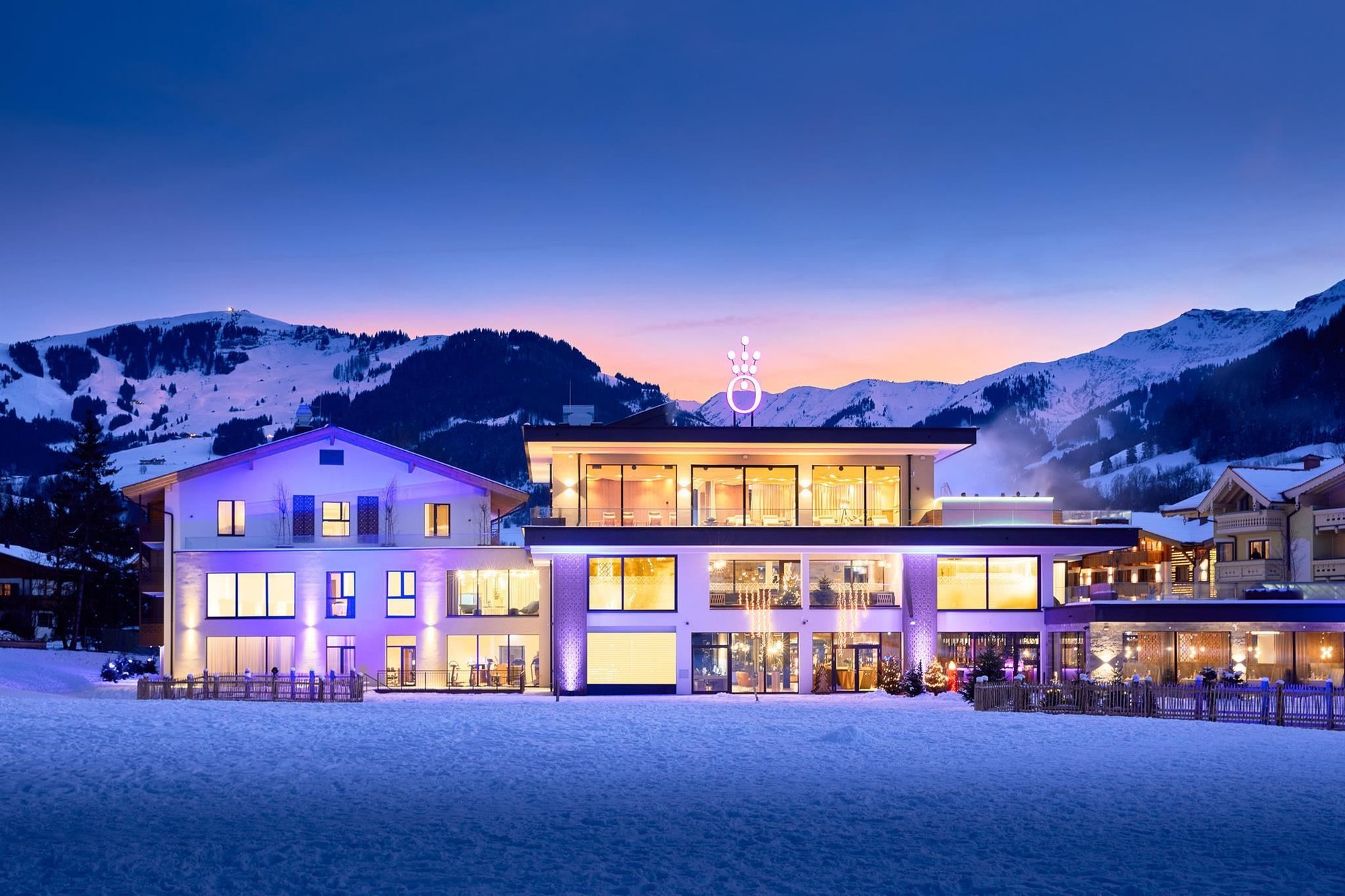
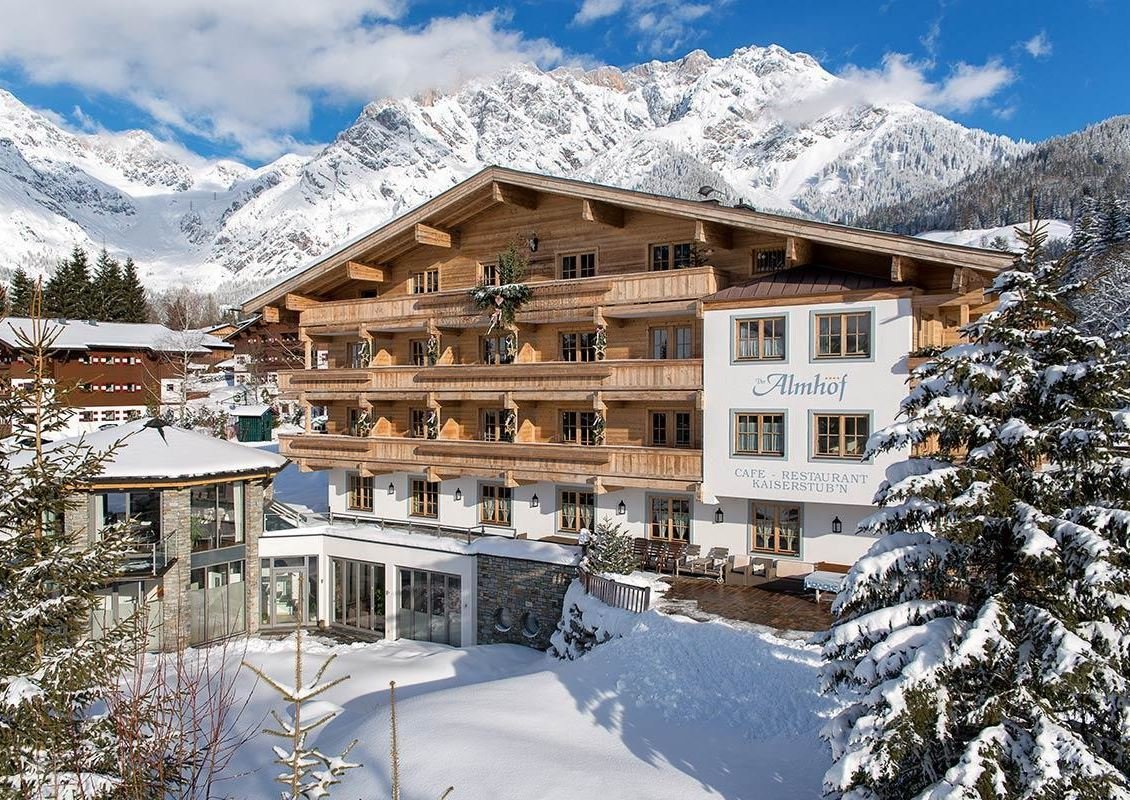
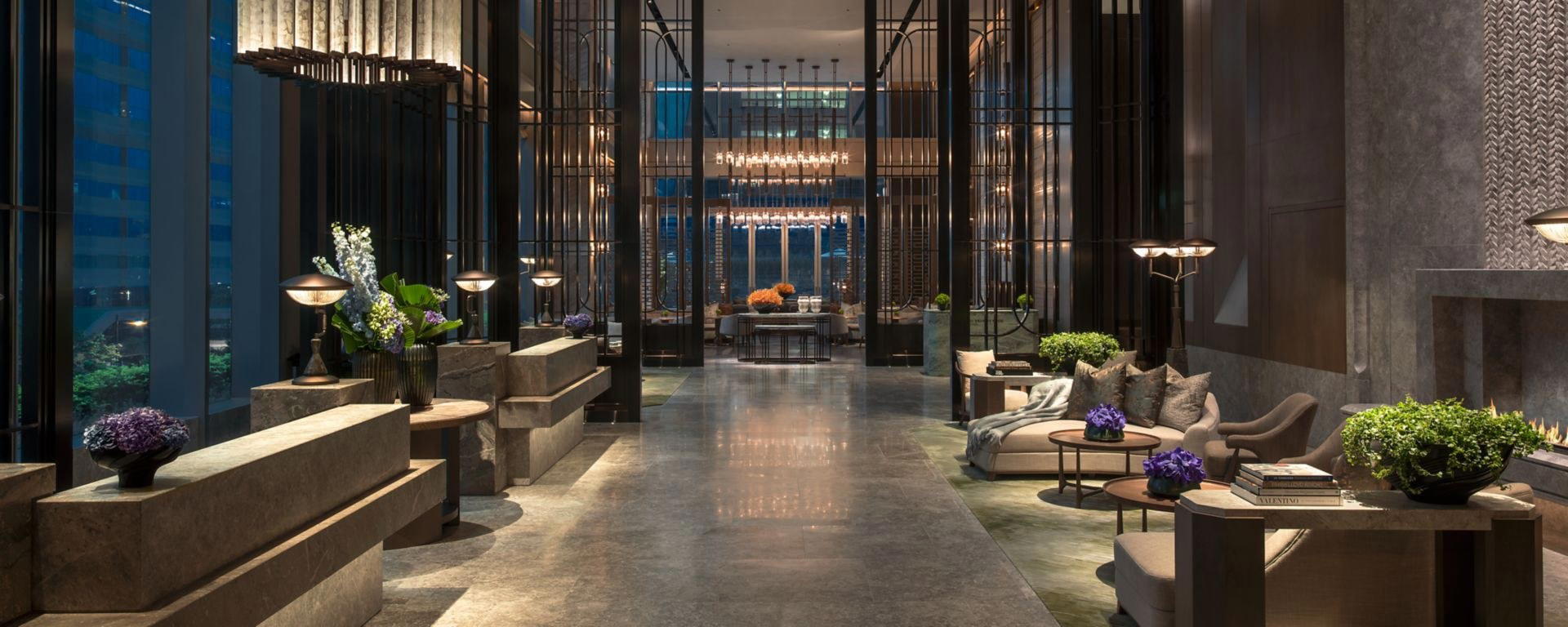
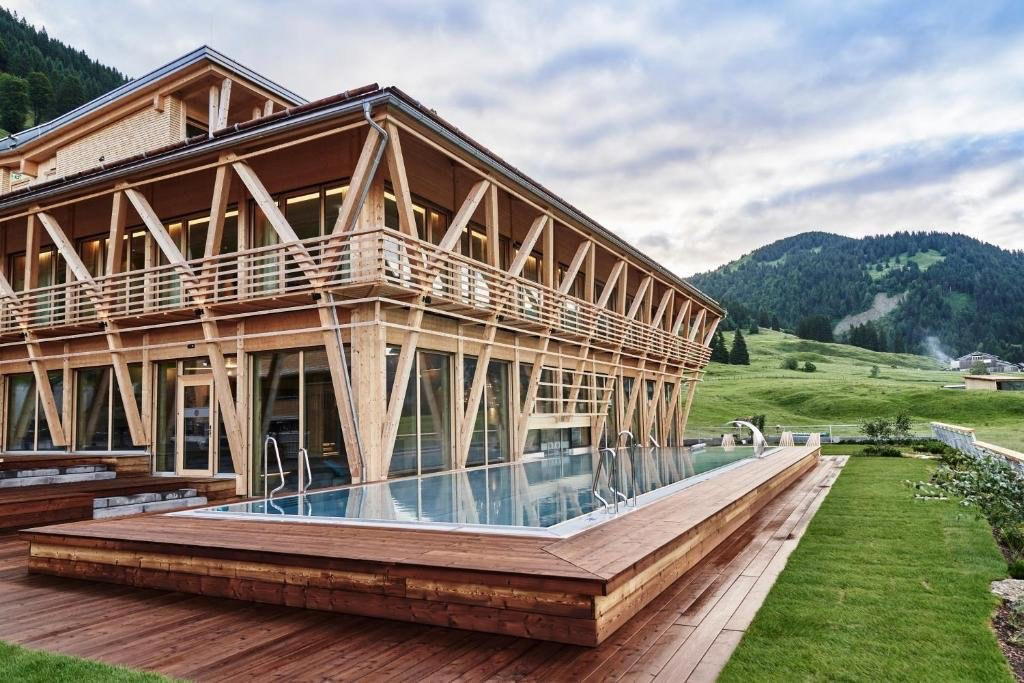
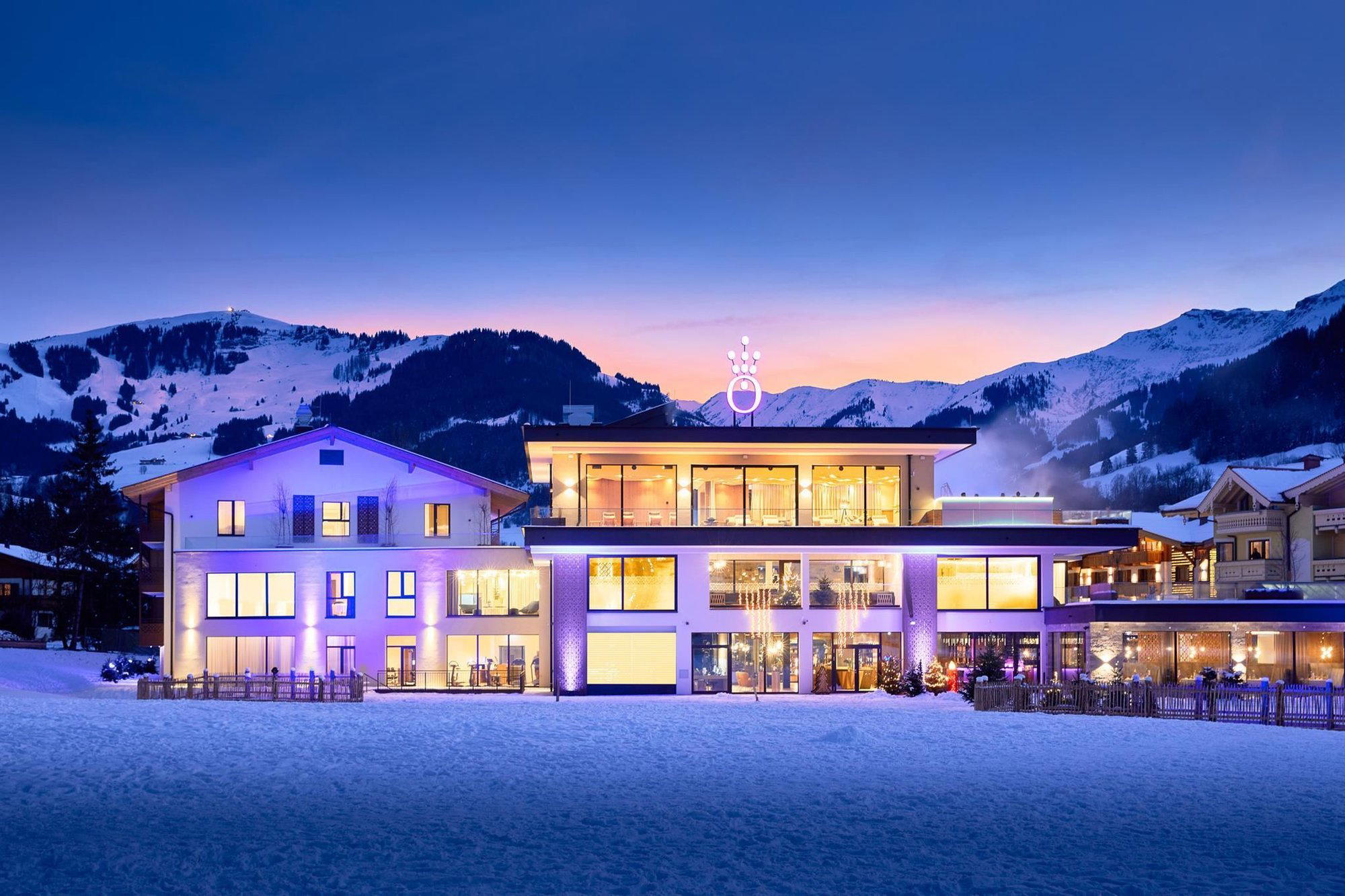
Die HOCHKÖNIGIN Mountain Resort translates familiar Alpine chalet vocabulary into a lighter, design-forward expression. Instead of heavy dark pine and literal antler motifs, interiors favor blonde wood, earth tones and whimsical lighting that make rooms feel intentional rather than templated. The hotel reads as a thoughtfully updated alpine property — one that keeps regional character while investing in pattern, texture and fixtures that signal a modern, sophisticated take on mountain hospitality. The result is cozy and warm but composed: a family-owned, wellness-oriented resort that foregrounds its interiors as a core part of the guest experience.
Best For
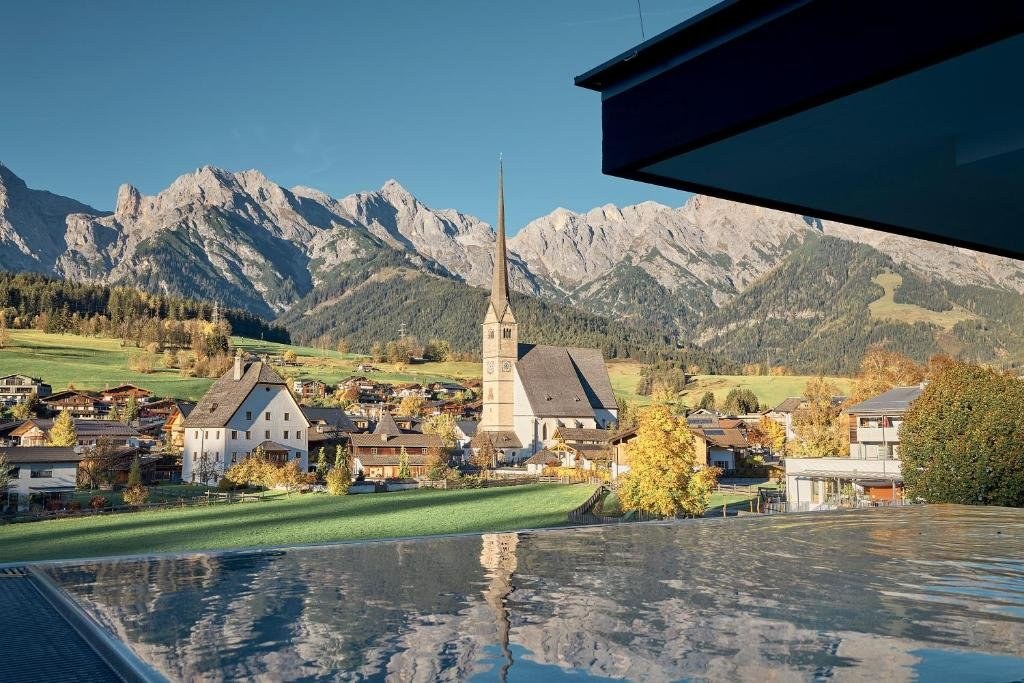
This is a strong pick for travelers seeking a wellness-minded mountain stay with considered design at its core. Families and couples find the mix of comfortable alpine character and contemporary interiors appealing, while design-minded guests appreciate that rooms are treated as a primary product. The property's wellness anchor and hotel restaurant make it suited to short weekend escapes or longer restorative stays in the Austrian Alps. Given its village setting beneath the Hochkönig massif, it also works for anyone prioritizing scenery alongside spa-focused downtime.
Stay Tips
Rates for the property are cited at roughly $332 per night, a useful benchmark when booking. Because the hotel makes a point of investing in room design, book a room to experience the interiors rather than treating lodging as an afterthought. The description highlights both a spa and an on-site restaurant, so reserve treatments or restaurant times in advance when possible to secure preferred slots. If the mountain setting matters, note the hotel's location beneath the Hochkönig massif when making reservations.
Venue details
Ambiance
Modern alpine luxury with bright rooms blending earth tones, blonde wood, whimsical lighting, and a serene, inviting wellness atmosphere.
Tags
Vibe
Best For
Experience
Amenities
View
Accessibility
About the Stay
- Rooms
- 76
- Check-in
- 15:00
- Check-out
- 11:00
- Property Style
- Soulful Alpine Mountain Resort Blending Tradition and Modern Luxury Post 2019 Renovation.
- Design Style
- Bright Modern Design with Earth Tones, Blonde Wood, Whimsical Lighting, and Patterned Walls.
- Breakfast
- Included
- Pool
- Yes
- Spa
- Yes
- Pets
- Allowed
- Families
- Welcome
- Cancellation
- Moderate
Know before you go
Know Before You Go
- Getting there
- Hochkönigstraße 27, 5761 Maria Alm
Planning details
Location
Recognition and awards
Also consider
Also Consider
- Hotel Salzburgerhof, Notable alternative
- Hotel Krallerhof, Notable alternative
- Naturresort PURADIES, Notable alternative
- mama thresl, Notable alternative
- Naturhotel Forsthofgut, Notable alternative
Hotel context
How it compares in the Maria Alm and Leogang hotel set
die HOCHKÖNIGIN Mountain Resort is the pick when the trip is specifically about Maria Alm and the Hochkönig area. Hotel Salzburgerhof is the alternative to check if availability here is tight, but the stronger reason to stay at die HOCHKÖNIGIN is the Maria Alm address rather than simple substitution.
For a bigger resort-style wellness stay, compare it with Hotel Krallerhof, Naturresort PURADIES, and Naturhotel Forsthofgut. Those peers make more sense if the hotel facilities are the main event and the exact village matters less. die HOCHKÖNIGIN is better when Maria Alm itself is part of the brief.
mama thresl is the cross-shop for a more casual, social mountain atmosphere. Choose it if ambiance and ease matter more than a quieter resort stay. Choose die HOCHKÖNIGIN when the priority is a more composed mountain-resort base with recognized hotel quality and a harder-to-secure booking profile.
Explore Maria Alm
Around this place
Discover more on Pearl
Unlock the full die HOCHKÖNIGIN Mountain Resort guide in Pearl, including awards, comparisons, FAQs, planning details, and nearby places.
Compare die HOCHKÖNIGIN Mountain Resort
| Venue | Location | Awards |
|---|---|---|
| die HOCHKÖNIGIN Mountain Resort | Maria Alm | 2026 Michelin 1 KeyMichelin 1 Key 20252025 Michelin 1 Key |
| Hotel Salzburgerhof | Zell am See | No published awards |
| Hotel Krallerhof | Leogang | 2026 Michelin 1 Key2025 Michelin 1 Key |
| Naturresort PURADIES | Leogang | No published awards |
| mama thresl | Leogang | 2026 Michelin 1 Key2025 Michelin 1 Key |
| Naturhotel Forsthofgut | Leogang | 2026 La Liste Top Hotels2026 Michelin 1 Key2025 Michelin 1 Key |

How die HOCHKÖNIGIN Mountain Resort Maria Alm compares with similar nearby venues.
FAQ
Frequently Asked Questions
How is the location of die HOCHKÖNIGIN Mountain Resort?
The hotel is in Maria Alm. If you want a Maria Alm-based stay, it is a clear fit to consider; if you want a different location, compare it with options such as Hotel Krallerhof or Naturhotel Forsthofgut.
Do loyalty programs work at die HOCHKÖNIGIN Mountain Resort?
The main confirmed trust signal is the Michelin 1 Key recognition in 2025, so points or status benefits should be checked directly before booking.
Is die HOCHKÖNIGIN Mountain Resort good for business travel?
How does die HOCHKÖNIGIN Mountain Resort compare to other hotels?
It is the Maria Alm choice in this comparison set, while Hotel Salzburgerhof, Hotel Krallerhof, Naturresort PURADIES, mama thresl, and Naturhotel Forsthofgut are useful alternatives if another location or hotel style suits the trip better.
How is the dining at die HOCHKÖNIGIN Mountain Resort?
The hotel's confirmed recognition is the Michelin 1 Key in 2025, which is a hotel distinction rather than a detailed dining description.