
Las Hadas by Brisas
Playa Miramar, Manzanillo
Hotel in Manzanillo, Mexico
 Book with Pearl
The Read
Moorish Pacific Architecture
Why go
Book Las Hadas by Brisas if you want an easy Manzanillo resort base, especially for a first family trip where logistics matter. It is a more practical choice than remote Pacific-coast hideaways, but not the strongest pick if privacy, design, or a major splurge experience is the whole point.
About Las Hadas by Brisas
Is Las Hadas by Brisas worth booking for a first Manzanillo trip? It can be, if the priority is choosing a venue in Manzanillo. The safest way to evaluate it is direct: Las Hadas by Brisas is in Manzanillo, has smart-casual dress guidance, and is listed as a Preferred Hotels Member for 2025.
Travelers should avoid reading too much into claims about specific facilities, dining, room types, or service style. The practical question is whether Manzanillo is the right base for the trip, and whether a venue with a Preferred Hotels Member listing fits the kind of stay you want.
Book it for a recognized Manzanillo base
The Preferred Hotels Member recognition in 2025 is the clearest trust signal. It does not, by itself, prove a particular level of luxury, service format, or amenity set, but it does give travelers one concrete point of reference when comparing Las Hadas by Brisas with other options.
Trade-off is positioning. Compared with Four Seasons Resort Tamarindo, Cuixmala, or Hacienda de San Antonio, Las Hadas by Brisas should be judged first as a Manzanillo choice rather than as a broader Mexico hotel decision. If the trip depends on specific property features, compare those properties carefully. If the trip is centered on being in Manzanillo, Las Hadas by Brisas remains relevant.
Families should verify details before booking
For families, the recommendation is conditional: consider Las Hadas by Brisas when Manzanillo is the target destination, but verify the details that matter most before committing. Room layouts, dining specifics, activity options, and other practical points should be checked directly with the property or booking channel.
First-timers should also compare the wider Mexico hotel set before choosing this option. Bungalows & Casitas de las Flores in Careyes, Cuixmala, Four Seasons Resort Tamarindo, Hacienda de San Antonio, and Las Alamandas may fit different trip plans outside the immediate Manzanillo decision. Within Manzanillo, compare Las Hadas by Brisas with other Manzanillo options generically, then decide whether the city fits the whole trip.
Bottom line: book Las Hadas by Brisas when Manzanillo, smart-casual guidance, and its Preferred Hotels Member status are enough to support the choice. Pause if the decision depends on specific facilities, restaurant details, room categories, or service promises that need confirmation.
Planning details
- Location
- Vista Hermosa S/N, Las Hadas, Península de Santiago, 28867 Manzanillo, Col.
- Website
- lasbrisashotels.com.mx/es/manzanillo
- Phone
- +52 314 331 0101
The take
The Take
The Vibe
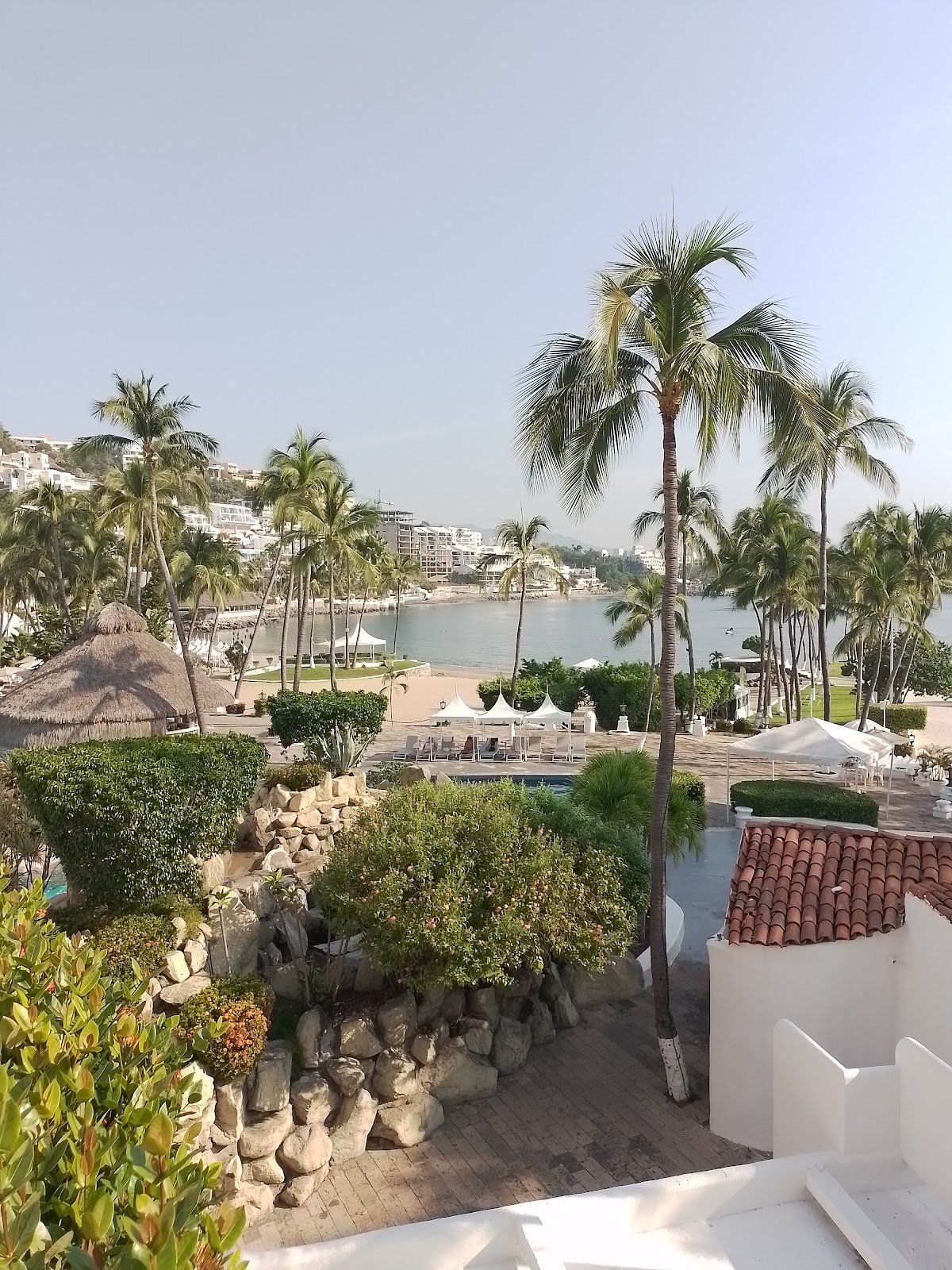
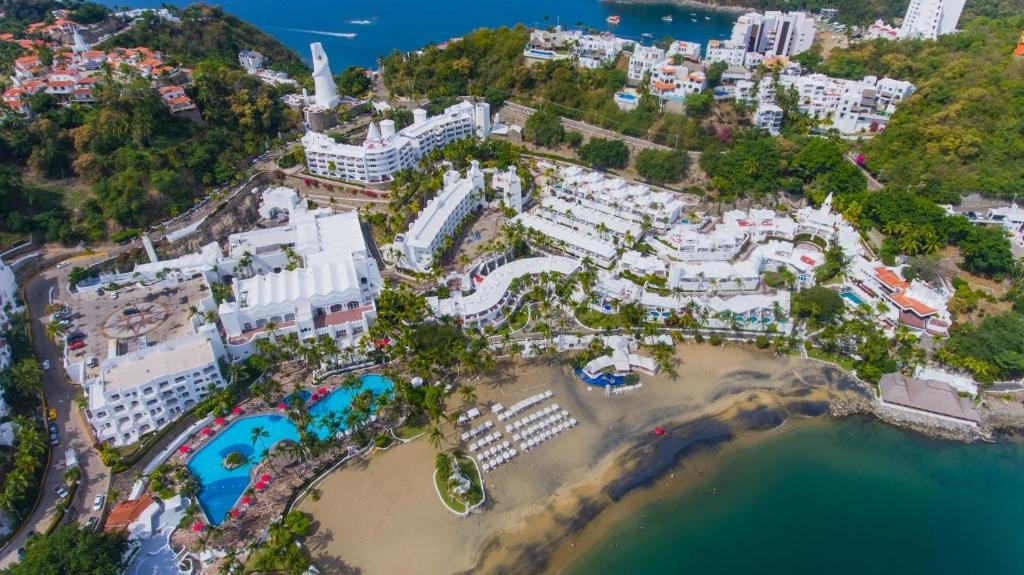
Las Hadas reads like a cinematic set realized in built form: Moorish-inflected, white-domed architecture and arched walkways cascade down a hillside toward the Pacific. The resort’s 1970s pedigree is unmistakable — its design language favors organic curves, cobbled lanes and a fantasy-leaning formalism rather than rectilinear modernism. That aesthetic, paired with the property’s association with the film 10, gives the place an iconic, storybook quality. The overall tone is quietly assured rather than flashy: a characterful, classic seaside retreat that feels carefully composed and enduring rather than trend-driven.
Best For
Las Hadas suits travelers who prize place and personality over cookie-cutter luxury. It appeals to guests drawn to architectural character, midcentury resort heritage and cinematic provenance — film buffs and design-minded visitors will find much to admire. The setting also works well for couples seeking a romantic, low-key Pacific escape and for visitors who want quiet seaside views and a departure from busier resort corridors. Its understated presence on the Santiago Peninsula makes it a good option for those who prefer cultural resonance and scenic coastal atmosphere over high-energy hotel programming.
Venue details
Ambiance
Bright, airy spaces with natural light, white marble floors, and open-air terraces; calm and sophisticated with ocean breezes and garden views.
Tags
Vibe
Best For
Experience
Amenities
View
Accessibility
About the Stay
- Rooms
- 232
- Check-in
- 15:00
- Check-out
- 11:00
- Property Style
- Luxury All Inclusive Resort with 1970s Hollywood Glamour Aesthetic and Contemporary Mexican Hospitality; Member of Preferred Hotels & Resorts.
- Design Style
- White Marble, Whitewashed Furniture, Crisp Linens, Natural Light, and Open Architecture Blending Authentic Mexican Charm with Upscale Modern Amenities.
Know before you go
Know Before You Go
- Getting there
- Vista Hermosa S/N, Las Hadas, Península de Santiago, 28867 Manzanillo, Col.
Planning details
Location
Vista Hermosa S/N, Las Hadas, Península de Santiago, 28867 Manzanillo, Col. · Directions
Recognition and awards
Also consider
Also Consider
- Four Seasons Resort Tamarindo, Notable alternative
- Cuixmala, Notable alternative
- Hacienda de San Antonio, Notable alternative
- Bungalows & Casitas de las Flores in Careyes, Notable alternative
- Las Alamandas, Notable alternative
Hotel context
How Las Hadas by Brisas compares in Manzanillo and beyond
Las Hadas by Brisas is the practical Manzanillo choice: easier to base a family or mixed-purpose trip around than the more destination-led peers outside the city. Four Seasons Resort Tamarindo is the stronger splurge if the trip is built around polished resort service and a more insulated setting, while Las Hadas by Brisas makes more sense when access to Manzanillo itself matters.
Cuixmala and Hacienda de San Antonio are better fits for travelers who want the hotel to be the main event. They ask more of the itinerary and suit travelers seeking a rarer, more self-contained stay. Las Hadas by Brisas is easier to justify for families, first-timers, and anyone who wants a recognizable resort format without turning the trip into a remote retreat.
For a softer coastal alternative, compare Bungalows & Casitas de las Flores in Careyes and Las Alamandas. Those lean more toward a slower, away-from-town mood. Choose Las Hadas by Brisas for convenience and simpler logistics; choose the others when ambiance and seclusion matter more than being in Manzanillo.
Explore Manzanillo
Around this place
Discover more on Pearl
Unlock the full Las Hadas by Brisas guide in Pearl, including awards, comparisons, FAQs, planning details, and nearby places.
Compare Las Hadas by Brisas
| Venue | Location | Awards |
|---|---|---|
| Las Hadas by Brisas | Manzanillo | Preferred Hotels Member 2025 |
| Four Seasons Resort Tamarindo | Costalegre | 2026 Travel + Leisure 100 Favorite Hotels in the World · #322026 World’s 50 Best Hotels 51-100 · #742026 Virtuoso Luxury Hotel Collection2026 Forbes 4-StarStar Wine Lists 20262026 La Liste Top Hotels2025 World’s 50 Best Hotels · #552025 Forbes 4-StarFour Seasons Hotels |
| Cuixmala | La Huerta | No published awards |
| Hacienda de San Antonio | Comala | No published awards |
| Bungalows & Casitas de las Flores in Careyes | Careyes | 2026 Michelin 1 Key2025 Michelin 1 Key |
| Las Alamandas | Costalegre | 2026 Virtuoso Luxury Hotel Collection2026 Michelin 2 KeysWorld Travel Awards 20252025 Michelin 2 Keys2024 Michelin 2 Keys |











How Las Hadas by Brisas Manzanillo compares with similar nearby venues.
FAQ
Frequently Asked Questions
Is Las Hadas by Brisas good for business travel?
It may work if Manzanillo is the right base for the trip, but specific business-travel facilities should be confirmed directly. The clearest signal is its 2025 Preferred Hotels Member recognition. If meeting space, office support, or commute logistics matter, confirm those details directly before booking.
What is check-in like at Las Hadas by Brisas?
The check-in process is a detail to confirm directly with Las Hadas by Brisas or your booking channel, especially if you are arriving late or need a particular arrival arrangement in Manzanillo.
Which room category is best at Las Hadas by Brisas?
Room inventory or room-category details should be checked directly. Choose based on your own trip priorities after checking current room descriptions directly with the property or booking channel. If room type is central to the stay, compare carefully before committing.
When is the best time to book Las Hadas by Brisas?
Book once your Manzanillo dates and needs are clear. Seasonal pricing, availability patterns, or minimum-stay details should be checked directly, so the safest approach is to check current availability directly rather than rely on assumptions.
Do loyalty programs work at Las Hadas by Brisas?
The only concrete loyalty-style information is its 2025 Preferred Hotels Member recognition. If specific benefits, earning, redemption, or status treatment matter, confirm the current terms before booking.
How is the dining at Las Hadas by Brisas?
Cuisine type, chef name, menu format, or restaurant details should be checked directly. Dress guidance is smart casual. If dining is a deciding factor, check current restaurant information directly before you book.
How is the pool and spa at Las Hadas by Brisas?
Specific pool or spa setup should be confirmed directly. If wellness facilities or pool access are important to the trip, confirm the current details directly with Las Hadas by Brisas before booking.