




The Peninsula Manila
Makati, Manila
Hotel in Manila, Philippines
 Book with Pearl
The Read
Makati's Civic Anchor
Why go
The Peninsula Manila is the right pick for a first Manila stay when calm Makati access and brand reassurance matter more than a new-design hotel. Its Forbes 5-Star and MICHELIN-selected credentials support the luxury case, but room value should be judged against live Makati rates. Start with a practical room tier, then upgrade only for longer stays, in-room work, or hosting.
About The Peninsula Manila
In Makati’s business-hotel cluster, returning visitors usually need less novelty and more quiet predictability; book The Peninsula Manila if that is the brief. For a first-timer, the case is simple: choose it when a composed arrival, lower-noise luxury atmosphere, and The Peninsula Hotels name matter more than a flashier new-build mood. The caution is value. If the stay is mostly a place to sleep between meetings or city plans, the room choice needs discipline rather than automatic upgrading.
Start with the room tier that matches how much time will be spent upstairs
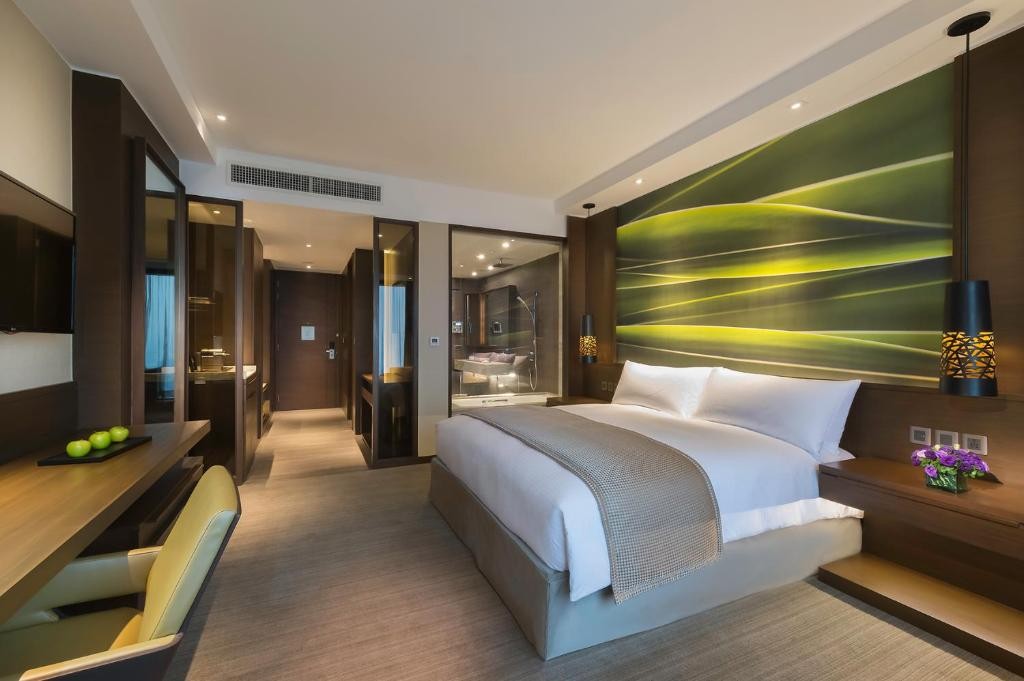
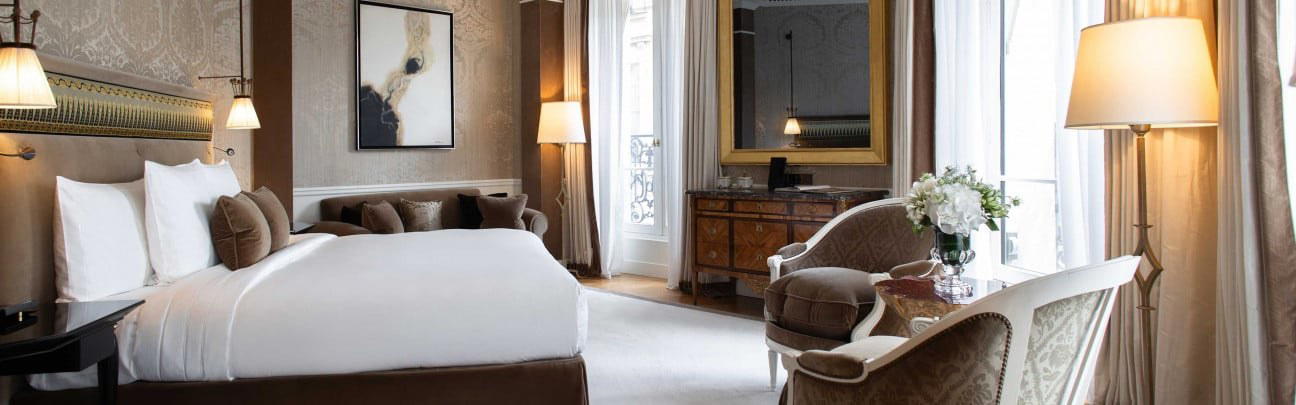
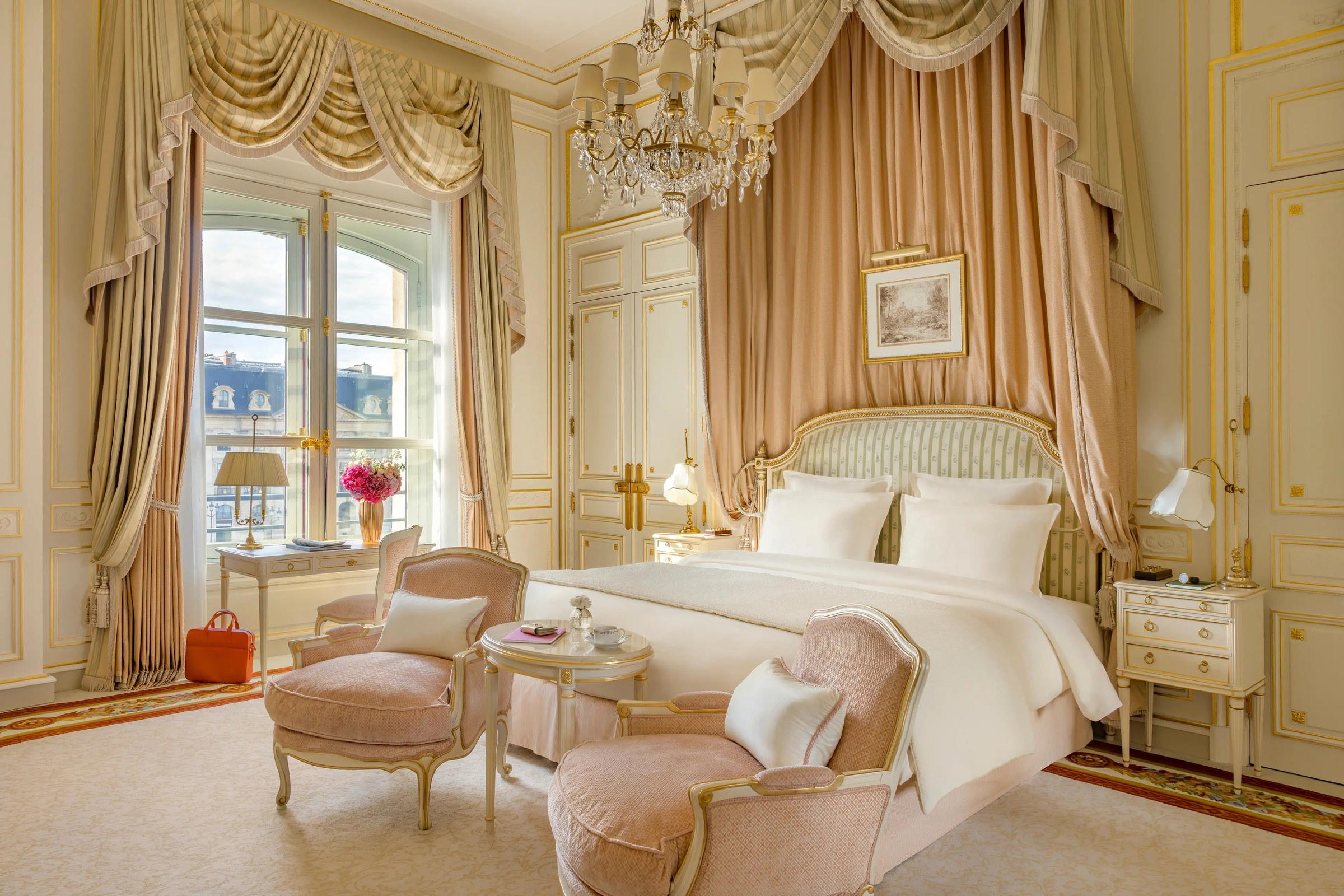
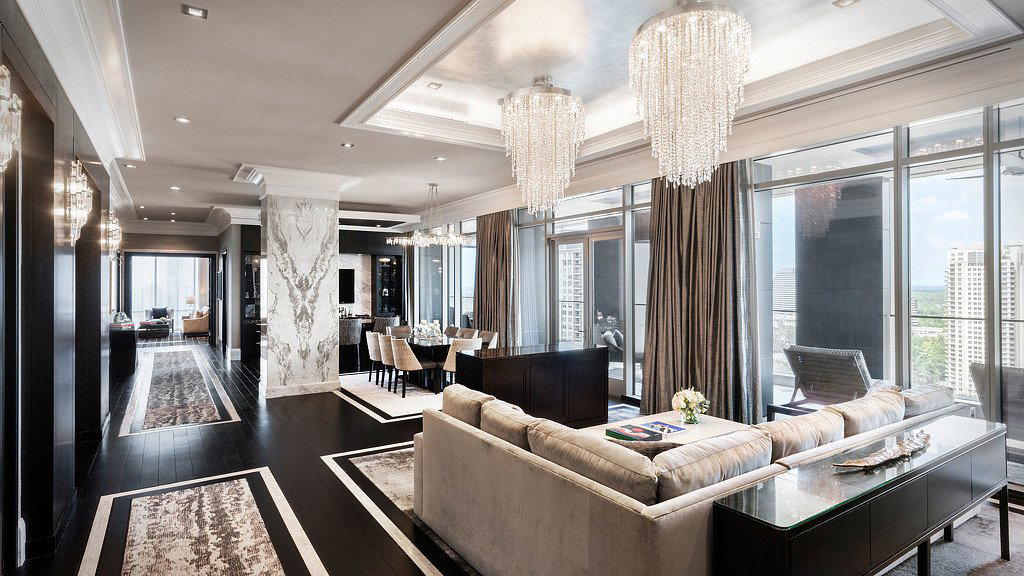
The room-category move is conservative: begin with the lowest tier that gives enough space for luggage, work, and downtime, then upgrade only when the room will carry more of the trip. A longer stay, in-room meetings, or recovery time between long days makes a higher tier easier to defend. A short business stopover or first Manila weekend does not need the same spend unless the step up changes comfort in a practical way.
This is where the hotel’s strengths help the decision. Its appeal is not a single named room feature; it is the confidence of an established luxury operator in Makati. That makes entry and mid-level categories more defensible than they would be at a resort where the room itself is the main event. Paying up makes sense when the room becomes an office, hosting space, or recovery zone, not when the upgrade is just a nicer label.
Choose it for hush and brand assurance, not a trend-led stay
The atmospheric read is calm and formal. That suits executives, couples, and first-time Manila visitors who want arrival friction reduced and public spaces that feel controlled rather than loud. It is less compelling for travelers who want their hotel to drive the city’s dining or design discovery. For that profile, use Our full Manila hotels guide before committing, then plan meals and drinks separately.
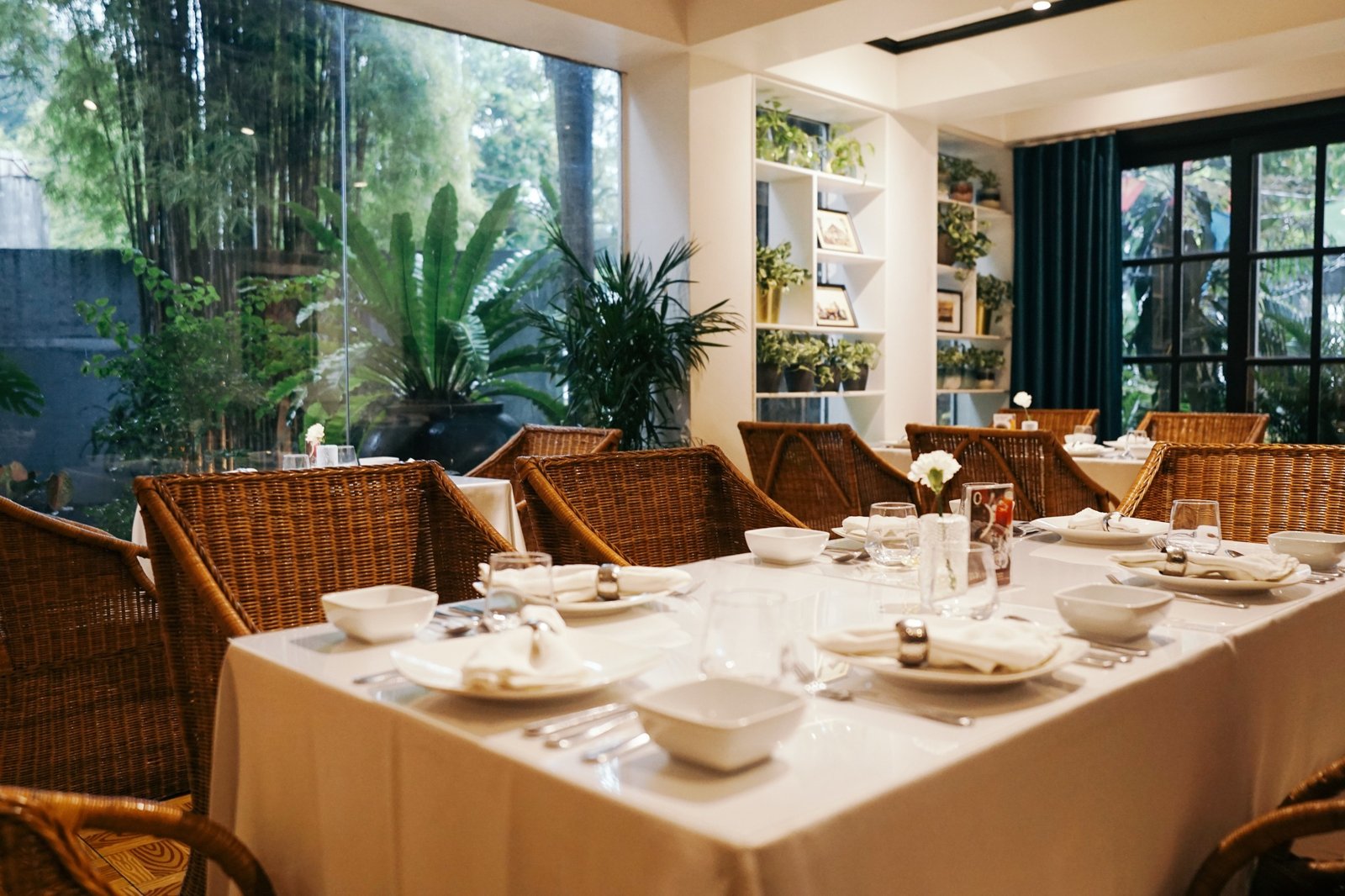
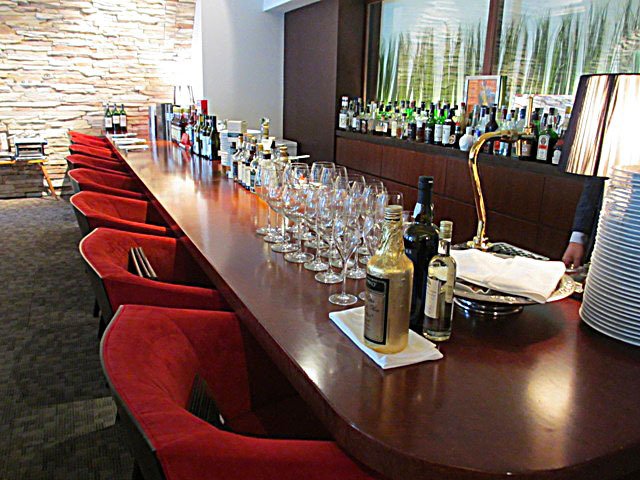
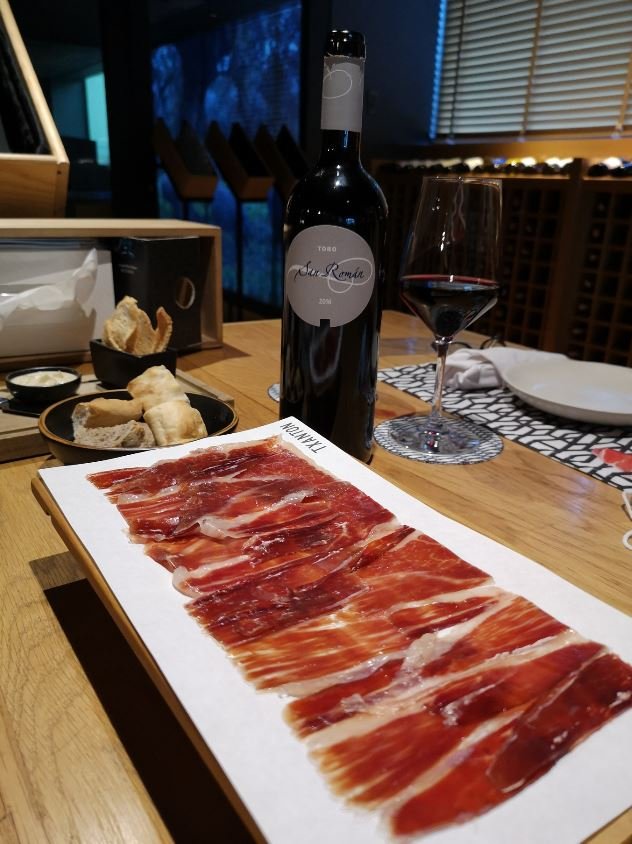
Dining should be treated as a useful part of the stay, not the whole reason to choose the hotel. If food or nightlife is the anchor, separate that decision with Our full Manila restaurants guide and Our full Manila bars guide. For a first visit, the cleanest itinerary is hotel-first, city-second: use the room for rest, the Makati base for access, and separate guides for the rest of the trip.
Quick reference: choose it for calm Makati luxury and brand assurance; start practical, then upgrade only when the room will be used as more than a sleep base.
Planning details
- Location
- 1226 Makati Ave, Makati City, Metro Manila
- Website
- peninsula.com/en/manila/5-star-luxury-hotel-makati
- Phone
- +63 2 8887 2888
The take
The Take
The Vibe
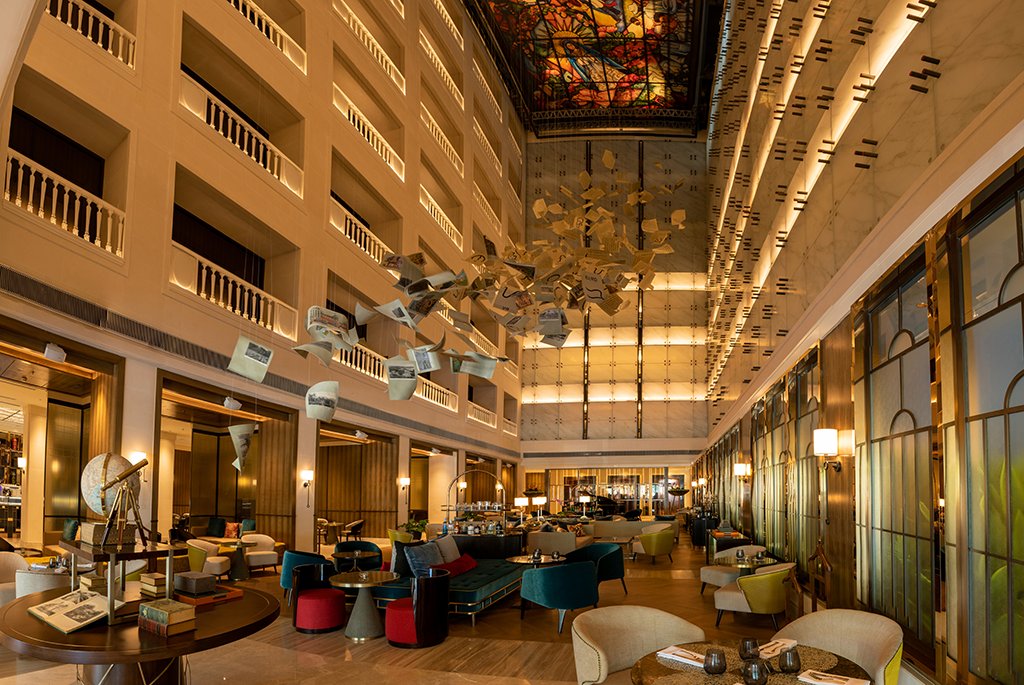
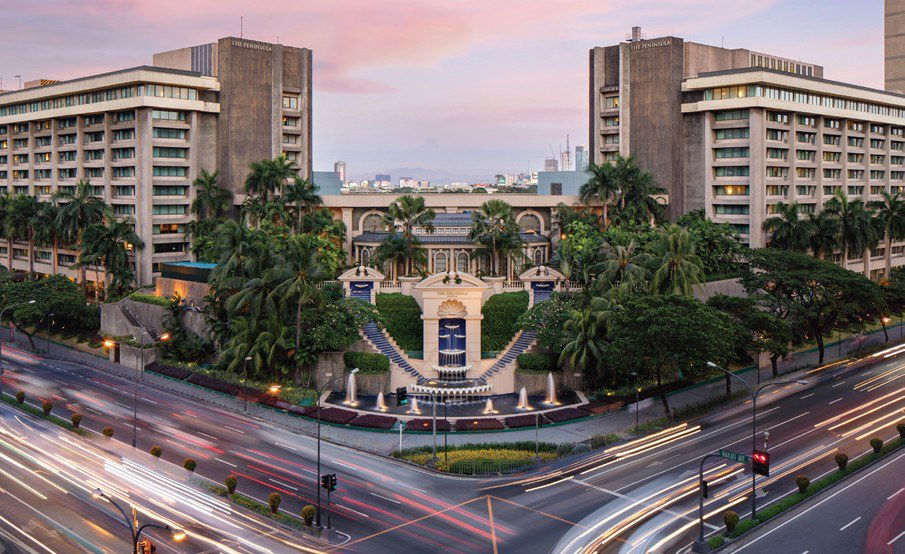
The Peninsula Manila reads as a civic institution more than a typical luxury hotel. Its long history—serving as Makati’s operational and social center for more than forty years—gives the property a sense of gravitas: grand proportions, long sight lines and a lobby "built for ceremony" that still functions as a meeting point for the city’s business community. That institutional weight pairs with consistently high guest ratings and a competitive La Liste placement to create a reliable, opulent atmosphere where tradition and service depth define the guest experience rather than fleeting trends.
Best For
This is a hotel that serves business and formal social occasions first and foremost. The lobby’s civic scale and its role as a generational meeting point make The Peninsula Manila well suited to business dinners, corporate events and milestone celebrations that benefit from a polished, institutional setting. Consistently strong reviews and a La Liste ranking signal dependable service and operational depth, which appeals to travelers who prioritize reliability for professional stays, important meetings and organized social gatherings in Makati’s central business district.
Venue details
Ambiance
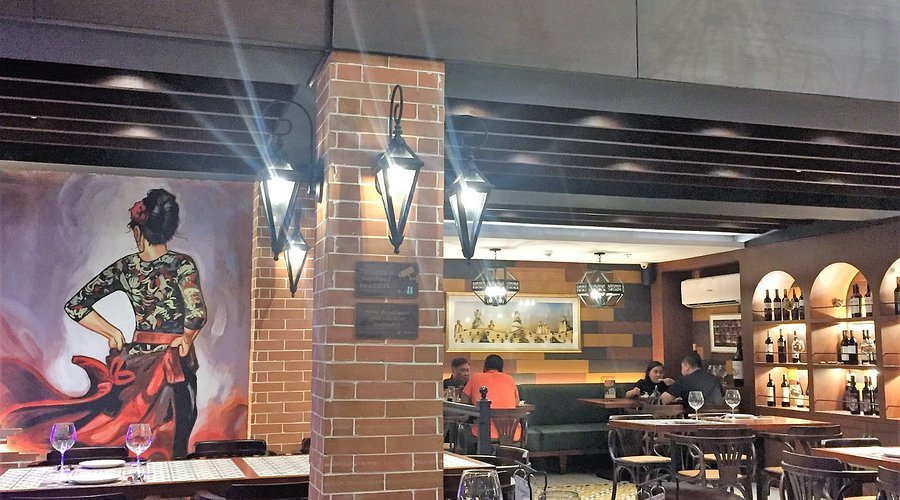
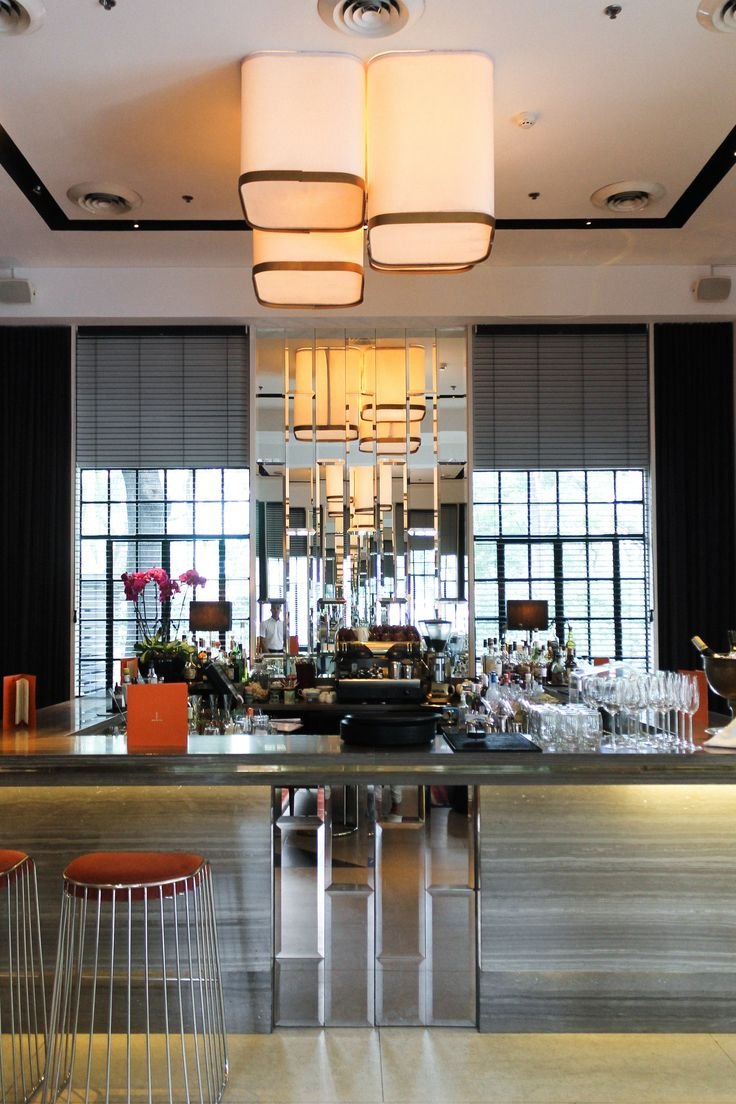
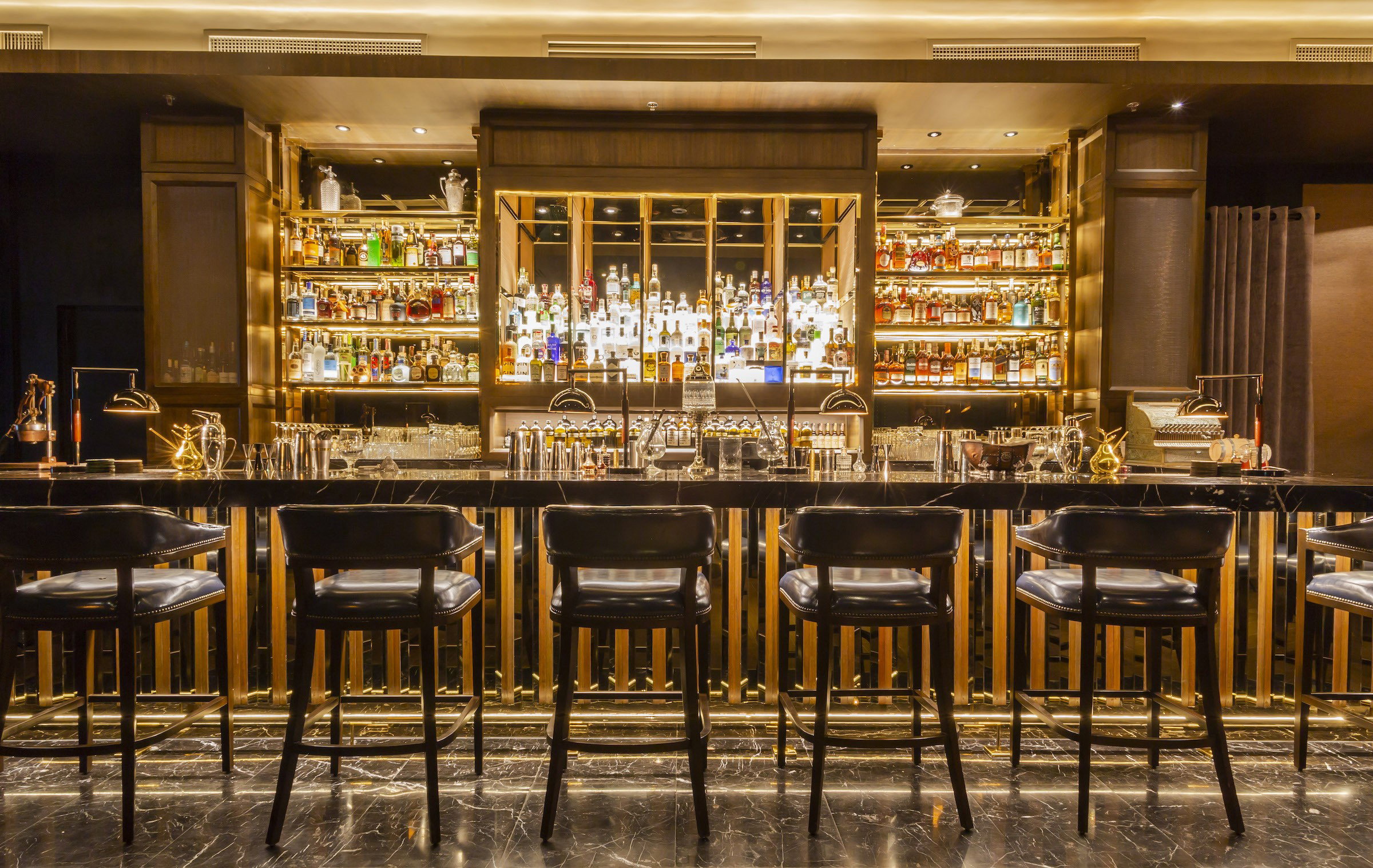
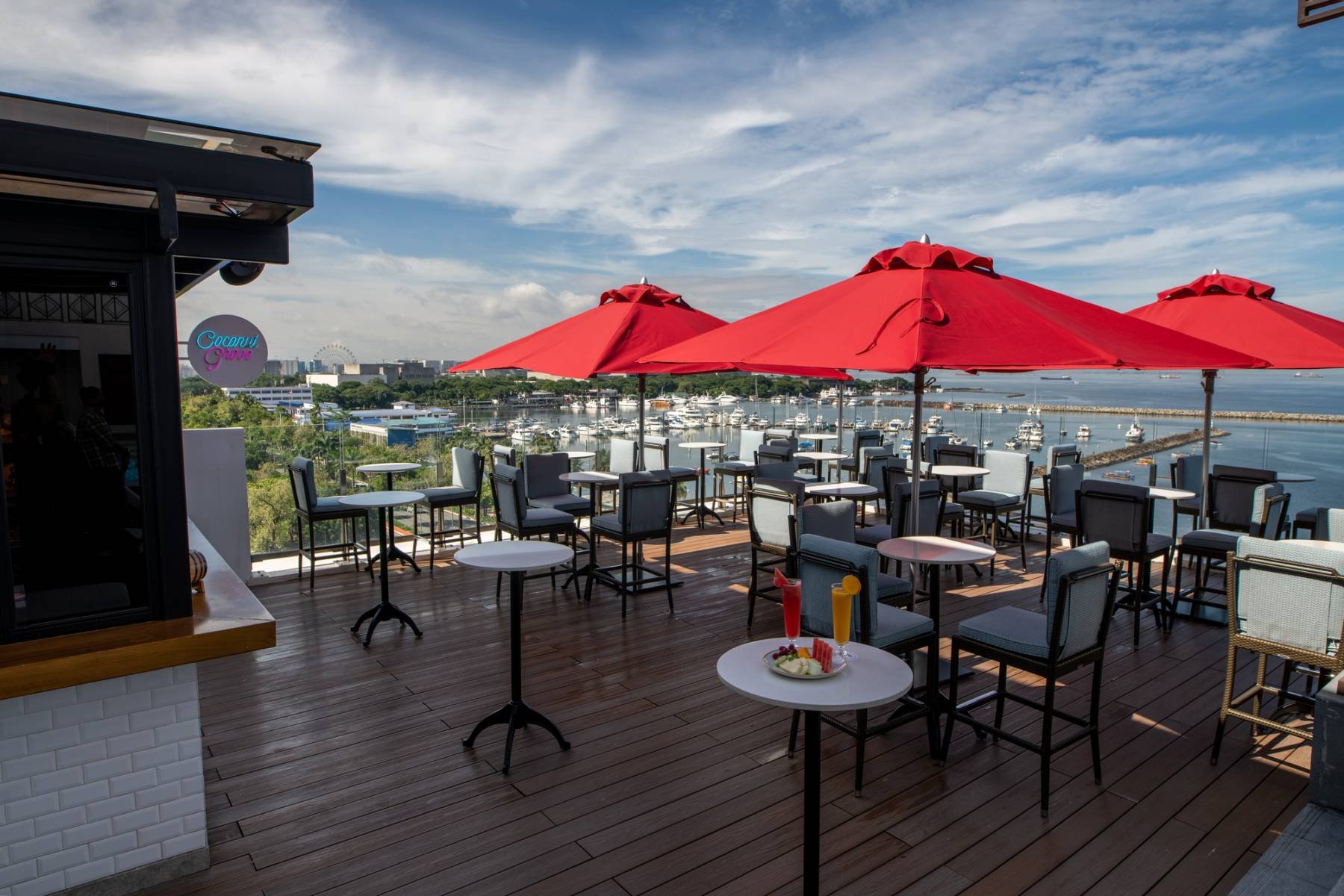
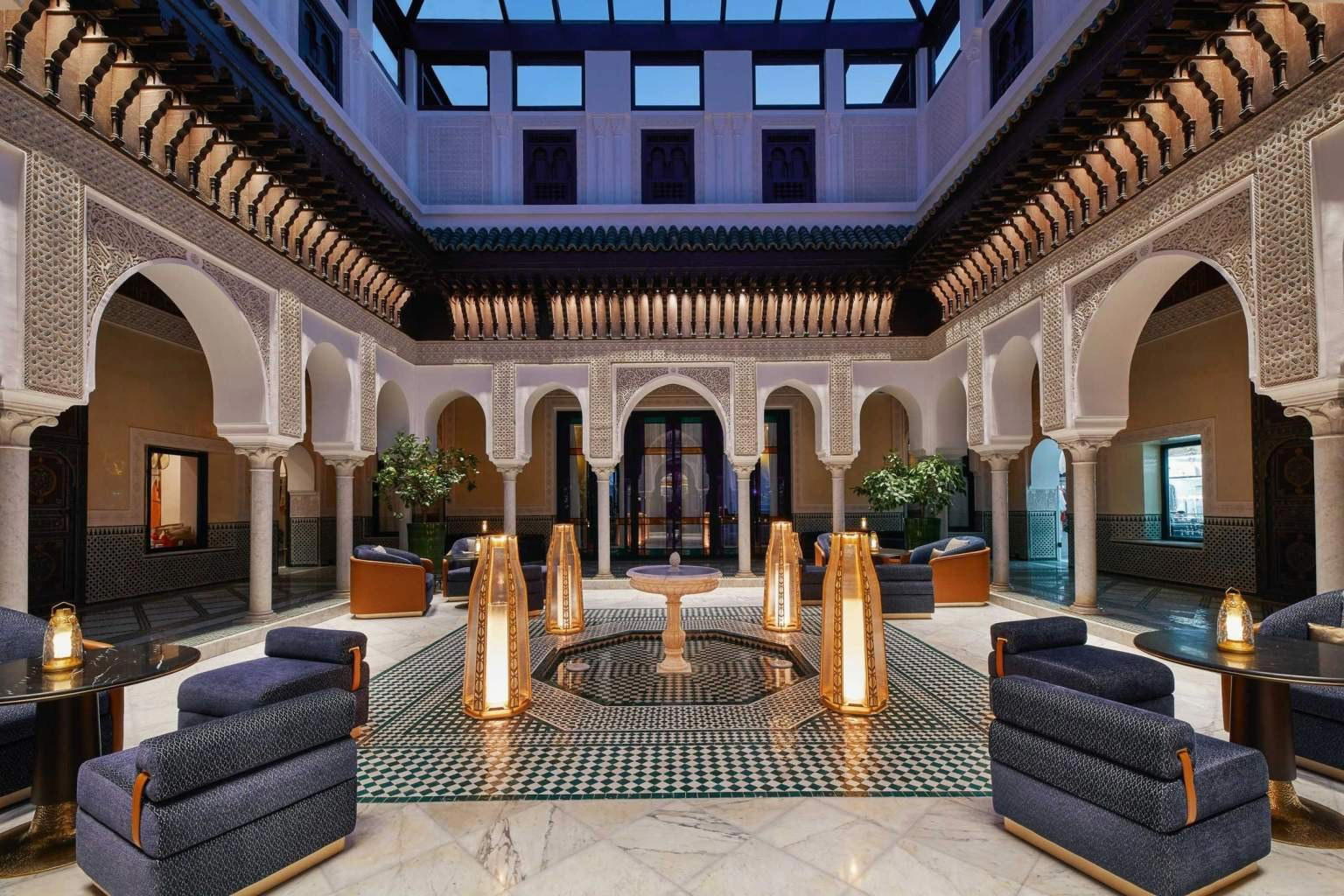
Grand, elegant, and refined, with a contemporary-classic atmosphere softened by warm tropical greenery, natural light, and Filipino design accents.
Tags
Vibe
Best For
Experience
Amenities
View
Accessibility
About the Stay
- Rooms
- 469
- Check-in
- 14:00
- Check-out
- 12:00
- Property Style
- Iconic Luxury City Hotel with a Grand Classic Profile and Strong Filipino Identity.
- Design Style
- Brutalist Leaning 1970s Landmark Architecture with Neoclassical and Timeless Filipino Interior Accents.
Know before you go
Know Before You Go
- Getting there
- 1226 Makati Ave, Makati City, Metro Manila
Planning details
Location
1226 Makati Ave, Makati City, Metro Manila · Directions
Recognition and awards



Also consider
Also Consider
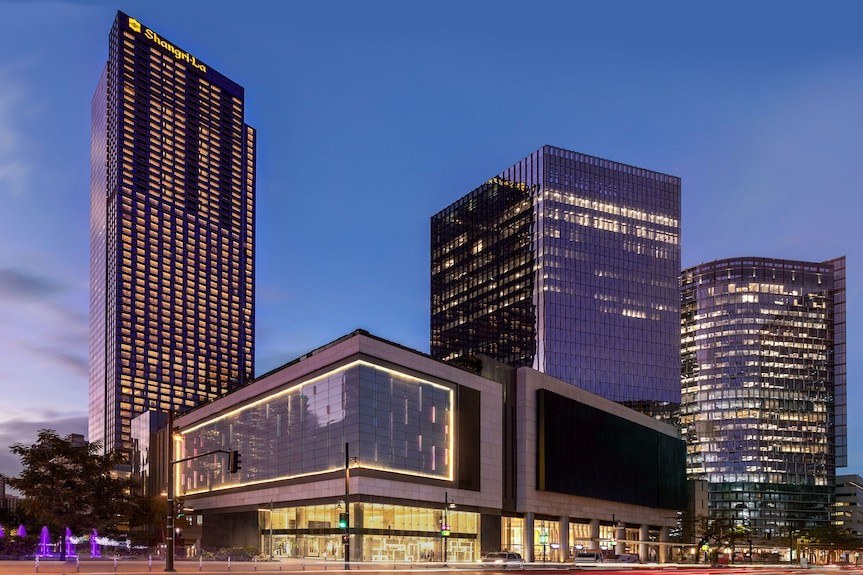
- Makati Shangri-La, Manila, Notable alternative
- Discovery Primea Manila, Notable alternative
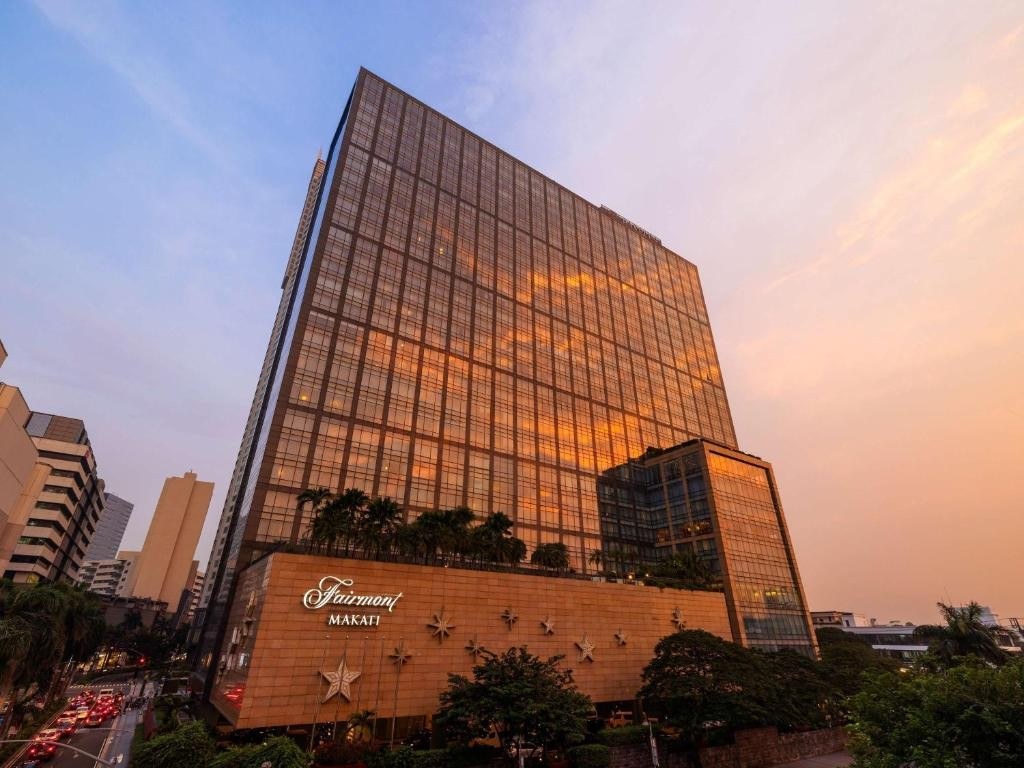
- Fairmont Makati, Notable alternative
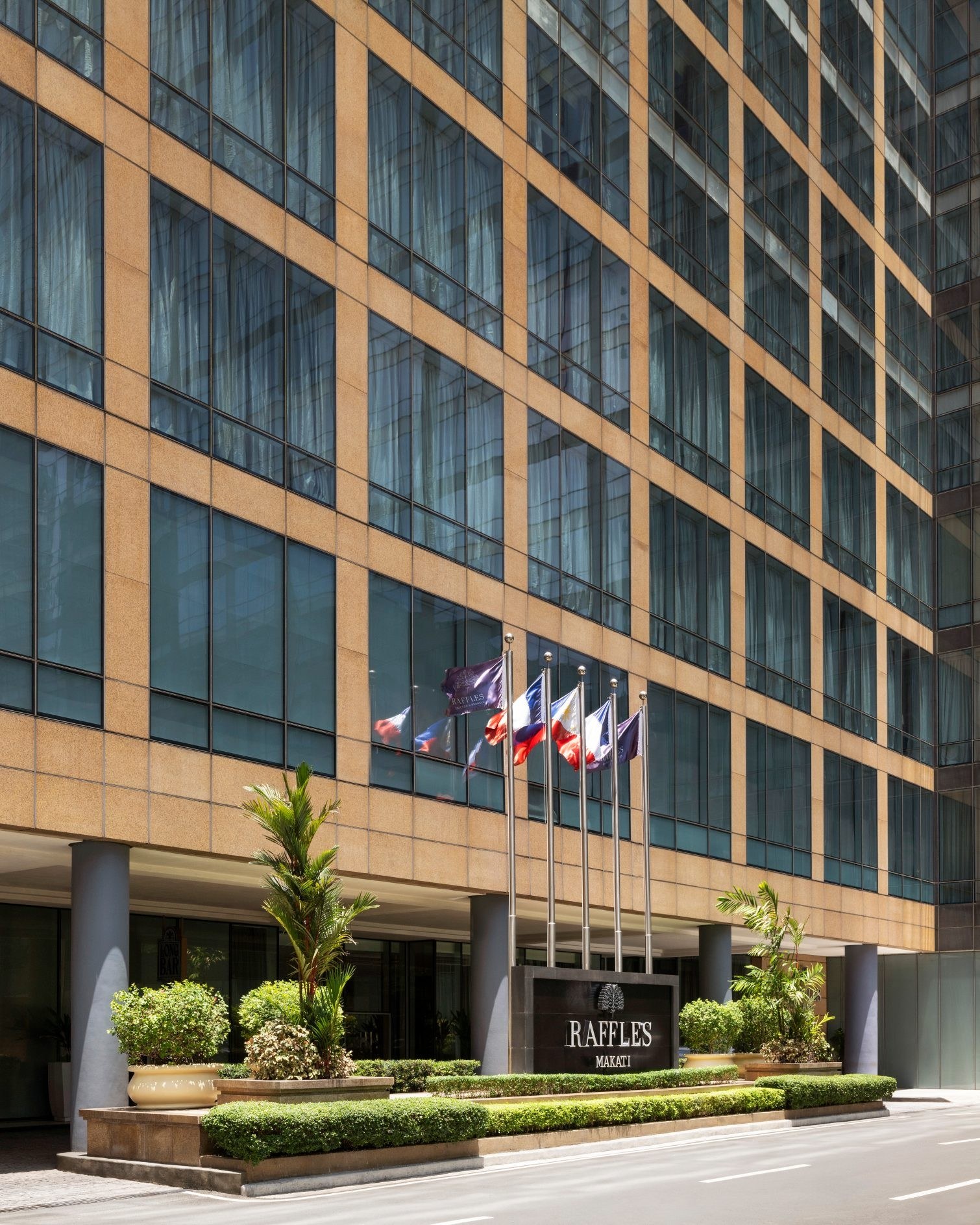
- Raffles Makati, Notable alternative
- Dusit Thani Manila, Notable alternative
Hotel context
How it compares with Makati luxury hotels
The Peninsula Manila is the conservative luxury choice in this Makati set: pick it when atmosphere and brand confidence matter more than novelty. Compare Makati Shangri-La, Manila if you want another major-name business hotel in the same decision lane, and use Discovery Primea Manila when the trip is more apartment-like or extended-stay in mindset. Because live rates move, value should be judged by the premium on your dates, not by reputation alone.
Fairmont Makati and Raffles Makati are the practical cross-shops when you want a polished Makati base but are testing whether the Peninsula premium is justified. Fairmont is the cleaner recommendation for travelers who want a luxury-hotel feel without making heritage the point of the stay; Raffles is the stronger comparison when privacy and a more formal tone are priorities.
If availability is tight here, check Dusit Thani Manila before leaving Makati altogether. The main decision is mood: this hotel is for quieter, old-guard assurance; the peers make more sense when rate, room layout, or a sharper contemporary feel beats brand tradition.
Explore Manila
Around this place
Discover more on Pearl
Unlock the full The Peninsula Manila guide in Pearl, including awards, comparisons, FAQs, planning details, and nearby places.
Compare The Peninsula Manila
| Venue | Awards |
|---|---|
| The Peninsula Manila | 2026 Forbes 5-Star2026 Virtuoso Luxury Hotel CollectionConde Nast Gold List 20262026 La Liste Top Hotels2025 Michelin Selected Hotels2025 Forbes 5-Star |
| Makati Shangri-La, Manila | 2026 Forbes Recommended2025 Forbes Recommended |
| Discovery Primea Manila | No published awards |
| Fairmont Makati | No published awards |
| Raffles Makati | No published awards |
| Dusit Thani Manila | No published awards |

How The Peninsula Manila compares with nearby options at a similar price tier.
FAQ
Frequently Asked Questions
What is check-in like at The Peninsula Manila?
Expect a polished hotel arrival at 1226 Makati Ave, Makati City, Metro Manila, with the sort of formal front-desk process that suits a luxury stay. The Forbes 5-Star (2026) and Condé Nast Gold List (2026) recognition signal a higher-service format, so this is a better fit for travelers who want less friction at arrival than for guests chasing a casual check-in.
How is the dining at The Peninsula Manila?
Treat the dining as part of a full-service luxury hotel stay rather than the main reason to book. The Peninsula Manila carries MICHELIN Guide, Hotels Selected (2025) and La Liste Top Hotels (2026): 93pts, which points to a strong overall standard, but for a meal-first trip you may still compare options around Makati based on the cuisine you want.
How does The Peninsula Manila compare to nearby hotels?
It reads more formal and tradition-led than Discovery Primea Manila, while Raffles Makati leans more intimate and Fairmont Makati usually feels more business-forward. For guests who want a classic luxury hotel in Makati City with strong external recognition, The Peninsula Manila is a safer pick than Makati Shangri-La, Manila if brand consistency matters more than a newer-room feel.
Do loyalty programs work at The Peninsula Manila?
Yes, but the bigger value here is the hotel’s luxury positioning rather than any single points strategy. Virtuoso Luxury Hotel Partner (2026) is a useful signal for travelers booking through luxury-advisor channels, while regular loyalty members should compare the stay against Raffles Makati or Fairmont Makati if earning and redeeming points is the main goal.
How is the pool and spa at The Peninsula Manila?
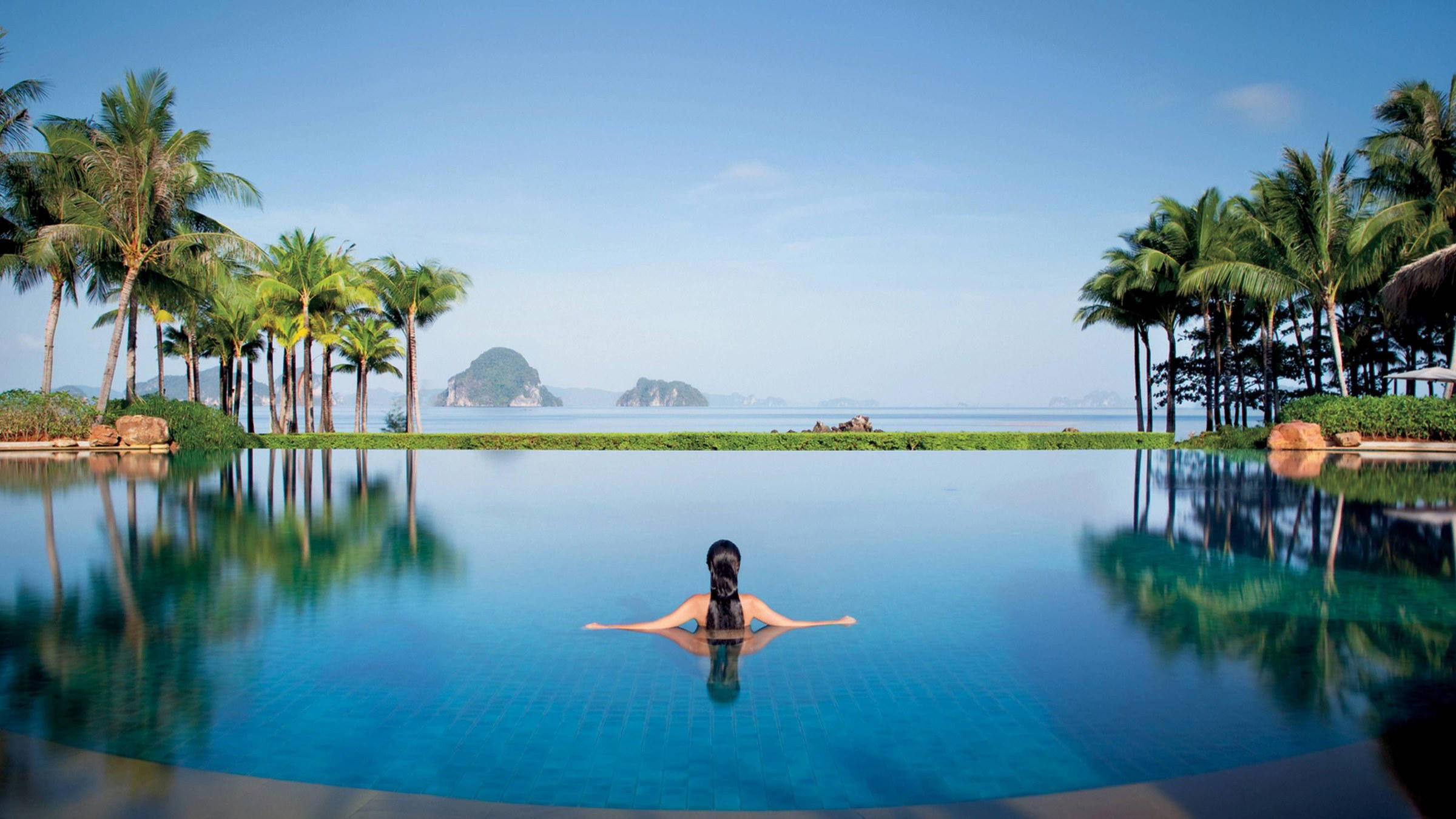
This is the kind of hotel where pool and spa use should be viewed as part of a broader luxury stay, not the only reason to book. The 2026 awards set, including Forbes 5-Star, suggests a high-service baseline, and that matters more than chasing a resort-style setup in central Makati.
When is the best time to book The Peninsula Manila?
Book earlier if your dates overlap with major business travel periods in Makati City, because this is a polished, award-recognized hotel in a prime address. If flexibility matters, compare it with Discovery Primea Manila and Fairmont Makati, then choose the one with the rate and room type that fits your trip length.
Which room category is best at The Peninsula Manila?
Choose the room tier that matches how much time will actually be spent in the hotel, because this is a stay where comfort and space matter more than chasing the priciest category. For business trips or short stays, a lower tier is usually enough; for longer time in Manila, move up only if you need more room for work and downtime at 1226 Makati Ave.