

Sitara Himalaya
Manali
Hotel in Manali, India
 Book with Pearl
The Read
Vedic Valley Retreat
Why go
Sitara Himalaya is the Manali splurge to consider when the stay itself is the point: quieter location, strong design-and-service signal, and recent recognition through Michelin 2 Keys in 2025 plus a Relais Chateaux Award in 2026. Skip it if you need a fully published dining, room, and facilities picture before deciding.
About Sitara Himalaya
Sitara Himalaya is a Manali venue with two confirmed recognition points: Michelin 2 Keys in 2025 and a Relais Chateaux Award in 2026. Beyond those accolades and a smart casual dress code, specific details are limited, so the safest way to assess it is to focus on established facts rather than assume a specific dining style, room setup, service format, or amenity list.
The value question is simple: consider Sitara Himalaya if those recognition signals matter to your Manali plans. Without specific room category, dining format, rate guidance, facilities list, or opening-hours detail, compare it by its confirmed credentials and direct booking information rather than brochure-style assumptions.
Choose it for confirmed recognition in Manali
Sitara Himalaya's clearest appeal is its awards profile: Michelin 2 Keys in 2025 and a Relais Chateaux Award in 2026. Those are meaningful hospitality signals, but they should not be stretched into claims about a specific cuisine, chef, room count, wellness program, or service style unless the property confirms those details directly.
For a first Manali trip, cross-shop The Himalayan if you want another named reference point. For a broader scan before committing, compare Sitara Himalaya with other Manali options using confirmed facts rather than assumed features.
The right booking logic is award confidence over feature-counting
This is not the safest pick for travelers who need every practical detail settled before shortlisting. It is a stronger fit for travelers who are comfortable using confirmed recognition as the starting point, then verifying room type, rate, dining, access, and any special requirements directly before booking. If you are comparing it with Amaya, Chapslee, Wildflower Hall, Shimla in the Himalayas, or The Oberoi Sukhvilas Spa Resort, New Chandigarh, keep the comparison grounded in confirmed facts rather than assuming the same location, format, or facilities.
Planning details
- Location
- Vill. New Kothi,Palchan, Manali - Leh Hwy, Distt, Palchan, Himachal Pradesh 175103
- Website
- sitarahimalaya.com
- Phone
- +91 98 27 83 36 48
The take
The Take
The Vibe
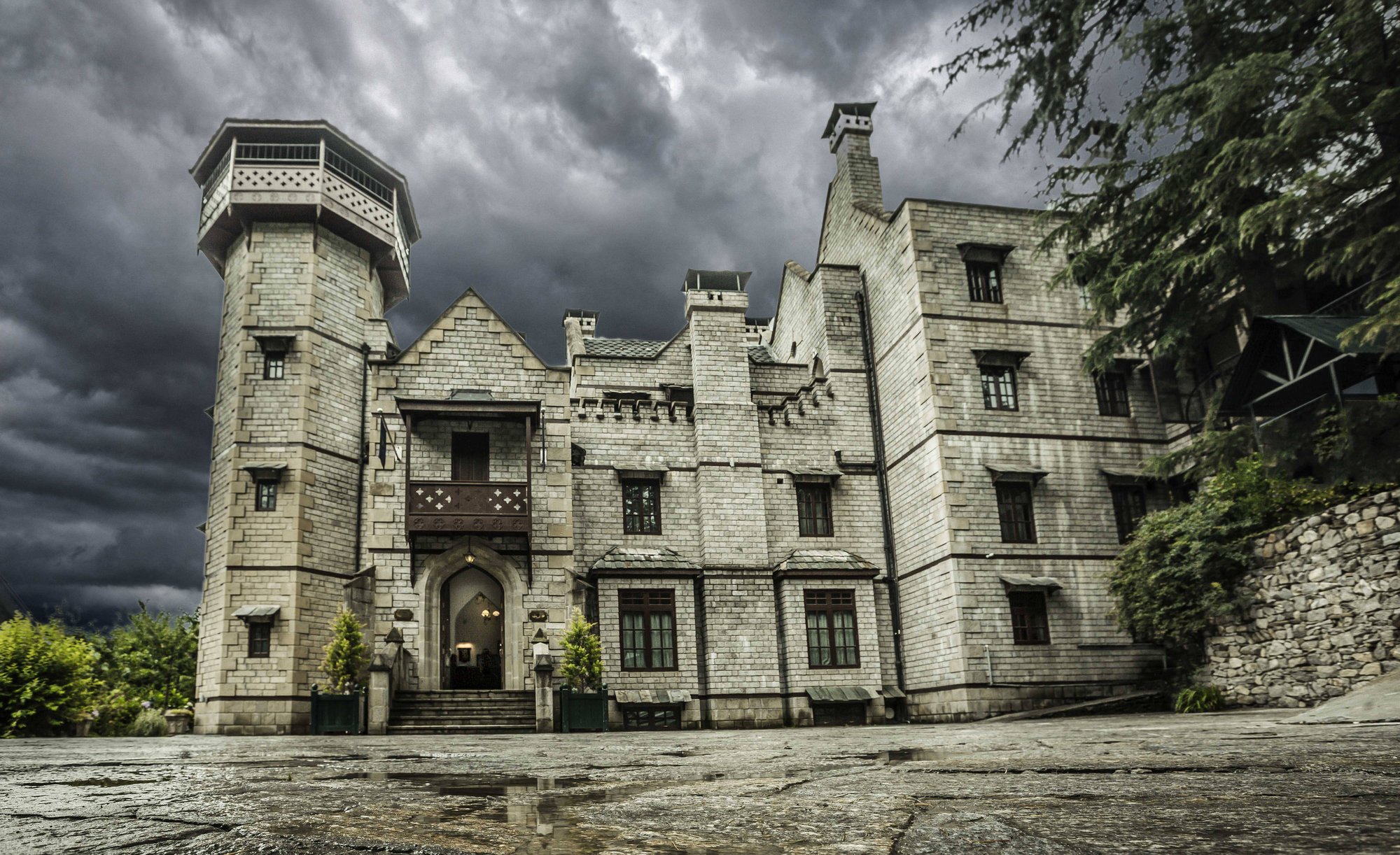
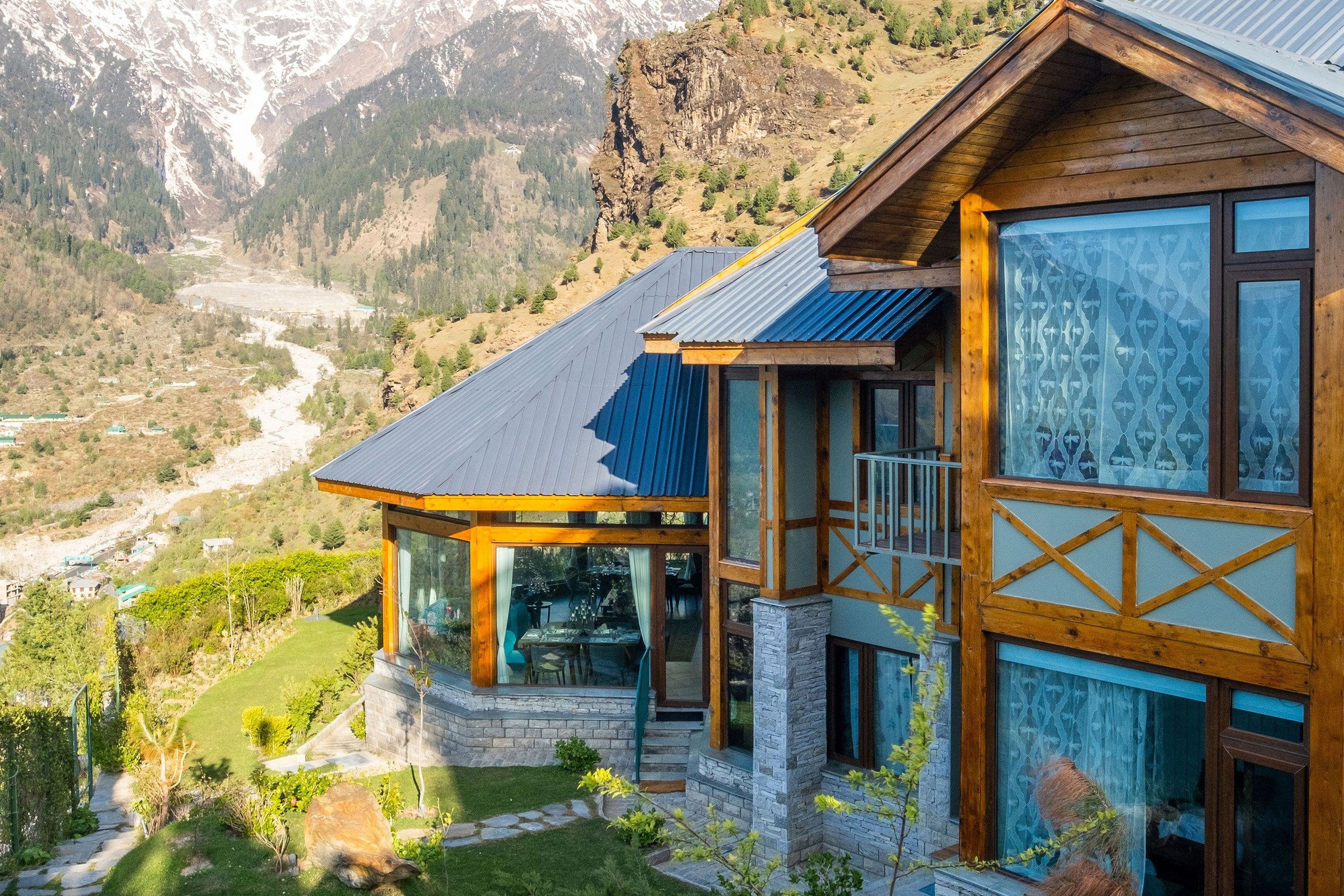
Sitara Himalaya reads as a small, considered valley lodge where design and stillness shape the stay as much as the setting. Interiors marry Indian craft and Tibetan visual culture with an English country‑house sensibility, producing an atmosphere that feels curated rather than touristy. Perched where the valley tightens and the peaks move into the foreground, the property emphasizes a quieter, clever hospitality — ten rooms, restrained service and an emphasis on light, texture and the soundscape of wind and water. The result is a calm, intimate mountain retreat for travellers who prize presence over distraction.
Best For
This is a retreat for travellers seeking quiet mountain isolation and thoughtful design: couples and honeymooners who want intimacy, design‑minded guests interested in craft and regional references, and solo or small‑group travellers who value stillness over resort activity. It’s not a mass‑market hotel — the ten‑room scale and remote Palchan location suit guests who expect limited on‑site amenities but exceptional atmosphere. The property rewards those prepared to make the overland journey from Manali or Bhuntar with a measure of privacy and proximity to high Himalayan light and views.
Stay Tips
Getting here takes planning: Sitara sits about 11 kilometres north of Manali Bus Station at GPS 32.3116, 77.1795. The nearest commercial airport is Bhuntar, while Chandigarh is the closest major railhead, so the final leg requires a significant road transfer. With only ten rooms, advance booking is essential, especially in peak season; factor in travel time and the lodge’s remote character when arranging arrivals and departures. Expect quiet surrounds and minimal commercial infrastructure — arriving prepared for mountain conditions makes for a smoother stay.
Venue details
Ambiance
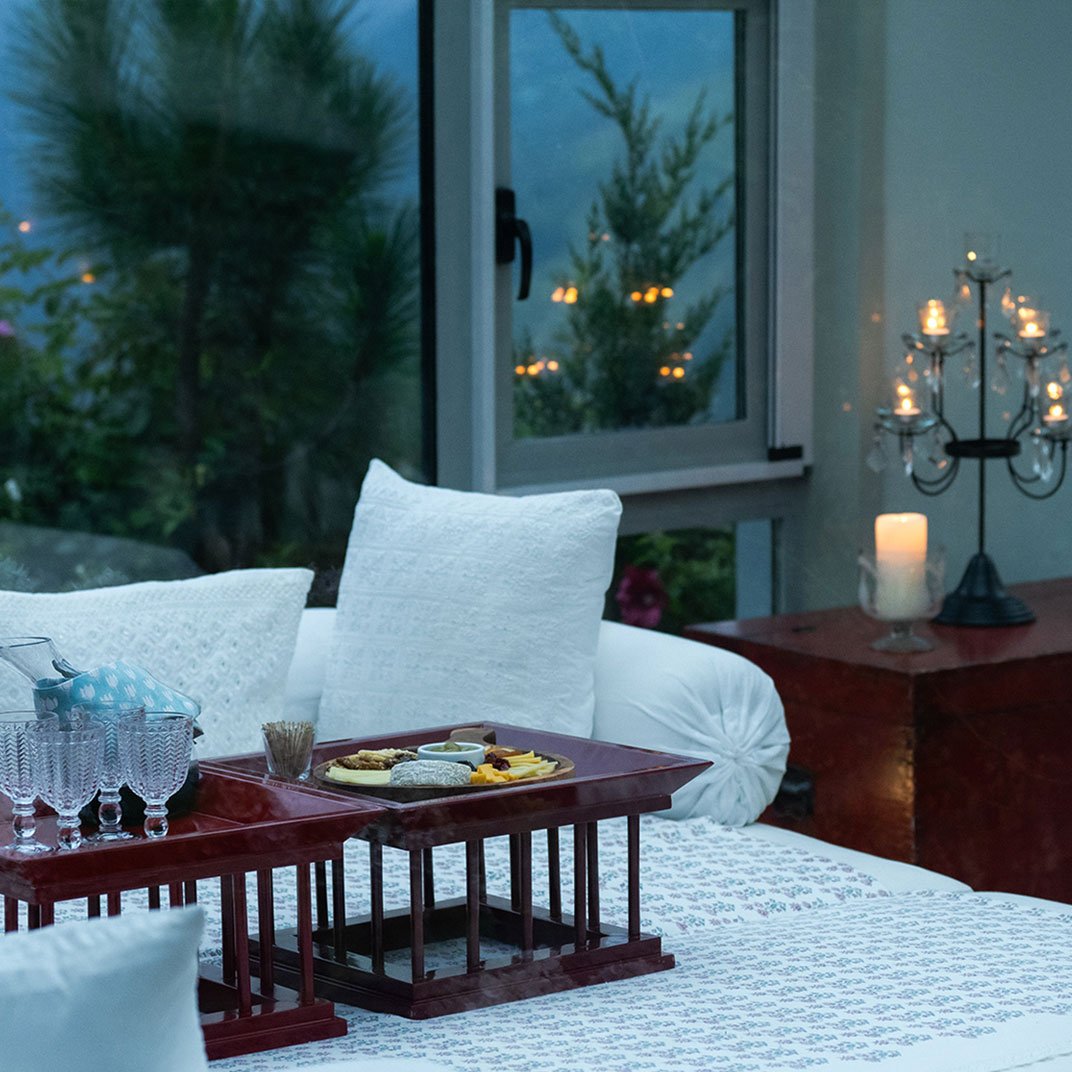
Warm interiors blending Indian, Tibetan, and English influences with vast windows showcasing snow-capped peaks, creating a restorative and familial atmosphere.
Tags
Vibe
Best For
Experience
Amenities
View
About the Stay
- Rooms
- 10
- Property Type
- Boutique hotel
- Property Style
- Luxury Mountain Lodge Blending Private Home and Resort
- Design Style
- Fusion of Indian, Tibetan, and English Influences with Modern Design
- Spa
- Yes
Know before you go
Know Before You Go
- Getting there
- Vill. New Kothi,Palchan, Manali - Leh Hwy, Distt, Palchan, Himachal Pradesh 175103
Planning details
Location
Vill. New Kothi,Palchan, Manali - Leh Hwy, Distt, Palchan, Himachal Pradesh 175103 · Directions
Recognition and awards

Also consider
Also Consider
- The Himalayan, Notable alternative
- Wildflower Hall, Shimla in the Himalayas, Notable alternative
- Chapslee, Notable alternative
- Amaya, Notable alternative
- The Oberoi Sukhvilas Spa Resort, New Chandigarh, Notable alternative
Hotel context
How it compares with Manali and Himalayan luxury peers
Against The Himalayan, Sitara Himalaya looks like the higher-confidence luxury pick if recent awards matter to you more than a familiar local reference. The Himalayan is the safer cross-shop for travelers who want a known Manali base; Sitara is the better fit for a quieter, more design-led stay where the hotel carries the trip.
Wildflower Hall, Shimla in the Himalayas and Chapslee make more sense if Shimla is already on the itinerary or if heritage atmosphere matters more than being near Manali. For a Manali-specific trip, Sitara has the location advantage. For travelers comparing Himalayan hotels by scale, service depth, and established reputation, Wildflower Hall is the harder benchmark.
Amaya and The Oberoi Sukhvilas Spa Resort, New Chandigarh are better cross-shops for travelers willing to leave Manali for a different kind of retreat. Choose Amaya if Solan works better logistically and the mood is more secluded hillside escape. Choose The Oberoi Sukhvilas if spa-resort infrastructure is the priority. Choose Sitara when the decision is specifically Manali, with award-backed confidence and a calmer mountain-base feel.
Explore Manali
Around this place
Discover more on Pearl
Unlock the full Sitara Himalaya guide in Pearl, including awards, comparisons, FAQs, planning details, and nearby places.
Compare Sitara Himalaya
| Venue | Location | Awards |
|---|---|---|
| Sitara Himalaya | Manali | 2026 Relais Chateaux Hotels2026 Michelin 2 KeysMichelin 2 Keys 20252025 Michelin 2 Keys2025 Relais Chateaux Award |
| The Himalayan | Manali | No published awards |
| Wildflower Hall, Shimla in the Himalayas | Shimla | 2025 Conde Nast Best Resorts · #14 |
| Chapslee | Shimla | No published awards |
| Amaya | Solan | Small Luxury Hotels Member 2025 |
| The Oberoi Sukhvilas Spa Resort, New Chandigarh | New Chandigarh | 2026 La Liste Top Hotels |




How Sitara Himalaya Manali compares with similar nearby venues.
FAQ
Frequently Asked Questions
How is the dining at Sitara Himalaya?
Specific details about the cuisine, chef, menu format, dining schedule, or restaurant style are not provided. Treat dining as something to confirm directly with Sitara Himalaya before booking; the confirmed hospitality recognition is Michelin 2 Keys (2025) and a Relais Chateaux Award (2026).
How is the location of Sitara Himalaya?
Sitara Himalaya is in Manali. A more specific location detail is not available, so plan travel and access using the property's current booking confirmation or official directions.
Which room category is best at Sitara Himalaya?
Specific room-category names or features are not listed. The safest move is to ask Sitara Himalaya directly which category best fits your priorities before booking.
When is the best time to book Sitara Himalaya?
A specific booking window, seasonality guidance, or rate pattern is not provided. Book based on your Manali travel dates and confirm availability, room type, and any policies directly with the property. If you are comparing against Wildflower Hall, Shimla in the Himalayas or Chapslee, keep the comparison focused on confirmed location and hospitality details.
What is check-in like at Sitara Himalaya?
A specific check-in process or time is not provided. Confirm arrival details directly with Sitara Himalaya before travel, especially if you are coordinating a trip that also includes The Oberoi Sukhvilas Spa Resort, New Chandigarh or another property.