
Hotel Gut Immenhof
Malente
Hotel in Malente, Germany
 Book with Pearl
The Read
Wagria Equestrian Estate
Price
$300–500per night
Why go
Hotel Gut Immenhof is worth shortlisting for a quiet Malente countryside stay, especially if the hotel itself is the point of the trip. Do not book it purely for a restaurant pilgrimage; treat dining as part of the overnight experience and cross-shop Ole Liese or Weissenhaus if food or spa scale is the priority.
About Hotel Gut Immenhof
Hotel Gut Immenhof is a hotel in Malente with Michelin 1 Key recognition for 2025. It is best approached as a Malente hotel choice with a Michelin Key distinction, while checking restaurant, spa, room, and service details directly before booking.
The clearest signals are simple: Hotel Gut Immenhof is in Malente, has a casual dress code, and holds Michelin 1 Key status for 2025. For travelers comparing other hotel options, relevant names to consider include Ole Liese, Weissenhaus Private Nature Luxury Resort, Grand Hotel Seeschlosschen Sea Retreat & Spa, Barefoot Hotel Timmendorfer Strand, and The Cozy Hotel.
Choose it for a confirmed Michelin Key hotel stay in Malente
Hotel Gut Immenhof's strongest distinction is its Michelin 1 Key recognition in 2025. That makes it a notable hotel option in Malente. For cuisine, spa facilities, room categories, prices, or service format, check the current details directly before booking.
Use the Michelin Key as a hotel-quality signal, not as proof of any separate restaurant accolade or particular dining format. If meals, spa time, or a specific room setup are central to the trip, confirm those details with the hotel before committing.
Where it sits in a hotel shortlist
For a hotel shortlist, Hotel Gut Immenhof is best framed as a Michelin 1 Key hotel in Malente. Compare it with other named options at a high level, then check current details for each stay. Other names that may be useful for comparison include Barefoot Hotel Timmendorfer Strand, Grand Hotel Seeschlosschen Sea Retreat & Spa, Ole Liese, The Cozy Hotel, and Weissenhaus Private Nature Luxury Resort.
Avoid assuming specific facilities, dining formats, loyalty benefits, or transport convenience. The grounded reason to keep Hotel Gut Immenhof on the shortlist is its Malente location and Michelin 1 Key recognition for 2025.
Travelers building a wider hotel list should check current rates, room types, dining availability, arrival details, and any wellness or business facilities directly with each property. For Hotel Gut Immenhof, the essentials are Malente, casual dress code, and Michelin 1 Key status in 2025.
Inside Hotel Gut Immenhof
 restaurantMelkhusMelkhus holds a Michelin Plate and a Bib Gourmand, placing it among the most consistently recognised regional tables in Holstein. Sitting at Rothensande 1 in Bad Malente-Gremsmühlen, it draws on the agricultural and lake-country larder of Schleswig-Holstein to anchor a menu that is grounded in provenance without performing it. A 4.2 Google rating across 133 reviews suggests broad, repeated local trust rather than tourist-driven enthusiasm.
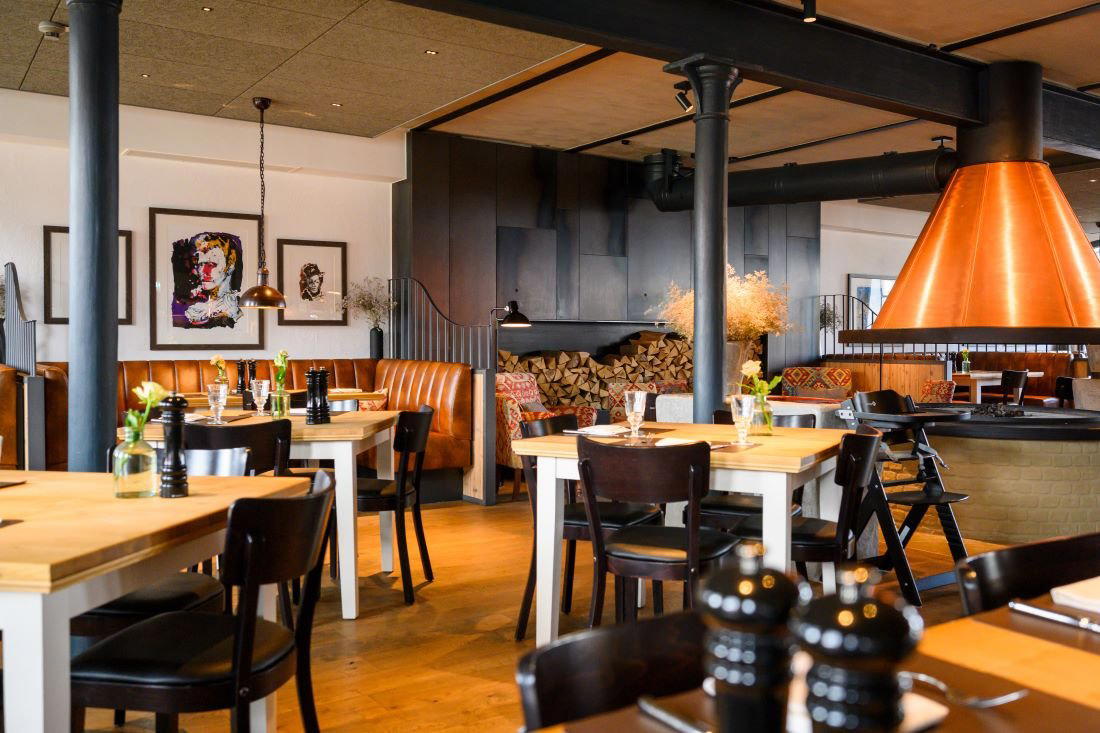 restaurantRodesandA Michelin Plate-recognised estate on the shores of the Kellersee, Rodesand delivers ambitious Modern French cooking, scallop with winter truffle, goat's curd tortellini, barbecued fish, across seven tables in a manor house made famous by the Immenhof film series. Weekend teatime, a cigar bar serving sushi, private dining, and on-site hotel facilities make it the most complete dining address in the Bad Malente-Gremsmühlen area.
Planning details
- Location
- Rothensande 1, 23714 Malente
- Website
- gut-immenhof.de
- Phone
- +49 4523 88280
The take
The Take
The Vibe
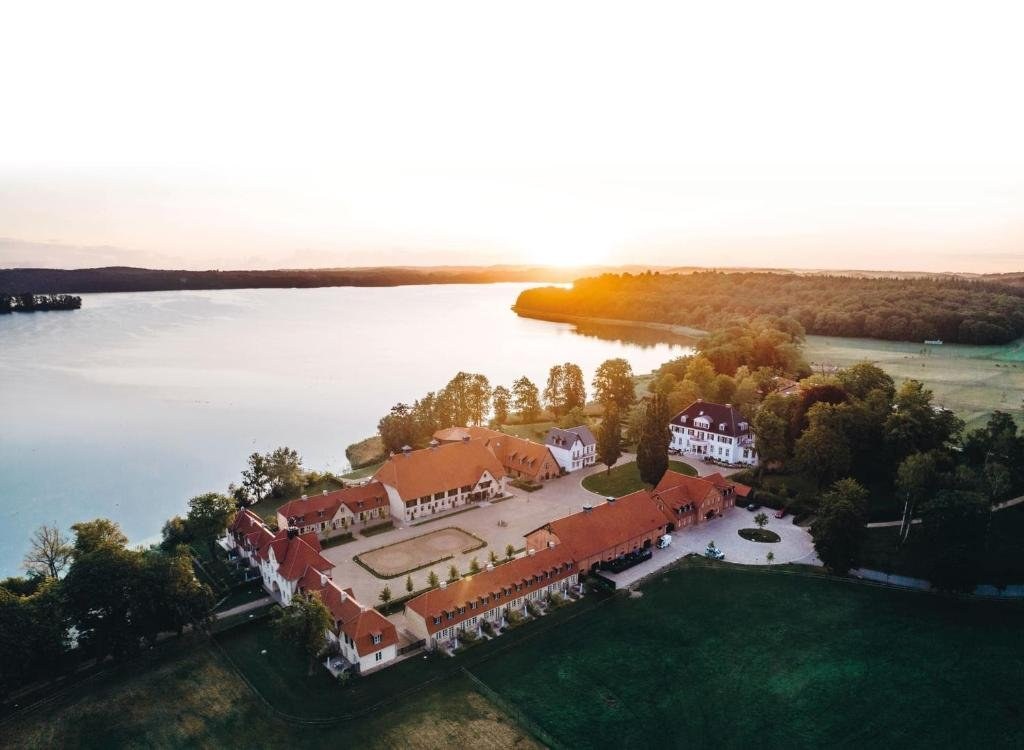
Hotel Gut Immenhof reads as an authentic north‑German country estate rather than a themed resort. Its twelve separate buildings are arranged across Wagria farmland so the landscape—not interior theatrics—dictates how a stay unfolds. Lakes sit nearby, seasonal wildflowers edge paths, and the estate retains an unassuming, historic quality; architecture and landwork feel inherited rather than staged. The overall tone is quietly refined and rural: guests experience calm, considered surroundings where walking the grounds and absorbing open sky are as important as the rooms themselves.
Best For
This is a place for travelers who favor slow, landscape‑driven stays over urban flash. It suits guests seeking an authentic rural estate experience—those who want to explore lesser‑known corners of northern Germany, enjoy lakeside countryside, and appreciate architecture that unfolds across multiple buildings. Weekenders looking for a restorative escape and visitors who value serene grounds, seasonal wildflower meadows and a low‑key, estate atmosphere will find the hotel especially rewarding. It’s less about nightlife or polish and more about connecting with the land and the rhythm of the region.
Venue details
Ambiance
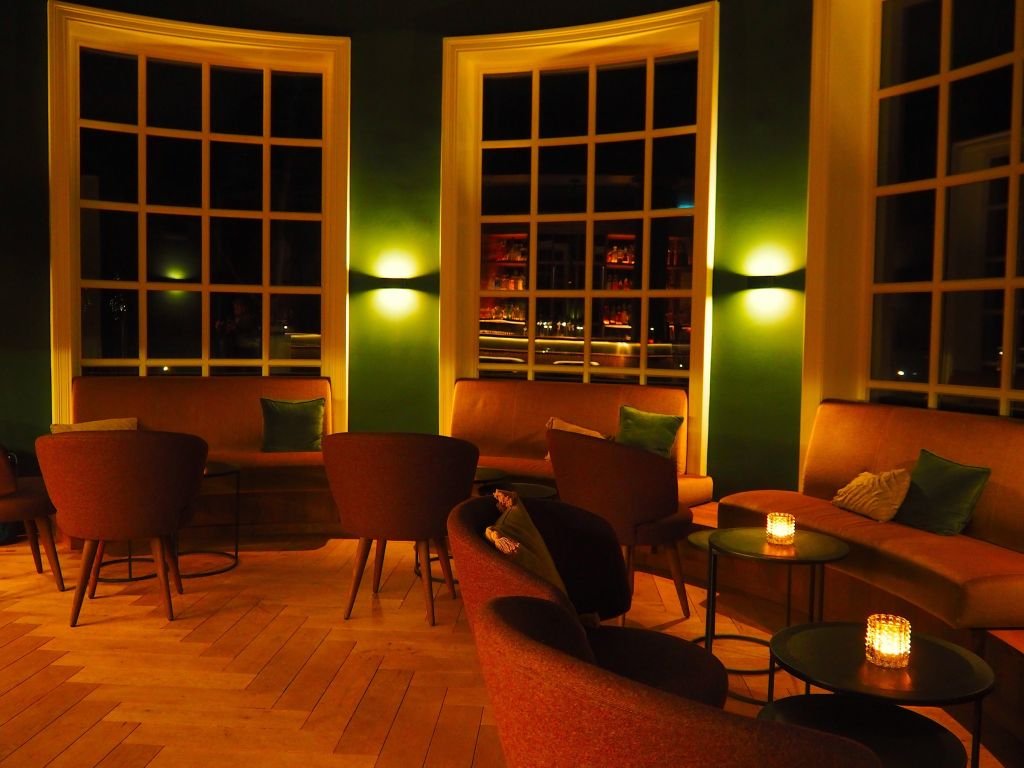
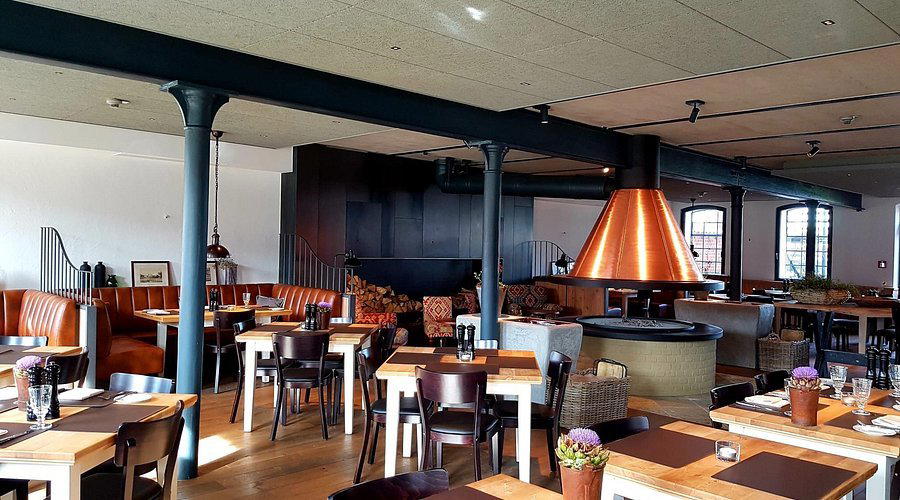
Peaceful and hospitable atmosphere with warm lighting, cozy modern-rustic interiors, and a tranquil lakeside retreat praised by guests.
Tags
Vibe
Best For
Experience
Amenities
View
About the Stay
- Rooms
- 50
- Check-in
- 15:00
- Check-out
- 11:00
- Property Type
- Boutique hotel
- Property Style
- Renovated Country Estate with Equestrian Focus
- Design Style
- Modern Rustic with Handmade Wooden Furniture
- Breakfast
- Included
- Spa
- Yes
- Pets
- Allowed
- Families
- Welcome
Know before you go
Know Before You Go
- Getting there
- Rothensande 1, 23714 Malente
Planning details
Location
Recognition and awards
Also consider
Where to look if this is not the right fit
Choose Ole Liese if dining is the main reason for the trip. Choose Weissenhaus Private Nature Luxury Resort or Grand Hotel Seeschlosschen Sea Retreat & Spa if the decision is driven by spa scale, coastal setting, and a bigger resort format.
Hotel context
How it compares in the Malente area
Hotel Gut Immenhof is the right pick when the brief is a contained countryside stay near Malente. Ole Liese is the sharper cross-shop for travelers putting dining first, while Weissenhaus Private Nature Luxury Resort is the more obvious splurge if the trip needs a larger luxury-resort feel.
For beach-town energy, Barefoot Hotel Timmendorfer Strand and The Cozy Hotel make more sense than staying inland. They suit guests who want coastal access and a lighter holiday mood. Hotel Gut Immenhof is better for travelers who want quieter pacing and fewer reasons to leave the property.
Grand Hotel Seeschlosschen Sea Retreat & Spa is the stronger comparison for spa-and-sea expectations. Choose it when resort facilities drive the decision; choose Hotel Gut Immenhof when Malente's rural setting and a more retreat-like stay matter more than being on the coast.
Explore Malente
Around this place
Discover more on Pearl
Unlock the full Hotel Gut Immenhof guide in Pearl, including awards, comparisons, FAQs, planning details, and nearby places.
Compare Hotel Gut Immenhof
| Venue | Location | Awards |
|---|---|---|
| Hotel Gut Immenhof | Malente | 2026 Michelin 1 KeyMichelin 1 Key 20252025 Michelin 1 Key |
| Ole Liese | Panker | No published awards |
| Weissenhaus Private Nature Luxury Resort | Weissenhaus | 2026 Relais Chateaux HotelsConde Nast Gold List 20262026 La Liste Top Hotels2026 Michelin 2 Keys2025 Michelin 2 Keys2025 Relais Chateaux Award2024 Michelin 2 Keys |
| Barefoot Hotel Timmendorfer Strand | Timmendorfer Strand | No published awards |
| The Cozy Hotel | Timmendorfer Strand | No published awards |
| Grand Hotel Seeschlosschen Sea Retreat & Spa | Timmendorfer Strand | No published awards |





How Hotel Gut Immenhof Malente compares with similar nearby venues.
FAQ
Frequently Asked Questions
How is the location of Hotel Gut Immenhof?
Hotel Gut Immenhof is in Malente. Its Michelin 1 Key recognition for 2025 is its clearest hotel-quality signal.
How does Hotel Gut Immenhof compare to other hotels?
Hotel Gut Immenhof is a Michelin 1 Key hotel in Malente. For comparison, travelers may also look at Ole Liese, The Cozy Hotel, Weissenhaus Private Nature Luxury Resort, Grand Hotel Seeschlosschen Sea Retreat & Spa, and Barefoot Hotel Timmendorfer Strand, while checking current details directly with each property.
Is Hotel Gut Immenhof good for business travel?
For business travel, plan around Hotel Gut Immenhof's Malente location and Michelin 1 Key recognition in 2025, and check meeting, work, and transport needs directly before booking.
How is the pool and spa at Hotel Gut Immenhof?
Do loyalty programs work at Hotel Gut Immenhof?
Travelers who need points or status benefits should check loyalty-program participation directly before booking. Hotel Gut Immenhof's notable recognition is Michelin 1 Key in 2025.
Which room category is best at Hotel Gut Immenhof?
What is check-in like at Hotel Gut Immenhof?
For check-in procedures and times, contact the hotel directly before arrival. Hotel Gut Immenhof is in Malente and holds Michelin 1 Key recognition for 2025.