
Hotel in Madrid, Spain
InterContinental Madrid
150ptsAddress-Conscious Grand Hotel

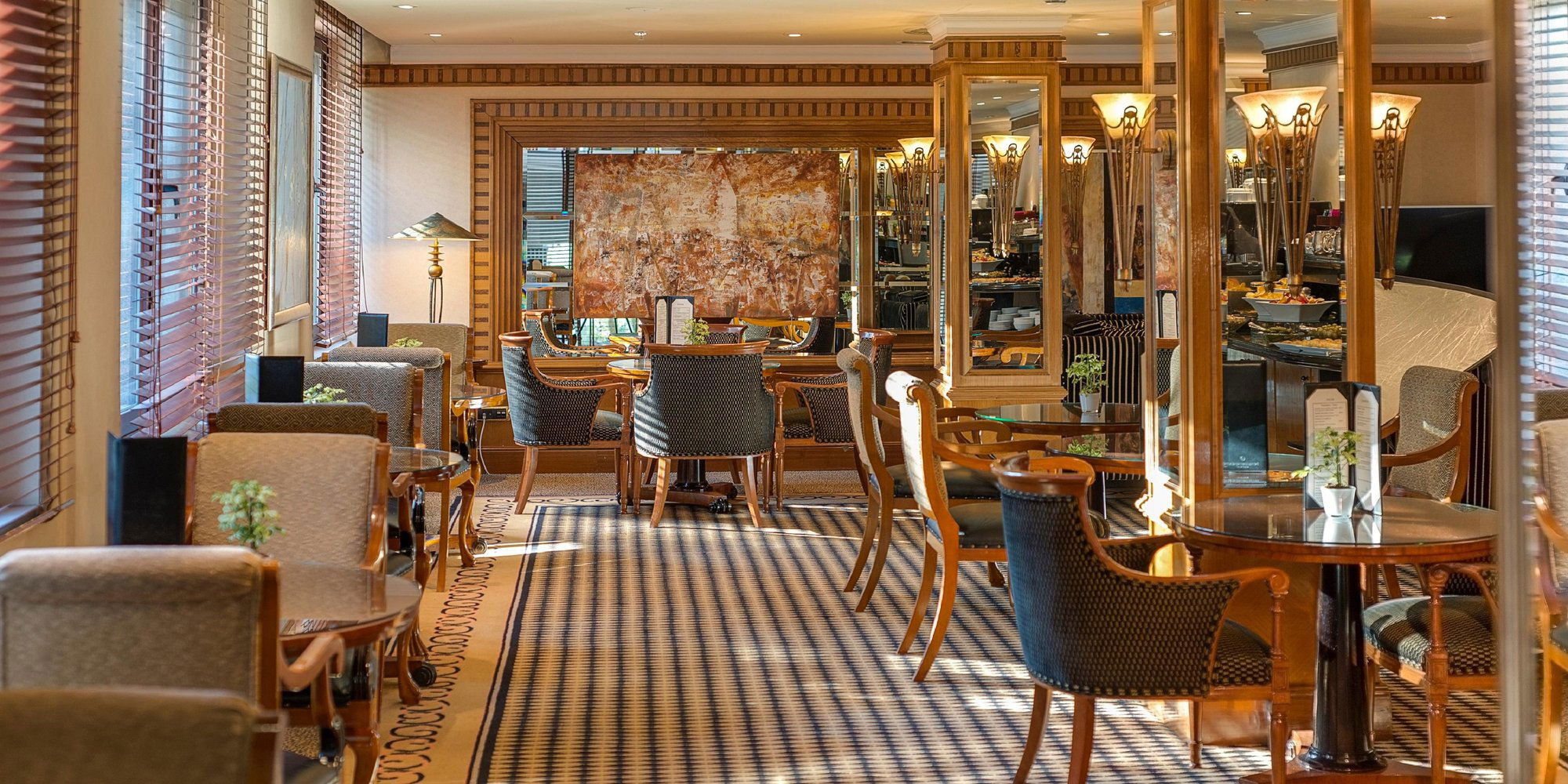
About InterContinental Madrid
On Paseo de la Castellana, the InterContinental Madrid occupies one of the avenue's most prominent addresses, with 302 rooms and 33 suites spanning six categories. The garden terrace — a storied retreat since Ava Gardner's residency in the city — operates as a genuine urban refuge. For travellers using Madrid as a business base or cultural access point, the hotel sits within walking distance of the Serrano shopping corridor and the Prado Museum.
The Address on Castellana
Paseo de la Castellana functions as Madrid's civic spine — a broad, tree-lined boulevard that separates the financial district from the diplomatic quarter and anchors the city's most address-conscious hotels. At number 49, the InterContinental Madrid occupies a position that has long attracted guests who treat location as a working tool rather than a background detail. The Prado, the Reina Sofía, and the Thyssen-Bornemisza form the so-called Art Triangle a short taxi or metro ride to the south. Serrano Street, Madrid's tightest concentration of high-end retail, runs parallel a few blocks east. Santiago Bernabéu Stadium is accessible without crossing the city. Few addresses in Madrid resolve that combination of cultural, commercial, and sporting proximity as cleanly.
Within the broader tier of large luxury hotels on the avenue, the InterContinental sits in a cohort that includes the Rosewood Villa Magna and the Four Seasons Hotel Madrid. Where the Four Seasons operates inside a converted heritage block in the old centre and the Mandarin Oriental Ritz, Madrid carries the weight of Belle Époque grandeur, the InterContinental's Castellana address reads more like a power-corridor hotel: formal, efficient, scaled for both corporate delegations and families using Madrid as a base for wider Spanish travel.
Daytime at the Hotel: A Different Register
The lunch-to-dinner shift matters more at large city-centre hotels than at destination resorts, and the InterContinental illustrates why. During the day, the hotel operates primarily as a business and transit node. The Club Lounge — available to suite guests and Club-tier bookings , provides an independent reception, breakfast service, and a daytime buffet that functions as a private working environment away from the lobby. For guests arriving from international flights or moving between meetings across the city, this daytime infrastructure carries real practical value: late check-out is included for Club Lounge guests, which reframes the question of when you actually need to leave.
The garden terrace shifts register entirely as the afternoon lengthens. Enclosed by fountains and planted with dense greenery, it operates as an enclosed outdoor space that reads as genuinely separate from the traffic noise of Castellana outside. It is among the more documented features of the hotel's history: Ava Gardner, who was a consistent presence in Madrid during her years in Spain, used it as a favoured retreat. That associative history aside, the practical case for the terrace is simply that a well-maintained private garden at a Castellana address is not something Madrid's hotel stock produces in abundance. Come spring and early summer, when the city's outdoor hospitality culture reaches full pitch, this space becomes one of the hotel's clearest differentiators against competitors without comparable outdoor room.
Evening at the hotel draws a different crowd. Corporate guests transition to dinner elsewhere , Madrid's dining scene rewards those willing to move, and the neighbourhood around Castellana connects easily to the tapas circuits of Chueca and Malasaña, or the more formal restaurant rooms of Salamanca , while leisure guests and suite holders tend to settle into the hotel's own facilities. The Club Lounge's evening buffet, included in the suite rate, reduces the pressure to find a table on a busy Friday or Saturday night in a city where 10pm reservations are standard and walk-ins at serious restaurants are increasingly difficult.
The Room Tiers and What They Signal
With 302 rooms and 33 suites across six categories, the InterContinental's accommodation inventory is calibrated for a property that regularly handles large-group and corporate business alongside individual leisure stays. The suite categories run from Junior through Business, Premium, Presidential, and Signature to Royal, a structure that allows the hotel to price across a wide range without conflating entry-level and top-tier product.
The three Signature Presidential Suites, dedicated respectively to Picasso, Miró, and Dalí, sit at the leading of the creative-accommodation tier. In a city where the Art Triangle is a genuine cultural draw , the Prado's permanent collection alone justifies a multi-day visit , suites that reference Spain's three most globally recognised twentieth-century artists carry contextual weight beyond branding. Whether the interiors fully bear out that framing is a question of individual taste, but the positioning aligns with a type of guest who treats accommodation as part of the cultural experience of a city rather than purely a logistical necessity.
For travellers comparing room-type value across Madrid's luxury tier, the Club Lounge access model is the clearest signal of which category to target. The combination of independent check-in, breakfast, daytime food service, and late check-out compresses several separate expenditure lines into one rate. Against comparably priced rooms at the Gran Meliá Palacio de los Duques or the Hotel Unico Madrid, the Club Lounge tier holds up particularly well for guests whose schedules are dictated by flights rather than restaurant opening hours.
Planning a Stay: Logistics and Timing
The hotel's China Ready certification, awarded in 2016, signals infrastructure designed for international groups with specific service requirements, including Mandarin-speaking staff and adapted amenity provision. This positions the property within a small subset of Madrid hotels that have formally qualified for the credential, which matters for guests travelling as part of organised groups from East Asia or those who simply prefer Mandarin-language service as a baseline.
Seasonally, the spring window from April through June gives the garden terrace its fullest value before Madrid's summer heat compresses outdoor use into early morning and late evening. September and October, when the city's cultural programming resumes after August, represent the other high-value window: major exhibitions at the Prado and Reina Sofía tend to open in autumn, and the Salamanca district's retail calendar tracks a similar rhythm. Both periods also coincide with peak business travel into Madrid, which means the Club Lounge fills quickly and suite availability at the leading tiers tightens. Early booking in those windows is direct advice, but the suite categories specifically warrant attention several weeks in advance.
For travellers building a wider Spanish itinerary around a Madrid base, the hotel's Castellana address connects efficiently to Atocha station (high-speed rail to Seville, Barcelona, and Valencia) and Barajas airport via the metro's Line 8 from Nuevos Ministerios, a short walk from the property. Those extending into Spain's wine country or smaller luxury properties might consider the Abadía Retuerta LeDomaine in Teruel, the Atrio Restaurante Hotel in Cáceres, or the Terra Dominicata in Escaladei as natural follow-on stages. Coastal alternatives include Cap Rocat in Cala Blava, Hotel Can Cera in Palma, and La Residencia, A Belmond Hotel, Mallorca. For the Basque Country, Akelarre in San Sebastián provides a sharply different register. The full breadth of Madrid's own dining and hotel options is covered in our full Madrid restaurants guide.
Other properties worth considering within Madrid itself include the CoolRooms Palacio de Atocha, the Gran Hotel Inglés, and the Hotel Rector, each occupying a different position in the city's accommodation range. For international reference points in the same hotel tier, Mandarin Oriental Barcelona, Aman New York, and Aman Venice offer useful comparative context on what the upper tier of urban luxury currently looks like across different European and American cities.
Frequently Asked Questions
What is the general atmosphere at InterContinental Madrid?
The hotel reads as a formally run, address-conscious property rather than a design-led boutique. On Paseo de la Castellana, the city's most prominent north-south axis, it serves a mix of corporate groups, international leisure travellers, and long-stay guests who value proximity to both the business district and the cultural south of the city. If your priority is neighbourhood immersion or an intimate scale, properties like the Hotel Unico Madrid or the Gran Hotel Inglés operate at a different register. If you want a large, efficiently run property with strong location credentials and a documented garden terrace, the InterContinental delivers those consistently.
Which room type makes the most sense at InterContinental Madrid?
Book into the Club Lounge tier if your stay involves early arrivals, late departures, or a schedule that makes fixed meal times impractical. The package consolidates breakfast, daytime food access, and late check-out into a single rate, which compares well against the cost of managing those elements separately in a city where good breakfast options near Castellana are sparse at early hours. For guests prioritising the suite product specifically, the Signature Presidential Suites (Picasso, Miró, Dalí) sit at the leading of the creative tier, though the Royal Suite represents the property's ceiling in terms of space and service provision. The Rosewood Villa Magna and Four Seasons Hotel Madrid are the most direct suite-tier competitors in the same price bracket.
Recognized By

Related editorial
- Best Fine Dining Restaurants in ParisFrom three-Michelin-star icons to the next generation of Parisian chefs pushing boundaries, these are the restaurants that define fine dining in the world's culinary capital.
- Best Luxury Hotels in RomeFrom rooftop terraces overlooking ancient ruins to Michelin-starred hotel dining, these are the luxury hotels that make Rome unforgettable.
- Best Cocktail Bars in KyotoFrom sleek lounges to hidden speakeasies, Kyoto's cocktail scene blends Japanese precision with global influence in ways you won't find anywhere else.
Save or rate InterContinental Madrid on Pearl
Keep this venue in your Pearl passport, rate it after you visit, and track it alongside every other place you collect.