
Grand Hyatt Macau
Cotai, Macau
Hotel in Macau, Macau
 Book with Pearl
The Read
Cotai Composed Retreat
Price
$200–300per night
Why go
Grand Hyatt Macau is worth booking when Cotai convenience, brand reliability, and a large resort setting matter more than boutique privacy. Its Forbes 4-Star recognition supports the quality case, but rate-check it against Morpheus, The St. Regis Macao, and MGM Cotai peers before committing on peak weekends.
About Grand Hyatt Macau
Grand Hyatt Macau is a Macau hotel with one recognition point: Forbes 4-Star status in 2026. That single marker gives the property a credible place on a Macau hotel shortlist, but it should also keep expectations disciplined. It is a hotel shortlist candidate in Macau. Travelers should confirm specific room types, facilities, dining strengths, or service features directly. The Forbes 4-Star recognition can serve as a starting signal, prompting the careful comparison work that any important hotel booking deserves.
For a special occasion, Grand Hyatt Macau is best considered alongside the practical questions that matter for your trip: budget, dates, preferred atmosphere, and how it compares with other Macau hotels you are considering. Those factors will likely matter more than any assumptions about what the hotel may or may not offer. The dress code is smart casual, which is useful to know when planning a polished hotel stay. It suggests a baseline of neatness and occasion-appropriate presentation, without requiring you to plan around a more formal standard.
Book for Macau hotel recognition
The grounded value case is simple: Grand Hyatt Macau is a Forbes 4-Star hotel in Macau for 2026. For travelers who want an independently recognized hotel but do not need every detail pre-framed by a long list of amenities, that may be enough to keep it in consideration. Beyond that recognition, travelers should verify specific claims about room categories, views, facilities, restaurants, or entertainment access. That matters, because Macau hotel decisions often turn on exactly those details, and it is better to verify them directly than to let a booking rest on assumptions. Compare it carefully against Morpheus and Emerald Tower at MGM COTAI if those are also on your shortlist.
Macau hotel rates can vary by date, so compare your exact stay dates before committing. The same hotel can feel like a stronger or weaker value depending on when you are traveling, what else is available, and how the rate compares to other options. If the goal is a calmer trip, consider whether the dates and hotel choice match that mood; if the goal is a more energetic Macau stay, compare Grand Hyatt Macau with other hotels in Macau before booking. The point is not that one mood is better than the other, but that your hotel should support the kind of Macau visit you actually want.
Who should book it, and who should cross-shop
Book Grand Hyatt Macau if you want a Macau hotel with Forbes 4-Star recognition in 2026 and a smart-casual standard. It is a sensible candidate for travelers who are comfortable making a decision from its recognition point, then confirming any trip-specific details before they reserve. Cross-shop if your decision depends on specifics such as a particular room layout, dining program, spa offering, or highly private atmosphere. Those are legitimate priorities, especially for a celebration or a tightly planned itinerary. For alternatives, compare Skylofts at MGM COTAI, The St. Regis Macao, Morpheus, Emerald Tower at MGM COTAI, or MGM Cotai.
For broader planning, use our full Macau restaurants guide and compare other dining in Macau generically if meals are central to the trip. That is especially important if the hotel choice is only one part of a larger stay, and restaurants, atmosphere, and pacing will shape the experience as much as the room itself.
Planning details
- Location
- City of Dreams, Estr. do Istmo, Macao
- Website
- hyatt.com/grand-hyatt/en-US/macgh-grand-hyatt-macau?src=corp_lclb_google_seo_macgh
- Phone
- +853 8868 1234
The take
The Take
The Vibe
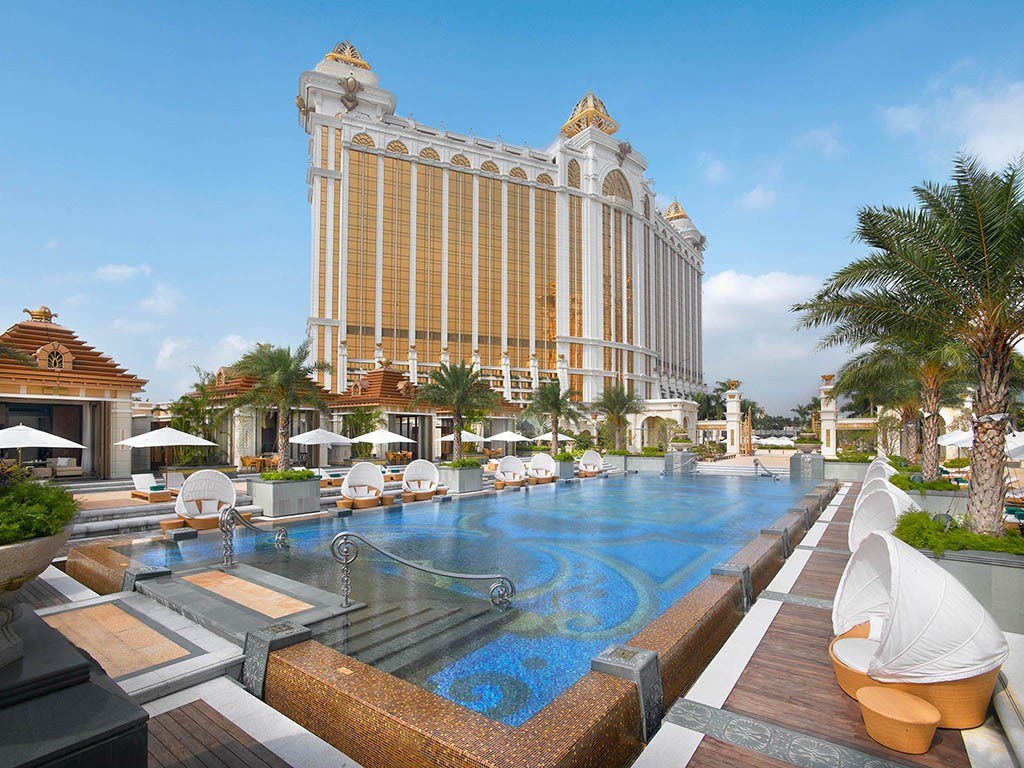
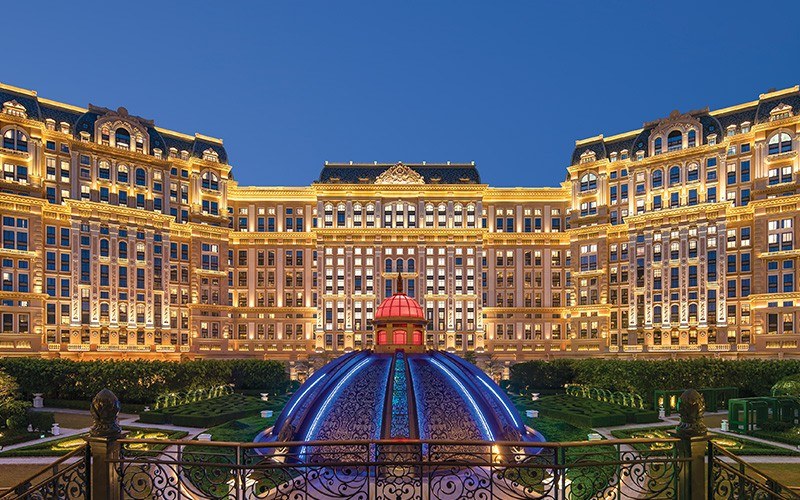
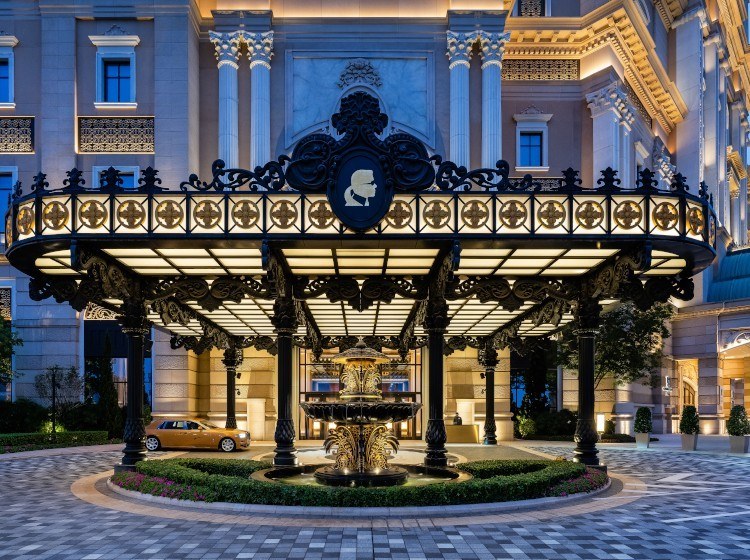
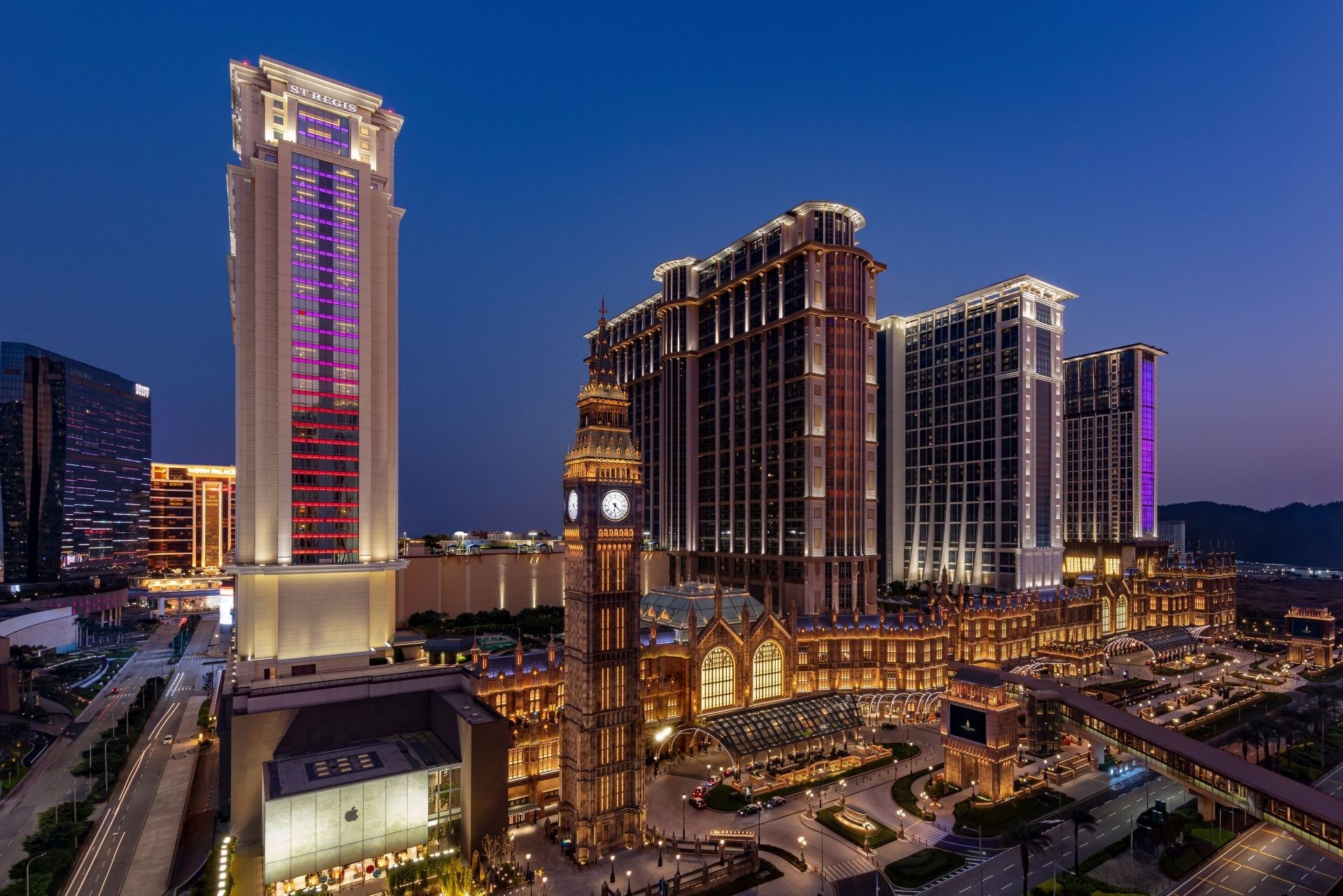
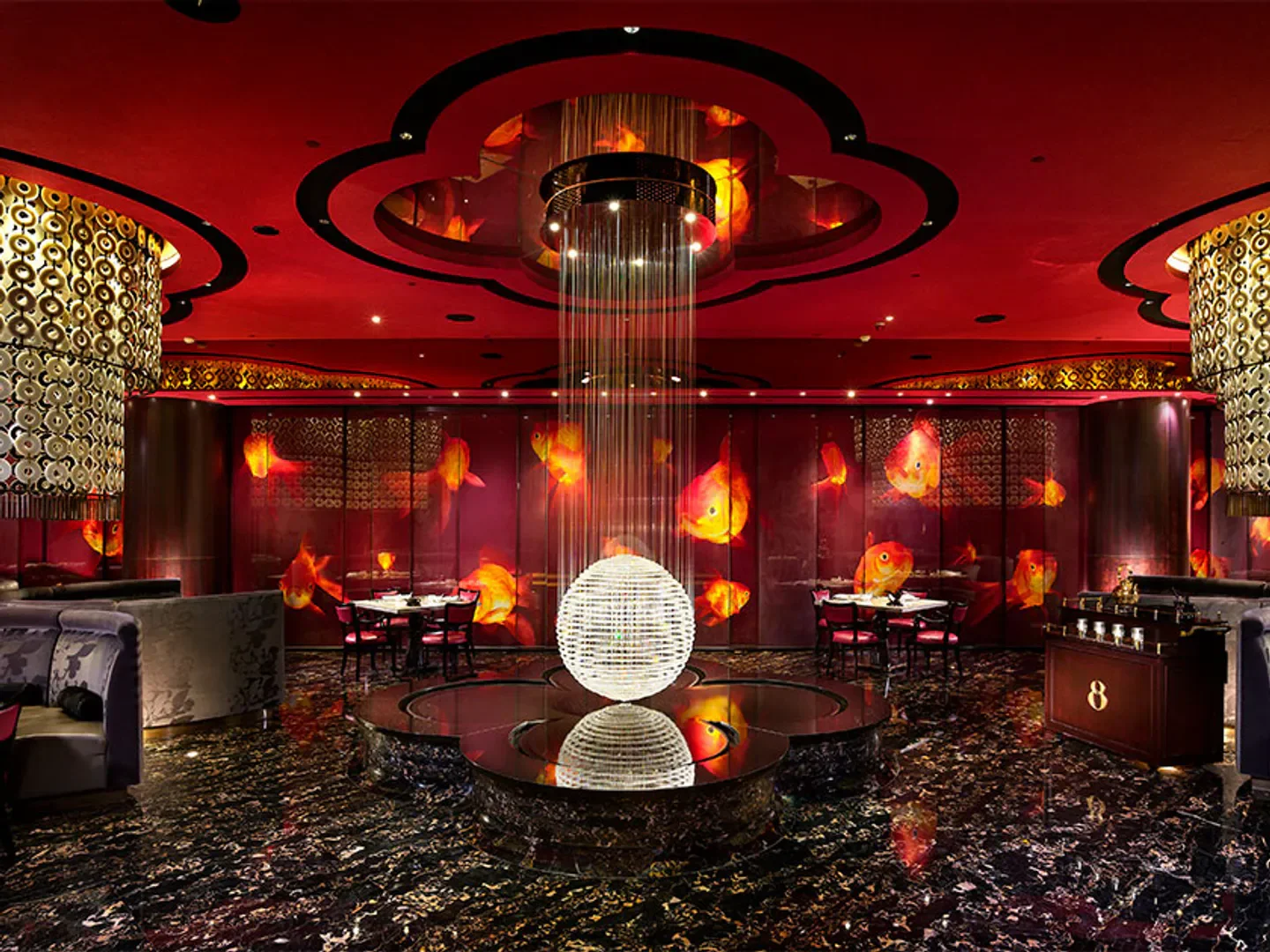
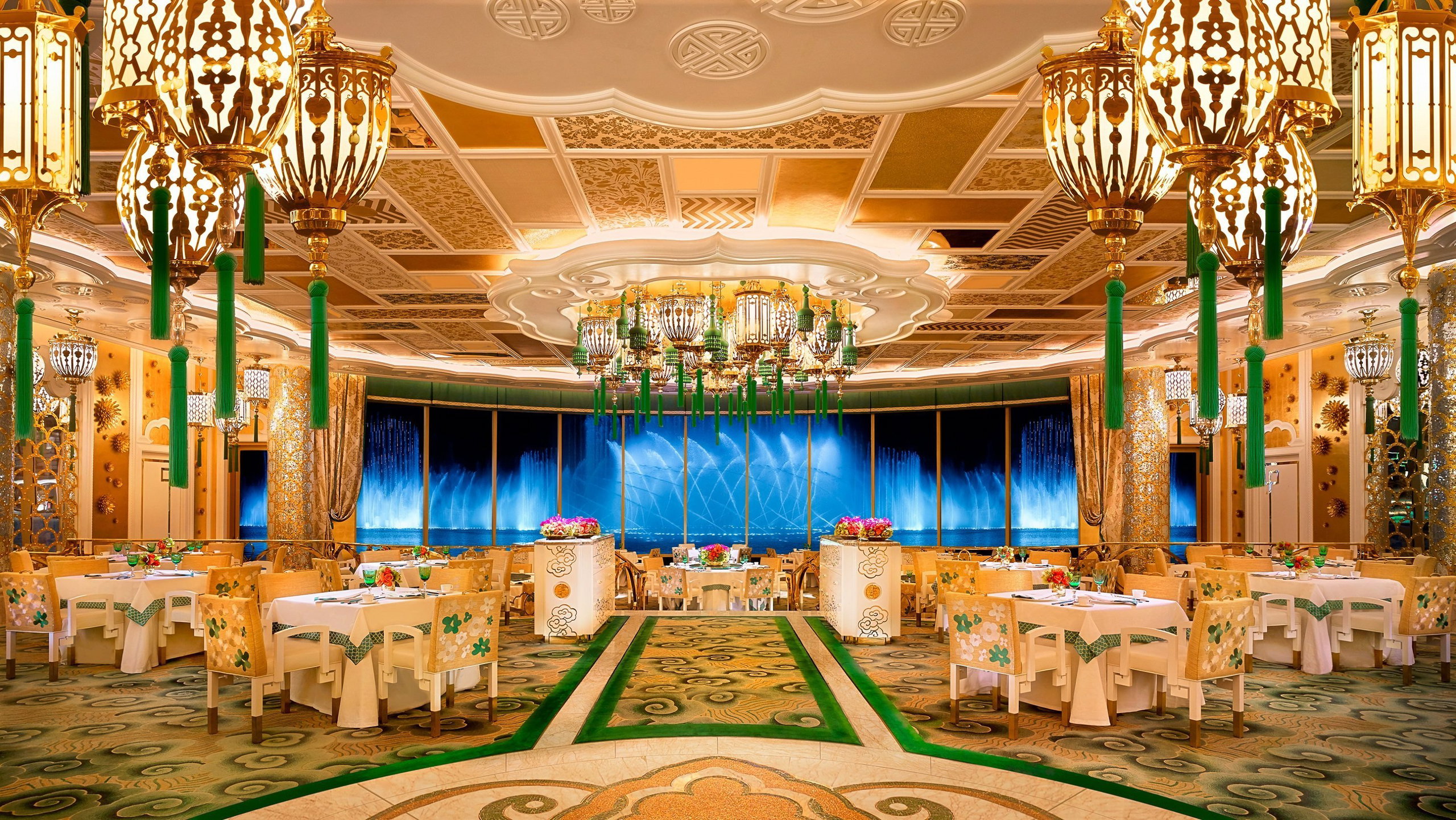
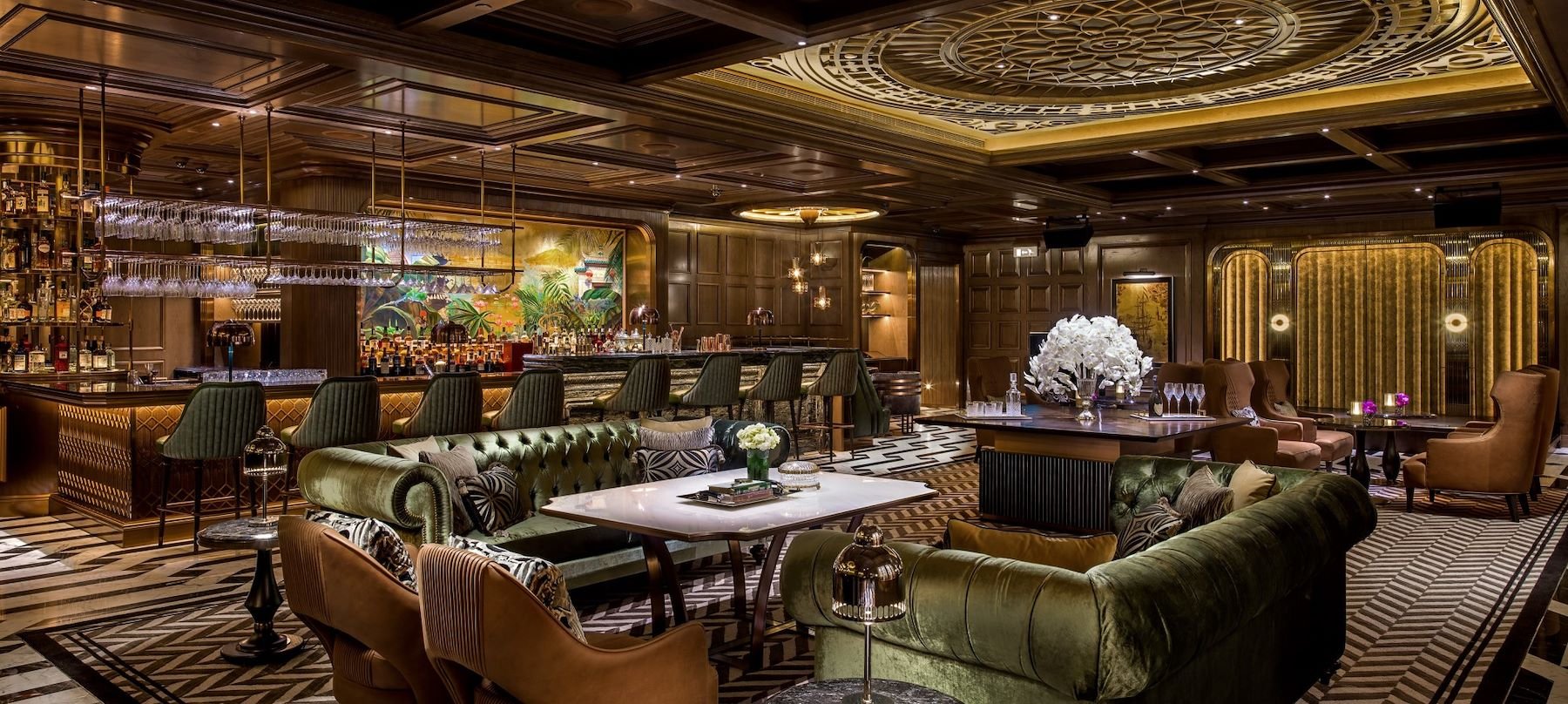
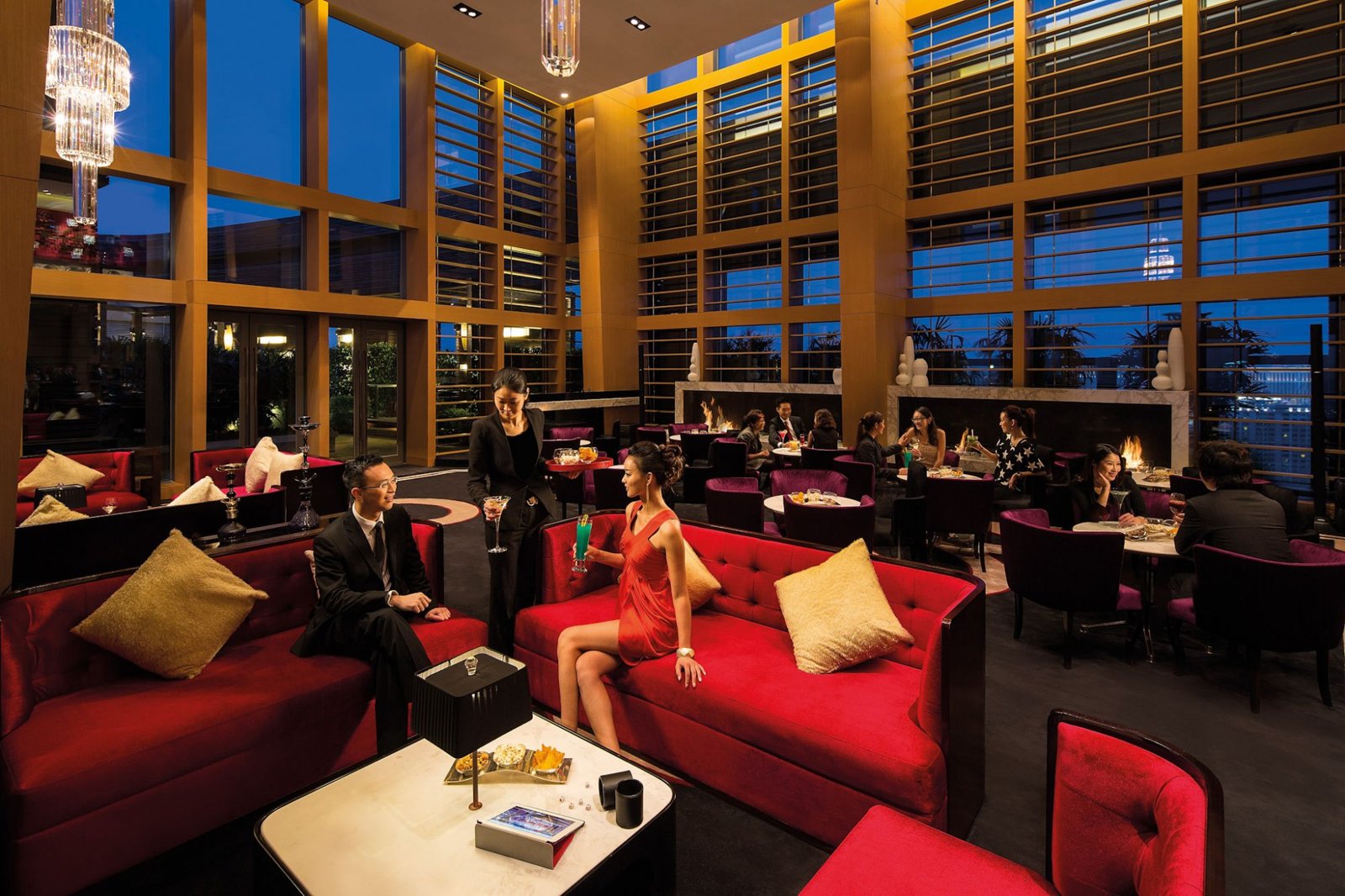
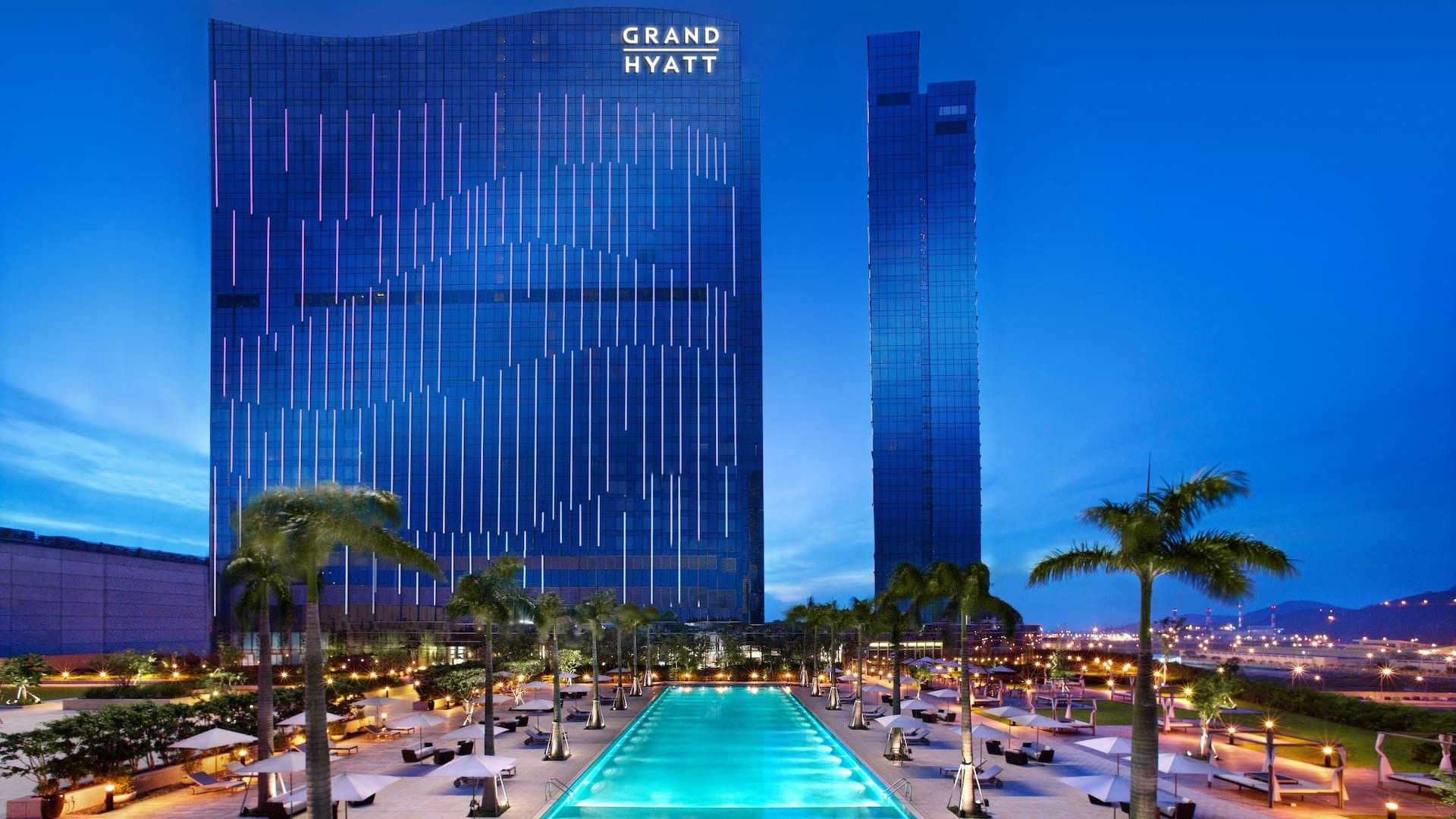
Grand Hyatt Macau presents itself as a measured counterpoint to Cotai’s theatrical resort scene. The hotel’s two wave-inspired towers read as large-scale and purposeful, but interior circulation and public spaces deliberately dial down the surrounding casino energy: corridors are described as 'quieter' and transitions as 'deliberate and measured.' The property favors polished consistency over hyper-curated minimalism, and its emphasis on evening rituals, music, tea and focused dining, gives public moments a quietly intimate, relaxed quality rather than flashy spectacle.
Best For
This Grand Hyatt suits travelers who want Cotai access without constant sensory overload. Its Four-Star positioning and steady, polished service make it reliable for business dinners and guests seeking a calmer base amid the City of Dreams complex. Families and couples who value structured dining experiences and evening programming find a home here: the hotel foregrounds meals and rituals as the centerpiece of the night, so it works well for anyone prioritizing a composed, evening-forward stay rather than nonstop casino activity.
Stay Tips
The description makes clear that dining is a defining element here, 'the ritual of evening' is front and center, so plan your evenings around the hotel's restaurant programme. Expect music and tea to be part of the nighttime rhythm and seek reservations for dinner periods where possible. Because the property positions itself as a quieter alternative to the casino floor, opt for later, sit-down dining experiences that let you enjoy the hotel's intentionally measured pace and polished service rather than quick grab-and-go options.
Venue details
Ambiance
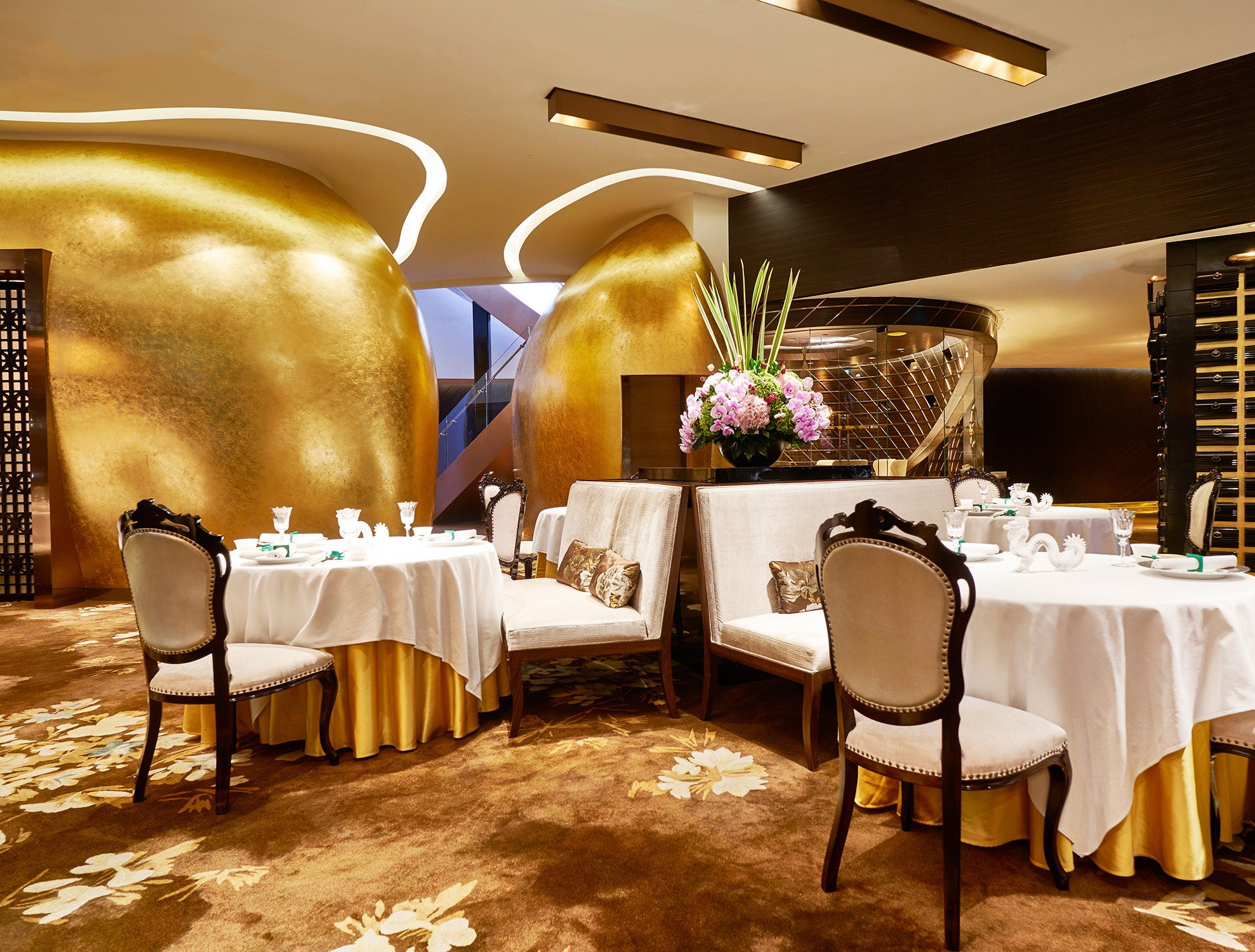
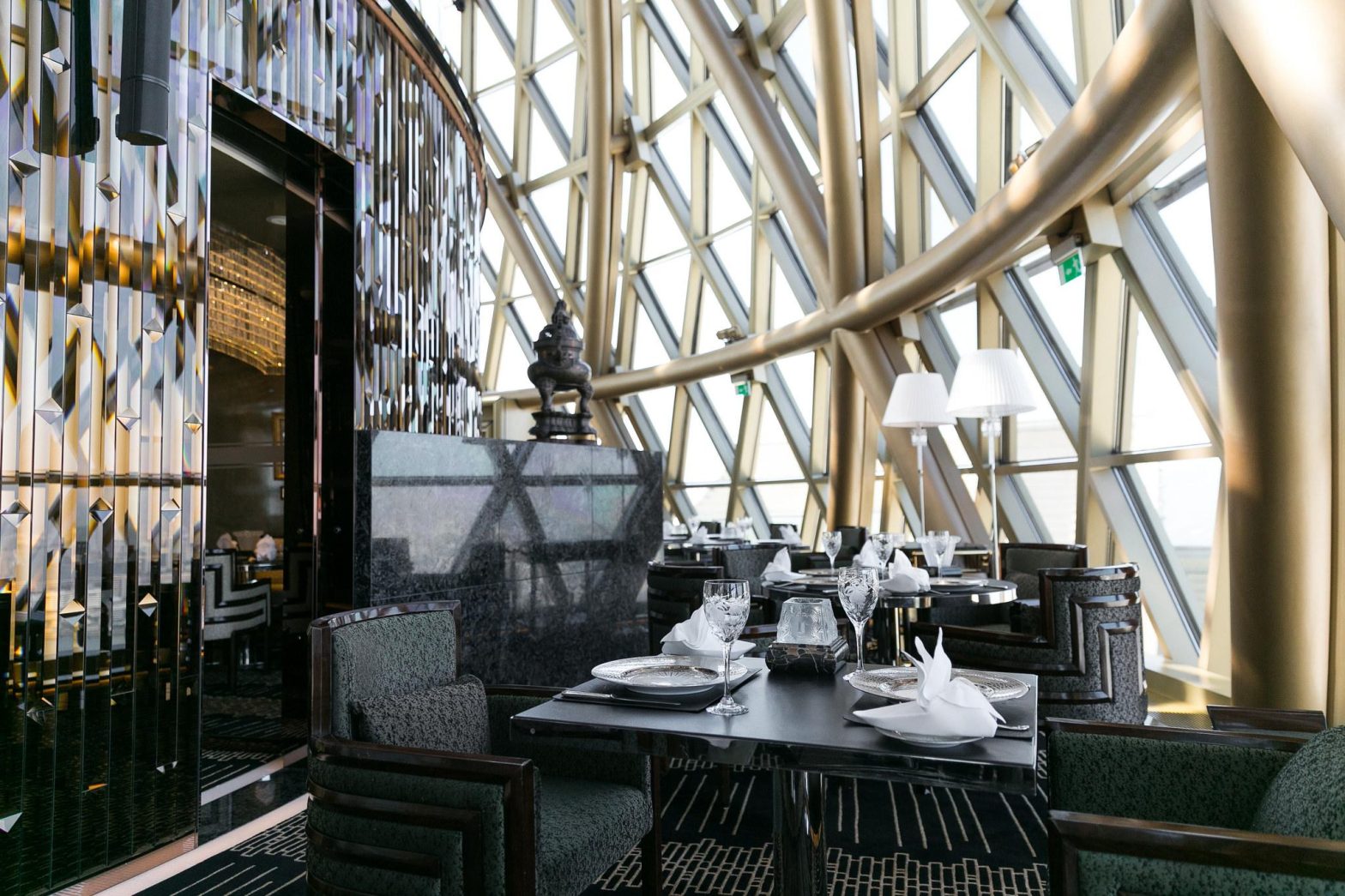
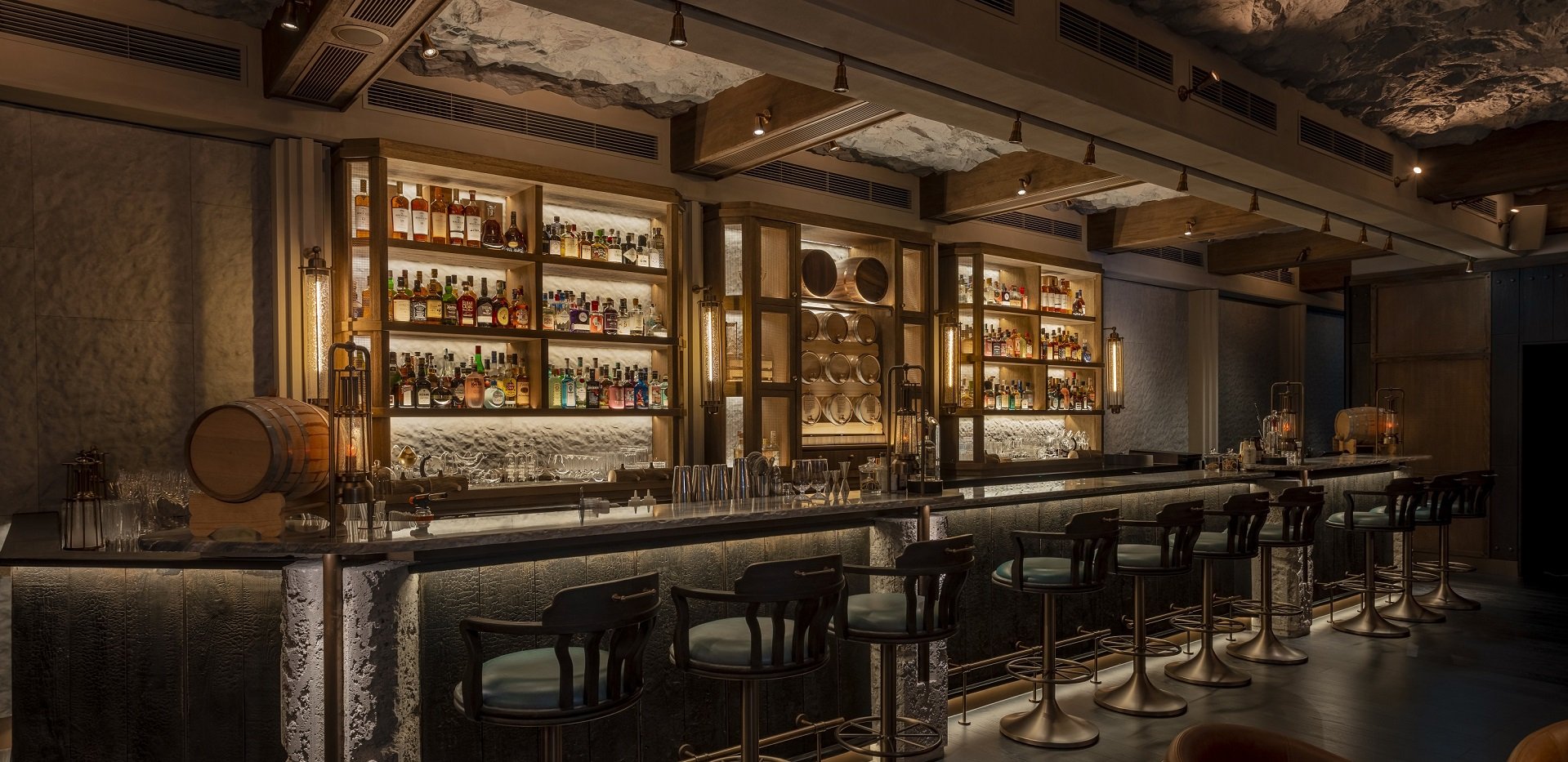
Elegant and tranquil with soothing lighting, contemporary marble bathrooms, and panoramic views creating a luxurious and relaxing atmosphere.
Tags
Vibe
Best For
Experience
Amenities
View
Accessibility
About the Stay
- Rooms
- 791
- Check-in
- 15:00
- Check-out
- 12:00
- Property Style
- Contemporary Luxury Resort Within Integrated Entertainment Complex
- Design Style
- Modern with Wave Inspired Towers, Marble Bathrooms, and Floor to Ceiling Windows
- Airport Transfer
- Available
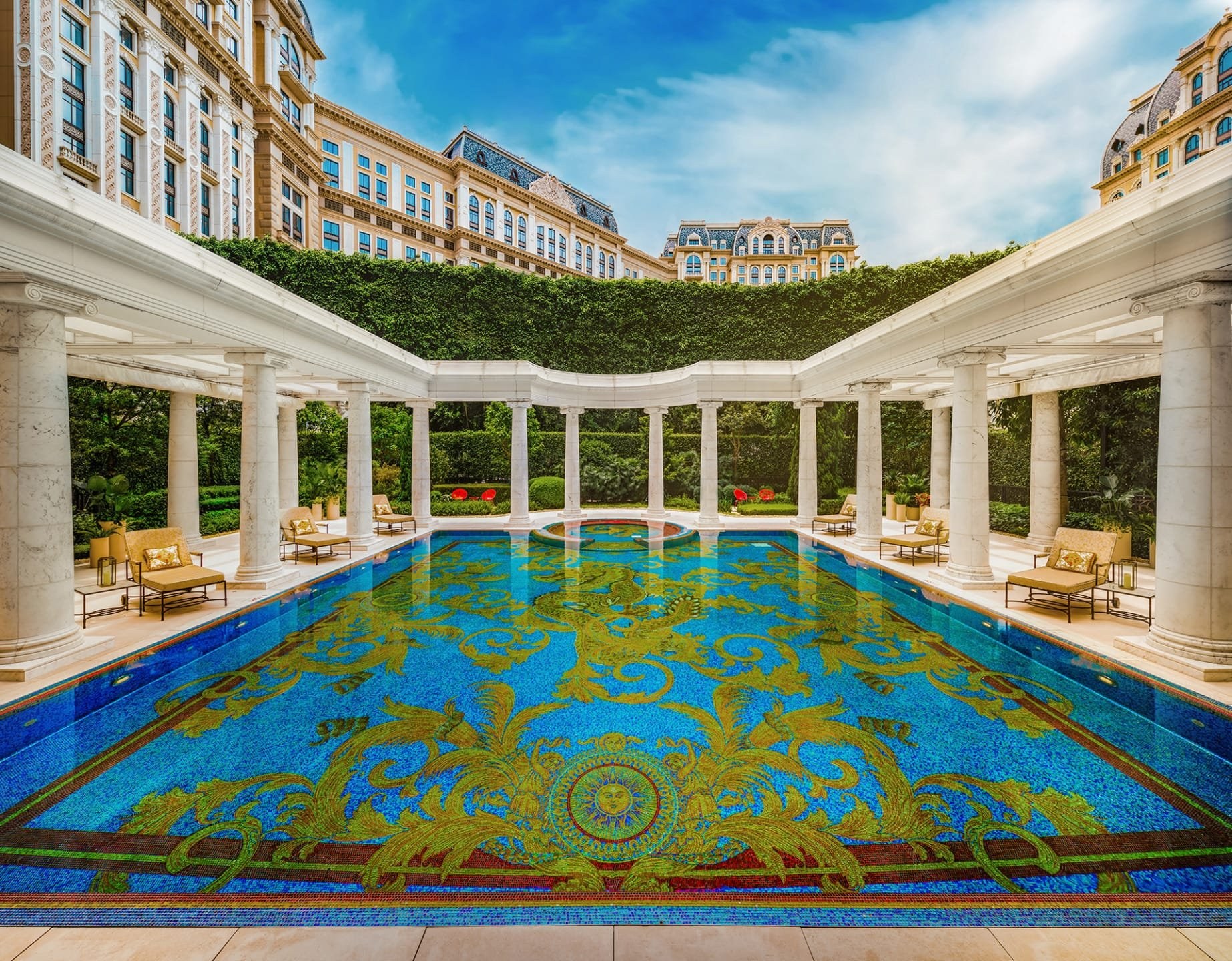
- Pool
- Yes
- Spa
- Yes
- Families
- Welcome
- Cancellation
- Moderate
Know before you go
Know Before You Go
- Getting there
- City of Dreams, Estr. do Istmo, Macao
Planning details
Location
City of Dreams, Estr. do Istmo, Macao · Directions
hyatt.com/grand-hyatt/en-US/macgh-grand-hyatt-macau?src=corp_lclb_google_seo_macgh
Recognition and awards

Also consider
Where to look if it is booked
Try The St. Regis Macao if the trip calls for a more formal luxury stay, especially for anniversaries or business hosting. Try Morpheus if design and architecture matter more than brand familiarity.
Hotel context
How Grand Hyatt Macau compares in Cotai
Choose Grand Hyatt Macau when the goal is a polished Cotai base with fewer decision risks than a smaller independent stay. Morpheus is the stronger cross-shop for design-led travelers, while The St. Regis Macao is the better fit for guests who put service ritual and a more formal hotel mood first.
Emerald Tower at MGM COTAI and Skylofts at MGM COTAI are the more splurge-oriented comparisons if the room is meant to carry the trip. Grand Hyatt Macau makes more sense when the room is important but the itinerary also leans on Cotai dining, entertainment, and easy movement around the resort district.
MGM Cotai is the broad resort alternative for travelers who want a bigger entertainment-forward atmosphere. If Grand Hyatt Macau prices below these peers on the same dates, it is the value play; if rates tighten, pick based on mood: Morpheus for architecture, The St. Regis for polish, MGM Cotai for energy, and Grand Hyatt Macau for dependable convenience.
Around this place
Discover more on Pearl
Unlock the full Grand Hyatt Macau guide in Pearl, including awards, comparisons, FAQs, planning details, and nearby places.
Compare Grand Hyatt Macau
| Venue | Location | Awards |
|---|---|---|
| Grand Hyatt Macau | Macau | 2026 Forbes 4-Star2025 Forbes 4-Star |
| Morpheus | Macau | 2026 Forbes 5-Star2026 La Liste Top Hotels2025 Forbes 5-Star |
| The St. Regis Macao | Macau | 2026 Virtuoso Luxury Hotel Collection2026 Forbes 5-Star2026 La Liste Top Hotels2026 Michelin 1 Key2025 Forbes 4-Star2025 Michelin 1 Key |
| Emerald Tower at MGM COTAI | Macau | 2026 Forbes 5-Star2025 Forbes 5-Star |
| Skylofts at MGM COTAI | Macau | 2026 Forbes 5-Star2025 Forbes 5-Star |
| MGM Cotai | Macau | 2026 La Liste Top Hotels2025 Michelin Selected Hotels |





How Grand Hyatt Macau compares with similar nearby venues.
FAQ
Frequently Asked Questions
Which room category is best at Grand Hyatt Macau?
Specific room categories are not available. Choose based on your budget, travel dates, and the room details shown at booking, and confirm any space or view requirements directly before reserving.
How is the location of Grand Hyatt Macau?
Grand Hyatt Macau is in Macau. Travelers should check the exact address or district and their itinerary before booking.
How does Grand Hyatt Macau compare to nearby hotels?
Choose Grand Hyatt Macau if its Macau location, pricing, and confirmed Forbes 4-Star 2026 recognition fit your trip. Also compare Morpheus, The St. Regis Macao, MGM Cotai, Emerald Tower at MGM COTAI, and Skylofts at MGM COTAI if you are building a broader Macau hotel shortlist.
When is the best time to book Grand Hyatt Macau?
Book when the price and dates make sense for your Macau trip. Grand Hyatt Macau is in Macau, has a smart-casual dress code, and holds Forbes 4-Star recognition for 2026. Specific seasonal pricing patterns are not available.