
Victoria Xiengthong Palace
Ban Phonehueng, Luang Prabang
Hotel in Luang Prabang, Laos
 Book with Pearl
Why go
Book Victoria Xiengthong Palace if you want a heritage-led Luang Prabang base with a quieter old-town feel. Its World Travel Awards 2025 recognition gives it a credible trust signal, but the value case is strongest for travelers prioritizing location and atmosphere over resort-scale facilities or destination dining.
About Victoria Xiengthong Palace
Victoria Xiengthong Palace is a Luang Prabang hotel with notable heritage-hotel recognition: World Travel Awards 2025 named it Laos' Leading Heritage Hotel. That is a useful signal for travelers comparing stays in the city.
Use that recognition as a positioning clue rather than a guarantee that the hotel will fit every trip. It points to a heritage-led stay in Luang Prabang, while dining details, facilities, room counts, pricing, and service formats should be checked directly before booking. The dress code is smart casual.
Choose it for a heritage-led Luang Prabang stay
The strongest reason to consider Victoria Xiengthong Palace is its heritage-hotel recognition. If that is the style of stay you want in Luang Prabang, it belongs on the shortlist.
If dining is the deciding factor, do not treat dining assumptions as a standalone reason to book. Travelers planning meals around the city should use Our full Luang Prabang restaurants guide rather than anchor the trip to hotel dining details.
Where the trade-off sits against other Luang Prabang stays
For comparison, consider Victoria Xiengthong Palace alongside Amantaka, 3 Nagas Hotel Luang Prabang - MGallery Collection, Burasari Heritage, Villa Maydou Boutique Hotel, and MyBanLao Hotel. Those names give travelers a practical shortlist for different Luang Prabang stays.
The clean recommendation: book Victoria Xiengthong Palace if a recognized heritage hotel in Luang Prabang is what you want. Do not book it based on assumptions about dining, amenities, or facilities unless you have checked those details directly before reserving.
Planning details
- Location
- Kounxoau Rd, Ban Phonehueng 01160, Laos
- Website
- victoriahotels.asia/en/victoria-xiengthong-palace
- Phone
- +856 71 213 200
The take
The Take
The Vibe
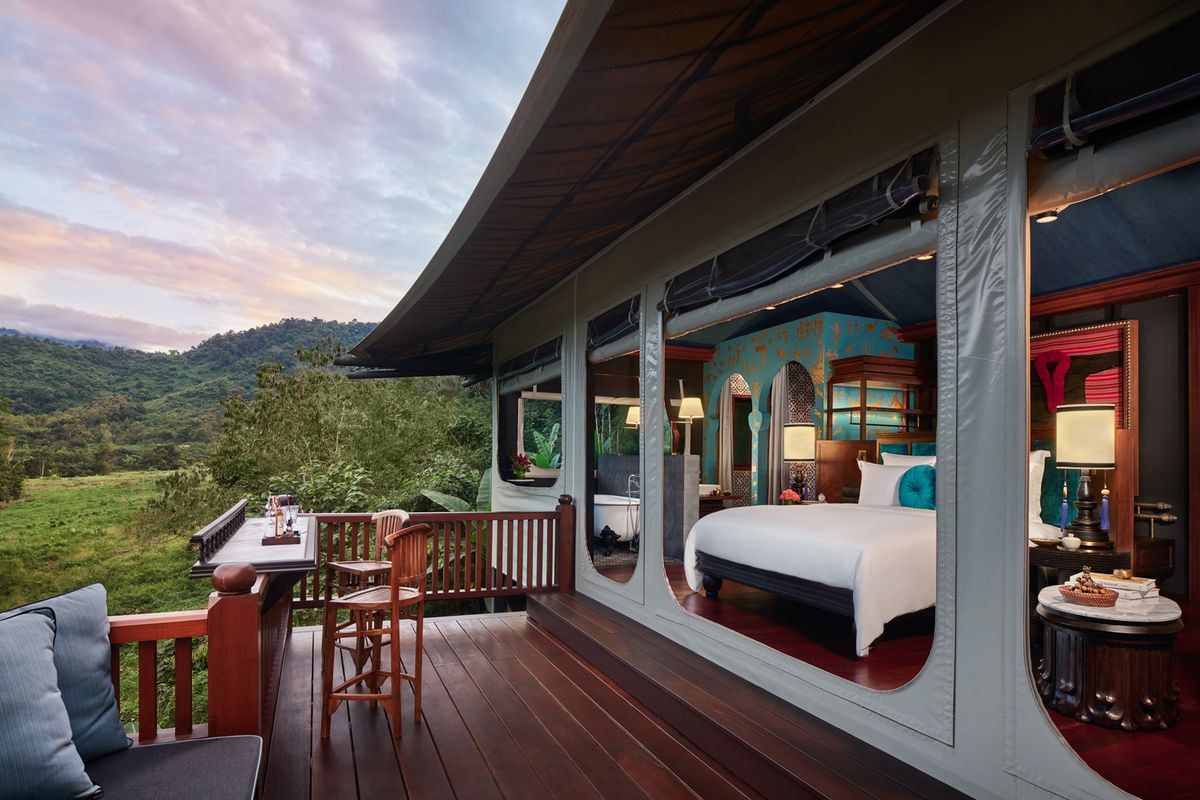
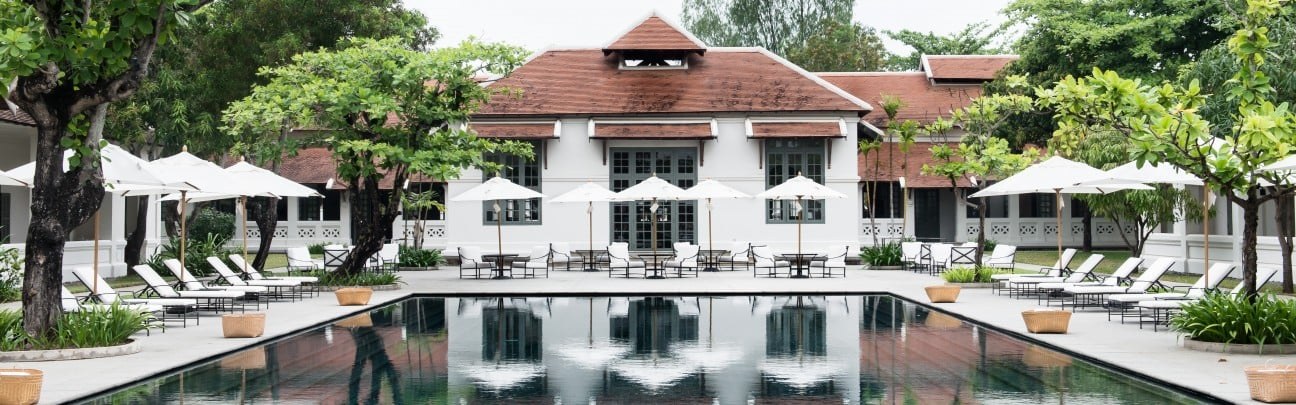
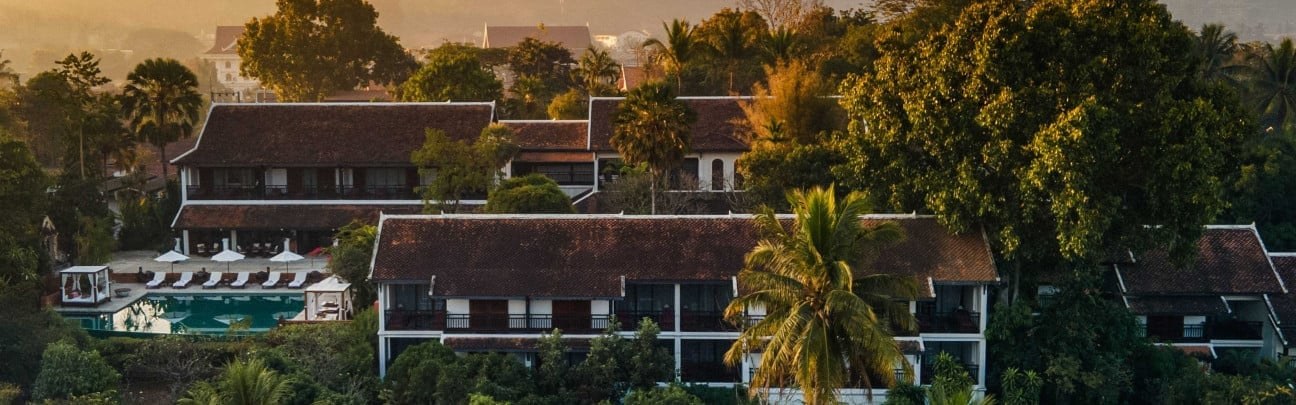
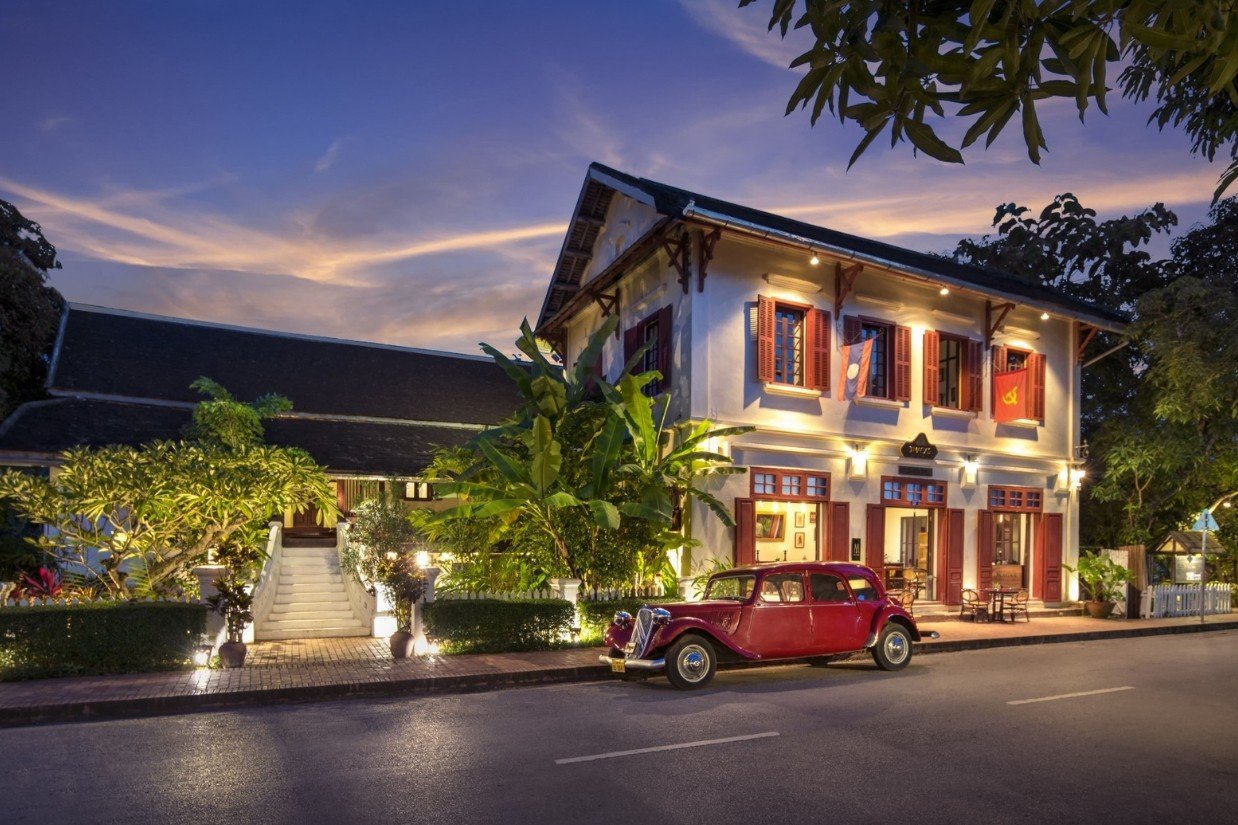
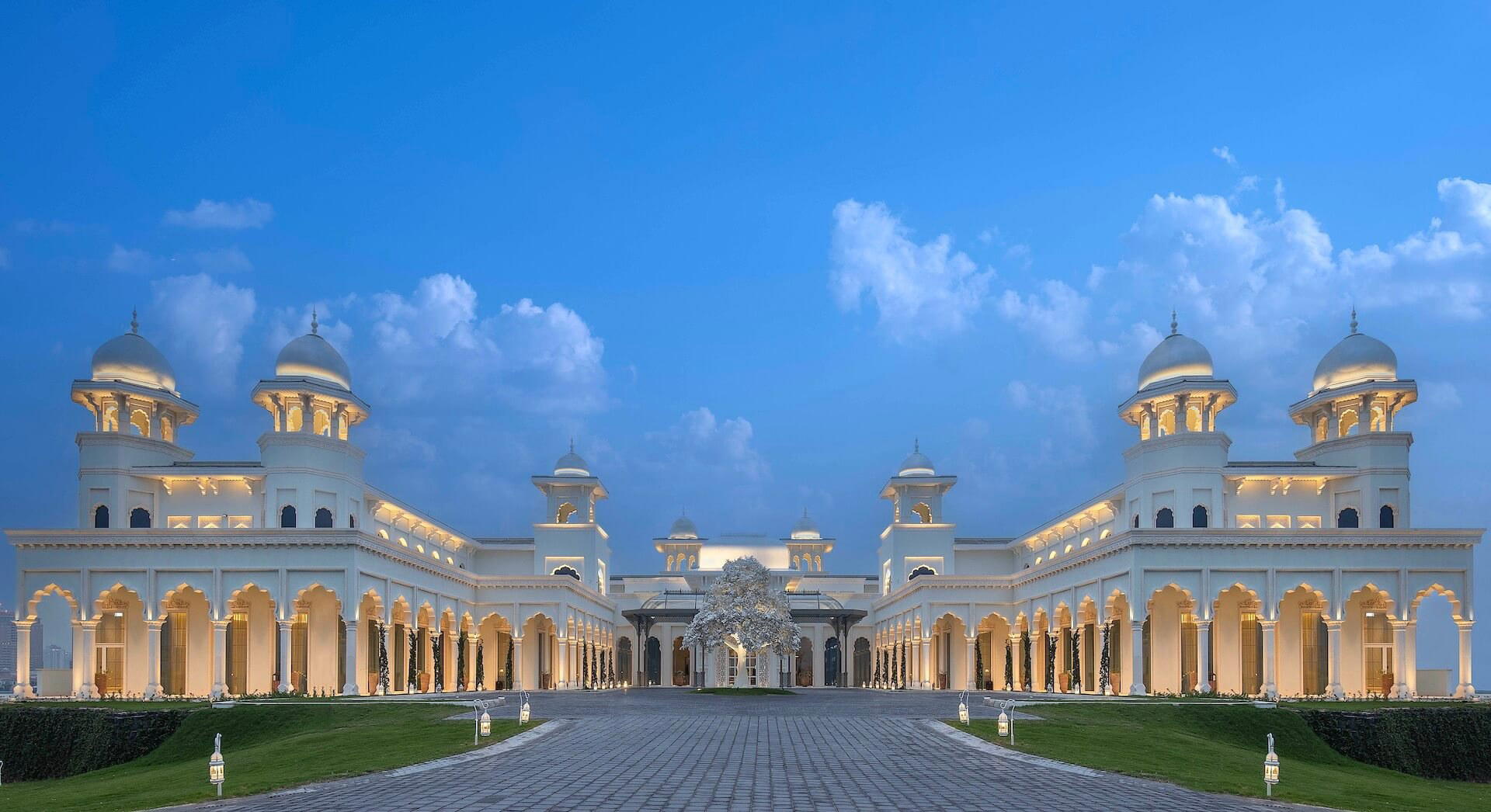
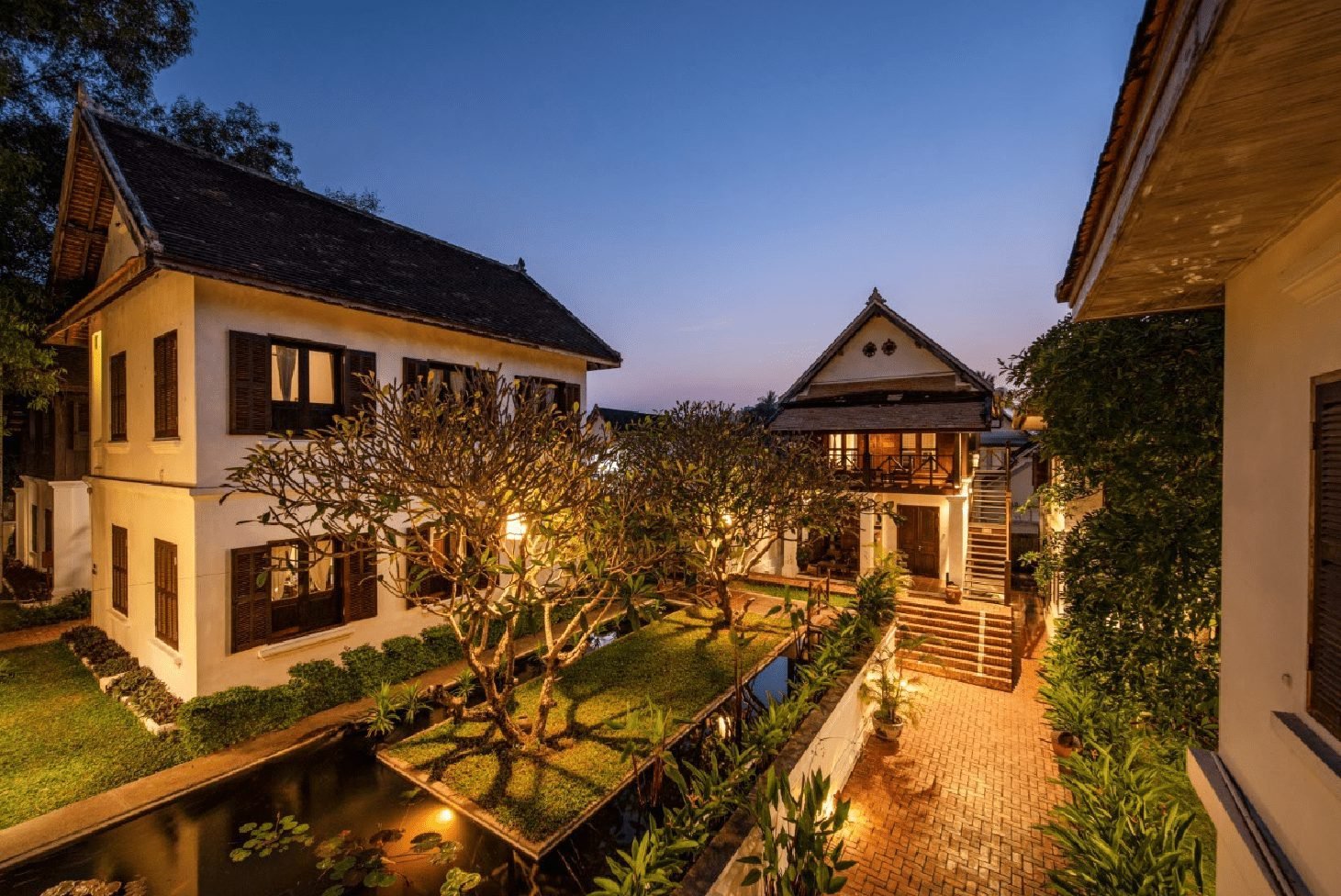
Victoria Xiengthong Palace reads like a compact chapter of Luang Prabang’s past: a small, building-driven hotel that foregrounds colonial and royal-era architecture within the UNESCO heritage peninsula. The arrival sequence — walking down low-rise streets lined with mango trees toward a restrained, historically resonant façade — creates a measured, intimate atmosphere. Guests experience the city and the property as contiguous moments rather than separate resort estates; the hotel’s scale and architectural provenance make the setting feel considered and quietly distinguished. The overall impression is one of an architectural jewel tucked into a tranquil, human-scaled streetscape.
Best For
This hotel suits travelers who prioritize heritage, proximity to major cultural sites and an immersive city stay over resort amenities. Its address on Kounxoau Road places it within walking distance of Wat Xieng Thong, making it a practical choice for visitors focused on temple visits and UNESCO-area exploration. The property is ideal for guests who want a smaller, locally rooted lodging experience that trades acreage for architectural authenticity and a quiet, pedestrian-friendly neighborhood. It appeals to those choosing the historic, in-town tier of Luang Prabang hotels rather than larger resort compounds farther from the temple precinct.
Stay Tips
Because Victoria Xiengthong Palace is described as a deliberately limited-footprint, heritage property inside the city’s compact peninsula, book well in advance to secure dates that align with temple visits or festival timing. Prioritise arrival times that allow a relaxed walk from Kounxoau Road so you can experience the street-level approach and surrounding low-rise streetscape; the property’s appeal is as much about location as room amenities. If walking access to Wat Xieng Thong is important to your itinerary, confirm proximity and directions with the hotel when reserving so you can plan sightseeing on foot.
Venue details
Ambiance
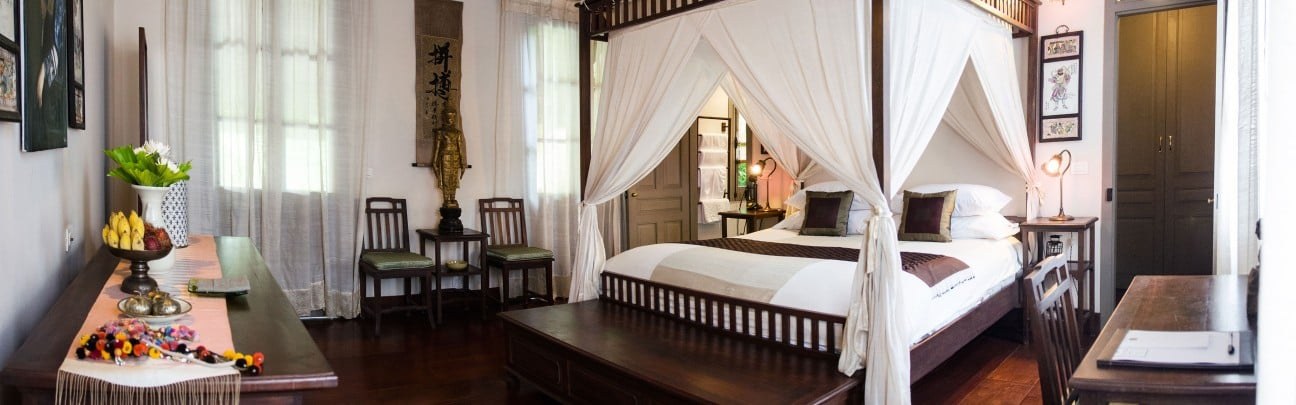
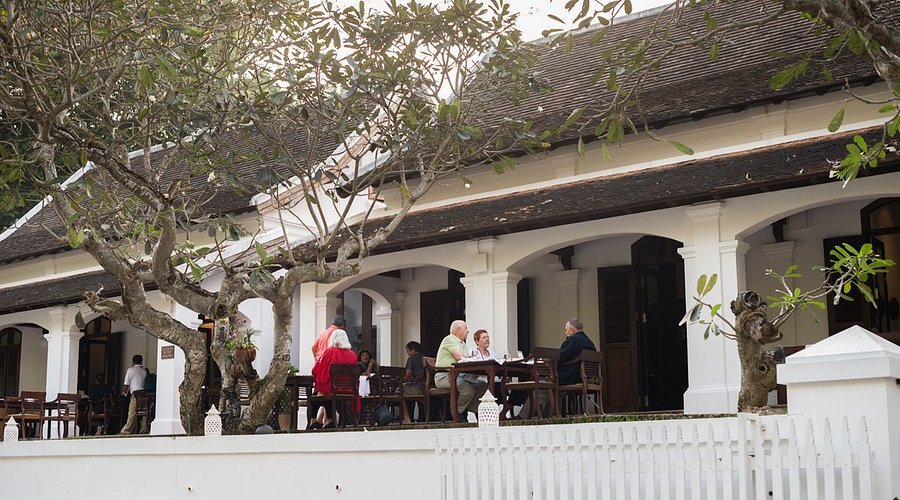
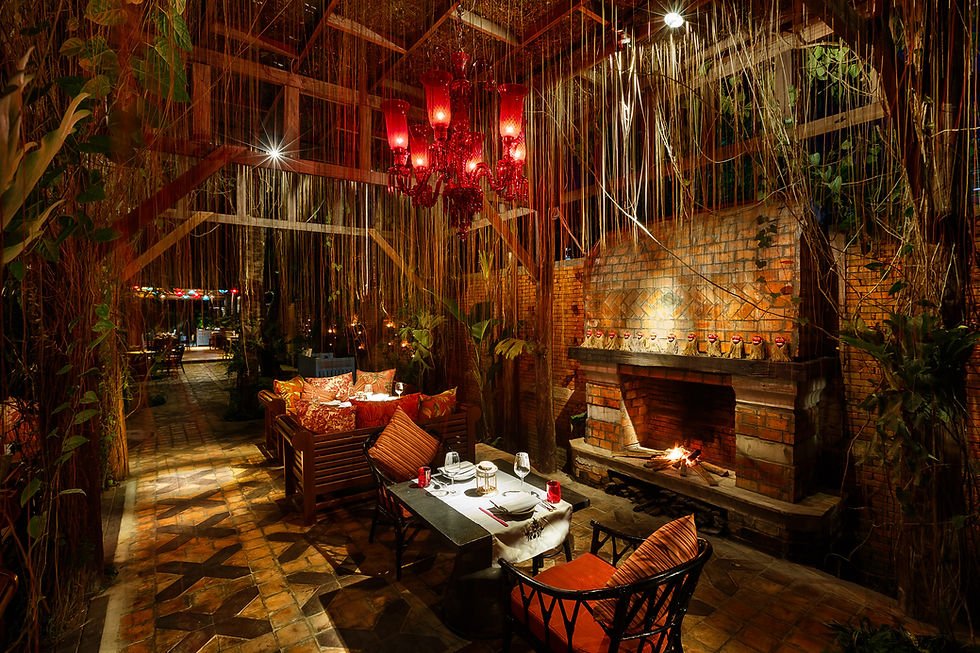
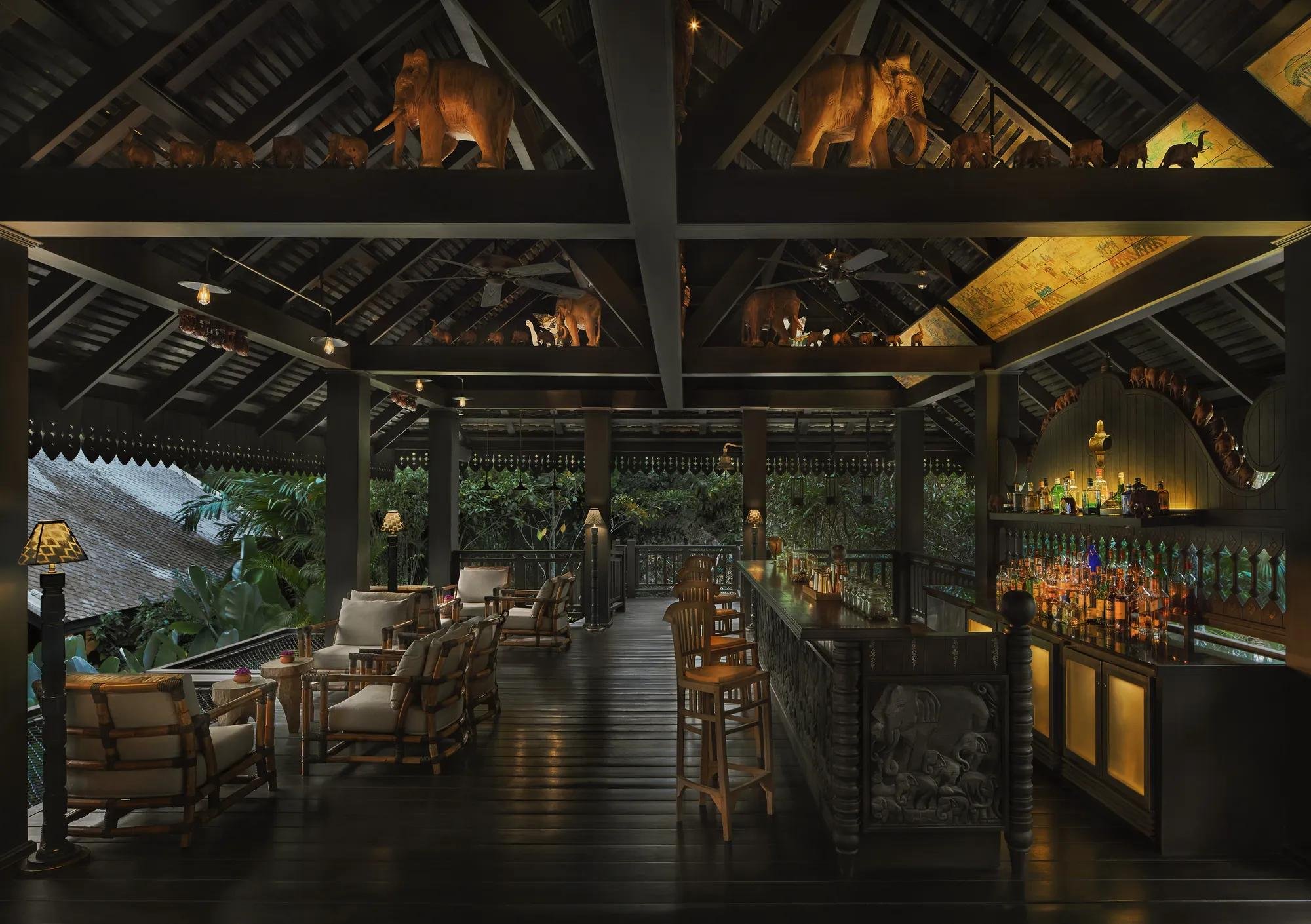
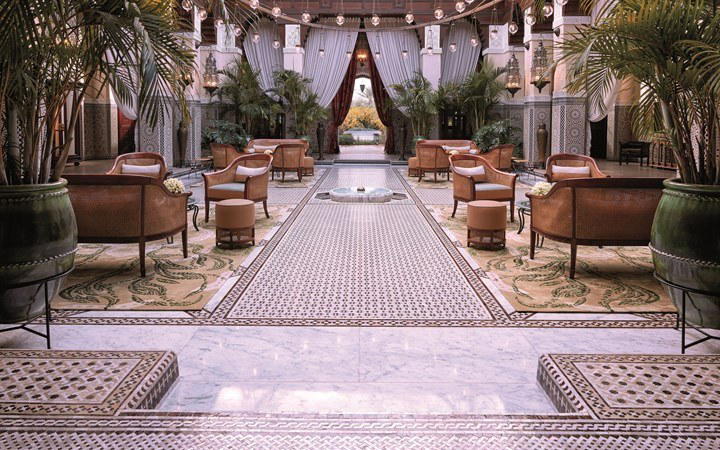
Warm, peaceful, and historically evocative with dark wood interiors and colonial-meets-Laotian design creating an intimate, serene atmosphere reminiscent of early 1900s elegance.
Tags
Vibe
Best For
Experience
Amenities
View
About the Stay
- Rooms
- 27
- Check-in
- 14:00
- Check-out
- 12:00
- Property Style
- Heritage Boutique Hotel with Royal Provenance, Emphasizing Cultural Authenticity and Historical Significance.
- Design Style
- Colonial Laotian Fusion with Traditional Rosewood Furniture, Handcrafted Local Textiles, and Dark Wood Interiors Evoking Early 1900s Indochina Elegance.
Know before you go
Know Before You Go
- Getting there
- Kounxoau Rd, Ban Phonehueng 01160, Laos
Planning details
Location
Kounxoau Rd, Ban Phonehueng 01160, Laos · Directions
Recognition and awards

Also consider
If you cannot book here
Try Burasari Heritage first if the appeal is heritage atmosphere in Luang Prabang. For a more brand-led stay, 3 Nagas Hotel Luang Prabang - MGallery Collection is the cleaner fallback.
Hotel context
How it compares in Luang Prabang
Victoria Xiengthong Palace is the heritage-first pick for travelers who want an old-town base with a quieter mood. Amantaka is the stronger choice if budget is less sensitive and the priority is a more polished luxury stay. Burasari Heritage sits closer to the same heritage-hotel lane, so compare those two if atmosphere and location matter more than facilities.
3 Nagas Hotel Luang Prabang - MGallery Collection is the safer cross-shop for travelers who prefer a branded collection hotel, while Victoria Xiengthong Palace makes more sense for those who want the heritage signal to be the main reason for booking. Villa Maydou Boutique Hotel and MyBanLao Hotel are better checks if the decision is value-led and flexible on exact mood.
Booking difficulty is likely easier here than at the city's highest-demand luxury names, but the sharper decision is fit: choose Victoria Xiengthong Palace for heritage atmosphere, Amantaka for a higher-luxury stay, and 3 Nagas if brand familiarity matters.
Explore Luang Prabang
Around this place
Discover more on Pearl
Unlock the full Victoria Xiengthong Palace guide in Pearl, including awards, comparisons, FAQs, planning details, and nearby places.
Compare Victoria Xiengthong Palace
| Venue | Location | Awards |
|---|---|---|
| Victoria Xiengthong Palace | Luang Prabang | World Travel Awards 2025 |
| Burasari Heritage | Louangphrabang | No published awards |
| 3 Nagas Hotel Luang Prabang - MGallery Collection | Louangphrabang | No published awards |
| Villa Maydou Boutique Hotel | Louangphrabang | No published awards |
| Amantaka | Luang Prabang | 2026 Virtuoso Luxury Hotel Collection2026 Forbes Recommended2026 Mr & Mrs Smith Luxury Hotels2026 Michelin 1 Key2025 Michelin 1 KeyAman Hotels |
| MyBanLao Hotel | Louangphrabang | No published awards |





How Victoria Xiengthong Palace Luang Prabang Review compares with similar nearby venues.
FAQ
Frequently Asked Questions
How is the location of Victoria Xiengthong Palace?
Do loyalty programs work at Victoria Xiengthong Palace?
For loyalty-program participation, check with the hotel directly. Its key recognition is its World Travel Awards 2025 title as Laos' Leading Heritage Hotel.
How does Victoria Xiengthong Palace compare to other Luang Prabang hotels?
Compare Victoria Xiengthong Palace with Amantaka, 3 Nagas Hotel Luang Prabang - MGallery Collection, Burasari Heritage, Villa Maydou Boutique Hotel, and MyBanLao Hotel when choosing among Luang Prabang stays. A key distinction for Victoria Xiengthong Palace is its World Travel Awards 2025 recognition as Laos' Leading Heritage Hotel.