

The Namkhan
Ban Donkeo, Luang Prabang
Hotel in Luang Prabang, Laos
 Book with Pearl
The Read
Confluence-Sited Seclusion
Why go
The Namkhan is worth considering for a quieter Luang Prabang stay, especially for families or first-timers who want downtime built into the trip. Its Small Luxury Hotels of the World membership and MICHELIN Guide hotel selection are useful trust signals, but the main decision is location: choose it for calm and space, not for instant old-town access.
About The Namkhan
The Namkhan is a hotel in Luang Prabang with two clear recognition signals for 2025: membership in Small Luxury Hotels of the World and selection in the MICHELIN Guide hotel list. Beyond those points, travellers should check current hotel details directly before relying on specifics such as facilities, room types, dining, transfers, or on-site services.
For a Luang Prabang stay, the practical question is whether The Namkhan matches the pace and logistics of your trip. Compare it with other named hotel options in the city only on details relevant to your dates, such as availability, room category, location preference, and current inclusions.
A Luang Prabang hotel with 2025 recognition
The Namkhan's 2025 recognition includes its listing as a Small Luxury Hotels of the World member and its appearance in the MICHELIN Guide hotel selection. These are useful quality signals, but they should not be stretched into assumptions about service style, amenities, dining, or suitability for a particular traveller type.
If you are comparing The Namkhan with other Luang Prabang stays such as 3 Nagas Hotel Luang Prabang - MGallery Collection, Amantaka, Burasari Heritage, Victoria Xiengthong Palace, or Villa Maydou Boutique Hotel, keep the comparison grounded in current booking information rather than inferred positioning.
Quick reference: a Luang Prabang hotel with 2025 Small Luxury Hotels of the World membership and MICHELIN Guide hotel selection.
Planning details
- Location
- BanDonKeo Village, Luang Prabang 06000
- Website
- thenamkhan.com
- Phone
- +856 30 99 97 327
The take
The Take
The Vibe
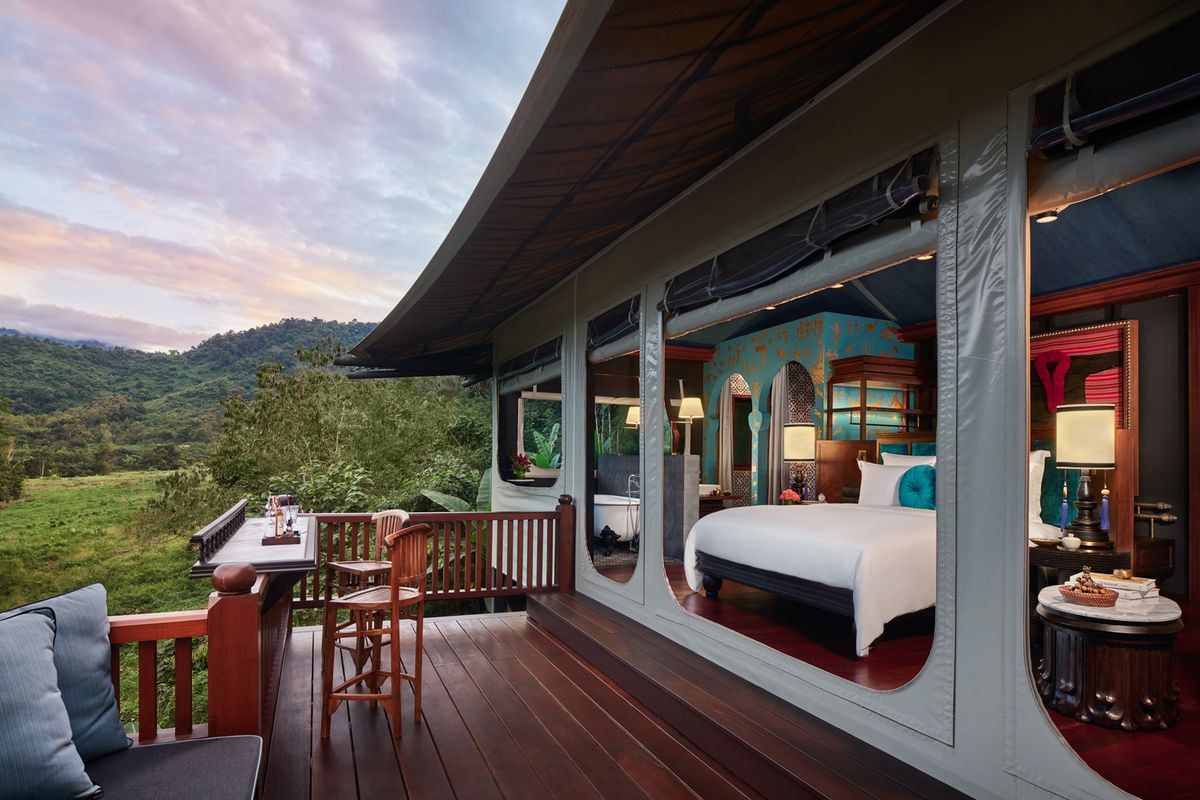
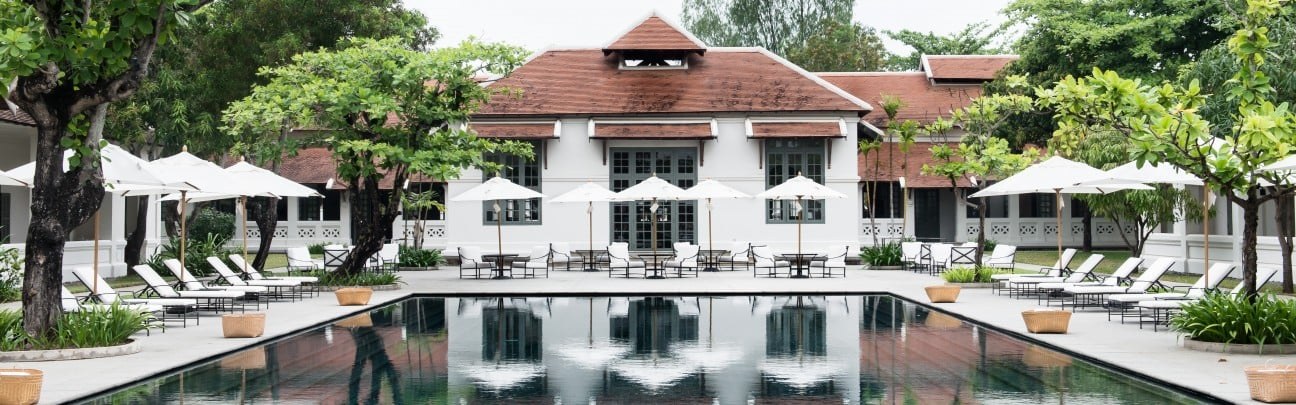
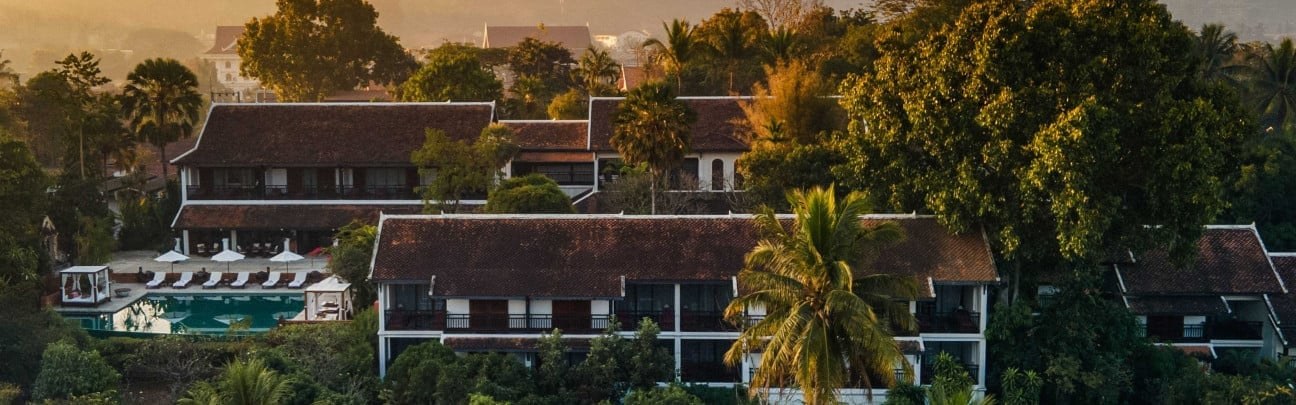
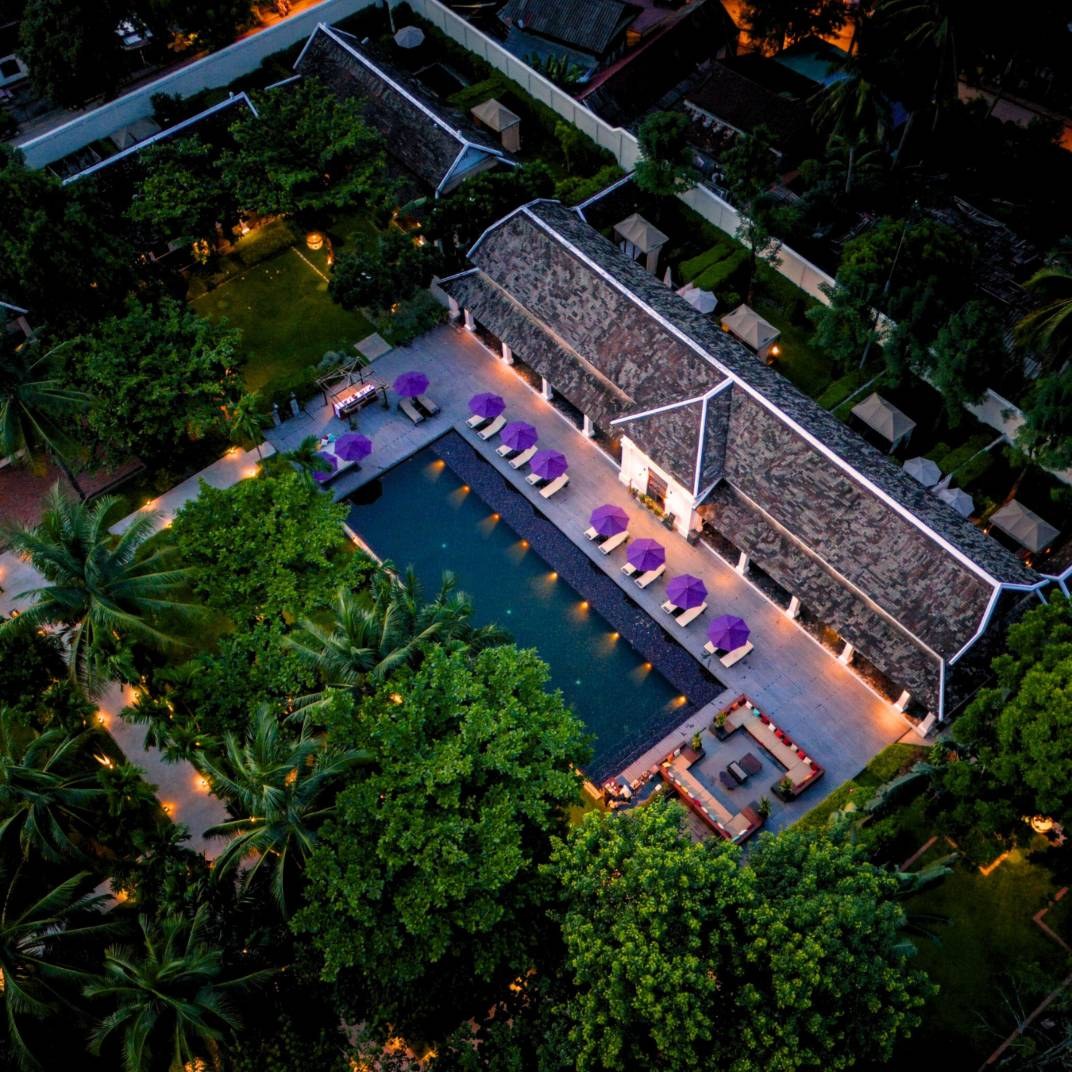
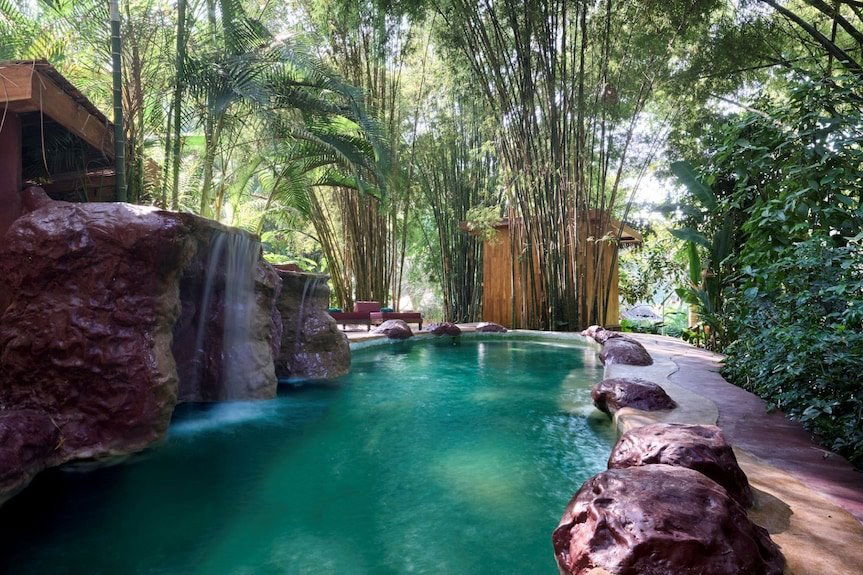
The Namkhan presents a quietly refined riverside retreat that emphasizes seclusion and the surrounding landscape. Set where the Nam Khan threads into Luang Prabang's valley, the property leans into its natural setting — jungle-covered hills, riverside gardens and the nearby confluence with the Mekong — rather than theatrical luxury. The tone feels intimate and serene: it’s the kind of place that reads as an unforced escape from the town’s heritage peninsula, offering a low-key, charming experience for guests who prefer relaxation and proximity to nature over city-center spectacle.
Best For
The Namkhan suits travelers seeking a calm riverside base for experiencing Luang Prabang and the surrounding countryside. It is well matched to romantic getaways and honeymoons that prize privacy, wellness-oriented stays that value tranquility, and family vacations that appreciate a quieter setting outside the busy heritage peninsula. Photographers and cultural visitors also benefit from its proximity to the city’s temples and the evocative dawn alms procession, while still having easy access to nature and riverside scenery a short distance from the property.
Stay Tips
Plan visits with the seasonal rhythm in mind: the description highlights the dry season (roughly November through April) as the period when the Nam Khan runs low and copper-coloured and when Luang Prabang draws its peak international traffic. Because the hotel sits a few kilometres along the river’s bank and near the confluence with the Mekong, allow time to reach the heritage peninsula for sunrise rituals and city excursions. Bookings during the dry-season high months should be made well in advance to secure preferred dates.
Venue details
Ambiance
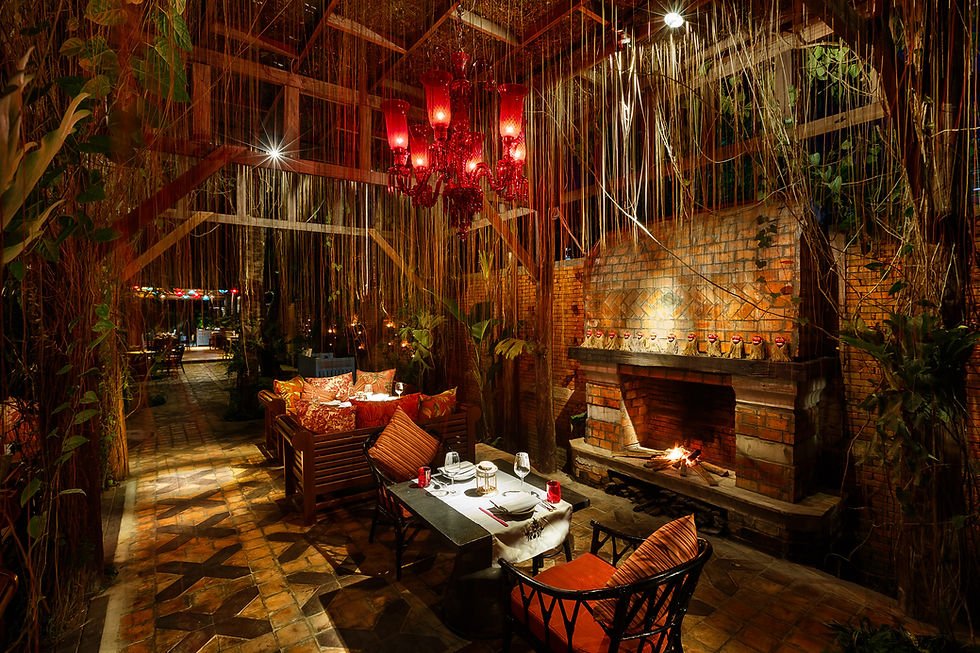
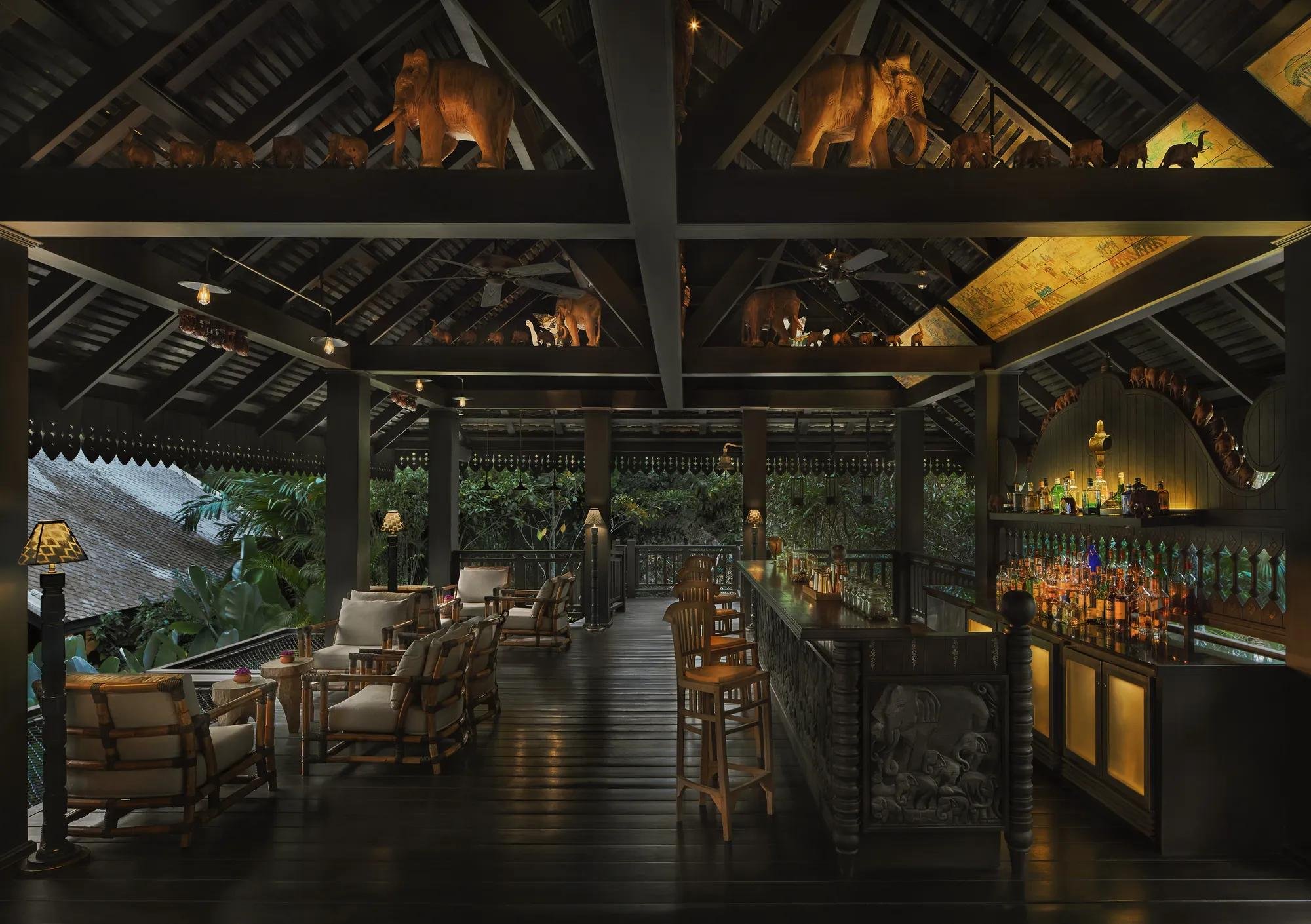
Serene and tranquil with natural jungle sounds, soft lighting in bamboo and teak accommodations, and relaxing riverside atmosphere.
Tags
Vibe
Best For
Experience
Amenities
View
Accessibility
About the Stay
- Rooms
- 24
- Check-in
- 14:00
- Check-out
- 11:30
- Property Style
- Eco Luxury Wellness Sanctuary Blending Traditional Laotian Elements with Modern Comforts
- Design Style
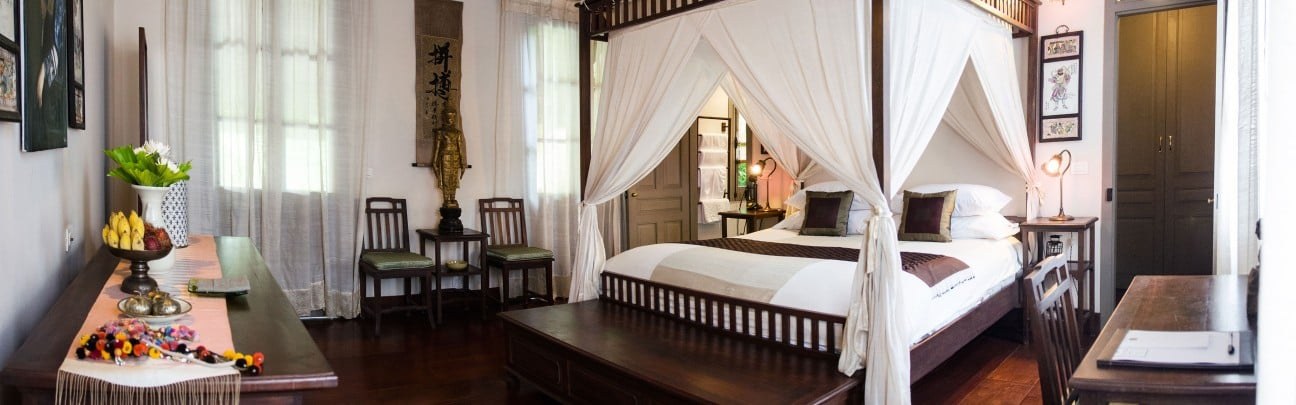
- Rustic Bamboo and Teak with Contemporary Furnishings and Local Artisan Crafts
Know before you go
Know Before You Go
- Getting there
- BanDonKeo Village, Luang Prabang 06000
Planning details
Location
Recognition and awards

Also consider
Also Consider
- Burasari Heritage, Notable alternative
- Victoria Xiengthong Palace, Notable alternative
- 3 Nagas Hotel Luang Prabang - MGallery Collection, Notable alternative
- Villa Maydou Boutique Hotel, Notable alternative
- Amantaka, Notable alternative
Hotel context
How The Namkhan compares in Luang Prabang
Choose The Namkhan if the trip needs a calmer base and the hotel is part of the experience, not just a bed near the night market. Victoria Xiengthong Palace is the better fit for travellers who want a more central heritage stay, while Burasari Heritage is easier to justify for guests prioritising old-town atmosphere over extra breathing room.
For a higher-spend, polished Luang Prabang stay, Amantaka is the obvious cross-shop; pick it when budget is secondary and service depth matters. 3 Nagas Hotel Luang Prabang - MGallery Collection is a stronger choice for travellers who want a compact, historic-feeling base in town, while Villa Maydou Boutique Hotel suits guests looking for a softer boutique stay with less emphasis on luxury positioning.
Booking difficulty is likely to feel easier here than at Luang Prabang's headline luxury properties, but compare live rates before choosing. If travelling with children, The Namkhan has the clearer logic; if the priority is walking access and a more urban rhythm, Victoria Xiengthong Palace or 3 Nagas will be simpler.
Explore Luang Prabang
Around this place
Discover more on Pearl
Unlock the full The Namkhan guide in Pearl, including awards, comparisons, FAQs, planning details, and nearby places.
Compare The Namkhan
| Venue | Location | Awards |
|---|---|---|
| The Namkhan | Luang Prabang | 2025 Michelin Selected HotelsSmall Luxury Hotels Member 2025 |
| Burasari Heritage | Louangphrabang | No published awards |
| Victoria Xiengthong Palace | Luang Prabang | No published awards |
| 3 Nagas Hotel Luang Prabang - MGallery Collection | Louangphrabang | No published awards |
| Villa Maydou Boutique Hotel | Louangphrabang | No published awards |
| Amantaka | Luang Prabang | 2026 Virtuoso Luxury Hotel Collection2026 Forbes Recommended2026 Mr & Mrs Smith Luxury Hotels2025 Michelin 1 KeyAman Hotels |




How The Namkhan Luang Prabang compares with similar nearby venues.
FAQ
Frequently Asked Questions
Do loyalty programs work at The Namkhan?
The Namkhan's recognition includes its Small Luxury Hotels of the World membership and 2025 MICHELIN Guide Hotels Selected status. Check the current booking channel directly for any points, benefits, or partner-program details before reserving.
How does The Namkhan compare to nearby hotels?
The Namkhan can be compared with other Luang Prabang hotel options such as Burasari Heritage, 3 Nagas Hotel Luang Prabang - MGallery Collection, Amantaka, Victoria Xiengthong Palace, and Villa Maydou Boutique Hotel. Use current details, including availability, location preference, room category, and included services, rather than assumed differences.
Is The Namkhan family-friendly?
Family-specific facilities or policies should be confirmed directly with the hotel. If you are travelling with children or a multigenerational group, confirm room configurations, extra-bed policies, activities, meals, and transport directly with The Namkhan before booking.
When is the best time to book The Namkhan?
The Namkhan has 2025 Small Luxury Hotels of the World membership and MICHELIN Guide hotel selection, so check availability directly if you have fixed Luang Prabang dates. For exact timing, rely on current rates and cancellation terms from the hotel or your booking channel.
What is check-in like at The Namkhan?
Specific check-in procedures should be confirmed directly with the hotel. Travellers should confirm arrival time, transfer options, and any check-in requirements directly with The Namkhan before travel.