

Hotel in Los Angeles, United States
The Hollywood Roosevelt
425Pearl PointsHollywood Base


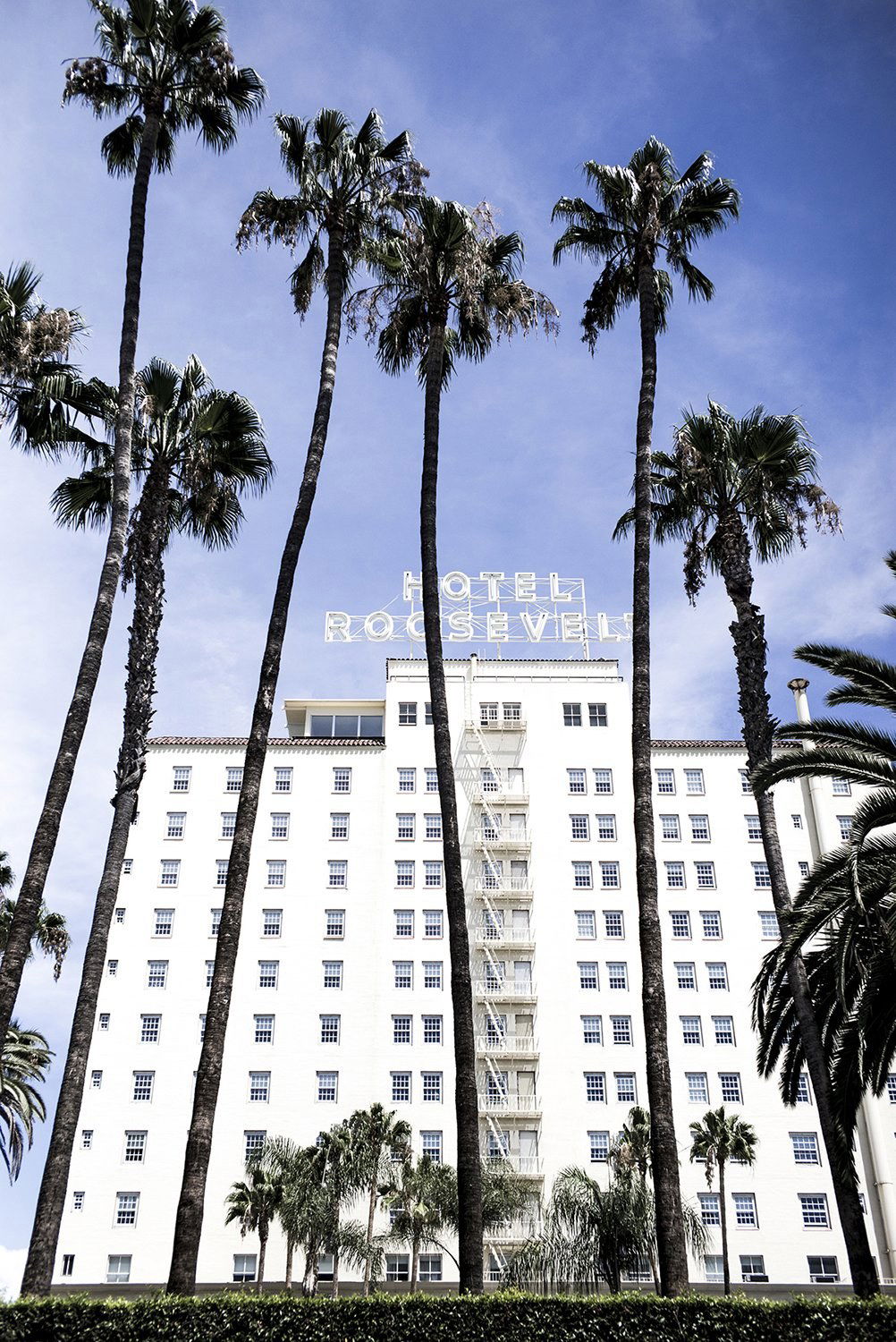
About The Hollywood Roosevelt
A Hollywood Boulevard stay that makes sense when the address and visual character are part of the trip. Book The Hollywood Roosevelt for celebration weekends, date stays, or Hollywood-centered business travel; choose a suite only if extra space will actually be used. MICHELIN Guide hotel selection and Preferred Hotels membership add credibility.
The Hollywood Roosevelt is a Los Angeles hotel where the verified facts are relatively limited, so the safest read is direct: consider it if you want this specific property and a smart-casual setting in Los Angeles, then confirm any room, amenity, dining, and arrival details directly before booking. The strongest confirmed signals are recognition rather than granular service claims: The Hollywood Roosevelt is listed as a Preferred Hotels Member for 2025 and appears in the MICHELIN Guide hotel selection for 2025.
Book it if those credentials, the Los Angeles setting, and the identity of the hotel fit the trip. If you are still comparing hotel styles, you can also look at Our full Los Angeles hotels guide and cross-check options such as Dream Hollywood, Mama Shelter Los Angeles Hollywood, The Aster, The Prospect Hollywood, and W Hollywood.
Room-category decisions should be based on current booking details
Room-category advice should be handled carefully because verified pricing, room sizes, and category-by-category details are not available here. The practical approach is to decide how much time you expect to spend in the room, then compare the current room descriptions and rates on the booking channel before committing.
The confirmed trust signal is stronger than a vague nostalgia pitch: The Hollywood Roosevelt is a Preferred Hotels Member and was selected in the MICHELIN Guide hotel selection for 2025. That does not prove that every room category will suit every traveler, but it does support placing the property on a serious Los Angeles hotel shortlist.
Los Angeles is the reason to choose it, not a side detail
The location should be understood simply as Los Angeles. If the trip is built around staying at The Hollywood Roosevelt specifically, that may be enough of a reason to prioritize it. If your plans depend on the city more broadly, compare travel times and practical fit before booking rather than relying on the hotel name alone.
Because verified details are limited, treat dining specifics, wellness amenities, check-in timing, and room-category differences as items to confirm before arrival. The clearest grounded case for booking is the combination of the property itself, its Los Angeles setting, smart-casual dress code, and its confirmed 2025 recognition from Preferred Hotels and the MICHELIN Guide hotel selection.
Frequently Asked Questions
How is the location of The Hollywood Roosevelt?
The verified location information should be stated simply as Los Angeles. If your trip depends on a very specific part of the city, confirm travel times and logistics before booking.
When is the best time to book The Hollywood Roosevelt?
Verified booking-window guidance is not available here. If room category, date, or rate matters, compare current availability and terms directly before committing.
Which room category is best at The Hollywood Roosevelt?
Verified room-category details are not available here. Choose based on the current room descriptions, rates, and cancellation terms shown at the time of booking.
How is the pool and spa at The Hollywood Roosevelt?
Verified pool and spa details are not available here. If those amenities are important to the stay, confirm the current offering directly with the hotel before booking.
Do membership programs work at The Hollywood Roosevelt?
The confirmed membership-related fact is that The Hollywood Roosevelt is a Preferred Hotels Member for 2025. Check the current booking channel for any rate, benefit, or membership terms that may apply.
How is the dining at The Hollywood Roosevelt?
Verified dining details are not available here. If meals are a major part of the trip, confirm current on-site options and compare with other dining in Los Angeles before booking.
What is check-in like at The Hollywood Roosevelt?
Verified check-in details are not available here. Confirm current arrival times, policies, and any special requests directly with the hotel before your stay.
Location
7000 Hollywood Blvd, Los Angeles, CA 90028
Los Angeles, United States
Compare The Hollywood Roosevelt
| Venue | Awards | Booking Difficulty |
|---|---|---|
| The Hollywood Roosevelt | Preferred Hotels Member (2025); MICHELIN Guide, Hotels Selected (2025) | Easy |
| The Prospect Hollywood | Unknown | |
| Mama Shelter Los Angeles Hollywood | Unknown | |
| Dream Hollywood | Unknown | |
| The Aster | Unknown | |
| W Hollywood | Unknown |
Key differences to consider before you reserve.
Also Consider
- The Prospect Hollywood, Notable alternative
- Mama Shelter Los Angeles Hollywood, Notable alternative
- Dream Hollywood, Notable alternative
- The Aster, Notable alternative
- W Hollywood, Notable alternative
How It Compares
Choose The Hollywood Roosevelt over Mama Shelter Los Angeles Hollywood if the stay needs a more established hotel feel and a stronger sense of Hollywood occasion. Mama Shelter is the easier casual pick for travelers prioritizing a lighter, social atmosphere, while The Hollywood Roosevelt is better suited to anniversaries, date weekends, and guests who want the hotel itself to carry some of the trip.
The Prospect Hollywood is the better cross-shop for a quieter, more residential-feeling Hollywood stay. Dream Hollywood and W Hollywood skew more nightlife-forward, so pick them when the trip is built around late nights and a higher-energy scene. The Hollywood Roosevelt is the more balanced choice when the booking needs heritage, location, and celebration value without making the entire stay feel club-driven.
The Aster is the sharper alternative for travelers who want a members-club style atmosphere and a more contemporary Hollywood base. The Hollywood Roosevelt is easier to recommend for first-time Hollywood stays and guests who want a recognizable address; The Aster is the smarter move when privacy and a more current social feel matter more than landmark appeal.
Recognized By


Explore Los Angeles
Save or rate The Hollywood Roosevelt on Pearl
Keep this venue in your Pearl passport, rate it after you visit, and track it alongside every other place you collect.