
The Prospect Hollywood
Yucca Corridor, Los Angeles
Hotel in Los Angeles, United States
 Book with Pearl
The Read
Hollywood Regency Revivalism
Why go
The Prospect Hollywood is worth booking if you want a quieter, design-led Hollywood base with credible hotel recognition and less of a scene than the larger nearby properties. Do not choose it for destination dining alone; use it as a polished stay and plan key meals elsewhere in Los Angeles.
About The Prospect Hollywood
The Prospect Hollywood is a Los Angeles stay with a smart casual dress code and two notable recognition points: Michelin 1 Key in 2024 and a Mr & Mrs Smith Seal of Approval in 2026. Use it as a hotel choice to evaluate on fit, style, and trip needs, and use Our full Los Angeles restaurants guide separately for meal planning.
A Los Angeles stay with recognition
The clearest case for The Prospect Hollywood is its third-party recognition: Michelin 1 Key in 2024 and a Mr & Mrs Smith Seal of Approval in 2026. Those are useful trust signals for travelers comparing premium Los Angeles hotels.
For comparison shopping, Dream Hollywood, W Hollywood, The Hollywood Roosevelt, Mama Shelter Los Angeles Hollywood, and The Aster are natural names to consider depending on the kind of Los Angeles stay you want. The Prospect Hollywood is best evaluated on its recognition and overall fit rather than on promises about a particular restaurant, bar, or amenity mix.
Dining should be planned separately
If meals are a major part of the trip, plan them separately through Our full Los Angeles restaurants guide, with drinks research through Our full Los Angeles bars guide.
That does not make the hotel a poor choice; it simply means it is best judged as a Los Angeles stay rather than as a restaurant-led booking. Travelers comparing it with Mama Shelter Los Angeles Hollywood, Dream Hollywood, The Aster, W Hollywood, or The Hollywood Roosevelt should confirm current hotel and dining details directly before booking.
Who should choose it, and who should cross-shop
Choose The Prospect Hollywood if its Los Angeles location, smart casual dress code, Michelin 1 Key recognition, and Mr & Mrs Smith Seal of Approval fit the kind of stay you want. Cross-shop if your decision depends on specifics such as a named room category, a particular restaurant concept, a bar program, pool scene, late-night atmosphere, or detailed service format. For a broader Los Angeles hotel search, compare it against Our full Los Angeles hotels guide and confirm current details directly with each property.
Planning details
- Location
- 1850 N Cherokee Ave, Los Angeles, CA 90028
- Website
- theprospecthollywood.com
- Phone
- +1 310-299-5222
The take
The Take
The Vibe
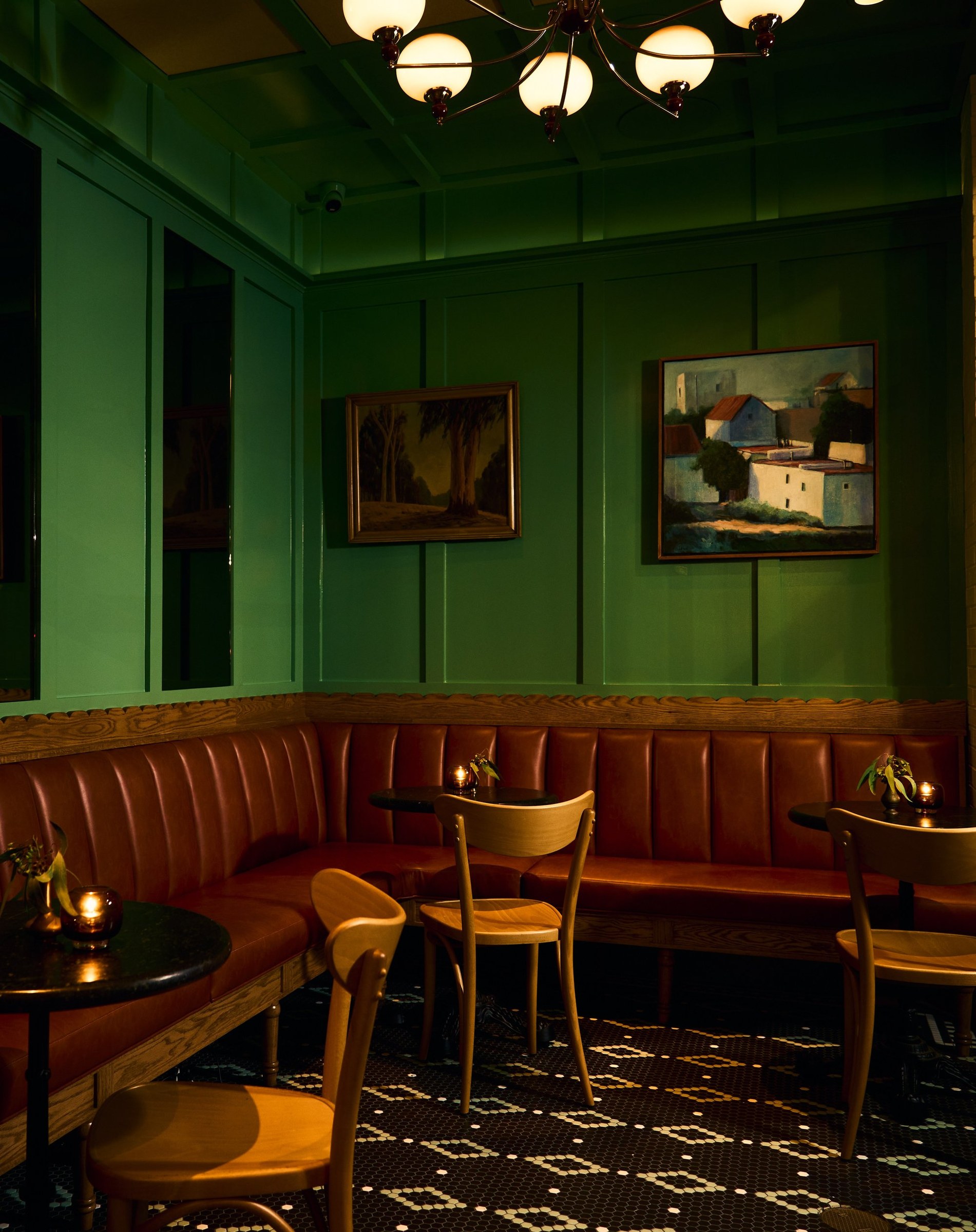
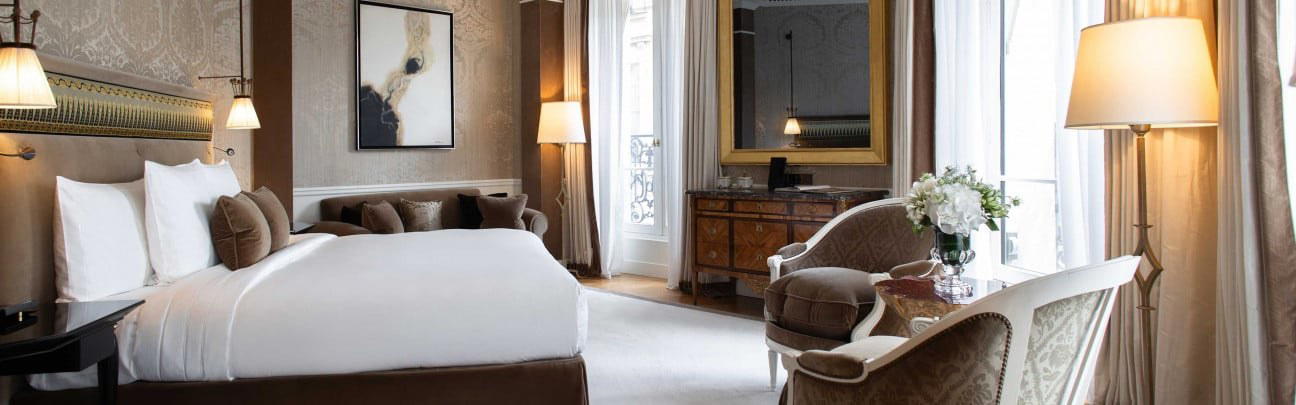
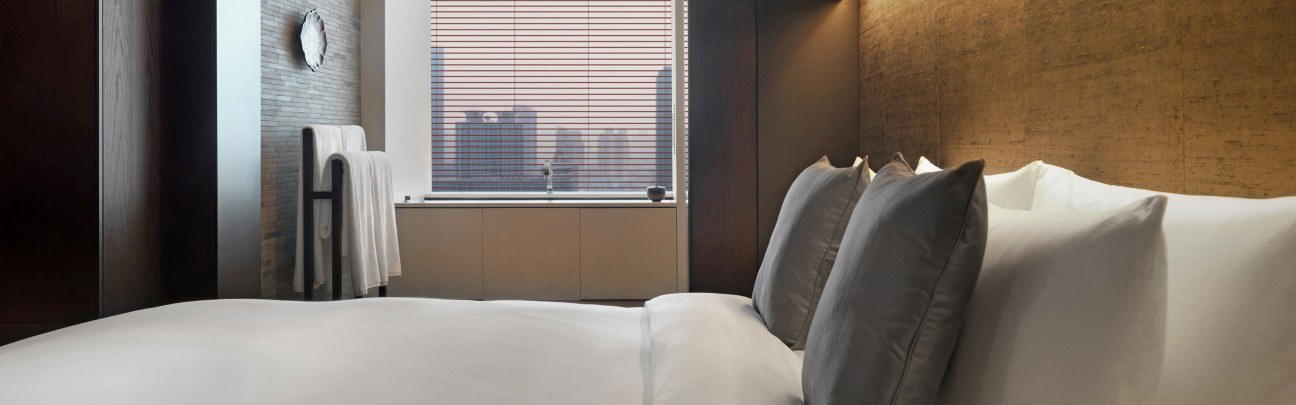
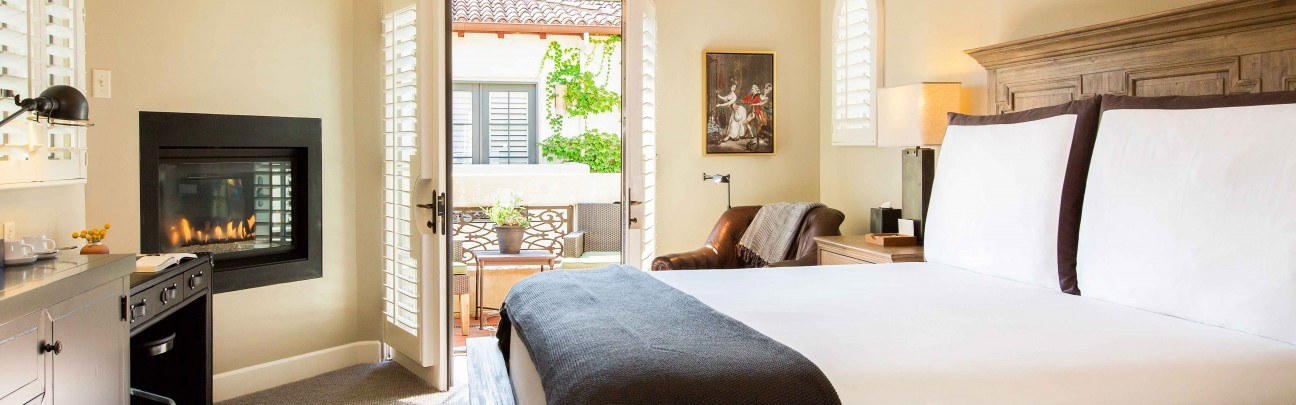
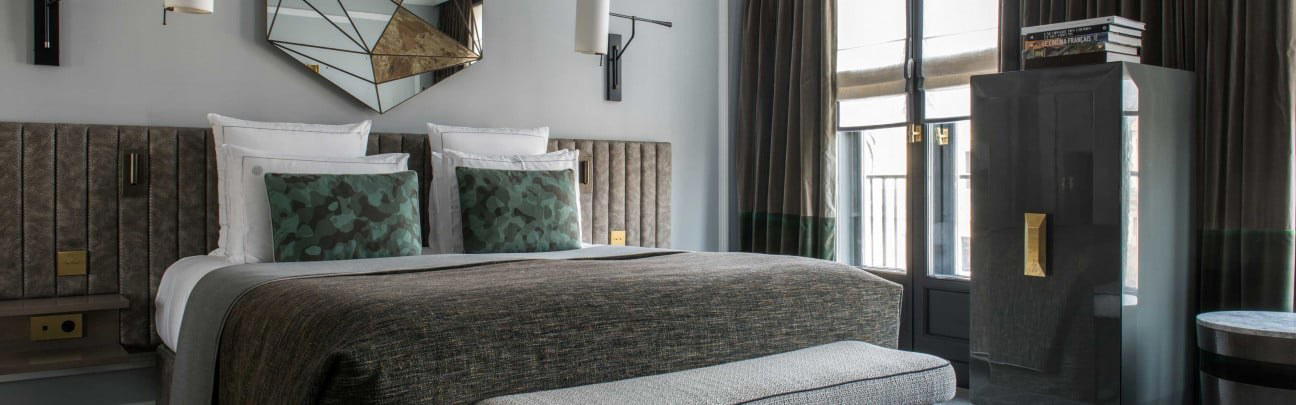
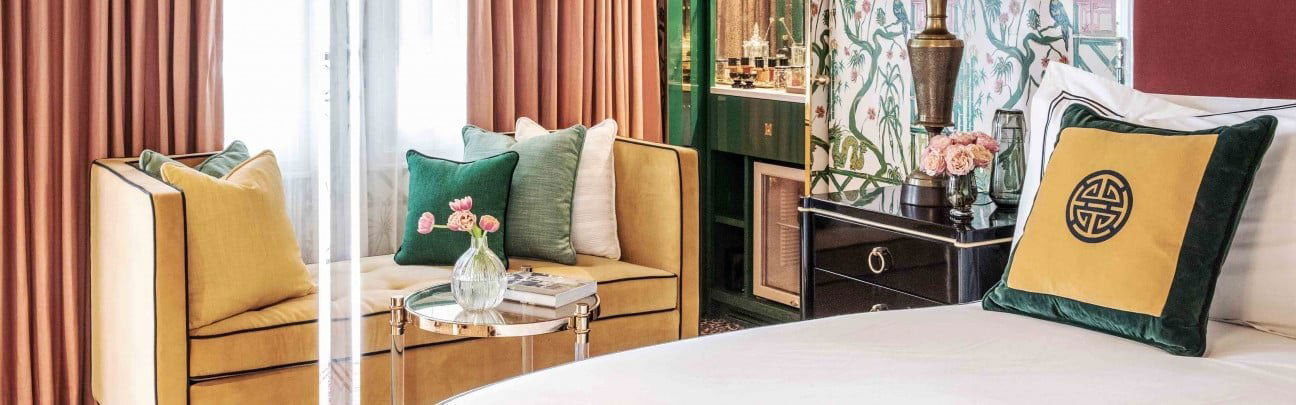
The Prospect Hollywood reimagines a 1939 Hollywood Regency building with a boldly contemporary sensibility. Designer Martyn Lawrence Bullard celebrates the property's architectural bones without freezing them in time, layering ultra-saturated colors, bold graphics and tactile surfaces over original structure. The result reads as a confident, design-forward boutique hotel that resists nostalgic pastiche and minimalist default, instead offering a visually rich, interpretive take on mid‑century glamour. It feels intentional rather than retro, a place where historic architecture and modern theatricality coexist to create an assertion of style uncommon among Los Angeles boutique properties.
Best For
The Prospect is best for travelers who prize design and architectural narrative in a hotel stay: people seeking a boutique alternative to larger legacy Los Angeles properties. Its rescue-and-reimagine ethos appeals to guests who appreciate historic character presented through a contemporary lens, making it well suited to romantic getaways and short weekend escapes. The property is aimed at visitors who want a visually arresting, thoughtfully composed environment rather than a period-accurate museum or a minimalist box—an experience-minded stay for design-conscious travelers exploring Hollywood.
Venue details
Ambiance
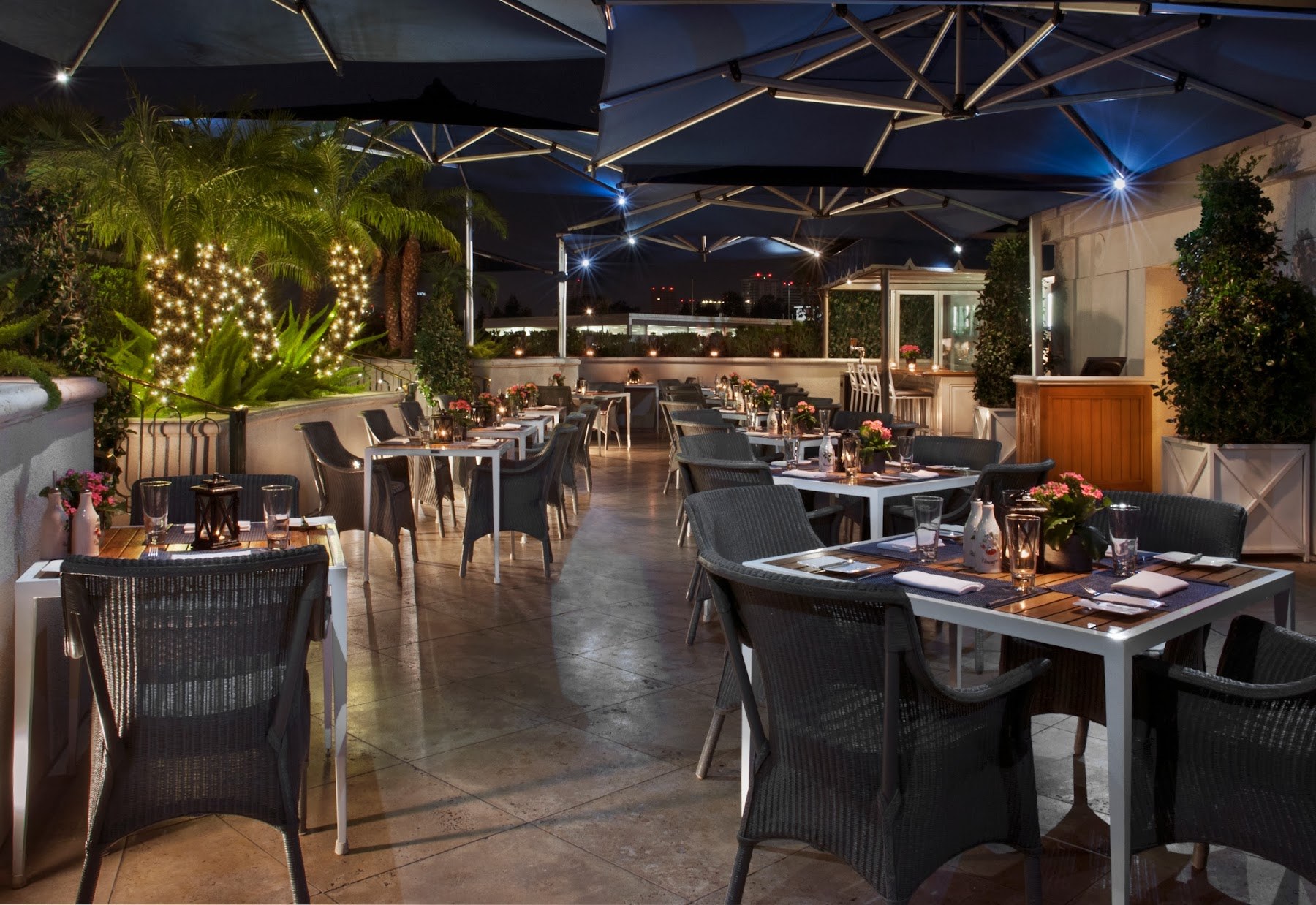
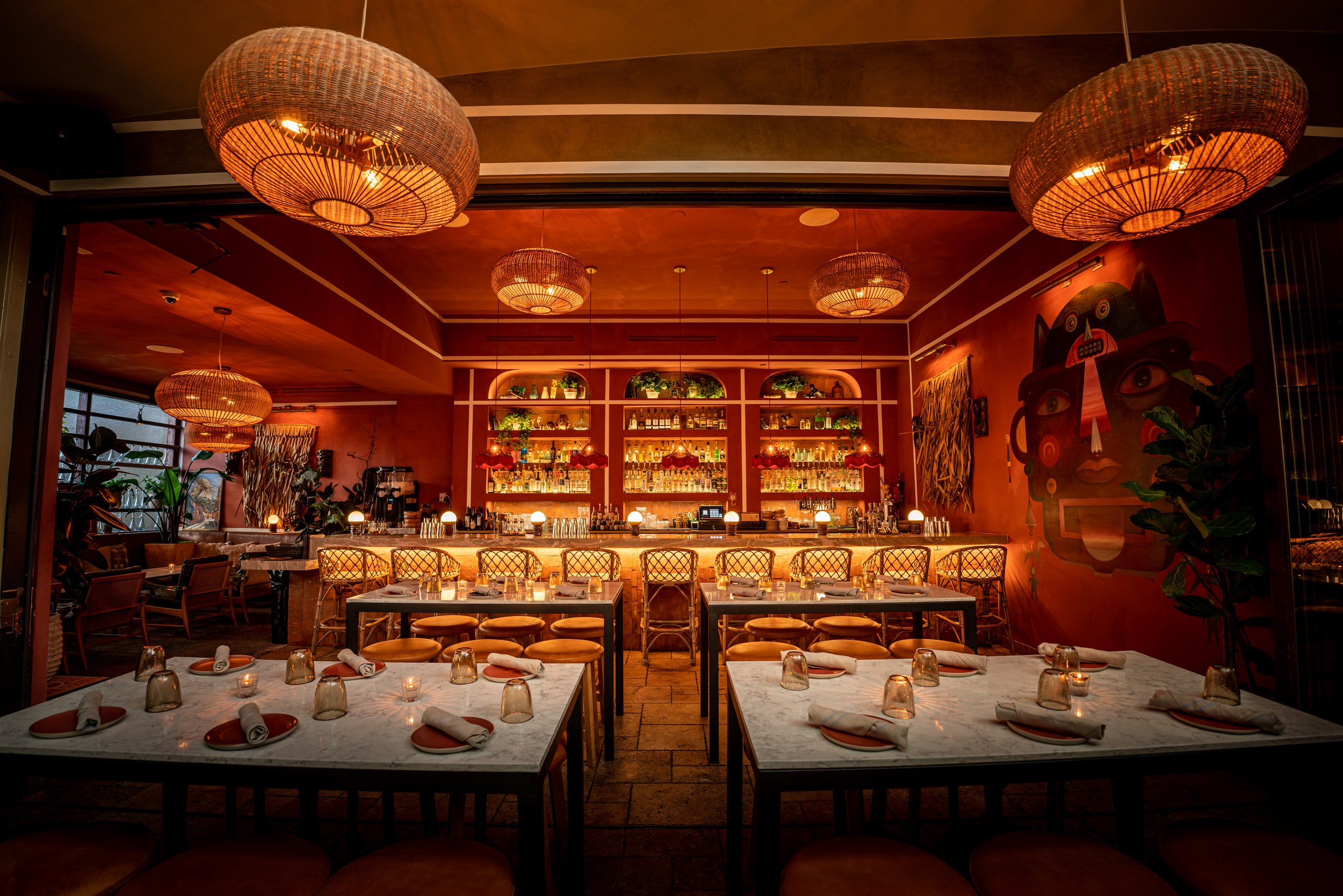
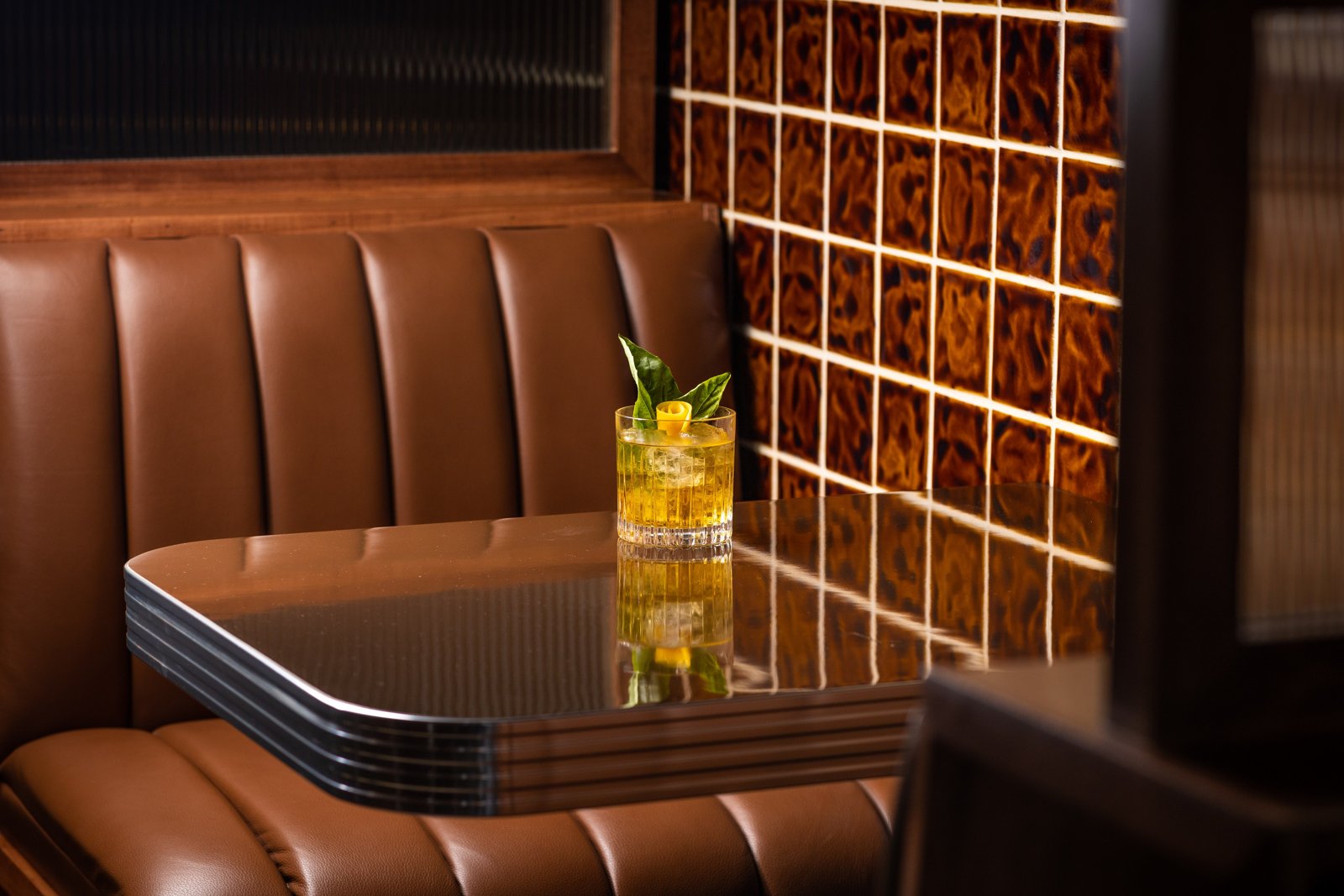
Tranquil and elegant with vintage Hollywood glamour, lush gardens, firepits, and cozy courtyard lighting praised for relaxing atmosphere.
Tags
Vibe
Best For
Experience
Amenities
View
Accessibility
About the Stay
- Rooms
- 24
- Check-in
- 16:00
- Check-out
- 12:00
- Property Style
- Hollywood Regency Style Boutique Hotel
- Design Style
- Vintage Inspired Hollywood Glamour with Custom Furnishings
Know before you go
Know Before You Go
- Getting there
- 1850 N Cherokee Ave, Los Angeles, CA 90028
Planning details
Location
Recognition and awards
Also consider
If this is not available, look first at The Aster for a more social, club-leaning stay nearby. For a bigger Hollywood hotel with stronger public-space energy, cross-shop The Hollywood Roosevelt.
Hotel context
Against Mama Shelter Los Angeles Hollywood, The Prospect Hollywood is the more polished choice for a quieter stay, while Mama Shelter is the better value play for travelers who want a casual, social Hollywood base. If price sensitivity matters more than recognition, start with Mama Shelter; if the stay needs a calmer read, choose The Prospect.
Dream Hollywood and W Hollywood are stronger fits for guests who want nightlife energy and a larger hotel feel. The Prospect Hollywood is better for couples or business travelers who want Hollywood access without making the hotel bar or lobby scene the center of the trip.
The Aster is the sharper cross-shop for a members-club atmosphere, while The Hollywood Roosevelt makes sense for travelers who want historic scale and bigger public spaces. The Prospect Hollywood wins for a more contained stay, but it is not the pick if destination dining or a high-energy hotel scene is the main goal.
Around this place
Discover more on Pearl
Unlock the full The Prospect Hollywood guide in Pearl, including awards, comparisons, FAQs, planning details, and nearby places.
Compare The Prospect Hollywood
| Venue | Location | Awards |
|---|---|---|
| The Prospect Hollywood | Los Angeles | 2026 Mr & Mrs Smith Luxury HotelsMichelin 1 Key 20252025 Michelin 1 Key2024 Michelin 1 Key |
| Mama Shelter Los Angeles Hollywood | Los Angeles | No published awards |
| Dream Hollywood | Los Angeles | No published awards |
| The Aster | Los Angeles | 2026 Mr & Mrs Smith Luxury Hotels2025 Michelin 1 Key2024 Michelin 1 Key |
| The Hollywood Roosevelt | Los Angeles | 2025 Michelin Selected HotelsPreferred Hotels Member 2025 |
| W Hollywood | Los Angeles | No published awards |


How The Prospect Hollywood compares with similar nearby venues.
FAQ
Frequently Asked Questions
Is The Prospect Hollywood good for business travel?
It may be a fit if you want a Los Angeles hotel with Michelin 1 Key recognition and a smart casual dress code. If business facilities, meeting spaces, or work amenities matter, confirm those needs directly before booking. Dream Hollywood or W Hollywood may also be worth comparing if you want another Los Angeles option.
Which room category is best at The Prospect Hollywood?
The best room category depends on the space, comfort, and current booking information shown by the hotel, rather than relying on a particular named room type. Confirm the latest details directly before booking.
How does The Prospect Hollywood compare to other hotels?
The Prospect Hollywood has Michelin 1 Key recognition and a Mr & Mrs Smith Seal of Approval, which are useful signals when comparing Los Angeles stays. Dream Hollywood, Mama Shelter Los Angeles Hollywood, The Aster, The Hollywood Roosevelt, and W Hollywood are natural alternatives to review, and specific differences in amenities, restaurants, room types, or atmosphere should be confirmed directly.