Hotel in London, United Kingdom
The Whiteley
150Pearl PointsHeritage Conversion Hospitality

About The Whiteley
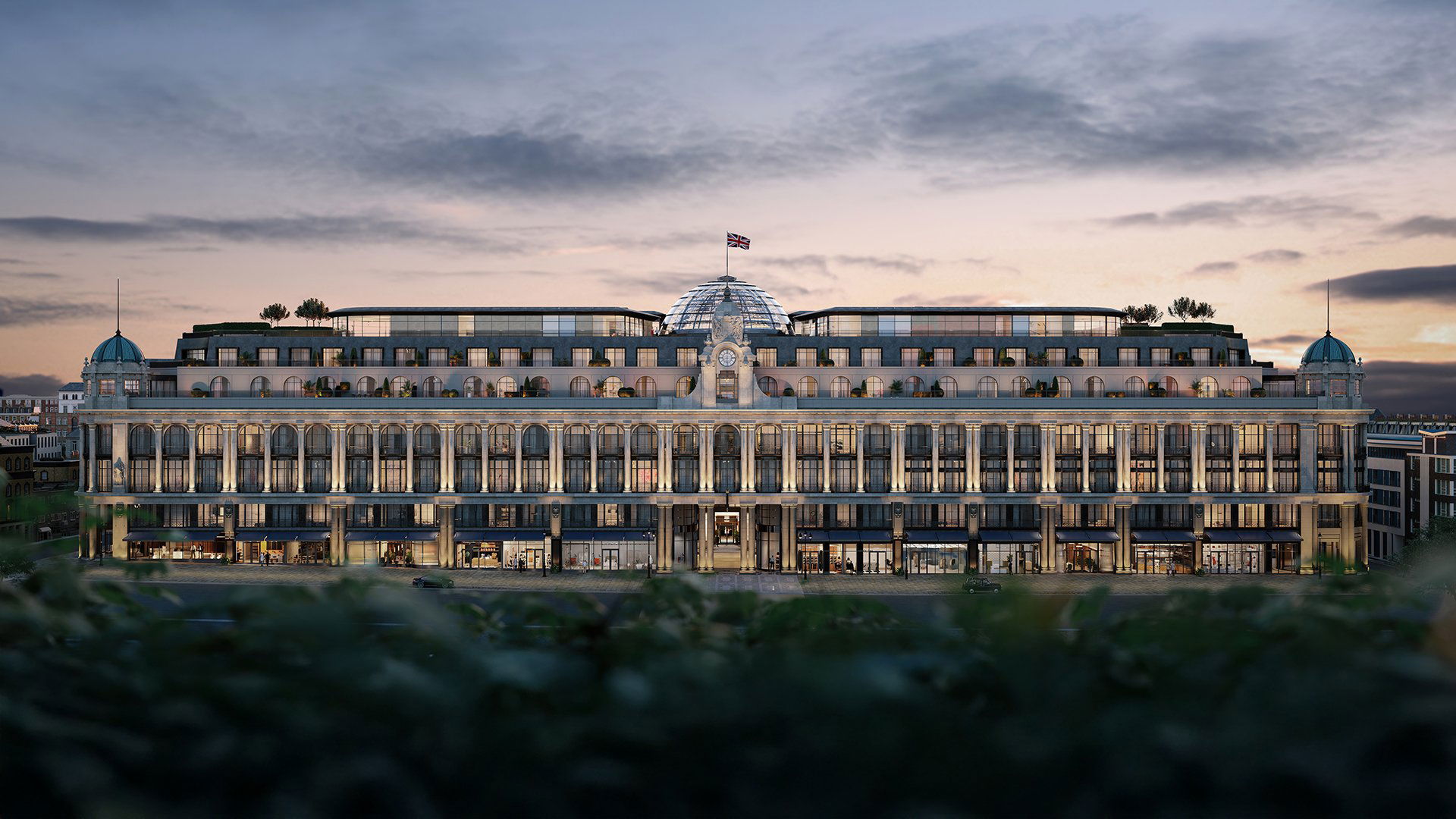
The Whiteley is a landmark Bayswater development that transformed one of London's most storied department store buildings into a mixed-use destination anchored by luxury hotel accommodation, destination dining, and a curated retail offer. Positioned against a Mayfair and Marylebone peer set, it brings a different kind of West London address into the conversation for travellers who want neighbourhood character alongside considered design.
A West London Address That Changed the Conversation
London's luxury hotel tier has long been concentrated in a narrow corridor running from Mayfair through Belgravia to Knightsbridge. The opening of The Whiteley in Bayswater represented a deliberate challenge to that geography. The project took one of the city's most architecturally significant former retail buildings and converted it into a destination that competes not on postcode prestige alone, but on the strength of its programming, design depth, and the quality of what happens inside its walls. For travellers accustomed to the Mayfair default, arriving at Claridge's or The Connaught, The Whiteley offers a genuinely different orientation on the city.
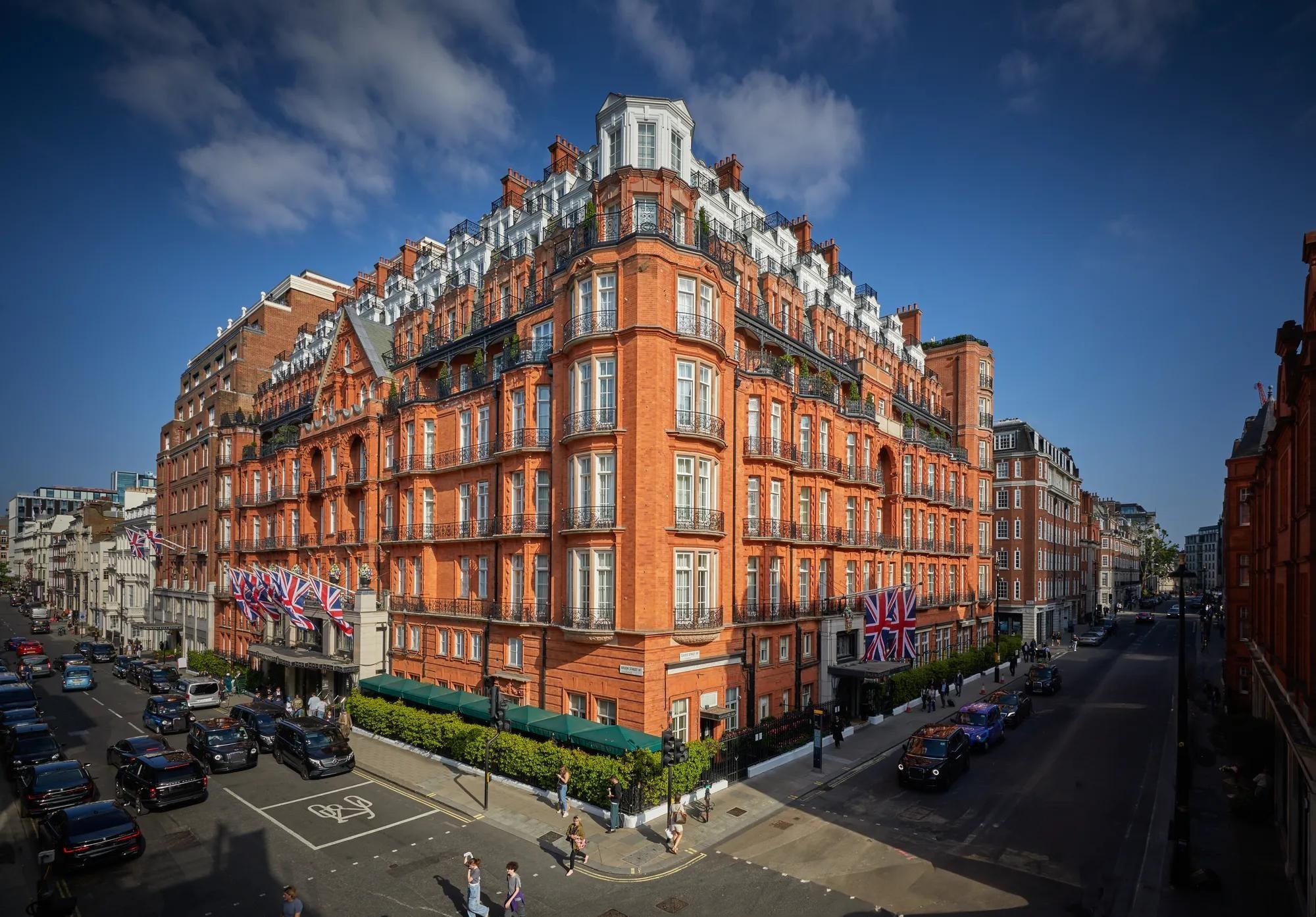
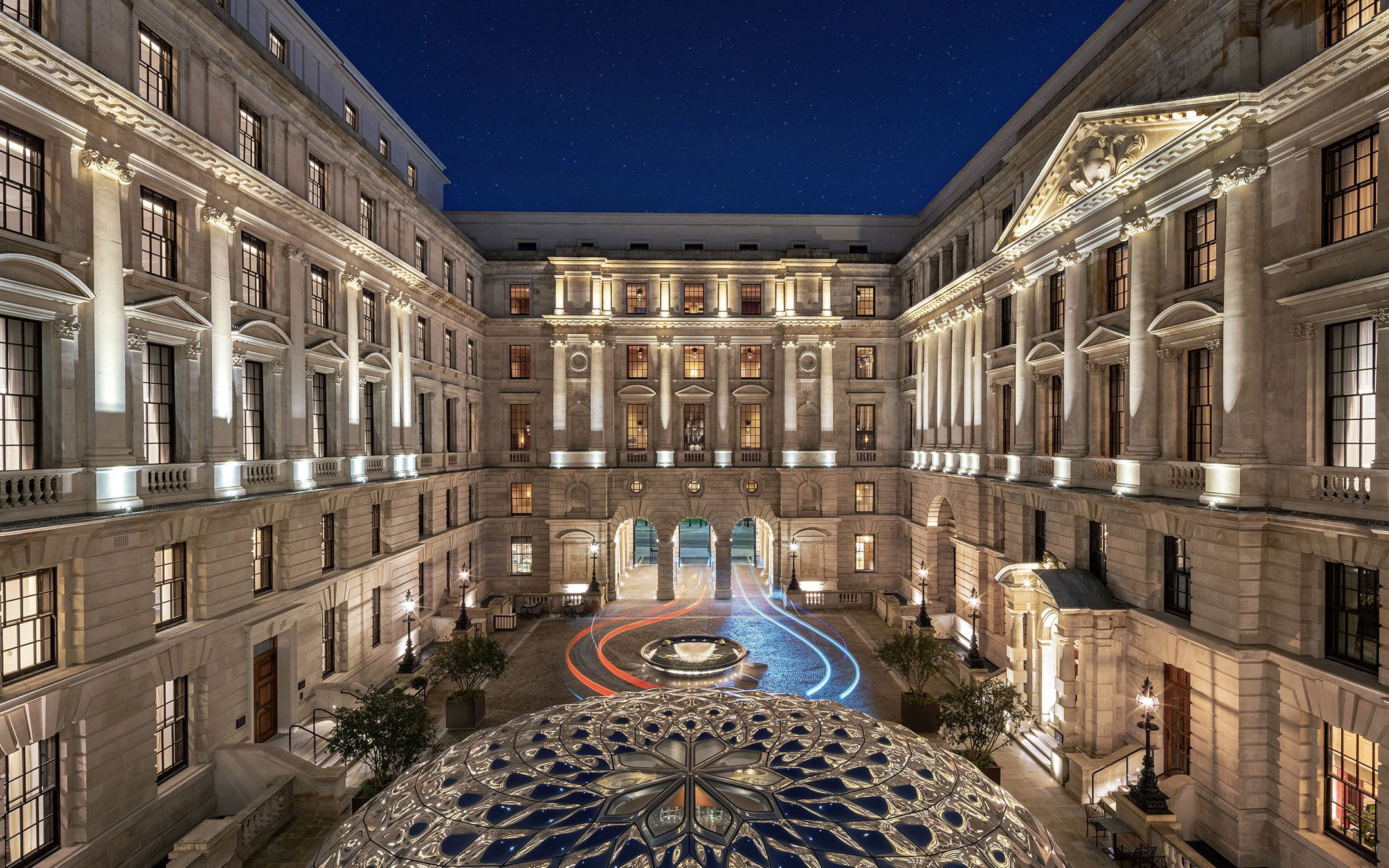
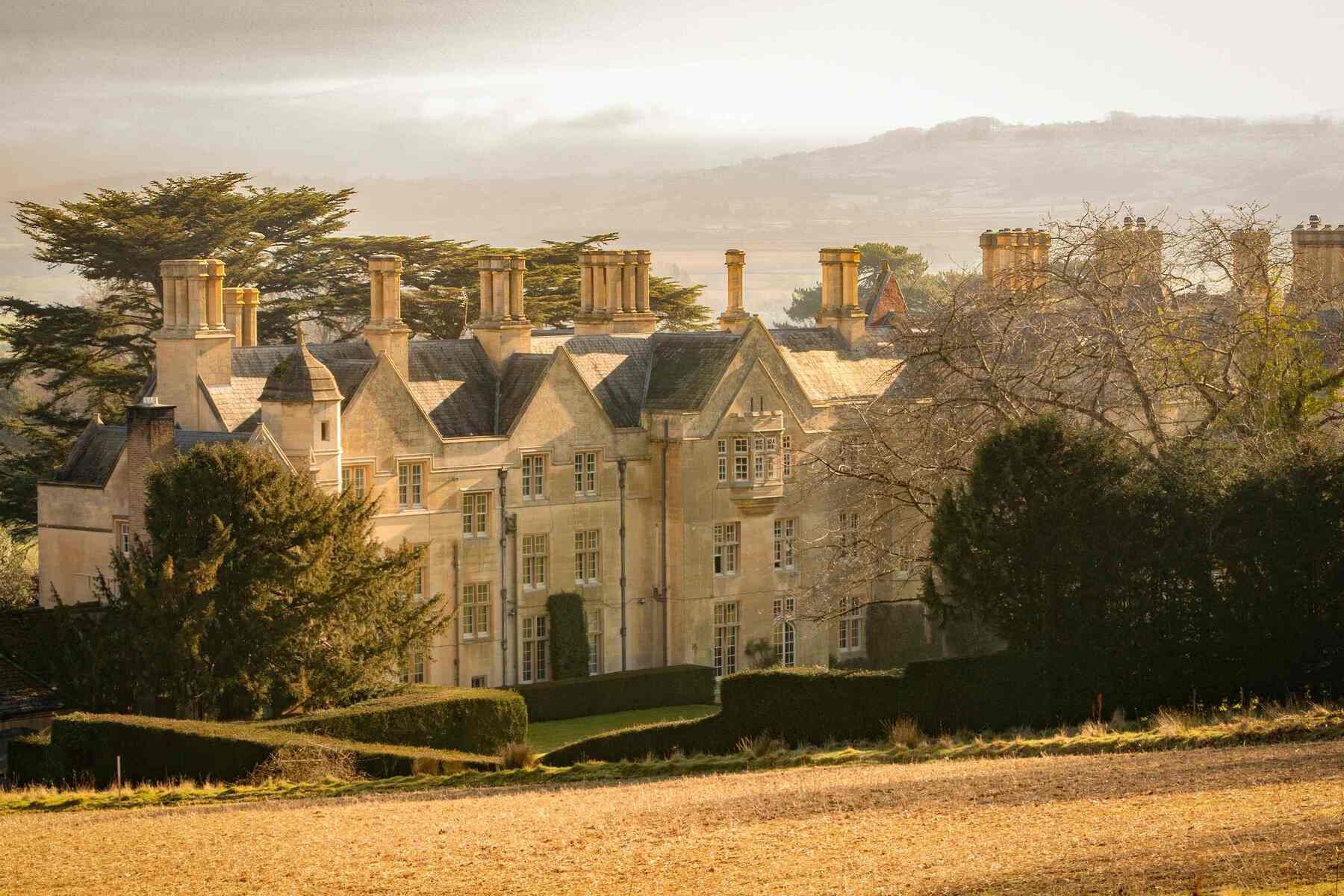
The building itself sets expectations before you reach the reception desk. The original Whiteley's department store, which dates back to the Victorian era and once traded as one of the largest retail establishments in London, carries the kind of structural confidence that new-build hotels cannot manufacture. The atrium, restored as part of the conversion, brings natural light into the centre of the property in a way that defines the physical experience of moving through the space. This is architecture as hospitality asset, not backdrop.
Where The Whiteley Sits in the London Hotel Market
London's premium hotel market has split, over the past decade, into several distinct clusters. At one end sit the grand-dame institutions: The Savoy, Claridge's, Raffles London at The OWO. At another end, a wave of design-led openings has staked out territory in previously underserved neighbourhoods, with properties like NoMad London in Covent Garden and The Emory in Knightsbridge demonstrating that the city's appetite for considered luxury extends beyond its traditional postcodes.
The Whiteley belongs to that second movement. Bayswater sits at the edge of Hyde Park, well-connected by tube and within walking distance of Notting Hill to the west and Paddington to the north, yet it carries none of the social weight of W1. That relative neutrality is part of the proposition. Guests who stay here are making a choice that reads as deliberate rather than reflexive, and the property's mixed-use structure, combining hotel rooms with residences, restaurants, and retail, gives the address an energy that purely transient hotel blocks rarely sustain.
The Case for Bayswater as a Dining Address
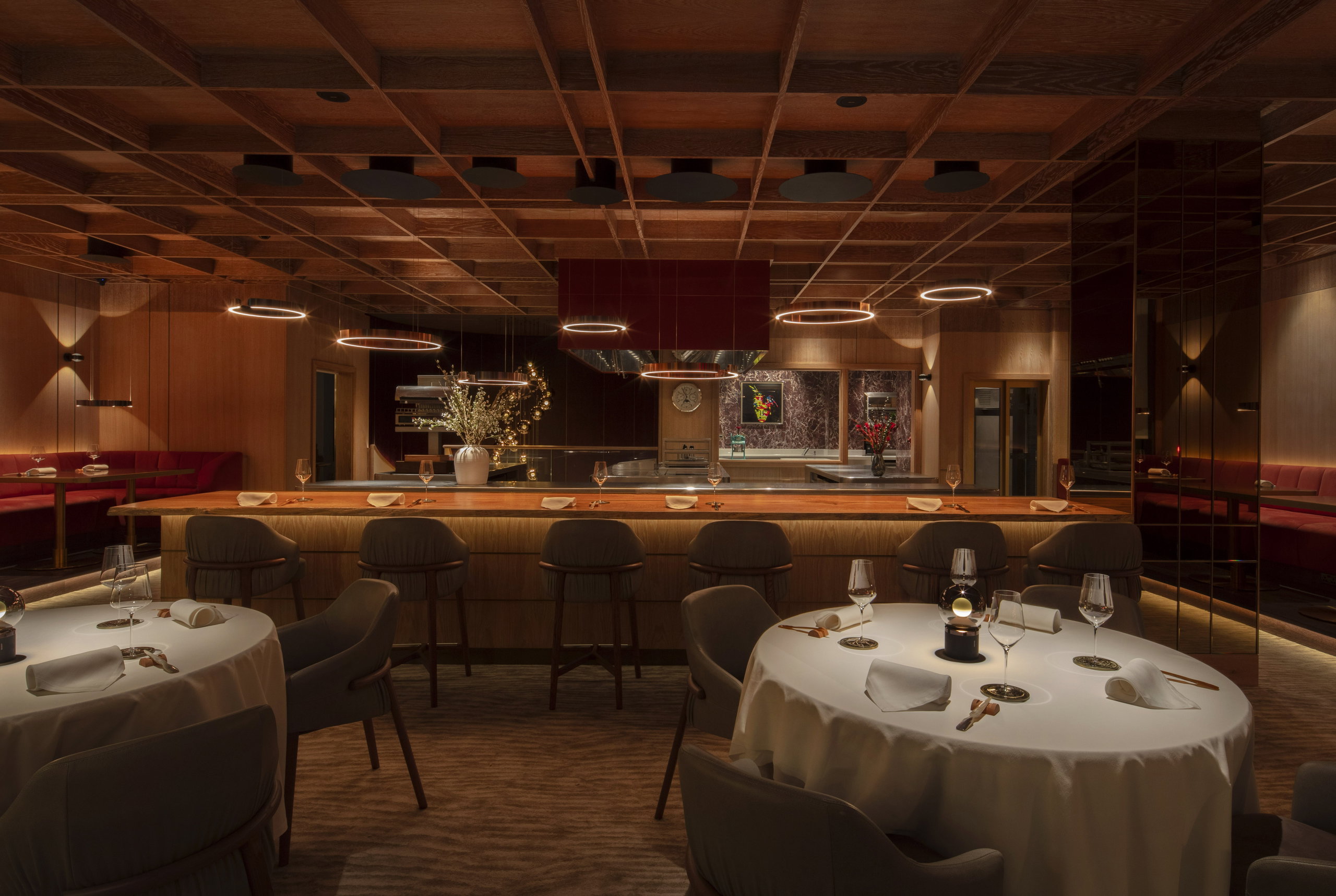
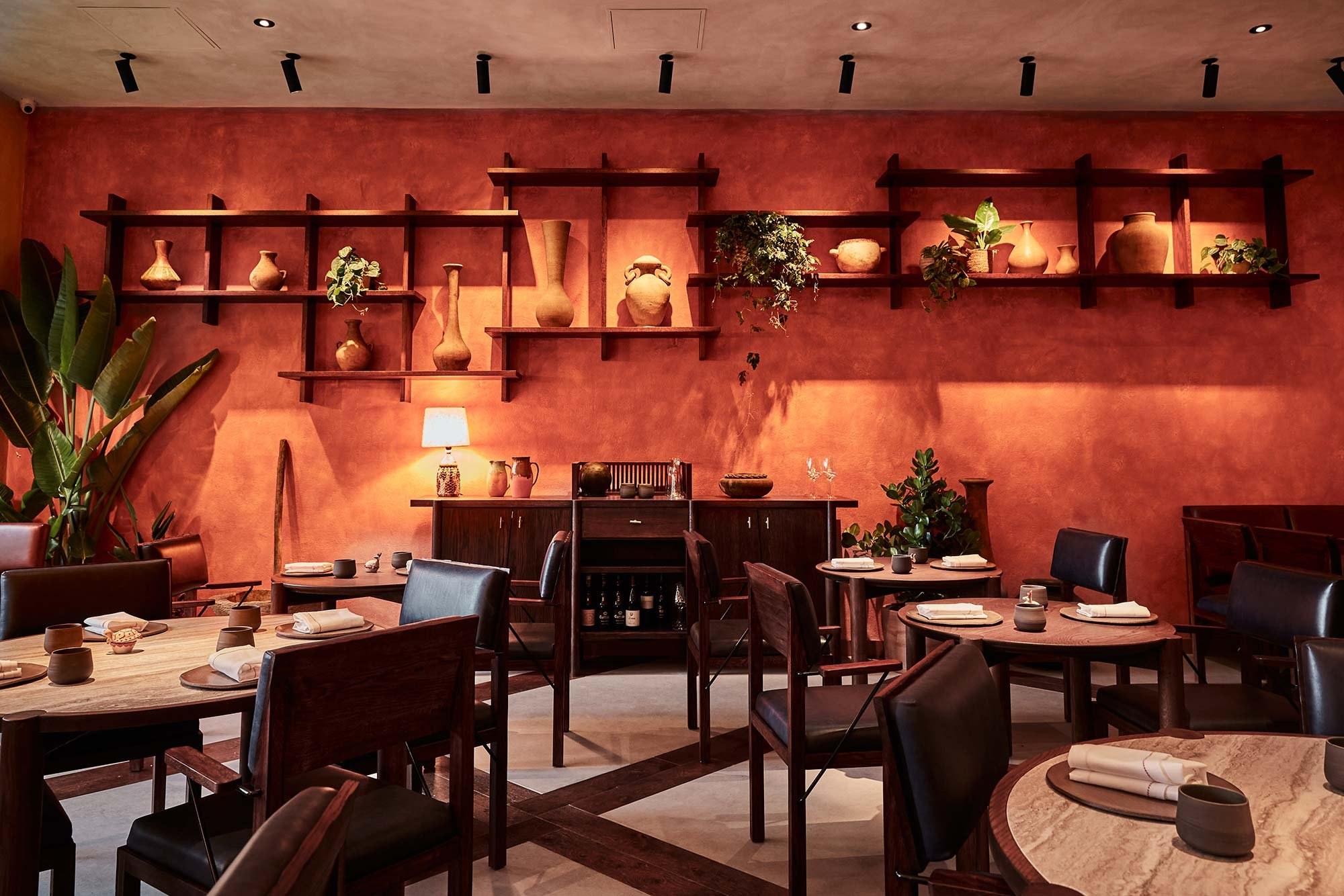
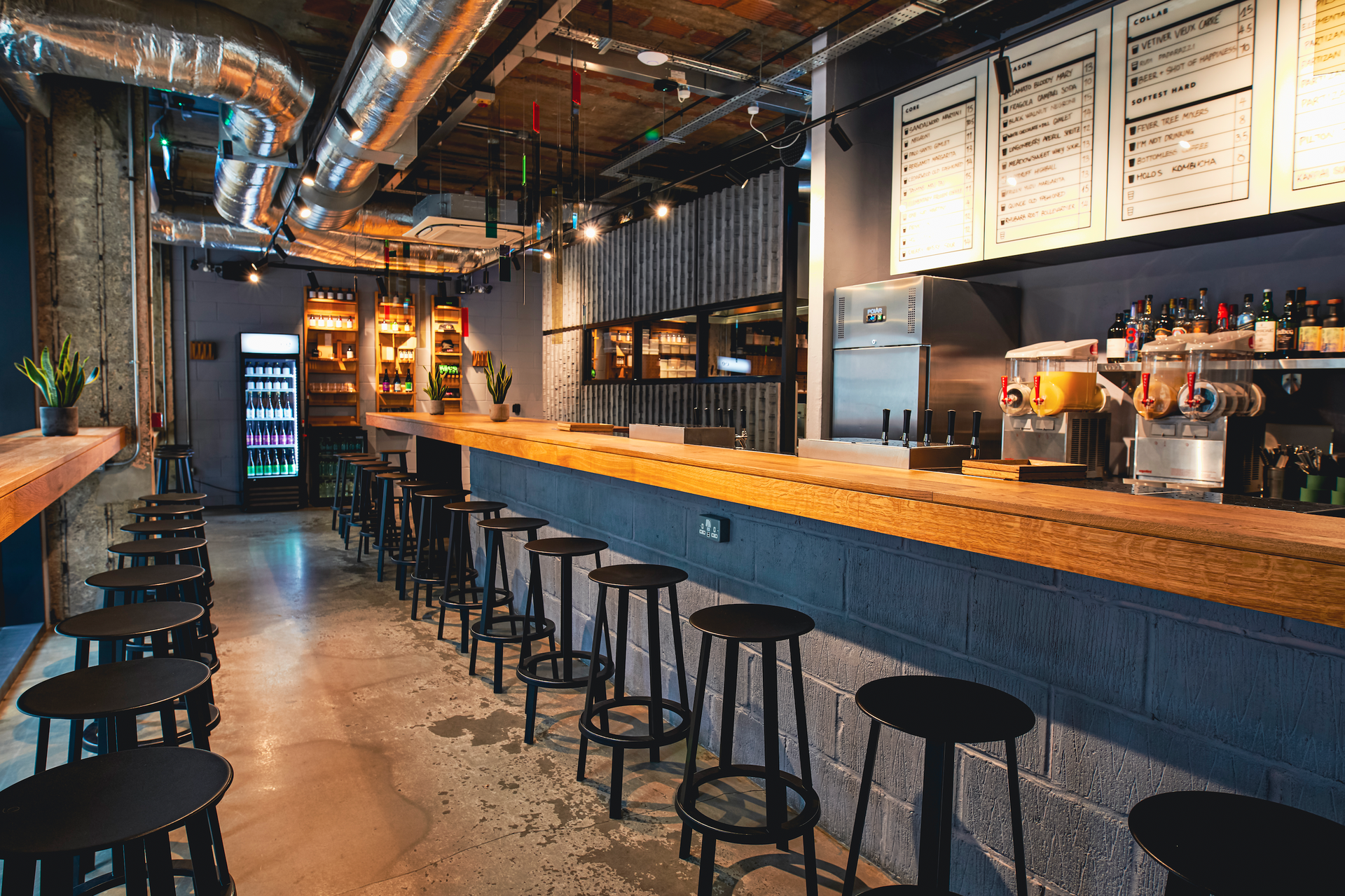
London's restaurant geography has been shifting westward and outward for years. Neighbourhoods that a decade ago would have been considered secondary dining destinations have matured into genuine draws in their own right, and Bayswater has followed that pattern with some lag but real momentum. The Whiteley's food and beverage offer sits at the centre of this local shift, drawing both hotel guests and neighbourhood residents into a programme that spans multiple formats and price points.
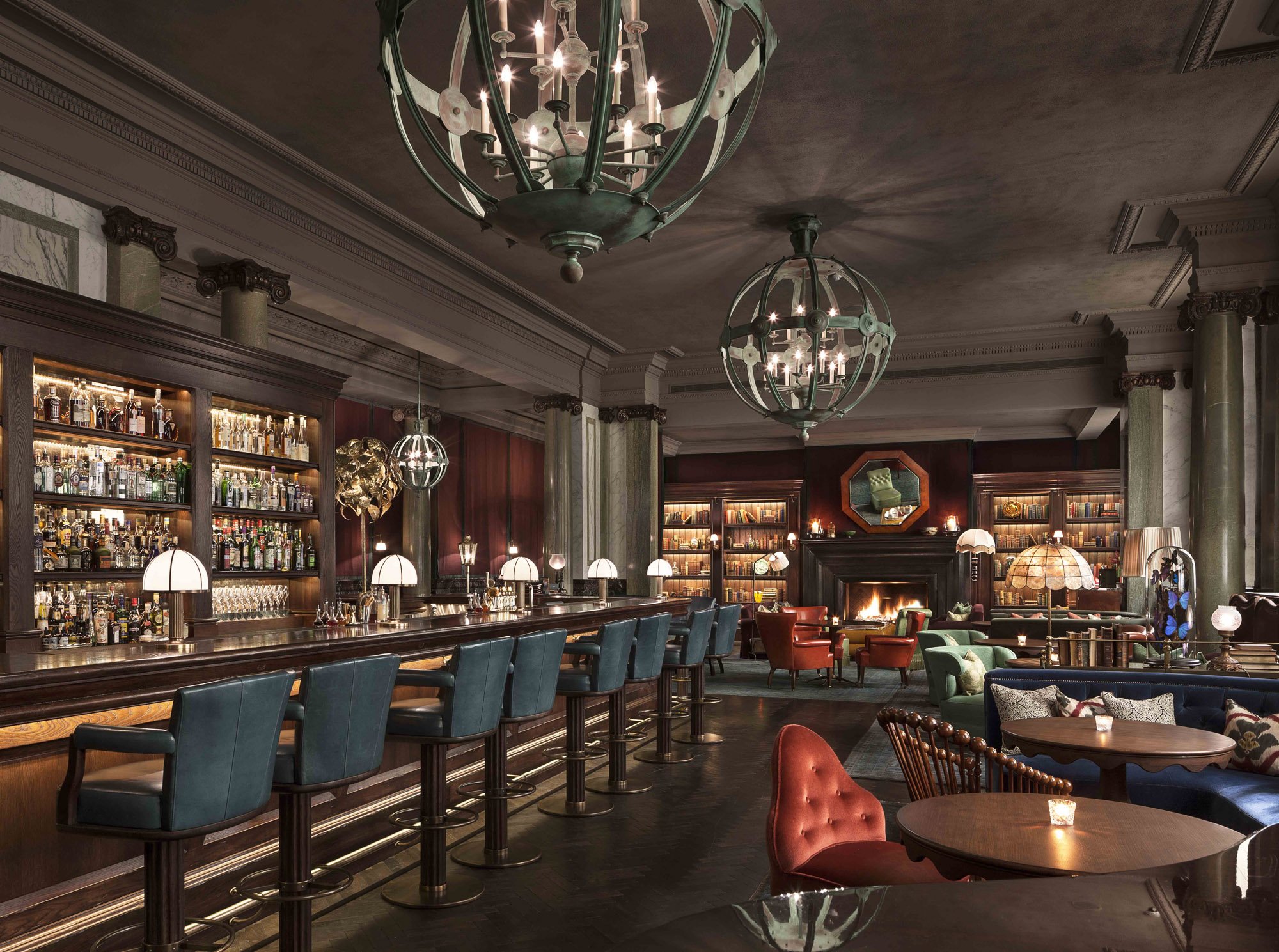
The wine offer at a property of this type carries particular weight in determining where it lands in the premium conversation. London's leading hotel wine programmes share certain characteristics: depth in classic French regions, a sommelier team with genuine credentials, and a by-the-glass selection that gives shorter-stay guests access to the cellar's quality without committing to a bottle. Properties like Raffles London at The OWO, which houses multiple destination restaurants with serious wine operations, have raised the bar for what in-hotel drinking looks like in London. The Whiteley's positioning within this context requires a wine programme that can hold its own in a market where guests increasingly arrive with specific expectations shaped by their experiences at comparable properties across Europe, from Badrutt's Palace Hotel in St. Moritz to Hôtel de Paris Monte-Carlo.
Design Intelligence and the Room Offer
Foster + Partners led the architectural conversion, and the firm's involvement signals something important about how this project was positioned from the outset. Bringing in an architect of that calibre for a hospitality conversion is not a budget decision; it is a statement about the long-term ambition of the asset. The residential and hotel components share the converted building with public-facing retail and leisure, which creates a live-in quality that separates The Whiteley from the purely transactional hotel experience.
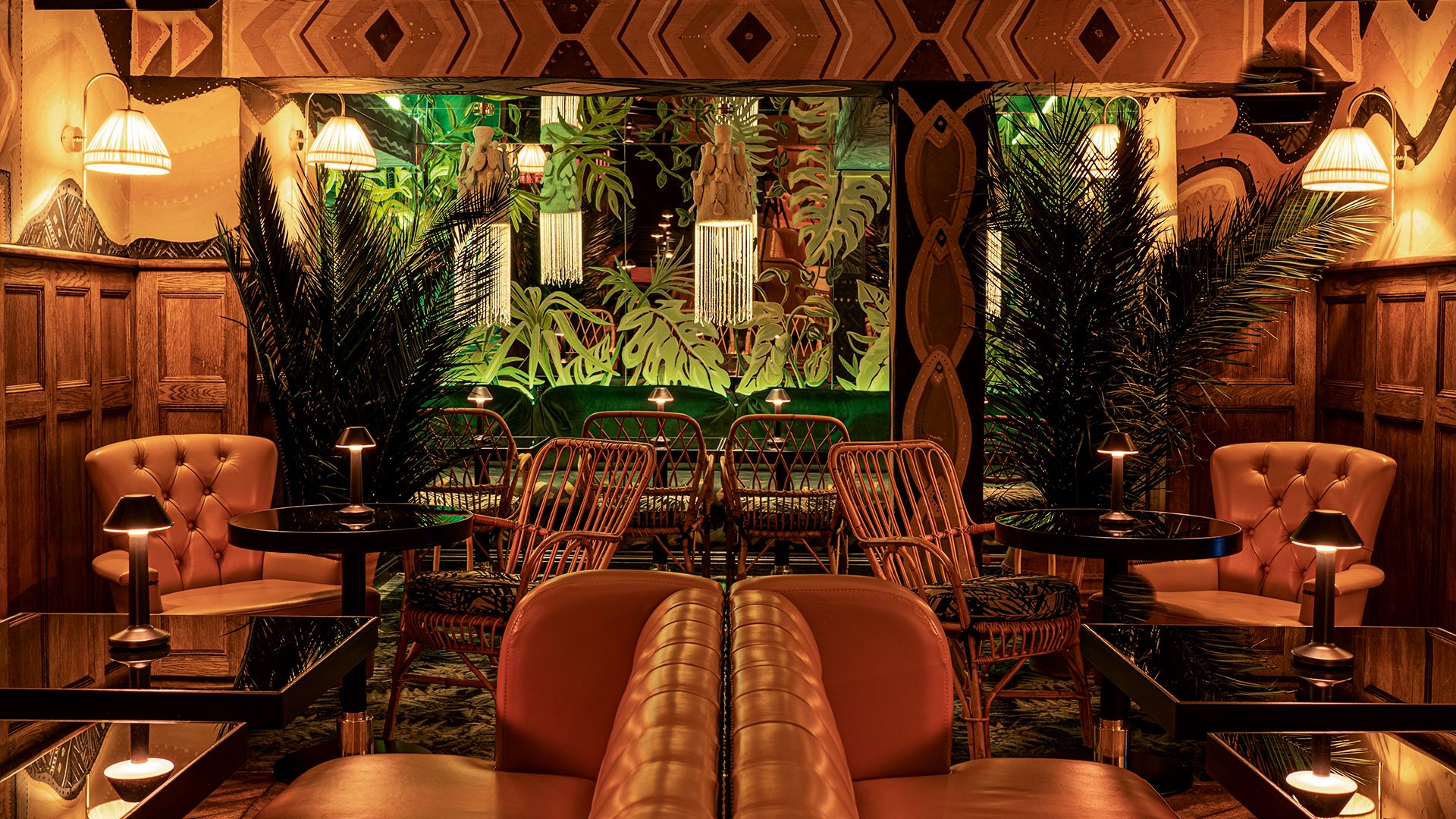
For hotel guests specifically, the room configuration benefits from ceiling heights and spatial proportions that predate the era when London hotels were designed to maximise key count per square metre. The original retail building's structural logic — large floor plates, generous fenestration, a central atrium — translates into accommodation that feels less compressed than much of what the city's newer purpose-built luxury hotels offer. Comparable experiences in this regard can be found at conversion projects like NoMad London in the former Midland Grand building, where Victorian engineering similarly benefits modern hospitality.
Leisure and the Hyde Park Proximity
Access to green space is a genuine differentiator in London hotel selection, and Bayswater's position on the northern edge of Hyde Park gives The Whiteley a leisure argument that properties embedded in Mayfair's grid cannot make. The park functions as a morning running route, an afternoon walk, and a mental counterweight to the density of the city. For guests arriving from properties in comparably park-adjacent positions, such as 1 Hotel Mayfair on the eastern side of the park, the logic is familiar. The Whiteley approaches this from a quieter, less trafficked direction.
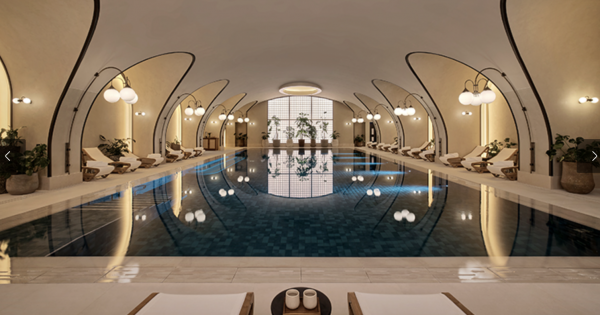
The leisure facilities within the property itself are anchored by a Six Senses Spa, the first London location for a brand whose other properties include destination spa hotels in some of the most scenic locations in Europe and Asia. That affiliation brings a programming depth, particularly around wellness protocols and treatment philosophy, that standalone hotel spas often lack. For guests who arrive expecting the kind of spa experience available at countryside properties like Lime Wood in Lyndhurst or The Newt in Somerset, the Six Senses presence provides a meaningful point of continuity.
Planning Your Stay
The Whiteley draws guests from both the leisure and corporate segments, and the booking calendar reflects London's broader seasonal rhythms: summer brings international travellers, while autumn and spring see higher concentrations of European short-break visitors. The mixed-use structure means the public areas carry foot traffic beyond the hotel's own guest list, which gives the property a livelier ambient energy than many of its peers but also means that its restaurants and spa benefit from reservations made in advance of arrival. For guests comparing this property to alternatives across the capital, the relevant peer set includes 11 Cadogan Gardens for boutique scale, and Raffles London at The OWO for comparable architectural ambition at a historic site. Our full London restaurants guide covers the broader dining context around the property for guests planning their evenings beyond the hotel's own offer.
Frequently Asked Questions
- What is the most popular room type at The Whiteley?
- The Whiteley's room offer spans standard hotel keys through to larger suite configurations, with the conversion's original building proportions favouring generously sized rooms across most categories. Given the Foster + Partners-led design and the property's positioning at the premium end of the London market, suite-level bookings tend to attract guests seeking the full benefit of the restored architectural volume. Confirming specific availability and current pricing is leading done directly through the property's booking channel.
- What is the main draw of The Whiteley?
- The combination of a Victorian-era landmark building converted by Foster + Partners, a Six Senses Spa, and a multi-restaurant food and beverage offer in a location directly adjacent to Hyde Park gives the property a breadth of proposition that most single-use luxury hotels in London cannot match. For guests who want architecture, wellness, dining, and park access under one address, it is one of the few places in London where all four converge.
- Do I need a reservation at The Whiteley?
- For the hotel itself, advance booking is advisable given the property's profile and London's generally compressed luxury supply, particularly during peak summer and the Christmas period. For the restaurants and Six Senses Spa within the development, reservations are strongly recommended regardless of whether you are a hotel guest, as these facilities are open to non-residents and fill accordingly.
- Who is The Whiteley leading for?
- Travellers who want a considered alternative to the Mayfair-Belgravia axis will find the Bayswater location and mixed-use structure a natural fit. The property also works well for guests prioritising the spa, given the Six Senses affiliation, and for those for whom the architectural experience of the building is itself part of the appeal. It sits in a different register from the grand-dame hotels, appealing to guests who arrive with some prior context about what the conversion represents.
- How should I plan a stay at The Whiteley?
- Start by identifying which of the property's components matter most to your trip: the spa, specific restaurants, or the room itself. Book those elements before your arrival, as the development's public-facing facilities draw from the wider neighbourhood. Cross-reference the broader Bayswater and Notting Hill dining scene using our full London restaurants guide to supplement the in-house offer with nearby alternatives.
- How does The Whiteley's wine offer compare to other London hotel programmes?
- The Whiteley operates multiple food and beverage outlets within the development, which means its wine programme spans several formats and price points rather than sitting within a single restaurant context. London's most serious hotel wine operations, such as those at Raffles London at The OWO or The Connaught, are built around deep cellar commitments and dedicated sommelier teams. The Whiteley's multi-outlet structure gives it the opportunity to pitch different wine experiences at different price points across the same address, which is a format increasingly common at destination hotel developments internationally.
Location
London, United Kingdom
Explore London
Save or rate The Whiteley on Pearl
Keep this venue in your Pearl passport, rate it after you visit, and track it alongside every other place you collect.