

Belden House & Mews
historic center, Litchfield
Hotel in Litchfield, United States
 Book with Pearl
The Read
Victorian Revival Hospitality
Why go
Quiet, polished, and better suited to a calm Litchfield stay than a full resort itinerary, Belden House & Mews is a strong pick if town access and a composed atmosphere matter. Hard booking difficulty means it is not a casual backup; compare it with Mayflower for spa depth and Winvian for a more destination-retreat feel.
About Belden House & Mews
Belden House & Mews is a Litchfield stay to consider if you want a hotel base and prefer to compare properties by recognition rather than amenities. The property has a Michelin 1 Key for 2025, appears on the Travel + Leisure It List Hotels for 2026, and has the Mr & Mrs Smith Seal of Approval for 2026. The stated dress code is smart casual.
Book for a confirmed Litchfield hotel with strong recognition
The clearest reason to keep Belden House & Mews on a shortlist is its hotel recognition. A Michelin 1 Key places it in a vetted hotel conversation, while the Travel + Leisure It List Hotels and Mr & Mrs Smith Seal of Approval add further hospitality validation. Those accolades are the grounded hook; details beyond that should be checked directly with the property before booking.
If you are comparing it with Mayflower Inn & Spa, Auberge Resorts Collection, the decision should come down to the kind of stay you want and the current details each property confirms for your dates. Belden House & Mews is the Litchfield option in this comparison, while Mayflower Inn & Spa, Auberge Resorts Collection is another option travelers may consider. Confirm room types, services, and any on-site amenities directly before treating either one as the better fit.
Choose it when Litchfield is the anchor of the trip
Against Winvian, Troutbeck, and Race Brook Lodge, Belden House & Mews is best understood simply as the Litchfield choice in the set. Do not assume specific differences in acreage, dining, wellness, or programming unless those details are confirmed for your stay. The more reliable comparison is geographic and practical: decide whether you want Belden House & Mews in Litchfield or whether another regional option better matches your itinerary.
Quick reference: pick Belden House & Mews if you want a Litchfield stay with confirmed recognition from Michelin, Travel + Leisure, and Mr & Mrs Smith. Cross-shop Mayflower Inn & Spa, Auberge Resorts Collection, Winvian, Troutbeck, and Race Brook Lodge if you are still deciding between a Litchfield base and another regional stay.
Planning details
- Location
- 31 North St, Litchfield, CT 06759
- Website
- beldenhouse.com
- Phone
- +1 860-337-2099
The take
The Take
The Vibe
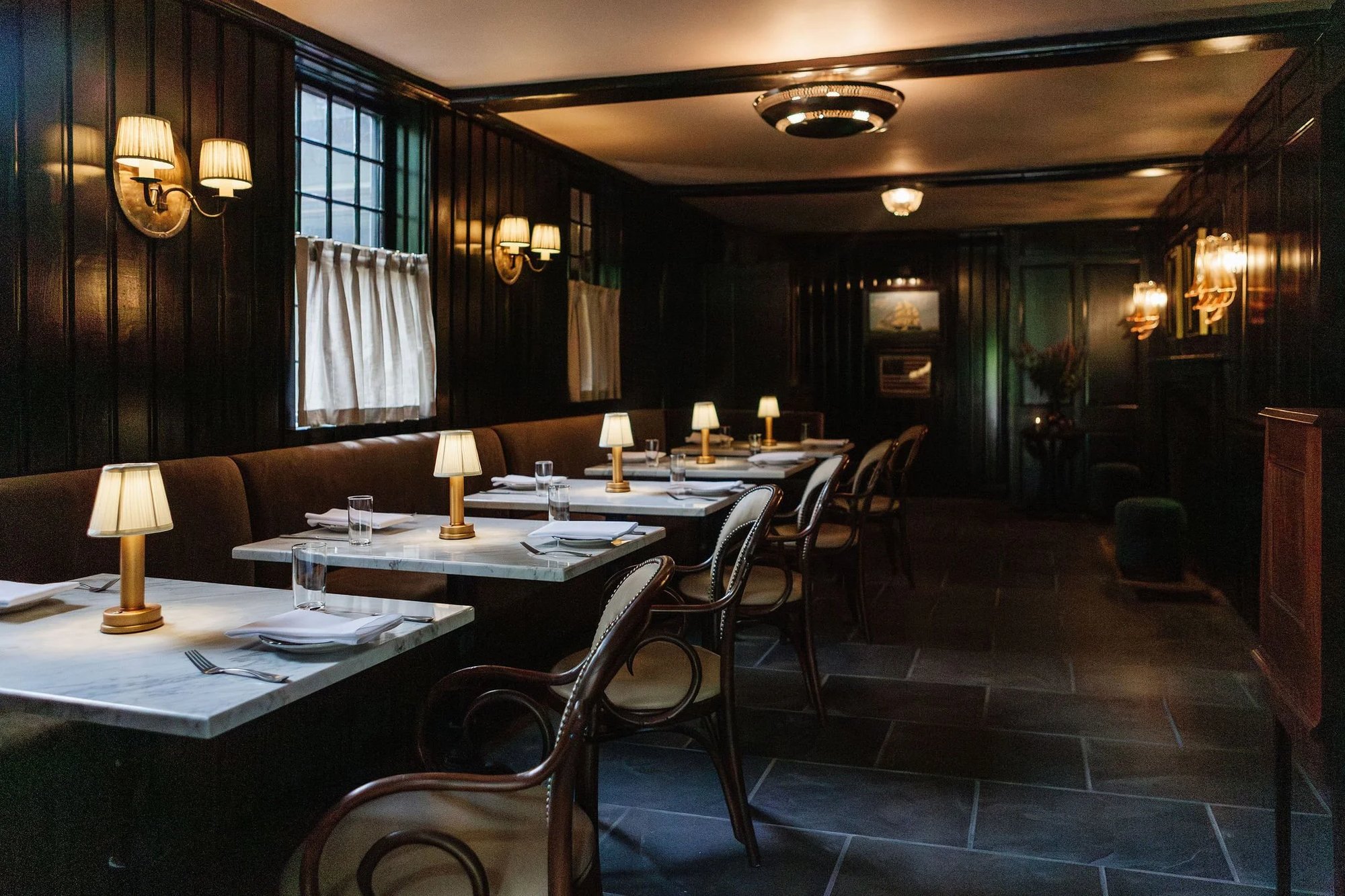
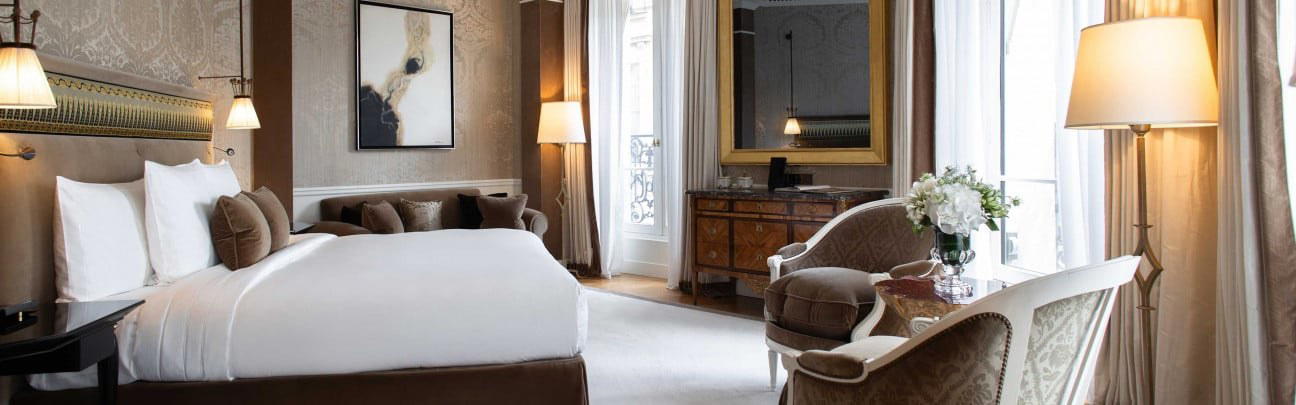
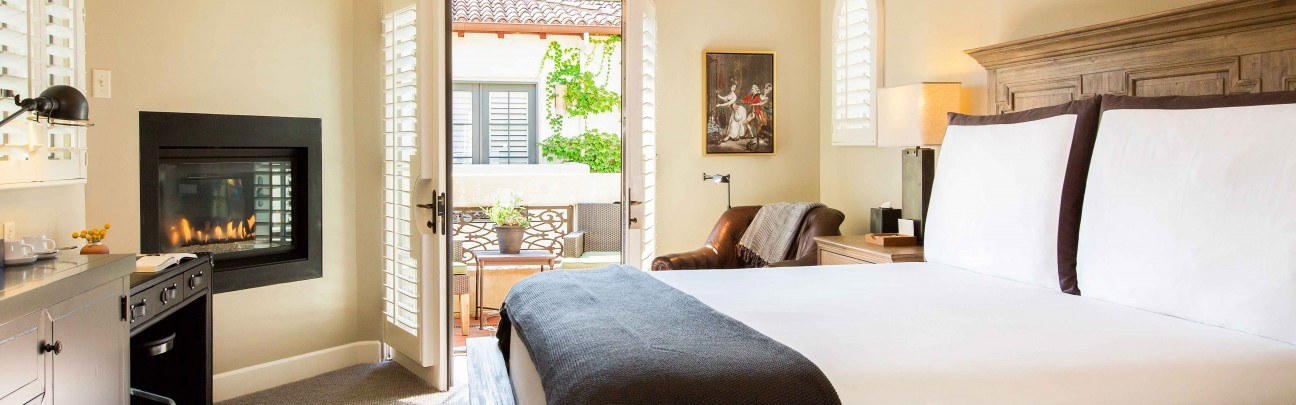
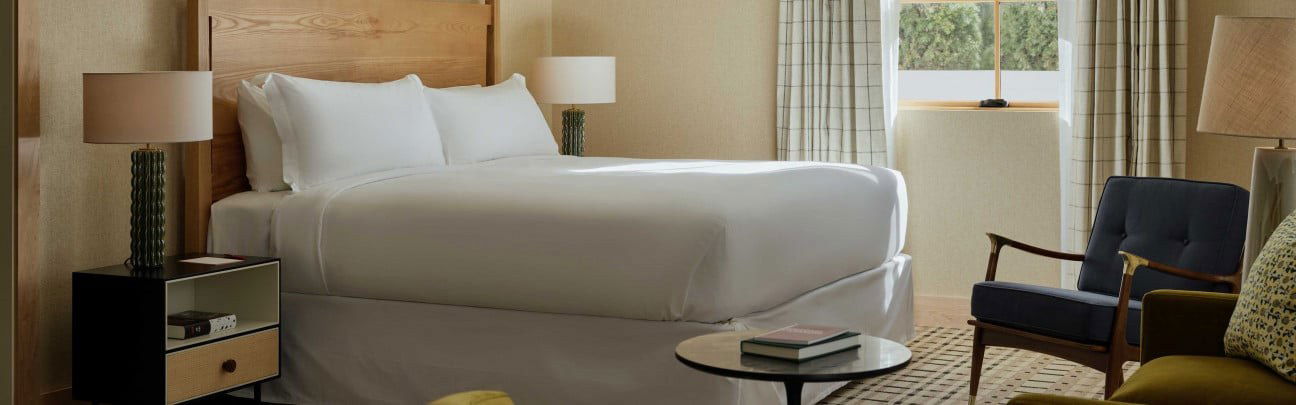
Belden House & Mews reads like a purposeful restoration rather than a fashionable conversion. Housed in an 1888 building, the property foregrounds original Victorian staircases and working fireplaces that anchor the rooms and public spaces; Anthony Champalimaud Design frames those historic elements rather than erasing them. The result feels classic and quietly charming — a hotel that conveys the weight and refinement of older New England civic architecture while retaining an intimate, lived-in warmth. It sits on the town’s main street, so the building participates in village life rather than hiding from it.
Best For
This hotel is best for travelers who want to be in the heart of historic Litchfield and appreciate architecture and design. Because it restores a once-central hotel presence on the main street and village green, it suits weekend escapes and romantic getaways where being part of the town’s public life matters. The emphasis on preservation and original features also makes it appealing to visitors who value period detail and a quietly refined atmosphere rather than a generic, brand-driven stay.
Venue details
Ambiance
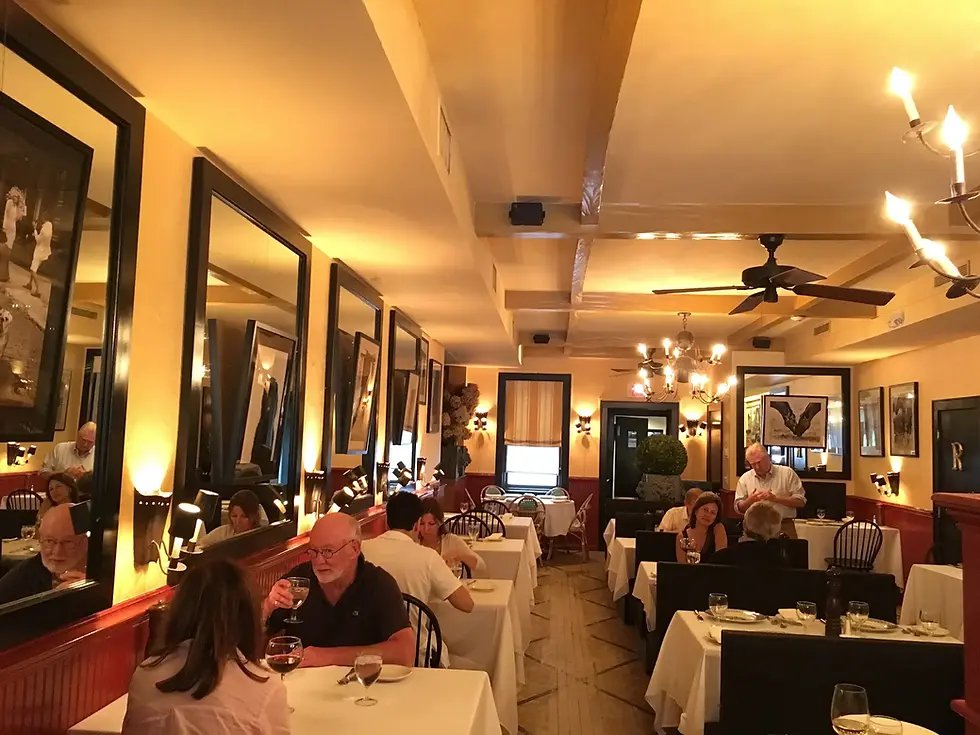
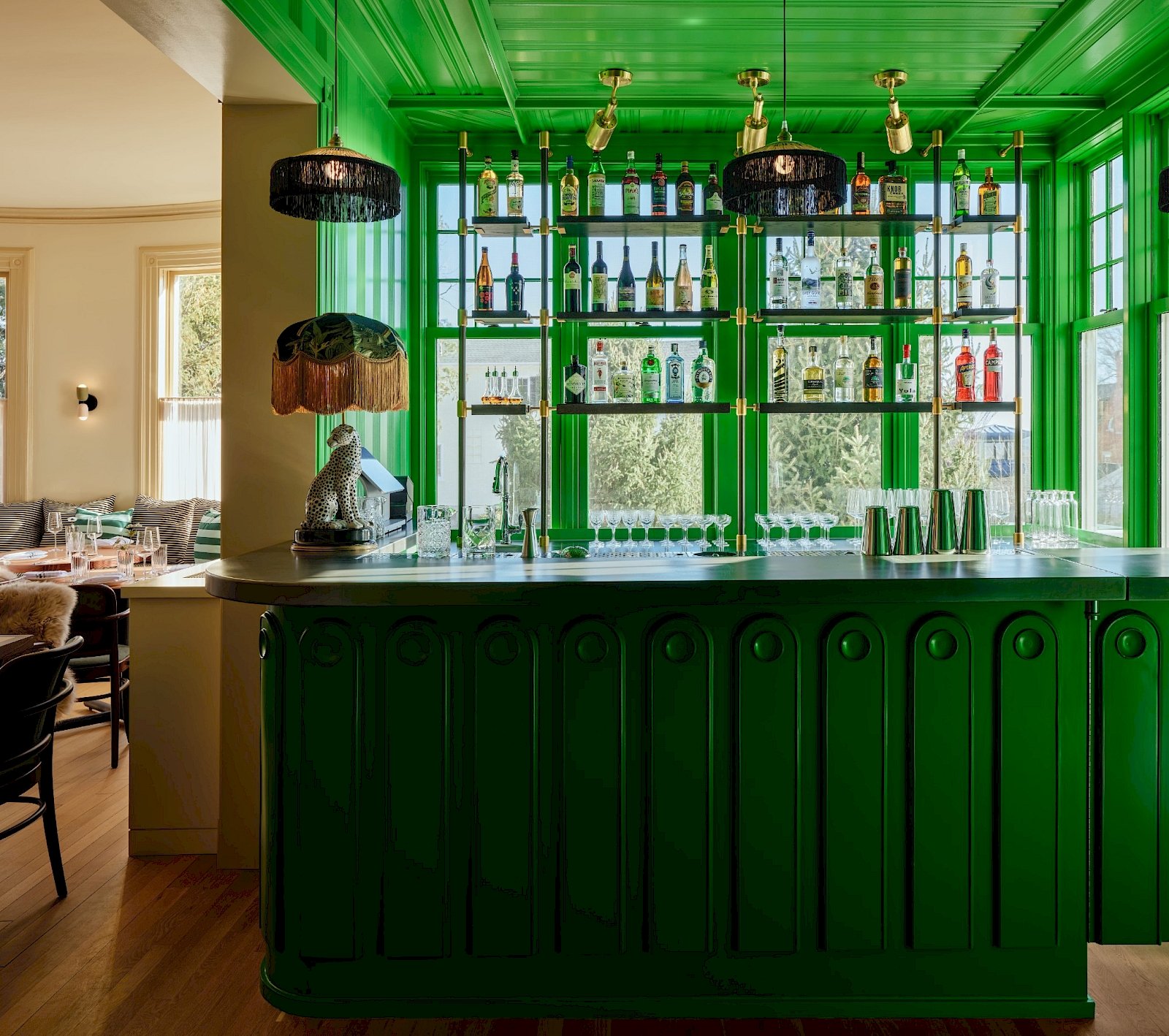
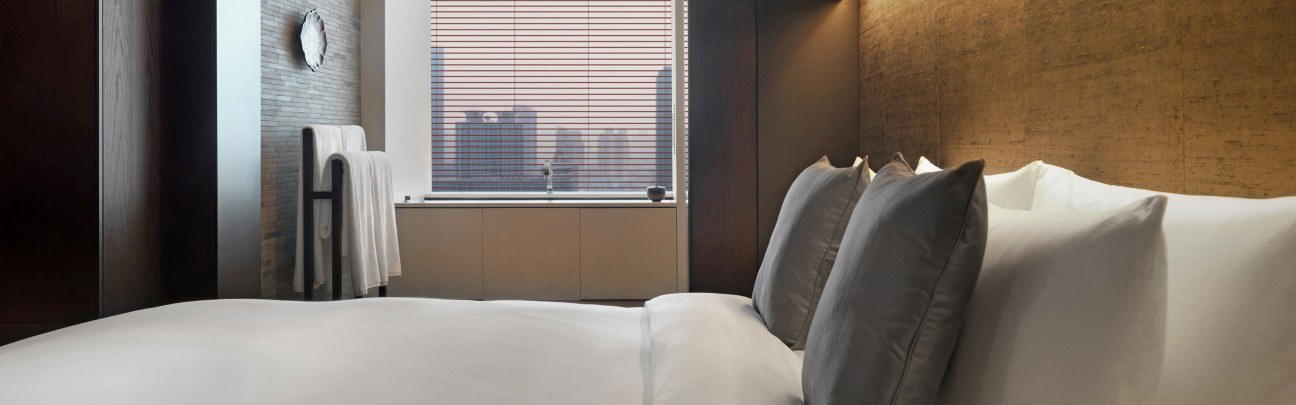
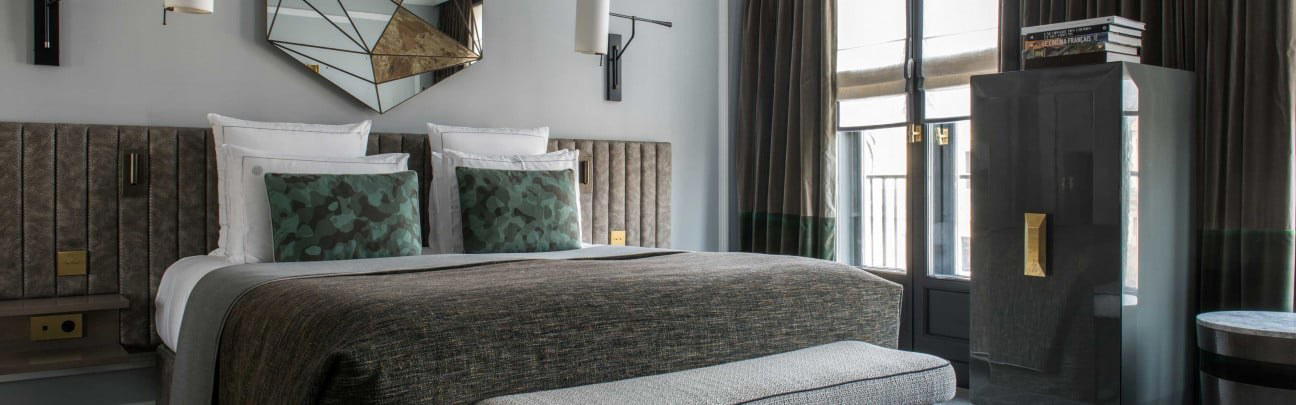
Layered elegant environments with ornate moldings, working fireplaces, and serene modernist spaces featuring grasscloth walls and bold textiles.
Tags
Vibe
Best For
Experience
Amenities
View
Accessibility
About the Stay
- Rooms
- 31
- Property Style
- Splendidly Restored 3 Acre Estate Blending Historic Mansion and Modernist Addition in Litchfield's Historic Center.
- Design Style
- Colonial Revival with Victorian Details in Belden House and Mid Century Modernist in Mews by Champalimaud Design.
Know before you go
Know Before You Go
- Getting there
- 31 North St, Litchfield, CT 06759
Planning details
Location
Recognition and awards

Also consider
If you cannot book it
Try Mayflower Inn & Spa, Auberge Resorts Collection first if the trip needs a stronger spa component. Try Winvian if the priority is a more destination-led countryside stay.
Hotel context
How It Compares
Belden House & Mews is the pick for a quieter Litchfield base with strong recognition and less resort sprawl. Mayflower Inn & Spa, Auberge Resorts Collection is the better fit when spa time is a major part of the stay, while Winvian makes more sense for travelers who want the hotel itself to be the destination.
For ambiance, Troutbeck and Race Brook Lodge skew more countryside and lodge-like. Choose Belden House & Mews when the priority is a polished town stay; choose those peers when the weekend should feel more rural.
Booking is hard here, so value depends on planning ahead and knowing what kind of trip is being bought. If the desired experience is wellness-heavy, compare with Mayflower Inn & Spa, Auberge Collection; if the goal is Litchfield access with a quieter room-first feel, this is the more focused option.
Explore Litchfield
Around this place
Discover more on Pearl
Unlock the full Belden House & Mews guide in Pearl, including awards, comparisons, FAQs, planning details, and nearby places.
Compare Belden House & Mews
| Venue | Location | Awards |
|---|---|---|
| Belden House & Mews | Litchfield | 2026 Travel + Leisure It List Hotels2026 Mr & Mrs Smith Luxury HotelsMichelin 1 Key 20252025 Michelin 1 Key |
| Winvian | Morris | Star Wine Lists 20262026 Virtuoso Luxury Hotel Collection2026 Relais Chateaux Hotels2026 La Liste Top Hotels2025 AAA 5 Diamond Hotel2025 Relais Chateaux Award |
| Mayflower Inn & Spa, Auberge Resorts Collection | Washington | 2026 Virtuoso Luxury Hotel Collection2026 Forbes RecommendedStar Wine Lists 20262026 Mr & Mrs Smith Luxury Hotels2026 La Liste Top Hotels2025 Michelin 1 Key2025 Forbes Recommended2025 AAA 5 Diamond Hotel |
| Mayflower Inn & Spa, Auberge Collection | Washington | No published awards |
| Troutbeck | Amenia | 2026 Virtuoso Luxury Hotel Collection2026 Mr & Mrs Smith Luxury Hotels2025 Michelin 1 Key2024 Michelin 1 Key |
| Race Brook Lodge | Sheffield | No published awards |





How Belden House & Mews Litchfield compares with similar nearby venues.
FAQ
Frequently Asked Questions
What is check-in like at Belden House & Mews?
How does Belden House & Mews compare to other regional stays?
Choose Belden House & Mews if you want a Litchfield stay with confirmed recognition, including a Michelin 1 Key. Travelers may also compare it with Mayflower Inn & Spa, Auberge Resorts Collection, Winvian, Troutbeck, and Race Brook Lodge, depending on the kind of regional trip they are planning.
Is Belden House & Mews family-friendly?
How is the location of Belden House & Mews?
Belden House & Mews is in Litchfield. Specific address details should be confirmed directly with the property or through its official booking channels.