
The Wigwam
Litchfield Park
Hotel in Litchfield Park, United States
 Book with Pearl
The Read
Desert Ranch Scale
Price
$200–300per night
Why go
The Wigwam is a sensible Litchfield Park pick for travelers who want an easier resort stay rather than a central Phoenix hotel base. Book it for family weekends, celebrations, or West Valley convenience; compare Phoenix-area alternatives if nightlife, dining density, or a more urban setting is the main priority.
About The Wigwam
The Wigwam is a Litchfield Park venue with Preferred Hotels Member status for 2025. For planning, start with the basics: its Litchfield Park location, smart-casual dress code, and Preferred Hotels affiliation. For amenities, dining, pricing, room count, service style, or booking difficulty, check directly with the venue before you plan around them.
Book for Litchfield Park, with expectations checked
The safest reason to consider The Wigwam is direct geography: it is in Litchfield Park. If that city is where your plans are centered, it belongs on the shortlist. If your plans are elsewhere in the Phoenix area, compare the location carefully against other venue options before committing.
The dress code is smart casual, which is useful to know for guests planning a visit. For dining format, beverage program, amenities, room style, or price level, check current details directly rather than making assumptions.
Who should choose it over Phoenix alternatives
Choose The Wigwam when Litchfield Park is the right base for your plans and a smart-casual setting fits the occasion. Its Preferred Hotels Member recognition for 2025 gives it a clear affiliation signal, but it does not by itself define a particular luxury tier, service format, or guest experience.
If you are comparing broader Phoenix-area venues, consider whether Litchfield Park is more convenient than options such as Arizona Biltmore, LXR Hotels & Resorts, Kimpton Hotel Palomar Phoenix, The Camby, Autograph Collection, The Hermosa Inn, or Gila River Resorts & Casinos - Vee Quiva. The right choice depends on where you need to be and what each venue currently offers.
The practical verdict for a special occasion
The practical verdict is cautious but positive for travelers who specifically want The Wigwam in Litchfield Park and value its Preferred Hotels Member status. Keep the decision grounded in the essentials: Litchfield Park location, smart-casual dress code, and 2025 Preferred Hotels Member recognition.
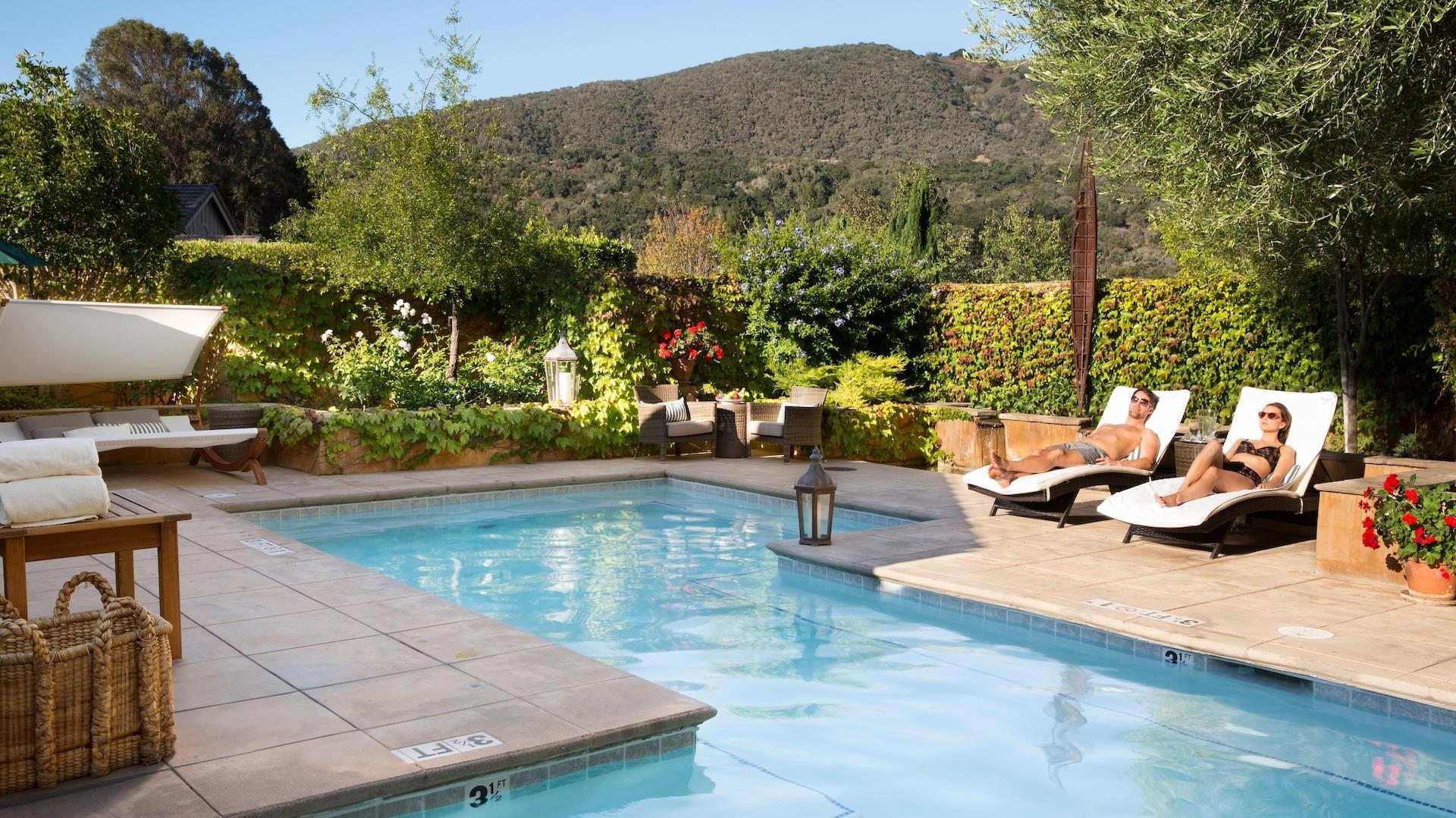
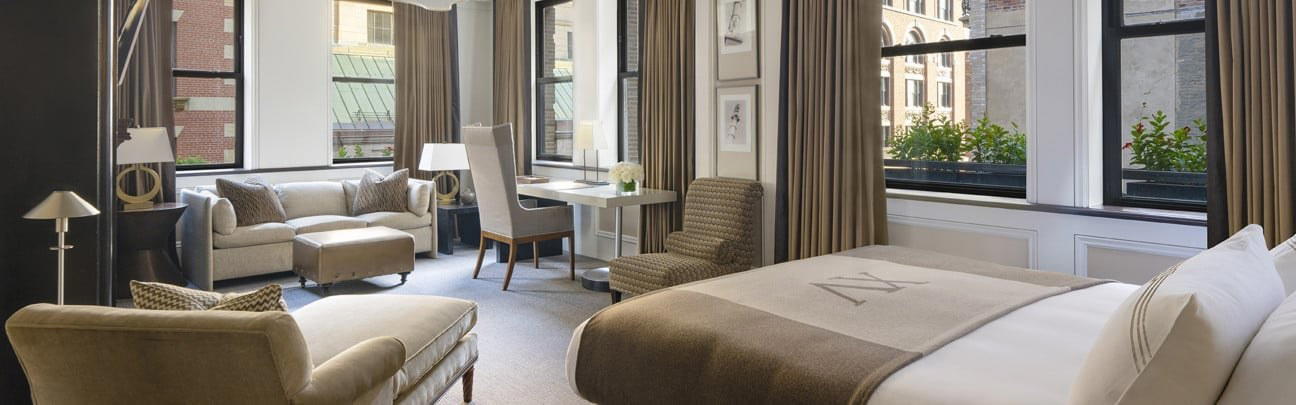
Inside The Wigwam
Planning details
- Location
- 300 E Wigwam Blvd, Litchfield Park, AZ 85340
- Website
- wigwamarizona.com
- Phone
- +1 844-239-1641
The take
The Take
The Vibe
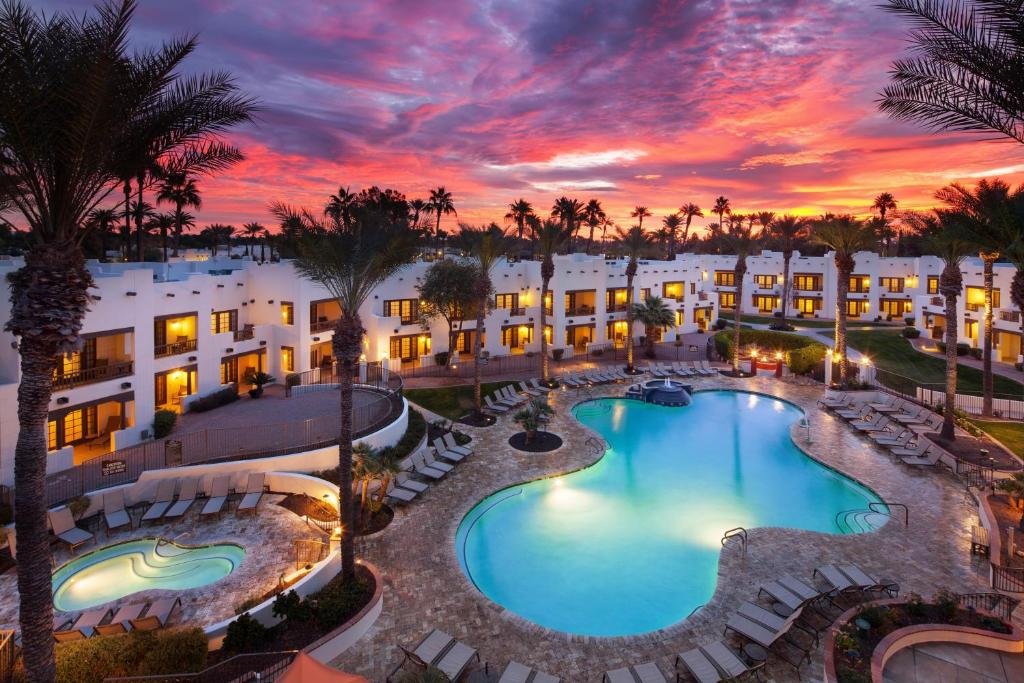
The Wigwam presents a low‑slung, midcentury resort aesthetic that foregrounds the Sonoran Desert and open sky. Design choices—warm earth tones, horizontal massing and a campus layout—encourage guests to move through outdoor space rather than be contained by architecture. That horizontal logic, paired with the resort’s generous footprint and historic pedigree, creates a calm, measured atmosphere: relaxed rather than flashy, rooted in regional materials and a postwar leisure tradition. The result is a serene, warm resort that reads as architecture in conversation with the landscape, where vistas and the quality of light shape the guest experience more than vertical scale.
Best For
The Wigwam suits travelers seeking a measured escape from the Phoenix metro area—weekenders and anyone drawn to warm‑weather leisure rooted in midcentury resort culture. Its campus layout and emphasis on grounds make it a natural choice for visitors who value outdoor circulation and broad desert vistas. The property’s scale and historic character appeal to guests looking for a slower, restorative stay rather than an urban high‑rise experience. It is especially apt for people who want a regional resort that balances a historic atmosphere with updated conveniences, and for those arriving from nearby neighborhoods for a short getaway.
Stay Tips
Plan travel with daylight in mind: the resort’s design is intended to be read across its grounds and under the wide Sonoran sky, so arriving during the day helps orient you to the low‑slung architecture and landscape. Allow time to walk the campus and take in the open visual field—the description highlights the property’s generous footprint and relationship to its grounds. Note that the hotel sits roughly 20 miles west of central Phoenix, making it an easy regional escape. Keep expectations aligned with a historic, horizontal resort typology rather than a tower‑hotel experience.
Venue details
Ambiance
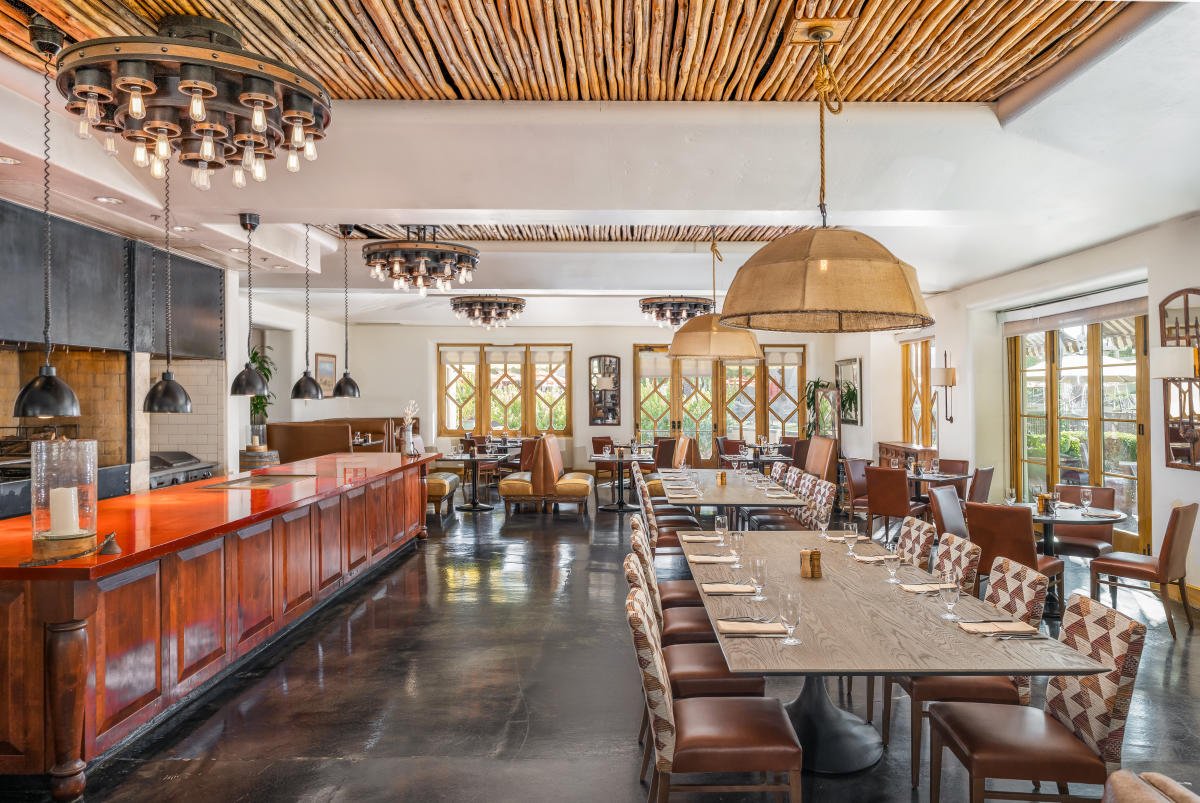
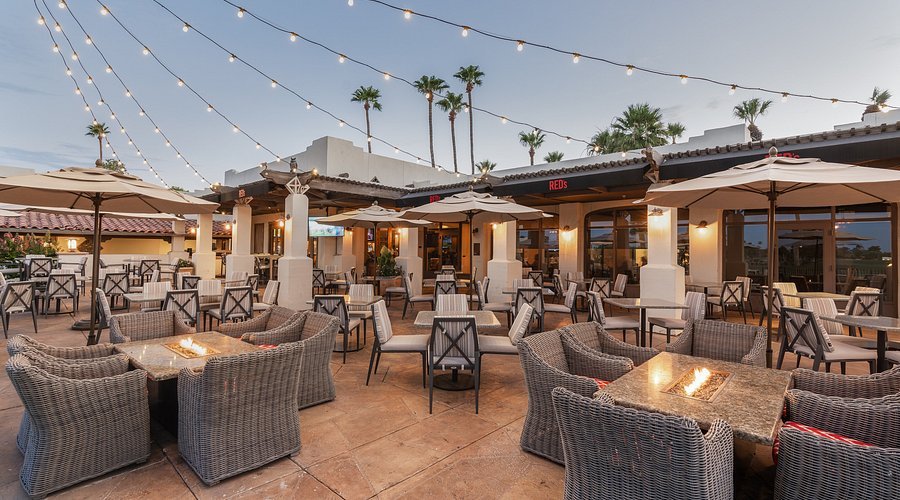
Warm and inviting with Southwestern territorial adobe architecture, elegant comfort, and a blend of historic charm with modern amenities; guests highlight the serene desert setting with vibrant poolside atmosphere on weekends.
Tags
Vibe
Best For
Experience
Amenities
View
Accessibility
About the Stay
- Rooms
- 331
- Property Type
- Heritage hotel
- Property Style
- Historic Southwestern Luxury Resort with Territorial Adobe Architecture and Contemporary Amenities, Positioned as a Multi Generational Desert Destination.
- Design Style
- Southwestern Territorial Adobe with Individual Furnishings, Private Patios, and Modern Comfort; Spacious Casitas and Suites Featuring Traditional Décor Blended with Contemporary Luxury.
- Pool
- Yes
- Spa
- Yes
- Pets
- Allowed
- Families
- Welcome
- Cancellation
- Moderate
Know before you go
Know Before You Go
- Getting there
- 300 E Wigwam Blvd, Litchfield Park, AZ 85340
Planning details
Location
Recognition and awards
Also consider
Where to look if this is not the right fit
If the group wants a downtown Phoenix base instead, cross-shop Kimpton Hotel Palomar Phoenix. If the occasion calls for a more luxury-coded resort stay, compare Arizona Biltmore, LXR Hotels & Resorts before deciding.
Hotel context
How it compares with Phoenix-area resort and city-hotel peers
The Wigwam is the easier Litchfield Park choice if the trip is anchored in the West Valley. Kimpton Hotel Palomar Phoenix makes more sense for a downtown Phoenix stay, while The Camby, Autograph Collection is a better fit for travelers who want a city-hotel feel and broader access to Phoenix dining and shopping.
For a bigger luxury-resort comparison, Arizona Biltmore, LXR Hotels & Resorts and The Hermosa Inn are the more obvious splurge cross-shops. Pick The Wigwam when Litchfield Park convenience and booking ease matter; pick those peers when the occasion calls for a more established Phoenix-area luxury address.
Gila River Resorts & Casinos - Vee Quiva is the alternative to consider when gaming and resort entertainment are central to the stay. The Wigwam is the calmer call for family groups and celebrations built around space, pace, and West Valley access.
Explore Litchfield Park
Around this place
Discover more on Pearl
Unlock the full The Wigwam guide in Pearl, including awards, comparisons, FAQs, planning details, and nearby places.
Compare The Wigwam
| Venue | Location | Awards |
|---|---|---|
| The Wigwam | Litchfield Park | Preferred Hotels Member 2025 |
| Kimpton Hotel Palomar Phoenix | Phoenix | No published awards |
| Gila River Resorts & Casinos - Vee Quiva | Laveen | No published awards |
| The Camby, Autograph Collection | Phoenix | No published awards |
| Arizona Biltmore, LXR Hotels & Resorts | Phoenix | No published awards |
| The Hermosa Inn | Paradise Valley | No published awards |
How The Wigwam Litchfield Park compares with similar nearby venues.
FAQ
Frequently Asked Questions
How is the dining at The Wigwam?
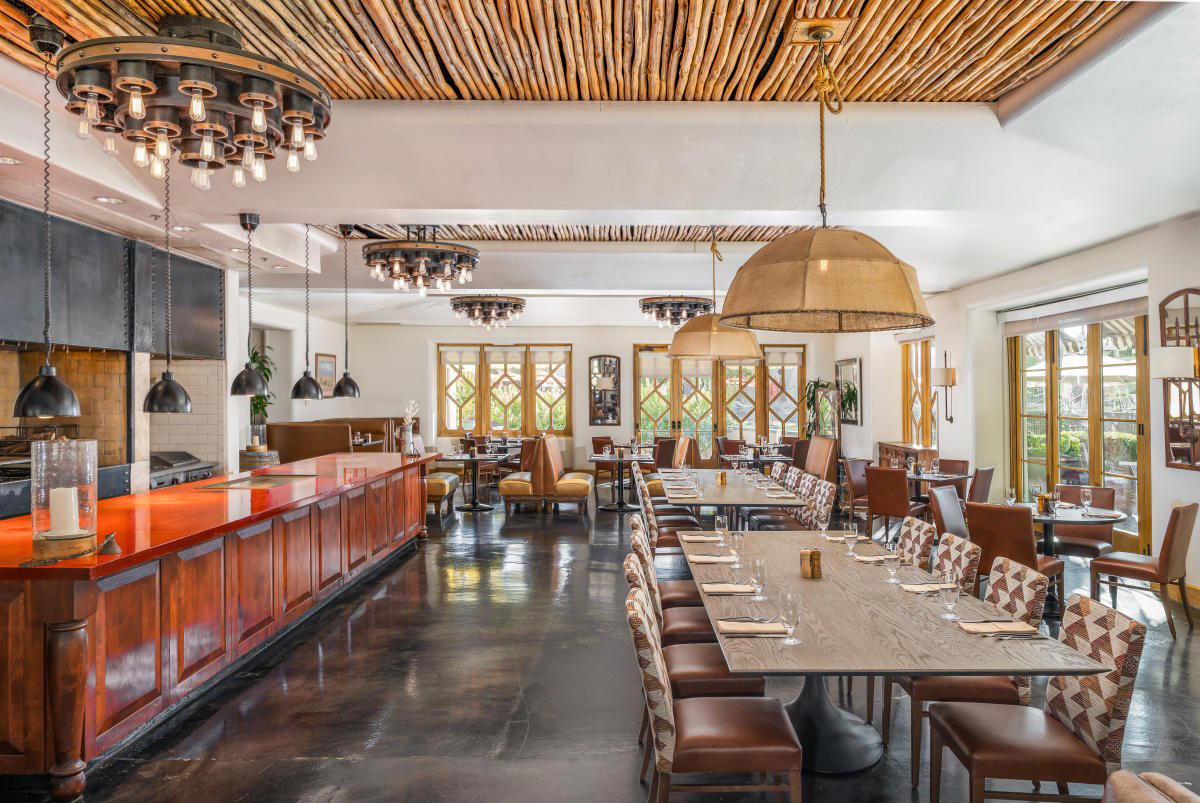
For dining format, cuisine, menu, price level, or beverage program, check current details directly before planning around them. The Wigwam is a Litchfield Park venue with a smart-casual dress code.
When is the best time to book The Wigwam?
Is The Wigwam family-friendly?
The Wigwam is in Litchfield Park and has a smart-casual dress code; guests planning around family needs should check current amenities directly with the venue.
Do loyalty programs work at The Wigwam?
The Wigwam is a Preferred Hotels Member for 2025. For any specific benefits, eligibility, or booking requirements, confirm directly through the venue or the Preferred Hotels program.
How is the location of The Wigwam?
The Wigwam is in Litchfield Park. If that location fits your plans, it may be convenient; if you are comparing other Phoenix-area options such as Arizona Biltmore, LXR Hotels & Resorts, consider the geography carefully.