

Memmo Alfama
Castelo, Lisbon
Hotel in Lisbon, Portugal
 Book with Pearl
The Read
Price
$200–300per night
Why go
Memmo Alfama is the Lisbon pick for couples who want Alfama atmosphere and design-led intimacy over large-hotel facilities. Its 2026 Design Hotels membership and Mr & Mrs Smith Seal of Approval make it a credible choice for a special-occasion stay, but families or guests wanting broader services should compare nearby options before booking.
About Memmo Alfama
For a stay in Lisbon, Memmo Alfama is best described as a Lisbon hotel with a smart casual dress code and 2026 recognition as a Design Hotels member and a Mr & Mrs Smith Seal of Approval property. Beyond those points, specific claims about facilities, room types, dining, pricing, or services should be checked directly with the hotel before booking.
That makes the decision less about an exhaustive amenities checklist and more about whether this particular Lisbon hotel fits the tone of the trip. If you are choosing between hotels for a celebration, a design-minded city break, or a short stay, use the recognition as a useful signal, but do not treat it as a substitute for confirming the practical details that matter to you.
Choose it for a confirmed Lisbon hotel profile, not specific extras
The clearest points are simple: Memmo Alfama is in Lisbon, the dress code is smart casual, and the hotel has 2026 Design Hotels Member and Mr & Mrs Smith Seal of Approval recognition. Those are meaningful planning details, but they do not indicate a particular restaurant format, spa program, pool setup, room inventory, price level, or family offering.
For that reason, the safest way to evaluate Memmo Alfama is to separate confirmed facts from assumptions. Travelers who care most about brand-style recognition and a polished hotel shortlist may find it worth considering. Travelers who need specific facilities, dining details, accessibility information, or room guarantees should confirm those details through the hotel's official channels before committing.
For planning the wider trip, pair this kind of stay with a broader Lisbon shortlist rather than treating it as the only answer. Our full Lisbon hotels guide is the right place to compare hotels, while our full Lisbon restaurants guide and our full Lisbon bars guide help fill the evenings around the city. If you are comparing places to stay, consider Memmo Alfama alongside options such as AlmaLusa Alfama, Baixa House, Hotel Vincci Baixa, Palácio Belmonte, and Santiago de Alfama - Boutique Hotel.
The smart booking profile is a traveler who values recognition
Book this if the profile suits your trip: a Lisbon hotel with smart casual dress code expectations and 2026 recognition from Design Hotels and Mr & Mrs Smith. Be more cautious if your decision depends on exact facilities, dining format, room categories, service style, or pricing.
Quick reference: strongest as a Lisbon hotel with 2026 Design Hotels Member and Mr & Mrs Smith Seal of Approval recognition; less certain for any planning need that depends on specific facilities or services.
Planning details
- Location
- Travessa das Merceeiras, 27, Lisbon 1100-348, Portugal
- Website
- memmohotels.com/alfama
- Phone
- +351 21 049 5660
The take
The Take
The Vibe
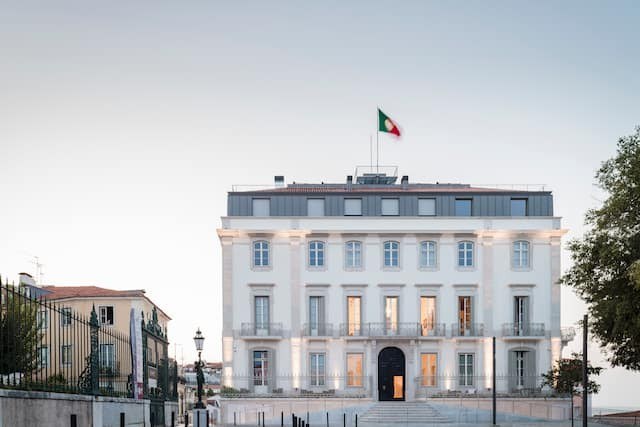
Memmo Alfama settles into the lived fabric of one of Lisbon’s oldest quarters, emphasizing neighbourhood continuity over standalone spectacle. The hotel lives among steep, narrow lanes where eighteenth-century tilework and Moorish-era masonry sit alongside everyday life — bakeries, fado houses and laundry lines. That context gives the property a quietly historic, small-scale character: rooms feel embedded in a residential block rather than perched above a tourist strip. The write-up foregrounds local textures and slow morning rhythms, so the experience reads as immersive and atmospheric rather than glossily modern or service-dense.
Best For
This hotel is best for travellers who want to be inside Alfama’s rhythms rather than outside looking in. Guests who prioritize neighbourhood immersion, walking access to miradouros and the charm of domestic streetscape find the location rewarding. It suits people planning short, exploratory stays — weekend escapes or slow-paced visits that center on wandering, listening to fado and discovering tucked-away bakeries. The property also appeals to those who prefer boutique scale and historical texture over large, full-service city hotels; the surrounding streets function as the primary amenity.
Venue details
Ambiance
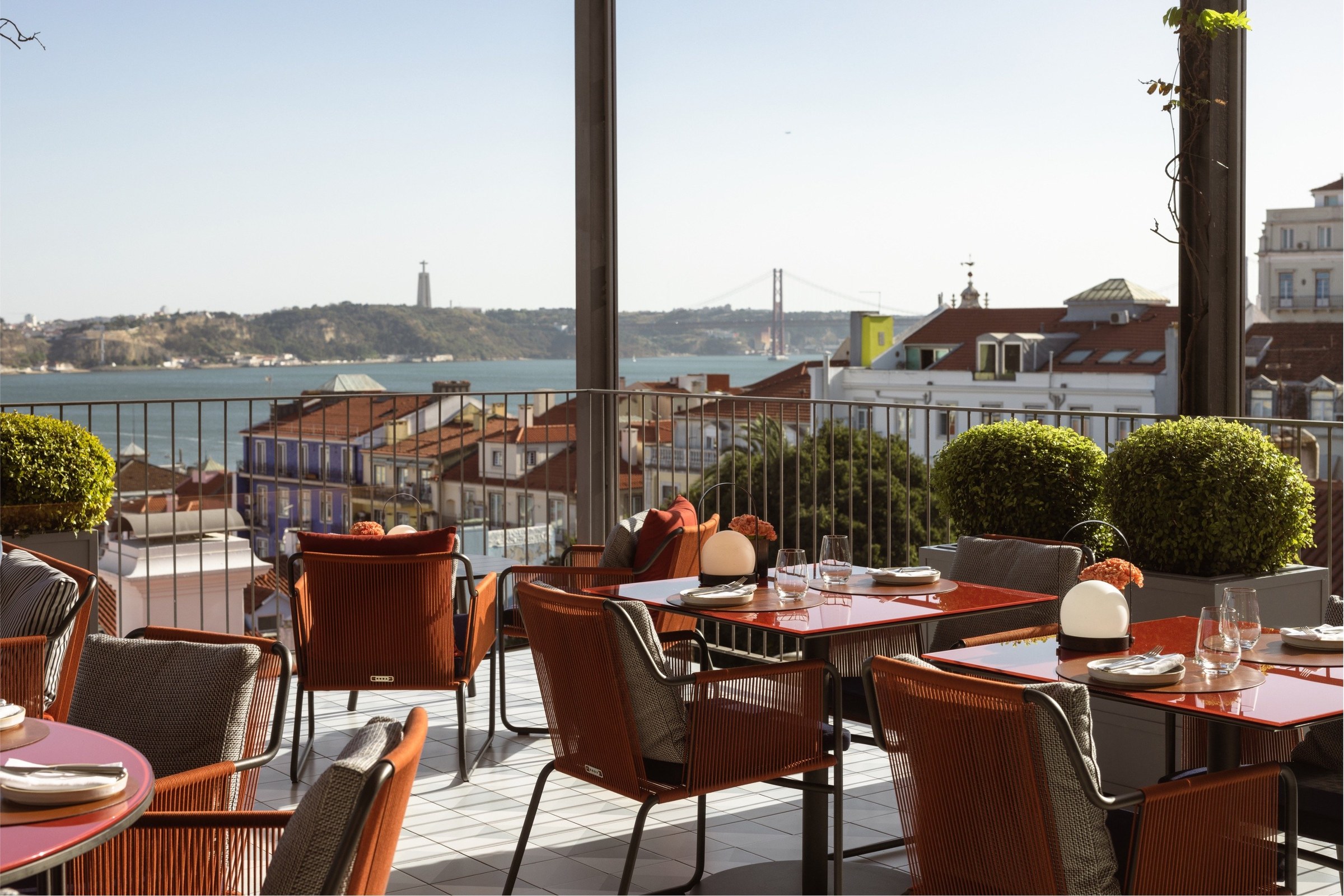
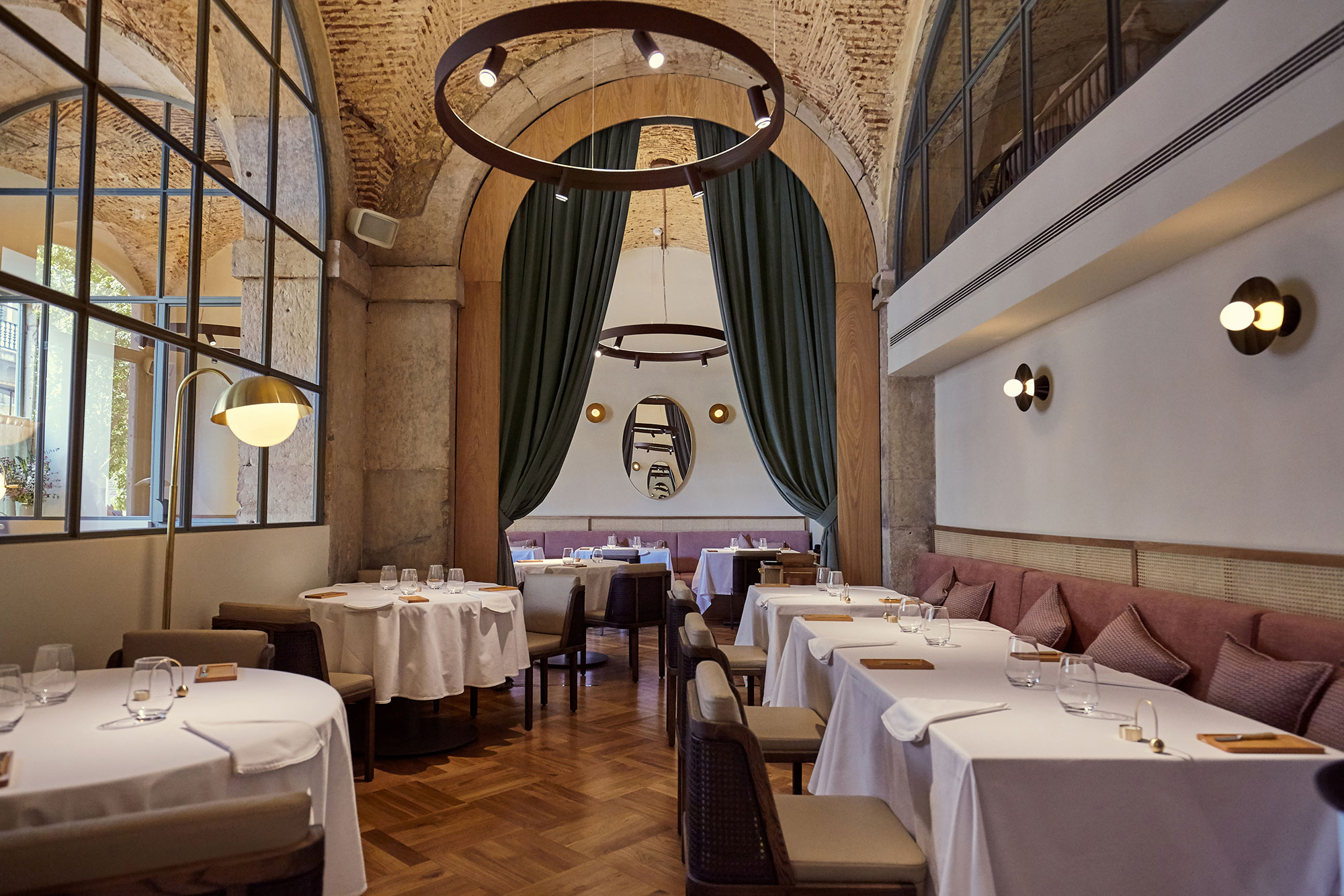
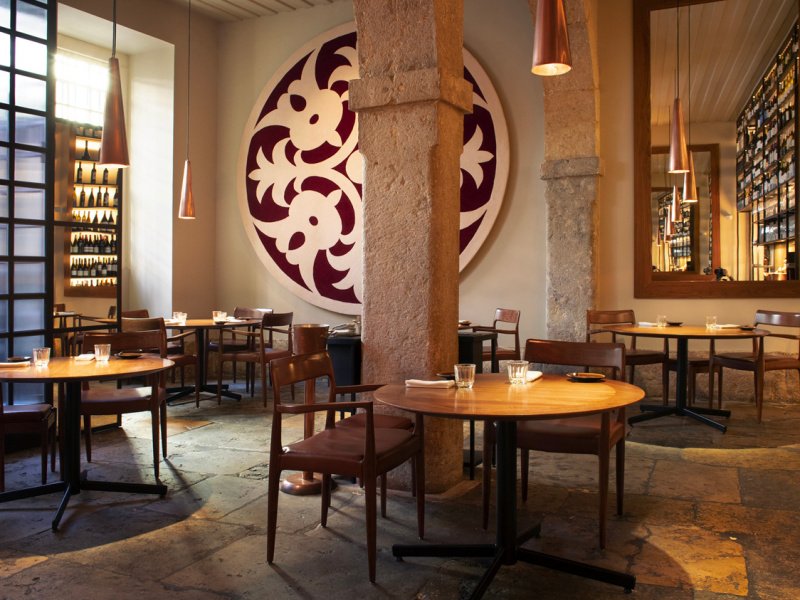
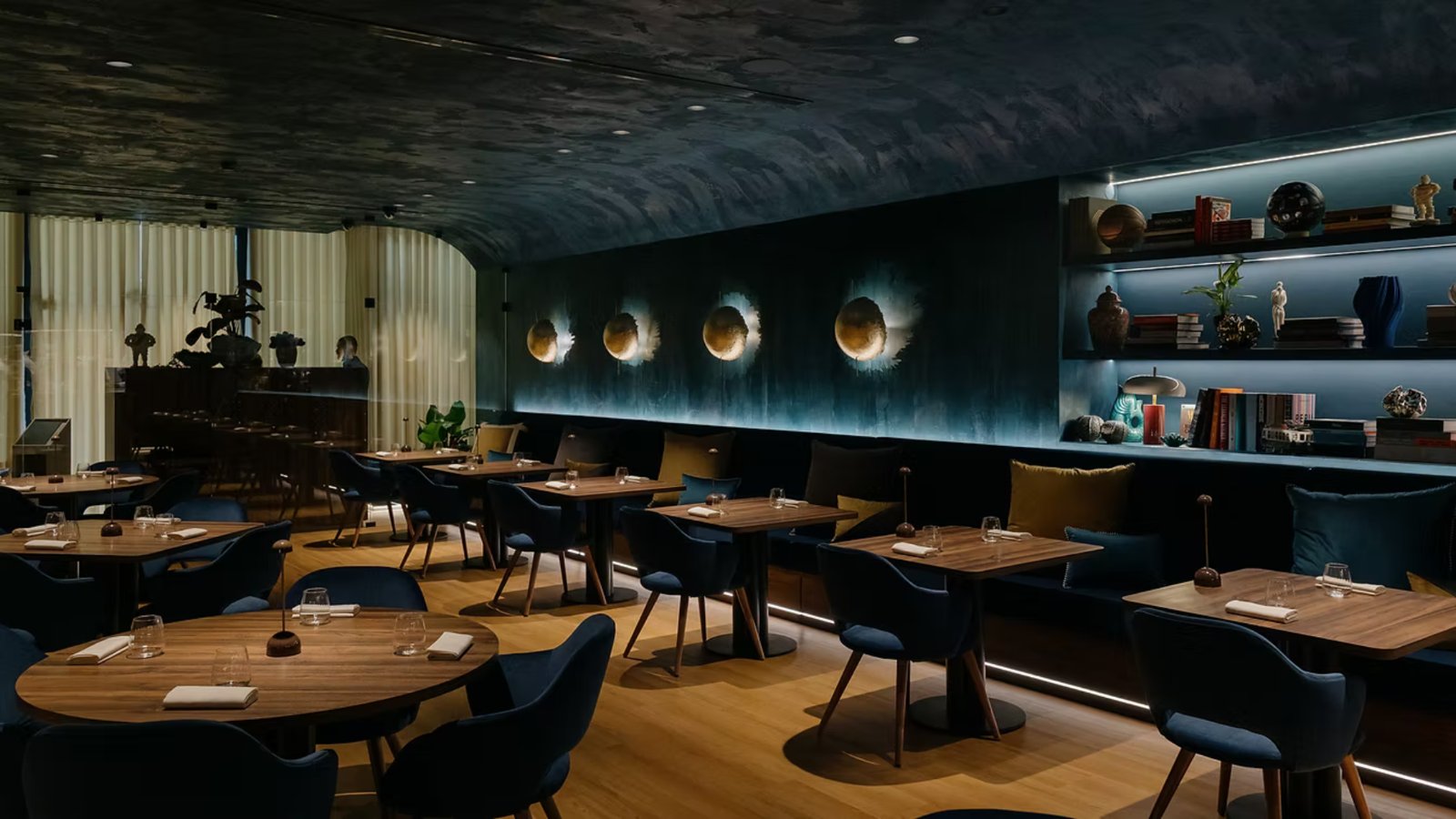
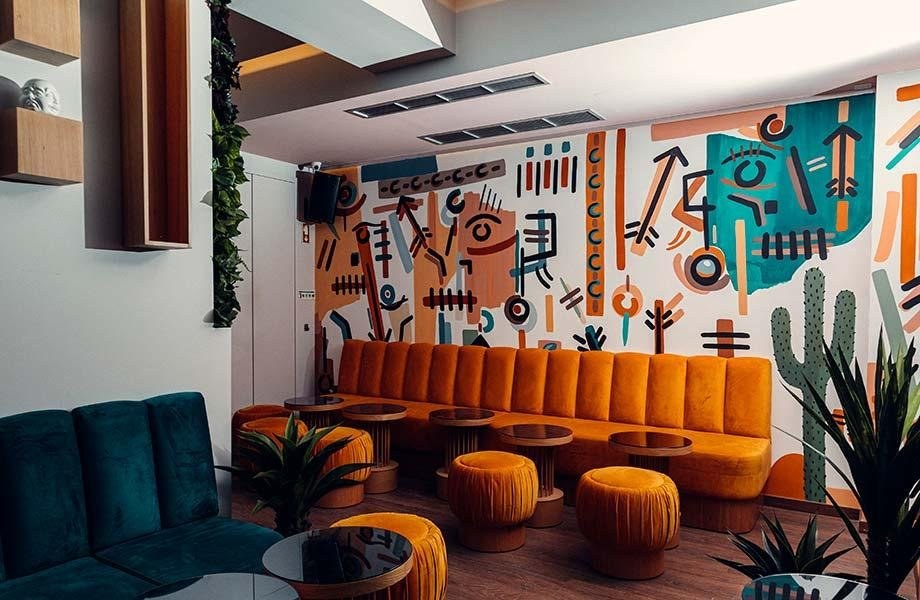
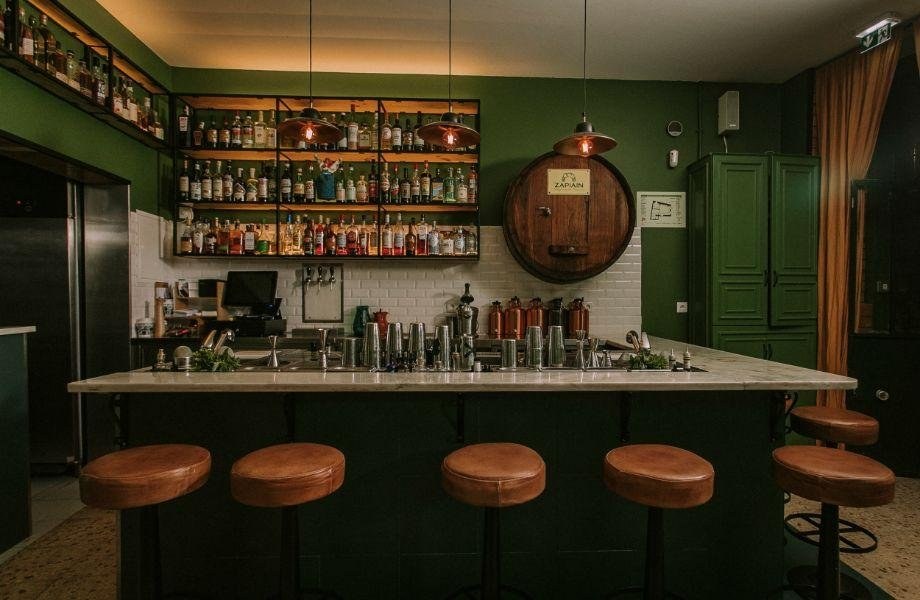
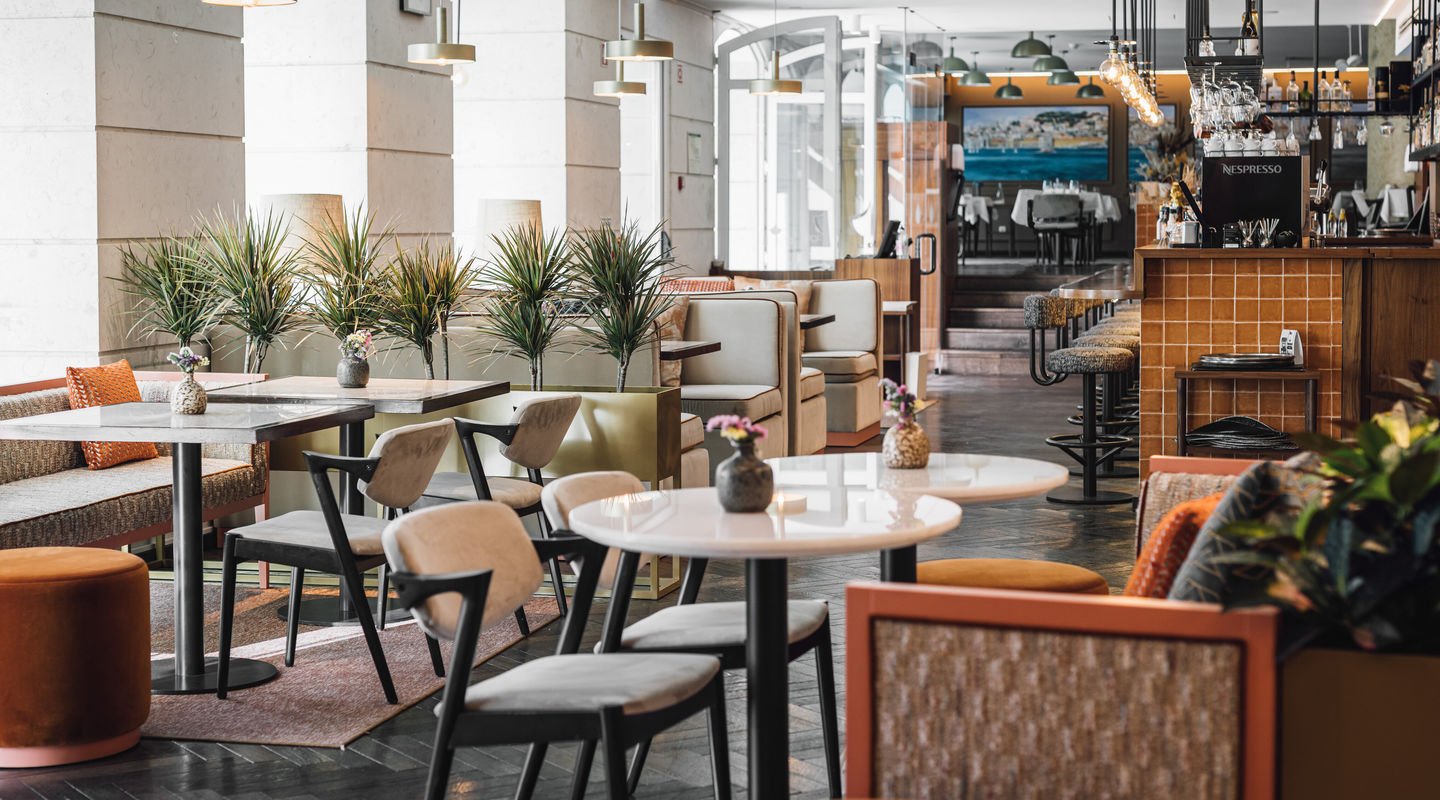
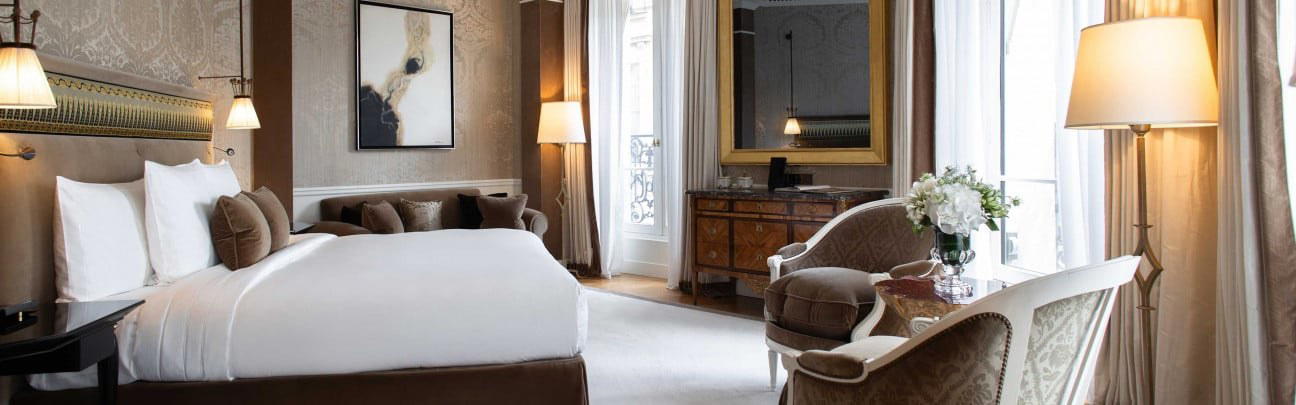
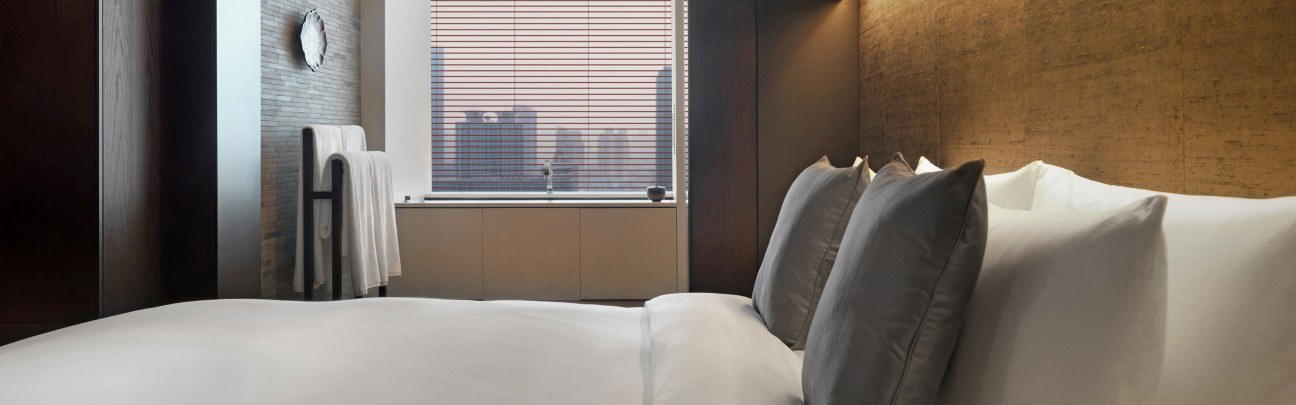
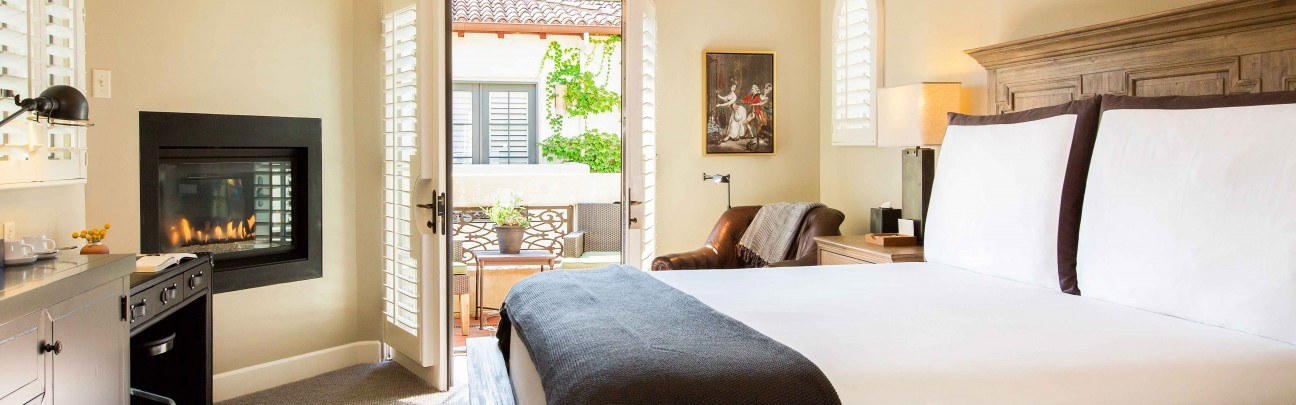
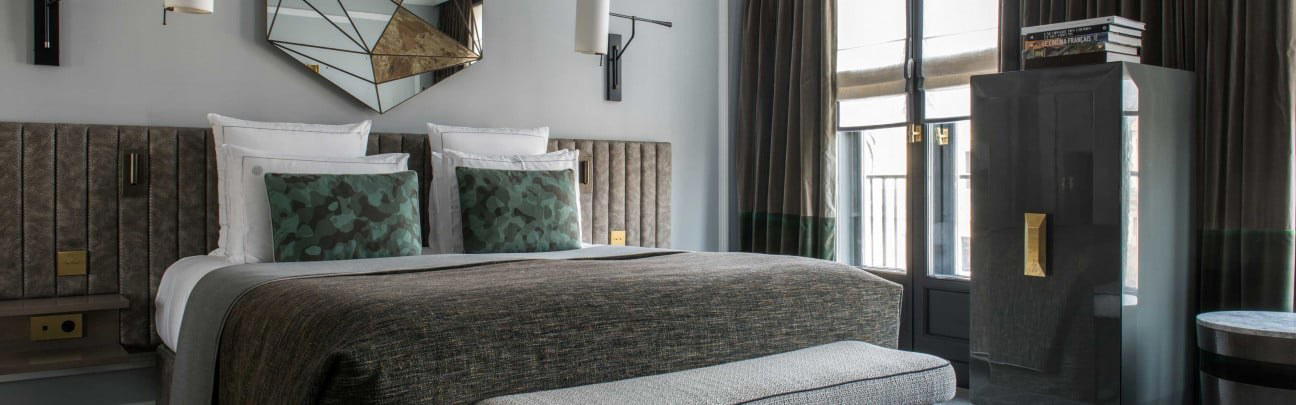
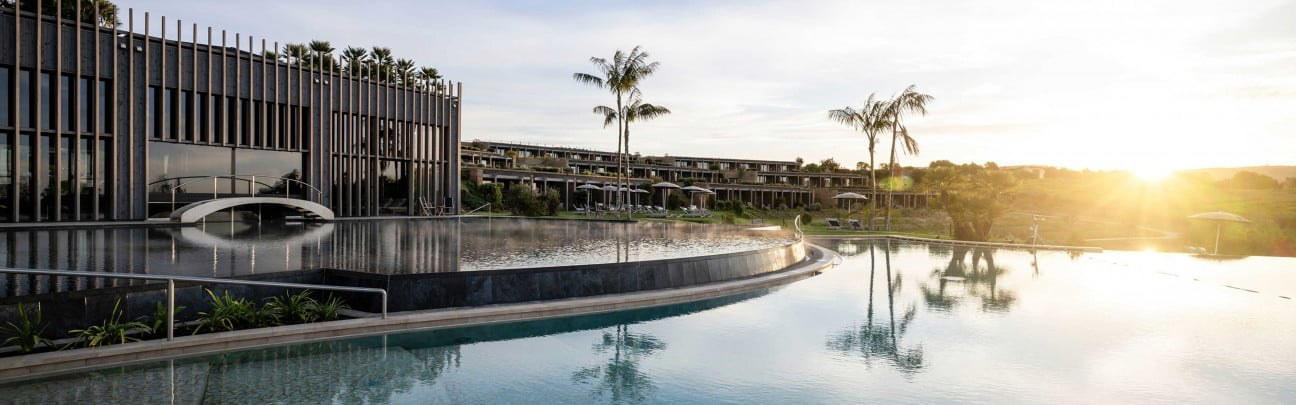
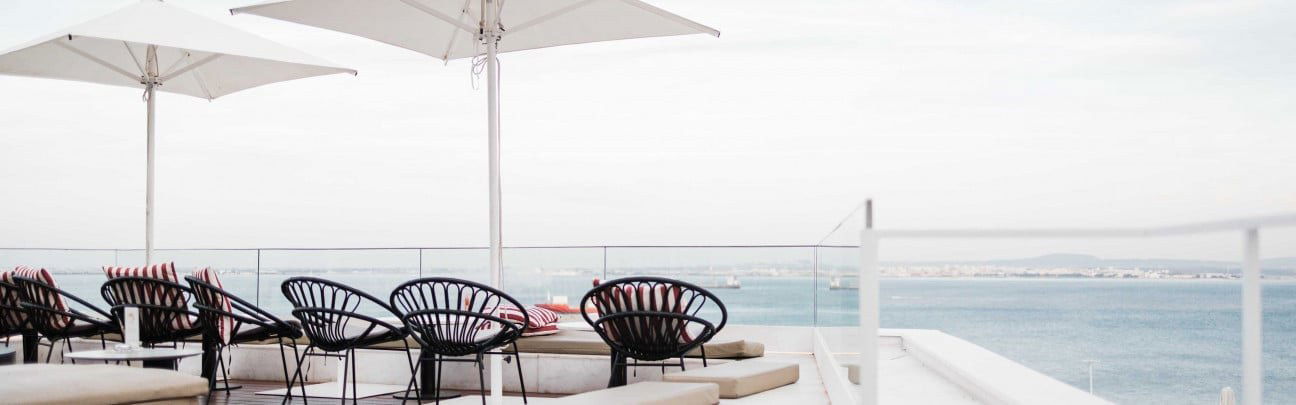
Warm, Portuguese-inspired aesthetic blending ancient stone walls with modern micro-cement finishes; cozy living room replaces traditional front desk; soft lighting from terrace and wine bar creates intimate evening atmosphere.
Tags
Vibe
Best For
Experience
Amenities
View
Accessibility
About the Stay
- Rooms
- 42
- Check-in
- 15:00
- Check-out
- 12:00
- Property Type
- Boutique hotel
- Property Style
- Contemporary Portuguese Design Hotel Emphasizing Authenticity and Local Culture with Modern Luxury Amenities.
- Design Style
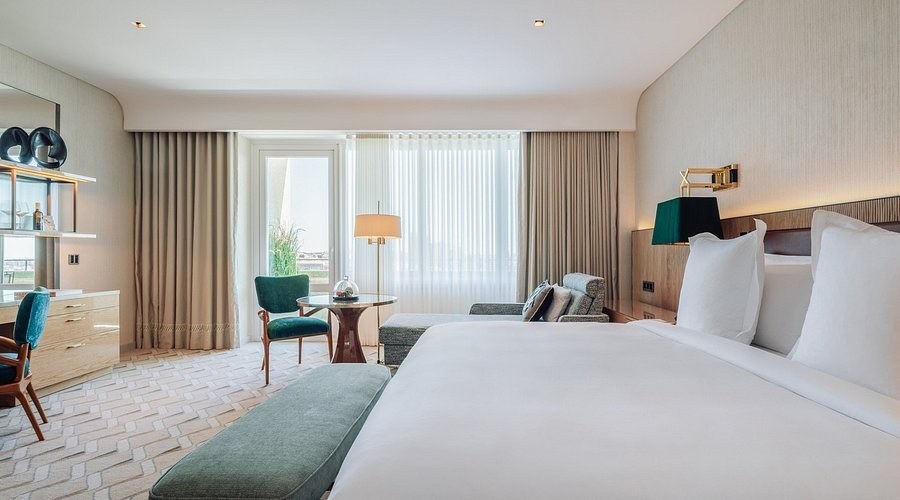
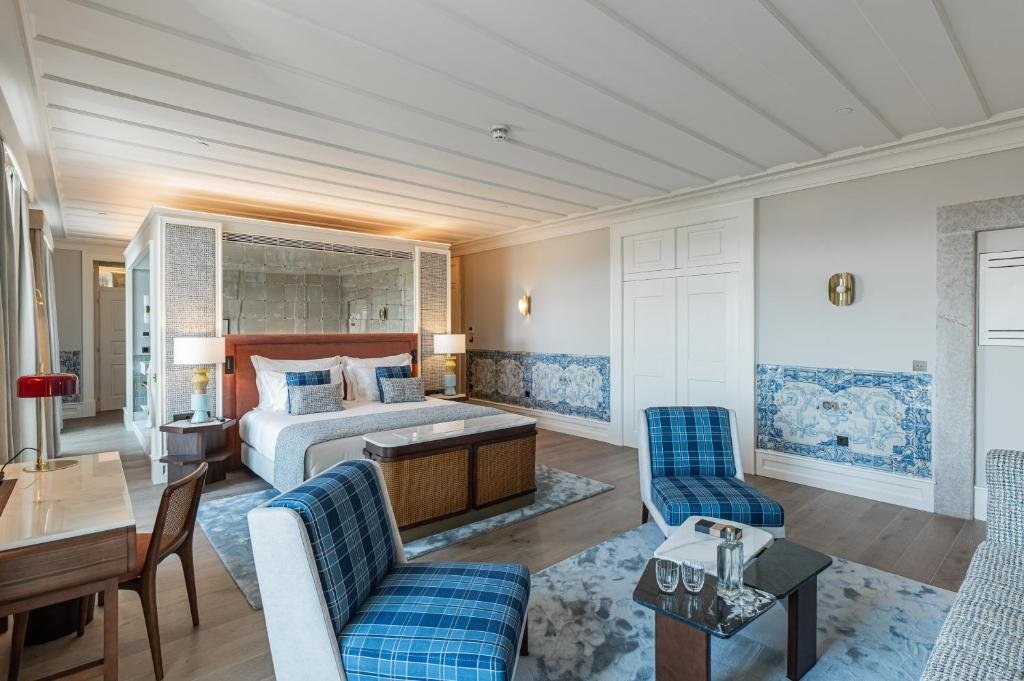
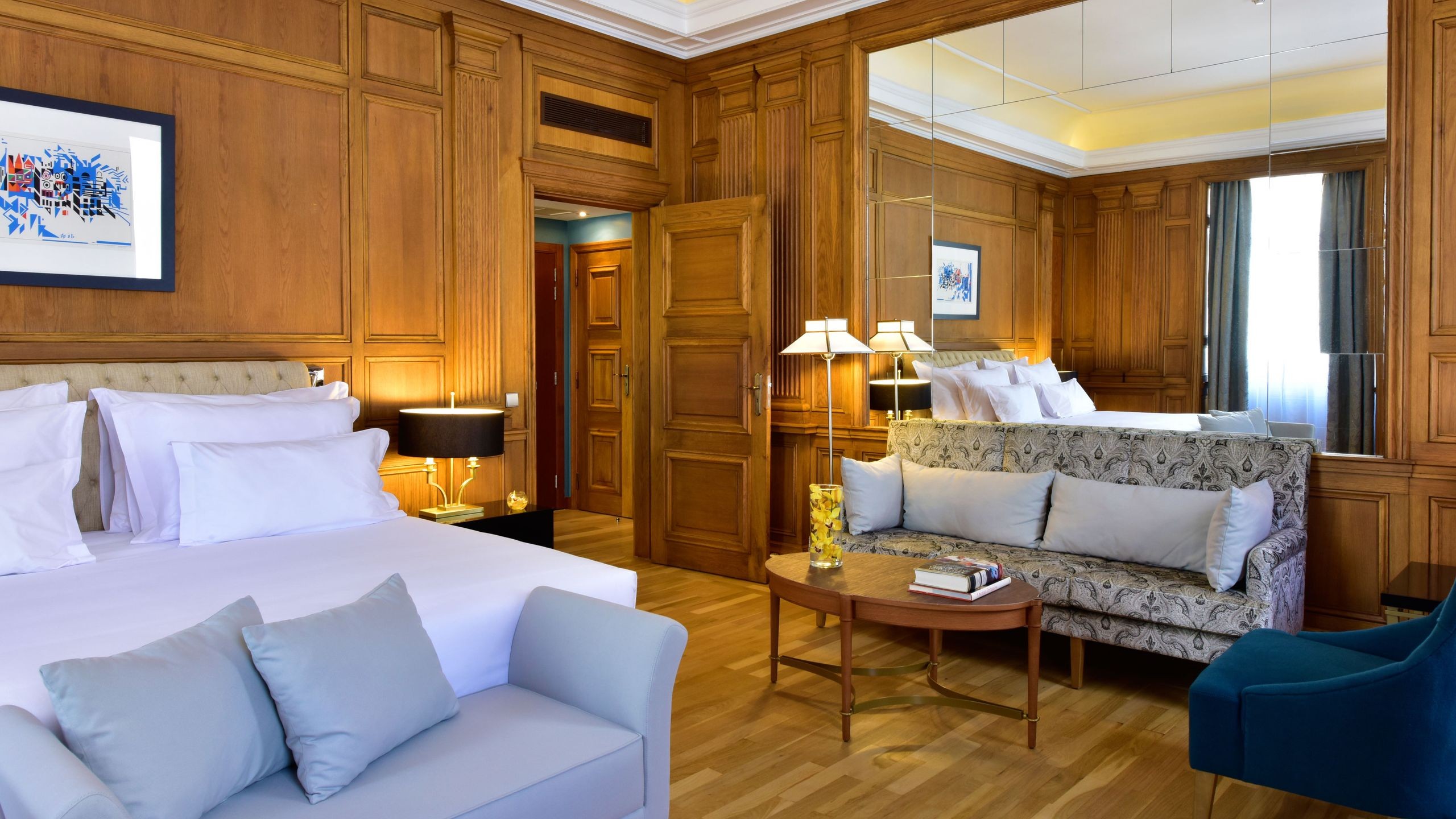
- Portuguese Meets Scandi Aesthetic Featuring Authentic Stone Walls, Sleek Micro Cement Finishes, Egyptian Cotton Linens, and Curated Local Art and Furnishings.
- Airport Transfer
- Available
- Pool
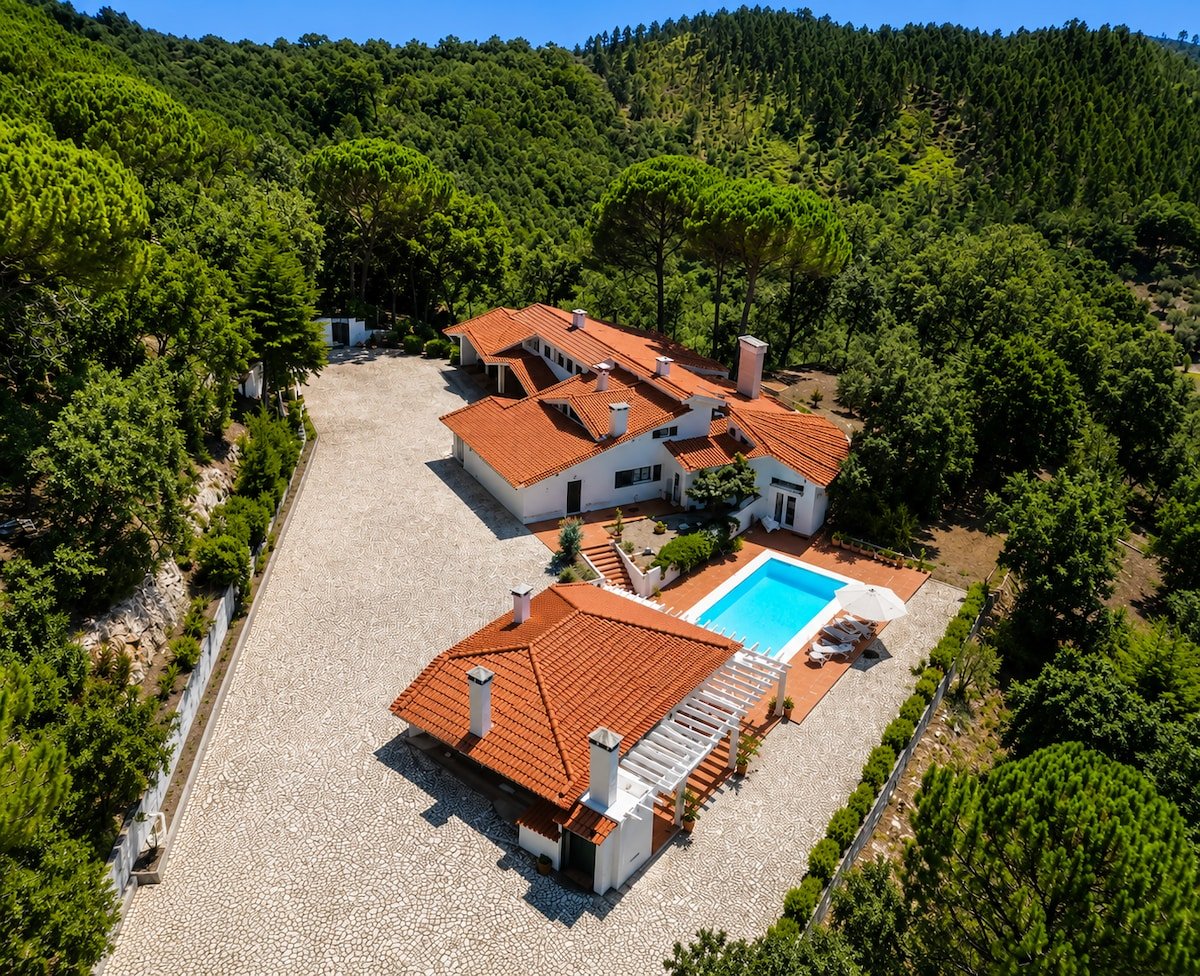
- Yes
- Cancellation
- Moderate
Know before you go
Know Before You Go
- Getting there
- Travessa das Merceeiras, 27, Lisbon 1100-348, Portugal
Planning details
Location
Travessa das Merceeiras, 27, Lisbon 1100-348, Portugal · Directions
Recognition and awards
Also consider
Also Consider
- Santiago de Alfama - Boutique Hotel, Notable alternative
- Palácio Belmonte, Notable alternative
- AlmaLusa Alfama, Notable alternative
- Hotel Vincci Baixa, Notable alternative
- Baixa House, Notable alternative
Hotel context
How Memmo Alfama compares in Lisbon
Against Santiago de Alfama - Boutique Hotel and Palácio Belmonte, Memmo Alfama is the cleaner recommendation for travelers who want a design-led Alfama stay without making the hotel feel like the whole event. Choose Santiago de Alfama - Boutique Hotel if a more classic boutique-hotel feel is the priority; choose Palácio Belmonte if the trip calls for a more dramatic heritage mood and the budget can stretch.
AlmaLusa Alfama is the closer cross-shop for travelers who want the same neighborhood logic but a slightly more practical city-break feel. Hotel Vincci Baixa is better for guests who want flatter, more central movement around Baixa rather than Alfama's hills and lanes. Baixa House is the better alternative for apartment-style independence rather than hotel service.
Booking difficulty is marked easy here, which makes Memmo Alfama a useful fallback when the more character-heavy Alfama options are not lining up. For a romantic weekend, start here or Santiago de Alfama - Boutique Hotel; for a location-first city break, compare Hotel Vincci Baixa and Baixa House before deciding.
Around this place
Discover more on Pearl
Unlock the full Memmo Alfama guide in Pearl, including awards, comparisons, FAQs, planning details, and nearby places.
Compare Memmo Alfama
| Venue | Location | Awards |
|---|---|---|
| Memmo Alfama | Lisbon | 2026 Design Hotels Collection2026 Mr & Mrs Smith Luxury Hotels2025 Michelin Selected Hotels |
| Santiago de Alfama - Boutique Hotel | Lisbon | 2026 Michelin 1 Key2025 Michelin 1 Key |
| Palácio Belmonte | Lisbon | No published awards |
| AlmaLusa Alfama | Lisbon | No published awards |
| Hotel Vincci Baixa | Lisbon | No published awards |
| Baixa House | Lisbon | No published awards |


How Memmo Alfama Lisbon compares with similar nearby venues.
FAQ
Frequently Asked Questions
What is check-in like at Memmo Alfama?
Memmo Alfama is in Lisbon, and the confirmed 2026 Design Hotels Member badge supports its placement on a design-focused hotel shortlist, but arrival details should be confirmed directly with the hotel.
How is the pool and spa at Memmo Alfama?
Pool or spa details should be confirmed directly with Memmo Alfama before reserving.
How is the dining at Memmo Alfama?
How does Memmo Alfama compare to nearby hotels?
Compare Memmo Alfama with other Lisbon options such as Santiago de Alfama - Boutique Hotel, Palácio Belmonte, AlmaLusa Alfama, Hotel Vincci Baixa, and Baixa House. Memmo Alfama's points are its Lisbon setting, smart casual dress code, and 2026 Design Hotels Member and Mr & Mrs Smith Seal of Approval recognition.
Which room category is best at Memmo Alfama?
Choose only after checking the hotel's official room descriptions, and confirm any needs around view, quiet, layout, or accessibility before booking.