
Wilderness DumaTau
Linyanti Wildlife Reserve, Linyanti
Hotel in Linyanti, Botswana
 Book with Pearl
The Read
Linyanti Water-Edge Game Viewing
Price
$2,500+per night
Why go
Wilderness DumaTau is a strong Linyanti choice for travelers who want a serious Botswana safari base rather than a resort-style family holiday. It suits returning safari guests, multigenerational groups, and older children comfortable with structured days, with 2025 Conde Nast Best Resorts #2 recognition adding a clear trust signal.
About Wilderness DumaTau
Wilderness DumaTau is a Linyanti venue with a smart casual dress code and Condé Nast Best Resorts #2 recognition in 2025. For planning, avoid assuming specific services, room features, dining formats, prices, or activity details without checking them directly.
The practical decision is therefore direct: keep Wilderness DumaTau on the shortlist if you are specifically comparing premium options in Linyanti and value a venue with external recognition. If your plans depend on particular amenities, meal formats, family services, or other operational details, confirm those directly before booking.
A strong fit for travelers comparing Linyanti options carefully
Wilderness DumaTau is best evaluated as a Linyanti choice rather than as an interchangeable city hotel or restaurant listing. Its Linyanti setting and Condé Nast recognition support a premium positioning; travelers with firm requirements around service style, cuisine, room categories, activities, or facilities should check those details before booking.
For groups, the key is alignment on the basics: the venue is in Linyanti, the dress code is smart casual, and it has a Condé Nast Best Resorts #2 recognition for 2025. Any more detailed requirements should be checked with the property or booking advisor before committing.
Compared with Wilderness King's Pool Camp, Wilderness DumaTau is a natural option to review for travelers focused on Linyanti. Travelers building a broader Botswana plan can also compare it with Great Plains Selinda, Selinda Camp, Savute Elephant Lodge, A Belmond Safari, Botswana, and Moremi Game Reserve without assuming that each option offers the same setting, format, or services.
Choose it for recognition and a Linyanti focus
The useful way to judge Wilderness DumaTau is against the trip’s priorities. If the goal is to choose a recognized Linyanti venue with a smart casual dress code, it belongs on the list. If the goal depends on specific amenities, food and beverage details, pricing, or room configurations, check those details before booking.
For planning, use the broader Linyanti guides as context rather than as proof of unlisted features: Our full Linyanti restaurants guide, Our full Linyanti bars guide, Our full Linyanti wineries guide, and Our full Linyanti experiences guide. The bottom line: choose Wilderness DumaTau when the recognition and Linyanti location match the trip; keep comparing if you need more detailed operational information.
Planning details
- Location
- Linyanti
- Website
- wildernessdestinations.com/africa/botswana/linyanti-region/dumatau-camp
- Phone
- +27 11 257 5000
The take
The Take
The Vibe
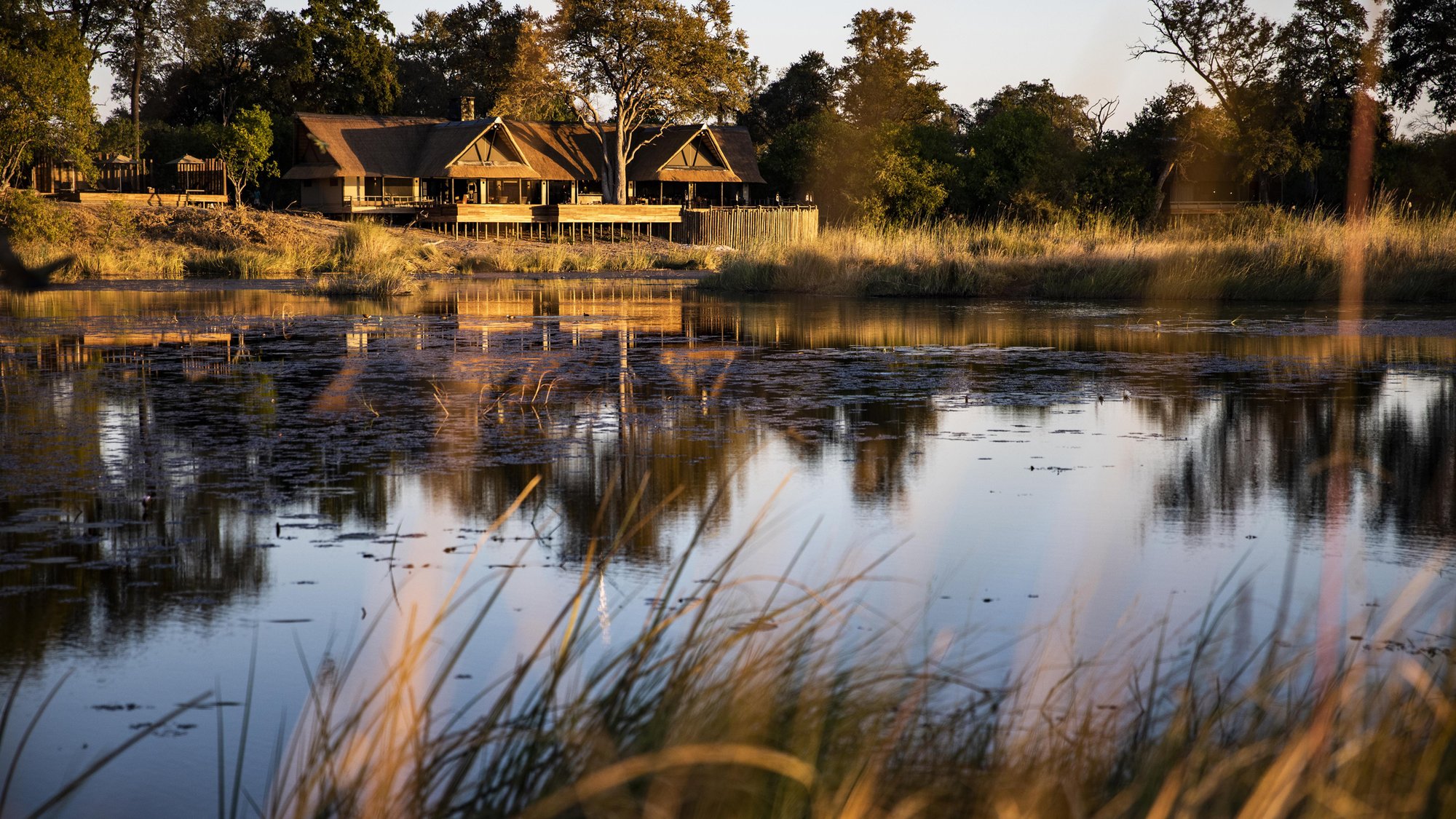
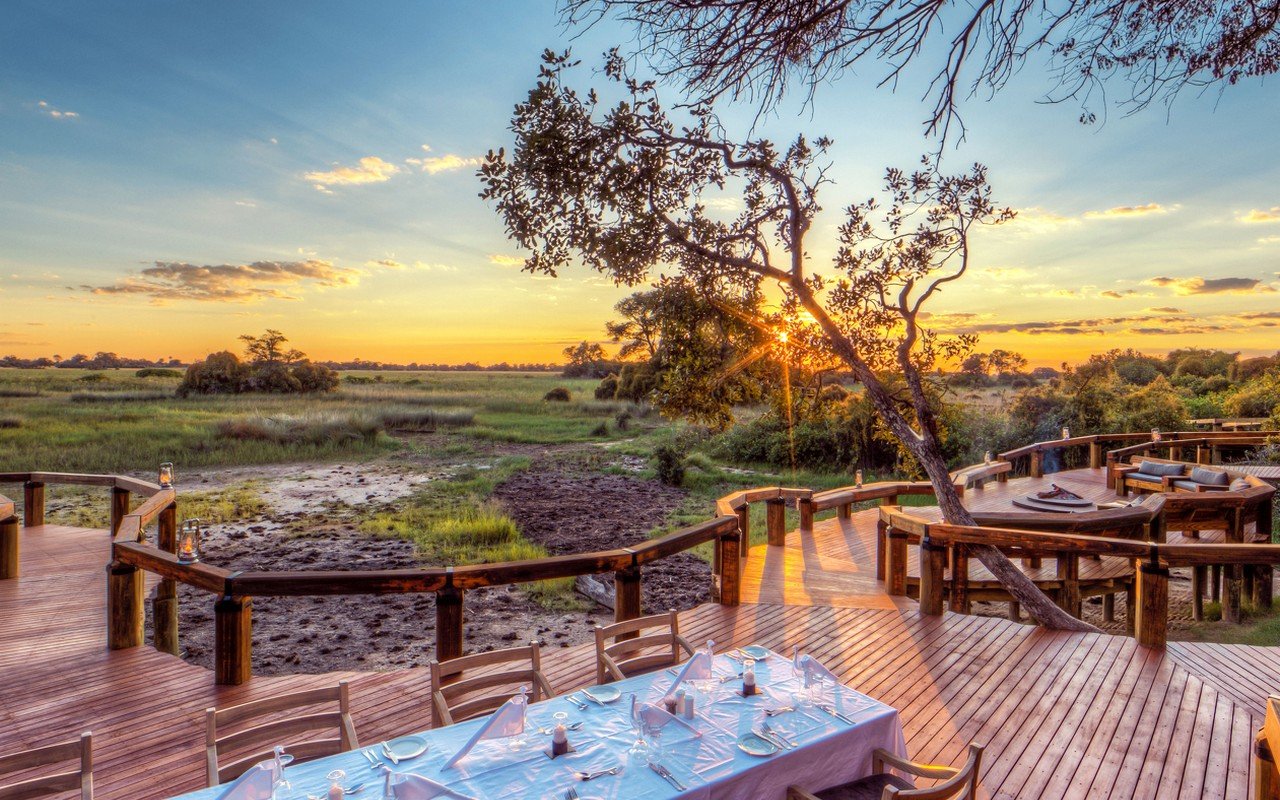
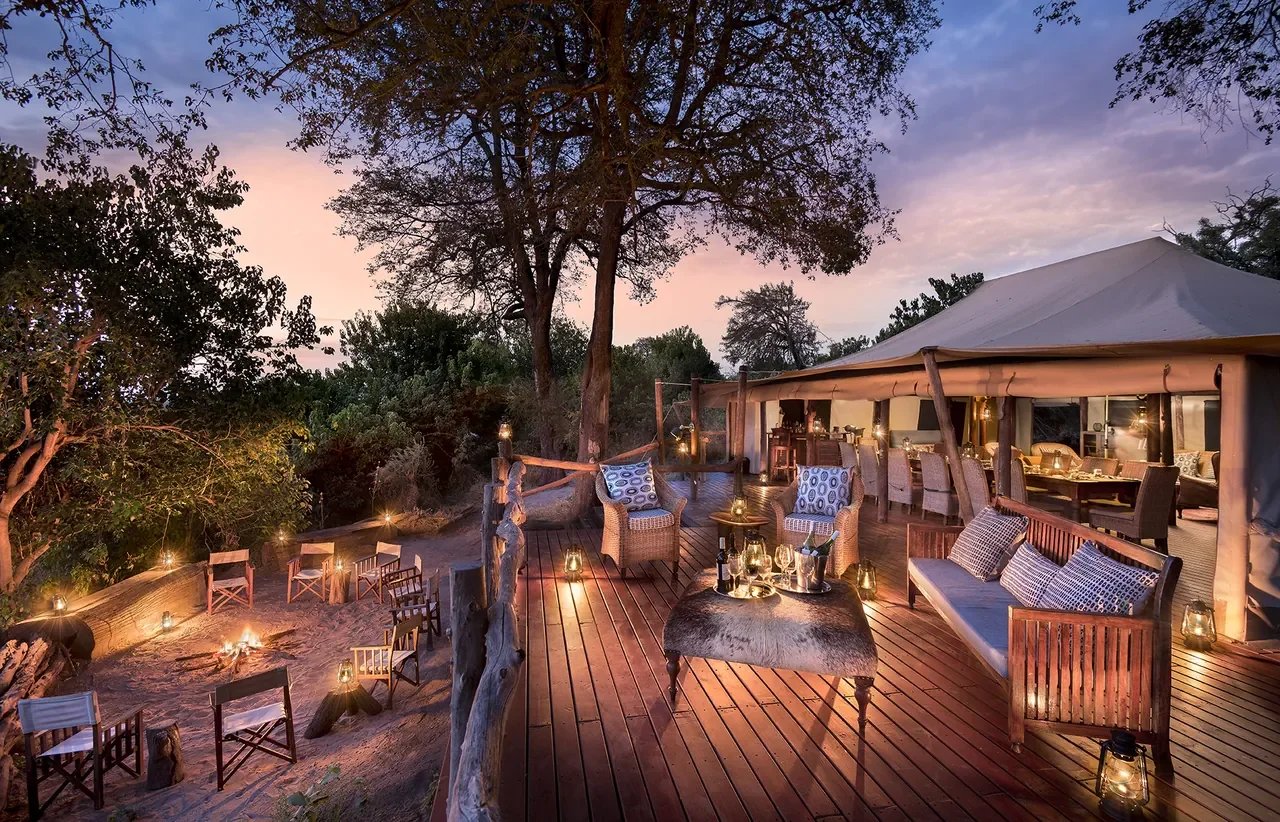
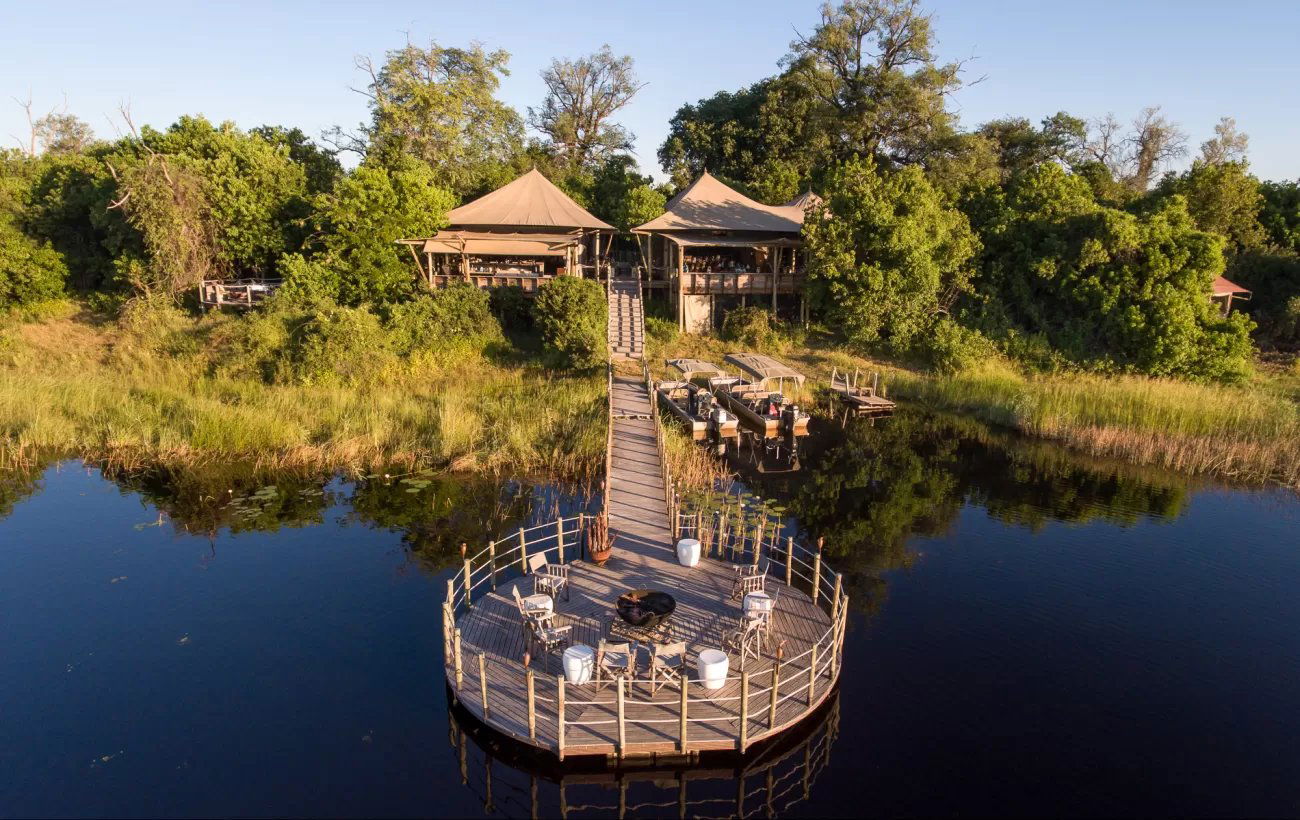
Wilderness DumaTau leans on its setting rather than spectacle. Sited on a private Linyanti concession, the camp perches on raised platforms and extended decks at the water's edge, so the landscape — herds of elephant, dense riverine woodland and frequent large-predator encounters — becomes the central drama. The design intentionally blurs inside and out, offering uninterrupted sightlines across floodplain and river. The result is a quietly confident camp experience: understated in presentation, intimately scaled and defined by the rhythms of the floodplain rather than by added frills or loud programming.
Best For
This is a destination for travelers prioritizing wildlife concentration, privacy and scenic immersion. The camp is especially well suited to couples and small groups who want a secluded safari experience — think romantic getaways, anniversaries and quiet weekend escapes — and to photographers and naturalists who value frequent, concentrated sightings. Because the concession keeps vehicle numbers low and sightings are a function of the landscape, guests come for focused game viewing and an elevated riverside vantage that makes wildlife encounters feel singular.
Stay Tips
Plan around the dry season, when the Linyanti's permanent water draws wildlife into concentrated viewing zones; the description highlights that animal encounters become more frequent during drier months. Book well in advance: the concession structure and limited operator access mean vehicle numbers and guest capacity are intentionally low. Request water-facing accommodation or rooms with extended decks to maximize sightlines from the camp itself. If arriving with a tight schedule, coordinate timing with the operator early, since the property's exclusivity can limit last-minute availability.
Venue details
Ambiance
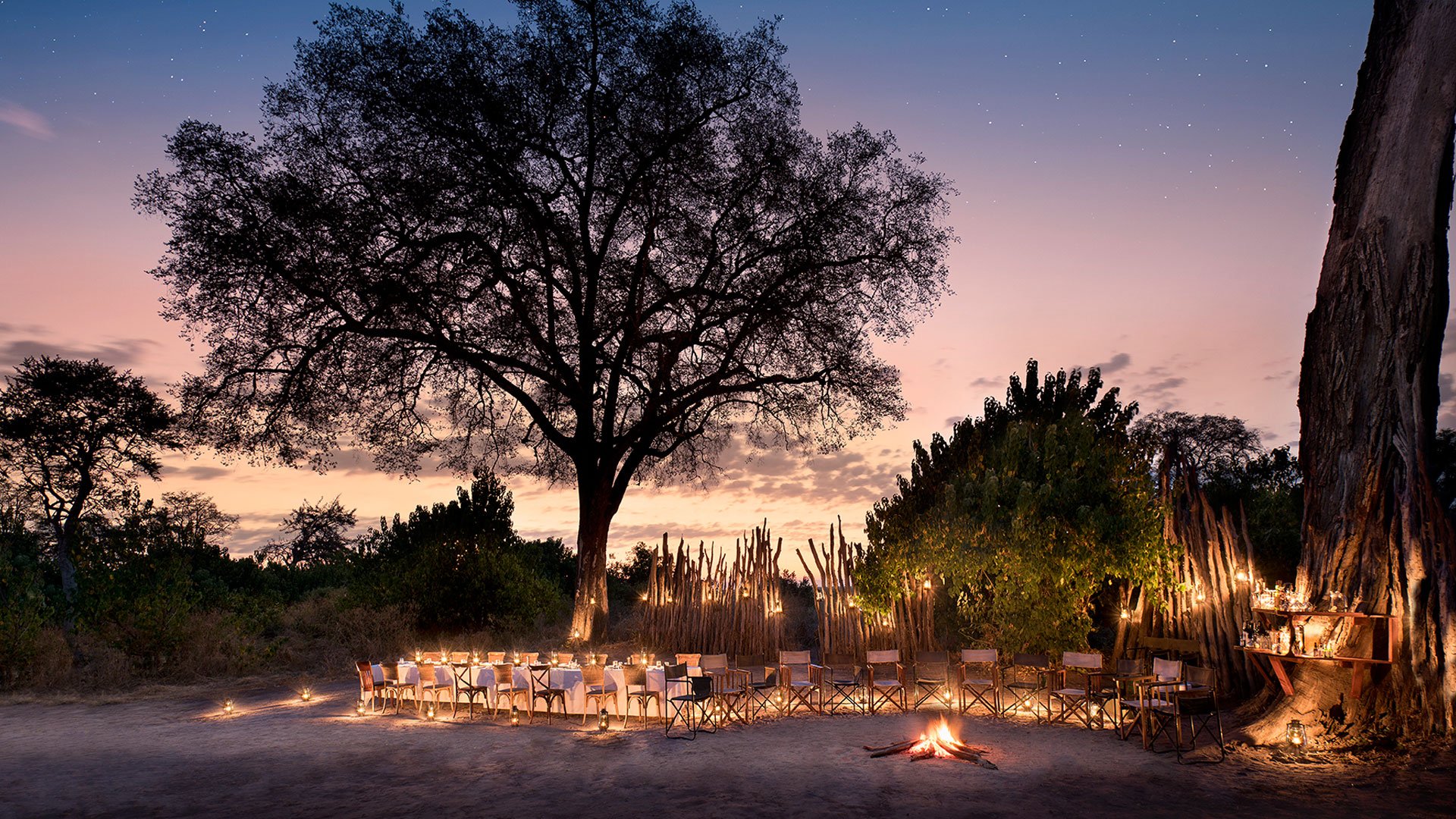
Tranquil wilderness atmosphere with expansive lagoon views, natural light through canvas tents, and harmonious wildlife sounds from unfenced surroundings.
Tags
Vibe
Best For
Experience
Amenities
View
About the Stay
- Rooms
- 8
- Property Type
- Eco-lodge
- Property Style
- Luxury Explorer Tented Safari Camp
- Design Style
- Rustic Elegance with Acacia Wood, Mosaic Tiles, and Local Textiles
- Breakfast
- Included
- Airport Transfer
- Available
- Pool
- Yes
- Spa
- Yes
Know before you go
Know Before You Go
- Getting there
- Linyanti
Planning details
Recognition and awards

Also consider
Where to Look If This Does Not Fit
If Linyanti is non-negotiable, cross-shop Wilderness King's Pool Camp first; it keeps the decision in the same area and avoids rebuilding the itinerary around a different reserve.
If the group wants a different safari mood, compare Great Plains Selinda for Selinda Reserve or Savute Elephant Lodge, A Belmond Safari, Botswana for a more brand-led luxury-safari option.
Hotel context
How It Compares in and around Linyanti
Choose Wilderness DumaTau if the priority is a polished Linyanti stay with easy booking and strong resort recognition. Wilderness King's Pool Camp is the closest practical comparison for travelers set on Linyanti; cross-shop it first if staying within the same area matters more than exploring neighboring reserves.
Selinda Camp and Great Plains Selinda make more sense for travelers who are open to the Selinda Reserve rather than fixed on Linyanti. They are better comparisons for safari purists weighing ambiance and reserve character, while Wilderness DumaTau is the safer pick for travelers who want a recognized luxury-camp choice without making the decision too complex.
Savute Elephant Lodge, A Belmond Safari, Botswana is the better cross-shop for travelers who like a major luxury-hotel group behind the experience. Moremi Game Reserve is the broader alternative if the itinerary should center on a different Botswana safari area rather than Linyanti specifically.
Explore Linyanti
Around this place
Discover more on Pearl
Unlock the full Wilderness DumaTau guide in Pearl, including awards, comparisons, FAQs, planning details, and nearby places.
Compare Wilderness DumaTau
| Venue | Location | Awards |
|---|---|---|
| Wilderness DumaTau | Linyanti | 2025 Conde Nast Best Resorts · #2 |
| Selinda Camp | Maun | 2025 Robb Report The 50 Greatest Luxury Hotels on Earth · #462025 Relais Chateaux Award |
| Wilderness King's Pool Camp | Linyanti | 2026 La Liste Top Hotels |
| Great Plains Selinda | Selinda Reserve | No published awards |
| Savute Elephant Lodge, A Belmond Safari, Botswana | Chobe National Park | 2026 La Liste Top Hotels |
| Moremi Game Reserve | Okavango Delta | 2026 La Liste Top Hotels |



How Wilderness DumaTau Linyanti compares with similar nearby venues.
FAQ
Frequently Asked Questions
When is the best time to book Wilderness DumaTau?
For the best booking window, confirm availability directly for Wilderness DumaTau in Linyanti, noting its Condé Nast Best Resorts #2 recognition in 2025.
What is check-in like at Wilderness DumaTau?
How is the pool and spa at Wilderness DumaTau?
Which room category is best at Wilderness DumaTau?
Choose only after confirming the current room options, capacity, and suitability for your group directly with the property or booking advisor.