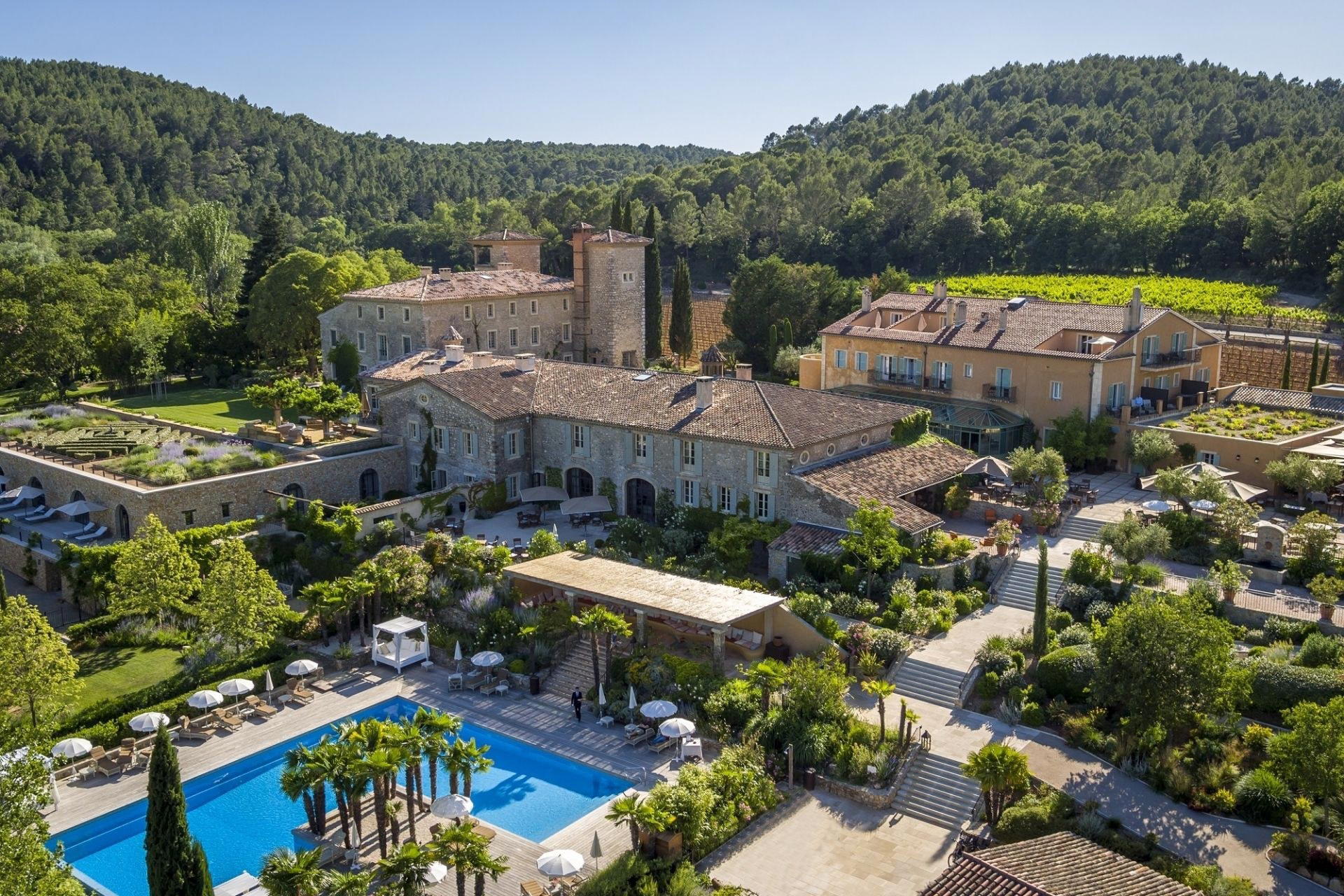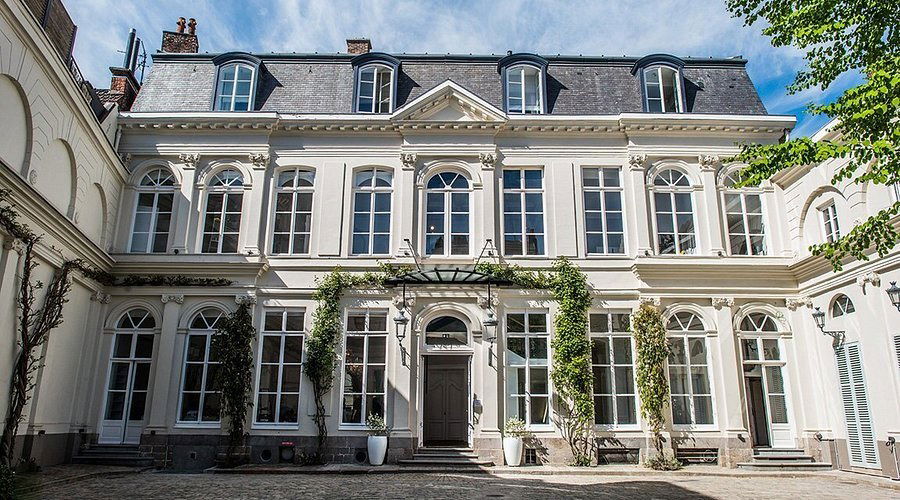


Clarance Hôtel
Vieux Lille 4, Lille
Hotel in Lille, France
 Book with Pearl
The Read
Flemish Baroque, Modernist Interior
Why go
Clarance Hôtel is the Lille pick for travelers who want an atmospheric old-town stay rather than a larger, more corporate hotel. Book it for design-led weekends and return visits; choose Hôtel Barrière Lille or L'Hermitage Gantois - Autograph Collection if broad facilities and predictable business-hotel structure matter more.
About Clarance Hôtel
Clarance Hôtel is a Lille hotel with two confirmed recognition points: Michelin 1 Key (2024) and a Relais Châteaux Award (2026). Beyond those facts and a smart casual dress code, this guide presents the hotel as a carefully cross-shopped option for a stay, without detailing location, rooms, dining, facilities, or service style.
Use Clarance Hôtel as a candidate if those confirmed accolades matter to your stay and you are comparing hotel options for your trip. If you are deciding between hotel styles, Hôtel Barrière Lille, Mama Shelter Lille, L'Arbre Voyageur, L'Hermitage Gantois - Autograph Collection, and Cobergher Hotel are named alternatives to compare directly by your own trip needs.
Book it for confirmed recognition, not unstated details
The strongest case for Clarance Hôtel is simple: it is in Lille, it has Michelin 1 Key recognition from 2024, and it has a Relais Châteaux Award listed for 2026. Those are useful signals for travelers who care about hotel recognition, but they should not be stretched into claims about room categories, dining format, amenities, neighborhood, or service details.
As prices, hours, room types, restaurants, a chef, a bar program, or specific facilities are not listed, the safest planning approach is to confirm practical details directly before booking. The dress code is smart casual, which is the only specific guest-facing policy listed.
Who should choose a peer instead
If you need a different hotel profile, compare Clarance Hôtel with the other named options rather than assuming it has a particular format. Hôtel Barrière Lille, Mama Shelter Lille, L'Arbre Voyageur, L'Hermitage Gantois - Autograph Collection, and Cobergher Hotel are relevant named alternatives for cross-shopping, depending on what you want from the stay.
For planning around food and nightlife, use our full Lille restaurants guide, our full Lille bars guide, and our full Lille experiences guide to build the rest of the trip. For hotel cross-shopping, our full Lille hotels guide is the better next step; the right choice depends on your trip type and the practical details you confirm before booking.
Inside Clarance Hôtel
Planning details
- Location
- 32 Rue de la Barre, 59800 Lille
- Website
- clarancehotel.com
- Phone
- +33 3 59 36 35 59
The take
The Take
The Vibe
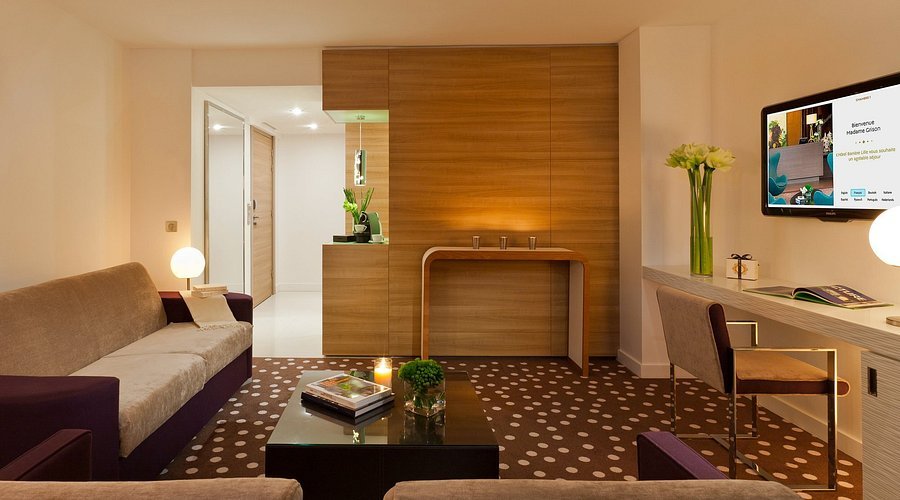
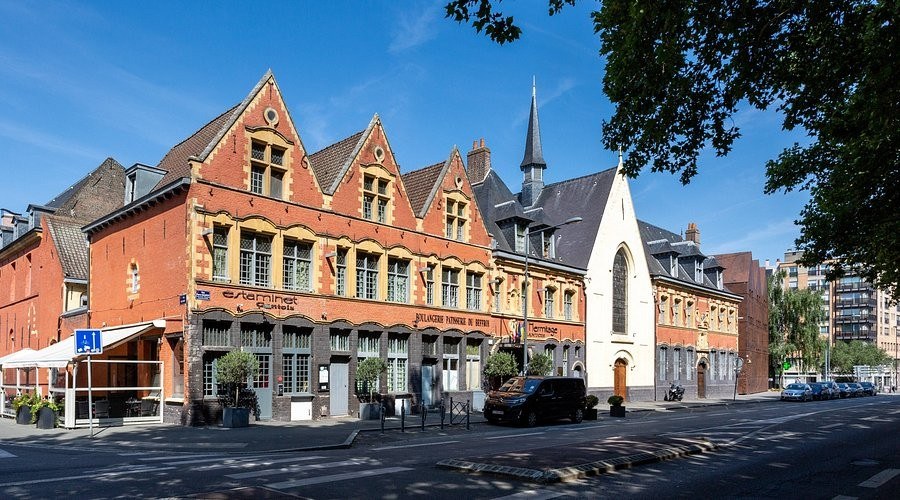
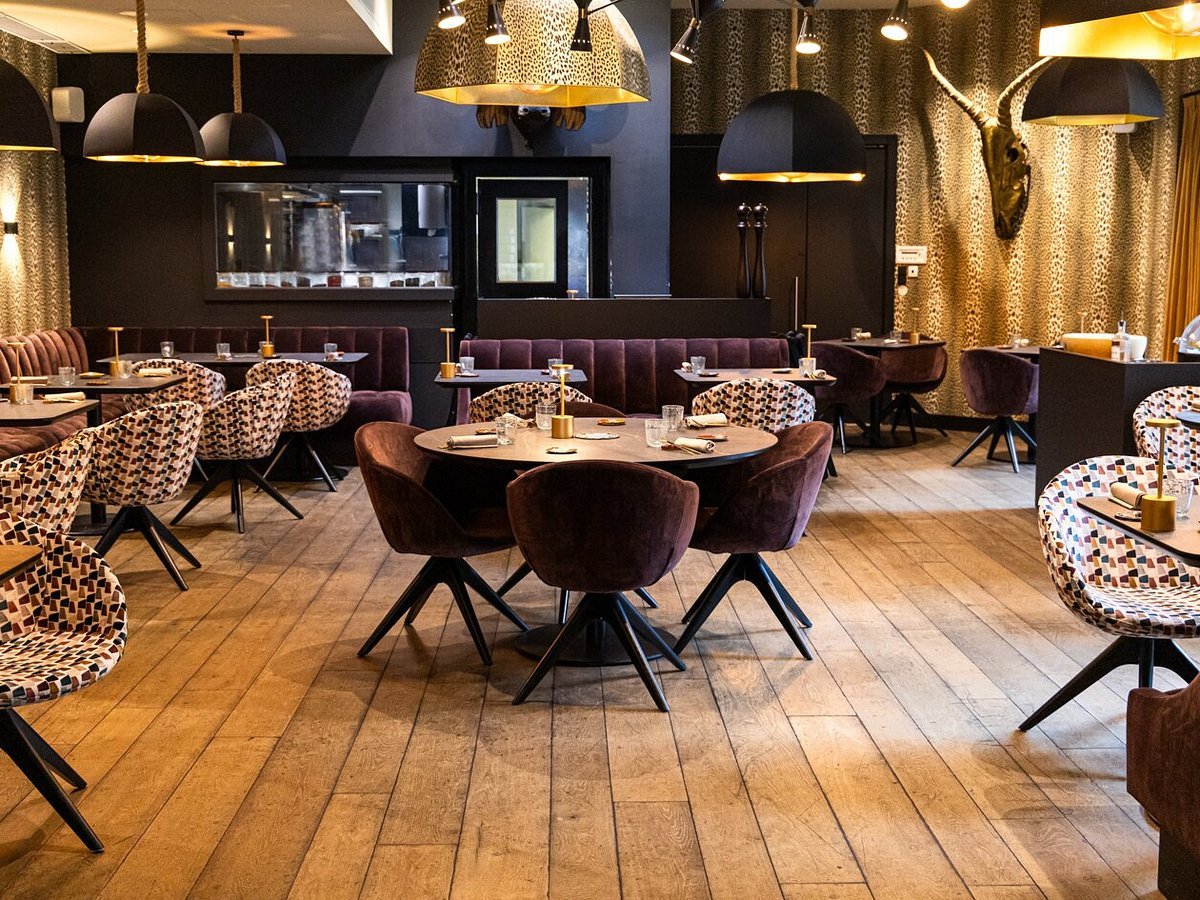
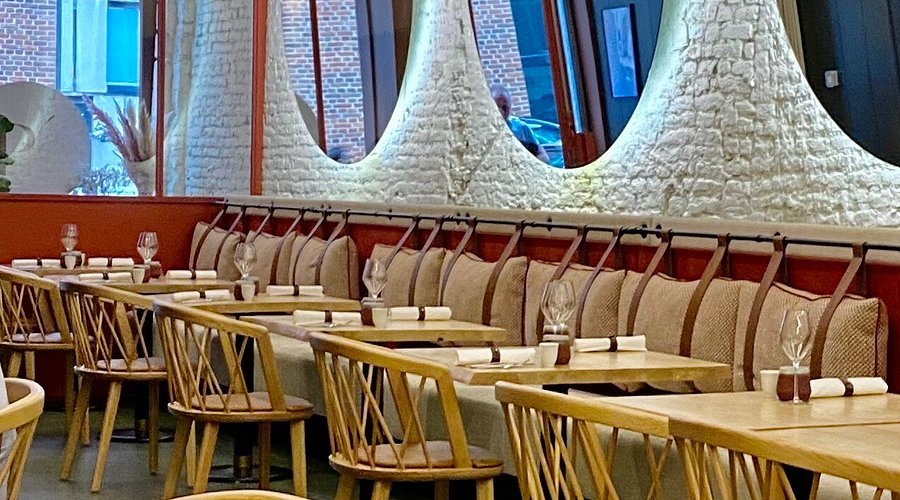
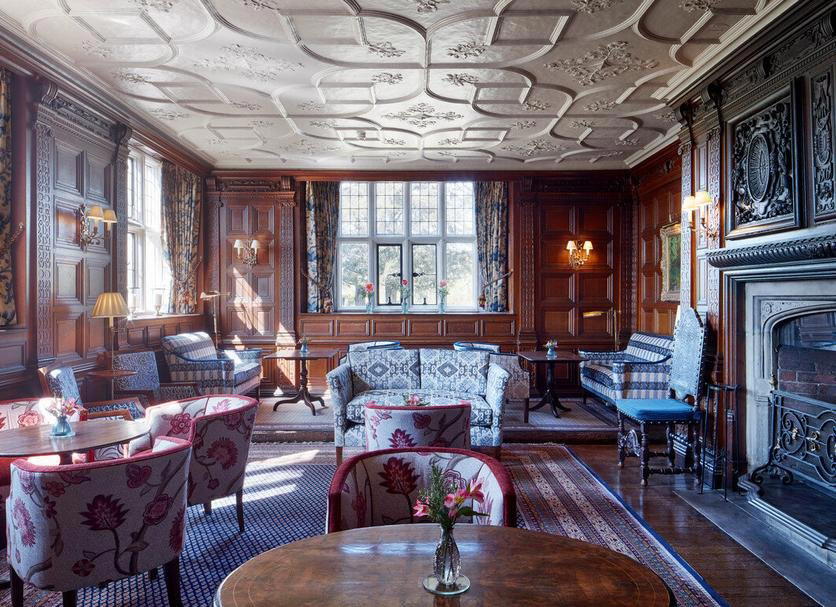
Clarance Hôtel stages a purposeful encounter between an 18th-century Flemish townhouse and a restrained contemporary sensibility. The building’s original proportions, cornicing and stone floors remain legible, while curated contemporary art and modernist furniture introduce deliberate friction rather than pastiche. That tension produces a quietly confident boutique mood: historically rooted yet provocatively modern, intimate in scale and exacting in taste. With just 19 rooms the property reads less like a preserved relic and more like a lived-in design statement, welcoming guests who appreciate architectural authenticity delivered with considered, modern interventions.
Best For
This hotel is best for travelers who prize architecture and design as much as comfort: couples seeking a romantic getaway, pairs marking anniversaries, and design-minded weekend escapees find it especially rewarding. The small, 19-room scale signals attentive service and a quieter pace, so it suits guests who want to explore Vieux-Lille’s cobbled streets by day and return to a calmly curated interior at night. It also appeals to anyone who prefers a boutique alternative to museum-like restorations—places that feel alive and thoughtfully edited.
Stay Tips
Space is limited—Clarance is a 19-room townhouse—so book well in advance, especially for weekend stays or special dates. When reserving, indicate a preference for rooms that highlight the building’s period features or for those where the contemporary art and modernist furnishings are most prominent; the hotel’s curatorial approach means room character can vary. For a quieter stay, request a room away from the street. If design and historic fabric are priorities for your visit, mention that to reservations so they can match you to the best room available.
Venue details
Ambiance
Elegant and refined with beautiful decor, peaceful courtyard garden, soundproof rooms contributing to a quiet and sophisticated atmosphere.
Tags
Vibe
Best For
Experience
Amenities
View
Accessibility
About the Stay
- Rooms
- 27
- Property Style
- 18th Century Townhouse Boutique Hotel
- Design Style
- Elegant Modern Classic
Know before you go
Know Before You Go
- Getting there
- 32 Rue de la Barre, 59800 Lille
Planning details
Location
Recognition and awards

Also consider
Also Consider
- L'Arbre Voyageur, Notable alternative
- Mama Shelter Lille, Notable alternative
- L'Hermitage Gantois - Autograph Collection, Notable alternative
- Hôtel Barrière Lille, Notable alternative
- Cobergher Hotel, Notable alternative
Hotel context
How it compares in Lille
L'Arbre Voyageur is the practical cross-shop if you want a central Lille base with a more contemporary feel. Clarance Hôtel is the stronger call for atmosphere and a smaller-scale stay; L'Arbre Voyageur is easier to justify when the room is mainly a base between meetings, meals, and trains.
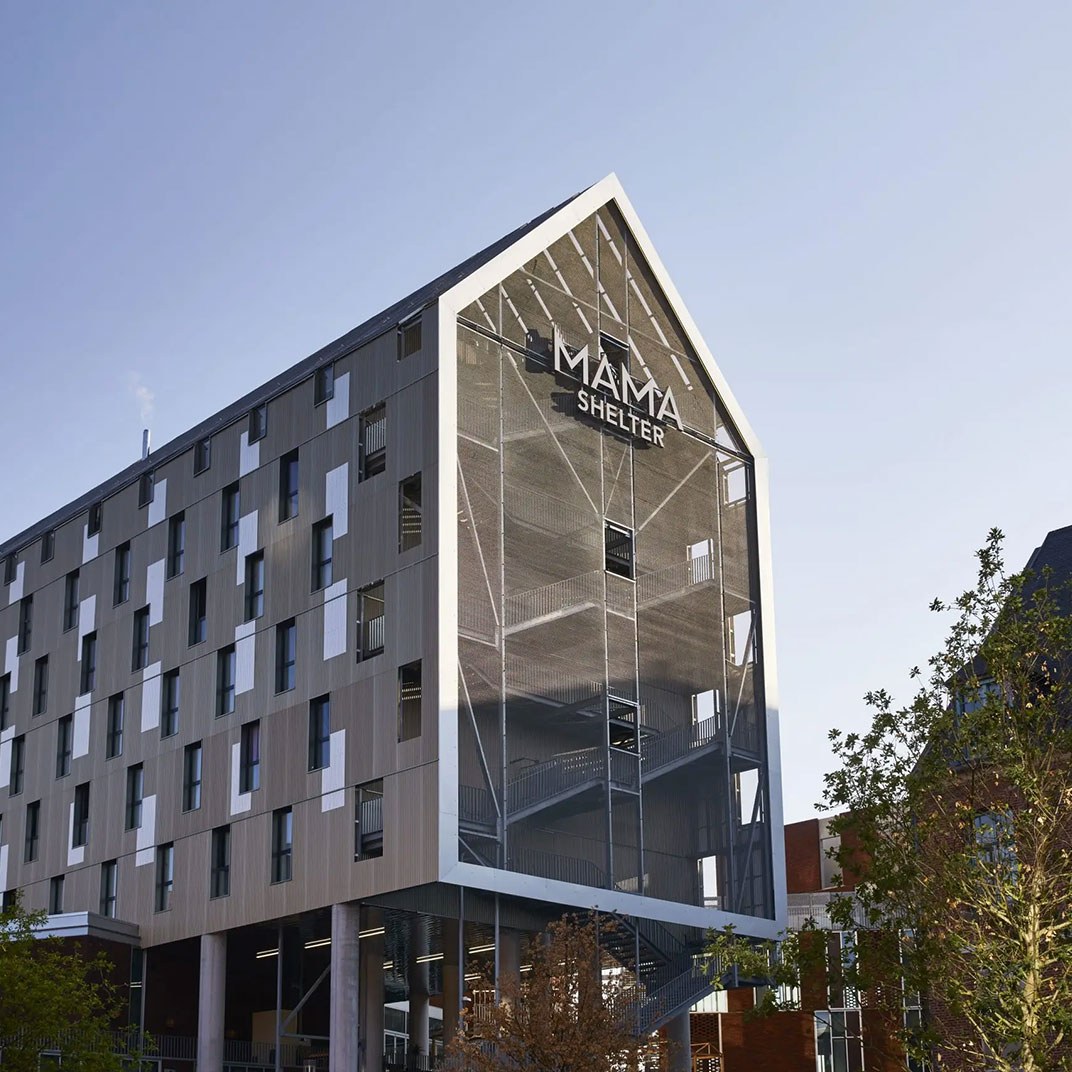
Mama Shelter Lille is the livelier value play, especially for casual weekends or groups that care less about quiet design. For a more formal historic mood, L'Hermitage Gantois - Autograph Collection competes more directly: choose it when you want heritage with a bigger hotel frame, and choose Clarance Hôtel when intimacy matters more.
Hôtel Barrière Lille is the safer business-travel option because it fits the larger-property brief better. Cobergher Hotel is the out-of-metro comparison for travelers willing to leave Lille's core for a different atmosphere, but for a city stay, Clarance Hôtel keeps the decision cleaner: old-town setting, harder booking, and a more design-led reason to pay attention.
Explore Lille
Around this place
Discover more on Pearl
Unlock the full Clarance Hôtel guide in Pearl, including awards, comparisons, FAQs, planning details, and nearby places.
Compare Clarance Hôtel
| Venue | Location | Awards |
|---|---|---|
| Clarance Hôtel | Lille | 2026 Relais Chateaux Hotels2025 Michelin 1 Key2025 Relais Chateaux Award2024 Michelin 1 Key |
| L'Arbre Voyageur | Lille | No published awards |
| Mama Shelter Lille | Lille | No published awards |
| L'Hermitage Gantois - Autograph Collection | Lille | 2025 Michelin Selected Hotels2025 Gault & Millau Exceptional Hotel |
| Hôtel Barrière Lille | Lille | 2025 Michelin Selected Hotels2025 Gault & Millau Exceptional Hotel |
| Cobergher Hotel | Kortrijk | No published awards |


How Clarance Hôtel Lille compares with similar nearby venues.
FAQ
Frequently Asked Questions
What is check-in like at Clarance Hôtel?
The check-in process is not specified. Clarance Hôtel is in Lille and has Michelin 1 Key recognition from 2024, so confirm arrival details directly with the hotel before booking.
Is Clarance Hôtel good for business travel?
Business facilities, meeting spaces, or corporate services are not specified. If those details matter, compare Clarance Hôtel with Hôtel Barrière Lille, Mama Shelter Lille, L'Arbre Voyageur, L'Hermitage Gantois - Autograph Collection, and Cobergher Hotel based on the facilities each hotel lists.
Which room category is best at Clarance Hôtel?
No room categories are listed. Choose based on the room details, space, and conditions shown at the time of booking.
When is the best time to book Clarance Hôtel?
Seasonal demand patterns or booking windows are not included. Book when the rate, cancellation terms, and room details fit your Lille trip.
How is the dining at Clarance Hôtel?
Cuisine type, chef, restaurant format, menu, or service hours are not included. Clarance Hôtel has Michelin 1 Key (2024) recognition, a Relais Châteaux Award (2026), and a smart casual dress code; check directly with the hotel for current dining information.