
Songtsam Linka Retreat Lhasa
Chengguan District, Lhasa
Hotel in Lhasa, China
 Book with Pearl
Why go
Book Songtsam Linka Retreat Lhasa if the trip calls for a quiet, culture-led suite stay rather than a standard city hotel. The smart upgrade is a Potala Palace-view room, because the view changes the experience more than the jump from 80m² to 95m². Dining is useful on site, but the strongest reasons to stay are altitude-aware rooms, Tibetan design, and a calm special-occasion setting.
About Songtsam Linka Retreat Lhasa
Lhasa is not a place to treat a retreat as a generic luxury base; quiet, setting, and cultural context matter here. Songtsam Linka Retreat Lhasa is worth considering if the point of the trip is a composed stay with Tibetan design cues, a tranquil atmosphere, and sweeping Potala Palace views. It is less compelling for travelers who need a decision based on detailed operational specifics, because the clearest case for booking is experiential rather than checklist-driven.
Book for the view and atmosphere
The main decision is whether this setting matches the trip. The appeal is not a published room count or a detailed suite breakdown; it is the retreat’s calm, culturally immersive character and its Potala Palace outlook. For a quieter Lhasa stay, that view is the part most likely to define the experience, especially if the hotel is meant to function as a restorative counterpoint to the intensity of sightseeing.
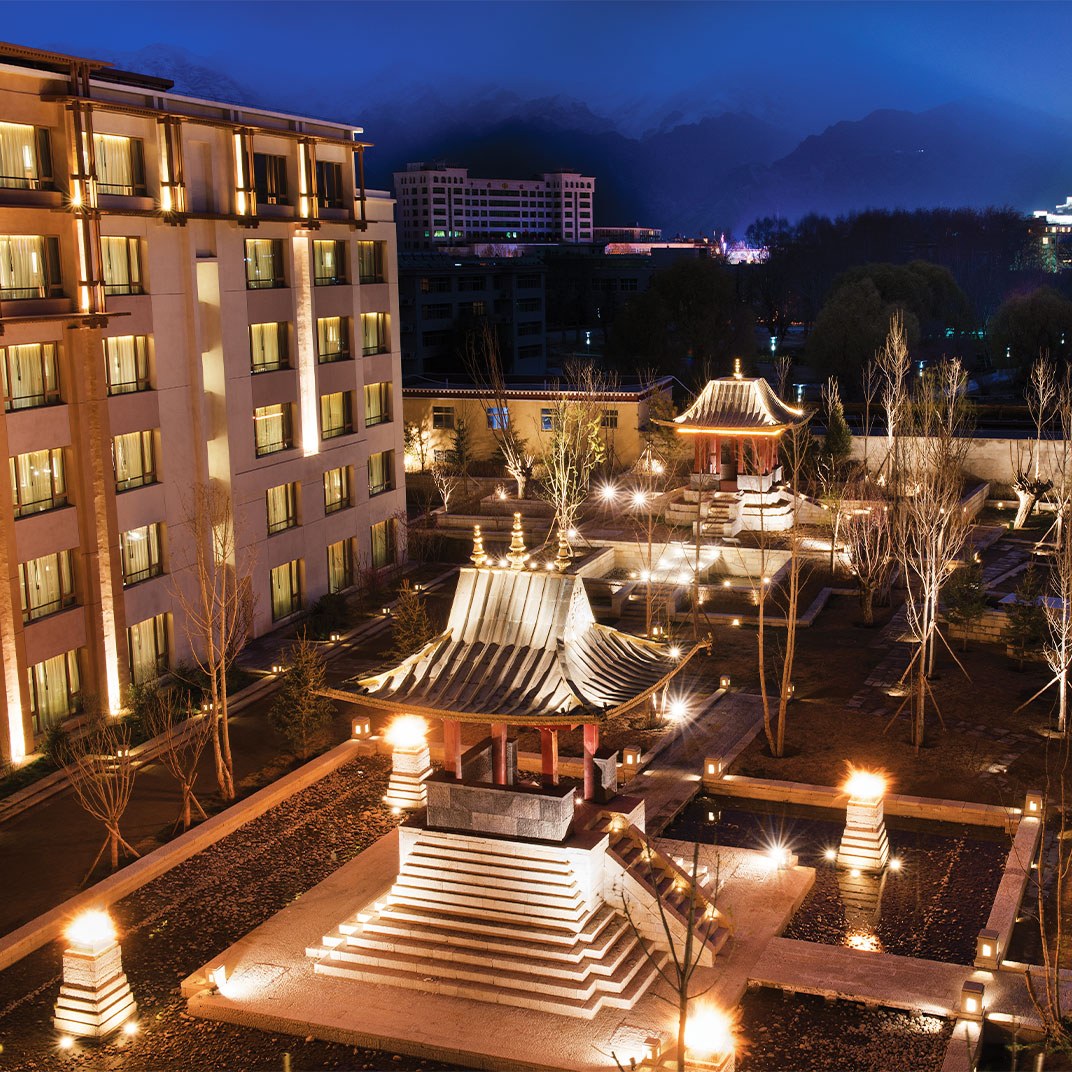
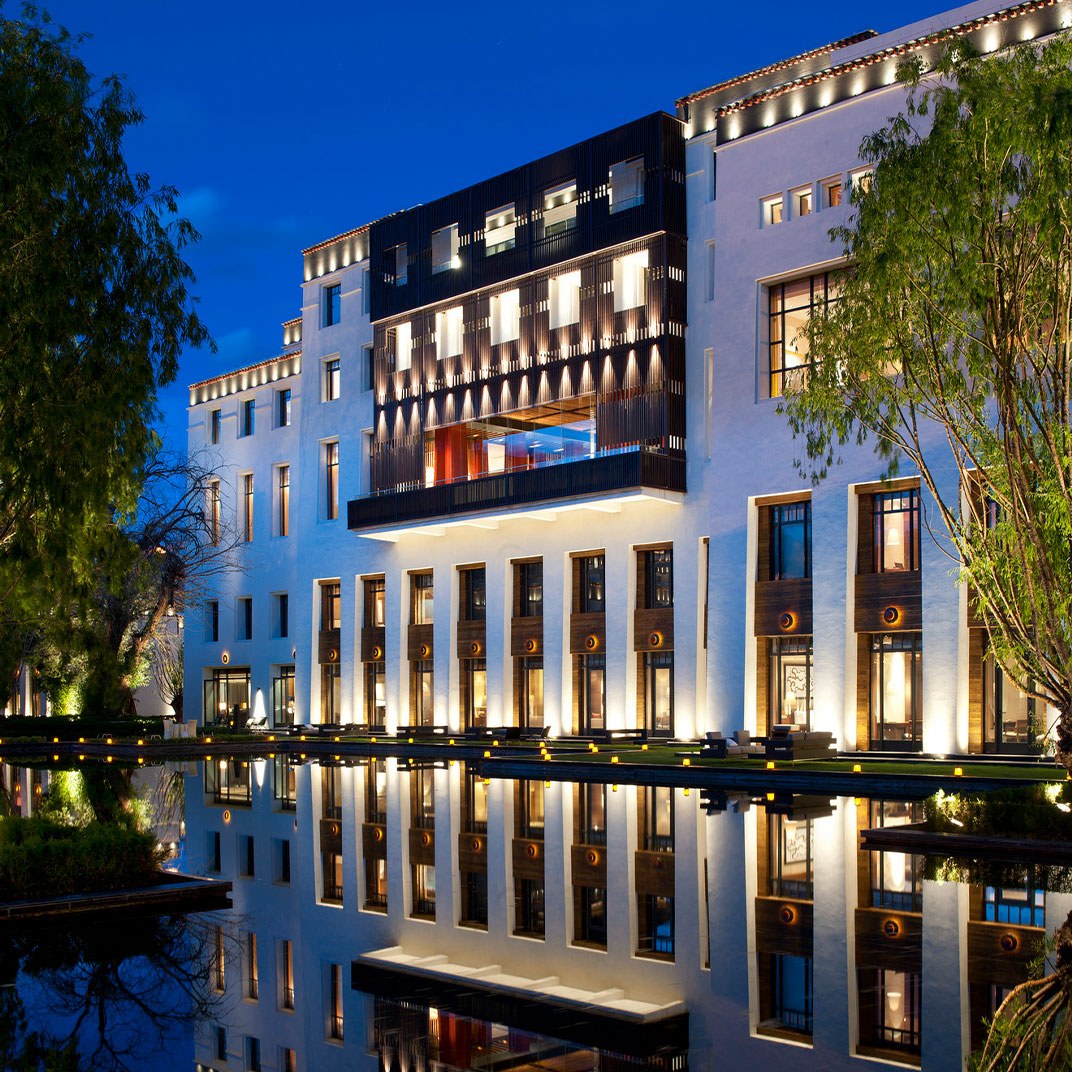
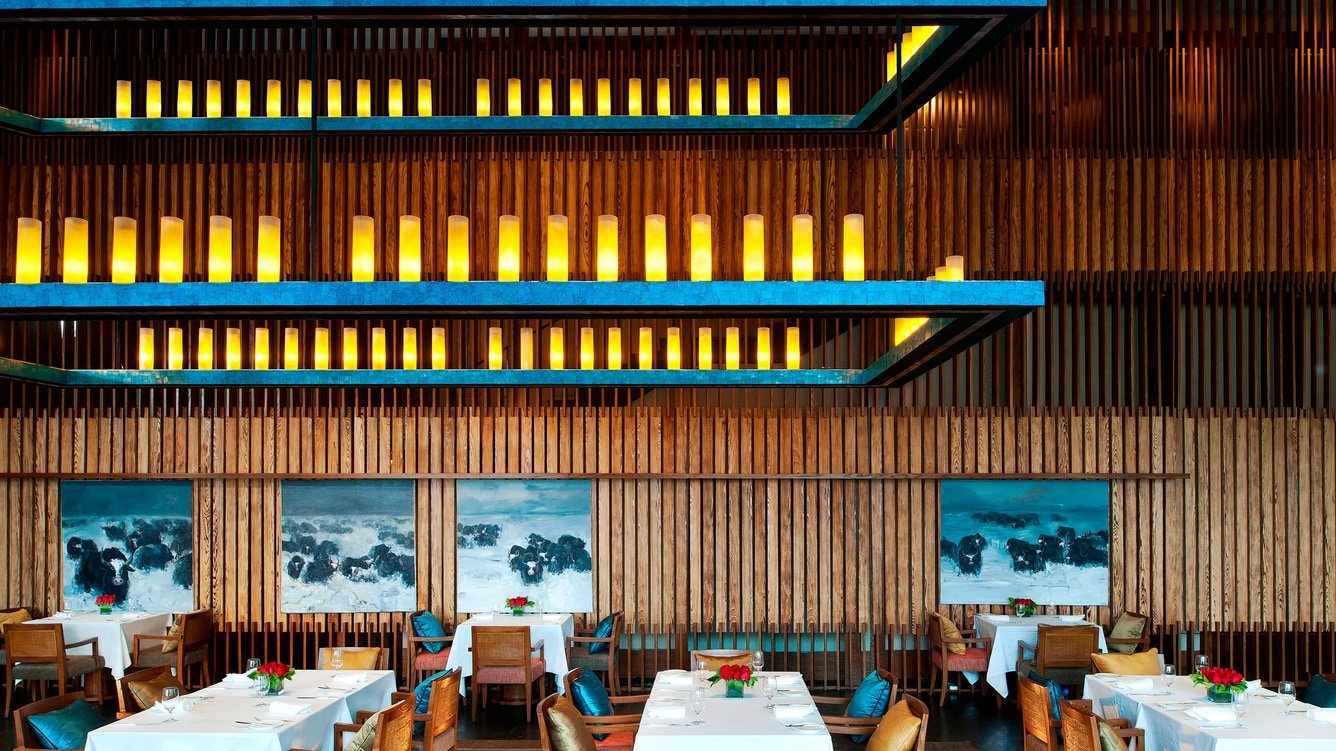
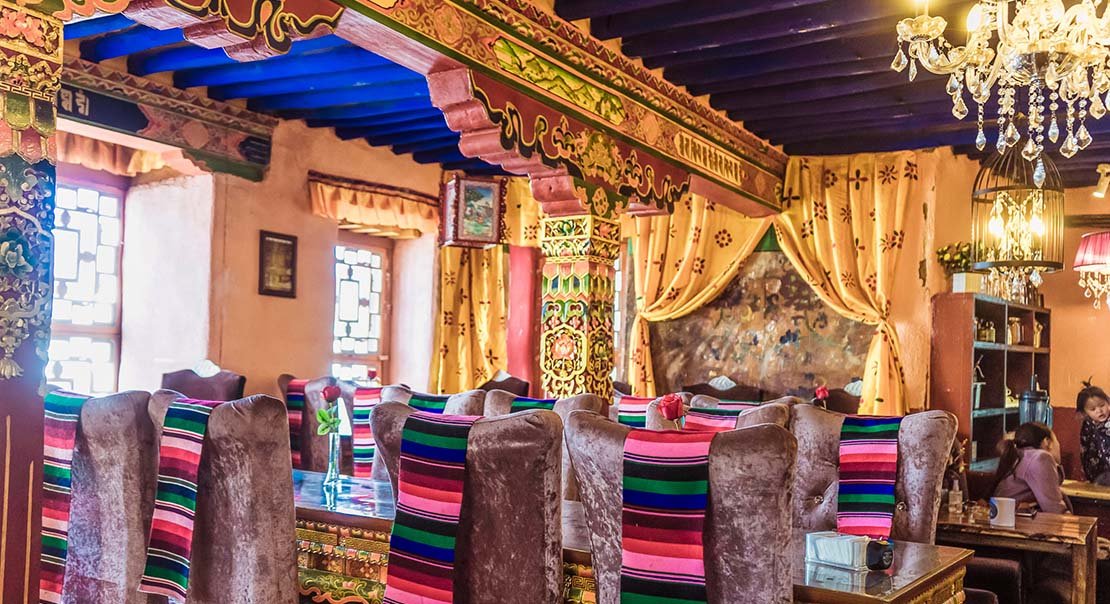
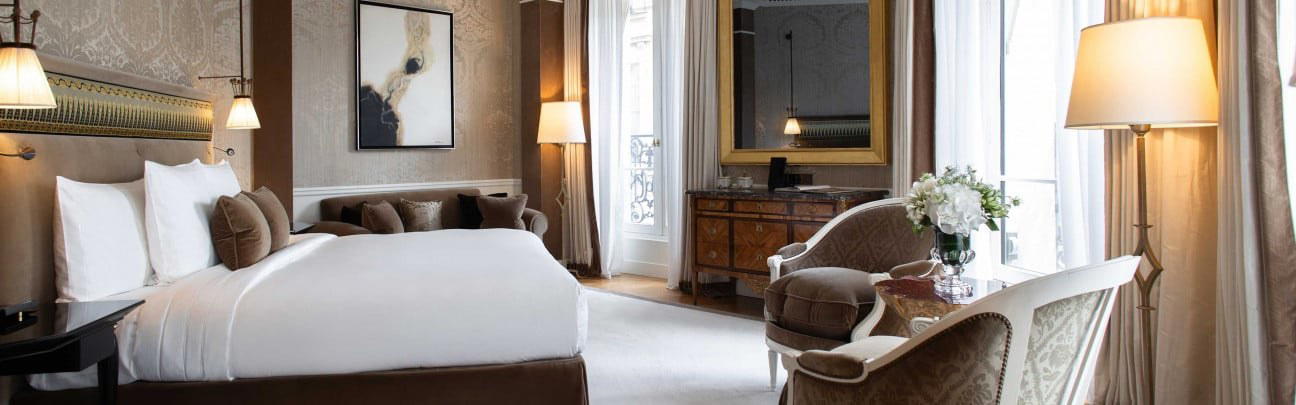
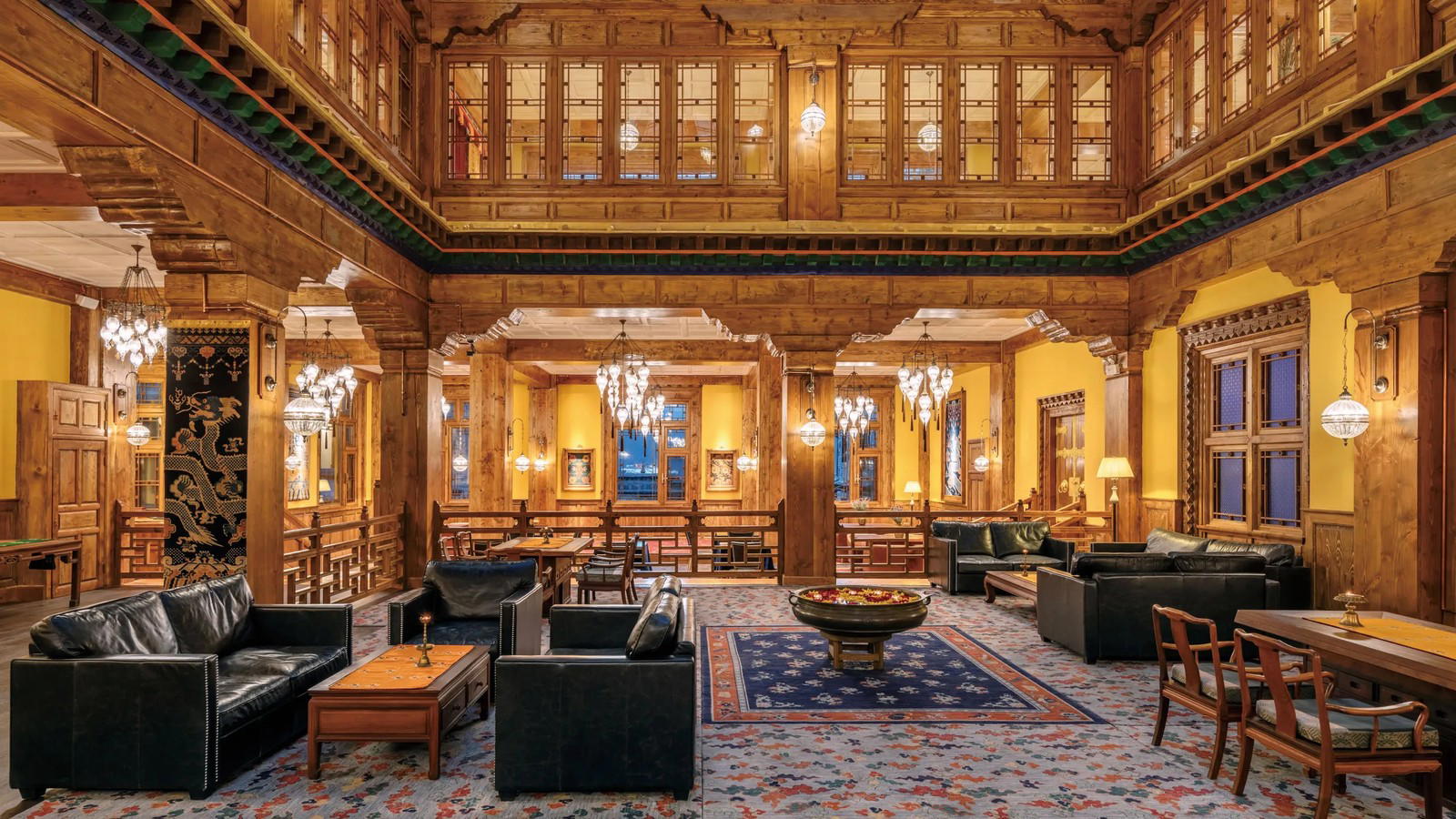
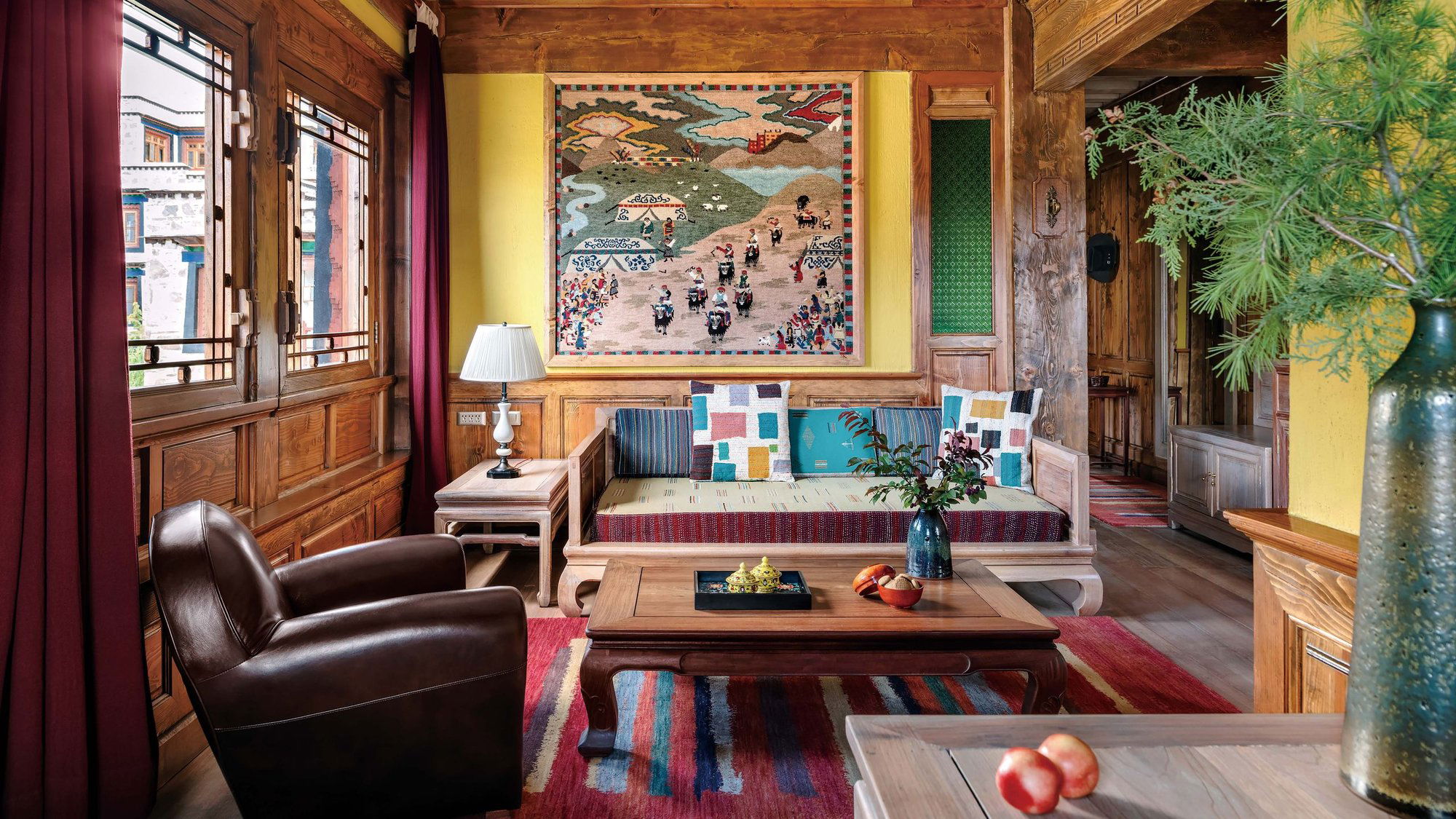
The atmosphere is quiet and polished rather than social. The design leans into Tibetan architecture and craft: slaked-lime-colored walls, indigo carved windows, wooden floors, Tibetan artisanal decor, Thangka tapestries, and handcrafted copperware. These details give the property a sense of place without needing to compete for attention. The hillside position and fish-fin-shaped facade are part of a visual language that pays respect to the local setting. That makes the retreat a stronger fit for travelers who want a calm base than for travelers looking for a stay defined by a more energetic hotel scene.
Practical details beyond the setting, price level, and design should be checked directly before booking. The profile supports a scenic, elegant, quiet, sophisticated stay in Lhasa, but it does not confirm specific room counts, room sizes, service inclusions, accessibility features, or check-in policies. Treat the available information as a strong signal about mood and location, not as a complete operational brief.
The experience is culture-led, with dining details kept broad
This is a culture-first retreat, and the strongest reason to stay is that the property fits naturally into a Lhasa itinerary: Potala Palace views, Tibetan material detail, and a composed retreat atmosphere. Its appeal sits in how those elements work together: the view anchors the stay, while the design and quietness make the hotel feel more rooted than interchangeable. Readers building a broader trip should also use Our full Lhasa hotels guide, Our full Lhasa experiences guide, and Our full Lhasa restaurants guide alongside this choice.
Do not book it solely on the assumption of a particular cuisine, chef, signature dish, or menu format; book it for the setting, design, calm, and Potala Palace views. If dining is central to the decision, the sensible move is to verify current specifics directly rather than reading more into the retreat’s positioning than the profile confirms.
For business travel, the answer is narrower. It is not the obvious pick if the retreat decision depends on confirmed corporate amenities rather than setting and atmosphere. It may still suit a work-adjacent stay where quiet is valuable, but not one built around documented business facilities.
Who should choose it
Choose this for a stay where a quieter atmosphere, Tibetan artisanal design, and a Potala Palace outlook justify the $$$$ positioning. If the stay is meant to feel specific to Lhasa, the view and cultural atmosphere are the reasons to consider it; if the priority is a fully documented list of services, confirm those details directly before booking. In short, this is best approached as a serene, place-conscious retreat rather than a feature-led luxury hotel comparison.
Planning details
- Location
- No.1 Zongzan Road, Wencheng Avenue, Chengguan District
- Website
- songtsam.com/en/hotel/room/7
The take
The Take
The Vibe
Songtsam Linka Retreat presents itself as an architectural study as much as a place to stay. The exterior — slaked lime walls, indigo-carved windows and a fish-fin facade — references the construction language of Tibetan noble households, and interiors continue that conversation with Thangka paintings and wall tapestries. Design here functions as cultural documentation: materials, proportion and handcrafted detail are foregrounded rather than international hotel tropes. At 3,650 metres and set on a hillside, the property encourages a measured pace; everything about the retreat reads as deliberate, intimate and historically rooted rather than flashy or modernist.
Best For
This retreat is best for travelers who prioritize cultural authenticity and architectural craft. It appeals to visitors interested in Tibetan household traditions, collectors of material culture, and anyone who values design as a form of historical storytelling. Because the property sits high on a hillside, it also suits guests who are prepared to move slowly and respect altitude-related limits on activity — a dovetail with wellness-minded stays or quiet romantic getaways. It’s less about nightlife or urban amenities and more about attentive observation, quiet mornings and immersive, low-key exploration of place.
Stay Tips
Plan for a deliberately unhurried arrival and first day. The description underscores that altitude shapes decisions from pace to timing, so schedule light activity on arrival and give yourself time to acclimatize before booking strenuous outings. Expect a hospitality experience focused on craft and context rather than flashy extras; if you want to foreground the architecture and interiors, request rooms or moments that allow for quiet viewing of the tapestries and Thangka paintings. For metropolitan travelers, allow a contrast period to appreciate the retreat’s vernacular approach to design.
Venue details
Ambiance
A tranquil, culturally immersive atmosphere with Tibetan artisanal decor, Thangka tapestries, wooden floors, handcrafted copperware, and sweeping Potala Palace views.
Tags
Vibe
Best For
Experience
Amenities
View
Accessibility
About the Stay
- Rooms
- 45
- Check-in
- 14:00
- Check-out
- 12:00
- Property Style
- Luxury Boutique Retreat
- Design Style
- Traditional Tibetan Architecture Blended with Luxury Boutique Resort Styling; Palace Fortress, Monastery, and Noble House Influences with Modern Comforts.
Know before you go
Know Before You Go
- Getting there
- No.1 Zongzan Road, Wencheng Avenue, Chengguan District
Planning details
Location
No.1 Zongzan Road, Wencheng Avenue, Chengguan District · Directions
Recognition and awards

Explore Lhasa
Around this place
Discover more on Pearl
Unlock the full Songtsam Linka Retreat Lhasa guide in Pearl, including awards, comparisons, FAQs, planning details, and nearby places.
FAQ
Frequently Asked Questions
How is the dining at Songtsam Linka Retreat Lhasa?
Treat any meal planning as something to confirm directly with the retreat, and choose the property primarily for its $$$$ setting, Tibetan design, quiet atmosphere, and Potala Palace views.
What is check-in like at Songtsam Linka Retreat Lhasa?
Is Songtsam Linka Retreat Lhasa good for business travel?
Choose it for the composed setting and Potala Palace views rather than for unconfirmed corporate facilities.
How is the location of Songtsam Linka Retreat Lhasa?
The location is Lhasa. The retreat has a hillside setting with spectacular Potala Palace views, but specific street address or district details are not included here and should be confirmed directly before arrival.