
Château de Codignat
Lezoux
Hotel in Lezoux, France
 Book with Pearl
The Read
Medieval Silence, Awarded Hospitality
Why go
Book Château de Codignat for a quiet château-led stay near Lezoux, not for maximum city convenience. The strongest case is a short leisure break where room category and setting matter; choose a mid-tier room if the rate gap is reasonable. Gault & Millau's 2025 Exceptional Hotel recognition gives it a credible quality signal.
About Château de Codignat
Château de Codignat is a venue in Lezoux, best approached as a named château property rather than as a stay to judge by assumptions about rooms, dining, facilities, prices, or service format.
The dress code is smart casual. Château de Codignat also has Gault & Millau recognition as an Exceptional Hotel in 2025 with 5 points. Treat that as a hotel-level recognition rather than a description of a specific restaurant concept, room category, amenity, or dining experience.
A château stay where the room choice should drive the decision
Room choice can make a material difference, so do not assume a particular room size, view, layout, or category advantage from this guide alone. If the exact room experience matters, confirm the room type, inclusions, cancellation terms, and any on-property services directly before booking.
The clearest reason to keep Château de Codignat on a shortlist is simple: it is a Lezoux château property with a smart-casual dress code and Gault & Millau Exceptional Hotel 2025 recognition of 5 points. Beyond that, any decision should depend on the current rate and the details provided at booking time.
That recognition supports Château de Codignat as a serious hotel choice, but it should not be stretched into claims about cuisine, menus, wine, spa facilities, room count, service style, or pricing. Assess those points separately before relying on them.
Who should book it, and who should not
Bookers who specifically want Château de Codignat in Lezoux can treat it as a hotel-led choice with a smart casual dress code and Gault & Millau hotel recognition. Travelers whose plans depend on specific dining, wellness, business, family, or accessibility details should check those points directly before committing.
If comparing options, keep the comparison focused on the kind of stay you want rather than on assumed features. Château de Codignat can be considered alongside Hôtel Restaurant Le Pré, Hôtel Restaurant Origines par Adrien Descouls, Maison Decoret, Radio, and Vichy Célestins Spa Hôtel, depending on whether the priority is the hotel stay, dining, or a different style of regional base.
Planning details
- Location
- Chateau de Codignat, 63190 Bort-l'Étang
- Website
- chateaudecodignat.fr
- Phone
- +33 4 43 97 64 90
The take
The Take
The Vibe
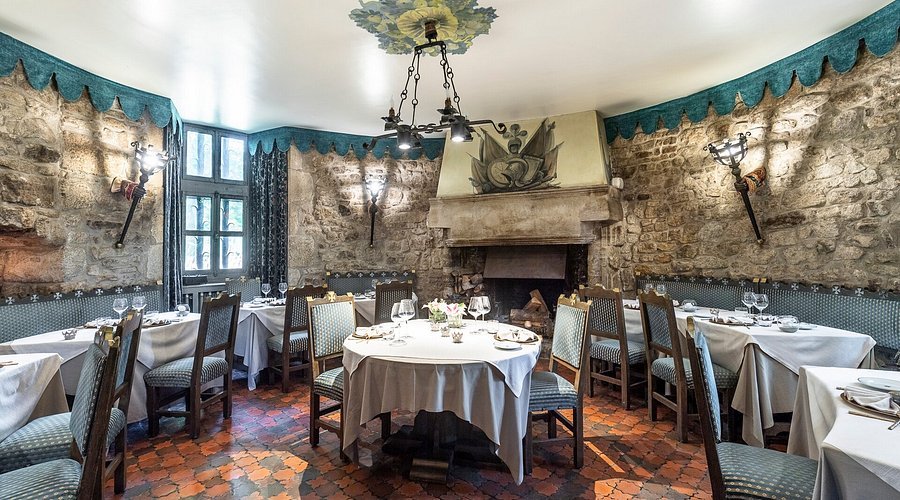
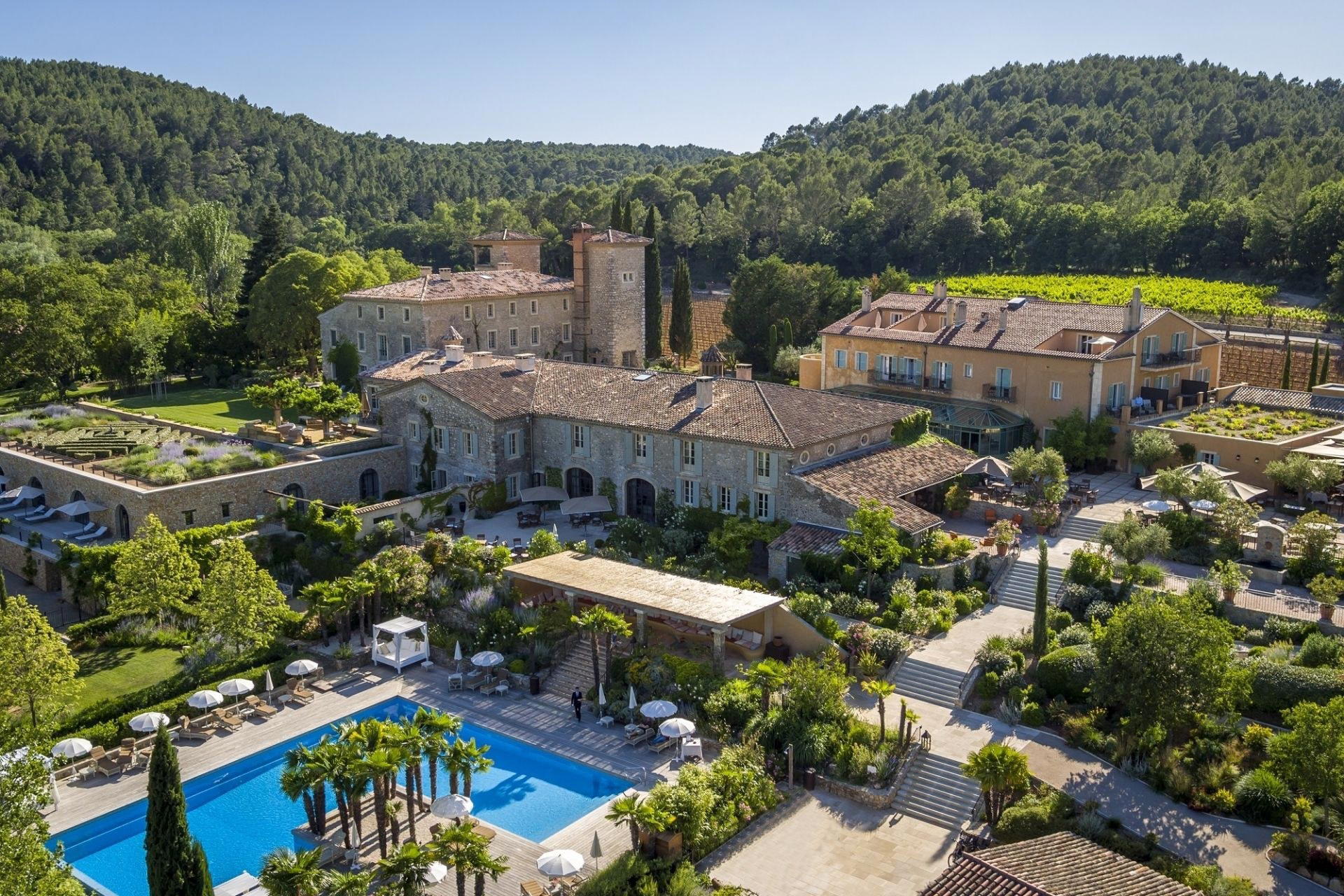
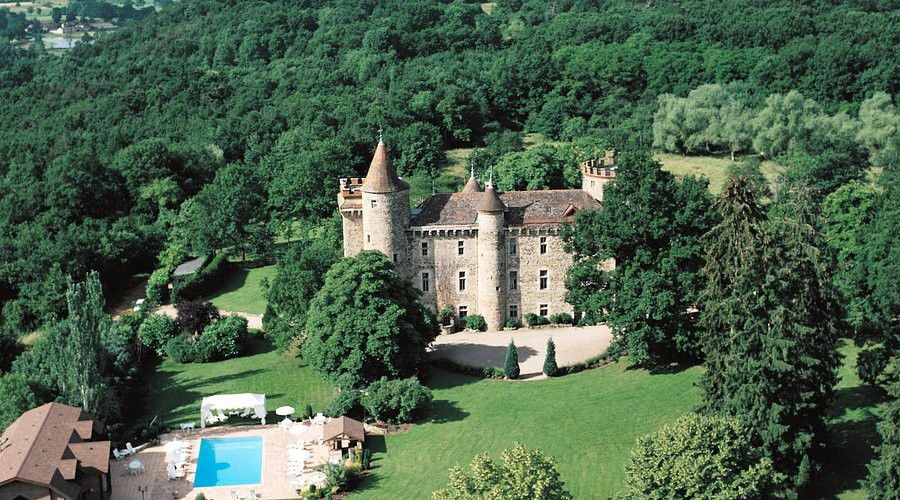
Château de Codignat feels like an authentically layered historic house rather than a polished stage set. Medieval origins and centuries of additions leave thick limestone walls, mullioned windows and steep rooflines that read as honest and idiosyncratic; the result is a quietly charming château that resists the cleaned-up look of Loire showpieces. Set in the Auvergne countryside — a region noted for volcanic geology rather than tourist throngs — the property leans into its relative obscurity. Guests encounter architecture and gardens that privilege atmosphere and history over contemporary gloss, making for a contemplative, characterful stay.
Best For
This château is best for travelers who prize history, architecture and a peaceful rural setting. Its smaller, less-visited scale in Puy-de-Dôme suits couples on romantic getaways, newlyweds on honeymoons and anyone marking an anniversary or looking for a weekend escape from busier destinations. The 2025 Gault & Millau 'Exceptional Hotel' designation underscores its distinguished standing within the region, so visitors who expect considered hospitality in an intimate, atmospheric property will find it rewarding. It’s less about flashy amenities and more about provenance and place.
Venue details
Ambiance
Enchanting and romantic with warm, professional service; guests describe the setting as magical, particularly outdoor dining under century-old chestnut trees with atmospheric lighting.
Tags
Vibe
Best For
Experience
Amenities
View
Accessibility
About the Stay
- Rooms
- 19
- Check-in
- 15:00
- Check-out
- 12:00
- Property Style
- Historic Luxury Château with Contemporary Comfort; Positioned as a Peaceful Countryside Escape with Fine Dining.
- Design Style
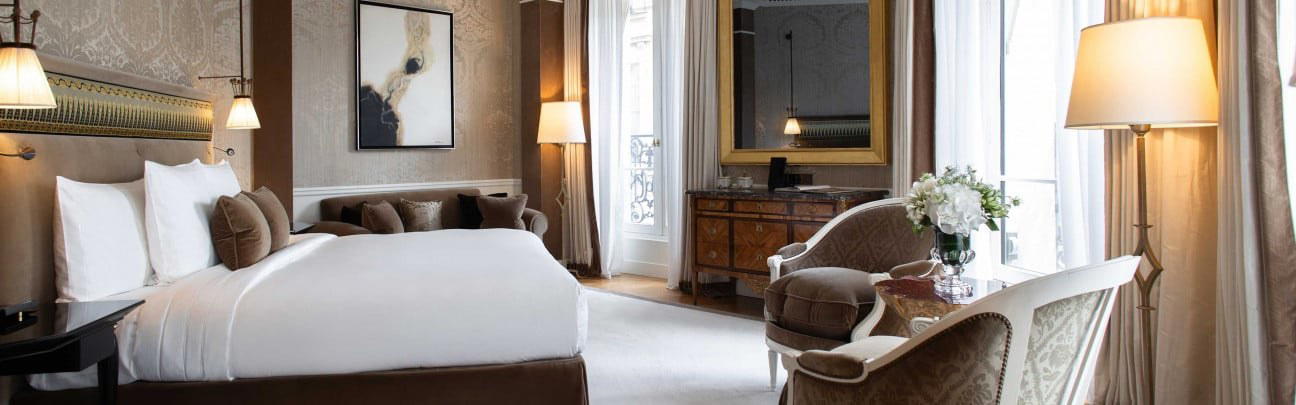
- Classic French Château Architecture with Individually Decorated Rooms Featuring Period Furnishings, Egyptian Cotton Linens, and Traditional Décor; Some Guests Note Slightly Ornate Styling.
Know before you go
Know Before You Go
- Getting there
- Chateau de Codignat, 63190 Bort-l'Étang
Planning details
Location
Recognition and awards

Also consider
Where to look if this is not the right fit
If dining is the reason for the trip, cross-shop Maison Decoret or Hôtel Restaurant Origines par Adrien Descouls before choosing a château-led stay.
If wellness facilities and a larger-town base matter more, Vichy Célestins Spa Hôtel is the more practical alternative.
Hotel context
How it compares with regional alternatives
Château de Codignat is the pick when the stay itself needs to feel like a countryside escape. Radio and Hôtel Restaurant Le Pré read as more restaurant-led alternatives by format, so they make more sense if the meal is the anchor and the room is secondary.
For travelers comparing comfort with a stronger dining angle, Hôtel Restaurant Origines par Adrien Descouls and Maison Decoret are the more obvious cross-shops. Choose Château de Codignat when ambiance and a quieter hotel stay matter more than planning the trip around a named restaurant format.
Vichy Célestins Spa Hôtel is the cleaner choice for travelers who want a spa-hotel setup and a larger-town base. Château de Codignat is better for a more private, slower stay; Vichy Célestins Spa Hôtel is easier to justify when facilities and town convenience carry more weight than château atmosphere.
Explore Lezoux
Around this place
Discover more on Pearl
Unlock the full Château de Codignat guide in Pearl, including awards, comparisons, FAQs, planning details, and nearby places.
Compare Château de Codignat
| Venue | Location | Awards |
|---|---|---|
| Château de Codignat | Lezoux | 2025 Gault & Millau Exceptional Hotel |
| Radio | Chamalières | No published awards |
| Hôtel Restaurant Le Pré | Durtol | 2026 Relais Chateaux Hotels2025 Michelin Selected Hotels2025 Relais Chateaux Award |
| Hôtel Restaurant Origines par Adrien Descouls | Le Broc | 2025 Michelin 1 Key2024 Michelin 1 Key |
| Maison Decoret | Vichy | No published awards |
| Vichy Célestins Spa Hôtel | Vichy | 2025 Gault & Millau Exceptional Hotel |



How Château de Codignat Lezoux compares with similar nearby venues.
FAQ
Frequently Asked Questions
When is the best time to book Château de Codignat?
The best time to book depends on current availability, rates, and the specific room or service you need. If your plans depend on a particular room type or service, book only after confirming the current availability and terms. The Gault & Millau Exceptional Hotel (2025): 5pts recognition is a hotel-level signal, not a guarantee of specific dates, services, or inclusions.
How is the dining at Château de Codignat?
If dining is central to the trip, confirm the current cuisine style, menu format, chef, pricing, and meal service directly and compare it with restaurant-led options such as Hôtel Restaurant Le Pré or Hôtel Restaurant Origines par Adrien Descouls.
Is Château de Codignat good for business travel?
Assess Château de Codignat as a business-travel base by checking any work-related needs directly, including check-in timing, connectivity, workspace, transport, and meeting requirements. Vichy Célestins Spa Hôtel may be another regional option to compare, depending on the trip.
Is Château de Codignat family-friendly?
Before booking with children or a larger group, confirm room configuration, bedding, policies, and any services you need directly with the property. Château de Codignat is in Lezoux.
Do loyalty programs work at Château de Codignat?
Check loyalty-program terms before assuming points, status benefits, upgrades, or chain-style perks. If loyalty benefits matter, compare the booking terms with another regional option such as Maison Decoret.
How does Château de Codignat compare to regional hotels?
Château de Codignat is best assessed as a Lezoux château property with a smart casual dress code and Gault & Millau Exceptional Hotel (2025): 5pts recognition. Radio and Vichy Célestins Spa Hôtel are other regional options to compare, while Hôtel Restaurant Le Pré and Hôtel Restaurant Origines par Adrien Descouls may be relevant if the trip is more dining-led.