

Pumphouse Point
Lake St Clair
Hotel in Lake St Clair, Australia
 Book with Pearl
The Read
Architecture as Immersion
Price
$750–1,000per night
Why go
Pumphouse Point is the Lake St Clair pick for travellers who want a special-occasion stay driven by setting and atmosphere rather than city-hotel convenience. Recognition from La Liste Top Hotels 2026 and Fodor's Most Incredible Hotels in the World 2026 helps justify the detour, but it makes sense mainly when the hotel experience is the reason for the trip.
About Pumphouse Point
For a trip to Lake St Clair in 2026, the question is whether Pumphouse Point is the right stay to build around the destination. Pumphouse Point is in Lake St Clair and has recognition from La Liste Top Hotels 2026 and Fodor's Most Incredible Hotels in the World 2026.
The decision point is simple: consider Pumphouse Point if Lake St Clair itself is central to the trip. Before making it the anchor for a special occasion or a longer itinerary, confirm practical details such as amenities, dining formats, prices, room counts, and service features directly.
Book it for Lake St Clair, with details confirmed before you commit
The appeal is tied to the Lake St Clair setting and the property's outside recognition. That makes it a reasonable candidate for travellers comparing notable stays, but facilities, dining, room categories, and service style should be checked before booking.
Recognition from La Liste Top Hotels 2026, with a listed score of 93 points, and inclusion in Fodor's Most Incredible Hotels in the World 2026 give the choice useful validation. Still, the smart booking logic is not “award hotel equals automatic yes.” It is yes if Pumphouse Point and Lake St Clair fit the trip you want; it is no if you need more certainty on the practical details before booking.
Planning details
- Location
- Pumphouse Point, 1 Lake St Clair Rd, Lake St Clair TAS 7140
- Website
- pumphousepoint.com.au
- Phone
- +61 428 090 436
The take
The Take
The Vibe
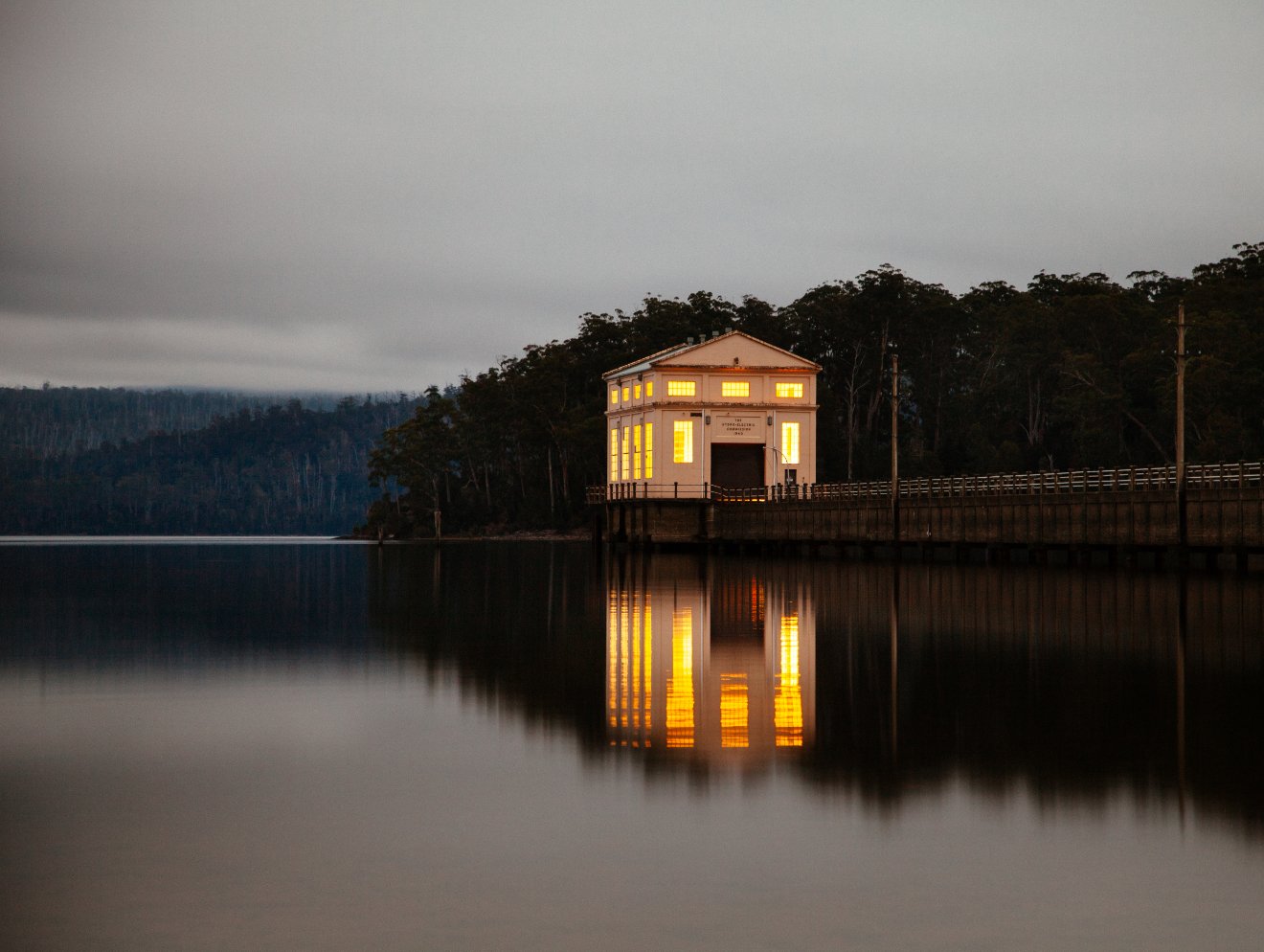
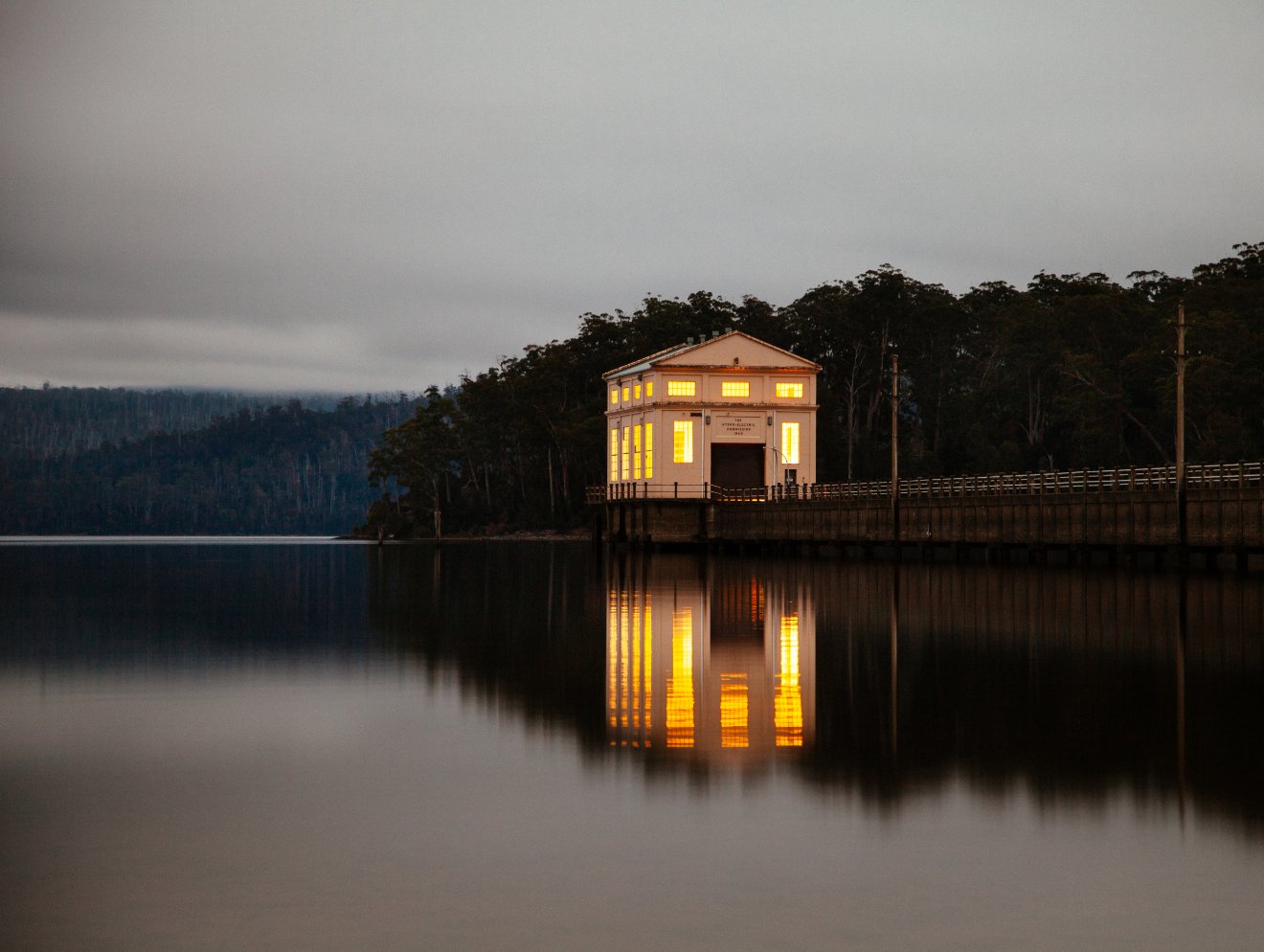
Pumphouse Point frames its identity around an audacious piece of adaptive reuse: a 1940s hydroelectric pump station that reaches out over Lake St Clair. The architecture is the destination here, with conservation-linked design and a deliberate dialogue between building and wild landscape. The result is a historically resonant, design-forward retreat that feels intimate and quietly luxurious; remoteness and protected wilderness are integral to the atmosphere rather than an afterthought. Recognition on La Liste underscores that guests are staying somewhere where setting and design matter as much as service, making the property feel both considered and rarefied.
Best For
This is a stay for travelers who prize landscape, solitude and design as part of their trip. Pumphouse Point suits couples seeking remote, restorative escapes and honeymooners who want architecture and water as a backdrop, as well as solo travelers and nature-focused visitors looking to immerse themselves in Cradle Mountain–Lake St Clair National Park. The property's placement on the lake and its conservation-minded design also make it appropriate for contemplative weekend escapes and wellness-focused breaks where the environment is the principal amenity.
Venue details
Ambiance
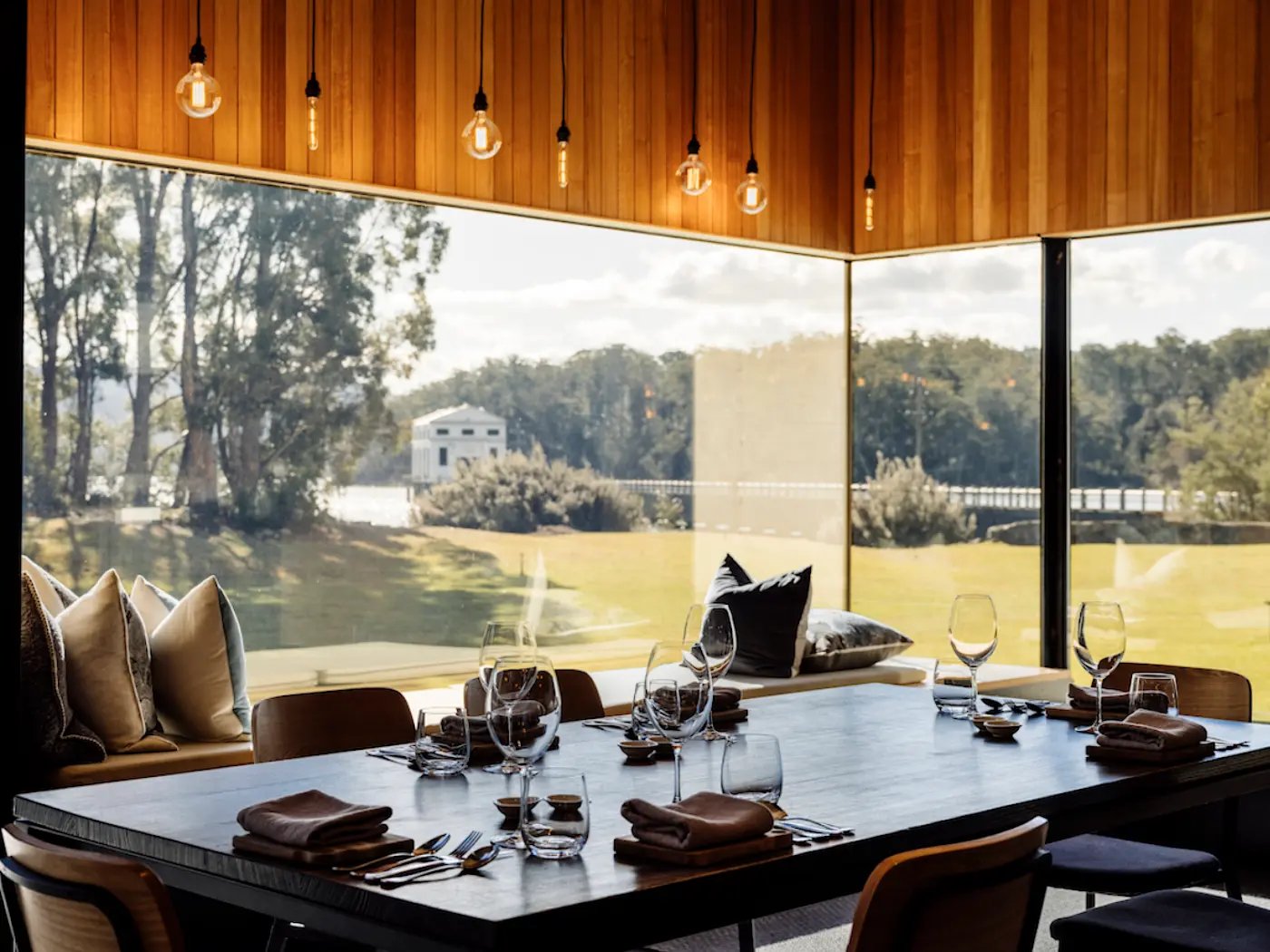
Tranquil and inviting with wood-panelled lounges featuring blazing fires, huge windows framing lake vistas, and a serene, nature-immersed atmosphere.
Tags
Vibe
Best For
Experience
Amenities
View
About the Stay
- Rooms
- 19
- Check-in
- 14:00
- Check-out
- 10:00
- Property Type
- Boutique hotel
- Property Style
- Restored 1940s Hydropower Pumphouse in Tasmanian Wilderness
- Design Style
- Classic Art Deco with Rustic Industrial Charm
- Breakfast
- Included
- Spa
- Yes
- Cancellation
- Strict
Know before you go
Know Before You Go
- Getting there
- Pumphouse Point, 1 Lake St Clair Rd, Lake St Clair TAS 7140
Planning details
Location
Pumphouse Point, 1 Lake St Clair Rd, Lake St Clair TAS 7140 · Directions
Recognition and awards


Also consider
Where to look if this is not the right fit
If the goal is a wilderness lodge with broader name recognition, cross-shop Peppers Cradle Mountain Lodge. If dining is the anchor of the trip, look at Stillwater Restaurant and Stillwater Seven Accommodation instead.
Hotel context
How it compares around Lake St Clair and Tasmania
Choose Pumphouse Point when the stay itself is the trip. Against Peppers Cradle Mountain Lodge, it reads as the more atmosphere-led choice for a quiet occasion, while Peppers is the safer pick for travellers who want a more familiar lodge format near a major wilderness draw.
Red Feather Inn and The Woodbridge Waterfront Rooms make more sense for travellers who want heritage character or riverfront town access rather than a remote Lake St Clair stay. Stillwater Restaurant and Stillwater Seven Accommodation is the better cross-shop if dining access matters more than the room setting.
For easier family logistics and a resort-style base, Tamar Valley Resort, Grindelwald is the more practical alternative. Pumphouse Point is the more decisive pick for couples and occasion travel where ambiance carries the value equation.
Explore Lake St Clair
Around this place
Discover more on Pearl
Unlock the full Pumphouse Point guide in Pearl, including awards, comparisons, FAQs, planning details, and nearby places.
Compare Pumphouse Point
| Venue | Location | Awards |
|---|---|---|
| Pumphouse Point | Lake St Clair | 100 Most Incredible Hotels in the World · 20262026 La Liste Top Hotels |
| Peppers Cradle Mountain Lodge | Cradle Mountain | 2026 La Liste Top Hotels |
| Red Feather Inn | Hadspen | No published awards |
| The Woodbridge Waterfront Rooms | New Norfolk | No published awards |
| Stillwater Restaurant and Stillwater Seven Accommodation | Launceston | No published awards |
| Tamar Valley Resort, Grindelwald | Grindelwald | No published awards |
How Pumphouse Point Lake St Clair compares with similar nearby venues.
FAQ
Frequently Asked Questions
Is Pumphouse Point family-friendly?
For a family trip to Pumphouse Point in Lake St Clair, check the current family policy, age guidance, room setup, and child-specific facilities directly with the property before booking.
Is Pumphouse Point good for business travel?
How is the pool and spa at Pumphouse Point?
If wellness features are important, confirm pool and spa facilities directly and compare the overall stay with another option such as Peppers Cradle Mountain Lodge.
Which room category is best at Pumphouse Point?
Choose a room category based on the views, layouts, and inclusions that matter for your trip. Pumphouse Point has recognition from La Liste Top Hotels 2026 with 93 points, but room selection should be based on details confirmed directly at booking.
Do loyalty programs work at Pumphouse Point?
If points or elite benefits matter, check loyalty-program eligibility directly and compare the booking terms with alternatives such as Tamar Valley Resort, Grindelwald or The Woodbridge Waterfront Rooms.