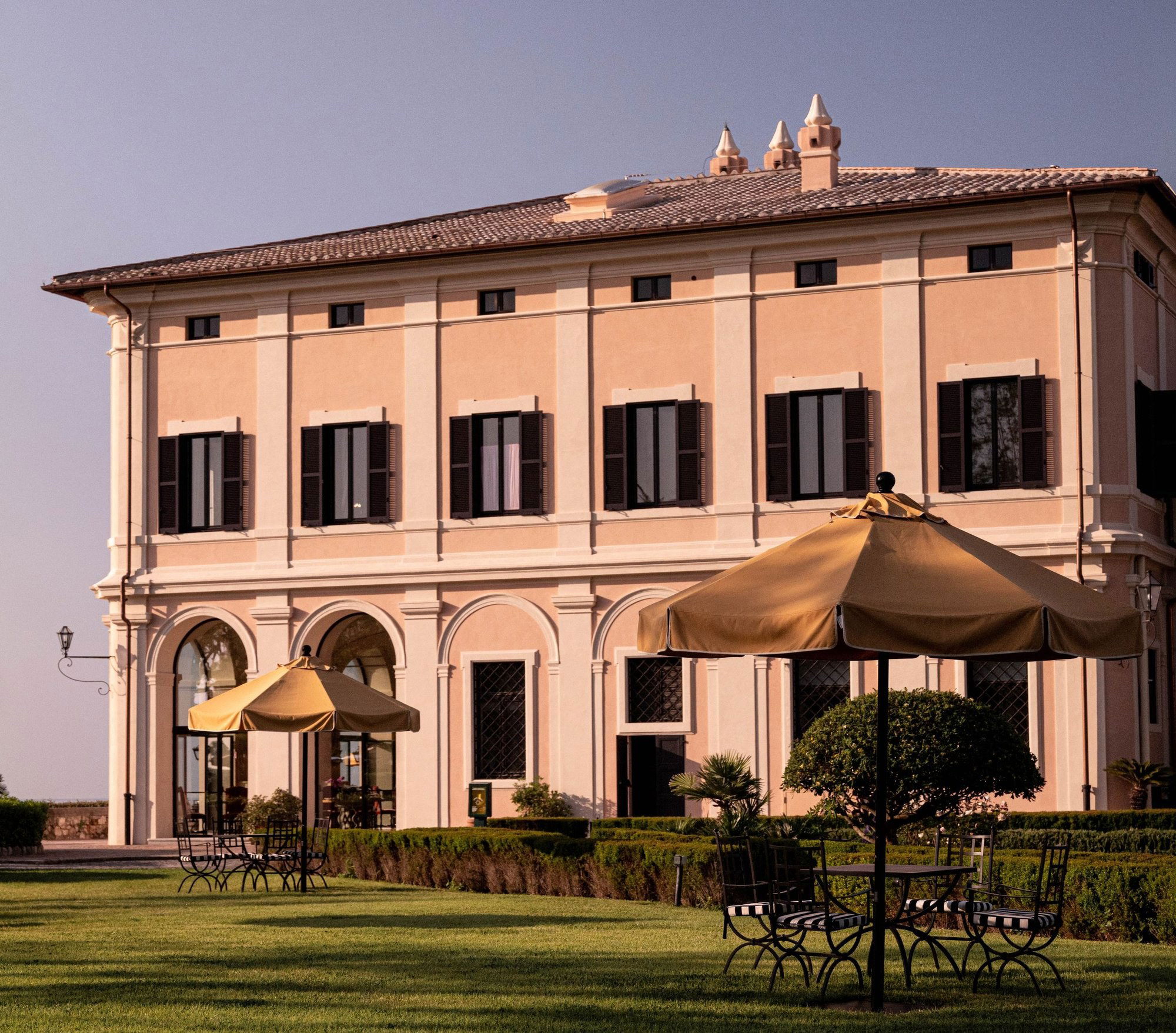





La Posta Vecchia Hotel
Palo Laziale, Ladispoli
Hotel in Ladispoli, Italy
 Book with Pearl
The Read
Papal Coast Seclusion
Price
$500–750per night
Why go
Book La Posta Vecchia Hotel if the trip needs a quiet coastal base near Rome rather than a central city address. The recognition stack is strong, and easy booking helps, but it is better for repeat Rome travelers, couples, and families than for business-heavy or first-time sightseeing schedules.
About La Posta Vecchia Hotel
La Posta Vecchia Hotel is a hotel in Ladispoli with several luxury-recognition signals. It is listed as a Leading Hotels of the World Member for 2025, appears in La Liste Top Hotels 2026 with 94 points, is on the Condé Nast Gold List 2025, is a Virtuoso Luxury Hotel Partner for 2026, and is selected in the MICHELIN Guide hotels selection for 2025.
For the best fit, match those credentials to the kind of stay you want in Ladispoli. Confirm specific facilities, dining formats, room categories, prices, or services directly before booking.
Book it for a Ladispoli hotel stay with luxury credentials
The clearest case for La Posta Vecchia Hotel is its recognition profile. Leading Hotels of the World, La Liste Top Hotels, Condé Nast Gold List, Virtuoso, and the MICHELIN Guide hotel selection all place the property in a luxury-hotel context.
The practical decision is still personal: choose it when a Ladispoli stay and those hotel-recognition markers matter to the trip. If your priority is a different style of base, compare it with Rome options such as Rome Cavalieri, A Waldorf Astoria Hotel, Villa Agrippina a Gran Melià Hotel, Mama Shelter Roma, or San Pietro Boutiquerooms without treating them as Ladispoli hotels.
The stay works well when expectations are confirmed in advance
Room categories, dining details, wellness facilities, prices, and booking difficulty should be confirmed before reserving. Check the details that matter most for your stay directly with the hotel or your booking channel.
The dress code is smart casual. Beyond that, avoid relying on assumptions about services, amenities, or on-property experiences unless they are confirmed at the time of booking.
Know Before You Go
- Good for: travelers looking specifically at a recognized hotel in Ladispoli.
- Less good for: travelers who need details on facilities, dining, services, or room categories before choosing.
- Dress code: smart casual.
- Trust signals: Leading Hotels of the World Member 2025, La Liste Top Hotels 2026 score of 94, Condé Nast Gold List 2025, Virtuoso Luxury Hotel Partner 2026, and MICHELIN Guide hotels selection 2025.
- Area planning: compare with other Ladispoli options generically, and with Rome hotels only when a Rome base is also under consideration.
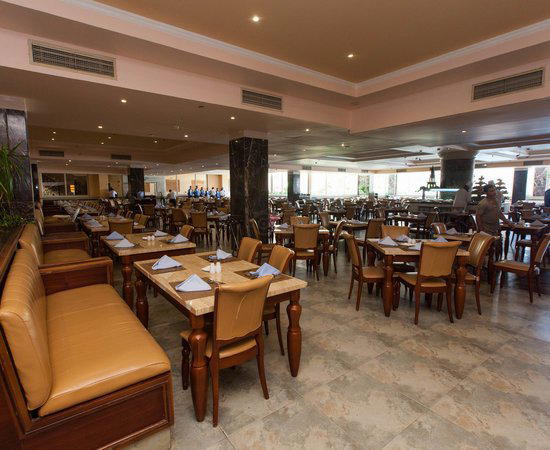
Inside La Posta Vecchia Hotel
Planning details
- Location
- Palo Laziale, Via Palo Laziale, 00055 Ladispoli RM
- Website
- pellicanohotels.com/en/hotels/la-posta-vecchia-hotel
- Phone
- +39 06 994 9501
The take
The Take
The Vibe
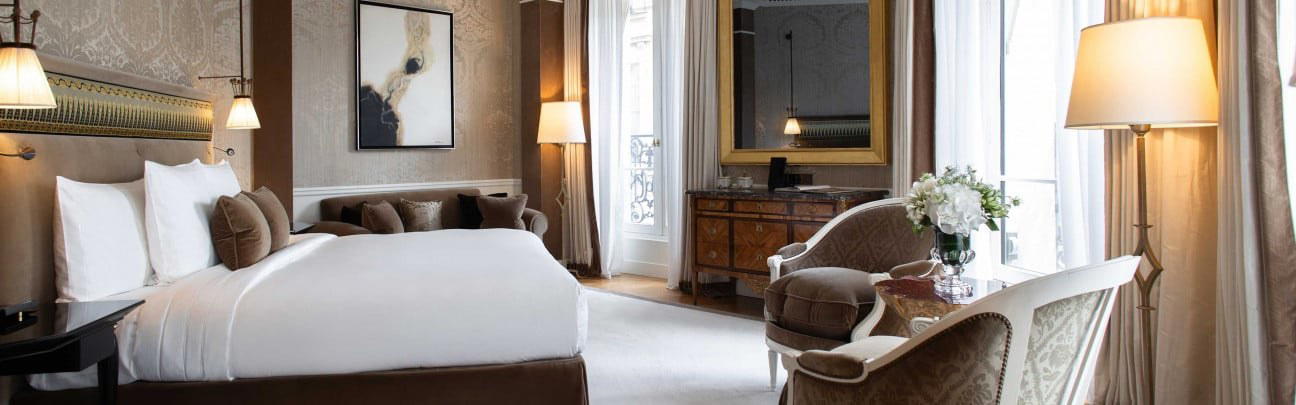
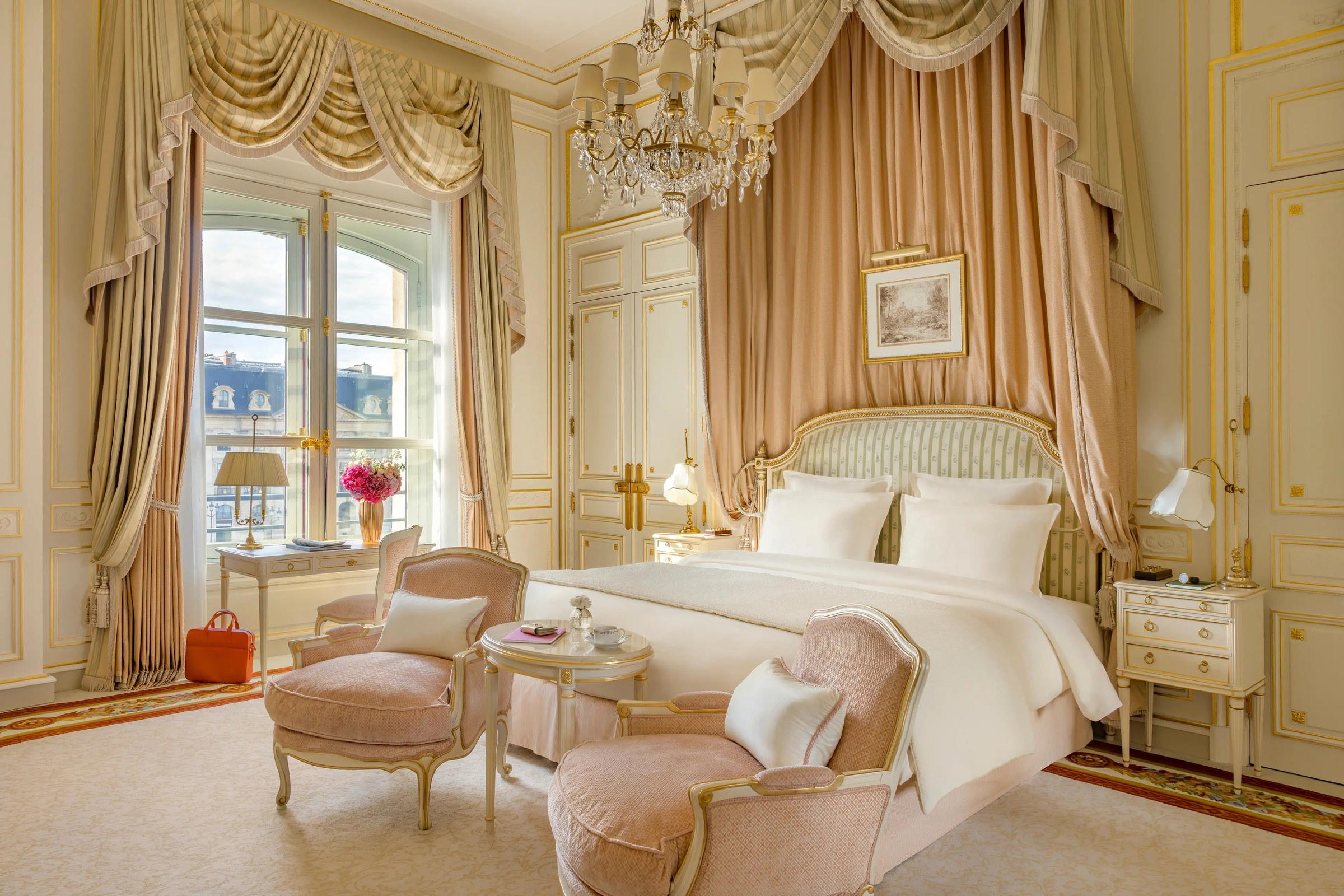
La Posta Vecchia presents as a quietly majestic historic palace perched on a Tuscan promontory. The building’s 17th‑century bones — thick walls, vaulted corridors and proportioned rooms — set the tone, and Paul Getty’s curated interiors layer ecclesiastical antiques and papal velvets over that architecture. The hotel feels intentionally removed from the modern resort corridor, so the soundscape is dominated by the sea and the echo of footsteps on stone stairs. The result is an assured, serene refuge that reads as both museum‑grade and domestically welcoming, a place where history, art and the coastal setting define the guest experience.
Best For
This hotel is best for travelers seeking a secluded, romantic and historically rich stay. It suits couples on honeymoons, anniversary trips or romantic getaways who value privacy and atmosphere over contemporary resort bustle. The property’s calm and reflective character also makes it appropriate for wellness‑minded visitors who want quiet, restorative time by the sea. Guests who appreciate architecture, curated antiques and an intimate, museum‑like environment will find the hotel especially rewarding; it is less about nightlife or high‑energy activities and more about contemplative luxury and provenance.
Venue details
Ambiance
Serene seaside retreat with elegant lighting, ocean-view dining, and a peaceful restorative atmosphere praised in guest reviews.
Tags
Vibe
Best For
Experience
Amenities
View
Accessibility
About the Stay
- Rooms
- 19
- Check-in
- 15:00
- Check-out
- 12:00
- Property Type
- Heritage hotel
- Property Style
- Historic Renaissance Villa with Modern Comforts in a Private Seaside Estate
- Design Style
- Elegant Palatial Style Featuring Renaissance Furnishings, Antique Tapestries, and Individually Decorated Rooms
- Breakfast
- Included
- Airport Transfer
- Available
- Pool
- Yes
- Spa
- Yes
- Pets
- Allowed
Know before you go
Know Before You Go
- Getting there
- Palo Laziale, Via Palo Laziale, 00055 Ladispoli RM
Planning details
Location
Palo Laziale, Via Palo Laziale, 00055 Ladispoli RM · Directions




Also consider
Also Consider
- Rome Cavalieri, A Waldorf Astoria Hotel, Notable alternative
- Mama Shelter Roma, Notable alternative
- San Pietro Boutiquerooms, Notable alternative
- Trastevere, Notable alternative
- Villa Agrippina a Gran Melià Hotel, Notable alternative
Hotel context
How It Compares
Choose La Posta Vecchia Hotel over Rome Cavalieri, A Waldorf Astoria Hotel when the trip calls for a quieter coastal setting rather than a large Rome luxury hotel. Rome Cavalieri is the more obvious pick for travelers who want a full-service city base, while La Posta Vecchia is stronger for guests who plan to spend meaningful time at the property.
Villa Agrippina a Gran Melià Hotel is the better cross-shop for travelers who want upscale Rome access with a resort-like feel closer to the center. Mama Shelter Roma is likely the more casual, design-forward choice for a social city stay, while La Posta Vecchia is the more composed option for a slower itinerary.
If the priority is simpler Rome lodging, compare against San Pietro Boutiquerooms or Trastevere. Those make more sense for travelers who want neighborhood access and less ceremony. La Posta Vecchia is the splurge-leaning choice when ambiance, hotel recognition, and a coastal address matter more than being in the middle of Rome.
Explore Ladispoli
Around this place
Discover more on Pearl
Unlock the full La Posta Vecchia Hotel guide in Pearl, including awards, comparisons, FAQs, planning details, and nearby places.
Compare La Posta Vecchia Hotel
| Venue | Location | Awards |
|---|---|---|
| La Posta Vecchia Hotel | Ladispoli | 2026 Virtuoso Luxury Hotel CollectionLeading Hotels of the World 20262026 La Liste Top Hotels2025 Michelin Selected Hotels2025 Conde Nast Hotels Gold List |
| Rome Cavalieri, A Waldorf Astoria Hotel | Rome | 2026 Virtuoso Luxury Hotel Collection2026 Forbes Recommended2026 La Liste Top HotelsWorld Travel Awards 2025 · #12025 Forbes Recommended |
| Mama Shelter Roma | Rome | No published awards |
| San Pietro Boutiquerooms | Rome | No published awards |
| Trastevere | Rome | No published awards |
| Villa Agrippina a Gran Melià Hotel | Rome | 2026 Forbes 4-Star2026 Virtuoso Luxury Hotel Collection2026 La Liste Top HotelsLeading Hotels of the World 20262025 Michelin Selected Hotels2025 Forbes 4-Star |


How La Posta Vecchia Hotel Ladispoli compares with similar nearby venues.
FAQ
Frequently Asked Questions
Is La Posta Vecchia Hotel family-friendly?
What is check-in like at La Posta Vecchia Hotel?
Which room category is best at La Posta Vecchia Hotel?
Specific room categories are not described here. Choose only after reviewing current room details with the hotel or booking platform, especially if space, view, or layout matters to the stay.
Is La Posta Vecchia Hotel good for business travel?
Business facilities or services are not described here. It may be considered as a Ladispoli hotel, but meeting spaces, work amenities, and transport needs should be checked directly before booking.
Do loyalty programs work at La Posta Vecchia Hotel?
The hotel is confirmed as a Leading Hotels of the World Member and a Virtuoso Luxury Hotel Partner. Any specific benefits, eligibility, or booking-channel requirements should be confirmed before reserving.
How does La Posta Vecchia Hotel compare to nearby hotels?
La Posta Vecchia Hotel is the Ladispoli option among this comparison set. Rome Cavalieri, A Waldorf Astoria Hotel, Villa Agrippina a Gran Melià Hotel, Mama Shelter Roma, and San Pietro Boutiquerooms should be considered when a Rome hotel is also an option.