
La Grée des Landes
La Gacilly
Hotel in La Gacilly, France
 Book with Pearl
The Read
Botanical Immersion Retreat
Price
$100–200per night
Why go
Against La Gacilly's more resort-like regional alternatives, La Grée des Landes is the pick for a quiet, food-led countryside stay where dinner convenience matters. Book it for calm setting and on-site dining focus, not for a large resort feel or a heavily documented destination-restaurant itinerary.
About La Grée des Landes
La Grée des Landes is a Michelin 1 Key (2024) stay in La Gacilly. The safest way to plan is to confirm any operational specifics directly before booking.
The dress code is smart casual. Beyond that, avoid assuming specific dining formats, room categories, amenities, prices, hours, or services unless the venue confirms them for your dates.
Choose it for a confirmed 1 Key stay, not extras
The strongest reason to consider La Grée des Landes is its Michelin 1 Key (2024) recognition. That makes it relevant for travelers comparing higher-end stays around the region, but it should not be read as confirmation of any particular restaurant format, wellness program, room inventory, or service style.
If the stay depends on a specific feature, confirm it directly with the venue before anchoring the itinerary around it. The same applies to dining, accessibility, dietary needs, arrival timing, and any special arrangements.
Where it fits in a La Gacilly trip
Use La Grée des Landes as a La Gacilly base when the appeal is a Michelin 1 Key (2024) stay and a smart-casual dress code. For wider planning, compare it with other La Gacilly stay options, then use the La Gacilly restaurants guide if you want to research other dining in La Gacilly.
For regional comparisons, consider how La Grée des Landes fits alongside Château d'Apigné, Domaine de Rochevilaine, Domaine de la Bretesche Golf & Spa, Domaine du Liziec - MGallery, and La Mare aux Oiseaux. Verify location, amenities, and current services with each venue rather than assuming they serve the same kind of trip.
Inside La Grée des Landes
Planning details
- Location
- Cournon, 56200 La Gacilly
- Website
- lagreedeslandes.com/fr
- Phone
- +33 2 99 08 50 50
The take
The Take
The Vibe
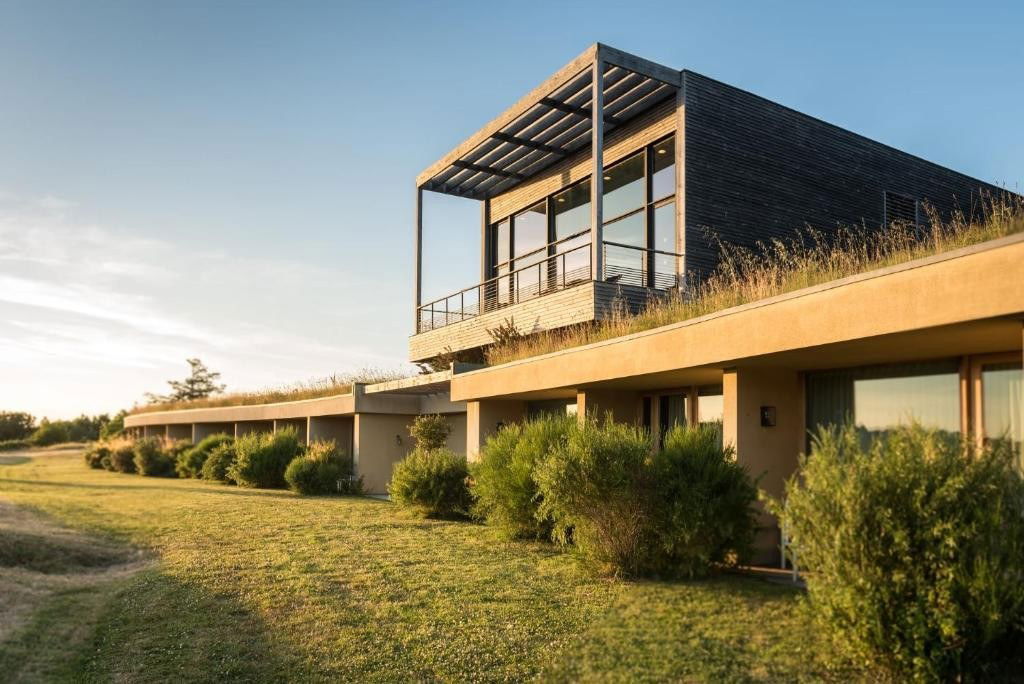
La Grée des Landes presents a quietly refined retreat that privileges stewardship of place over ostentation. Perched on a forested hilltop outside La Gacilly, the low-profile architecture—complete with green roofs and solar panels—intentionally dissolves into the treeline. Interiors and materials follow an organic, design-led language that fosters a deliberate calm across its 29 rooms and a freestanding cabin. The hotel's botanical ethos threads through the gardens, spa and restaurant, and a 2024 Michelin One Key designation underscores an understated sophistication: attentive design and eco-credentials shape the guest experience rather than flashy gestures.
Best For
This is a destination for travelers seeking a serene, eco-conscious hotel experience rooted in landscape and craft. Guests who value botanical-minded wellness will find the hotel's spa treatments and gardens especially appealing, while design-oriented visitors appreciate the property’s thoughtful materials and low-profile architecture. Couples and small parties looking for a quiet romantic or restorative escape fit naturally here, as do solo travelers who favor contemplative country settings. The on-site restaurant’s use of garden-grown ingredients complements stays focused on wellbeing, sustainability and measured luxury.
Stay Tips
The hotel highlights botanical spa treatments and an on-site restaurant that uses organic produce from its gardens, so inquire early about available spa appointments and seasonal menu features when booking. Note that the property comprises 29 rooms plus a single freestanding cabin—ask the reservations team about the cabin if you want extra seclusion. Because the hotel foregrounds its gardens and landscape, guests who care about provenance should mention dietary preferences to explore garden-driven dishes.
Venue details
Ambiance
Apaisante et paisible with natural light, lush vegetation, and serene countryside views.
Tags
Vibe
Best For
Experience
Amenities
View
Accessibility
About the Stay
- Rooms
- 29
- Property Type
- Eco-lodge
- Property Style
- Ecological Luxury Eco Lodge Integrated Into 10 Hectare Natural Domain
- Design Style
- Natural Materials, Raw Finishes, Linen Curtains, Organic Cotton Bedding with Contemporary Lines
- Pool
- Yes
- Spa
- Yes
Know before you go
Know Before You Go
- Getting there
- Cournon, 56200 La Gacilly
Planning details
Location
Recognition and awards
Also consider
Also Consider
- Domaine de la Bretesche Golf & Spa, Notable alternative
- Domaine de Rochevilaine, Notable alternative
- La Mare aux Oiseaux, Notable alternative
- Château d'Apigné, Notable alternative
- Domaine du Liziec - MGallery, Notable alternative
Hotel context
How it compares
Domaine de la Bretesche Golf & Spa is the stronger choice if the trip needs golf, spa time, and a broader resort rhythm. La Grée des Landes is the cleaner fit for a quieter La Gacilly stay where the meal and the countryside setting carry the decision. Choose Bretesche for amenities; choose La Grée des Landes for a lower-key food-led base.
Domaine de Rochevilaine is the one to cross-shop if a coastal setting is the point of the trip. La Mare aux Oiseaux is the more obvious alternative for guests who want the hotel and restaurant decision to feel tightly linked. La Grée des Landes works better when La Gacilly itself is the anchor and the desired mood is inland, quiet, and practical rather than coast-first.
Château d'Apigné and Domaine du Liziec - MGallery make more sense for travelers who want a more formal château or branded-hotel frame. La Grée des Landes is the more specific pick for a calm Morbihan stay, but availability is the risk; if dates are tight, keep those two in the backup set.
Explore La Gacilly
Around this place
Discover more on Pearl
Unlock the full La Grée des Landes guide in Pearl, including awards, comparisons, FAQs, planning details, and nearby places.
Compare La Grée des Landes
| Venue | Location | Awards |
|---|---|---|
| La Grée des Landes | La Gacilly | 2026 Michelin 1 KeyMichelin 1 Key 20252025 Michelin 1 Key2024 Michelin 1 Key |
| Domaine de la Bretesche Golf & Spa | Missillac | 2026 Relais Chateaux Hotels2025 Michelin Selected Hotels2025 Relais Chateaux Award2025 Gault & Millau Exceptional Hotel |
| Domaine de Rochevilaine | Billiers | 2026 Relais Chateaux Hotels2026 Michelin 1 Key2025 Relais Chateaux Award2025 Michelin 1 Key |
| La Mare aux Oiseaux | Saint-Joachim | No published awards |
| Château d’Apigné | Le Rheu | 2025 Gault & Millau Exceptional Hotel |
| Domaine du Liziec - MGallery | Vannes | No published awards |




How La Grée des Landes La Gacilly compares with similar nearby venues.
FAQ
Frequently Asked Questions
Do loyalty programs work at La Grée des Landes?
The quality signal is Michelin 1 Key (2024). If points earning or redemption is central to the trip, compare the current booking terms directly with La Grée des Landes and with another regional option such as Domaine du Liziec - MGallery.
How is the location of La Grée des Landes?
La Grée des Landes is in La Gacilly. Use the venue's official directions when planning arrival.
What is check-in like at La Grée des Landes?
La Grée des Landes is a Michelin 1 Key (2024) stay in La Gacilly, but travelers should confirm arrival times, access instructions, and any special requirements directly with the venue.