

Hotel in La Crosse, United States
The Charmant Hotel
625Pearl PointsDowntown Base

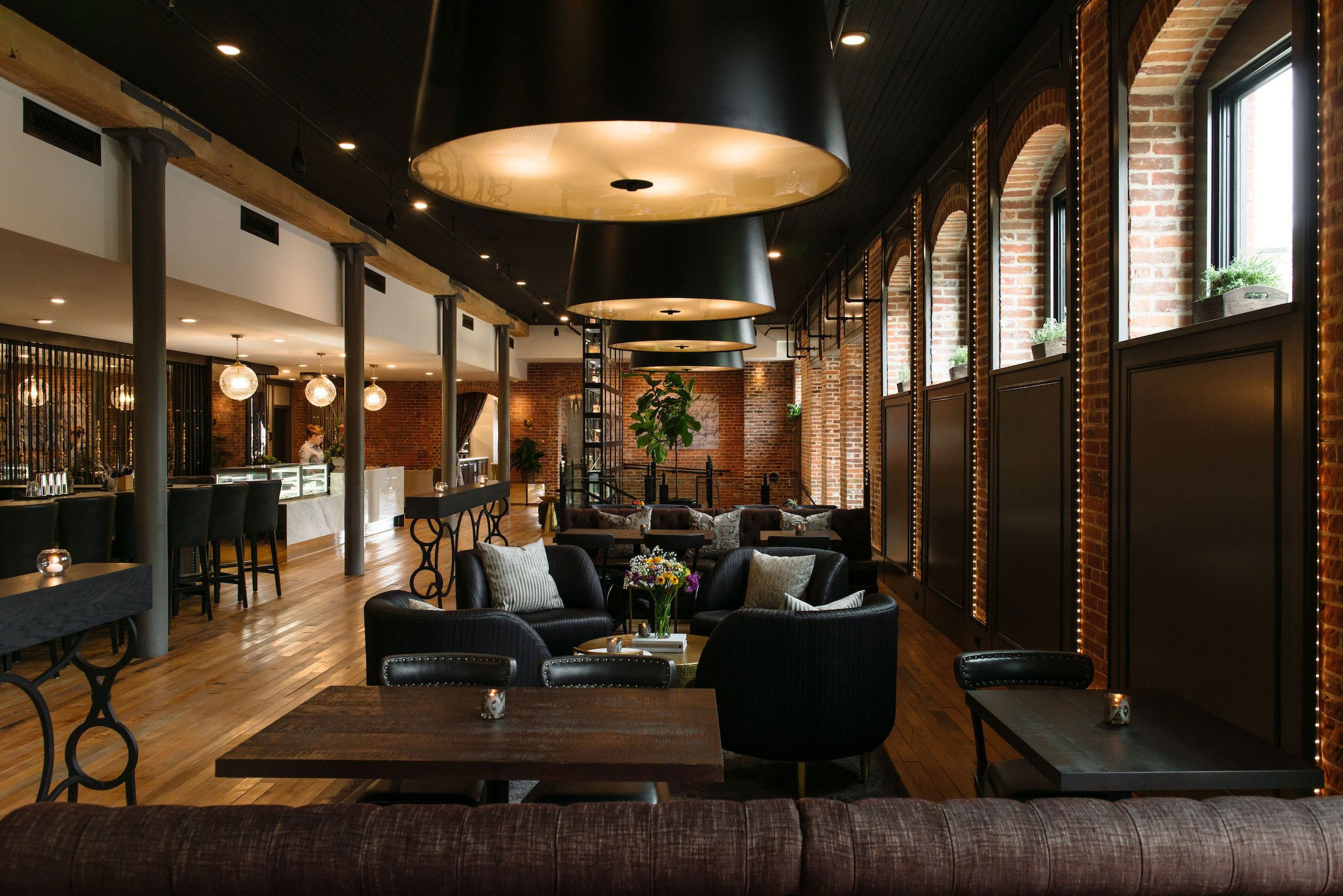
About The Charmant Hotel
The Charmant Hotel is the La Crosse pick for travelers who want a downtown boutique stay with more character than a standard chain room. It is worth booking for couples, design-minded weekenders, and visitors who plan to spend time in the city center; suite upgrades make the most sense when the room is part of the trip, not just a place to sleep.
Is The Charmant Hotel worth booking in La Crosse? It is a credible option to consider if you want a La Crosse hotel with clearly confirmed Michelin 1 Key recognition in 2025. Beyond that verified distinction, the safest way to evaluate the hotel is by matching it to your trip needs rather than relying on unverified claims about specific amenities, room types, dining, or location details.
The practical read is simple: book it when The Charmant Hotel itself appeals to you and when a La Crosse stay is the point of the trip. The verified public facts include Michelin 1 Key recognition and a smart casual dress code. Specifics such as pricing, room categories, food and beverage offerings, service formats, or exact facilities should be confirmed directly before booking.
Choose a room only after checking current details
Room-category advice should be handled carefully because verified details about specific room types are not available here. If you are deciding between available categories, the honest recommendation is to compare the current room descriptions, rates, and cancellation terms directly with the hotel before booking.
Travelers comparing Wisconsin and Upper Midwest hotels should treat The Charmant Hotel as a La Crosse option with confirmed Michelin 1 Key recognition. Canoe Bay, The Edgewater, Graduate by Hilton Madison, JW Marriott Minneapolis Mall of America, and The Saint Paul Hotel are useful regional reference points, but each serves a different kind of trip and should be evaluated on its own current details.
Use it as a La Crosse base, then verify the rest
Use The Charmant Hotel as a La Crosse base, then verify the current logistics that matter for your stay, such as arrival plans, parking, dining reservations, and room preferences. For planning beyond the hotel, compare other La Crosse dining and activity options generically unless you have current details from the venue or booking source.
Families, couples, and business travelers should make the same core calculation: choose the hotel if its La Crosse setting and Michelin 1 Key recognition fit the trip, and confirm any practical requirements directly before booking. Do not assume specific family amenities, meeting facilities, dining formats, loyalty benefits, or room layouts unless they are listed in the current booking information.
The clean recommendation: consider The Charmant Hotel when you want a La Crosse stay with a confirmed Michelin 1 Key. Cross-shop regional peers if your trip depends on a different city, a different hotel style, or specific features that need to be verified before you commit.
Frequently Asked Questions
Is The Charmant Hotel family-friendly?
The verified information does not confirm specific family amenities. Families considering The Charmant Hotel should evaluate it as a La Crosse hotel with Michelin 1 Key recognition and confirm room setup, policies, and any child-specific needs directly before booking. Graduate by Hilton Madison can be a useful separate comparison for a different city stay.
Which room category is best at The Charmant Hotel?
Verified details about specific room categories are not available here. The best choice depends on current rates, room descriptions, cancellation terms, and how much space you need. If you want to compare a different kind of city hotel stay, The Edgewater is a separate regional reference point.
What is check-in like at The Charmant Hotel?
Verified check-in details are not available here. Confirm arrival time, identification requirements, parking, and any special requests directly with The Charmant Hotel before traveling to La Crosse. If you prefer to compare another hotel in a different city, The Saint Paul Hotel is a useful reference point.
How is the dining at The Charmant Hotel?
Verified dining details are not available here, so do not assume a specific cuisine, menu format, meal period, or beverage program. The confirmed facts are that The Charmant Hotel is in La Crosse, has Michelin 1 Key recognition for 2025, and lists a smart casual dress code. JW Marriott Minneapolis Mall of America may be useful as a separate comparison for a different market.
How does The Charmant Hotel compare to regional hotels?
The Charmant Hotel is a La Crosse hotel with confirmed Michelin 1 Key recognition in 2025. Graduate by Hilton Madison, The Edgewater, The Saint Paul Hotel, JW Marriott Minneapolis Mall of America, and Canoe Bay are regional reference points for different kinds of trips, so compare them based on the city you want, current rates, and the specific features you need.
Is The Charmant Hotel good for business travel?
It may work for business travel if La Crosse is the right location and the current hotel details match your needs. Verified information does not confirm meeting facilities, loyalty benefits, or business services, so confirm those directly before booking. JW Marriott Minneapolis Mall of America is a separate comparison for travelers evaluating another hotel in a different market.
Do loyalty programs work at The Charmant Hotel?
Verified loyalty-program details are not available here. If points earning, elite benefits, or brand consistency matter, confirm the booking terms directly before reserving. Graduate by Hilton Madison and JW Marriott Minneapolis Mall of America are useful comparisons if loyalty-program participation is a priority in a different city or hotel context.
Location
101 State St, La Crosse, WI 54601
La Crosse, United States
Compare The Charmant Hotel
| Venue | Awards | Booking Difficulty |
|---|---|---|
| The Charmant Hotel | Michelin 1 Key (2025) | Hard |
| Canoe Bay | Unknown | |
| Graduate by Hilton Madison | Unknown | |
| The Edgewater | Unknown | |
| The Saint Paul Hotel | Unknown | |
| JW Marriott Minneapolis Mall of America | Unknown |
Side-by-side comparison to help you decide where to book.
Also Consider
- Canoe Bay, Notable alternative
- Graduate by Hilton Madison, Notable alternative
- The Edgewater, Notable alternative
- The Saint Paul Hotel, Notable alternative
- JW Marriott Minneapolis Mall of America, Notable alternative
How it compares with regional hotel alternatives
Canoe Bay is the better fit for travelers who want privacy, quiet, and a retreat-style trip outside the city rhythm. The Charmant Hotel is the more practical choice for a La Crosse stay where downtown access matters more than seclusion. If the plan is restaurants, bars, and local exploring, choose La Crosse; if the plan is to disappear for a slower escape, choose Canoe Bay.
Graduate by Hilton Madison and The Edgewater both make more sense for a Madison-based trip. Graduate is the easier call for travelers who want a playful campus-adjacent hotel, while The Edgewater is stronger for a larger lakefront stay with more of a full-service feel. The Charmant Hotel is narrower but useful: book it when the destination is La Crosse and the priority is a more personal downtown base.
The Saint Paul Hotel and JW Marriott Minneapolis Mall of America are better for Twin Cities itineraries, especially when classic-service polish or large-brand predictability matters. The Charmant Hotel is not trying to win on scale. Its advantage is context: a smaller-city stay with a clearer sense of place, best for travelers who would rather be central in La Crosse than in a bigger metro hotel system.
Recognized By

Explore La Crosse
Save or rate The Charmant Hotel on Pearl
Keep this venue in your Pearl passport, rate it after you visit, and track it alongside every other place you collect.