

Abbaye de La Celle
La Celle
Hotel in La Celle, France
 Book with Pearl
The Read
Ecclesiastical Conversion Hospitality
Why go
Book Abbaye de La Celle if you want a quiet Provence village stay with credible hotel recognition, not a large resort substitute. The value play is to choose the lowest room tier that meets your space needs unless the booking path clearly shows an upgrade with meaningful extra comfort.
About Abbaye de La Celle
Abbaye de La Celle is a hotel in La Celle with two clear third-party trust signals: MICHELIN Guide, Hotels Selected (2025) and Gault & Millau Exceptional Hotel (2025). Along with the smart-casual dress code, these recognitions offer a useful starting point for evaluating the property. Specific room, service, facility, dining, and pricing details should be checked directly with the property before booking, especially if any one of those details would materially affect whether the stay works for you.
The safest way to evaluate the hotel is to treat the confirmed recognition as a quality signal, not as proof of any particular room type, amenity, meal format, or on-property experience. Guide selection can help narrow a search, but it should not replace due diligence on the practical side of a stay. If a booking decision depends on space, views, accessibility, included services, or other stay details, confirm those points through the official booking path before paying, and make sure the information is current for the exact dates and room being considered.
Book for La Celle with hotel recognition
Abbaye de La Celle is best assessed as a La Celle hotel with confirmed guide recognition rather than through assumptions about facilities or service style. The MICHELIN Guide hotel selection and Gault & Millau Exceptional Hotel listing are useful filters, because they indicate that the property has attracted attention from established travel and hospitality sources. However, they do not establish specific amenities, room categories, restaurant details, or a resort-style setup, and they should not be read as a complete description of what every guest will experience.
Recognition matters because it gives travelers a clearer reason to consider the property when public detail is limited. It can separate the hotel from a purely generic option and give a booking search some structure. Still, it should not be stretched into claims about what every stay includes, how service is delivered, or which facilities will be available at a given moment. Use the confirmed accolades as a baseline signal, then verify the practical details that matter for your trip, such as what is included, what must be requested, and what conditions apply to the booking you are about to make.
Value depends on what you need in La Celle
La Celle is the location, so the value case starts with whether staying in La Celle fits the trip. That question is as important as the recognition itself: a well-regarded hotel is only the right choice if its location supports the itinerary, timing, and type of stay you are planning. For wider planning, pair this page with Our full La Celle hotels guide, then check Our full La Celle restaurants guide if dining will shape the stay. If you are comparing other options, consider how Abbaye de La Celle fits your needs alongside Château Saint-Roux, Château de Berne, Hôtel & Spa du Castellet, LILOU, or Lou Calen, keeping the comparison focused on fit rather than assumptions.
For broader comparisons, keep the frame simple: this is a hotel in La Celle with confirmed MICHELIN Guide hotel selection and Gault & Millau Exceptional Hotel recognition. That is a meaningful starting point, but not a substitute for checking the exact stay conditions. Avoid assuming a specific experience from the name or setting alone; confirm current services, inclusions, and policies directly before booking. The best use of this page is to identify Abbaye de La Celle as a credible candidate, then complete the decision with the property's own current information before committing.
Part of
Alain Ducasse28 locations on PearlPlanning details
- Location
- 10 Pl. du General de Gaulle, 83170 La Celle, France
- Website
- abbaye-celle.com
- Phone
- +33 4 98 05 14 14
The take
The Take
The Vibe
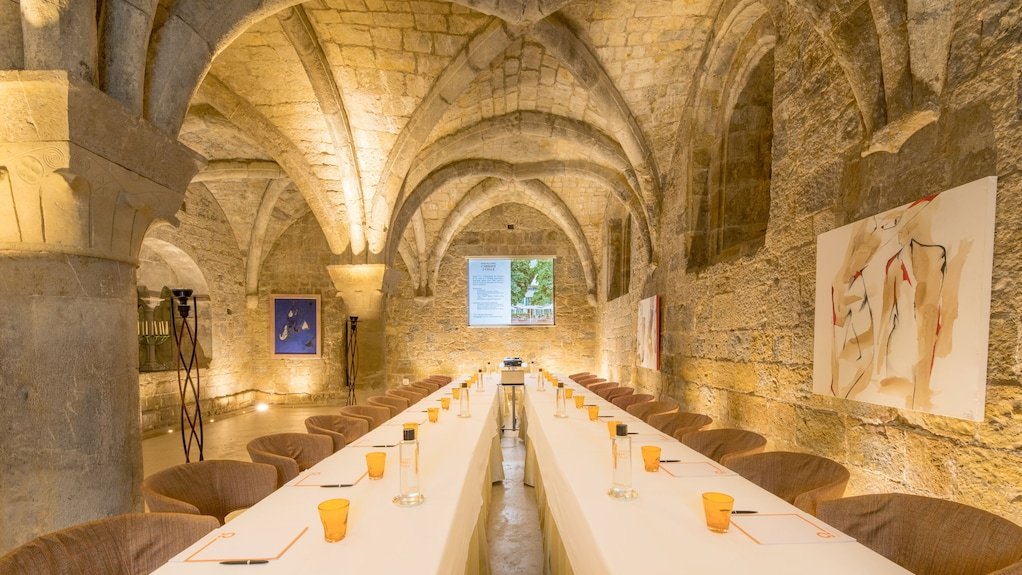
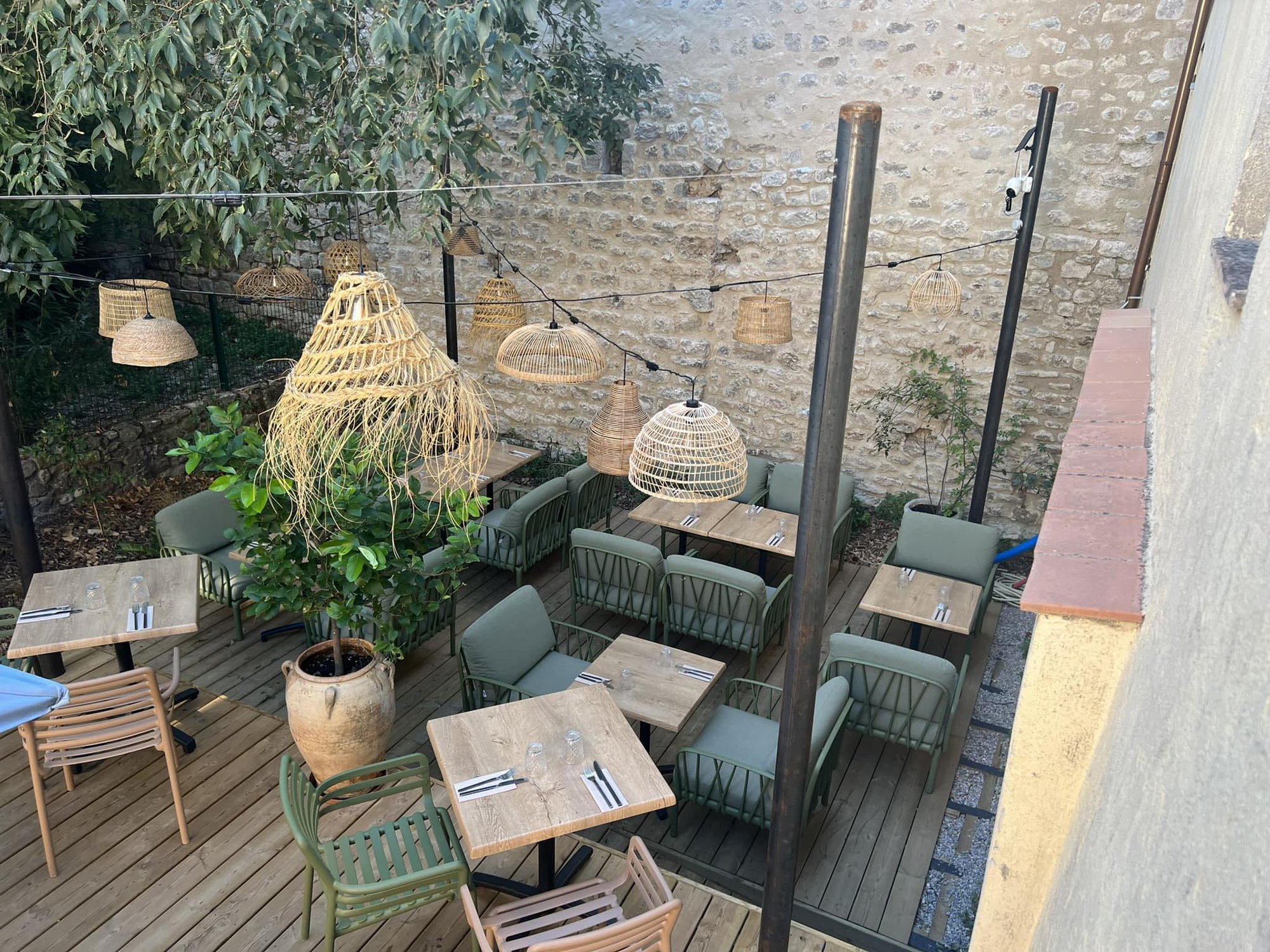
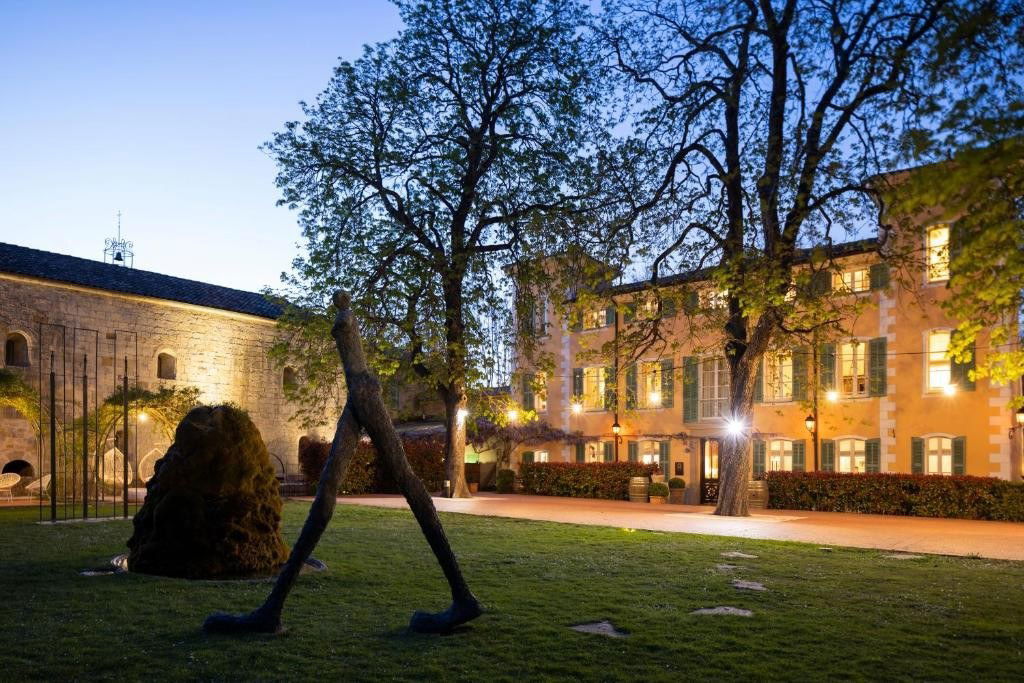
Abbaye de La Celle presents as an architectural object first and a hotel second: a 12th‑century Benedictine monastery whose cloisters, Romanesque arches and vaulted ceilings remain legible in every room and corridor. The conversion favors continuity over theatrical renovation, so original stonework and proportions dictate a slower pace and a contemplative mood. The garden reads as part of the village rather than a landscaped amenity, reinforcing a quietly refined sensibility. Guests experience a restrained, place‑driven hospitality that privileges atmosphere and history over flash, making the property feel meditative and deeply rooted in Provençal soil.
Best For
This is a destination for travelers who prize architectural singularity and calm. Its monastery setting and cloistered spaces make it especially well suited to couples seeking a quiet romantic getaway, newlyweds on a honeymoon, or pairs marking an anniversary. The scale and restraint of the property also make it a compelling weekend escape for visitors wanting to trade the bustle of the coast for an unhurried stay shaped by stone, shadow and a village garden. Gault & Millau’s recognition underscores the hotel’s appeal to guests after an elevated, place‑based experience.
Stay Tips
Expect an intentionally slow rhythm: the hotel's layout and historic fabric encourage lingering and quiet exploration rather than hurried comings and goings. The abbey sits inland between Brignoles and the Sainte‑Baume massif and is largely bypassed by coastal traffic, so plan time to arrive by road and to wander the cloisters and garden on foot. Because the hospitality proposition rests on architectural specificity rather than amenity volume, plan your visit around experiencing the building and grounds—allowing long stretches of unstructured time to appreciate the contemplative spaces.
Venue details
Ambiance
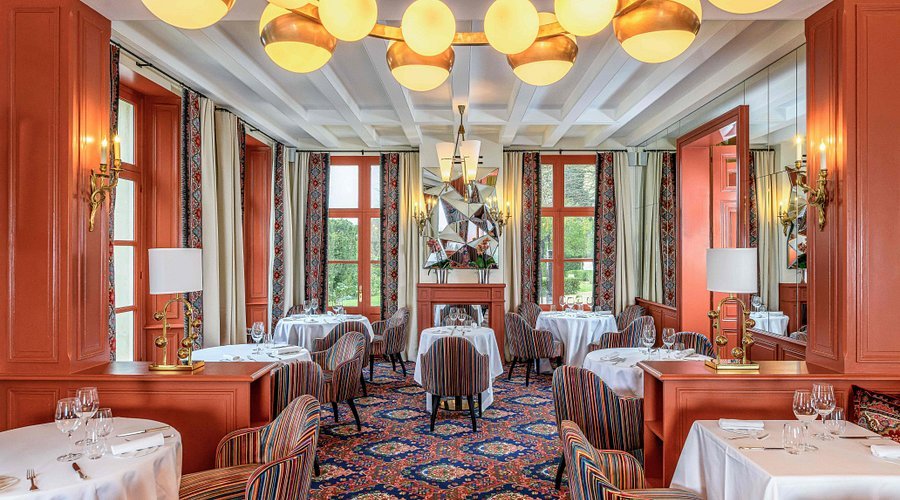
Tranquil and serene with subtle, discreet elegance; tasteful decor, beautiful gardens, and a peaceful atmosphere praised for relaxation.
Tags
Vibe
Best For
Experience
Amenities
View
Accessibility
About the Stay
- Rooms
- 10
- Property Type
- Heritage hotel
- Property Style
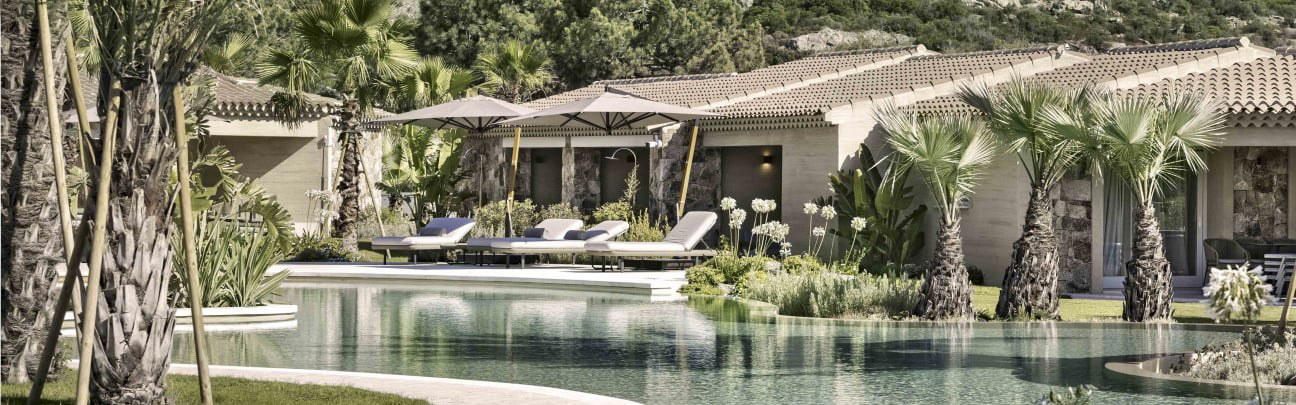
- Chic, Refined 5 Star Historic Hotel in Provence with Provençal Atmosphere.
- Design Style
- Elegant Classic with Cream, Taupe, and Beige Palettes, Antique Furniture, Exposed Beams.
- Pool
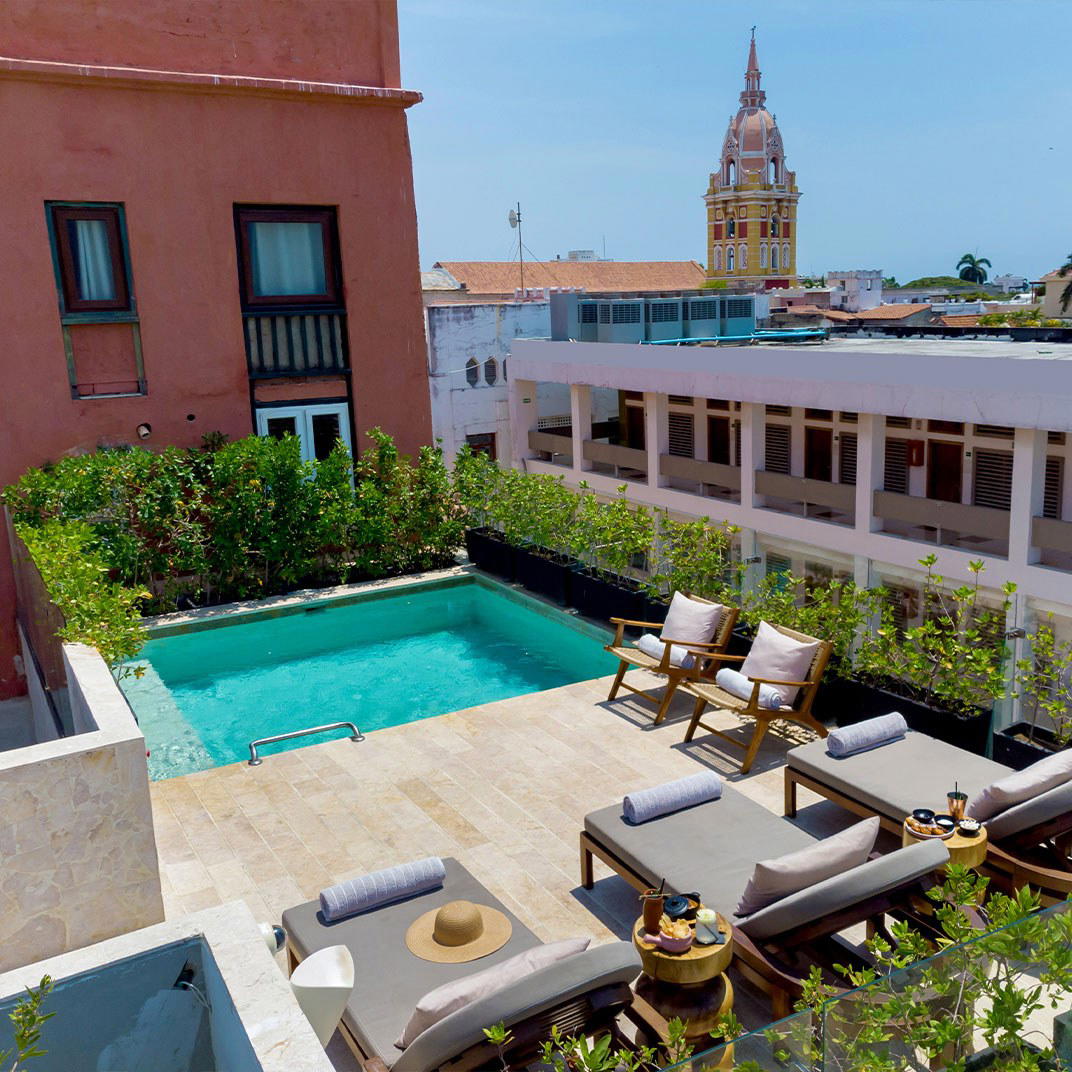
- Yes
- Spa
- Yes
- Pets
- Allowed
- Families
- Welcome
Know before you go
Know Before You Go
- Getting there
- 10 Pl. du General de Gaulle, 83170 La Celle, France
Planning details
Location
Recognition and awards

Also consider
Also Consider
- Lou Calen, Notable alternative
- Hôtel & Spa du Castellet, Notable alternative
- Château Saint-Roux, Notable alternative
- Château de Berne, Notable alternative
- LILOU, Notable alternative
Hotel context
How It Compares
Lou Calen is the closest cross-shop if you want a Provence village feel but prefer a broader lifestyle-hotel setup. Abbaye de La Celle is the cleaner pick for a quieter, more contained stay; Lou Calen makes more sense if the trip needs more on-property energy and a livelier base.
Hôtel & Spa du Castellet is the better comparison for travelers prioritizing resort facilities and a spa-led stay. Choose Abbaye de La Celle when value means atmosphere, calm, and a smaller hotel footprint. Choose Hôtel & Spa du Castellet when the property itself needs to carry more of the itinerary.
Château Saint-Roux and Château de Berne are stronger fits when the trip is estate-driven, especially if wine-country context matters. LILOU is the alternative to check if style and a more contemporary stay matter more than heritage mood. Abbaye de La Celle is the safer pick for travelers who want quiet, recognition-backed Provence without chasing a larger resort experience.
Explore La Celle
Around this place
Discover more on Pearl
Unlock the full Abbaye de La Celle guide in Pearl, including awards, comparisons, FAQs, planning details, and nearby places.
Compare Abbaye de La Celle
| Venue | Location | Awards |
|---|---|---|
| Abbaye de La Celle | La Celle | 2025 Michelin Selected Hotels2025 Gault & Millau Exceptional Hotel |
| Lou Calen | Cotignac | No published awards |
| Hôtel & Spa du Castellet | Le Castellet | 2026 Relais Chateaux Hotels2026 Michelin 3 Keys2025 Gault & Millau Exceptional Hotel2025 Relais Chateaux Award2025 Michelin 3 Keys2024 Michelin 3 Keys |
| Château Saint-Roux | Le Cannet Des Maures | No published awards |
| Château de Berne | Lorgues | 2026 Forbes Recommended2026 Virtuoso Luxury Hotel Collection2026 Relais Chateaux Hotels2026 La Liste Top Hotels2026 Michelin 1 Key2025 Conde Nast Best Hotels · #20World Luxury Hotel Awards 20252025 Michelin 1 Key2025 Gault & Millau Exceptional Hotel |
| LILOU | Hyères | No published awards |









How Abbaye de La Celle compares with similar nearby venues.
FAQ
Frequently Asked Questions
How is the dining at Abbaye de La Celle?
Dining details, cuisine, menus, prices, and service times should be checked directly with the venue. The confirmed trust signals are Gault & Millau Exceptional Hotel (2025) and MICHELIN Guide, Hotels Selected (2025).
Which room category is best at Abbaye de La Celle?
Choose based on the current booking information shown by the hotel, and confirm any needs such as bed type, accessibility, layout, or inclusions before reserving.
Do loyalty programs work at Abbaye de La Celle?
Ask the hotel directly if points or benefits matter, and compare the answer with other options such as Hôtel & Spa du Castellet or Château de Berne.
How is the pool and spa at Abbaye de La Celle?
If those facilities are important, confirm the current offering directly with Abbaye de La Celle before booking, and compare with alternatives such as Château de Berne if needed.
Is Abbaye de La Celle good for business travel?
Business travelers should verify logistics directly with the hotel and compare with options such as Hôtel & Spa du Castellet if different infrastructure is needed.