

Abbaye de la Bussière
La Bussière-sur-Ouche
Hotel in La Bussière-sur-Ouche, France
 Book with Pearl
The Read
Cistercian Heritage Hospitality
Why go
A strong choice for a quieter Burgundy stay when the hotel is part of the trip, not just a bed between tastings. Abbaye de la Bussière suits repeat visitors who value a countryside Relais & Châteaux setting over town-center convenience; choose a room with more space if staying two nights or more.
About Abbaye de la Bussière
Abbaye de la Bussière is a venue in La Bussière-sur-Ouche with two recognition signals for 2025: a Relais Chateaux Award and selection in the MICHELIN Guide hotels category. The dress code is smart casual. Taken together, those are the firm points to use when deciding whether the venue belongs in your planning set: it has externally visible recognition for the year in question, and it sets an attire expectation that is polished without being formal.
Beyond those points, specific claims about cuisine, menus, prices, service format, opening hours, amenities, or exact location details should be checked directly with the venue before planning around them. A recognition signal can help identify a promising venue, but it does not, on its own, confirm the practical details that shape a stay, meal, or visit. It's important to confirm all descriptions directly with Abbaye de la Bussière.
Choose it when recognition matters
The clearest grounded reason to consider Abbaye de la Bussière is its 2025 recognition: Relais Chateaux Award and MICHELIN Guide, Hotels Selected. Those signals make it a relevant option for travelers comparing notable venues in and around La Bussière-sur-Ouche. They are especially useful at the early short-list stage, when the goal is not yet to choose a final booking, but to identify venues with credible external markers and then compare them against the details that matter for a specific trip.
Without detailed pricing, dining format, or service details, it is safest to treat this as a short-list venue rather than make assumptions from descriptions. Confirm the current offer directly with Abbaye de la Bussière before booking. In practical terms, that means asking the venue to clarify the elements that will affect your plans: what is available on your intended dates, what is included, what kind of service is offered, and whether any expectations apply beyond the smart-casual dress code.
Good for a La Bussière-sur-Ouche short list, with important details
Use Abbaye de la Bussière as a La Bussière-sur-Ouche option when recognition and a smart-casual standard are relevant to your trip. Do not rely on claims about specific dishes, lunch or dinner service, drinks, views, size, or prices unless the venue confirms them. The safest approach is to separate what is known from what requires confirmation: the recognition and dress code can support initial interest, while the finer points should be confirmed before you build an itinerary, make assumptions about dining, or compare value against other venues.
For planning around the area, cross-check dining via the La Bussière-sur-Ouche restaurants guide. If comparing other regional venues, consider Abbaye de la Bussière alongside Château Sainte Sabine, Hostellerie Cèdre & Spa, Le Clos Sainte-Marguerite, Le Domaine des Prés Verts, and Les Sources de Vougeot, while confirming each venue's current details directly. This comparison is most useful when handled consistently: look at the recognition for each place, then contact the venue or official source to confirm the details that can change, such as pricing, availability, service format, amenities, and any conditions attached to a booking. That keeps the short list grounded in reliable information rather than assumptions.
Planning details
- Location
- D33, 21360 La Bussière-sur-Ouche
- Website
- abbayedelabussiere.fr
- Phone
- +33 3 80 49 02 29
The take
The Take
The Vibe
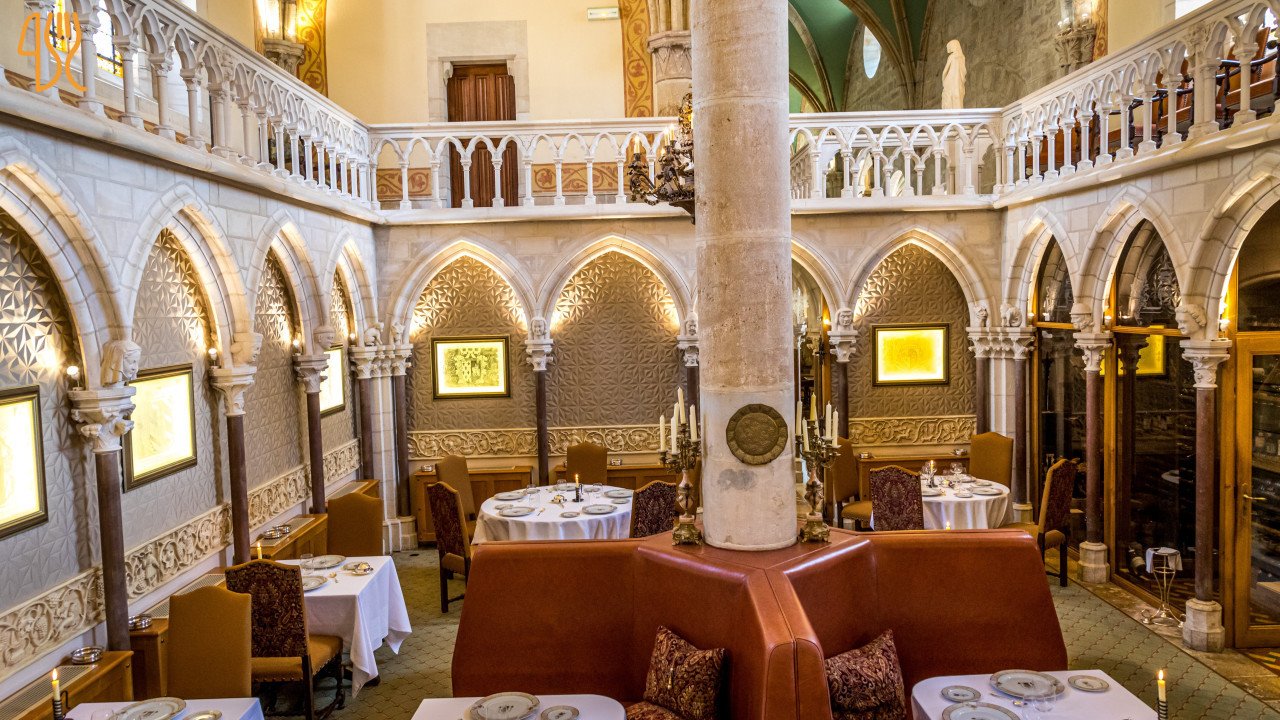
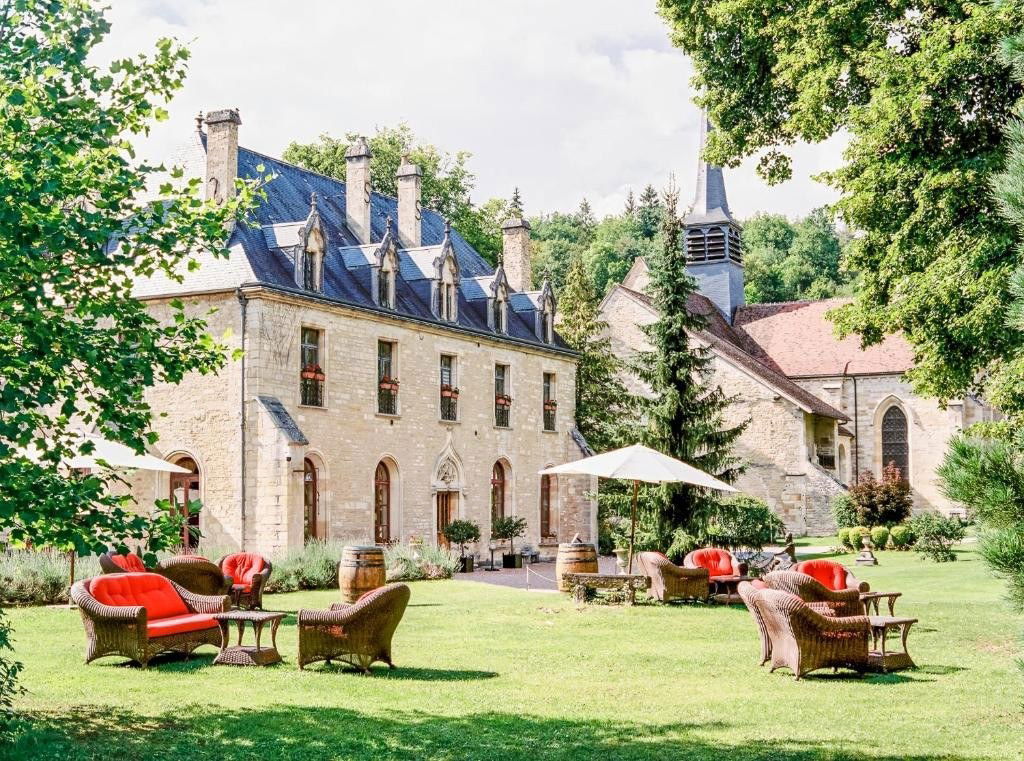
Abbaye de la Bussière reads as an architectural chronicle: a 12th-century Cistercian hull layered with neo‑Gothic ornament and Romanesque foundations. The writing puts the building itself at center stage — not a staged hotel shell but a place that has absorbed hospitality into centuries of use. Expect pointed arches, cloistered geometry and light that sculpts the nave in the late afternoon; the experience prioritizes contemplation over spectacle. Overall the property presents a classic, historic serenity rather than a contemporary design statement, appealing to travelers who prize heritage, quietude and the tactile sense of time in stone.
Best For
This is a stay for travelers seeking a quiet, romantic and architecture‑forward escape in Burgundy. Its Relais & Châteaux positioning and references to tasting menus make it especially suited to couples planning a romantic getaway, honeymoon or anniversary where dining and regional wine culture are part of the itinerary. Weekend escapes that center on slow appreciation of place — wandering cloisters, lingering over long dinners, and enjoying late-afternoon light in the nave — are a natural fit. The abbey’s contemplative character also suits solo travelers or small pairs looking for a serene, culturally rich retreat.
Stay Tips
Book with an eye toward the experience of the building: plan afternoons on site to see the late‑day light described in the narrative, which is a defining sensory moment. Given the property's Relais & Châteaux context and the text’s mention of culinary integrity and tasting menus, reserve dinner in advance to secure the tasting‑menu experience common to high‑end Burgundy stays. If wine‑focused activities are part of your trip, coordinate cellar visits and regional tastings through the hotel concierge ahead of arrival to align with local wine producers and any in‑house dining schedule.
Venue details
Ambiance
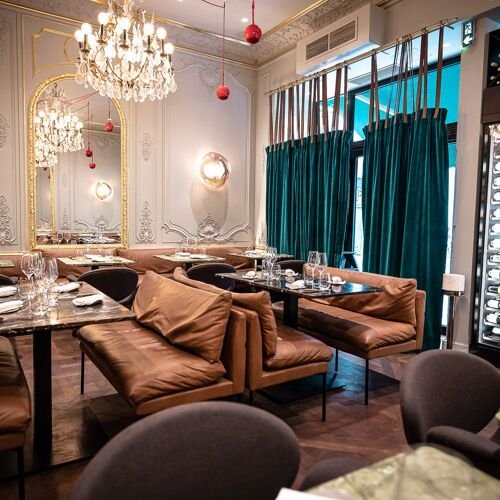
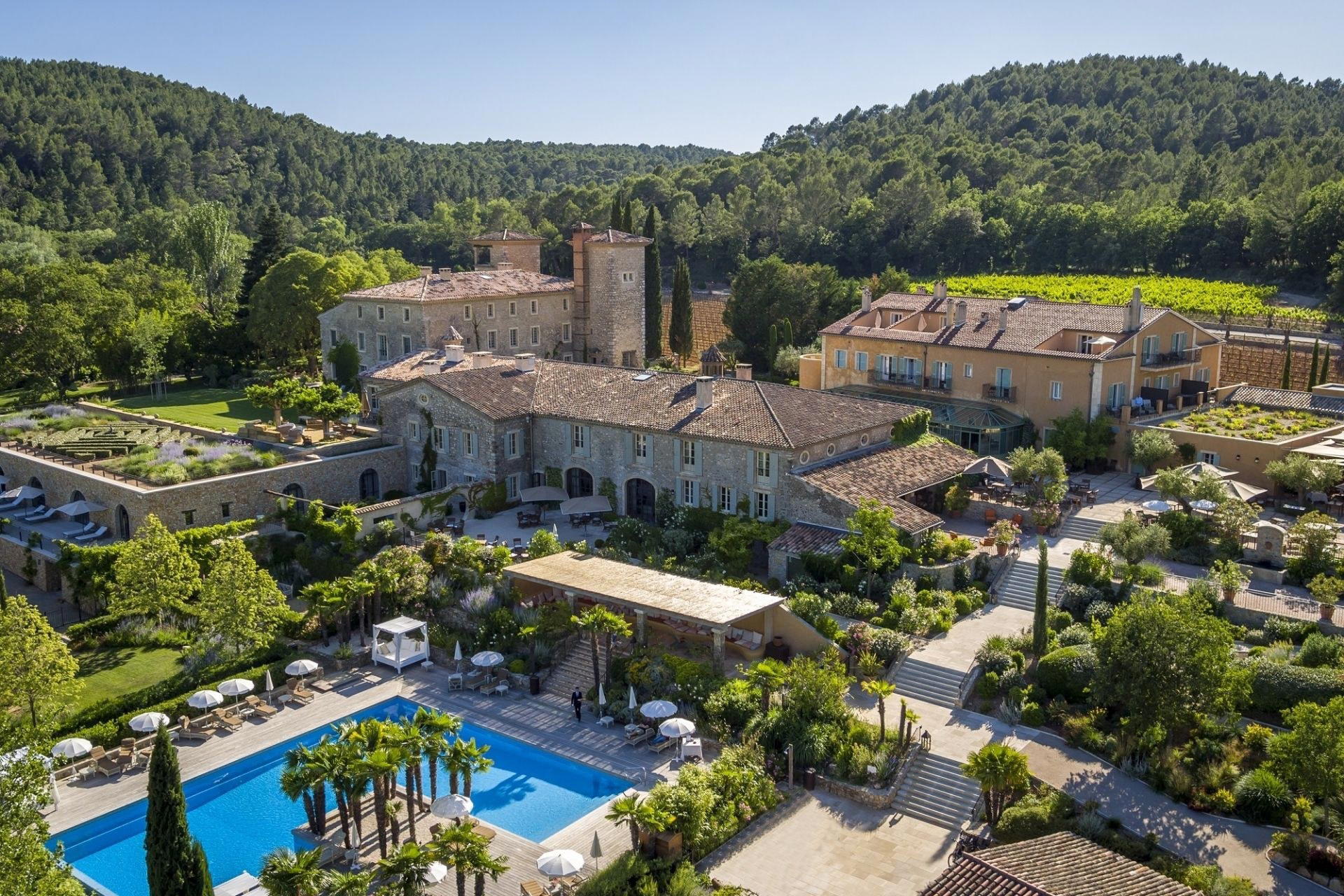
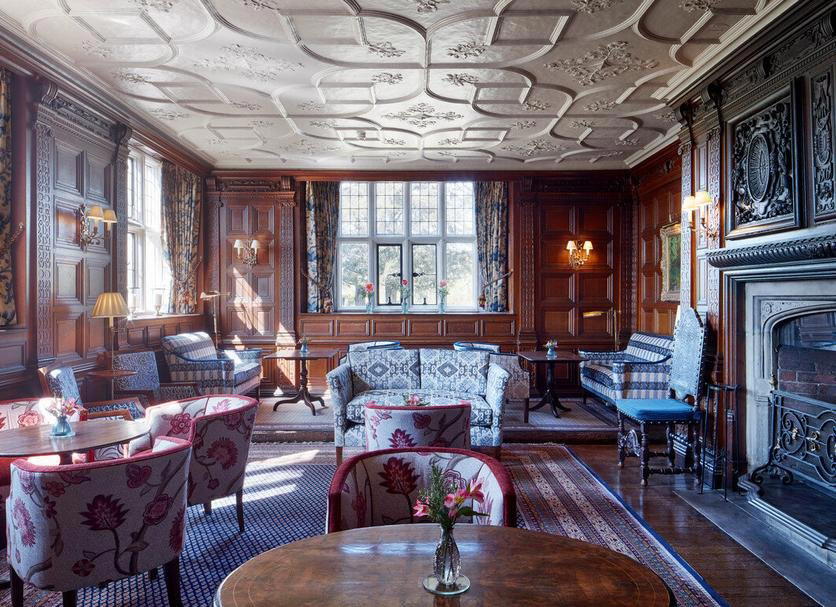
Tranquil and elegant atmosphere with beautiful interiors featuring antique furnishings, fine fabrics, and well-kept gardens evoking peaceful monastic history.
Tags
Vibe
Best For
Experience
Amenities
View
Accessibility
About the Stay
- Rooms
- 20
- Check-in
- 15:00
- Check-out
- 11:00
- Property Style
- Historic 12th Century Cistercian Abbey Converted Into a Luxury Retreat
- Design Style
- Elegant with Antique Furnishings and Fine Fabrics
Know before you go
Know Before You Go
- Getting there
- D33, 21360 La Bussière-sur-Ouche
Planning details
Location
Recognition and awards

Also consider
If this is booked
Try Château Sainte Sabine for a similar countryside-hotel feel, or Hostellerie Cèdre & Spa if the trip needs easier access to a busier Burgundy base.
Hotel context
How it compares
Choose Abbaye de la Bussière if you want the safest countryside-hotel bet in La Bussière-sur-Ouche, especially with Relais & Châteaux positioning and MICHELIN hotel selection behind it. Château Sainte Sabine is the closer cross-shop for travelers who want a château-style stay, while Les Sources de Vougeot makes more sense if the itinerary is more wine-route focused than hotel-led.
Le Domaine des Prés Verts is the better alternative for travelers who want a more retreat-like countryside mood, while Hostellerie Cèdre & Spa is easier to justify if access to Beaune-style town energy matters. Le Clos Sainte-Marguerite is the tighter choice for a smaller-scale stay.
For value, do not compare these only by rate. Compare how much time will be spent on property. If the room and grounds are central to the trip, Abbaye de la Bussière earns the splurge more easily. If the hotel is mainly a launchpad for dining and tastings, Hostellerie Cèdre & Spa or Les Sources de Vougeot may be the more practical booking.
Explore La Bussière-sur-Ouche
Around this place
Discover more on Pearl
Unlock the full Abbaye de la Bussière guide in Pearl, including awards, comparisons, FAQs, planning details, and nearby places.
Compare Abbaye de la Bussière
| Venue | Location | Awards |
|---|---|---|
| Abbaye de la Bussière | La Bussière-sur-Ouche | 2025 Michelin Selected Hotels2025 Relais Chateaux Award |
| Château Sainte Sabine | Sainte-Sabine | 2026 Virtuoso Luxury Hotel Collection2026 Relais Chateaux Hotels2025 Michelin Selected Hotels2025 Gault & Millau Exceptional Hotel2025 Relais Chateaux Award |
| Les Sources de Vougeot | Bourgogne Franche Comte | No published awards |
| Le Domaine des Prés Verts | Jouey | No published awards |
| Hostellerie Cèdre & Spa | Beaune | 2026 Michelin Guide New Hotels2025 Michelin Selected Hotels2025 Gault & Millau Exceptional Hotel |
| Le Clos Sainte-Marguerite | Beaune | No published awards |


How Abbaye de la Bussière compares with similar nearby venues.
FAQ
Frequently Asked Questions
How does Abbaye de la Bussière compare to other regional options?
Abbaye de la Bussière is a La Bussière-sur-Ouche option with 2025 recognition from Relais Chateaux Award and MICHELIN Guide, Hotels Selected. If you are also considering Hostellerie Cèdre & Spa or Château Sainte Sabine, compare the current room, dining, and policy details directly with each venue before deciding.
How is the location of Abbaye de la Bussière?
Abbaye de la Bussière is in La Bussière-sur-Ouche. A more specific public location description is not available, so use only the city for planning unless confirming details directly with the venue.