
THE HIRAMATSU Kyoto
Nakagyō, Kyoto
Hotel in Kyoto, Japan
 Book with Pearl
Why go
THE HIRAMATSU Kyoto is a smart shortlist hotel for repeat Kyoto visitors who want a polished central base in Nakagyo Ward rather than a big-brand stay. The Michelin hotel selection helps justify attention, but the main reason to book is location and calm design, not points strategy or family-focused facilities.
About THE HIRAMATSU Kyoto
For a Kyoto stay, the smart question is whether THE HIRAMATSU Kyoto fits the kind of trip you are planning. It is in Kyoto, has a smart-casual dress code, and is listed in the MICHELIN Guide Hotels Selected 2025. That recognition gives it a credible hotel-quality signal, but the booking decision should still come down to your own priorities and the details you can confirm before reserving.
A Kyoto base for travelers comparing hotel options
THE HIRAMATSU Kyoto belongs on a Kyoto shortlist if you are considering a hotel stay rather than a more apartment-style setup or a different kind of city hotel. Travelers should check directly with the hotel or booking platform for specifics about room categories, dining, facilities, or services.
If you are also weighing other Kyoto stays, compare THE HIRAMATSU Kyoto with Ace Hotel Kyoto, Mimaru Suites Kyoto Central, Mitsui Garden Hotel Kyoto Sanjo Premier, Hotel Monterey Kyoto, and MOGANA based on the details that matter for your trip. For a broader scan before committing, use Our full Kyoto hotels guide, then narrow by what each hotel offers.
Where the value sits, and where to be careful
MICHELIN Guide Hotels Selected 2025 recognition is a clear external signal. It can support the case for shortlisting THE HIRAMATSU Kyoto, especially for travelers who prefer a hotel with recognized standing in Kyoto. Still, do not infer specifics from that recognition alone: confirm room type, inclusions, cancellation terms, dining availability, and any practical needs before booking.
Value should be judged against the total stay rather than an assumed hotel profile. If you need specific amenities, services, accessibility details, family arrangements, or meal options, verify them directly. If your dates are important, compare availability and terms across THE HIRAMATSU Kyoto and other Kyoto options before committing.
Who should book, and who should look elsewhere
Shortlist THE HIRAMATSU Kyoto if you want a Kyoto hotel with MICHELIN Guide Hotels Selected 2025 recognition and you are comfortable verifying the practical details before booking. Look elsewhere, or compare carefully, if your decision depends on details such as specific room layouts, facilities, dining format, loyalty benefits, or services. Ace Hotel Kyoto, Hotel Monterey Kyoto, MOGANA, Mimaru Suites Kyoto Central, and Mitsui Garden Hotel Kyoto Sanjo Premier are natural comparison points when building a Kyoto hotel shortlist.
Planning details
- Location
- Japan, 〒604-8174 Kyoto, Nakagyo Ward, Ennogyojacho, 361
- Website
- hiramatsuhotels.com/kyoto
- Phone
- +81 75-211-1751
The take
The Take
The Vibe
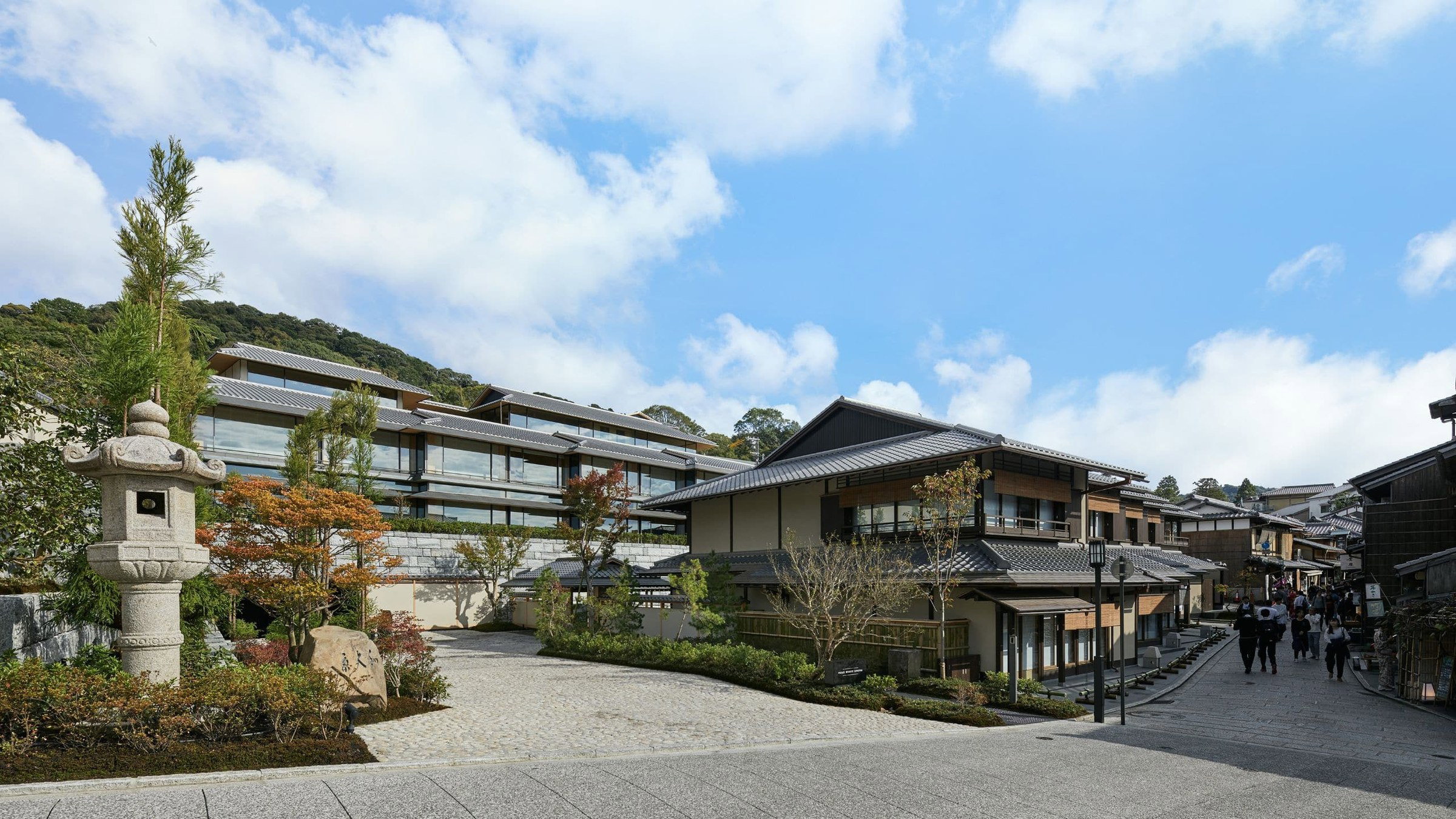
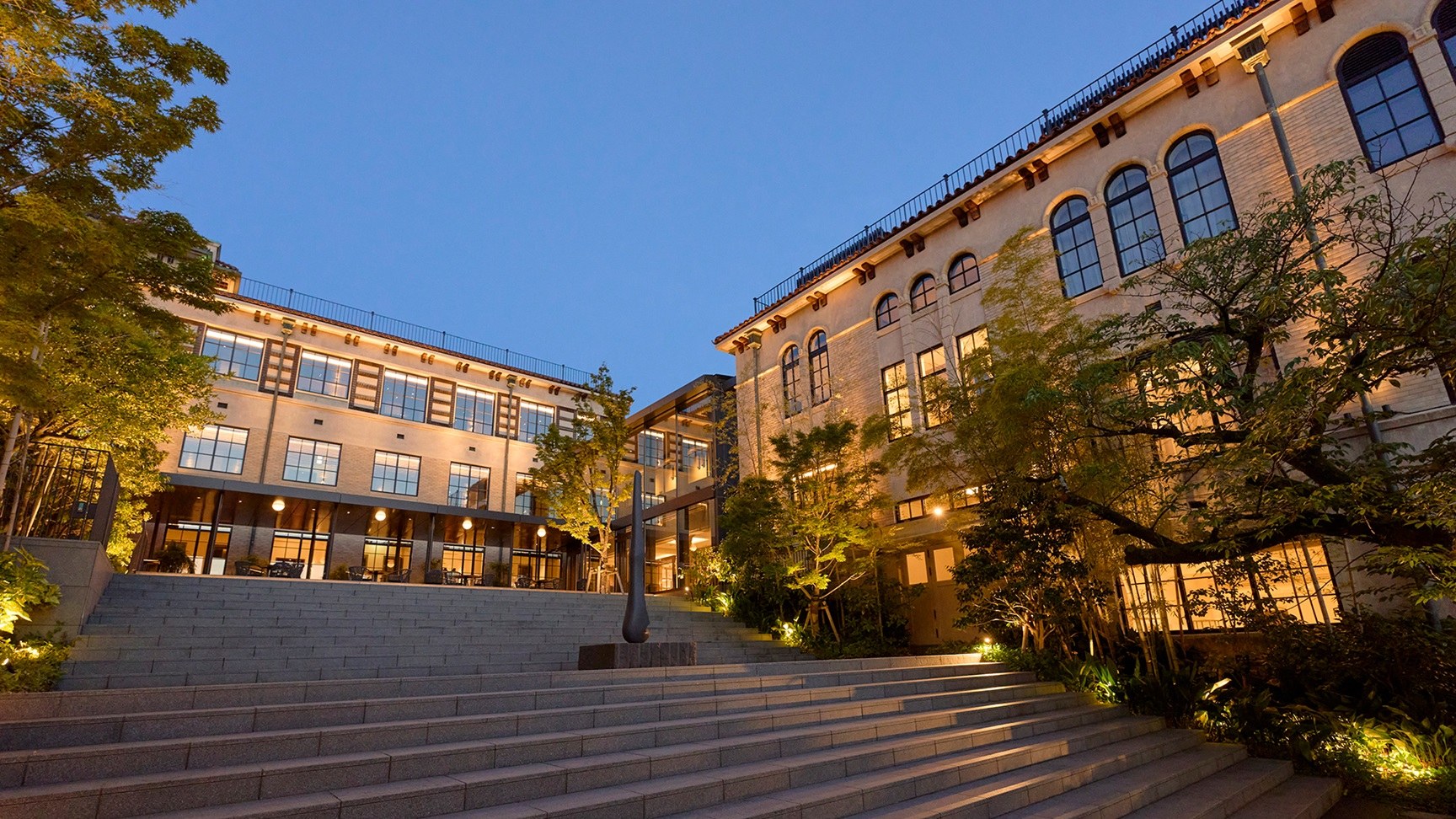
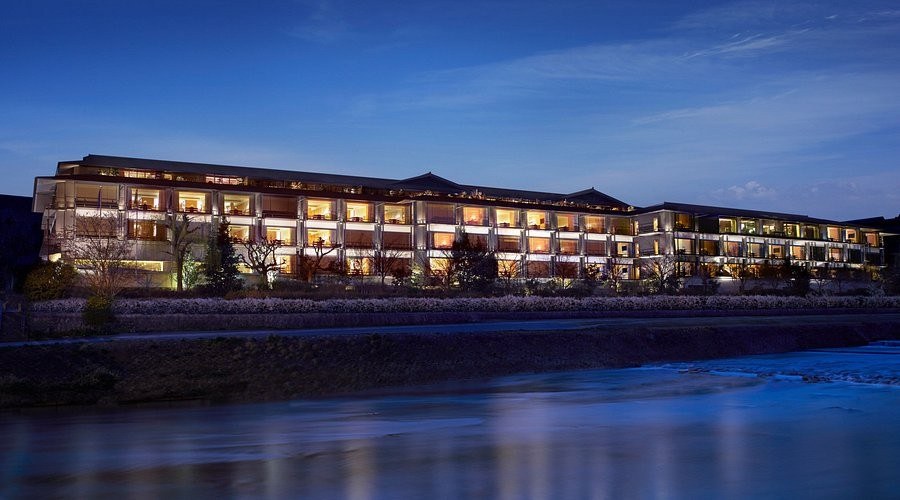
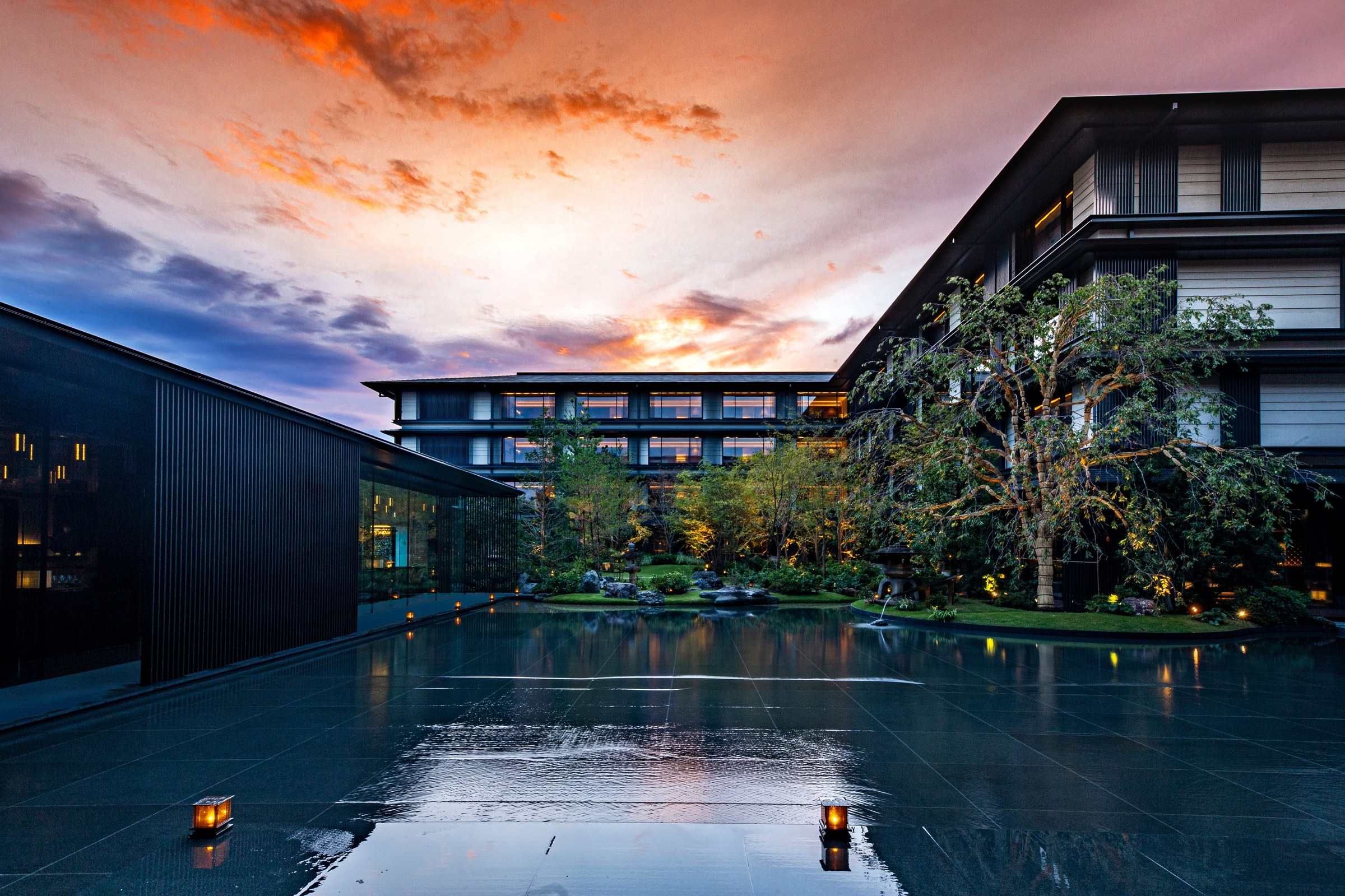
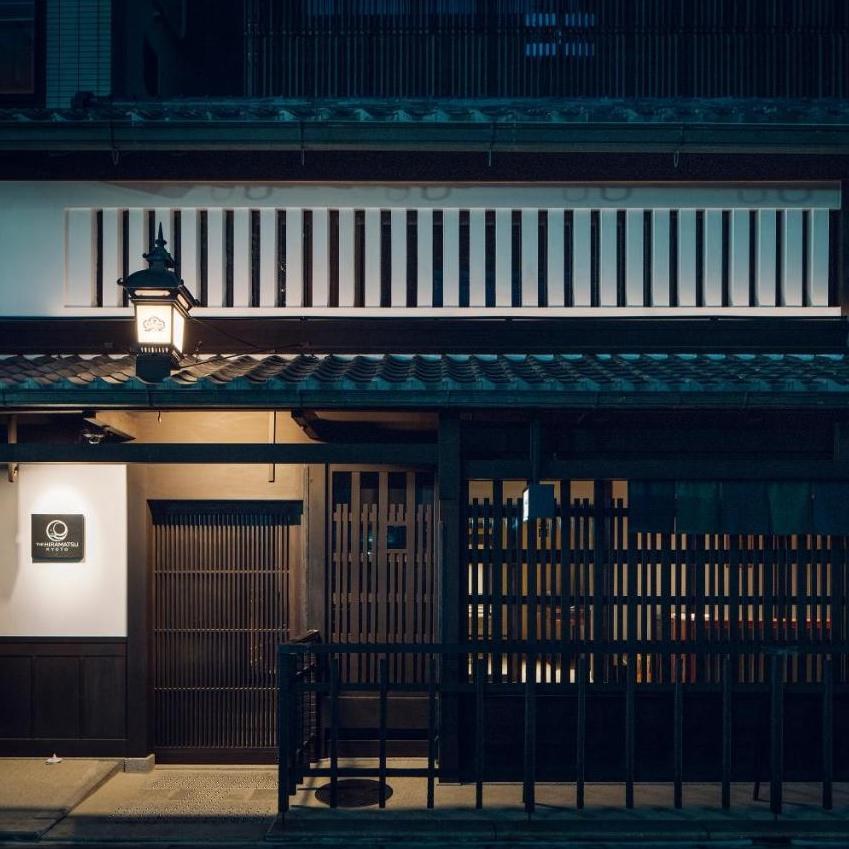
THE HIRAMATSU Kyoto foregrounds architecture over hospitality spectacle, reading from the street as a restored machiya rather than a conventional hotel. Timber-fronted facades and the compact scale set a restrained tone: the building’s inherited character and careful repair are the primary editorial statements. The Hiramatsu group’s background in French and Italian dining adds a layer of cultivated hospitality without dominating the sense of place. Inclusion in the Michelin Selected Hotels list reinforces a focus on consistency, character and service, so the overall impression is quietly curated, intimate and deeply rooted in Kyoto’s urban fabric.
Best For
This property suits travelers who prize design, discretion and an intimate sense of place. The machiya form and small scale make it especially well matched to romantic getaways, honeymoons and anniversaries when privacy and atmospheric surroundings matter. Guests seeking a calm, design-forward alternative to larger international brands—people who want to stay within Nakagyo-ku’s shop-lined lanes and shrines—will find the hotel’s restraint and attention to detail appealing. Michelin recognition signals reliable service standards, making it a good pick for special-occasion stays that favor character over spectacle.
Venue details
Ambiance
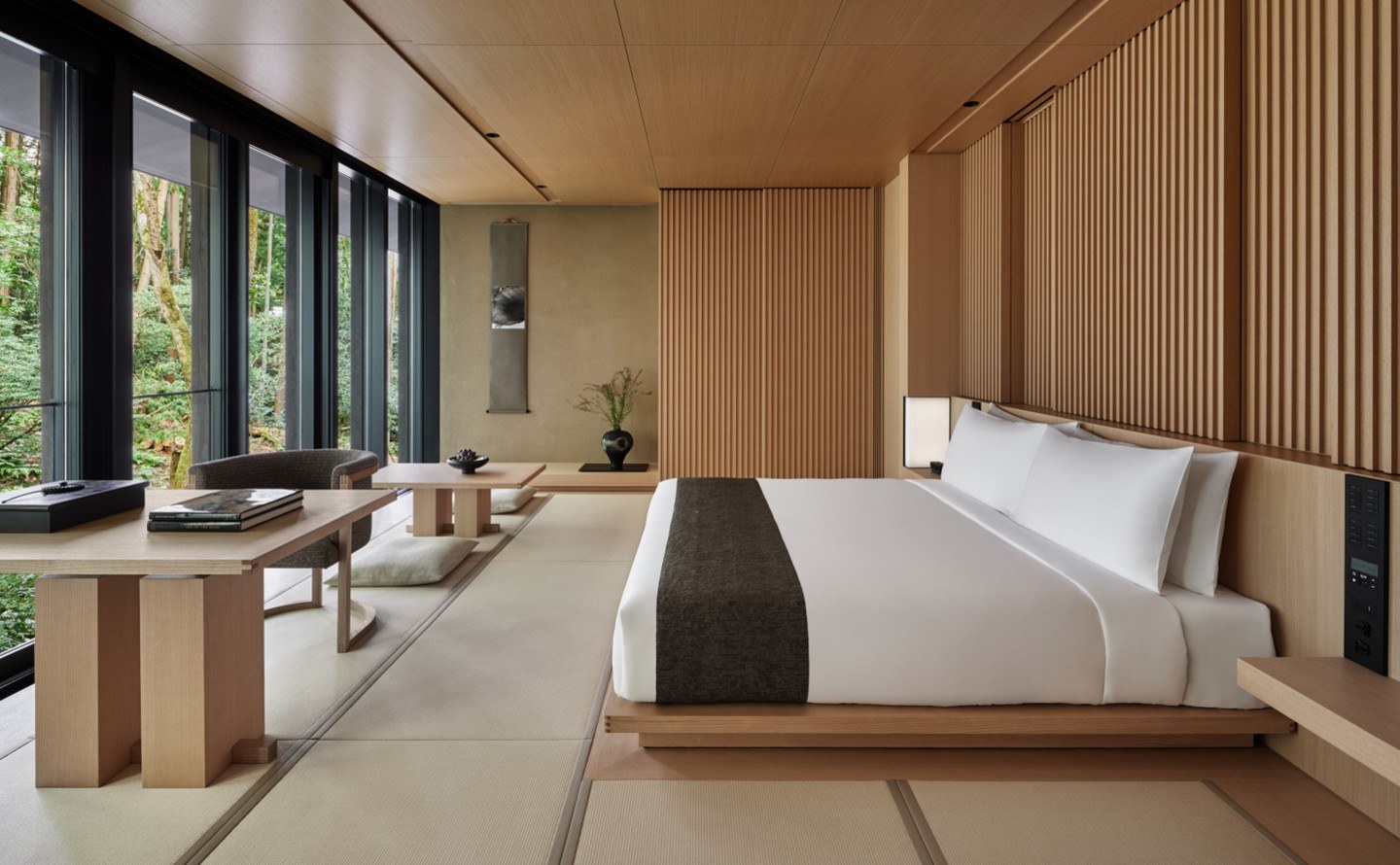
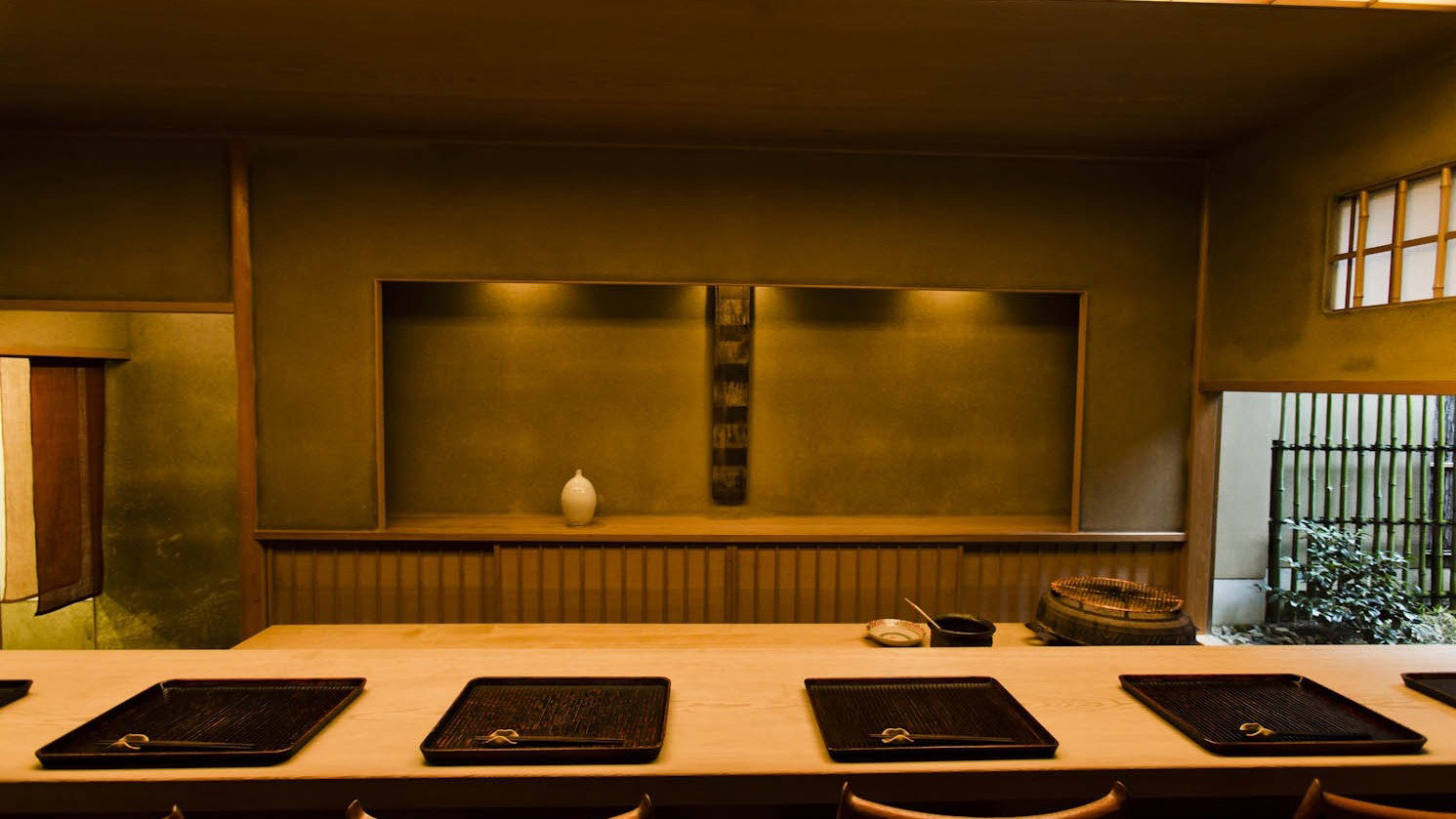
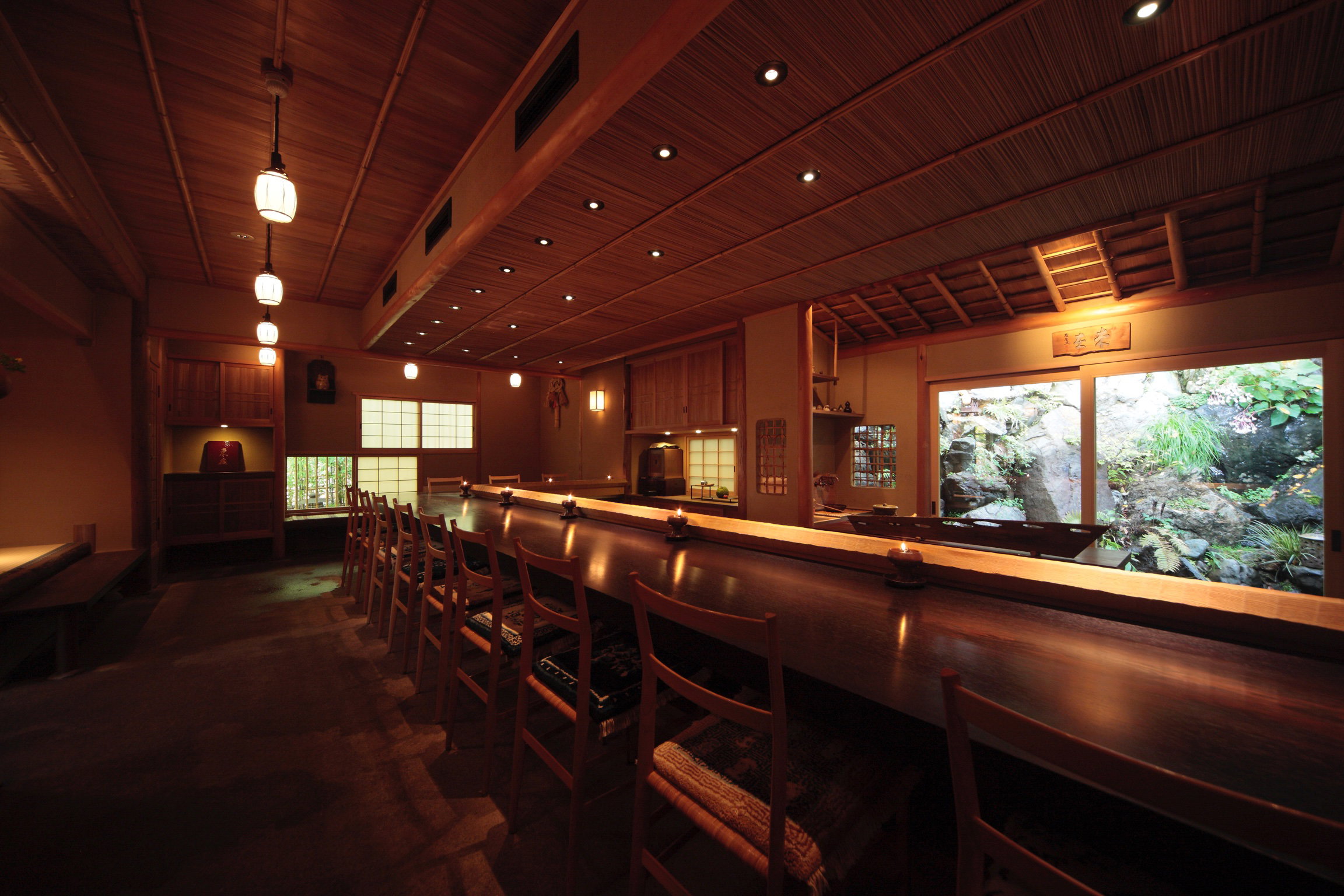
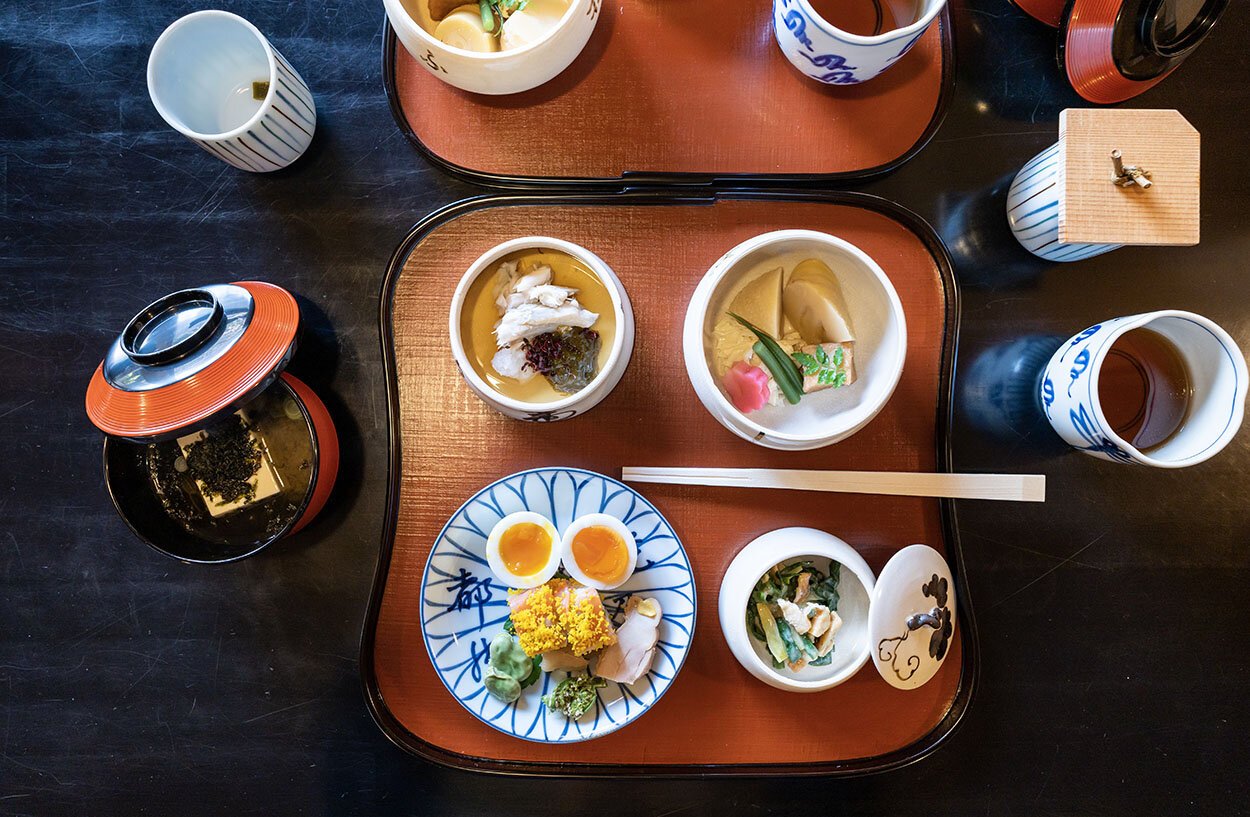
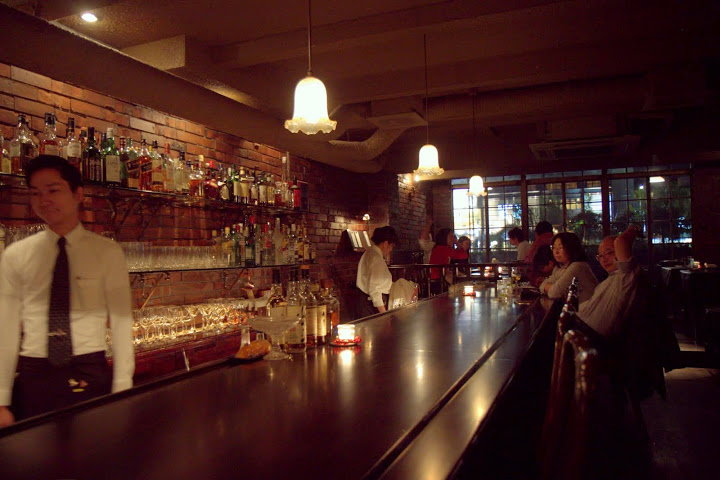
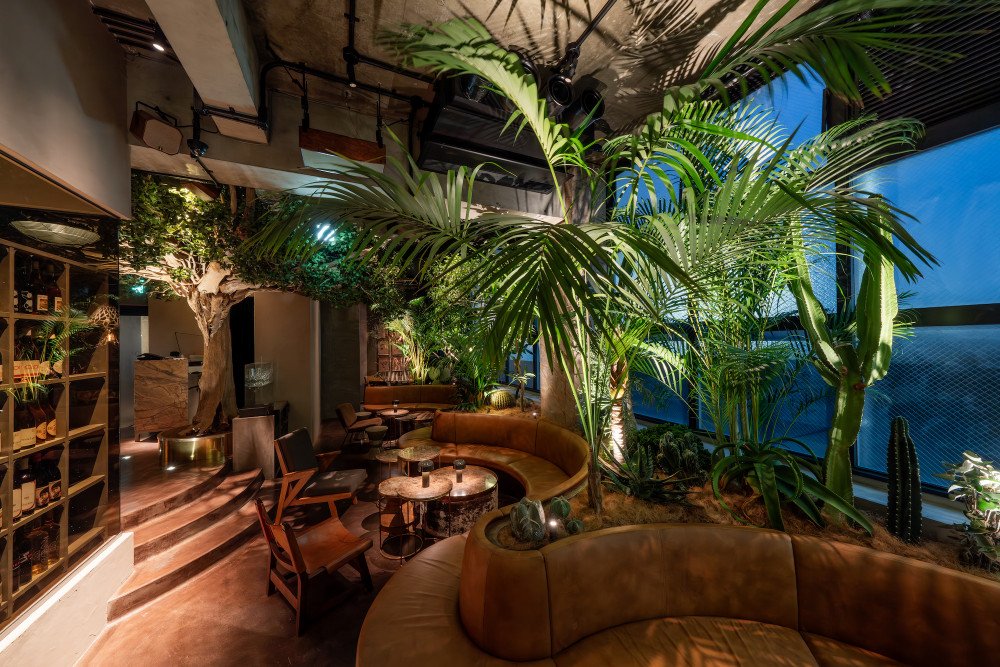
Refined wabi-sabi atmosphere with natural materials, soft lighting from washi paper screens and lamps, miniature gardens bringing serene nature indoors amid elegant Kyoto aesthetics.
Tags
Vibe
Best For
Experience
Amenities
View
About the Stay
- Rooms
- 29
- Check-in
- 15:00
- Check-out
- 11:00
- Property Type
- Boutique hotel
- Property Style
- Historic Machiya Townhouse Blending 120 Years of Kyoto Architecture with Contemporary Comfort
- Design Style
- Traditional Japanese Wabi Sabi with Natural Materials, Washi Screens, Miniature Gardens, and Artisan Furnishings
Know before you go
Know Before You Go
- Getting there
- Japan, 〒604-8174 Kyoto, Nakagyo Ward, Ennogyojacho, 361
Planning details
Location
Japan, 〒604-8174 Kyoto, Nakagyo Ward, Ennogyojacho, 361 · Directions
Recognition and awards
Also consider
Also Consider
- Mimaru Suites Kyoto Central, Notable alternative
- Ace Hotel Kyoto, Notable alternative
- Hotel Monterey Kyoto, Notable alternative
- MOGANA, Notable alternative
- Mitsui Garden Hotel Kyoto Sanjo Premier, Notable alternative
Hotel context
How it compares in Kyoto
Against Mimaru Suites Kyoto Central, THE HIRAMATSU Kyoto is the better fit for a polished couple's stay, while Mimaru is the safer choice for space, longer stays, or travelers who want suite practicality over atmosphere. If the trip is family-led or luggage-heavy, Mimaru is easier to justify.
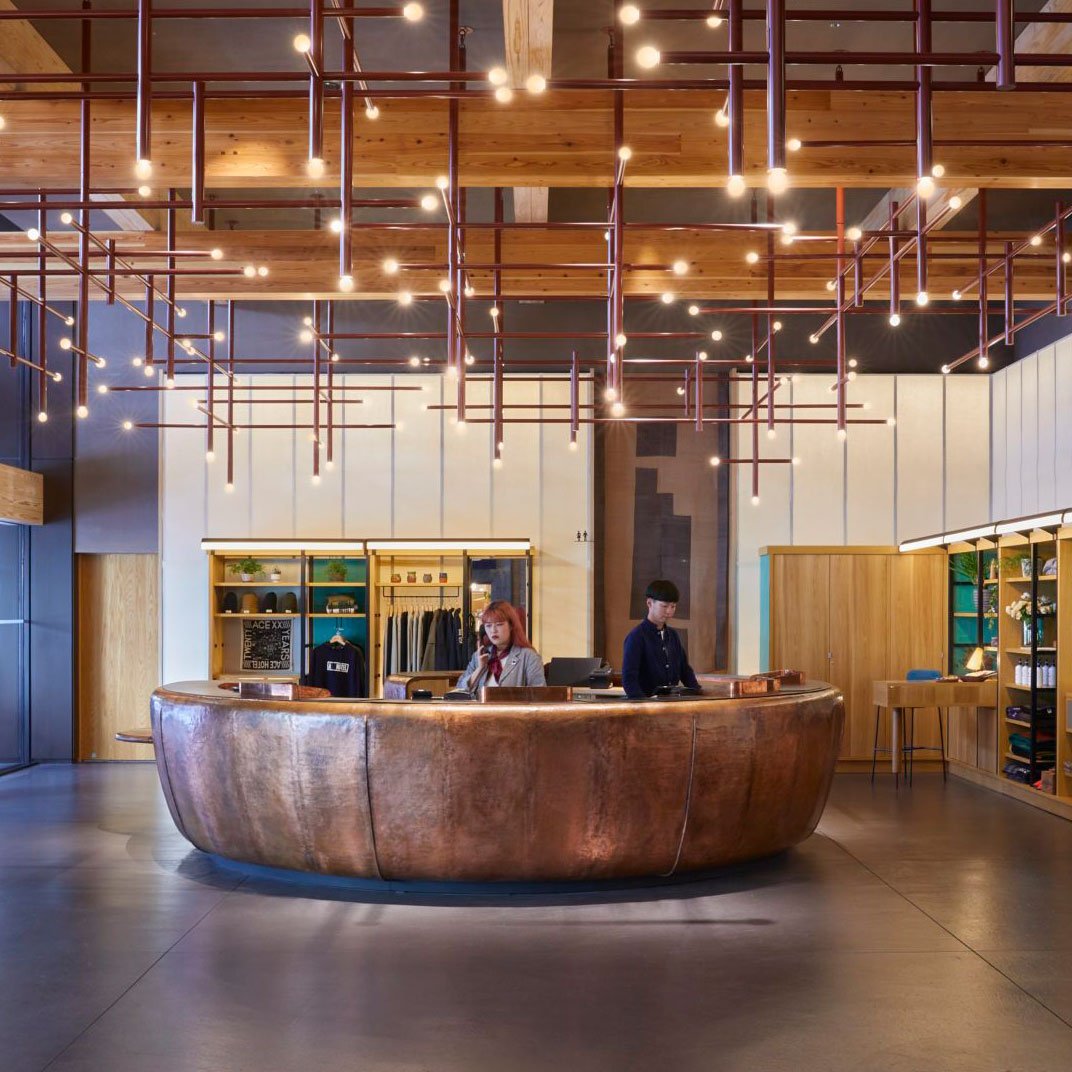
Ace Hotel Kyoto is the stronger pick for a social, design-hotel mood and a livelier base. THE HIRAMATSU Kyoto reads calmer and more adult, which works better for business-adjacent travel or a second Kyoto visit where the hotel should not dominate the itinerary.
Hotel Monterey Kyoto and Mitsui Garden Hotel Kyoto Sanjo Premier are more practical cross-shops if value and predictability matter more than a Michelin-selected hotel signal. MOGANA is the closest comparison for travelers weighing a quieter, design-forward stay; choose between them based on preferred room style and total rate on your dates.
Explore Kyoto
Around this place
Discover more on Pearl
Unlock the full THE HIRAMATSU Kyoto guide in Pearl, including awards, comparisons, FAQs, planning details, and nearby places.
Compare THE HIRAMATSU Kyoto
| Venue | Location | Awards |
|---|---|---|
| THE HIRAMATSU Kyoto | Kyoto | 2025 Michelin Selected Hotels |
| Mimaru Suites Kyoto Central | Kyoto | No published awards |
| Ace Hotel Kyoto | Kyoto | 2026 Mr & Mrs Smith Luxury Hotels2026 Michelin 1 KeyTatler Best Hotels Asia-Pacific 20252025 Michelin 1 Key2024 Michelin 1 Key |
| Hotel Monterey Kyoto | Kyoto Shi | No published awards |
| MOGANA | Kyoto | No published awards |
| Mitsui Garden Hotel Kyoto Sanjo Premier | Kyoto | No published awards |



How THE HIRAMATSU Kyoto compares with similar nearby venues.
FAQ
Frequently Asked Questions
Is THE HIRAMATSU Kyoto good for business travel?
It may be worth considering for a business-related Kyoto stay, but travelers should confirm specific business facilities and services directly before booking.
Is THE HIRAMATSU Kyoto family-friendly?
If you are traveling with children or a larger group, compare room details and policies directly with THE HIRAMATSU Kyoto and with options such as Mimaru Suites Kyoto Central.
How does THE HIRAMATSU Kyoto compare to nearby hotels?
THE HIRAMATSU Kyoto has MICHELIN Guide Hotels Selected 2025 recognition, which makes it a credible Kyoto hotel to shortlist. For a fuller comparison, check details for Ace Hotel Kyoto, Mimaru Suites Kyoto Central, Mitsui Garden Hotel Kyoto Sanjo Premier, Hotel Monterey Kyoto, and MOGANA before deciding.
When is the best time to book THE HIRAMATSU Kyoto?
If your Kyoto dates are fixed, check availability and cancellation terms early enough to compare THE HIRAMATSU Kyoto with other hotels.
Which room category is best at THE HIRAMATSU Kyoto?
Choose only after checking the hotel's current room descriptions, policies, and inclusions against your trip needs.
How is the dining at THE HIRAMATSU Kyoto?
Do not assume a particular cuisine, menu format, or meal service without checking directly with the hotel.
How is the location of THE HIRAMATSU Kyoto?
THE HIRAMATSU Kyoto is in Kyoto. Use the hotel's current listing or booking page if exact positioning matters for your itinerary.