
Hiiragiya
Nakagyō, Kyoto
Hotel in Kyoto, Japan
 Book with Pearl
The Read
Living-Craft Ryokan
Price
$500–750per night
Why go
Book Hiiragiya if the Kyoto trip calls for a traditional ryokan stay rather than a conventional luxury hotel. Its Michelin 1 Key recognition makes it a serious choice for a first ryokan experience, but the hard booking profile means it suits planners, couples, and milestone trips more than flexible group travel.
About Hiiragiya
Hiiragiya is a Kyoto venue with one clear premium signal: Michelin 1 Key recognition in 2024. Beyond that, details are limited, so the safest way to evaluate it is not by assuming details about rooms, dining, facilities, service format, or pricing. Treat it as a Kyoto stay to research directly before booking, especially if specific amenities or schedule flexibility matter to your trip.
The practical takeaway is simple: Hiiragiya belongs on a premium Kyoto shortlist because of its recognition, but the available details do not support a more specific promise about the experience. If you are comparing it with other Kyoto options, use the official booking channels to confirm the elements that matter most to you before committing.
Choose it for a premium Kyoto stay
The strongest grounded reason to consider Hiiragiya is its Michelin 1 Key recognition from 2024. That gives the property an external quality signal without requiring unsupported claims about a particular room type, meal format, facility set, or service style.
Dress code is smart casual, which is useful to know when planning the stay. For everything more detailed, such as dining arrangements, room categories, wellness facilities, or booking policies, information is not specific enough to make firm claims.
First-timers should confirm details before booking
Because information is limited, first-time guests should ask direct questions before reserving. Confirm the arrival process, room setup, dining arrangements, and any services that are essential to the trip through Hiiragiya's official channels.
For travelers comparing Kyoto options, Hiiragiya can be weighed against Ace Hotel Kyoto, Hotel Okura Kyoto, Kanamean Nishitomiya, Malda Kyoto, and Mitsui Garden Hotel Kyoto Sanjo Premier. The right choice depends on the specific stay details you confirm, not on assumptions that are not supported by available information.
Know Before You Go
- Location: Kyoto.
- Recognition: Michelin 1 Key in 2024.
- Dress code: Smart casual.
- Good fit: Travelers considering a premium Kyoto stay and willing to confirm key details before booking.
- Decision rule: Use the Michelin 1 Key as a quality signal, then verify room, dining, facility, and policy details directly.
Planning details
- Location
- 〒604-8094 Kyoto, Nakagyo Ward, Nakahakusanchō, 277
- Website
- hiiragiya.co.jp
- Phone
- +81 75-221-1136
The take
The Take
The Vibe
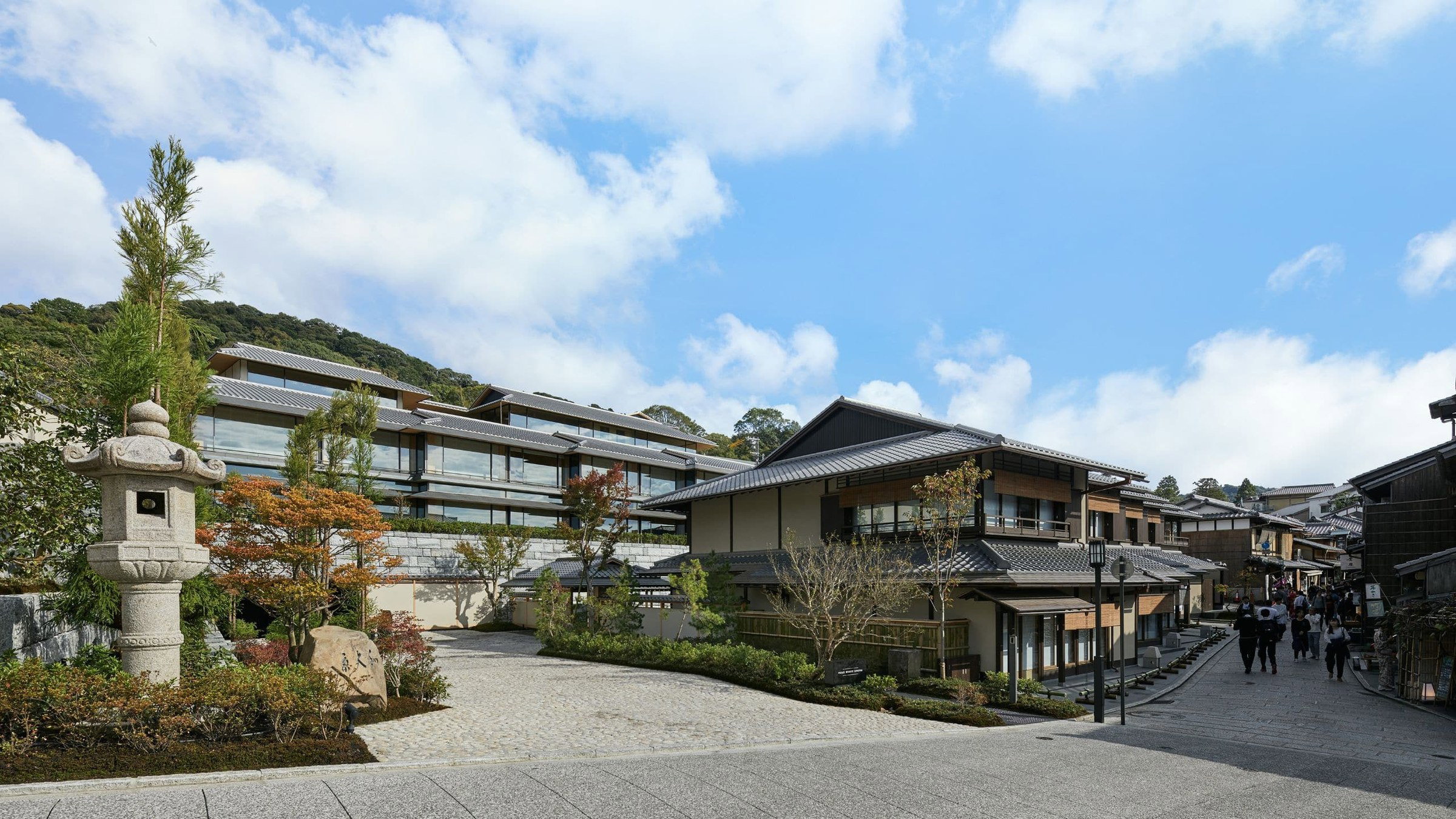
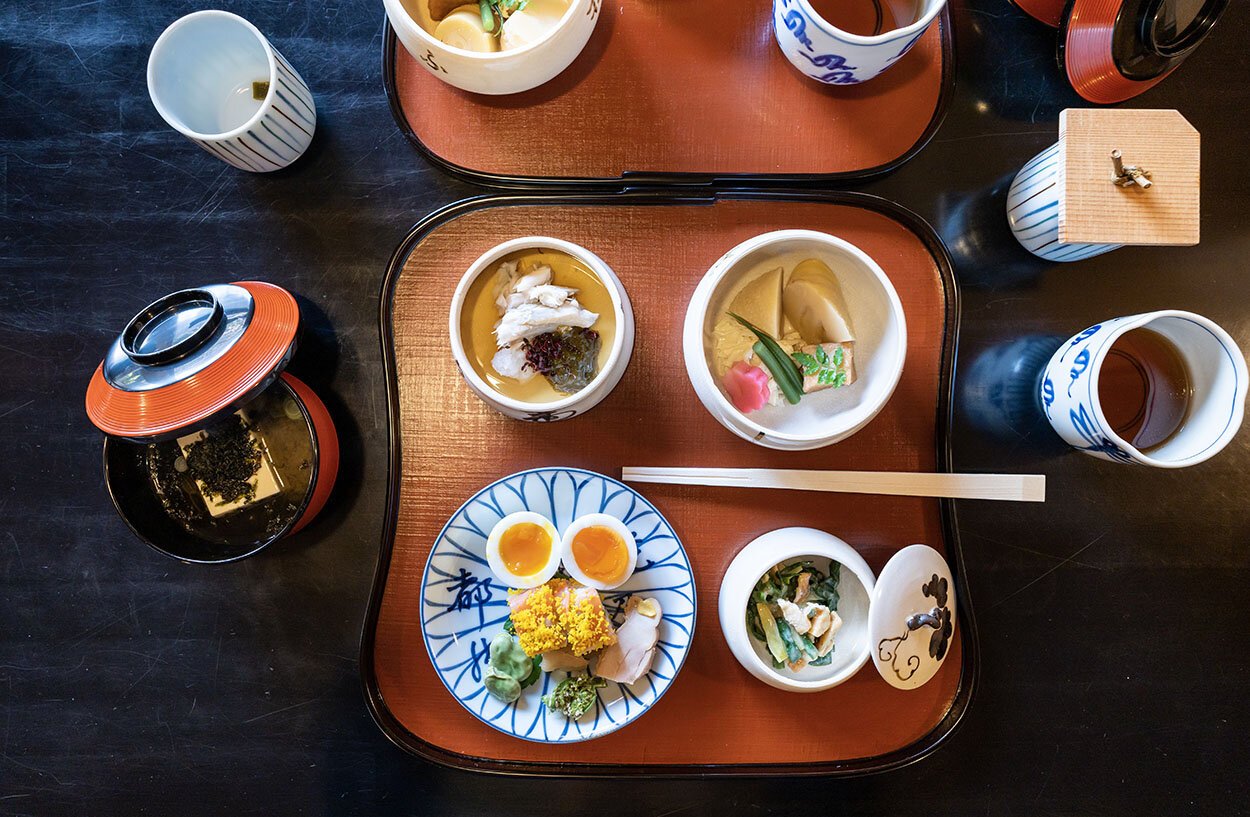
Hiiragiya reads as a living piece of Kyoto rather than a curated reinterpretation. Occupying the same Nakagyo address since 1818, the ryokan projects a gentle, timeworn confidence: continuity matters more than trend. The copy emphasizes ritual — arrival formalities, kaiseki meals, the sequence of the bath and the folding of the futon — which creates an intimate, low-key rhythm to the stay. Guests experience the city at a human pace here, in contrast with newer architect-led hotels; the result is a serene, historic charm that privileges practice and preservation over spectacle.
Best For
This is a property for travelers who seek an authentic ryokan encounter and are willing to engage with its prescribed sequence of service. The house suits couples marking a milestone, guests on a romantic getaway, or anyone who wants Kyoto to arrive quietly rather than as a checklist of attractions. Because the stay revolves around ritualized meals and bathing sequences, the hotel rewards those who prioritize thoughtful hospitality and cultural continuity over modern design theatrics or large-scale resort amenities.
Stay Tips
Prepare to embrace the ryokan grammar: book with the expectation that meals will be served as kaiseki sequences and that the day is organized around communal and in-room rituals. The description highlights "arrival rituals, room service of kaiseki meals, the sequence of the bath, the folding of the futon," so plan your arrival and evening around those offerings. If you prefer staged luxury or self-directed sightseeing, this format may feel constraining; if you welcome structured, traditional service, follow the house rhythms and let the stay unfold on the ryokan's terms.
Venue details
Ambiance
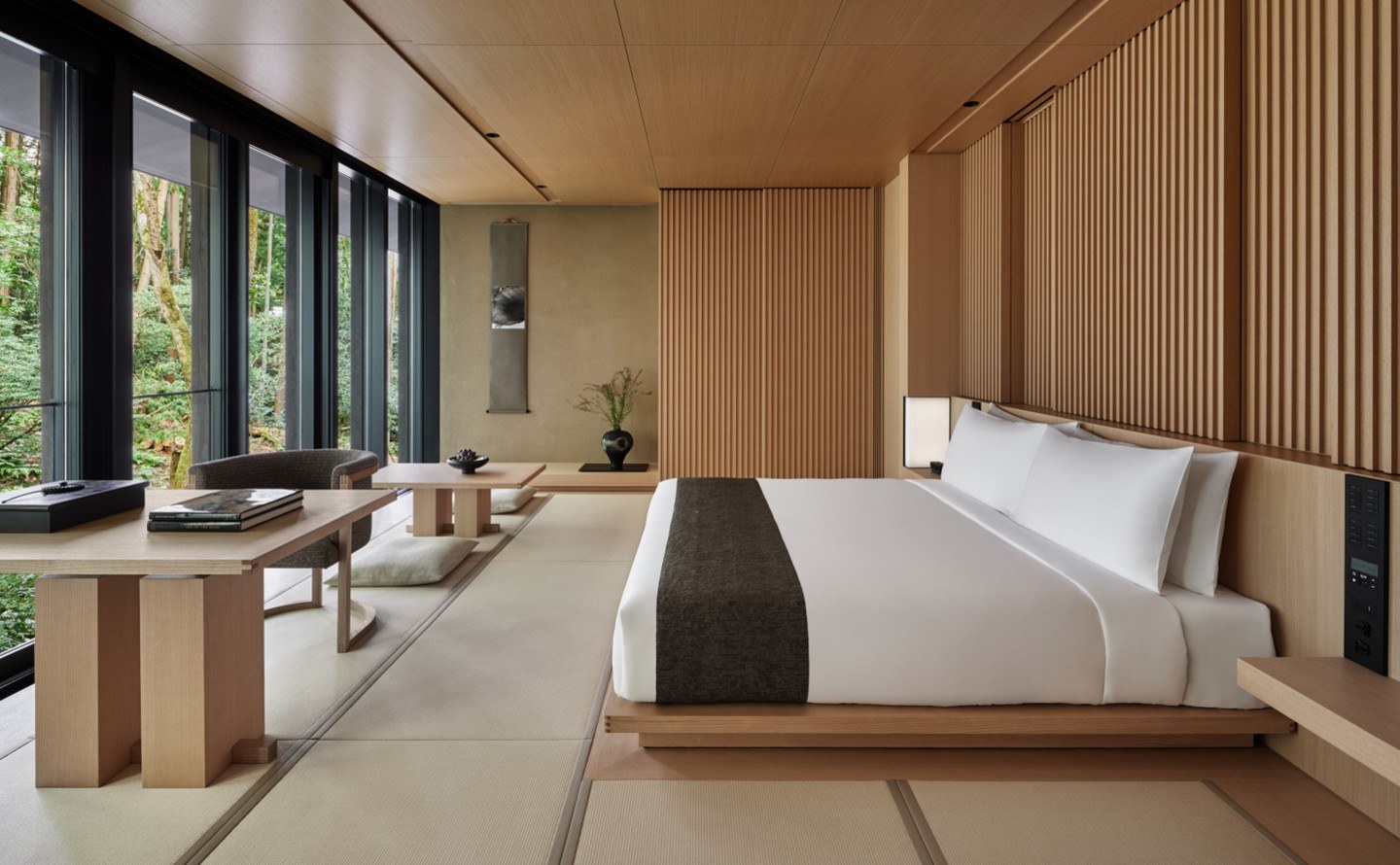
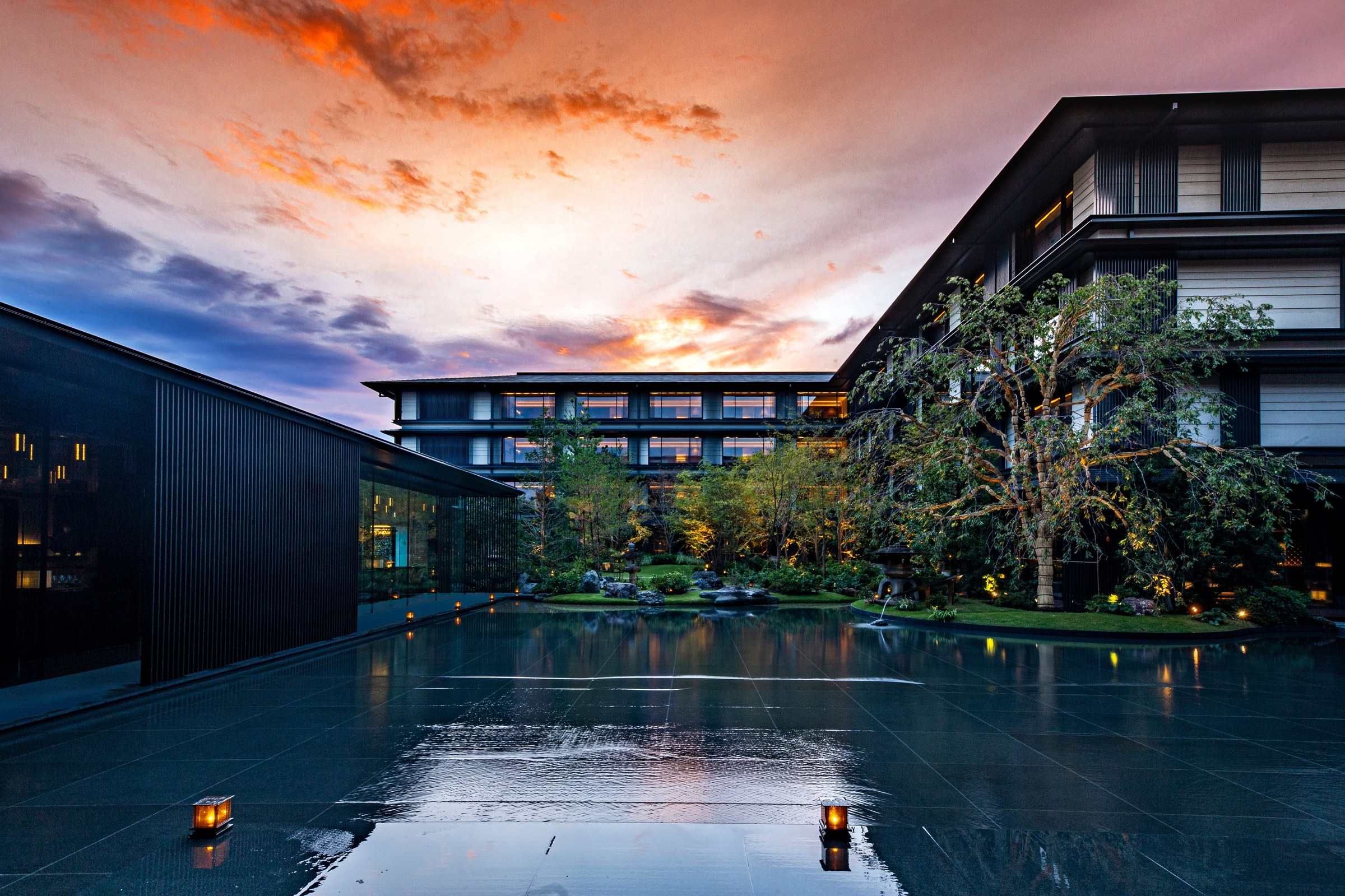
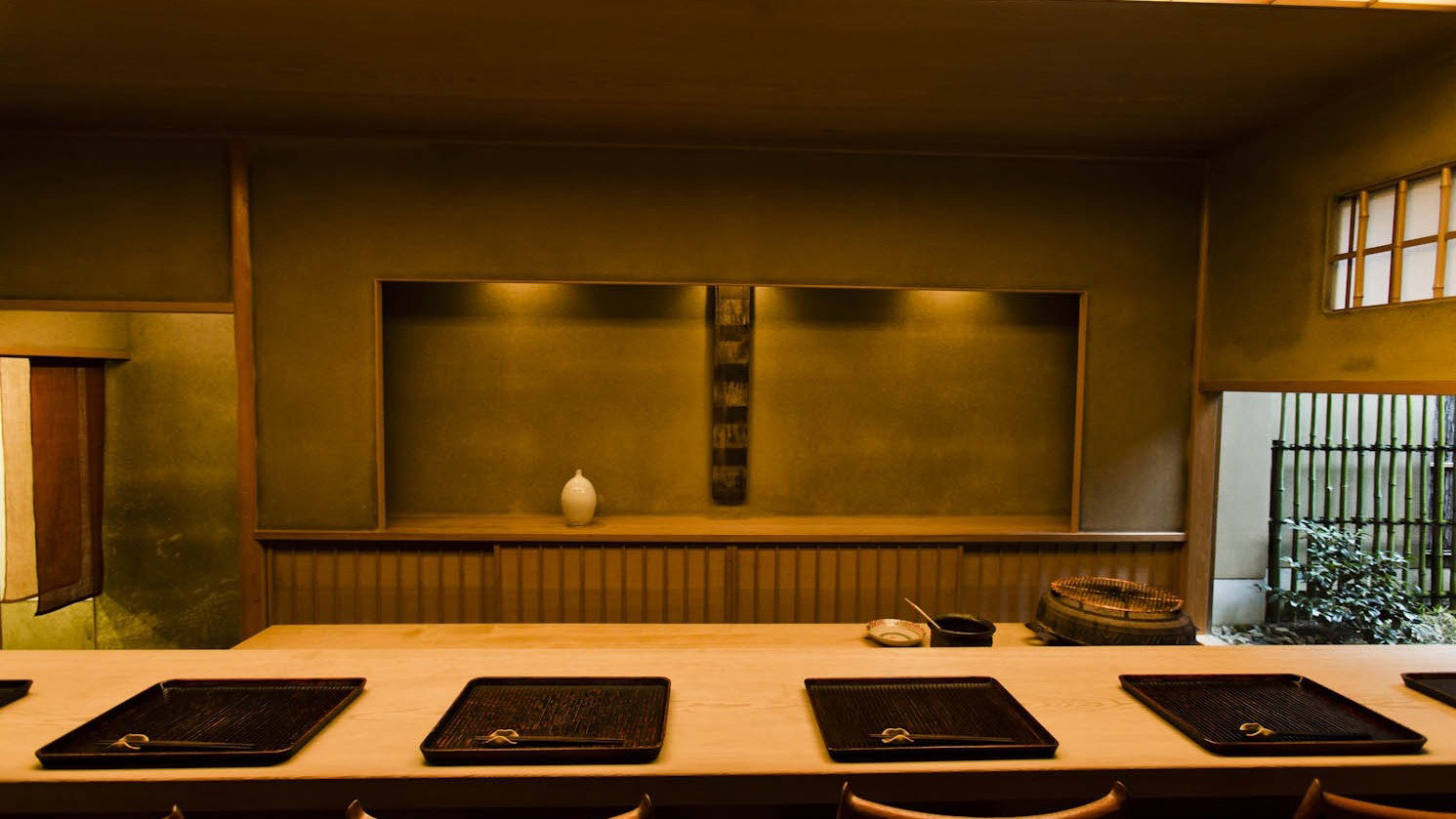
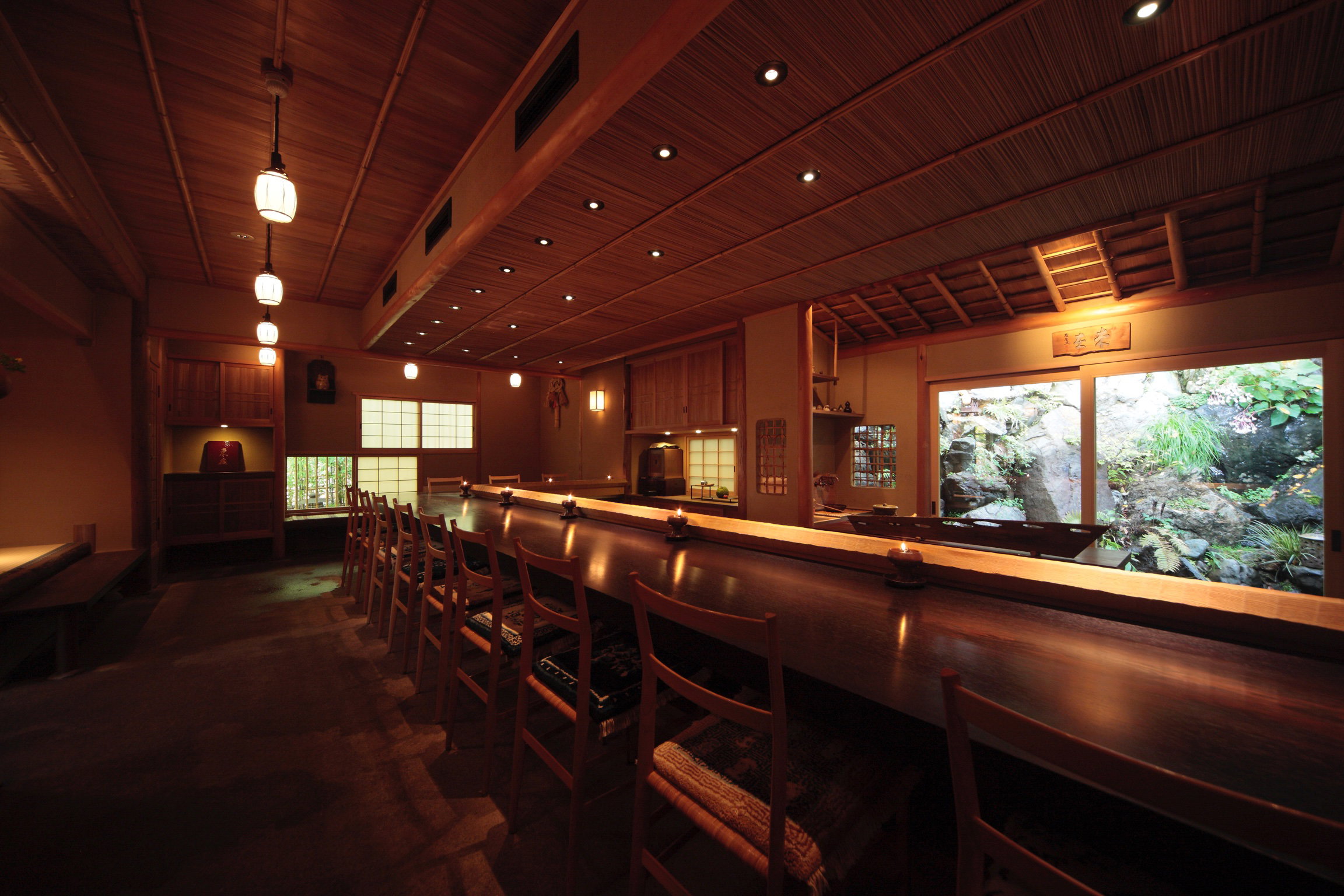
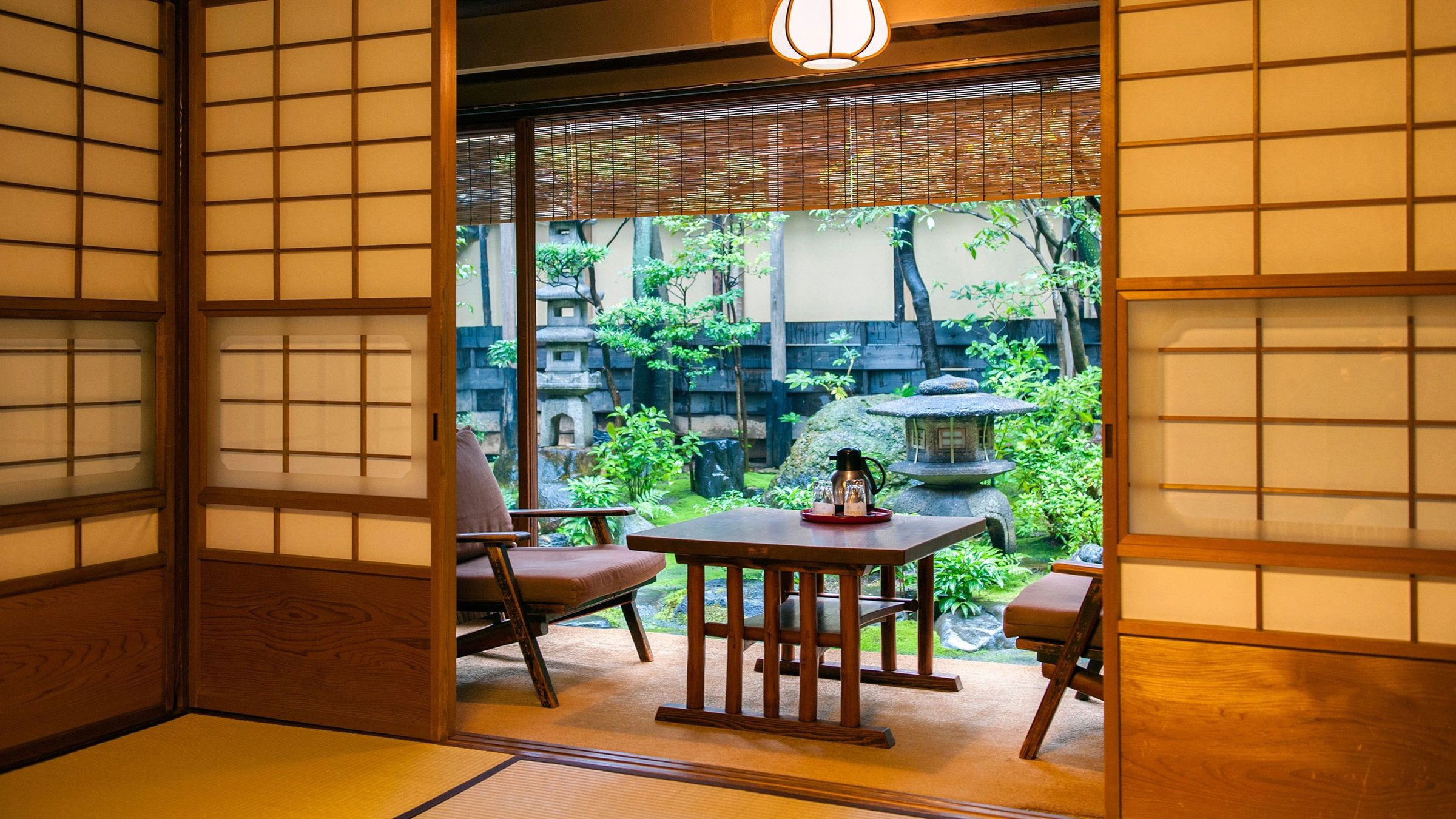
Tranquil and elegant with natural light filtering through shoji screens, polished wooden elements, and seasonal decorations creating a timeless Japanese atmosphere.
Tags
Vibe
Best For
Experience
Amenities
View
Accessibility
About the Stay
- Rooms
- 30
- Check-in
- 15:00
- Check-out
- 11:00
- Property Type
- Heritage hotel
- Property Style
- Traditional Japanese Ryokan Blending Edo Meiji Heritage with Modern Comforts
- Design Style
- Classic Japanese with Tatami Mats, Fusuma Screens, Stained Glass Accents, and Natural Wood Finishes
- Cancellation
- Strict
Know before you go
Know Before You Go
- Getting there
- 〒604-8094 Kyoto, Nakagyo Ward, Nakahakusanchō, 277
Planning details
Location
Recognition and awards
Also consider
Also Consider
- Malda Kyoto, Notable alternative
- Mitsui Garden Hotel Kyoto Sanjo Premier, Notable alternative
- Kanamean Nishitomiya, Notable alternative
- Hotel Okura Kyoto, Notable alternative
- Ace Hotel Kyoto, Notable alternative
Hotel context
How It Compares
Against Kyoto peers, Hiiragiya is the pick for travelers who want the lodging itself to carry the trip. Kanamean Nishitomiya is the closest comparison for a traditional, intimate Kyoto stay, so cross-shop it if the priority is ryokan atmosphere and a smaller-feeling experience. Expect both to require more planning than a standard hotel.
Hotel Okura Kyoto and Mitsui Garden Hotel Kyoto Sanjo Premier are more practical choices if location convenience, hotel services, and easier routines matter more than ryokan formality. They are better fits for travelers who want Kyoto sightseeing to be the focus and the hotel to stay predictable.
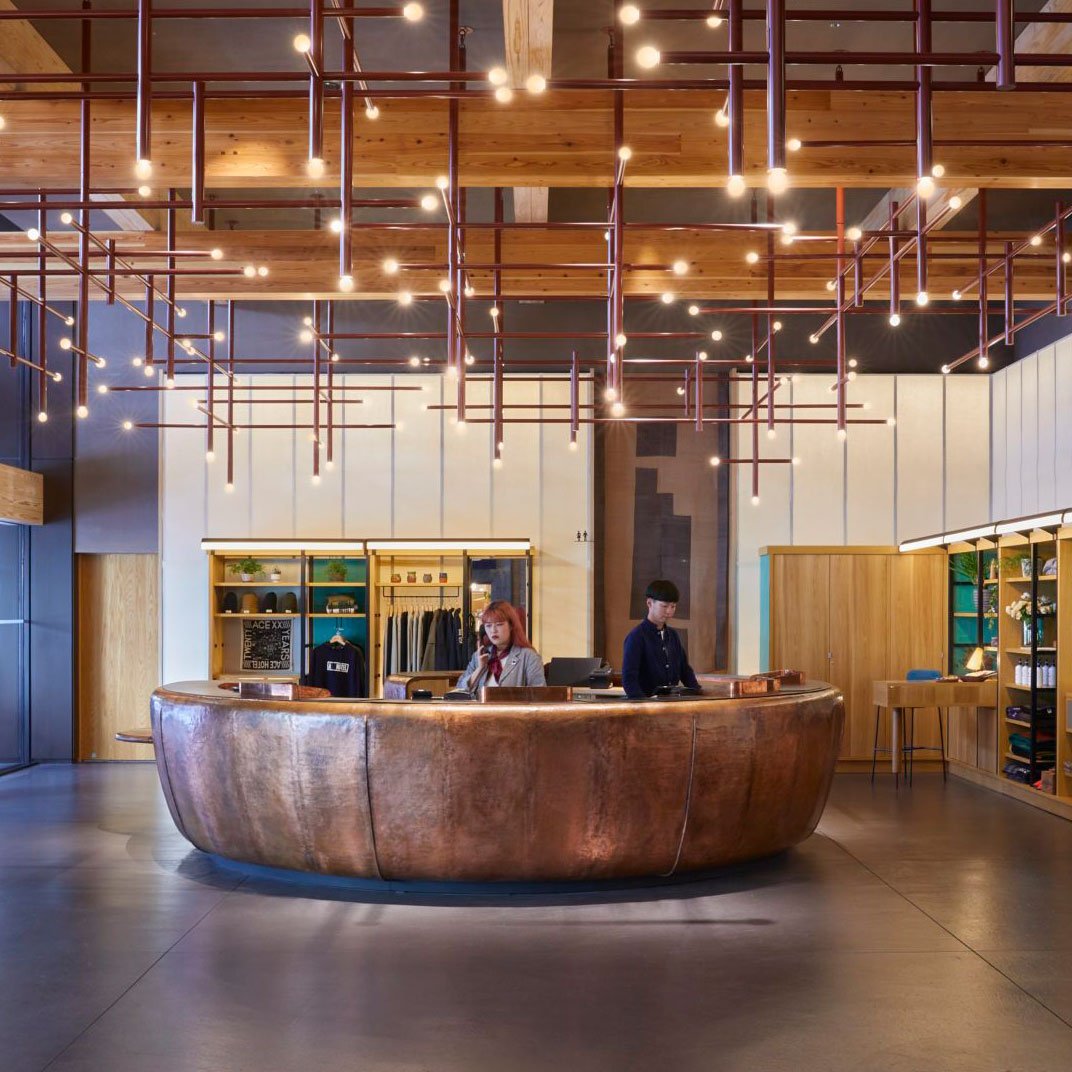
Ace Hotel Kyoto and Malda Kyoto make more sense for design-led stays with a contemporary feel. Choose them if the brief is style, flexibility, and a lighter hotel rhythm. Choose Hiiragiya when the priority is a quieter, more traditional stay and the booking difficulty is worth planning around.
Explore Kyoto
Around this place
Discover more on Pearl
Unlock the full Hiiragiya guide in Pearl, including awards, comparisons, FAQs, planning details, and nearby places.
Compare Hiiragiya
| Venue | Location | Awards |
|---|---|---|
| Hiiragiya | Kyoto | 2026 Michelin 1 KeyMichelin 1 Key 20252025 Michelin 1 Key2024 Michelin 1 Key |
| Malda Kyoto | Kyoto Shi | No published awards |
| Mitsui Garden Hotel Kyoto Sanjo Premier | Kyoto | No published awards |
| Kanamean Nishitomiya | Kyoto | 2026 Relais Chateaux Hotels2026 Michelin 2 Keys2025 Relais Chateaux Award2025 Michelin 1 Key2024 Michelin 1 Key |
| Hotel Okura Kyoto | Kyoto | No published awards |
| Ace Hotel Kyoto | Kyoto | 2026 Mr & Mrs Smith Luxury Hotels2026 Michelin 1 KeyTatler Best Hotels Asia-Pacific 20252025 Michelin 1 Key2024 Michelin 1 Key |



How Hiiragiya Kyoto compares with similar nearby venues.
FAQ
Frequently Asked Questions
How does Hiiragiya compare to nearby hotels?
Hiiragiya has a Michelin 1 Key from 2024, which makes it a serious premium Kyoto option. If you are also considering Hotel Okura Kyoto, Mitsui Garden Hotel Kyoto Sanjo Premier, Ace Hotel Kyoto, Malda Kyoto, or Kanamean Nishitomiya, compare the details that matter to your trip directly through each venue's official channels.
Which room category is best at Hiiragiya?
Specific room categories are not available. Choose a room only after confirming the available options, layout, and inclusions directly with Hiiragiya or its official booking channels.
Is Hiiragiya family-friendly?
Specific family-friendly services or restrictions are not described. If you are traveling with children, confirm room setup, policies, and any relevant services directly with the venue before booking.
What is check-in like at Hiiragiya?
Do loyalty programs work at Hiiragiya?
Loyalty-program details are not described. If points, status benefits, or partner booking perks matter to you, confirm them directly before booking Hiiragiya or compare with alternatives such as Hotel Okura Kyoto and Mitsui Garden Hotel Kyoto Sanjo Premier.