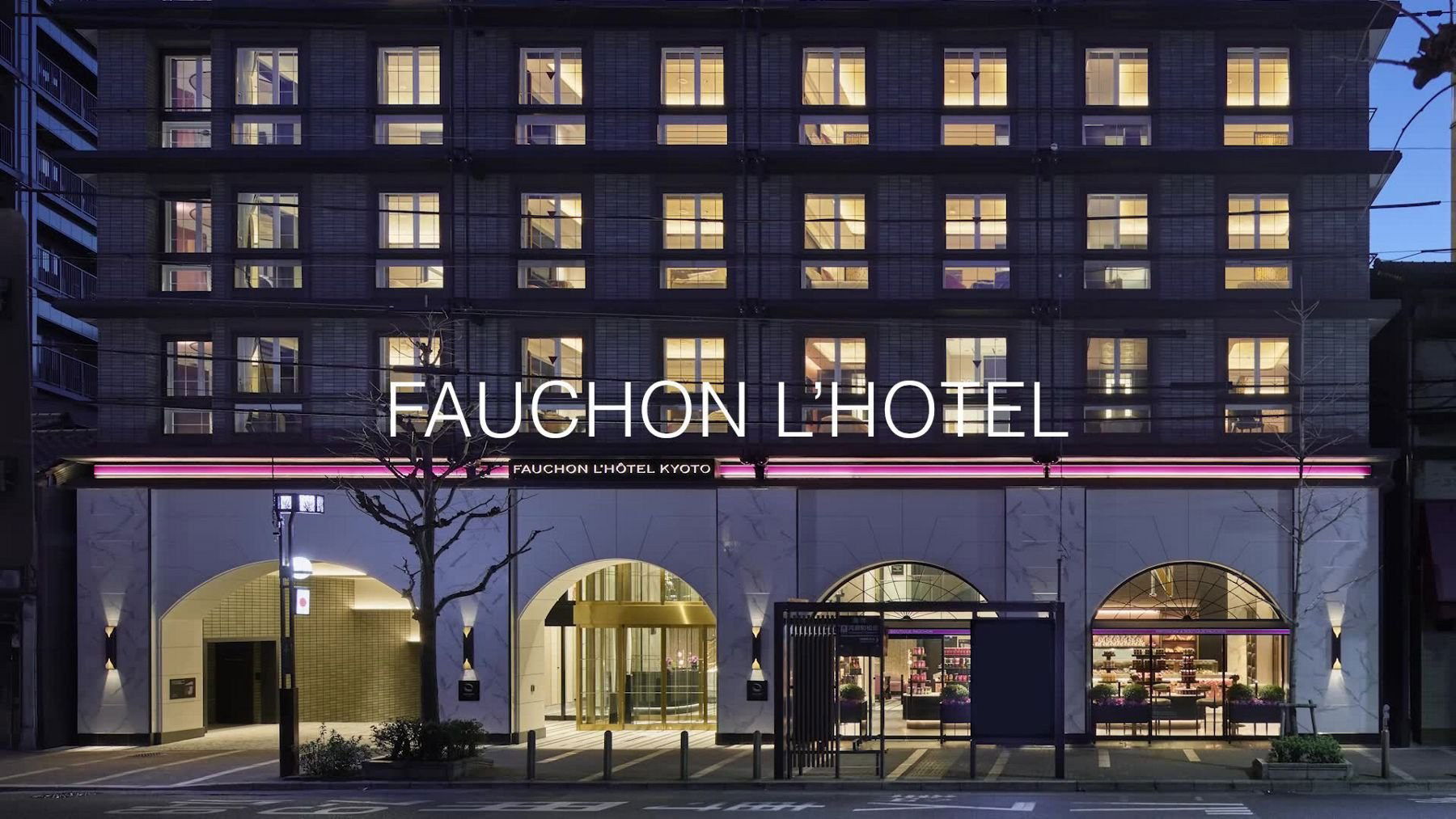


FAUCHON L'Hotel Kyoto
Shimogyō, Kyoto
Hotel in Kyoto, Japan
 Book with Pearl
The Read
Kyoto-French Vertical Immersion
Why go
A polished Kyoto pick for returning visitors, business travelers, and couples who want a French-accented city hotel rather than a ryokan. The value is strongest in practical room categories unless extra space will materially improve the stay; book higher only for a slower, more room-focused trip.
About FAUCHON L'Hotel Kyoto
FAUCHON L'Hotel Kyoto is a Kyoto hotel, a Small Luxury Hotels of the World member for 2025, and is listed in the MICHELIN Guide's hotel selection for 2025. To choose, compare current rates, room descriptions, and the practical needs of your trip before booking.
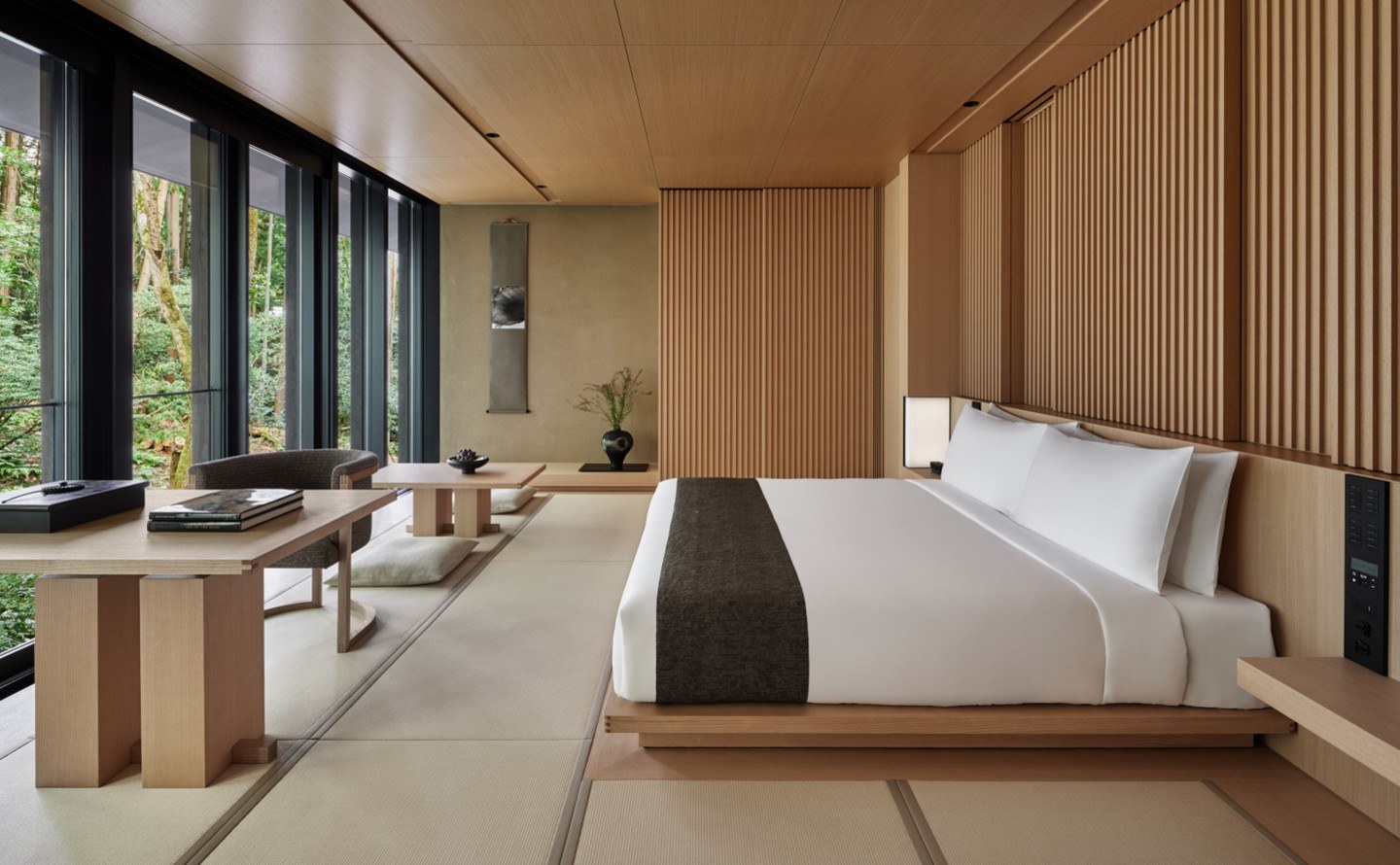
Choose the room for layout, not for a Kyoto fantasy
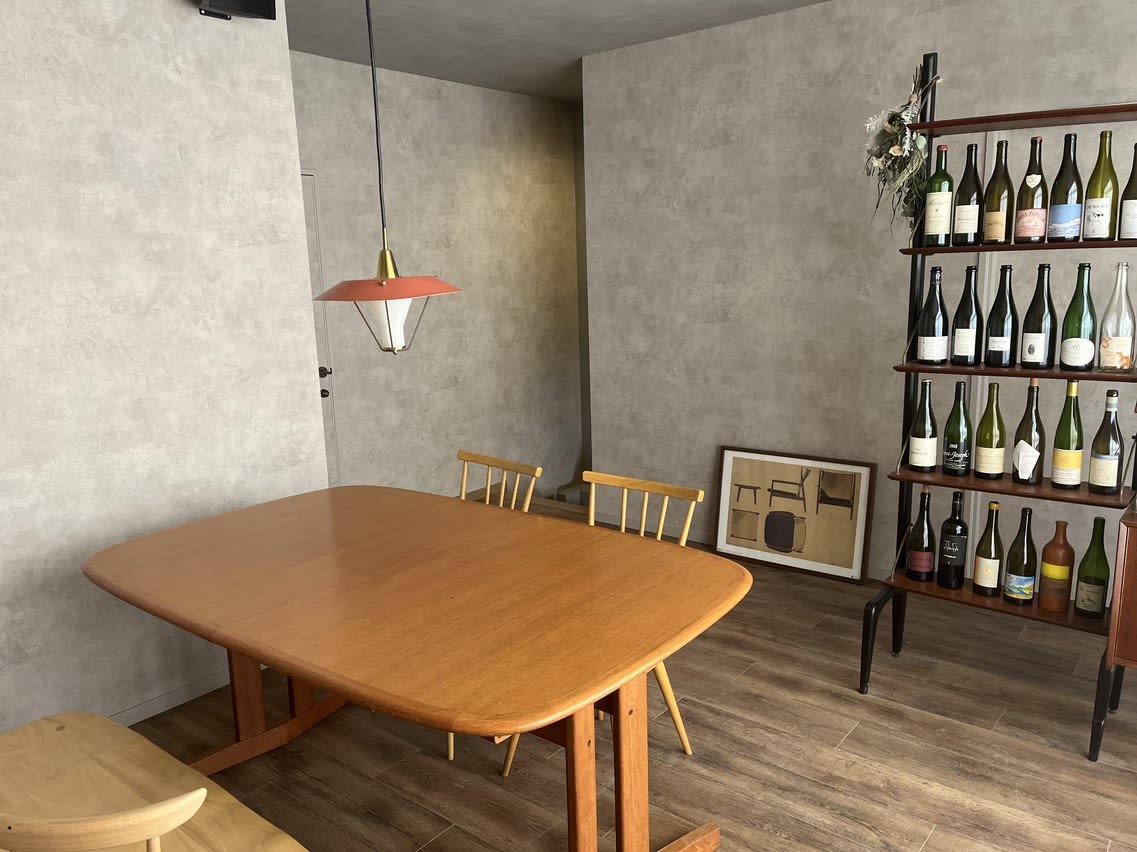
Book the category whose layout, bed setup, and space match how you will actually travel. If the hotel is mostly a base for time in Kyoto, avoid paying for features you will not use; if you expect more downtime in the room, check the current room details carefully before choosing.
Compared with Kyoto stays that emphasize a different lodging style, FAUCHON L'Hotel Kyoto is best assessed on its recognition and whether its current offering matches your itinerary. Pair it with Pearl's Kyoto restaurants guide if dining is part of the trip planning, or use Pearl's Kyoto hotels guide to compare it with other Kyoto hotel options.
The right guest is already comfortable in Kyoto
The dress code is smart casual. The hotel carries 2025 recognition from Small Luxury Hotels of the World and the MICHELIN Guide hotel selection. These make it a credible option to consider, but they should not replace checking the hotel's current room, rate, and policy details for your dates.
The booking decision should come down to fit rather than assumptions. Choose FAUCHON L'Hotel Kyoto if its credentials, current availability, and room details suit your Kyoto plans. If you are weighing a different style of stay, compare it with other Kyoto options such as Seikoro Ryokan, Hotel The Celestine Kyoto Gion, Sora Niwa Terrace Kyoto Bettei, Genji Kyoto, or THE BLOSSOM KYOTO.
Planning details
- Location
- 406 Nanbachō, Shimogyo Ward, Kyoto, 600-8027
- Website
- hotelfauchonkyoto.com
- Phone
- +81 75-751-7711
The take
The Take
The Vibe
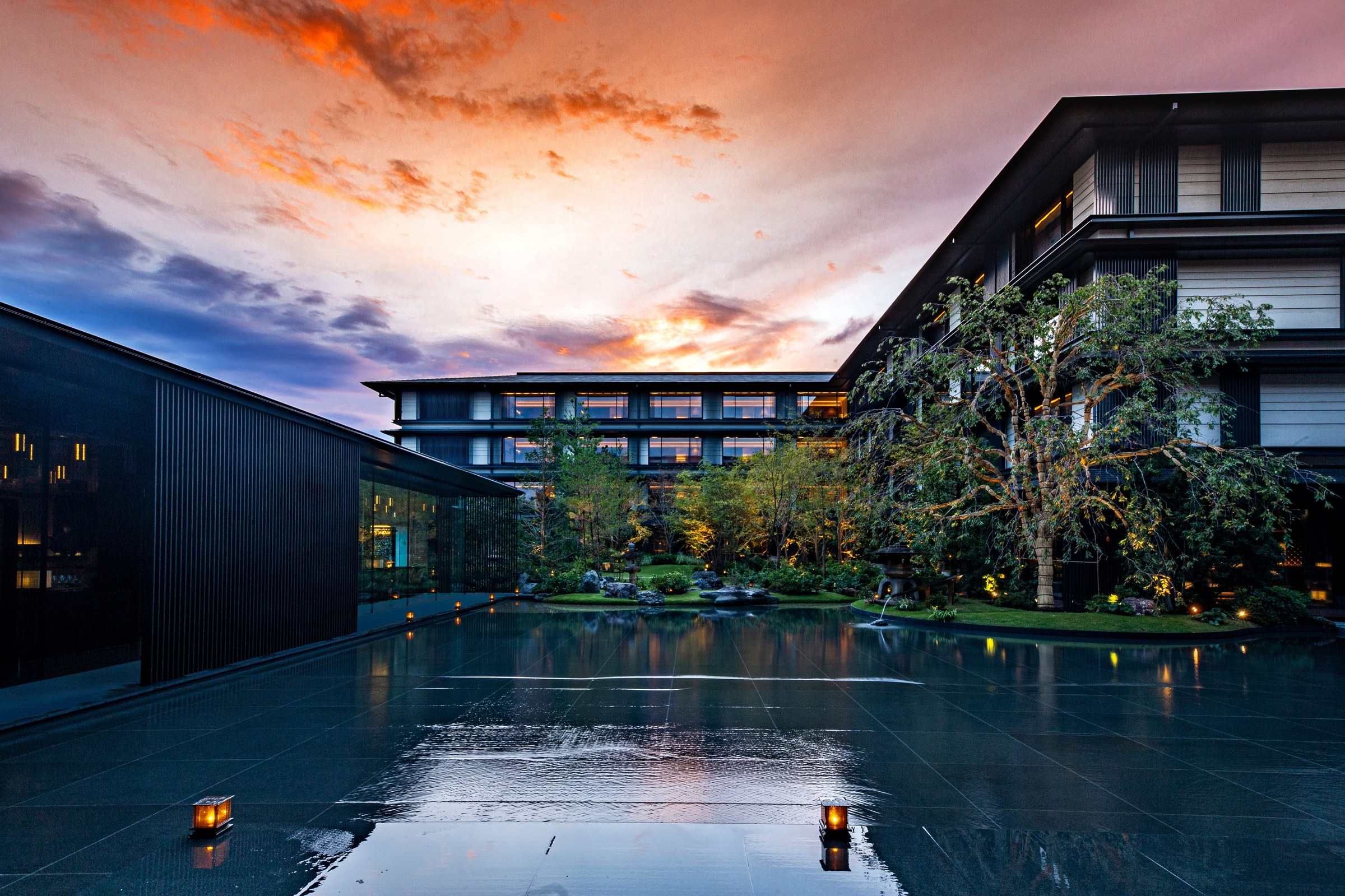
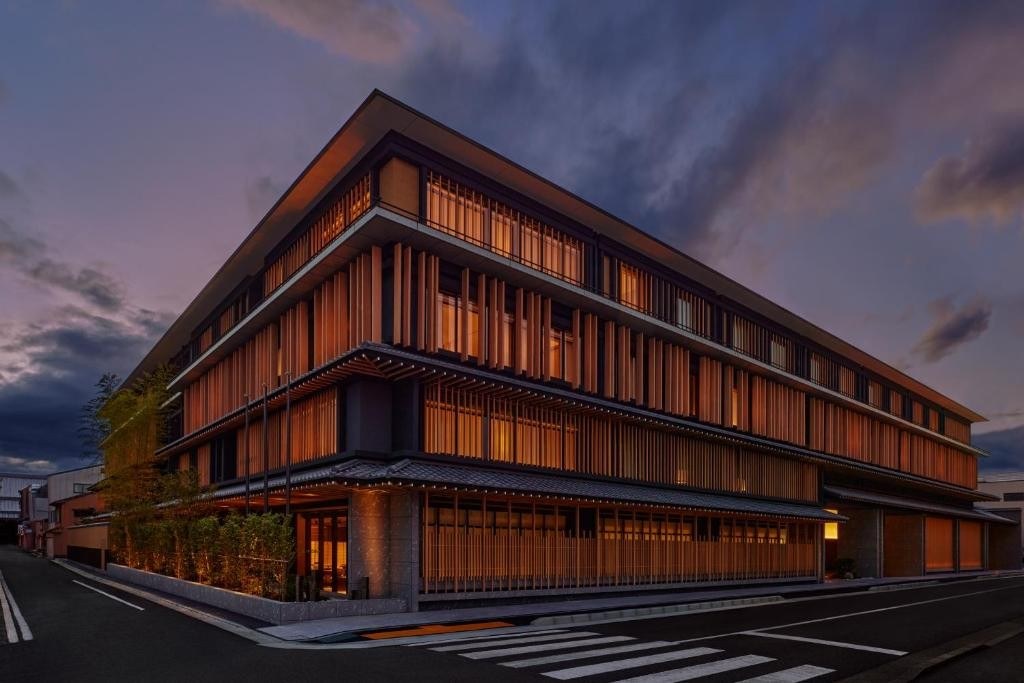
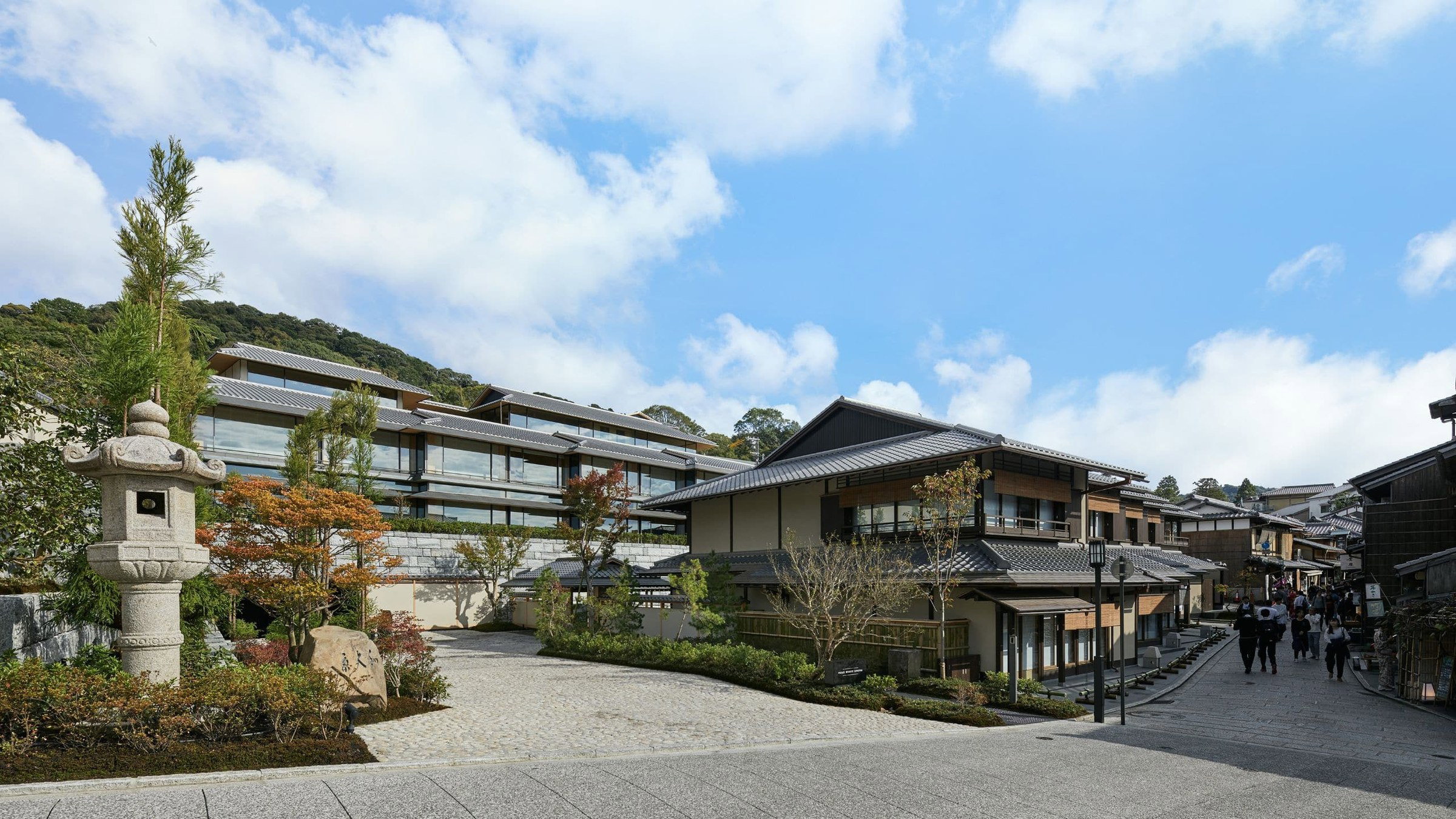
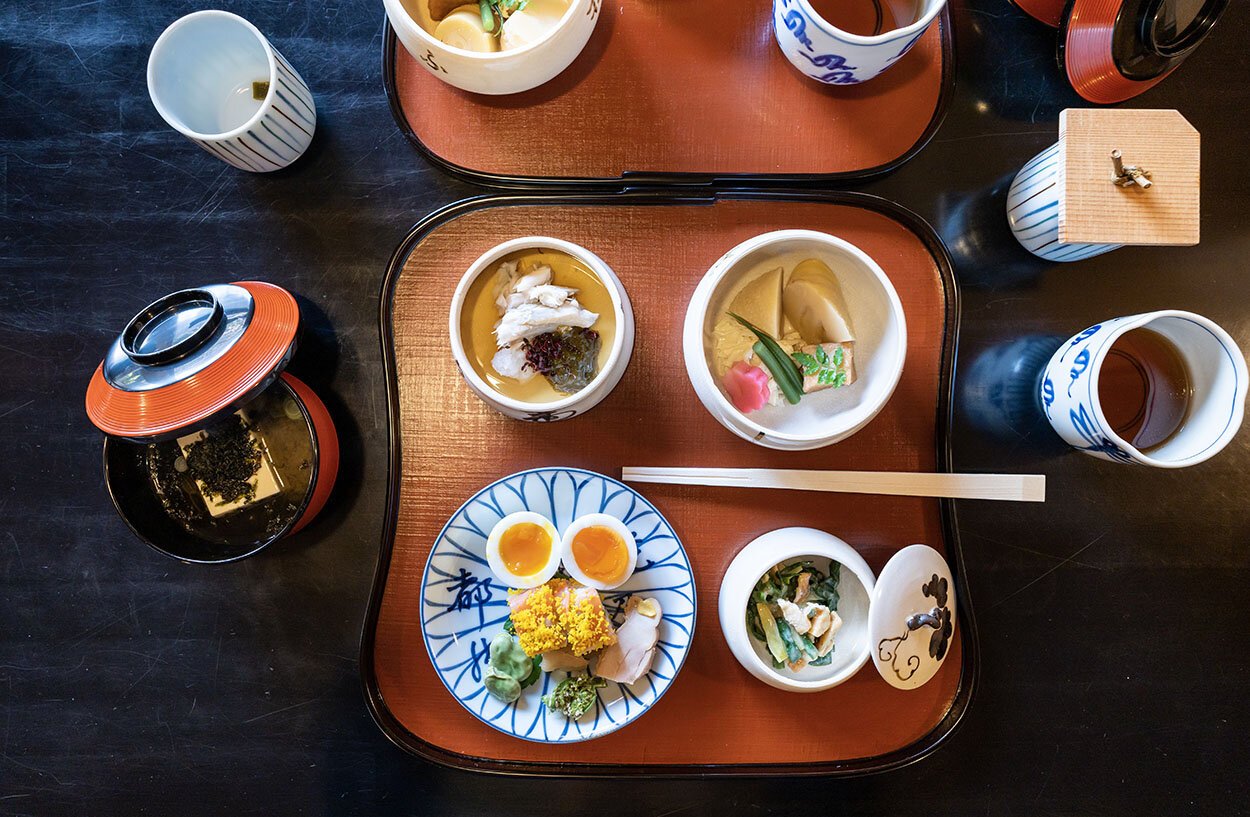
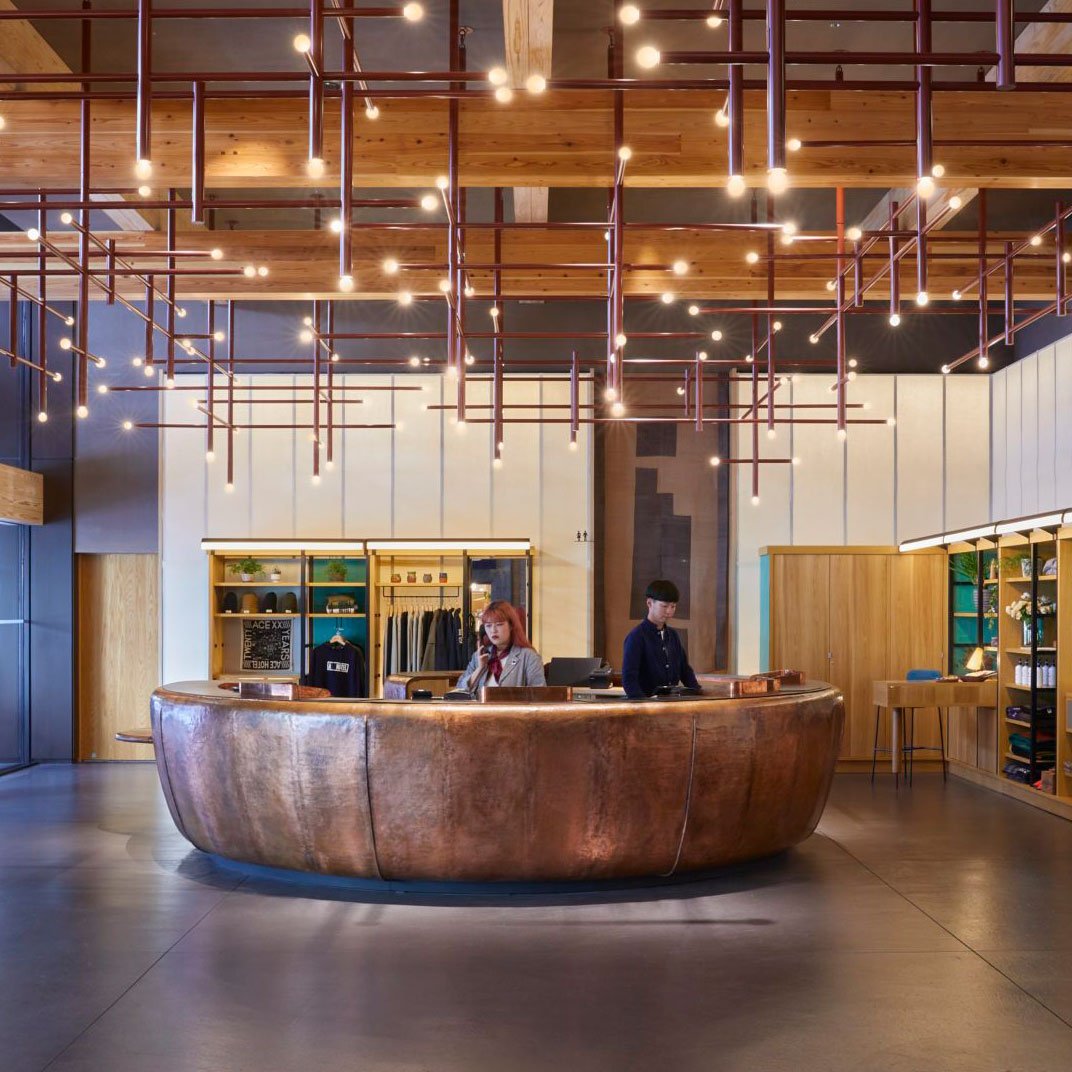
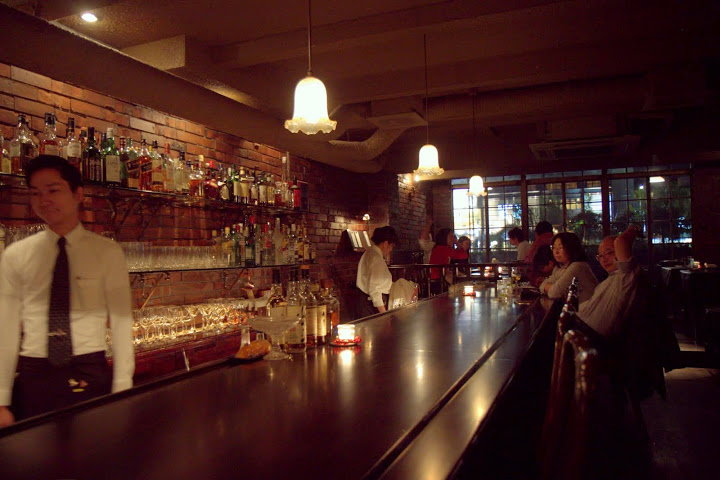
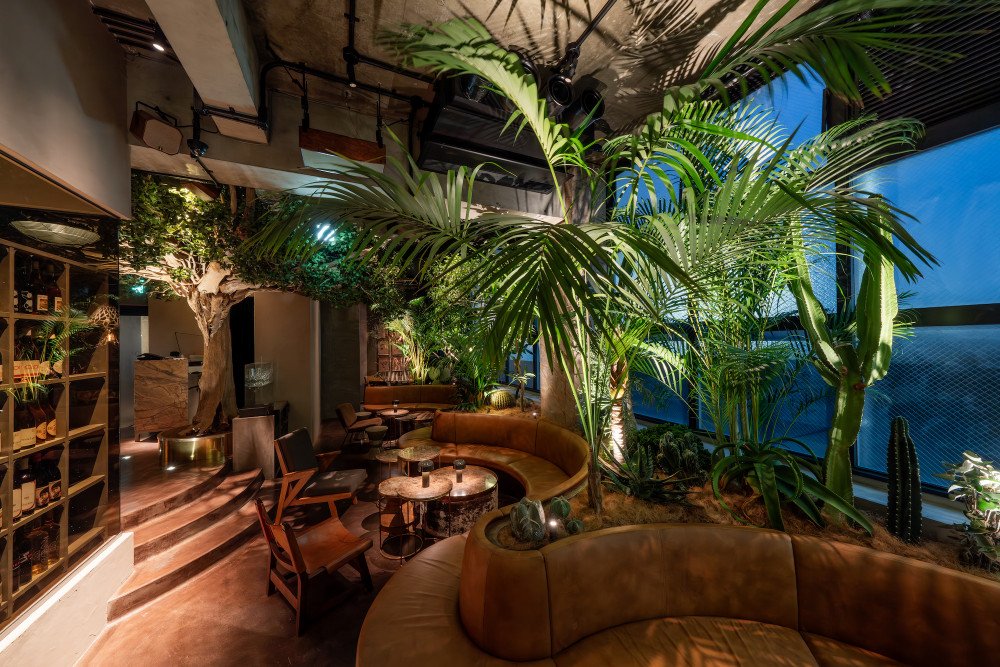
FAUCHON L'Hotel Kyoto positions Parisian flamboyance against Kyoto restraint, creating a deliberate visual collision. The hotel foregrounds the brand's signature pink-and-black palette and an unapologetically decorative patisserie display, so its interiors read as a confident statement rather than a background accent. Located in Shimogyo Ward between the commercial energy of Kyoto Station and the older fabric of Gion, the property marries Western haute patisserie and Franco‑Japanese gastronomy with a pronounced design sensibility. The result is an opulent, design-forward atmosphere that feels both deliberately dressed and unmistakably of FAUCHON.
Best For
This hotel suits travelers who prize design and gastronomic expression as part of their stay. FAUCHON L'Hotel Kyoto is framed around a strong brand identity and culinary focus—display patisserie and Franco‑Japanese gastronomy—making it a compelling choice for couples and design‑minded guests seeking a luxury, celebratory or romantic escape in central Kyoto. Its location between Kyoto Station and Gion also places it well for guests who want easy access to the city's transport hub while staying in a property that foregrounds visual and culinary drama.
Stay Tips
Focus on the hotel's culinary offerings: the description highlights display patisserie and Franco‑Japanese gastronomy, so sampling the hotel’s pastry presentation and dining programs is central to the experience. Take time to view the public spaces and design details—the hotel's visual language is part of its appeal. Because the property frames itself as a luxury, design-led destination, allow room in your schedule for lingering over meals and pastries rather than rushing through service; the culinary and visual presentation are core elements of what the hotel is selling.
Venue details
Ambiance
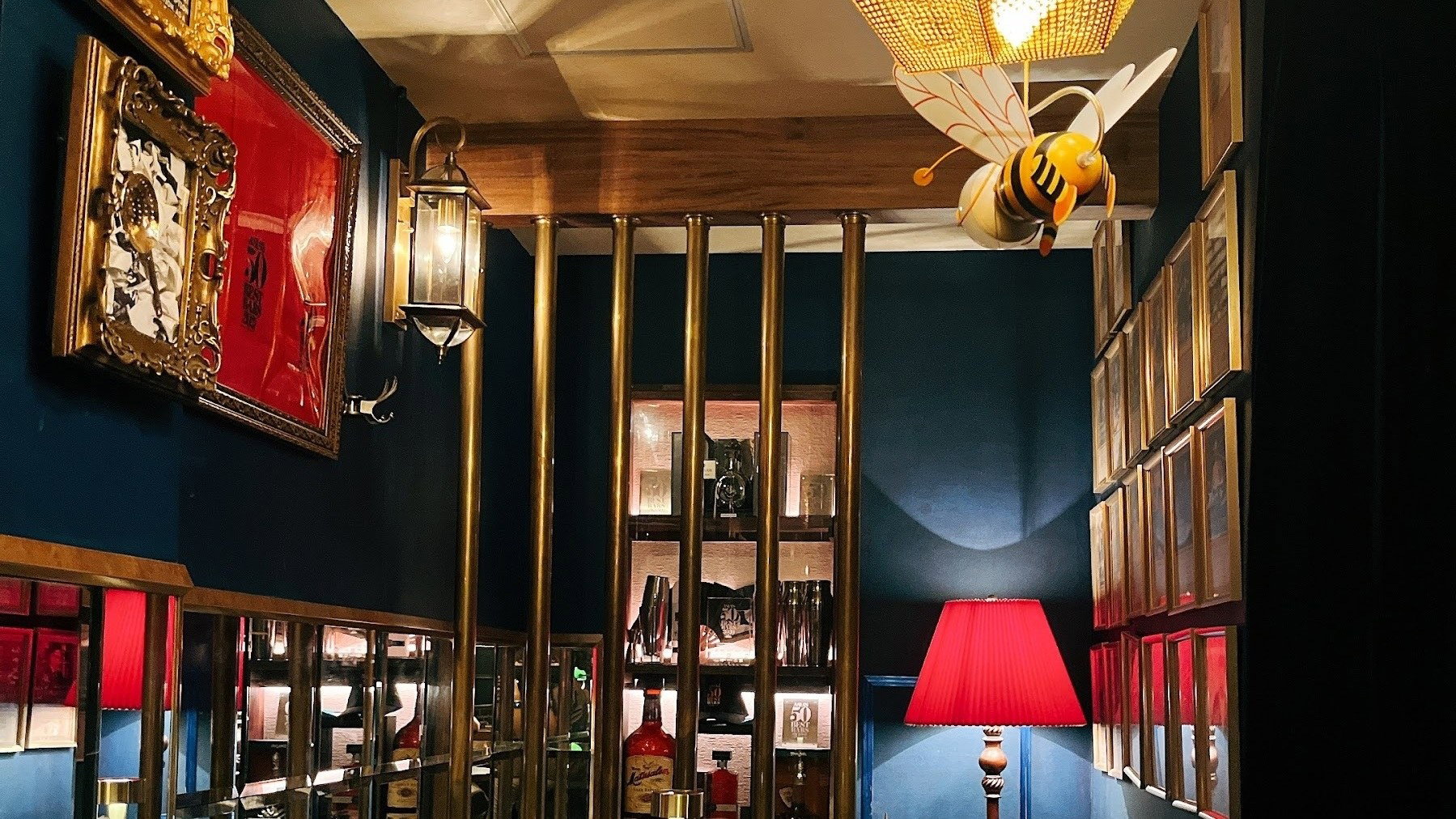
Sophisticated and inviting with elegant design throughout; rooms feature soft lighting reminiscent of French pastry aesthetics, while common areas exude refined luxury with attention to thoughtful details and warm hospitality.
Tags
Vibe
Best For
Experience
Amenities
View
Accessibility
About the Stay
- Rooms
- 59
- Check-in
- 15:00
- Check-out
- 11:00
- Property Style
- Luxury Boutique Hotel Merging French Parisian Design with Japanese Minimalism and Contemporary Aesthetics
- Design Style
- French Japanese Fusion Featuring Bold Colors, Modern European Elements, Traditional Shoji Screens, Shigaraki Ware Bathtubs, and Gold Accents on Japanese Fabrics
Know before you go
Know Before You Go
- Getting there
- 406 Nanbachō, Shimogyo Ward, Kyoto, 600-8027
Planning details
Location
Recognition and awards

Also consider
If You Cannot Book Here
Try Hotel The Celestine Kyoto Gion if the trip benefits from a Gion-oriented location and a calmer Kyoto feel. Choose THE BLOSSOM KYOTO if the priority is a modern stay with tighter rate control.
Hotel context
How It Compares
Choose FAUCHON L'Hotel Kyoto over Seikoro Ryokan if the trip needs modern hotel convenience rather than a traditional inn rhythm. Seikoro is the stronger direction for travelers prioritizing ryokan atmosphere; FAUCHON is the cleaner choice for business travel, restaurant-led itineraries, and guests who prefer a polished urban base.
Against Sora Niwa Terrace Kyoto Bettei and Hotel The Celestine Kyoto Gion, the decision comes down to mood. Sora Niwa Terrace Kyoto Bettei is the one to cross-shop if rooftop or terrace time matters; Hotel The Celestine Kyoto Gion is the better fit for travelers who want a Gion-leaning stay. FAUCHON makes more sense when design polish and central convenience matter more than a strongly local hotel identity.
THE BLOSSOM KYOTO and Genji Kyoto are useful alternatives if rates move sharply. THE BLOSSOM KYOTO is the practical cross-shop for a modern Kyoto stay with value discipline, while Genji Kyoto is better for a quieter, more intimate feel. FAUCHON has the stronger recognition signal here, with Small Luxury Hotels of the World membership and Michelin hotel selection in 2025, so it is easier to justify when the rate gap is modest.
Explore Kyoto
Around this place
Discover more on Pearl
Unlock the full FAUCHON L'Hotel Kyoto guide in Pearl, including awards, comparisons, FAQs, planning details, and nearby places.
Compare FAUCHON L'Hotel Kyoto
| Venue | Location | Awards |
|---|---|---|
| FAUCHON L'Hotel Kyoto | Kyoto | 2025 Michelin Selected HotelsSmall Luxury Hotels Member 2025 |
| Seikoro Ryokan | Kyoto | No published awards |
| Sora Niwa Terrace Kyoto Bettei | Kyoto | No published awards |
| Hotel The Celestine Kyoto Gion | Kyoto | 2025 Michelin 1 Key2024 Michelin 1 Key |
| THE BLOSSOM KYOTO | Kyoto Shi | No published awards |
| Genji Kyoto | Kyoto | 2026 Design Hotels Collection2025 Michelin 1 Key2024 Michelin 1 Key |


How FAUCHON L'Hotel Kyoto compares with similar nearby venues.
FAQ
Frequently Asked Questions
Is FAUCHON L'Hotel Kyoto good for business travel?
It may be, depending on the room, rate, and practical details available for your dates. FAUCHON L'Hotel Kyoto is in Kyoto, has a smart casual dress code, is a Small Luxury Hotels of the World member for 2025, and is included in the MICHELIN Guide hotel selection for 2025. If you want a different style of Kyoto stay, compare it with an option such as Seikoro Ryokan.
When is the best time to book FAUCHON L'Hotel Kyoto?
Book when the rate, room category, and cancellation terms work for your Kyoto trip, and compare other Kyoto hotels such as THE BLOSSOM KYOTO if you want additional options.
What is check-in like at FAUCHON L'Hotel Kyoto?
How does FAUCHON L'Hotel Kyoto compare to other Kyoto hotels?
FAUCHON L'Hotel Kyoto has 2025 recognition as a Small Luxury Hotels of the World member and as a MICHELIN Guide hotel selection. For a broader Kyoto comparison, compare current rates and room details against Sora Niwa Terrace Kyoto Bettei, Genji Kyoto, Hotel The Celestine Kyoto Gion, Seikoro Ryokan, and THE BLOSSOM KYOTO.
Which room category is best at FAUCHON L'Hotel Kyoto?
The best room is the one whose current description matches your needs for sleeping arrangements, space, and budget while you are in Kyoto.