

Hotel in Kumura, Japan
Izumo Hotel The Cliff
625Pearl PointsSetting-First Stay

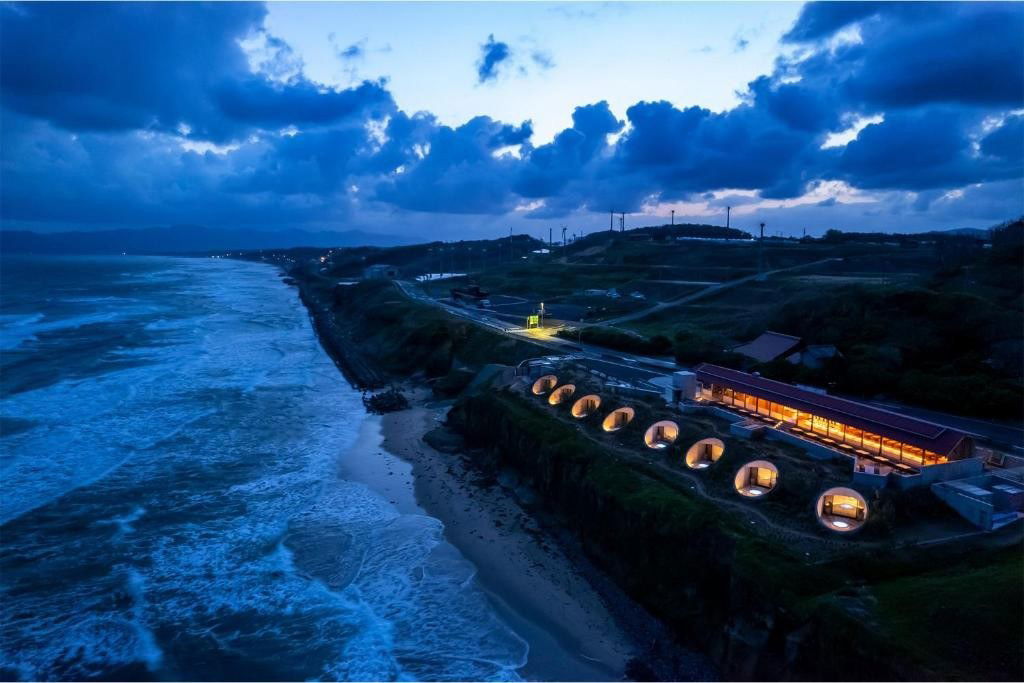
About Izumo Hotel The Cliff
Izumo Hotel The Cliff is worth considering when the hotel setting is a meaningful part of the Shimane trip, especially after its Michelin 1 Key recognition in 2024. Book early because availability is hard, compare the rate against how much time will actually be spent on property; it is less compelling for loyalty benefits, big-hotel amenities, or a simple overnight stop.
Michelin 1 Key (2024) is the useful verified signal here: Izumo Hotel The Cliff is a Kumura hotel with recognized distinction, but the available confirmed details are limited. That makes the value question simple: book it when the rate makes sense for a stay centered on the property and Kumura, avoid adding assumptions about amenities, dining, service format, or facilities that are not confirmed here.
The Michelin Key recognition changes the planning frame because it gives the hotel a clear quality marker. That does not mean every rate is justified. It means the hotel has enough recognition to consider when prices rise above ordinary regional lodging. Value-seekers should compare the nightly rate against how much time they will spend at the hotel. If the stay is mainly a practical stop, a different base may be easier to justify. If the hotel itself is part of the reason for the trip, Izumo Hotel The Cliff is worth checking early.
Book for the confirmed quality signal, not for an assumed amenity checklist
This is not a page where the verified record supports a long list of facilities, dining claims, loyalty benefits, or wellness features. The grounded facts are narrow: Izumo Hotel The Cliff is in Kumura, has a smart-casual dress code, holds Michelin 1 Key (2024). Treat anything beyond that as something to confirm directly before booking.
The smarter move is to check availability and then judge the rate against the purpose of the trip. For a stay where the hotel choice matters, the Michelin Key may help justify a premium. For a utility stop or a trip built around brand benefits, compare other regional options before committing.
Who should choose it over a safer regional base
Choose Izumo Hotel The Cliff if you want a Kumura stay with a confirmed Michelin Key distinction and are comfortable verifying practical details directly with the property. For broader planning, compare the stay with other Kumura options and regional hotels before locking dates.
The practical verdict: book if the rate feels aligned with a stay where the hotel itself matters. Skip it if the trip depends on unverified assumptions such as specific facilities, a particular dining program, loyalty perks, or a conventional large-hotel setup.
Frequently Asked Questions
How is the dining at Izumo Hotel The Cliff?
The verified information here does not establish a specific dining program, cuisine, menu format, or restaurant credential. The confirmed distinction is Michelin 1 Key (2024), which is a hotel recognition rather than a dining award. If dining is central to the trip, confirm current options directly and compare the overall stay with Yado Shiontei.
Is Izumo Hotel The Cliff family-friendly?
The verified details do not confirm specific family facilities or policies. It may still suit some travelers, but families should confirm room setup, transport, meals, any child-related needs directly before booking. For comparison, you can also look at Matsue Excel Hotel Tokyu.
How is the pool and spa at Izumo Hotel The Cliff?
Do not book on the assumption of a pool or spa program based on the verified information available here. The confirmed signal is Michelin 1 Key (2024), so wellness facilities should be checked directly with the hotel before making them part of the trip plan.
How is the location of Izumo Hotel The Cliff?
Izumo Hotel The Cliff is in Kumura. If location and transport logistics are important, confirm the exact arrival plan directly before booking. Travelers comparing a Kumura stay with other regional choices may also consider Hilton Hiroshima or KIRO Hiroshima by THE SHARE HOTELS.
Do loyalty programs work at Izumo Hotel The Cliff?
The verified record here does not confirm a loyalty program. Judge Izumo Hotel The Cliff on its Kumura location and Michelin 1 Key (2024) recognition rather than on points or elite benefits unless the hotel confirms otherwise. If loyalty benefits matter, compare with Matsue Excel Hotel Tokyu or Hilton Hiroshima.
Location
〒699-0901 Shimane, Izumo, Takichō Kumura, 1870 1F
Kumura, Japan
Compare Izumo Hotel The Cliff
| Venue | Booking Difficulty |
|---|---|
| Izumo Hotel The Cliff | Hard |
| Matsue Excel Hotel Tokyu | Unknown |
| Yado Shiontei | Unknown |
| Entô | Unknown |
| KIRO Hiroshima by THE SHARE HOTELS | Unknown |
| Hilton Hiroshima | Unknown |
Comparable nearby venues by cuisine and price for this tier.
Also Consider
- Matsue Excel Hotel Tokyu, Notable alternative
- Yado Shiontei, Notable alternative
- Entô, Notable alternative
- KIRO Hiroshima by THE SHARE HOTELS, Notable alternative
- Hilton Hiroshima, Notable alternative
How it compares with regional hotel alternatives
Choose Izumo Hotel The Cliff over Matsue Excel Hotel Tokyu if the stay is meant to feel quieter and more setting-led. Matsue Excel Hotel Tokyu is the safer call for travelers who want a more conventional city-hotel base, easier logistics, less friction around availability. The Cliff is the more compelling splurge when atmosphere matters more than transit convenience.
Yado Shiontei and Entô are the closer cross-shops for travelers comparing regional Japanese stays with a stronger sense of place. Yado Shiontei is the one to consider if a ryokan-style trip is the priority, while Entô makes more sense for travelers open to a more remote-feeling itinerary. Izumo Hotel The Cliff sits between those ideas: less useful as a general base, more appealing when the hotel itself is the point.
Against KIRO Hiroshima by THE SHARE HOTELS and Hilton Hiroshima, the tradeoff is clear. The Hiroshima options are better for city access, dining variety, easier backup plans. Hilton Hiroshima is the practical pick for travelers who value loyalty-program familiarity and larger-hotel services; KIRO Hiroshima by THE SHARE HOTELS is better for a design-conscious city stay. Pick Izumo Hotel The Cliff only when a quieter Kumura stay is worth the extra planning.
Recognized By

Explore Kumura
Save or rate Izumo Hotel The Cliff on Pearl
Keep this venue in your Pearl passport, rate it after you visit, and track it alongside every other place you collect.