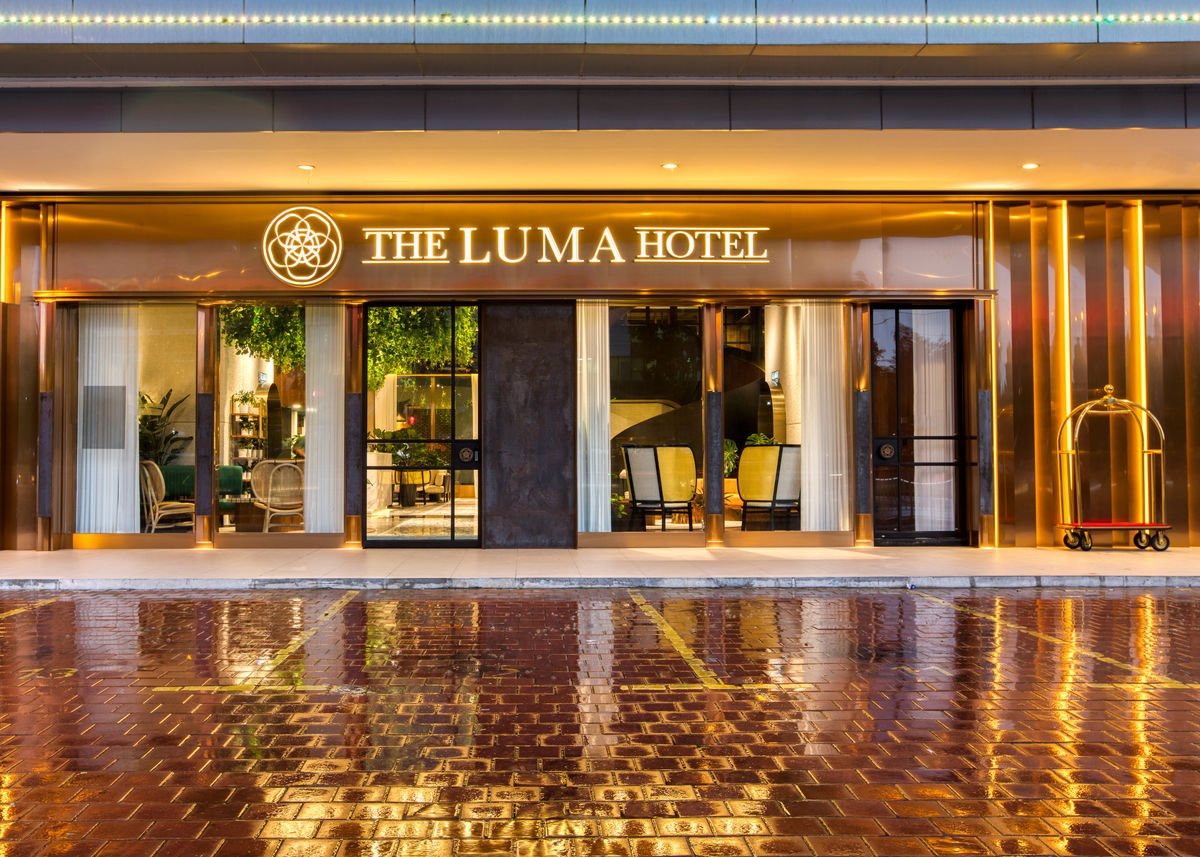


The Luma Hotel
Sembulan, Kota Kinabalu Sabah
Hotel in Kota Kinabalu Sabah, Malaysia
 Book with Pearl
Why go
A good pick for travelers who want a design-led Kota Kinabalu base rather than a resort-first escape. The 2026 Design Hotels membership gives it a clear identity, but pool and spa seekers should compare island and lodge-style alternatives before committing.
About The Luma Hotel
For a Kota Kinabalu Sabah stay, The Luma Hotel is The Luma Hotel in Kota Kinabalu Sabah. It has a 2026 Design Hotels membership, and the dress code is smart casual. Beyond that, specific facilities, services, dining details, and location particulars should be confirmed directly before booking.
The decision is therefore about whether The Luma Hotel suits the shape of the trip based on its information. Travelers comparing options may also look at Bungaraya Island Resort, Gayana Eco Resort, Gayana Marine Resort, Hyatt Centric Kota Kinabalu, or Sutera Sanctuary Lodges without assuming unstated details about The Luma Hotel.
A design-led Kota Kinabalu Sabah hotel
The hotel's main trust signal is its 2026 Design Hotels membership. That gives travelers a grounded reason to consider The Luma Hotel when a design credential is part of the decision. It does not, by itself, confirm specific amenities, service formats, room features, dining options, or leisure facilities.
The practical read is simple: consider The Luma Hotel when a Kota Kinabalu Sabah hotel with a Design Hotels membership is the right fit. If you are comparing different stays, Bungaraya Island Resort, Gayana Eco Resort, Gayana Marine Resort, Hyatt Centric Kota Kinabalu, and Sutera Sanctuary Lodges are useful names to review separately.
Who should book it, and who should cross-shop
Book The Luma Hotel if the trip needs a Kota Kinabalu Sabah hotel and the 2026 Design Hotels membership is meaningful to you. Cross-shop Hyatt Centric Kota Kinabalu, Sutera Sanctuary Lodges, Gayana Eco Resort, Gayana Marine Resort, or Bungaraya Island Resort if you want to compare different listings before deciding.
The safer way to plan is to consider The Luma Hotel as a Kota Kinabalu Sabah hotel with a 2026 Design Hotels membership and a smart casual dress code. Confirm any specific facilities or services directly before booking. Do not assume details such as dining formats, wellness facilities, transport arrangements, or family services unless they are confirmed for your dates.
Within the Kota Kinabalu Sabah decision set, The Luma Hotel is most clearly supported as a hotel with a 2026 Design Hotels membership. The right booking comes down to whether those details match what you need from the stay.
Planning details
- Location
- Sutera Avenue, Jalan Sembulan, Kota Kinabalu, Sabah 88100, Malaysia
- Website
- marriott.com/en-us/hotels/bkilh-the-luma-hotel-kota-kinabalu-a-member-of-design-hotels/overview
The take
The Take
The Vibe
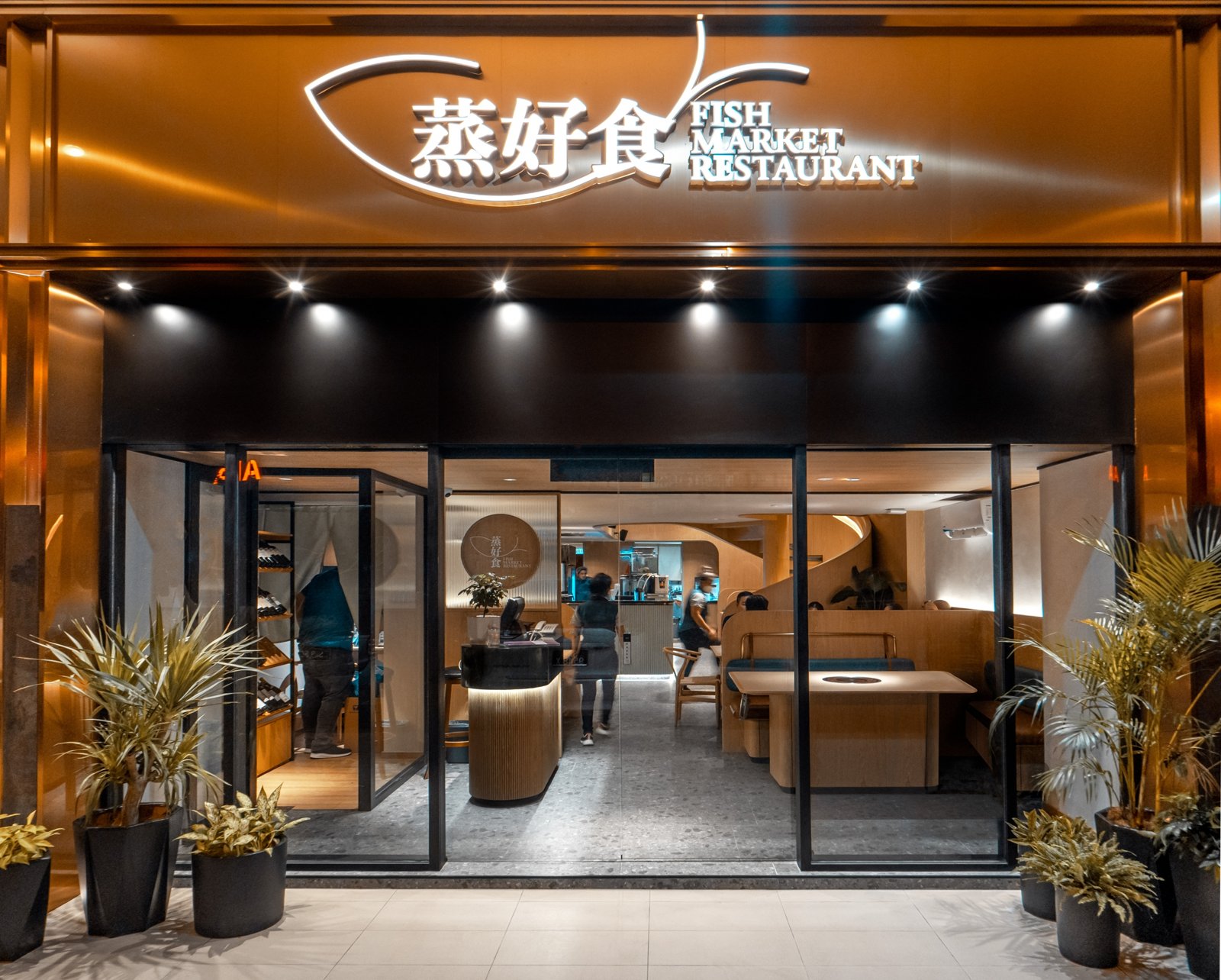
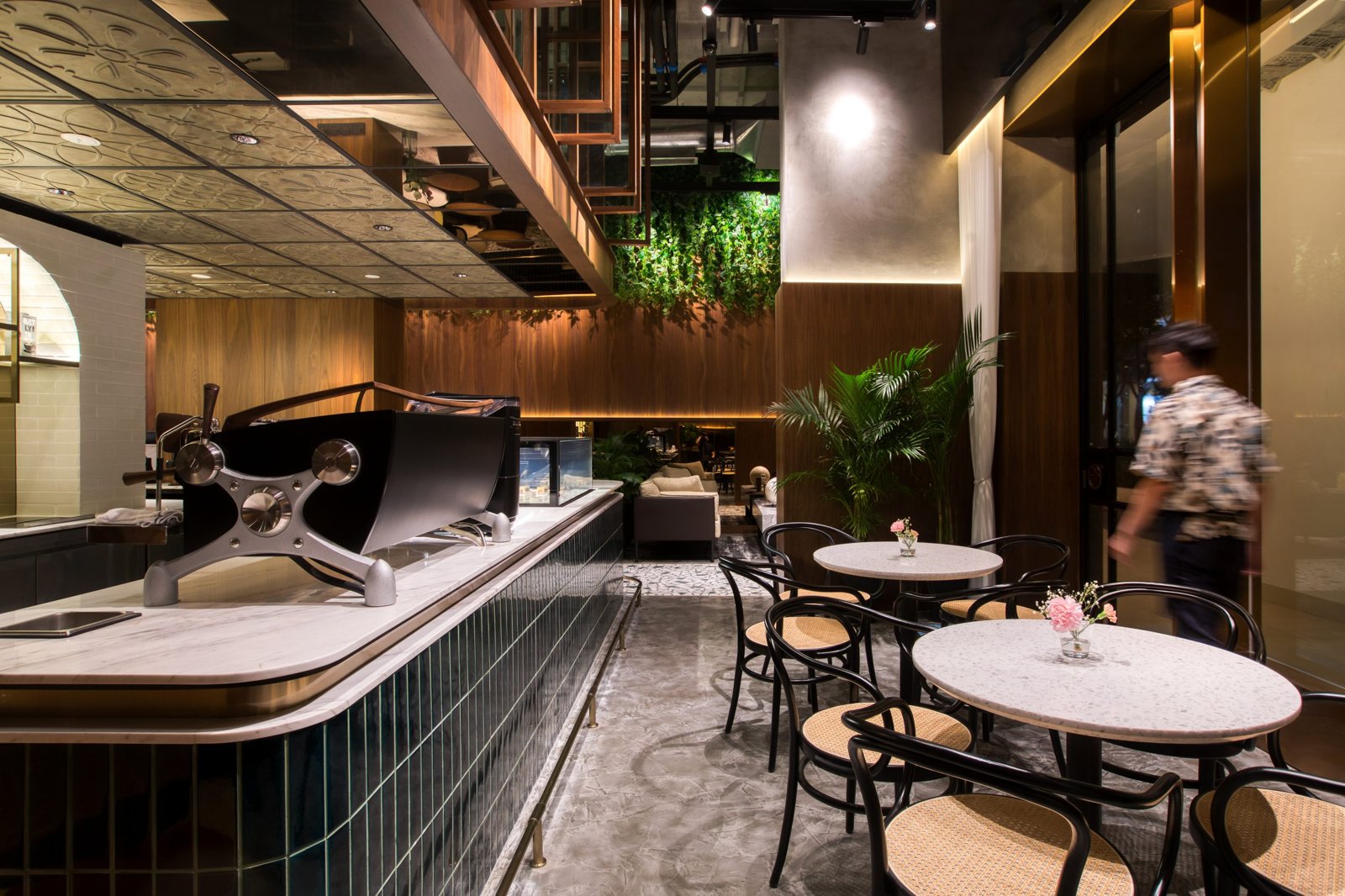
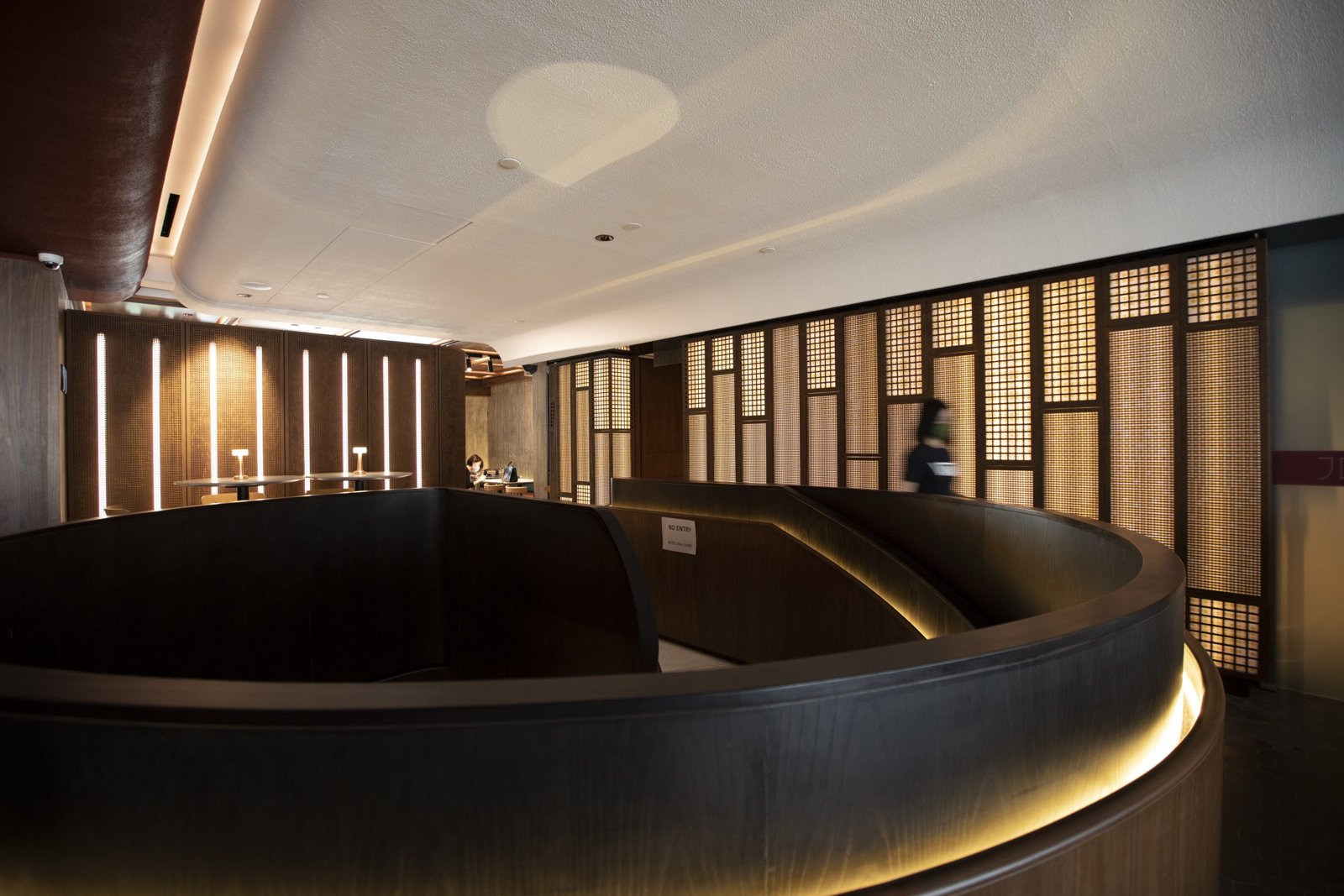
The Luma Hotel presents a quietly sophisticated, design-forward presence in Kota Kinabalu’s Sutera Avenue creative quarter. Its architecture and material choices lean toward clean lines and deliberate detailing, signalling a boutique alternative to large, scale-driven hotels. Rather than feel like an isolated resort, the property reads as an urban neighbour — part of a corridor where local dining, shops, and evening life are as important to the guest experience as the rooms themselves. The writing frames the hotel as a place where design coherence and a readable sense of place matter, appealing to travellers who value thoughtful interiors and a neighbourhood rhythm over impersonal scale.
Best For
The Luma suits travellers who want a compact, design-led base with immediate access to Kota Kinabalu’s walkable dining and evening scene. It appeals to visitors who are staying beyond a quick overnight — those hoping to spend evenings exploring local restaurants and bars rather than relying on large hotel programming. The property also fits guests who prioritise style and a legible sense of place: people who prefer boutique, curated hospitality and a neighbourhood feel over the standardised amenity lists of big-brand hotels. It’s ideal for anyone wanting to use their room as a design-forward retreat in the middle of a lively local corridor.
Stay Tips
Treat The Luma as a neighbourhood-centric hotel rather than a full-service resort: plan evenings out on Sutera Avenue and nearby dining rather than expecting an extensive in-house food and entertainment program. Build at least a two-night stay into your itinerary if you want to experience the local scene and avoid treating KK as a mere transit stop before island or park excursions. Because the property emphasises design and a smaller-scale operation, anticipate a boutique service footprint and use the surrounding creative quarter as your primary source for restaurants and nightlife.
Venue details
Ambiance
Serene and welcoming with jewel-toned lobby sofas, rotating local art, and Japanese-inspired guestrooms; plant-filled lobby lounge evokes nature-urban fusion.
Tags
Vibe
Best For
Experience
Amenities
View
Accessibility
About the Stay
- Rooms
- 115
- Check-in
- 15:00
- Check-out
- 12:00
- Property Type
- Design hotel
- Property Style
- Creative Design Hotel Blending Urban Energy with Borneo's Nature
- Design Style
- Modern Minimalist with Japanese Inspired Lines, Local Wood Elements, Earthy Tones, and Green Tiled Bathrooms
- Families
- Welcome
- Cancellation
- Moderate
Know before you go
Know Before You Go
- Getting there
- Sutera Avenue, Jalan Sembulan, Kota Kinabalu, Sabah 88100, Malaysia
Planning details
Location
Sutera Avenue, Jalan Sembulan, Kota Kinabalu, Sabah 88100, Malaysia · Directions
marriott.com/en-us/hotels/bkilh-the-luma-hotel-kota-kinabalu-a-member-of-design-hotels/overview
Recognition and awards
Also consider
Also Consider
- Sutera Sanctuary Lodges, Notable alternative
- Hyatt Centric Kota Kinabalu, Notable alternative
- Gayana Eco Resort, Notable alternative
- Gayana Marine Resort, Notable alternative
- Bungaraya Island Resort, Notable alternative
Hotel context
How it compares in Kota Kinabalu Sabah
The Luma Hotel is the city-base choice in this set: book it when access to Kota Kinabalu, a design-led feel, and easier trip logistics matter more than being removed from town. Hyatt Centric Kota Kinabalu is the safer cross-shop for travelers who prefer a familiar urban-hotel frame, while The Luma is the sharper pick for guests prioritizing design character over brand predictability.
Sutera Sanctuary Lodges is the better comparison for travelers building the trip around nature access rather than city convenience. If the stay is meant to feel like a retreat, compare rates and transfer plans against Gayana Eco Resort, Gayana Marine Resort, and Bungaraya Island Resort before choosing a town address.
Value depends on itinerary. For a first night, business stop, or city-focused Sabah plan, The Luma is likely the more efficient booking. For a holiday where the hotel setting, pool time, and resort atmosphere carry the trip, the island and lodge options deserve priority even if they require more planning.
Explore Kota Kinabalu Sabah
Around this place
Discover more on Pearl
Unlock the full The Luma Hotel guide in Pearl, including awards, comparisons, FAQs, planning details, and nearby places.
Compare The Luma Hotel
| Venue | Location | Awards |
|---|---|---|
| The Luma Hotel | Kota Kinabalu Sabah | 2026 Design Hotels Collection2025 Michelin Selected Hotels |
| Sutera Sanctuary Lodges | Manukan Island | No published awards |
| Hyatt Centric Kota Kinabalu | Kota Kinabalu | No published awards |
| Gayana Eco Resort | Kota Kinabalu | No published awards |
| Gayana Marine Resort | Kota Kinabalu | 2025 Michelin Selected HotelsPreferred Hotels Member 2025 |
| Bungaraya Island Resort | Kota Kinabalu | 2025 Michelin Selected HotelsPreferred Hotels L.V.X. Collection 2025Small Luxury Hotels Member 2025 |


How The Luma Hotel Kota Kinabalu Sabah compares with similar nearby venues.
FAQ
Frequently Asked Questions
When is the best time to book The Luma Hotel?
Book once your Kota Kinabalu Sabah dates are firm and you have confirmed the details that matter for your stay. The 2026 Design Hotels membership makes The Luma Hotel a clear option to consider, but specific services and facilities should still be checked directly before booking.
Is The Luma Hotel family-friendly?
Family-specific services should be confirmed directly with The Luma Hotel before booking. If your priority is a Kota Kinabalu Sabah hotel with a Design Hotels credential, it remains a relevant option; Sutera Sanctuary Lodges may also be worth comparing separately.
How does The Luma Hotel compare to other hotels?
The Luma Hotel is best understood as a Kota Kinabalu Sabah hotel with a 2026 Design Hotels membership. Hyatt Centric Kota Kinabalu, Gayana Eco Resort, Gayana Marine Resort, and Bungaraya Island Resort are useful comparison names to review separately before booking.
How is the pool and spa at The Luma Hotel?
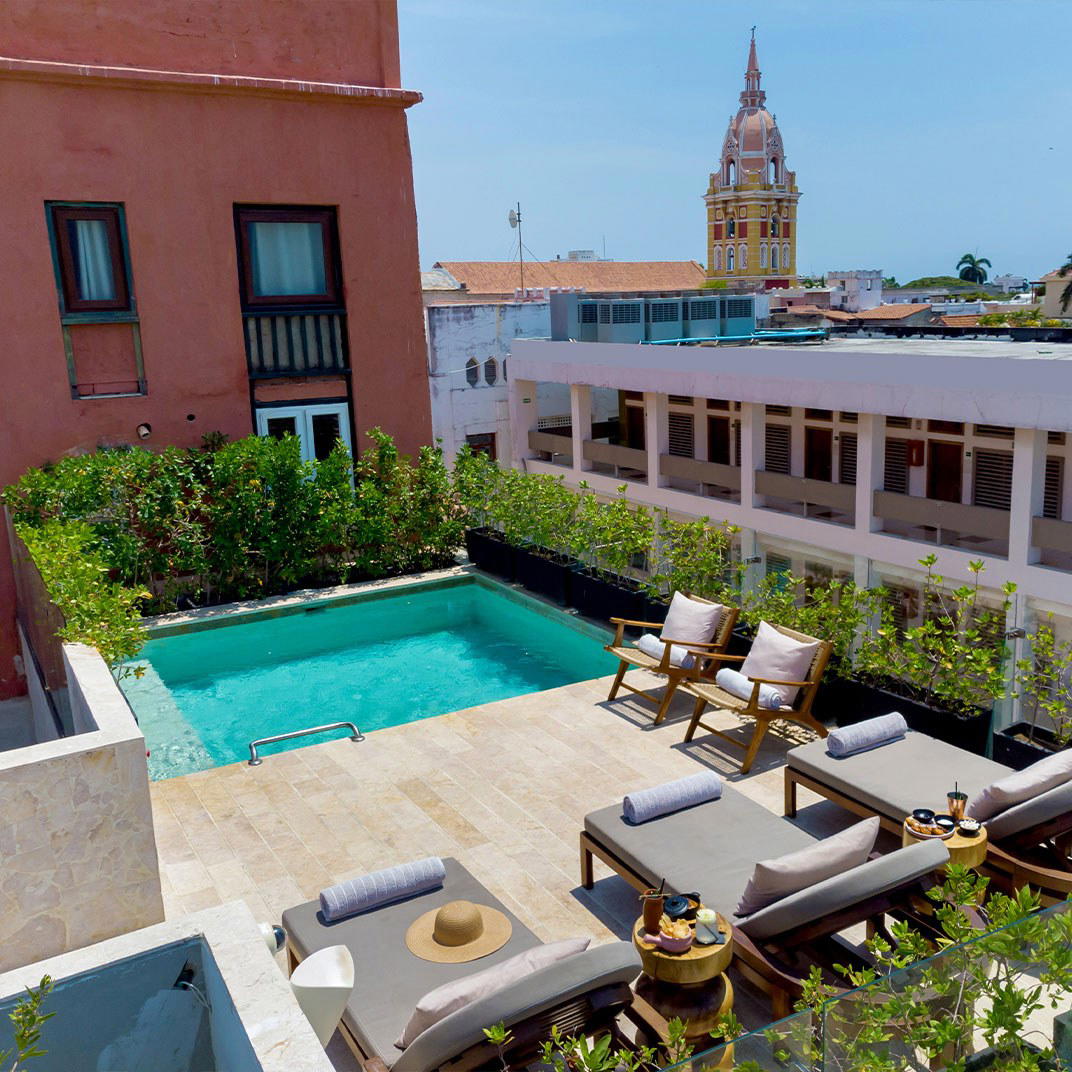
Pool and spa details should not be the main reason to book without confirming directly. If those facilities are central to the trip, compare The Luma Hotel with Bungaraya Island Resort, Gayana Eco Resort, or Gayana Marine Resort and check current details with each property.
Do loyalty programs work at The Luma Hotel?
Loyalty-program details should be confirmed directly before booking. The grounded reason to consider The Luma Hotel is its Kota Kinabalu Sabah setting and 2026 Design Hotels membership; Hyatt Centric Kota Kinabalu may be a useful comparison to review separately.