
Marasca Samui
Chaweng, Koh Samui
Hotel in Koh Samui, Thailand
 Book with Pearl
The Read
Gulf-Front Bophut Base
Why go
Shortlist Marasca Samui if the goal is a smaller, service-led Koh Samui stay rather than a large resort circuit. Its 2025 Small Luxury Hotels of the World membership is the main trust signal; choose a larger peer if the trip depends on extensive facilities or a clearly defined dining program.
About Marasca Samui
Marasca Samui is a Koh Samui venue with a casual dress code, and the property is listed as a Small Luxury Hotels of the World Member for 2025. Before booking, travelers who need details on dining, facilities, room count, service format, pricing, or location within the island should check directly with the venue.
Marasca Samui may be relevant for travelers comparing Koh Samui stays, especially when a casual dress code and Small Luxury Hotels of the World membership are enough to earn a place on the shortlist. Travelers who need a particular neighborhood, restaurant concept, chef, menu, room category, or resort program should confirm those details directly before committing.
A Koh Samui base with a confirmed SLH signal
For a first visit to Koh Samui, Marasca Samui is best assessed around two clear points: the property is a Small Luxury Hotels of the World Member in 2025, and the casual dress code means guests do not need to plan around formal attire.
The 2025 Small Luxury Hotels of the World membership is a useful quality signal, but it should not be treated as a guarantee of any specific room type, facility, dining format, or service outcome. Travelers who need firm details before booking should confirm those points directly with the property.
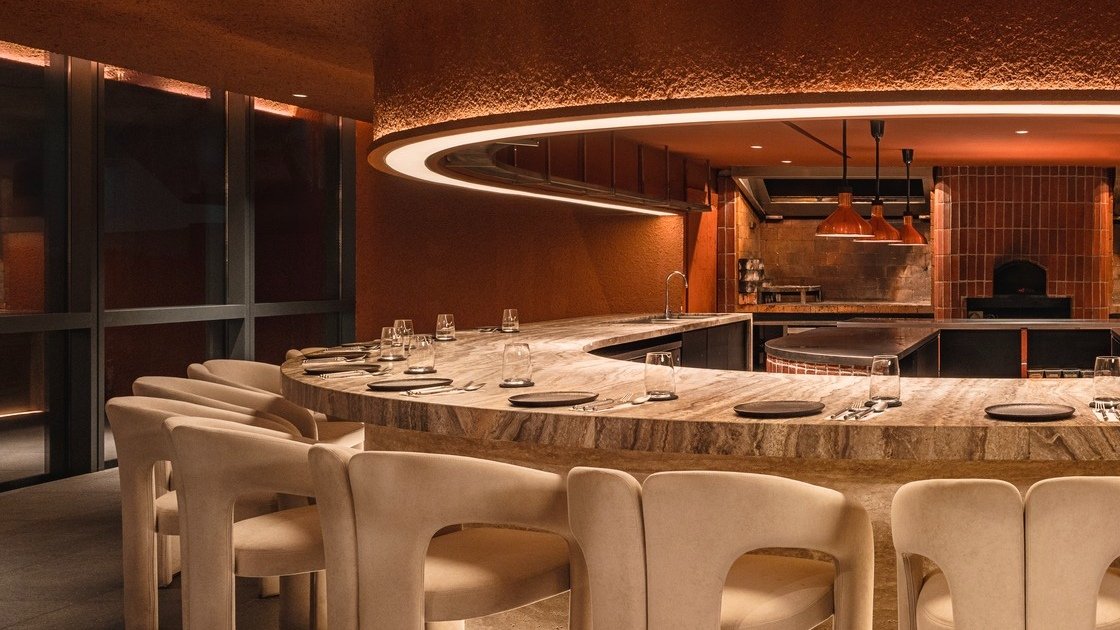
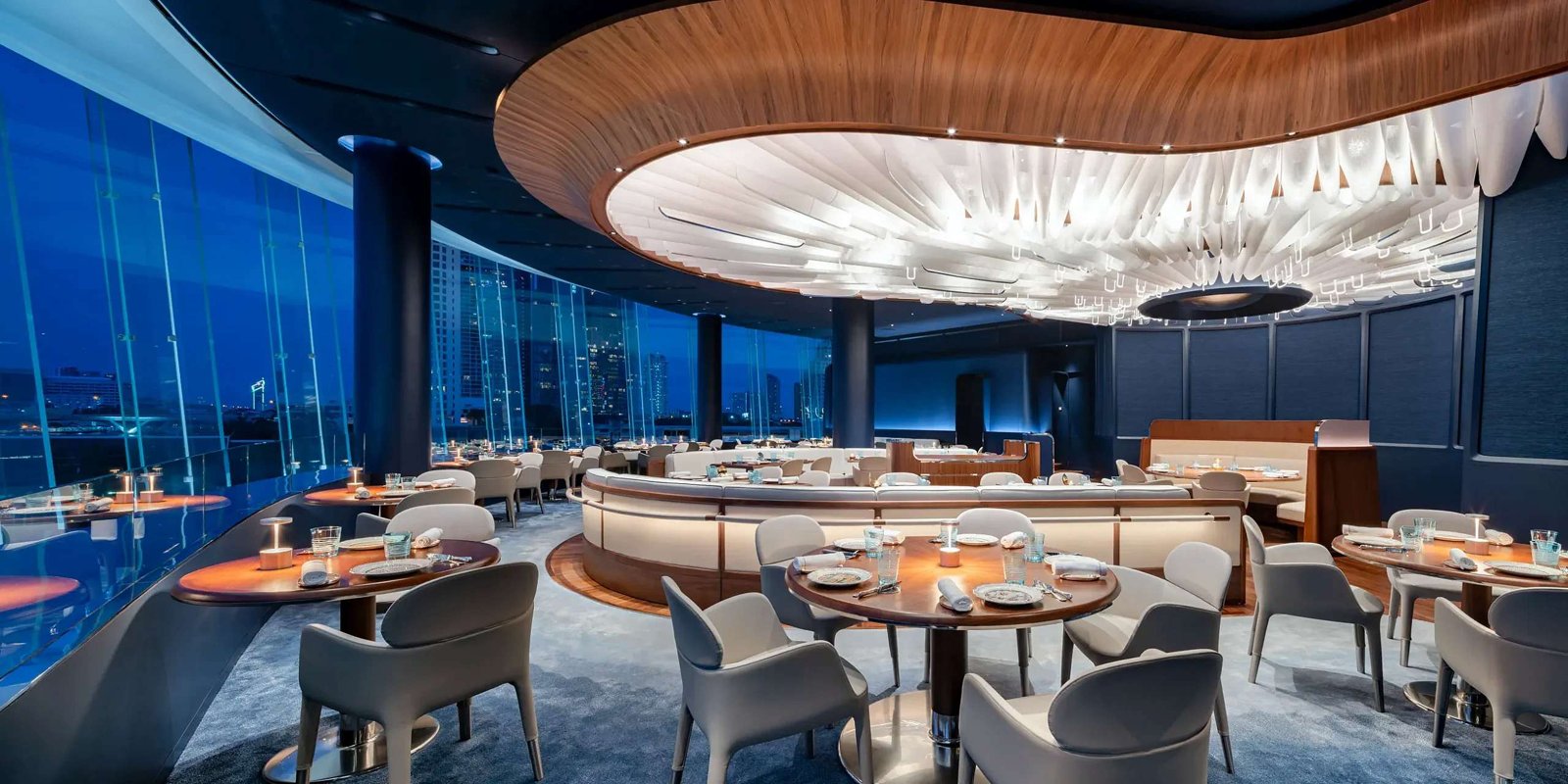
Do not choose this based on assumptions about named dining venues, a published cuisine identity, or a known chef-led restaurant. For travelers building the stay around restaurants, use Our full Koh Samui restaurants guide alongside the hotel search. For bar-led evenings, use a current Koh Samui bar guide rather than treating the hotel itself as the full plan.
Who should book, and who should cross-shop
Book this if the basics fit your trip: a Koh Samui stay, a casual dress code, and the external signal of Small Luxury Hotels of the World membership in 2025. If you need a fuller resort profile before deciding, compare Marasca Samui with Anantara Lawana Resort and Spa, Centara Reserve Samui, SALA Samui Chaweng Beach Resort, or Vana Belle, a Luxury Collection Resort, Koh Samui.
The practical verdict: Marasca Samui is worth keeping on a Koh Samui shortlist when its SLH membership and casual dress code are enough to proceed. It is a weaker fit for travelers who need detail on dining, room categories, pricing, facilities, or resort programming before committing.
Planning details
- Location
- 789, Bophut Sub District, Amphoe Ko Samui, Chang Wat Surat Thani 84320
- Website
- marasca.live
- Phone
- +66 77 953 555
The take
The Take
The Vibe
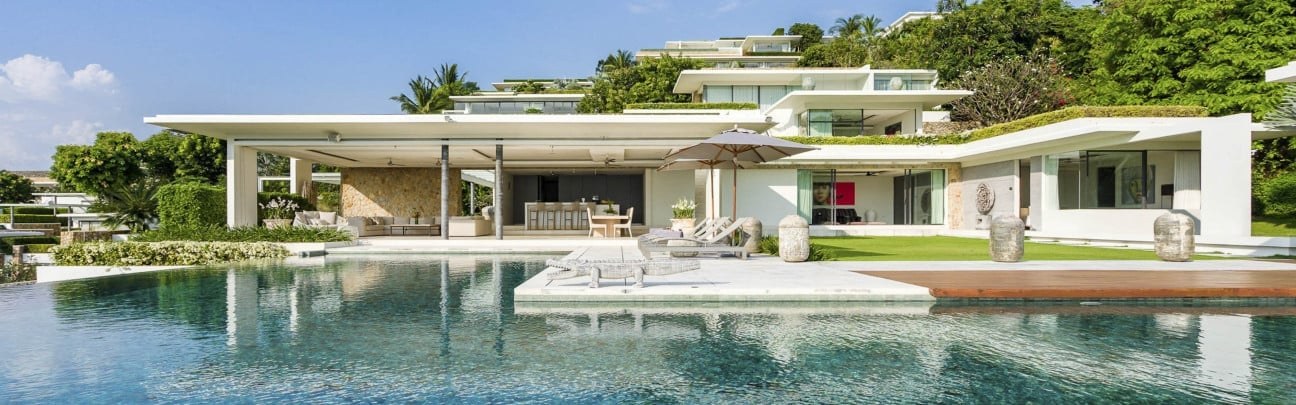
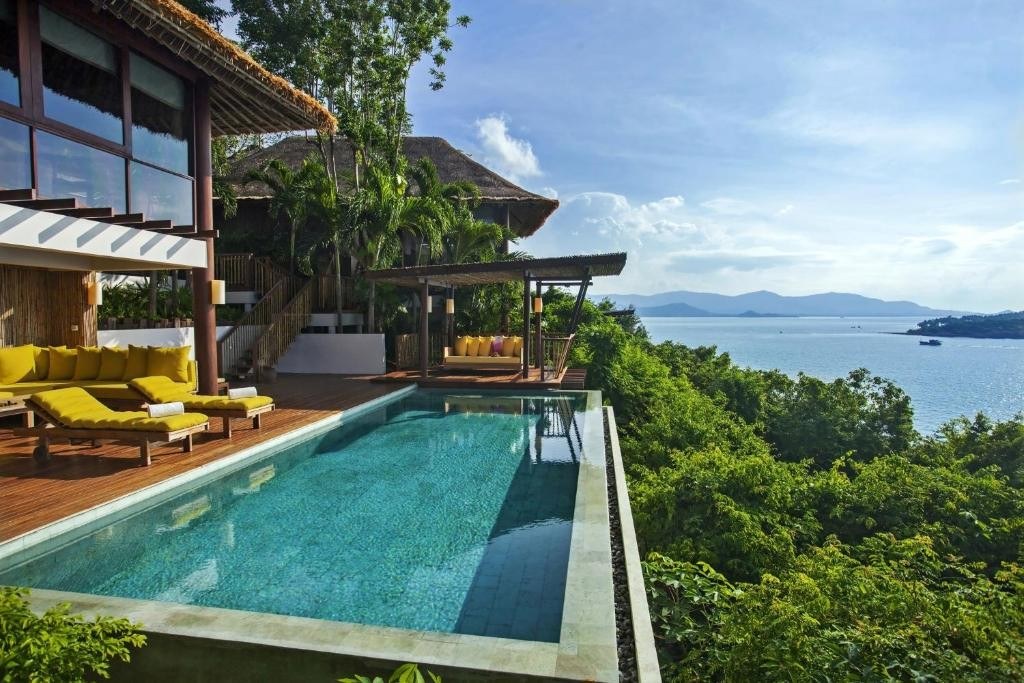
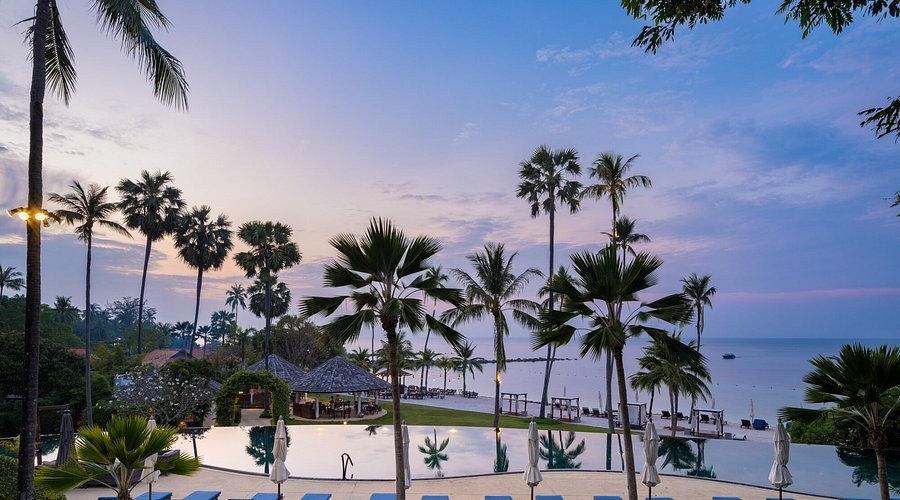
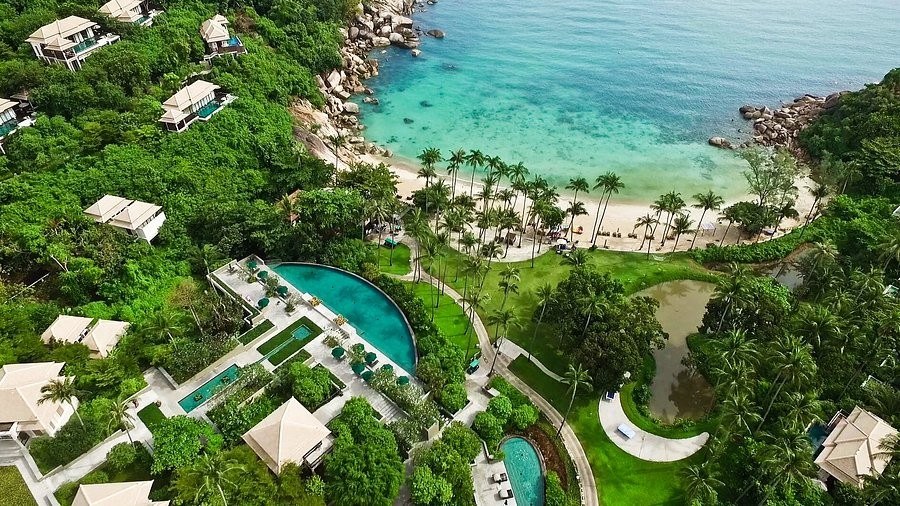
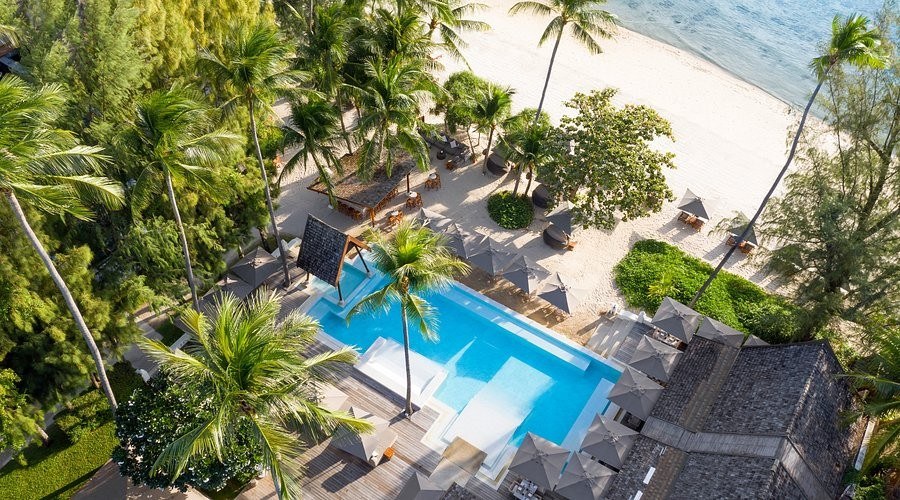
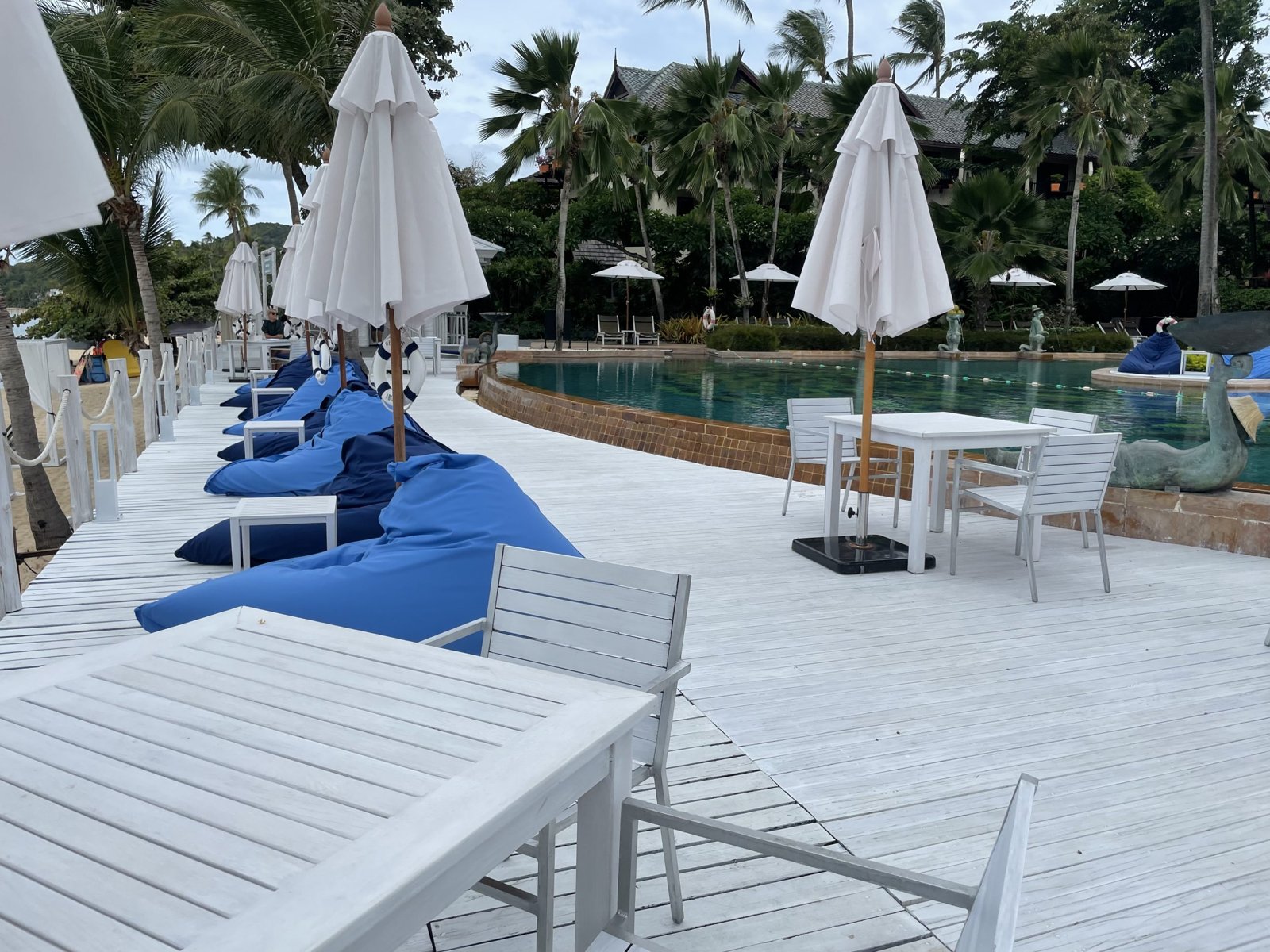
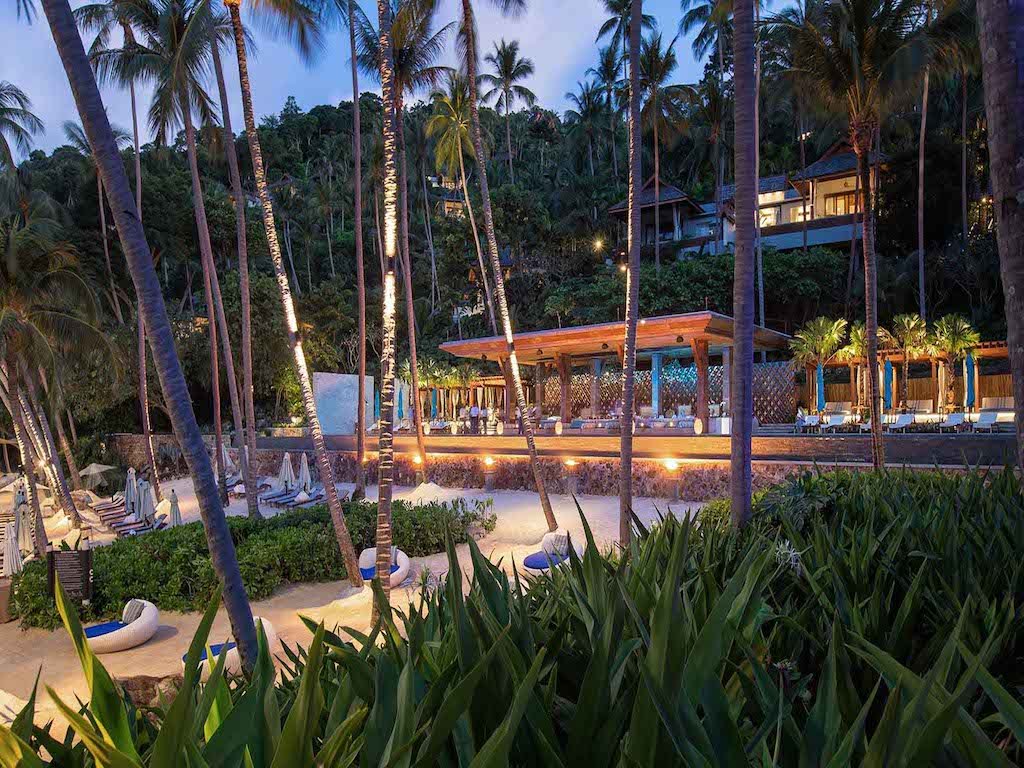
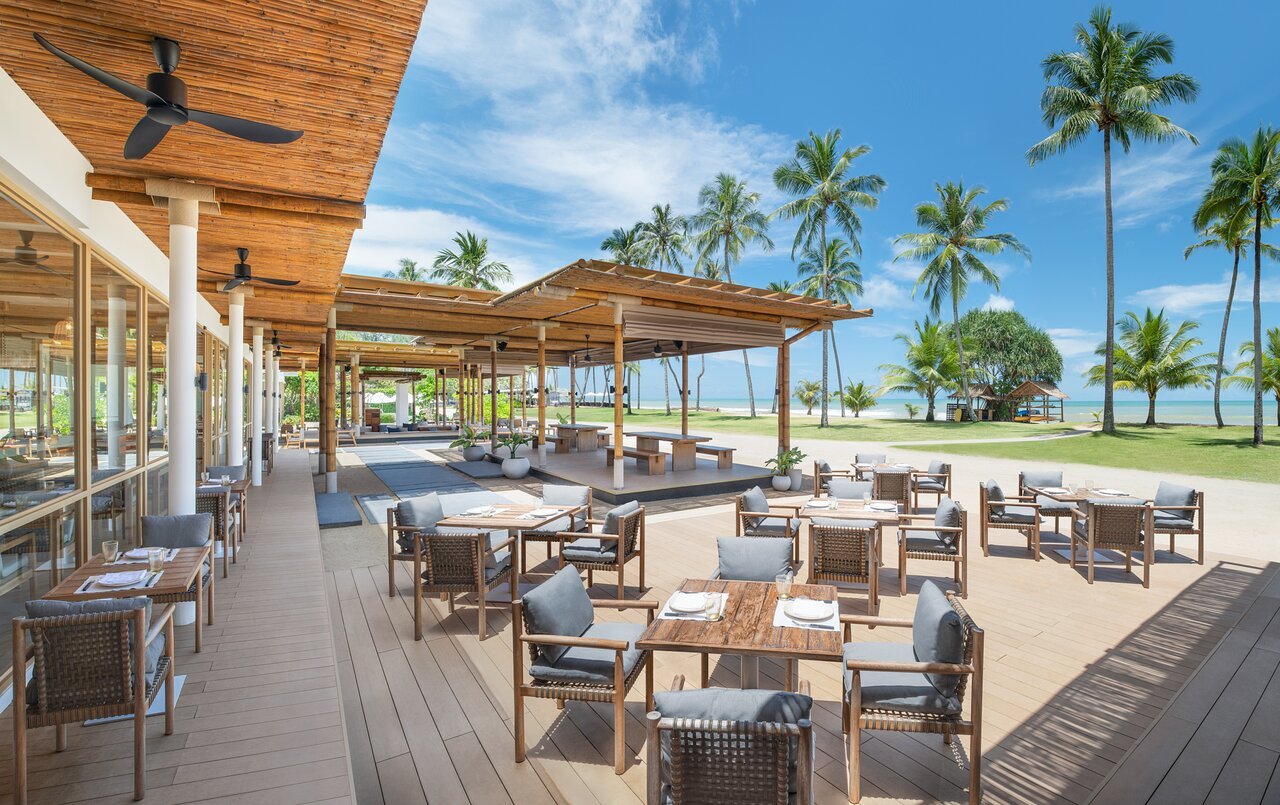
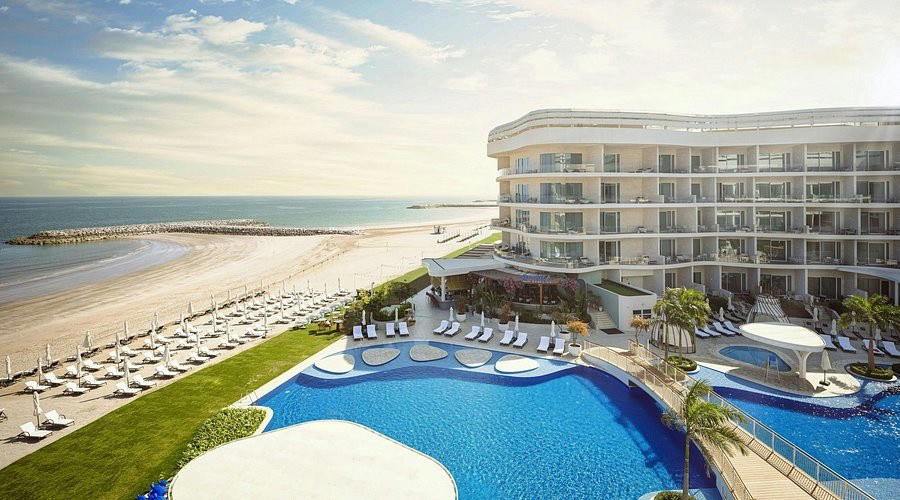
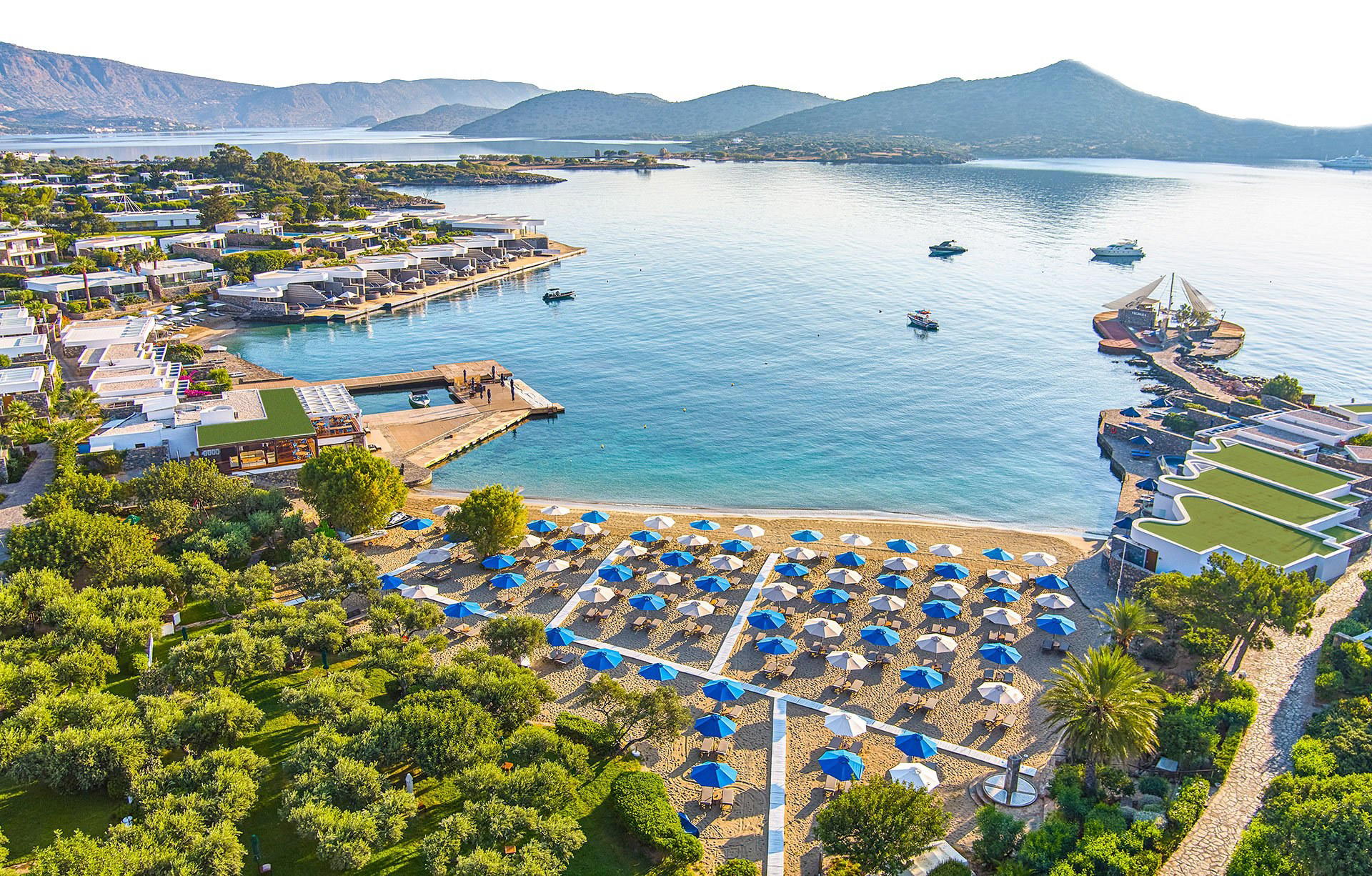
Marasca Samui reads as a quietly scenic beachfront resort that foregrounds the Gulf more than architectural spectacle. The property leans into a casual-but-comfortable register: design choices privilege ocean views and long-horizon gazing, and the social mood is more relaxed than performative. Situated on Bophut’s northern shore, the hotel absorbs the neighborhood’s residential rhythm and positions the water’s edge as the primary sensory focus. Guests can expect an easygoing, scenic atmosphere where the beach and outlook set the tone, rather than formal service rituals or high-drama interiors.
Best For
Marasca suits travelers who prioritize direct beach access and uncomplicated seaside time over secluded hillside seclusion. It’s a clear choice for guests who want the Gulf in front of them at breakfast and a walkable village within easy reach come evening. The property trades the privacy of high‑overhead pool villas for immediacy to sand and sea and a slightly livelier social atmosphere. It’s less for those seeking ultra‑private retreat and more for visitors who value proximity to calm, shallow waters and local evening life.
Stay Tips
If the ocean matters, plan around the beachfront orientation: the copy highlights having the Gulf "in front of them at breakfast," so prioritize rooms or bookings that emphasize sea-facing placement. Treat the stay as casual and pack accordingly—the social mood favors ease over formality. Use the hotel as a base for morning shoreline time (the Gulf at Bophut is described as calm and shallow) and evening visits to Fisherman’s Village, which provides a low-key, walkable dining and strolling option nearby.
Venue details
Ambiance
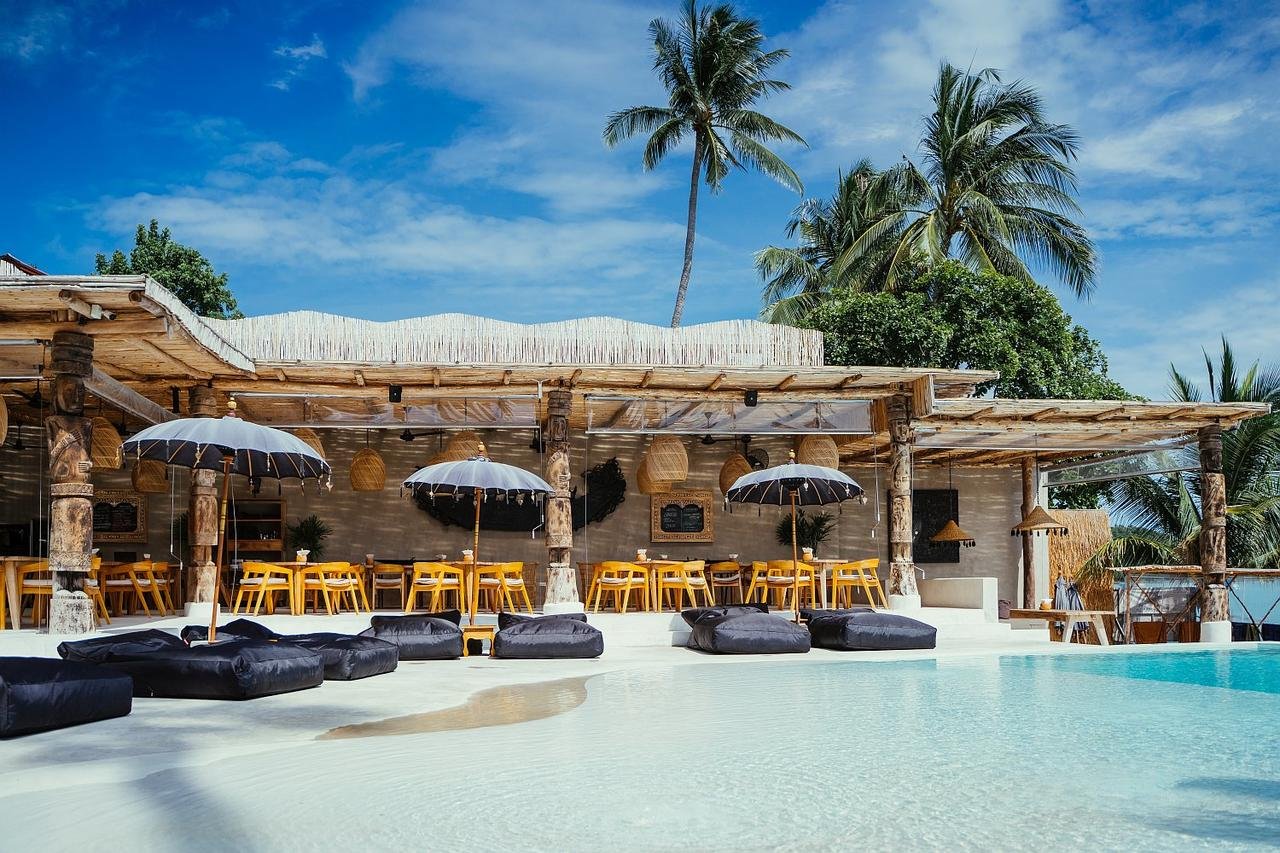
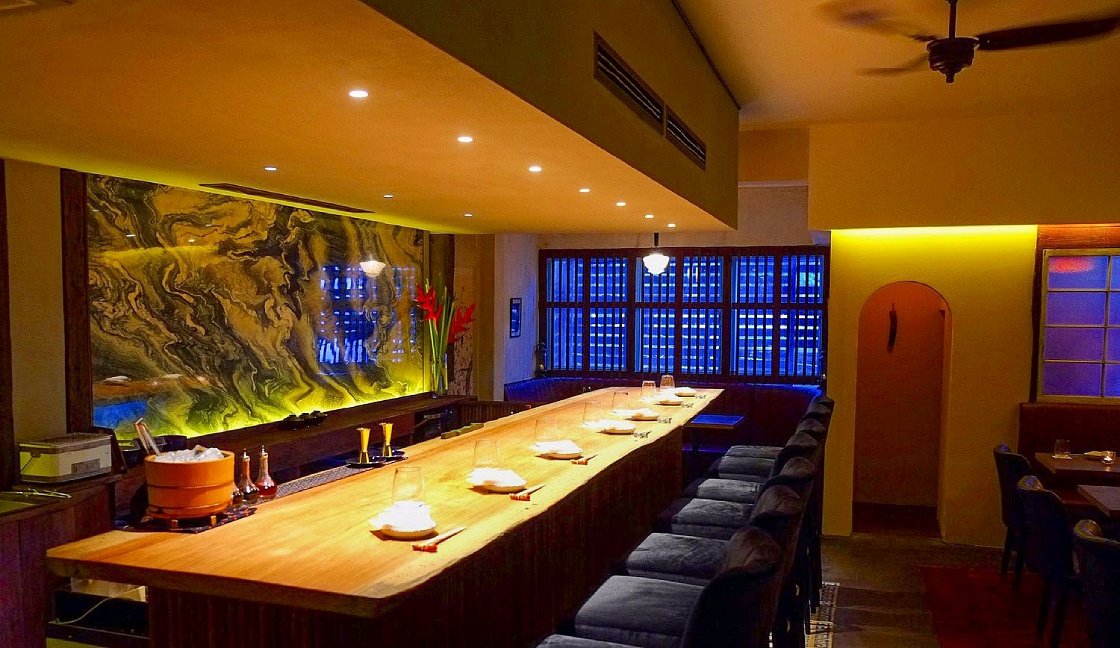
Modern, warm, and welcoming with a lively beach club atmosphere featuring curated music and vibrant social energy, though some guests note noise from entertainment programming extends into evening hours.
Tags
Vibe
Best For
Experience
Amenities
View
Accessibility
About the Stay
- Rooms
- 62
- Check-in
- 15:00
- Check-out
- 12:00
- Property Style
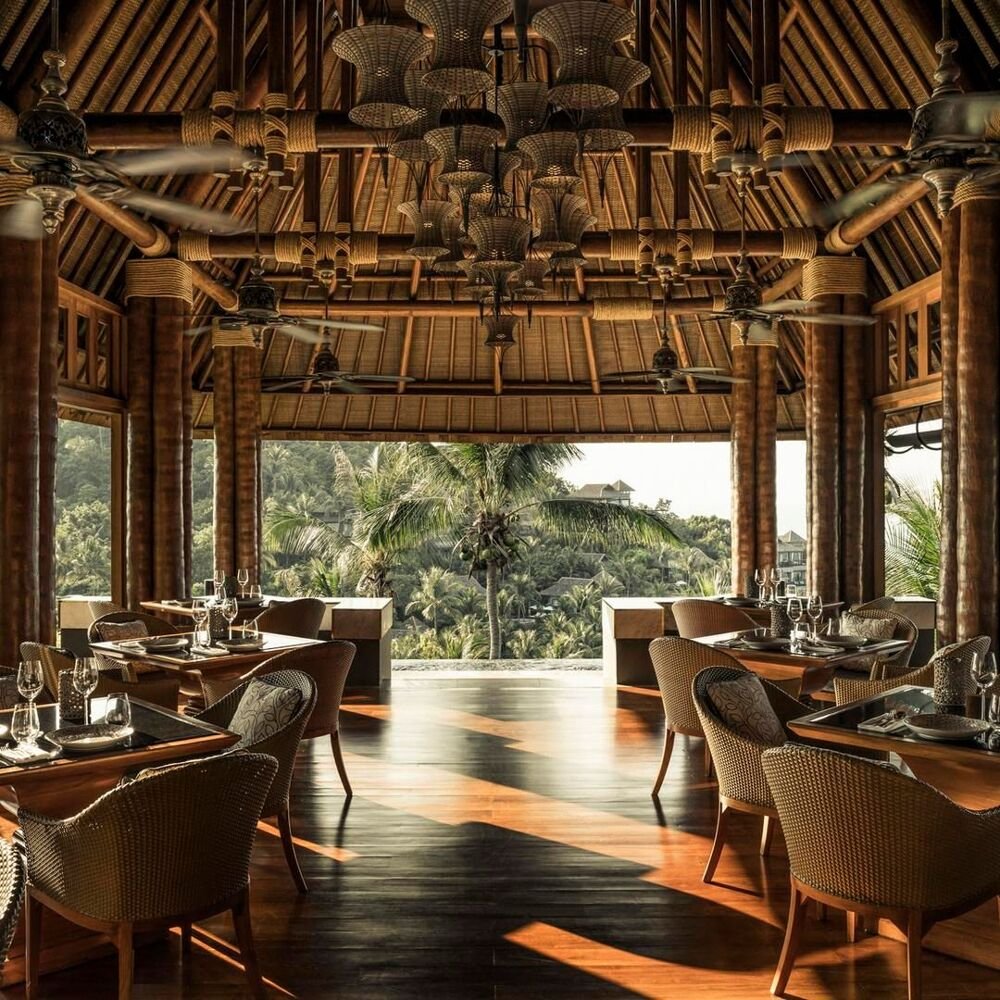
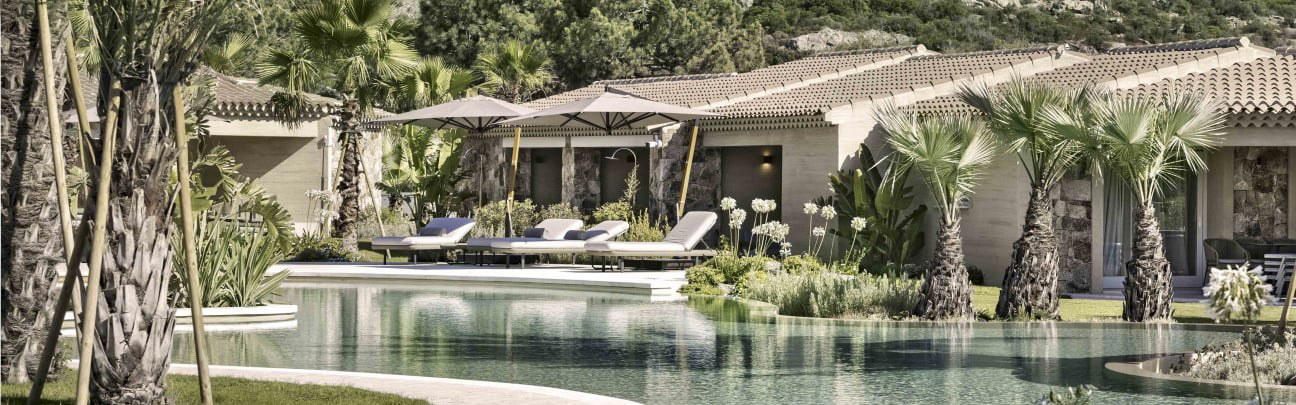
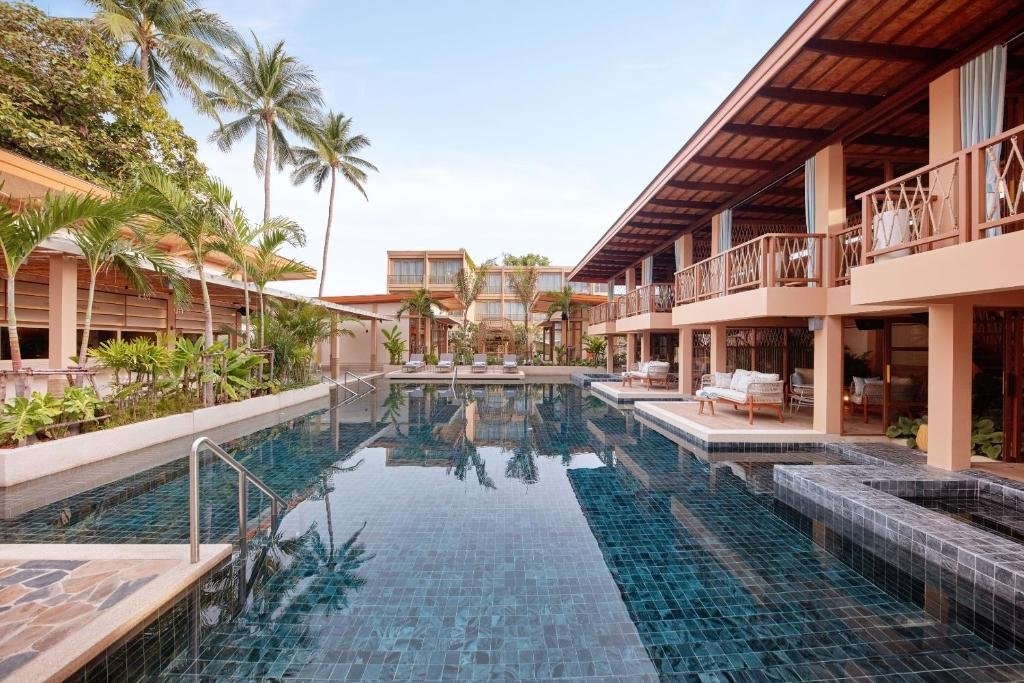
- Mindfully Sustainable Casual Luxury Beachfront Resort with Homely Interiors and Green Certified Design Philosophy.
- Design Style
- Modern Rustic Luxe with Natural Materials, Contemporary Furnishings, and Minimalist Aesthetic Emphasizing Comfort and Sustainability.
Know before you go
Know Before You Go
- Getting there
- 789, Bophut Sub District, Amphoe Ko Samui, Chang Wat Surat Thani 84320
Planning details
Location
789, Bophut Sub District, Amphoe Ko Samui, Chang Wat Surat Thani 84320 · Directions
Recognition and awards

Also consider
Where to look if this is not the fit
If the priority is a clearer big-resort identity, cross-shop Anantara Lawana Resort and Spa. If the reader wants a Chaweng-side option, SALA Samui Chaweng Beach Resort is the more direct alternative.
For a broader luxury-resort search, compare Centara Reserve Samui and Vana Belle, a Luxury Collection Resort, Koh Samui before committing to a smaller hotel.
Hotel context
How it compares in Koh Samui
Choose Marasca Samui over SALA Samui Chaweng Beach Resort if Bophut and a quieter small-hotel feel matter more than a Chaweng resort setting. SALA is the more obvious cross-shop for travelers who want to be closer to that side of the island; Marasca is the better fit for guests who want less resort sprawl and a more contained base.
Buri Rasa Village Samui and Anantara Lawana Resort and Spa are stronger alternatives for readers who prefer established resort identities. Marasca is easier to justify when the trip is about calm, service, and a smaller footprint rather than a big-brand checklist.
For a more resort-forward splurge search, compare against Centara Reserve Samui and Vana Belle, a Luxury Collection Resort, Koh Samui. Those make more sense for travelers who want a fuller luxury-resort frame; Marasca makes more sense for guests who value intimacy, simpler logistics, and a less formal stay.
Explore Koh Samui
Around this place
Discover more on Pearl
Unlock the full Marasca Samui guide in Pearl, including awards, comparisons, FAQs, planning details, and nearby places.
Compare Marasca Samui
| Venue | Location | Awards |
|---|---|---|
| Marasca Samui | Koh Samui | 2026 Michelin Guide New Hotels2025 Michelin Selected HotelsSmall Luxury Hotels Member 2025 |
| SALA Samui Chaweng Beach Resort | Koh Samui | No published awards |
| Buri Rasa Village Samui | Koh Samui | No published awards |
| Anantara Lawana Resort and Spa | Koh Samui | 2026 Virtuoso Luxury Hotel Collection2026 Mr & Mrs Smith Luxury Hotels2026 La Liste Top Hotels2025 Michelin 1 Key |
| Centara Reserve Samui | Surat Thani | No published awards |
| Vana Belle, a Luxury Collection Resort, Koh Samui | Koh Samui | No published awards |




How Marasca Samui compares with similar nearby venues.
FAQ
Frequently Asked Questions
Is Marasca Samui good for business travel?
Marasca Samui is in Koh Samui, has a casual dress code, and is a Small Luxury Hotels of the World Member in 2025. For meetings-heavy stays, confirm business-travel requirements directly with the property or compare other Koh Samui options such as Centara Reserve Samui or Anantara Lawana Resort and Spa.
How is the dining at Marasca Samui?
If dining is a priority, confirm restaurant, cuisine, menu, chef, and service-format details directly with Marasca Samui before booking. Compare current information across other Koh Samui options such as Anantara Lawana Resort and Spa or Centara Reserve Samui.
Is Marasca Samui family-friendly?
Marasca Samui is in Koh Samui, has a casual dress code, and is a Small Luxury Hotels of the World Member in 2025. Families should confirm children's facilities, programming, and room configurations directly with the property and may also compare SALA Samui Chaweng Beach Resort or Vana Belle, a Luxury Collection Resort, Koh Samui.
What is Marasca Samui known for?
Marasca Samui is known as a Koh Samui property with a casual dress code and Small Luxury Hotels of the World Member status in 2025.