
Kamalaya Koh Samui
Laem Set, Koh Samui
Hotel in Koh Samui, Thailand
 Book with Pearl
Why go
Kamalaya Koh Samui is the better pick for travelers treating Koh Samui as a recovery trip rather than a nightlife or resort-hopping base. Its Virtuoso Luxury Hotel Partner recognition in 2026 helps justify considering it against Banyan Tree Samui, Conrad Koh Samui, and Vana Belle, especially if a quieter Laem Set location is a benefit rather than a compromise.
About Kamalaya Koh Samui
For Koh Samui travelers considering Kamalaya Koh Samui, the venue is in Koh Samui and is recognized as a Virtuoso Luxury Hotel Partner (2026). That makes it a strong trust signal, and travelers should confirm room types, dining, facilities, and service style directly before booking.
Choose it for a Koh Samui stay with a luxury-travel credential
Kamalaya Koh Samui belongs on a shortlist when you want a Koh Samui hotel with a clearly confirmed Virtuoso Luxury Hotel Partner (2026) credential. If you are comparing other island options, Vana Belle, a Luxury Collection Resort, Koh Samui, Centara Reserve Samui, Banyan Tree Samui, and Conrad Koh Samui are natural points of reference, but the best fit depends on your own priorities and the latest details from each property.
Confirm specific room categories, dining details, wellness programming, booking difficulty, and on-property facilities directly with Kamalaya Koh Samui before booking. The strongest grounded reason to keep it in consideration is its Koh Samui location plus the confirmed Virtuoso Luxury Hotel Partner (2026) recognition.
Where it fits in a Koh Samui shortlist
Use a Koh Samui hotel shortlist to compare Kamalaya Koh Samui with Banyan Tree Samui, Centara Reserve Samui, Conrad Koh Samui, Vana Belle, a Luxury Collection Resort, Koh Samui, and other hotel options in Koh Samui. Keep the decision anchored to confirmed facts rather than assumptions about beach access, dining variety, room layout, or programming.
Planning details
- Location
- Kamalaya Wellness Sanctuary Koh Samui, 102/9 Moo 3, Laem Set Rd
- Website
- kamalaya.com
- Phone
- +6677429800
The take
The Take
The Vibe
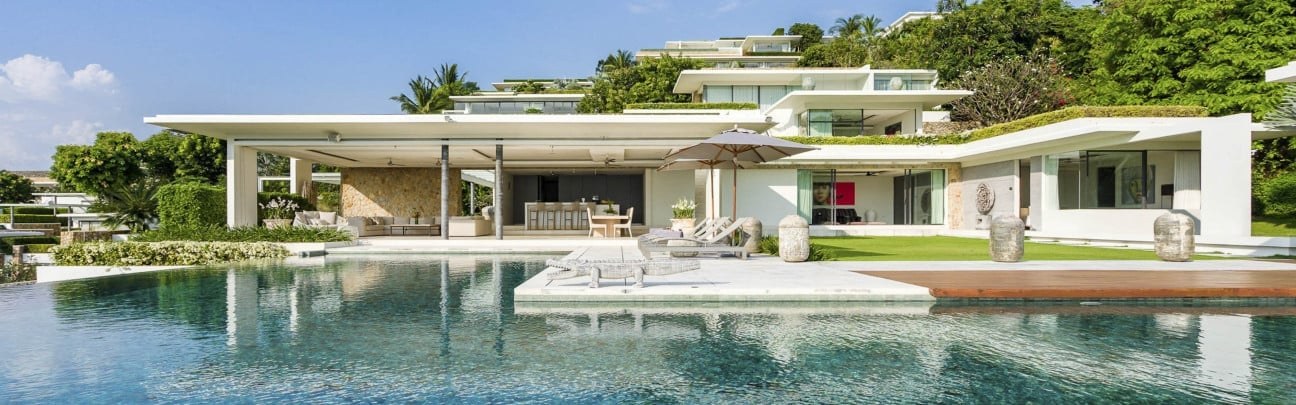
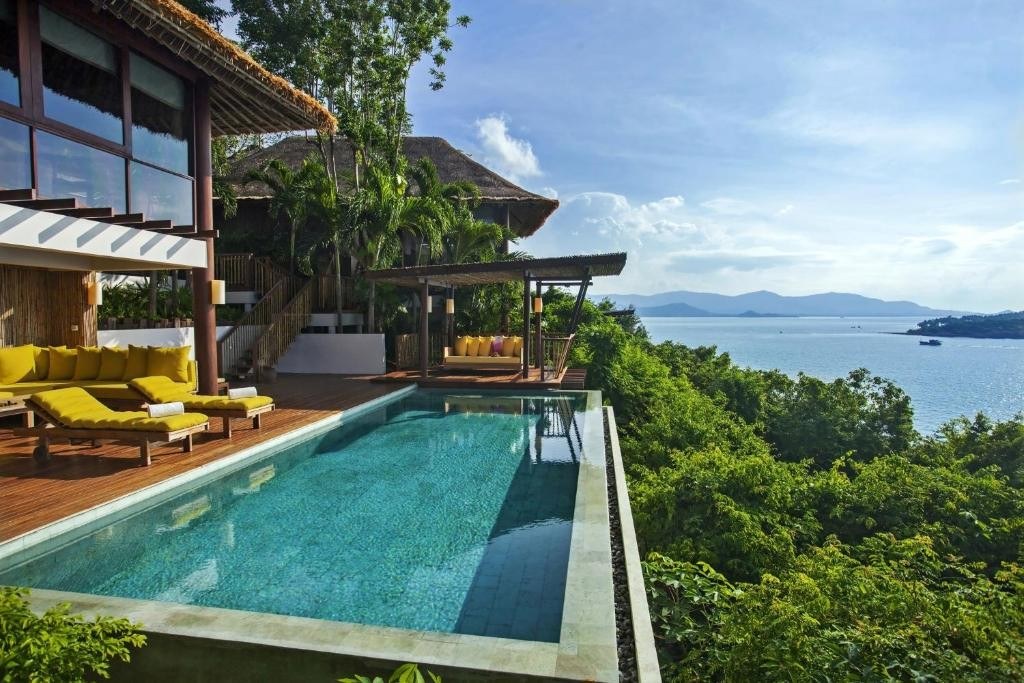
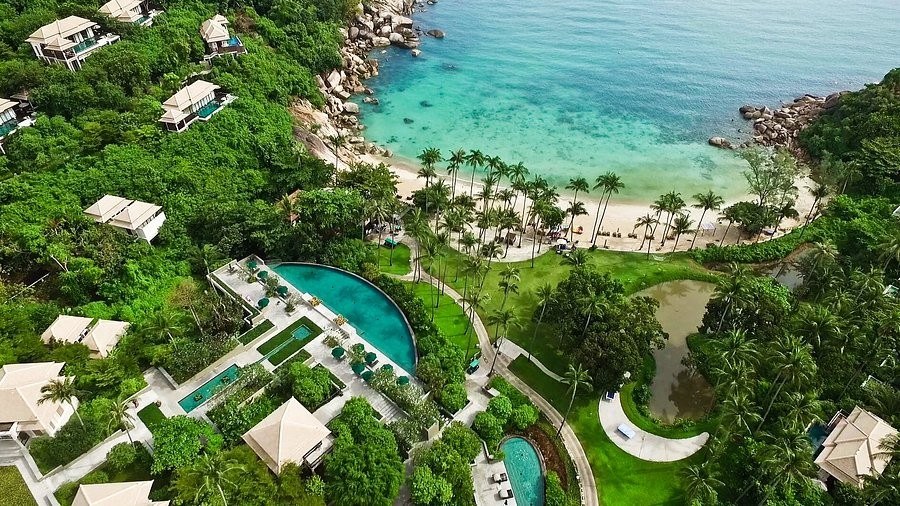
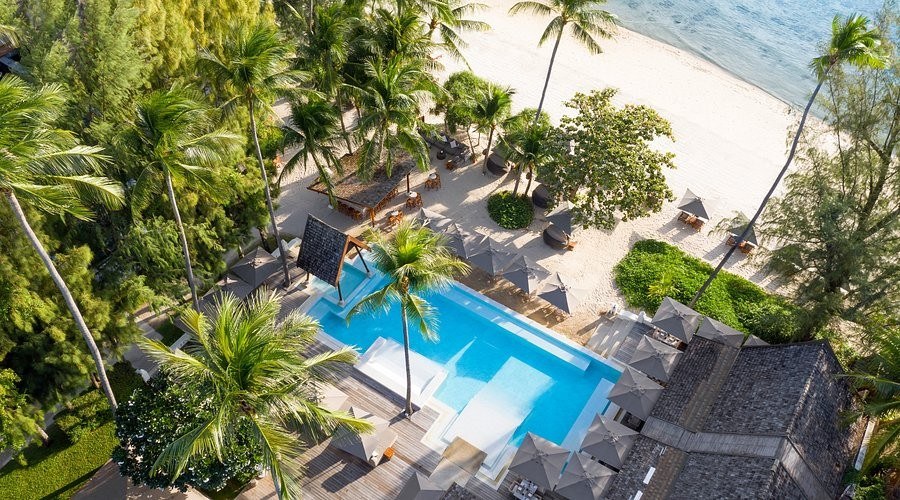
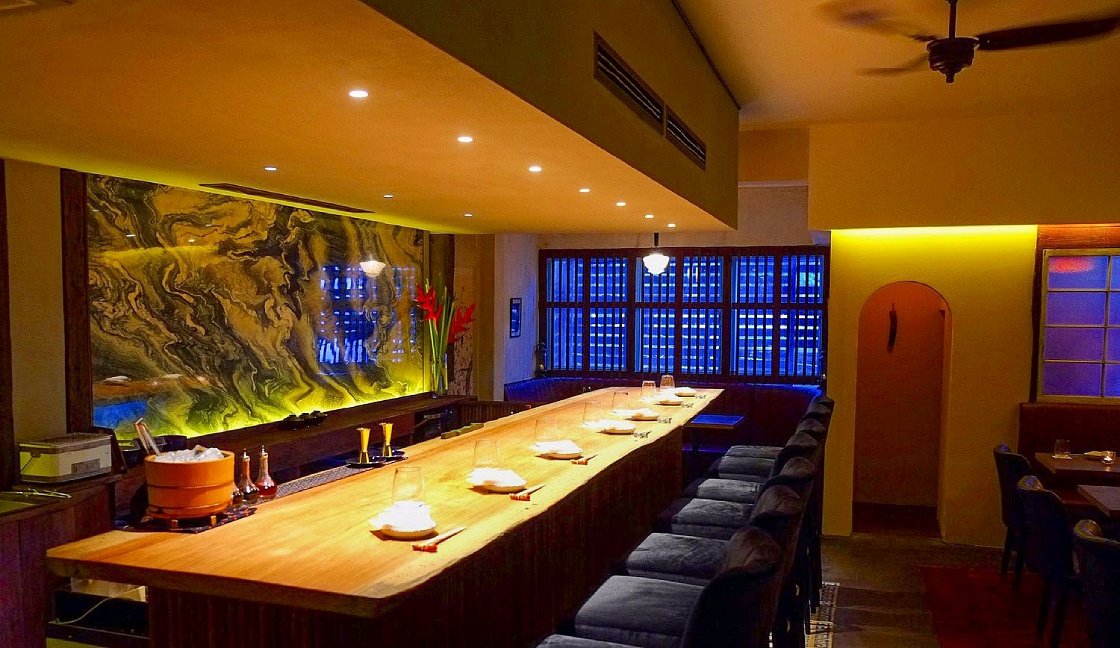
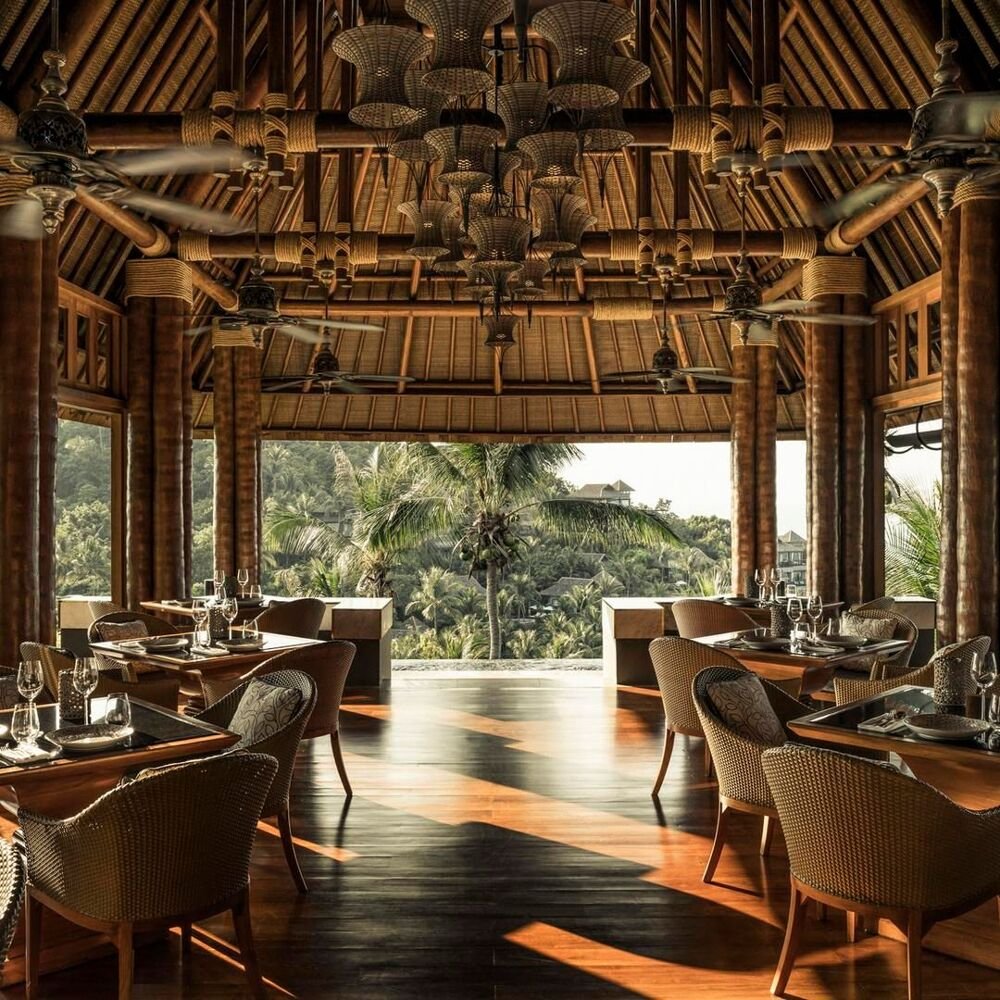
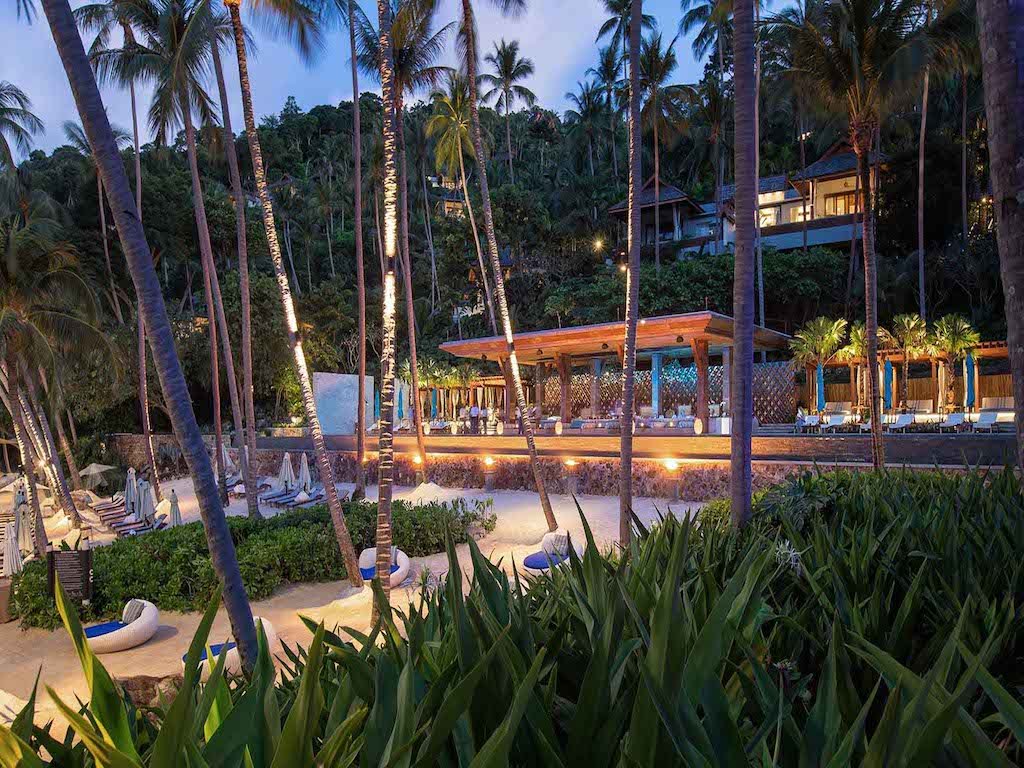
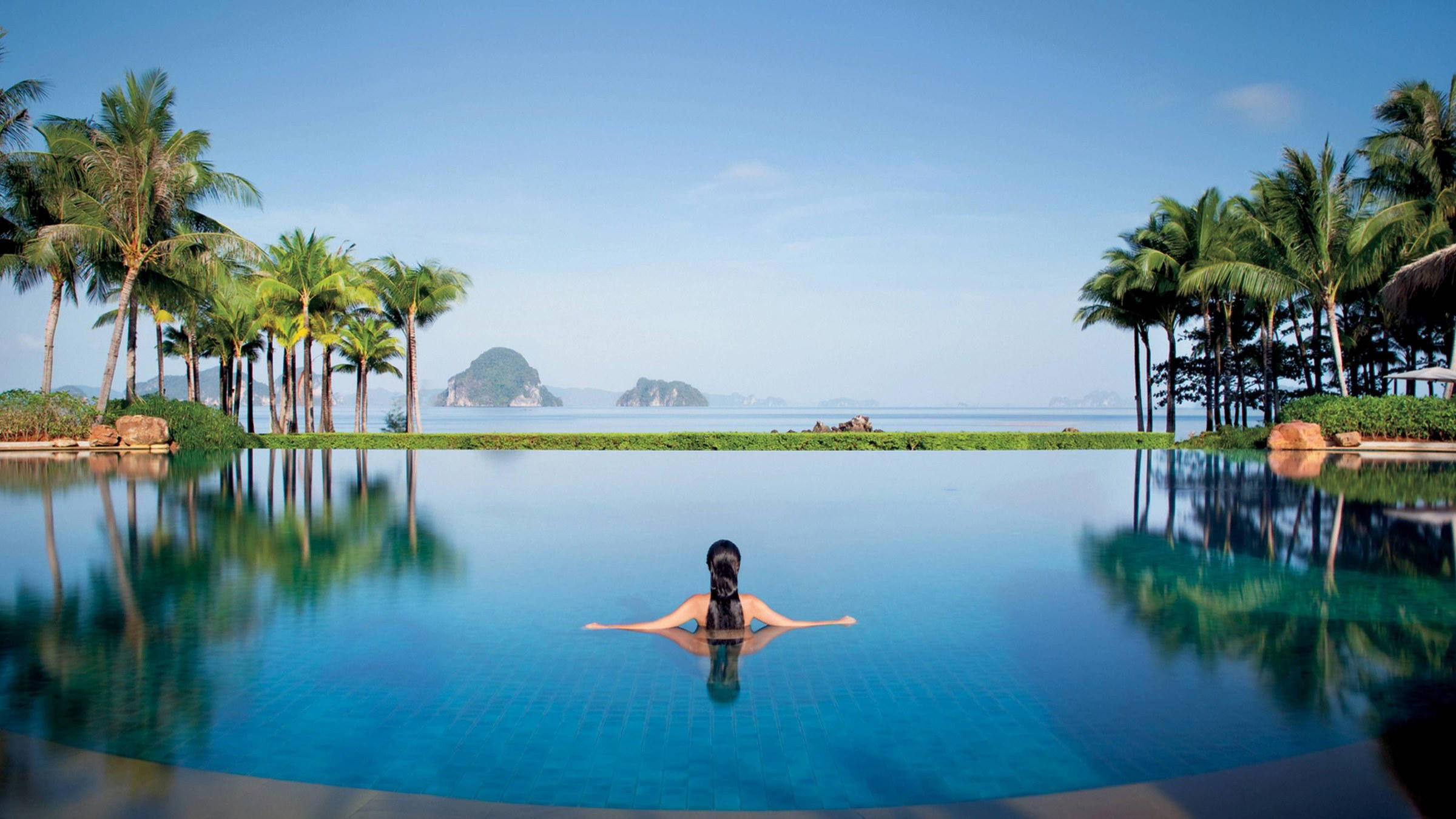
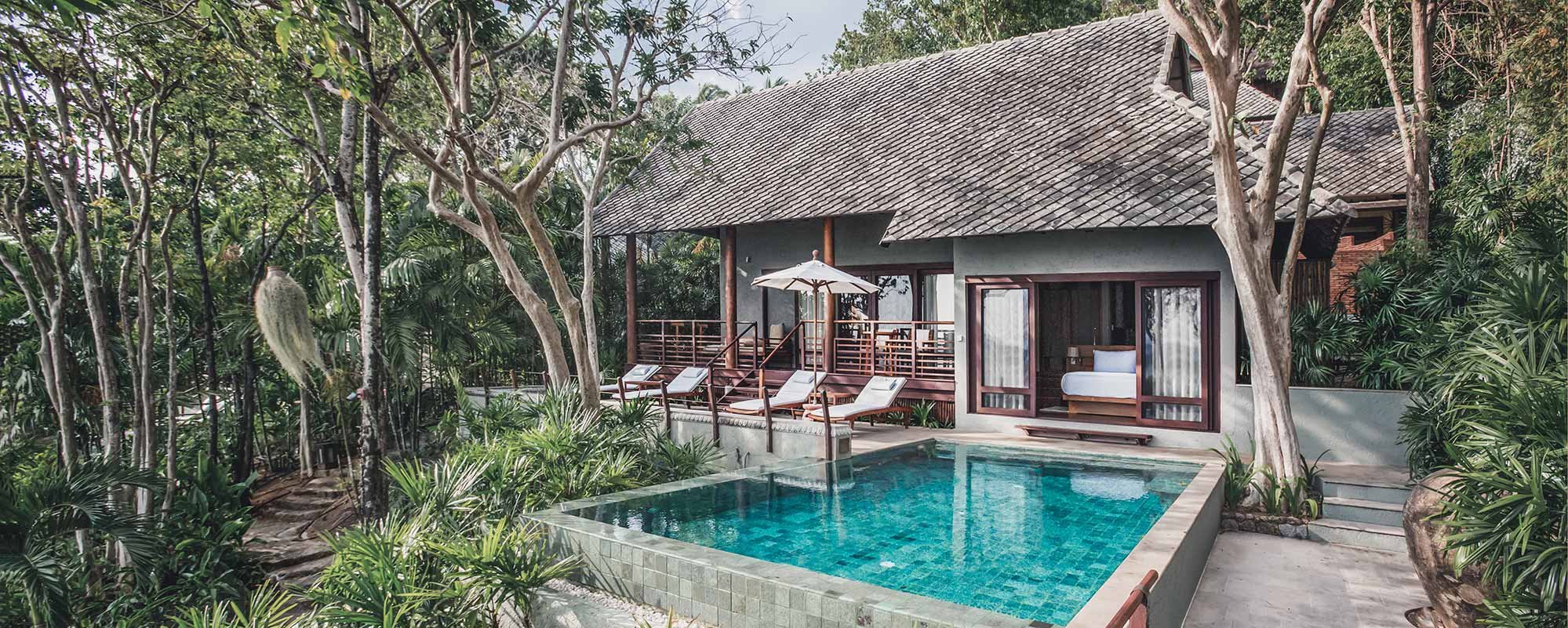
Kamalaya presents as a secluded, serene compound rather than a conventional hotel. Dense tropical vegetation and a coastal hillside setting frame low-rise buildings and quiet pathways, and the property favors contemplative spaces over high-energy public areas. The presence of a historic cave used by Buddhist monks and a program that weaves together Ayurvedic, Traditional Chinese Medicine and Buddhist practices gives the place a lived cultural seriousness—luxurious yet understated. Expect restorative architecture and natural materials that prioritize meditation, movement and clinical wellness; the overall mood is calm, intentional and removed from Chaweng-style resort bustle.
Best For
This is a destination for guests prioritizing structured wellness and quiet seclusion. Travelers who want an immersive program—detox, Ayurvedic therapies, mindfulness and clinical cross-referencing—find Kamalaya most rewarding. Couples seeking a thoughtful romantic getaway and individuals looking for solo restorative time both benefit from the retreat’s privacy and focused offerings. It is less suited to travelers seeking nightlife, large-resort amenities or a generic spa day; instead, it rewards visitors who come with the expectation of participating in a curated healing regimen and spending long, contemplative hours on the estate grounds.
Venue details
Ambiance
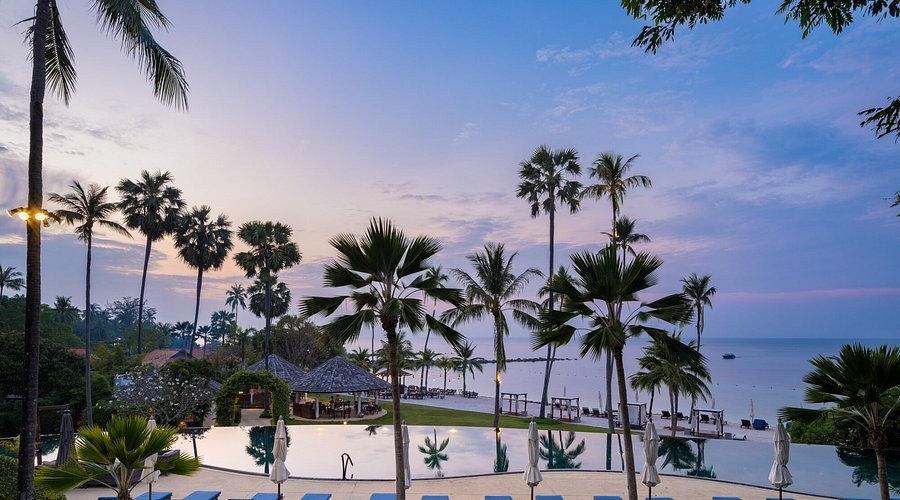
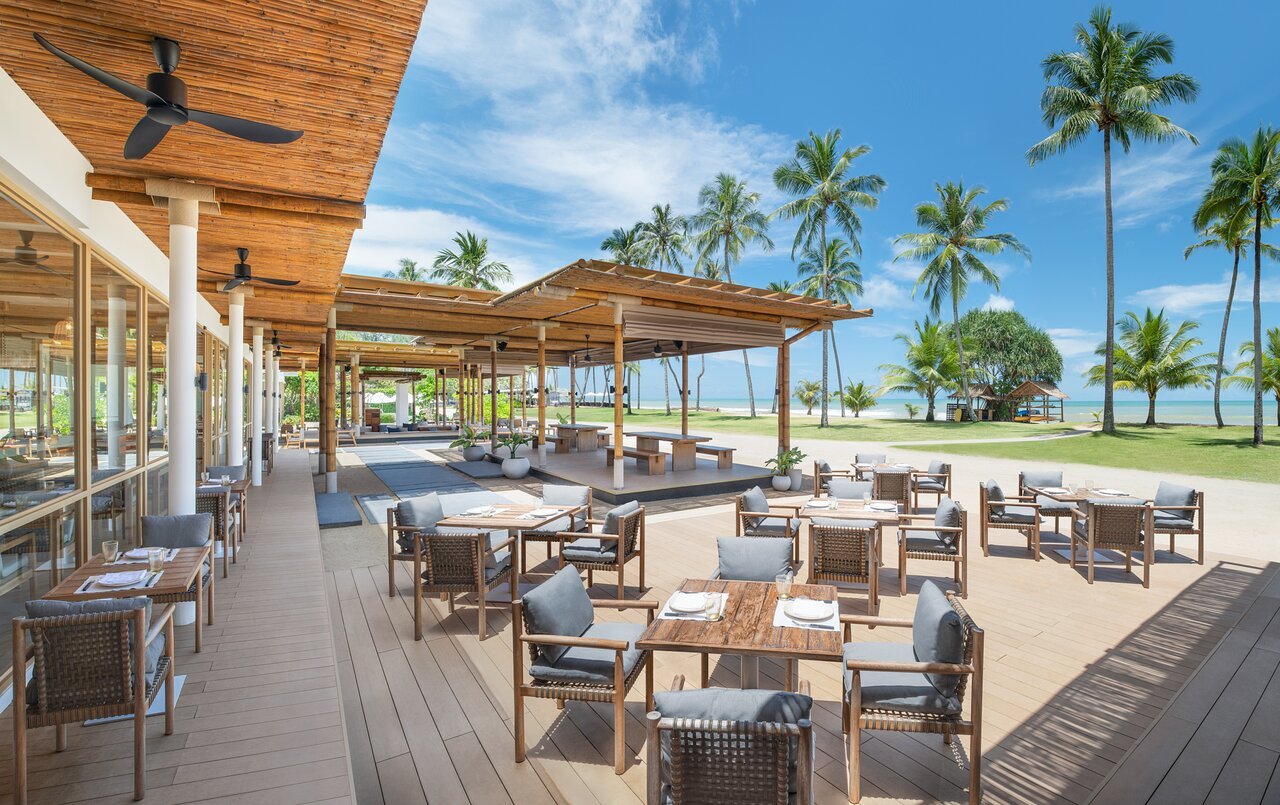
Tranquil and serene with natural integration of granite boulders, lush forests, and sea views, fostering deep rest and introspection amid soft lighting in warmly lit treatment spaces.
Tags
Vibe
Best For
Experience
Amenities
View
About the Stay
- Rooms
- 76
- Check-in
- 15:00
- Check-out
- 12:00
- Property Type
- Boutique hotel
- Property Style
- Wellness Sanctuary Harmoniously Integrated Into Natural Hillside Landscape with Preserved Boulders and Tropical Vegetation.
- Design Style
- Serene Asian Inspired Minimalist with Natural Textiles, Art Pieces, Semi Open Bathrooms, and Expansive Views.
- Airport Transfer
- Available
- Pool
- Yes
- Spa
- Yes
- Cancellation
- Strict
Know before you go
Know Before You Go
- Getting there
- Kamalaya Wellness Sanctuary Koh Samui, 102/9 Moo 3, Laem Set Rd
Planning details
Location
Recognition and awards

Also consider
Also Consider
- Kamalaya Wellness Sanctuary, Notable alternative
- Banyan Tree Samui, Notable alternative
- Conrad Koh Samui, Notable alternative
- Vana Belle, a Luxury Collection Resort, Koh Samui, Notable alternative
- Centara Reserve Samui, Notable alternative
Hotel context
Kamalaya Wellness Sanctuary is the closest like-for-like comparison because it points to the same wellness-first lane. Against Banyan Tree Samui and Conrad Koh Samui, Kamalaya Koh Samui is the better call for travelers who want the stay to revolve around recovery and quiet rather than a more conventional luxury-resort setup.
Vana Belle, a Luxury Collection Resort, Koh Samui and Centara Reserve Samui make more sense for travelers who want a livelier beach-resort feel or a broader resort base. Kamalaya is easier to justify when ambiance matters more than being near the island's busier hotel corridors.
Booking difficulty is marked easy, which makes this a lower-friction choice than a trip built around chasing scarce inventory. Value depends on the purpose of the stay: choose Kamalaya for a wellness-led Samui trip, Banyan Tree or Conrad for classic resort luxury, and Vana Belle or Centara Reserve for a more socially oriented beach stay.
Explore Koh Samui
Around this place
Discover more on Pearl
Unlock the full Kamalaya Koh Samui guide in Pearl, including awards, comparisons, FAQs, planning details, and nearby places.
Compare Kamalaya Koh Samui
| Venue | Location | Awards |
|---|---|---|
| Kamalaya Koh Samui | Koh Samui | 2026 Virtuoso Luxury Hotel Collection |
| Kamalaya Wellness Sanctuary | Koh Samui | No published awards |
| Banyan Tree Samui | Koh Samui | 2026 Virtuoso Luxury Hotel Collection2026 Michelin 2 Keys2025 Michelin 2 Keys2024 Michelin 2 Keys |
| Conrad Koh Samui | Koh Samui | 2026 Virtuoso Luxury Hotel Collection2026 Forbes 4-StarWorld Luxury Hotel Awards 20252025 Forbes 4-Star |
| Vana Belle, a Luxury Collection Resort, Koh Samui | Koh Samui | No published awards |
| Centara Reserve Samui | Surat Thani | No published awards |




How Kamalaya Koh Samui compares with similar nearby venues.
FAQ
Frequently Asked Questions
How does Kamalaya Koh Samui compare to nearby hotels?
Kamalaya Koh Samui is a Koh Samui option with a confirmed Virtuoso Luxury Hotel Partner (2026) credential. Banyan Tree Samui, Vana Belle, a Luxury Collection Resort, Koh Samui, Conrad Koh Samui, and Centara Reserve Samui are useful comparison points, but confirm current facilities, room types, and services directly with each property.
Do loyalty programs work at Kamalaya Koh Samui?
The key trust signal for Kamalaya Koh Samui is its Virtuoso Luxury Hotel Partner (2026) status. Specific loyalty-program earning or redemption details should be checked directly before booking if that matters to your trip.
Which room category is best at Kamalaya Koh Samui?
What is check-in like at Kamalaya Koh Samui?
Contact Kamalaya Koh Samui directly for current arrival details, timing, and any requirements before your stay.
When is the best time to book Kamalaya Koh Samui?
If your travel dates are fixed, it is sensible to check availability directly with Kamalaya Koh Samui or through a trusted advisor, especially given its Virtuoso Luxury Hotel Partner (2026) recognition.
How is the location of Kamalaya Koh Samui?
How is the dining at Kamalaya Koh Samui?
Compare dining directly with Kamalaya Koh Samui and with other Koh Samui options if restaurant variety is a major part of your trip.