

Hotel Weisses Roessl
Kitzbühel center, Kitzbühel
Hotel in Kitzbühel, Austria
 Book with Pearl
The Read
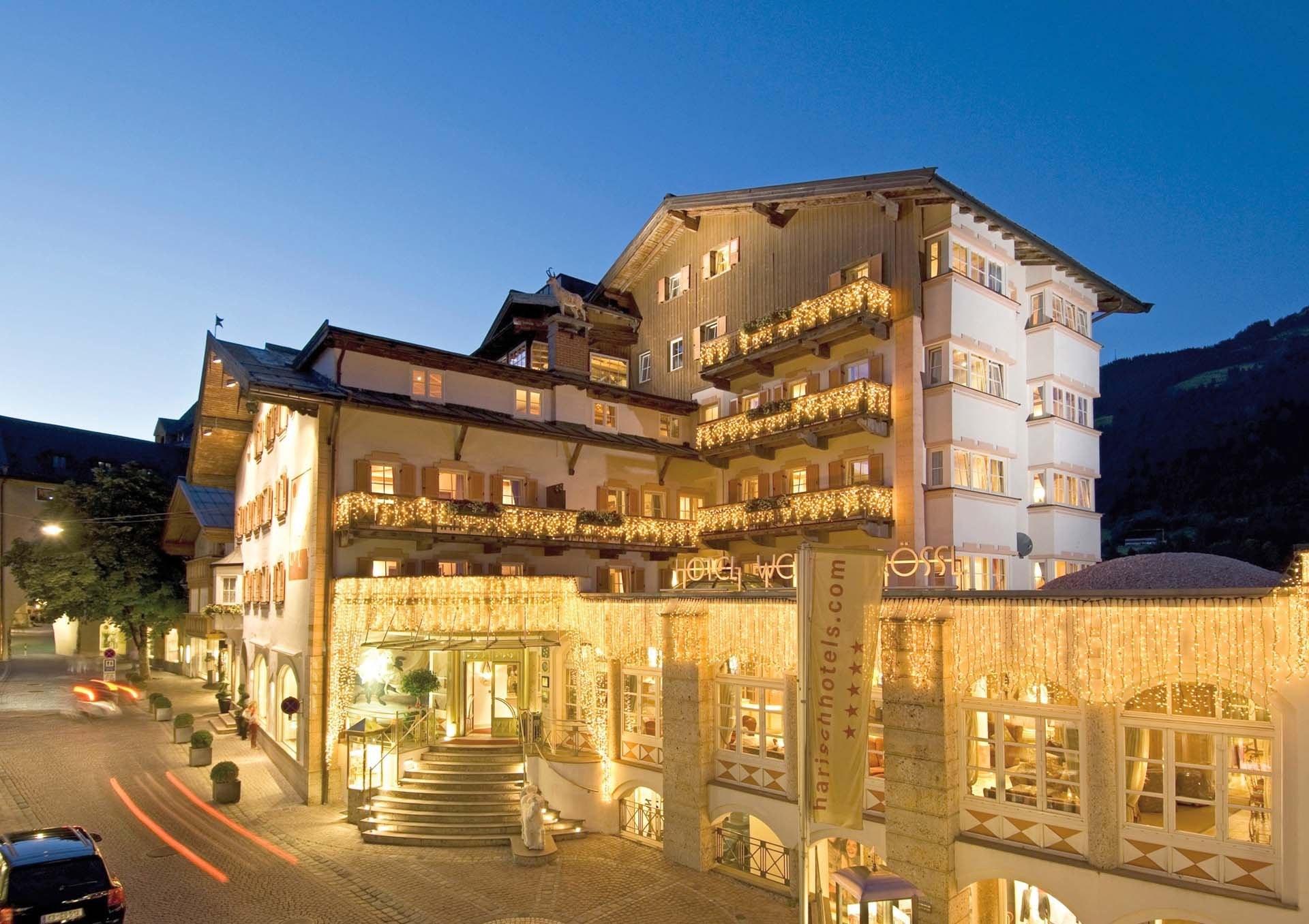
Central Tyrolean Townhouse
Why go
Hotel Weisses Roessl is a strong Kitzbühel choice for travelers who want a central, higher-confidence hotel for a family ski trip or celebration stay. The Michelin 1 Key and Leading Hotels of the World membership make it easier to justify for special occasions, while the Bichlstraße address keeps town logistics simple.
About Hotel Weisses Roessl
Hotel Weisses Roessl is a hotel in Kitzbühel with two external quality signals: Michelin 1 Key recognition in 2025 and Leading Hotels of the World membership in 2025. For travelers comparing premium stays in Kitzbühel, those are the clearest reasons to keep it on the shortlist.
Beyond those recognition points, specific details such as room categories, dining format, pricing, amenities, and operating services should be confirmed directly with the hotel before booking. The dress code is smart casual.
Book this for a higher-confidence Kitzbühel stay
The case for considering Hotel Weisses Roessl is direct: it is a Kitzbühel hotel with Michelin 1 Key recognition and Leading Hotels of the World membership. Those credentials can be useful when choosing a stay for an important trip and when comparing it with other hotels in the area.
While Hotel Weisses Roessl is a strong candidate, confirm the practical details that matter for your trip directly with the property.
If your dates are fixed, compare Hotel Weisses Roessl with Hotel Tennerhof, A-ROSA Kitzbühel, and Hotel Kitzhof Mountain Design Resort before committing, then choose based on current availability and the details from each hotel.
Where it fits against the Kitzbühel alternatives
Hotel Weisses Roessl fits best as a credentialed Kitzbühel hotel option for travelers who value recognition. Q! Hotel Maria Theresia, Schwarzer Adler, A-ROSA Kitzbühel, Hotel Kitzhof Mountain Design Resort, and Hotel Tennerhof are natural names to compare when building a Kitzbühel hotel shortlist.
The verdict: keep Hotel Weisses Roessl on the shortlist if you want a Kitzbühel stay with Michelin 1 Key recognition and Leading Hotels of the World membership. For final selection, compare it with A-ROSA Kitzbühel, Hotel Tennerhof, and other Kitzbühel hotel options using the latest details from each property.
Planning details
- Location
- Bichlstraße 5, 6370 Kitzbühel
- Website
- roesslkitz.at
- Phone
- +43 5356 71900
The take
The Take
The Vibe
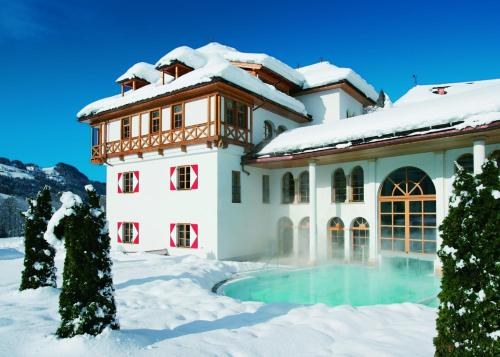
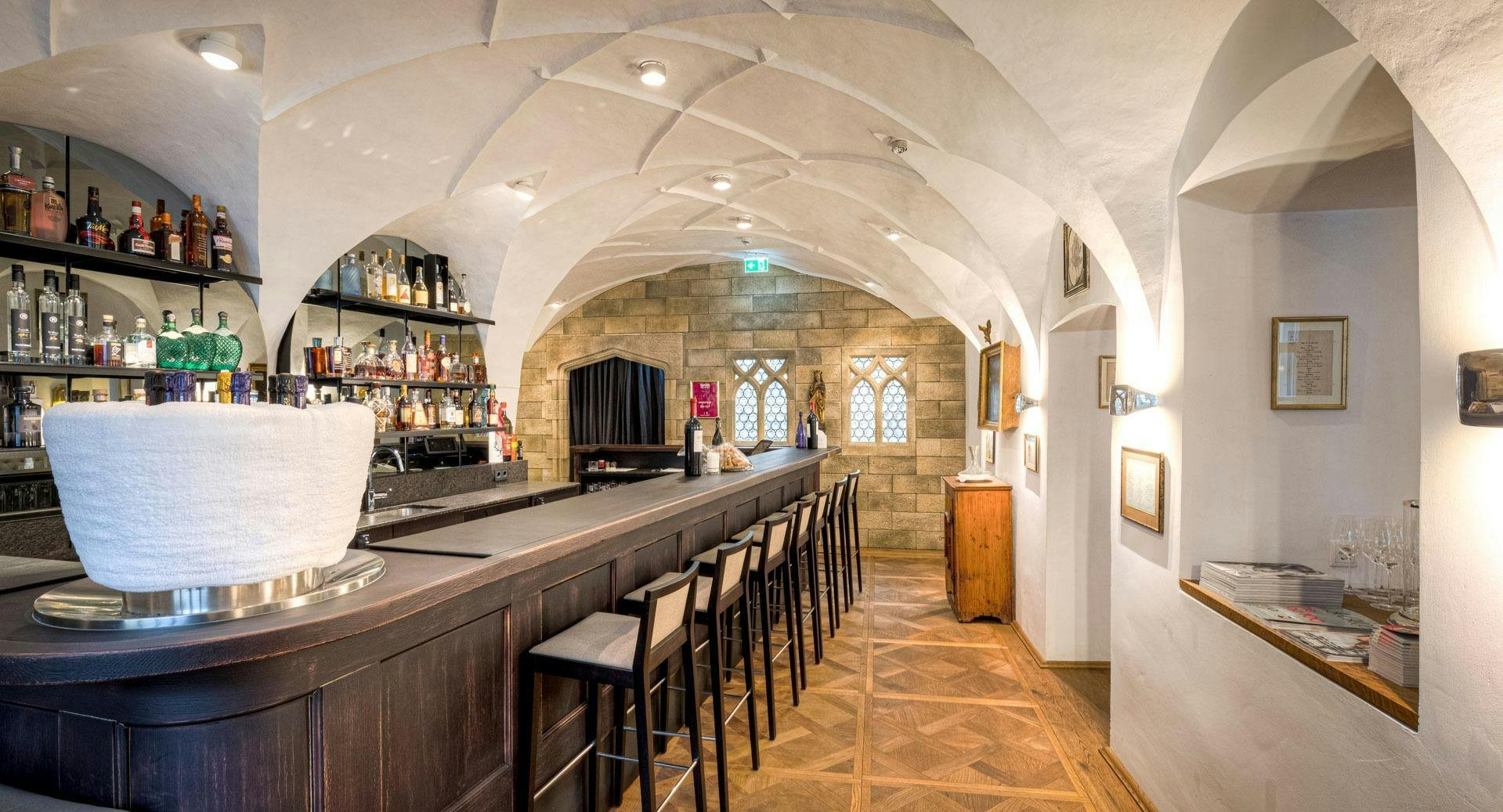
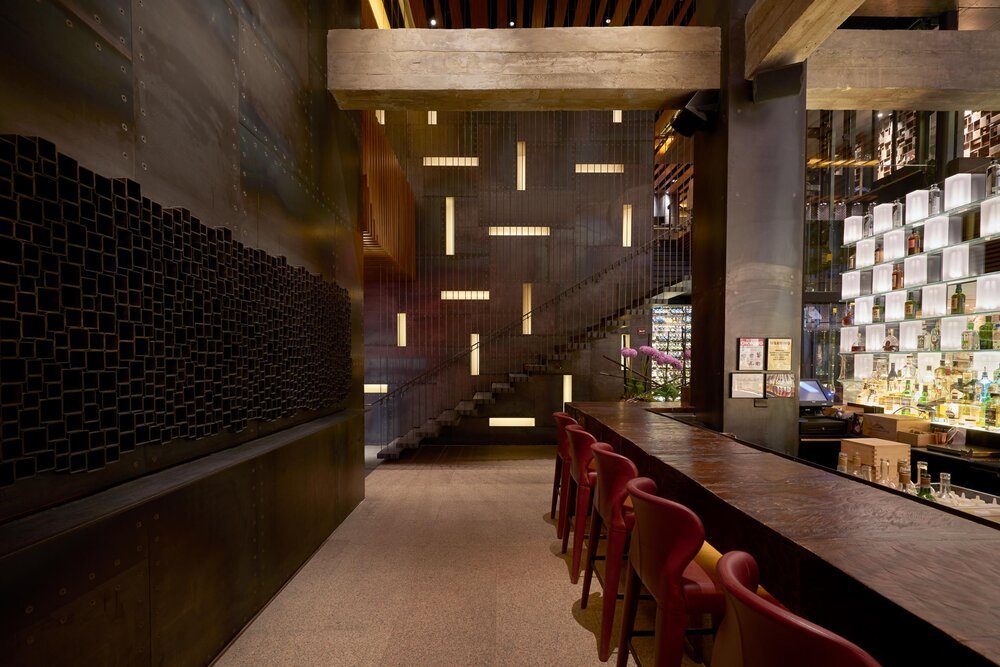
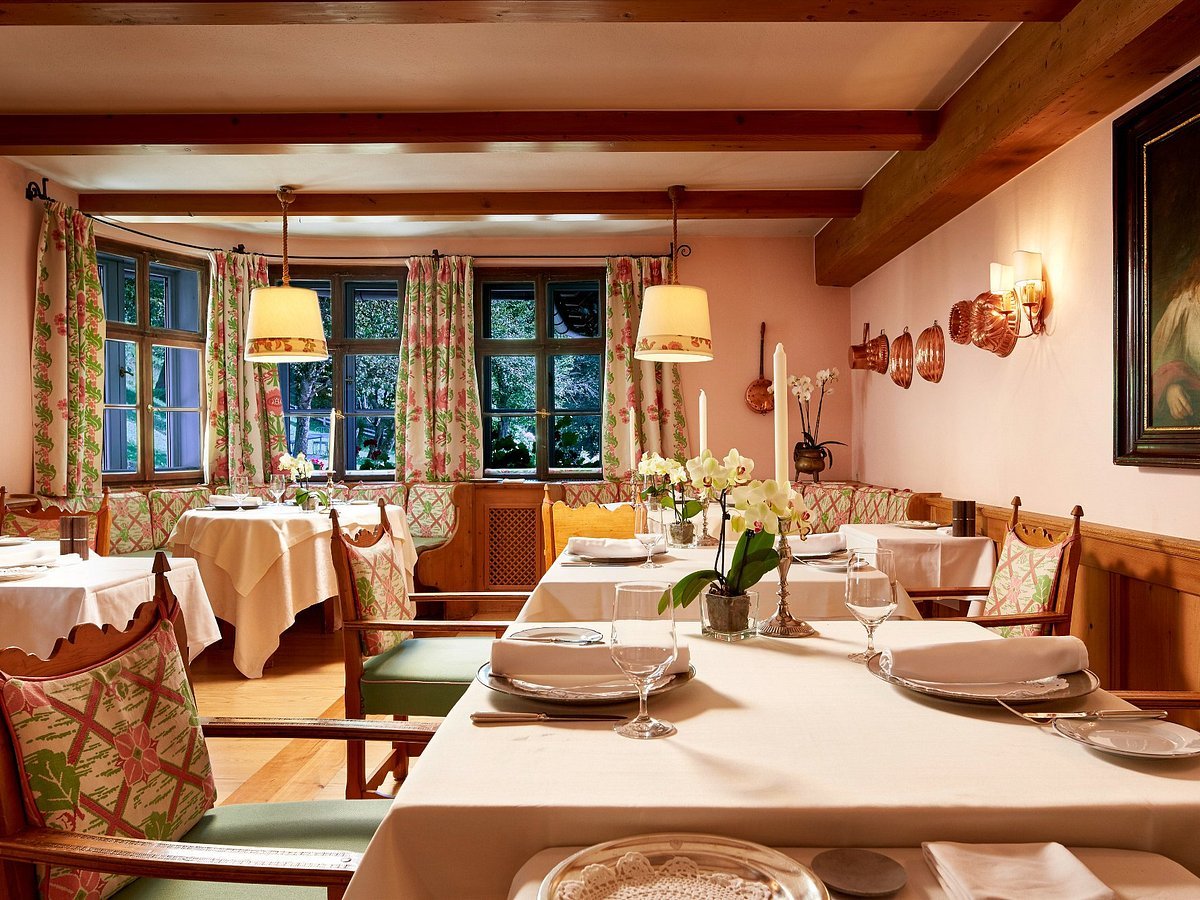
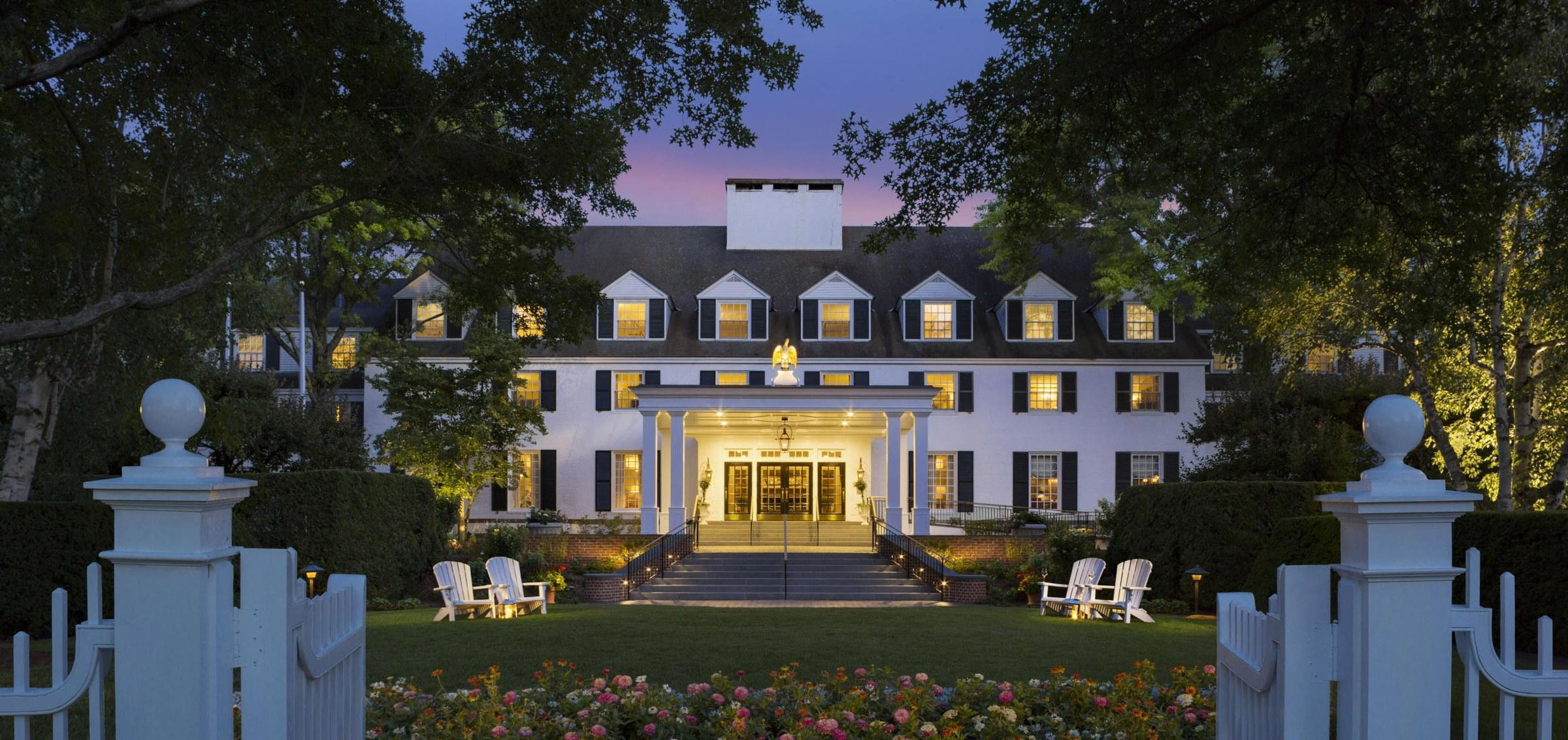
Hotel Weisses Roessl presents a quietly assured alpine character rooted in genuine historic fabric. Housed in a 17th‑century building in Kitzbühel’s medieval core, the property leans on its old‑town address and long provenance rather than on flashy, design‑forward gestures. Recent updates are referenced alongside its membership in Leading Hotels of the World, which signals contemporary standards of comfort and service layered onto historic rooms and public spaces. The result is a charming, heritage‑forward hotel that feels like part of the town itself—equally at ease with market mornings, pedestrian‑zone bustle, and the routines of a destination ski town.
Best For
This hotel suits travelers who prize being at the center of Kitzbühel’s life rather than on the resort fringe. It is especially convenient for guests arriving without a car or anyone who wants to walk to the pedestrian zone, weekly market, nearby restaurants and the main gondola ticket offices. Luxury travelers who want historic character with contemporary standards of service—underscored by the Leading Hotels membership—will find the location particularly compelling. In short, it’s a practical, polished base for people who plan to explore the town on foot and use Kitzbühel itself as the primary draw.
Venue details
Ambiance
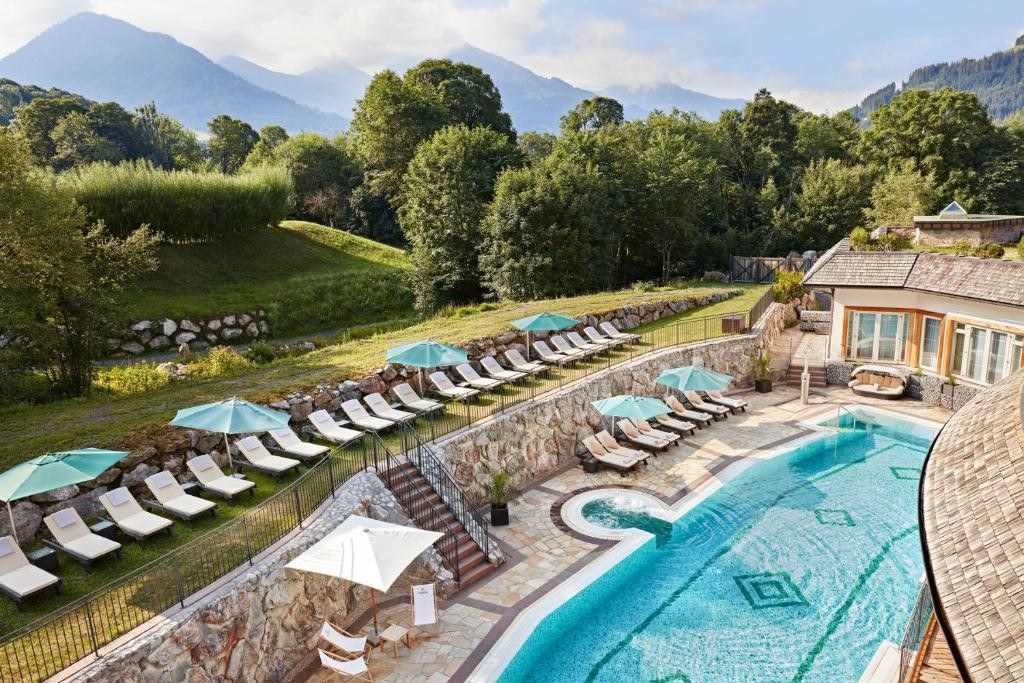
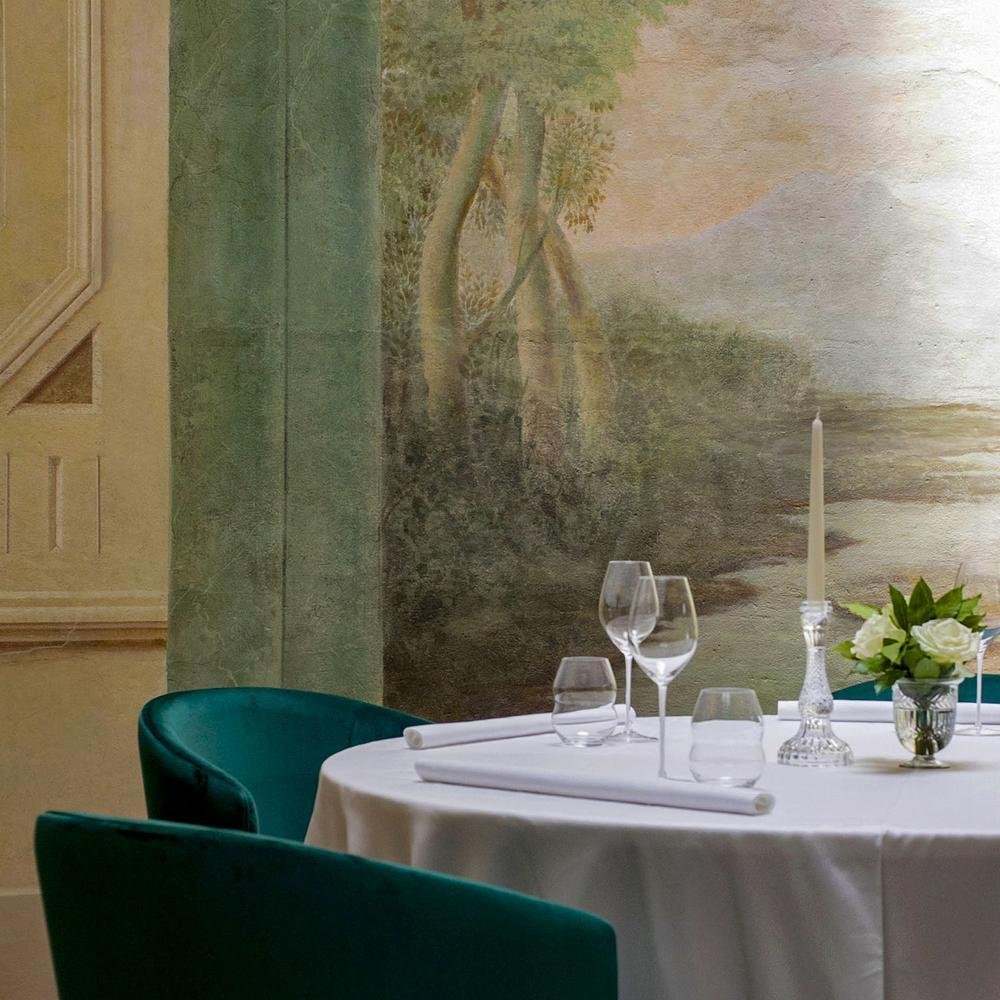
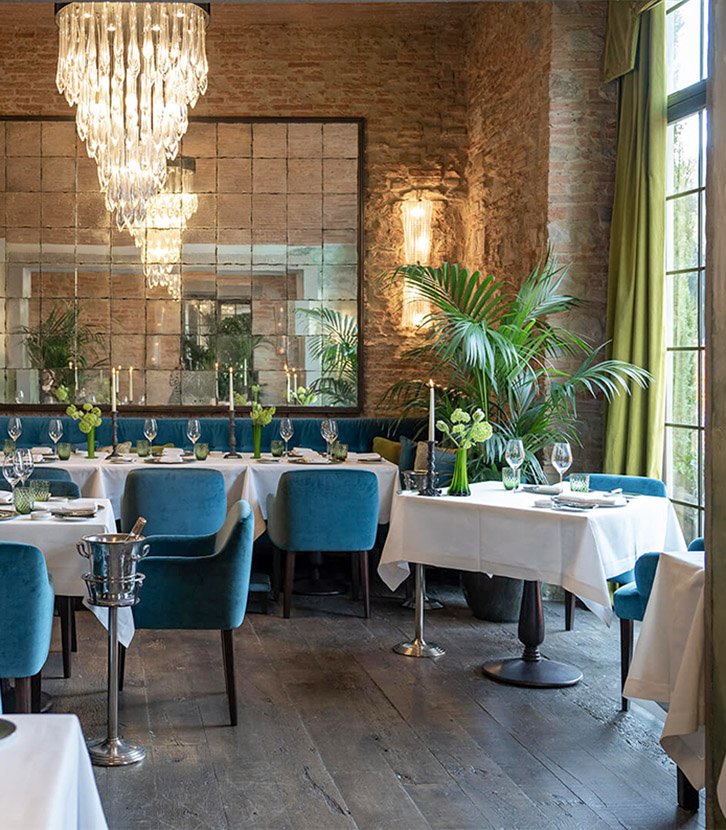
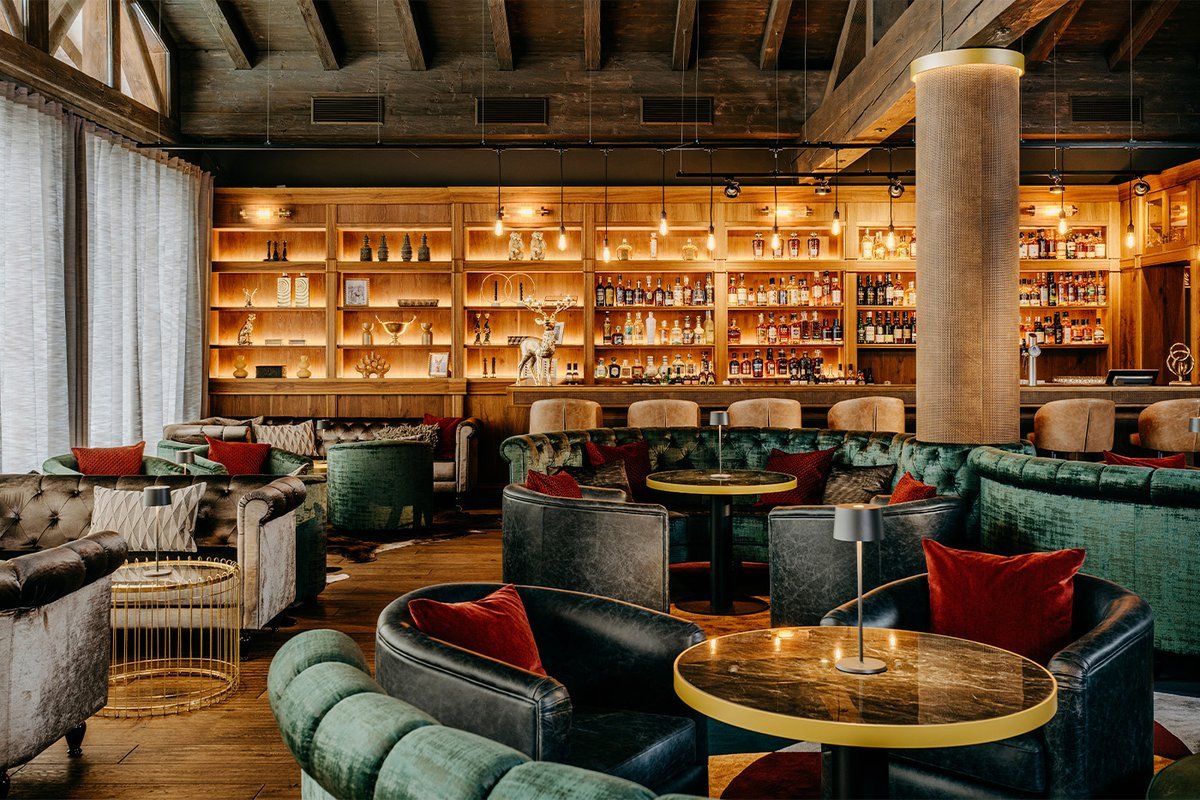
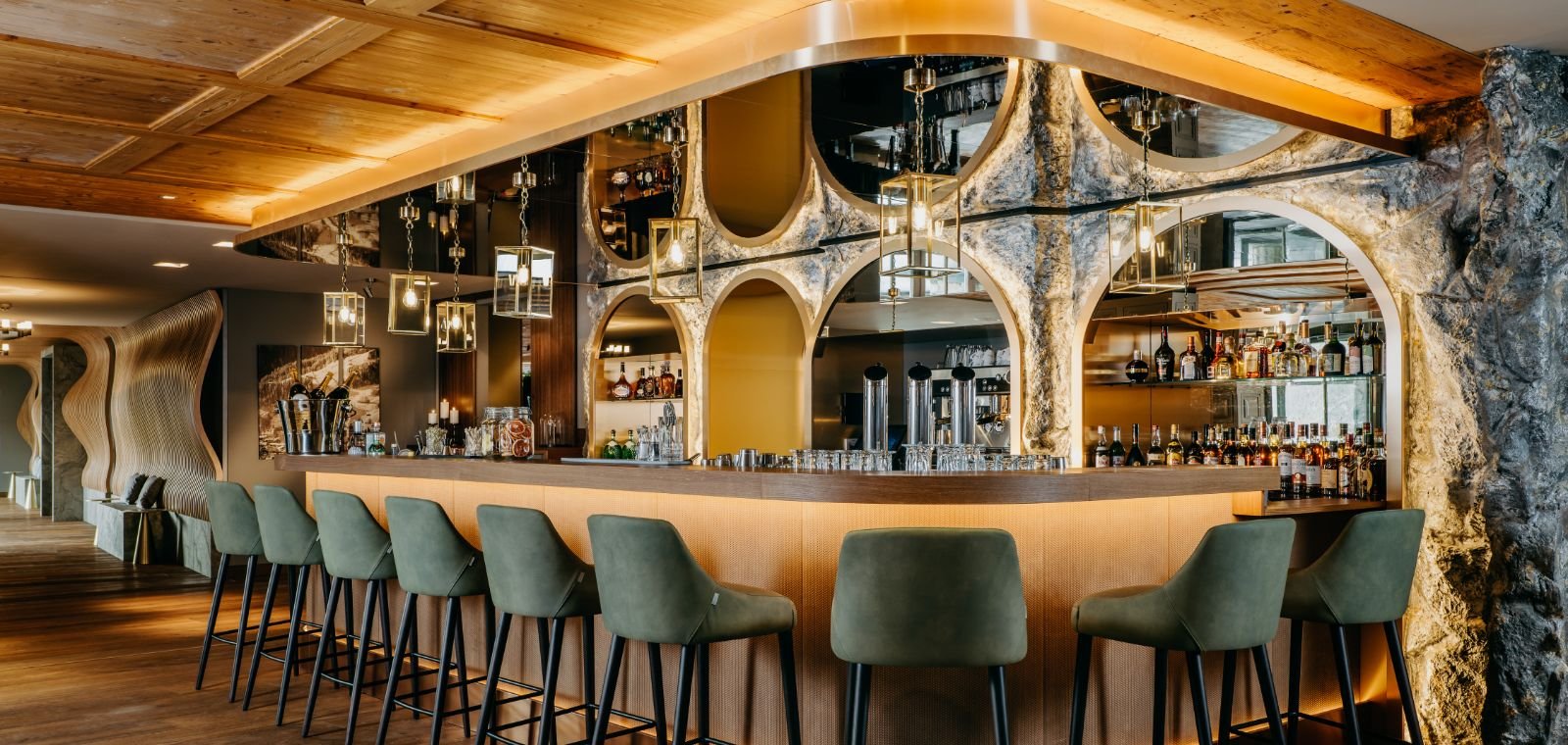
Elegant atmosphere with soft lighting, tasteful alpine decor, and a serene spa ambiance praised for comfort and relaxation.
Tags
Vibe
Best For
Experience
Amenities
View
Accessibility
About the Stay
- Rooms
- 45
- Check-in
- 15:00
- Check-out
- 11:00
- Property Style
- Modern Lifestyle Hotel in Historic Structure
- Design Style
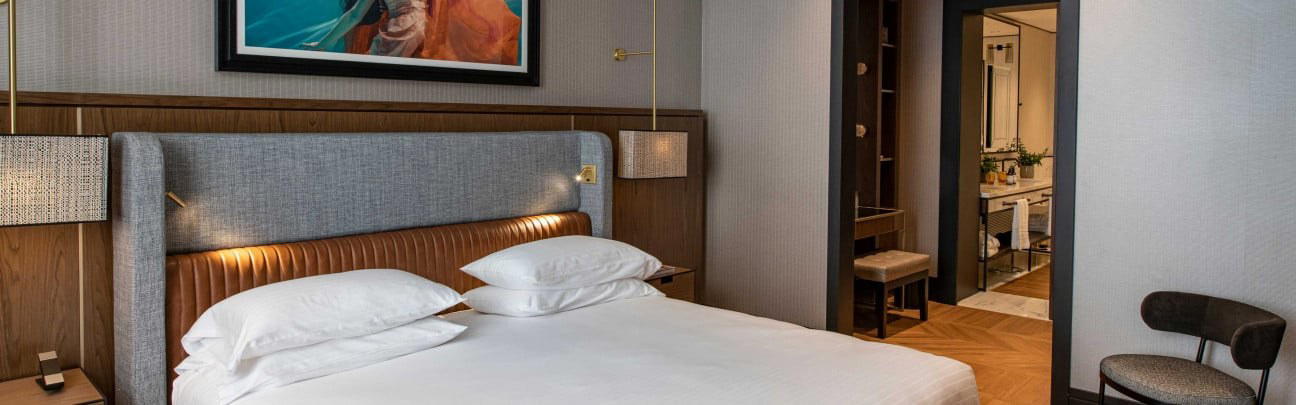
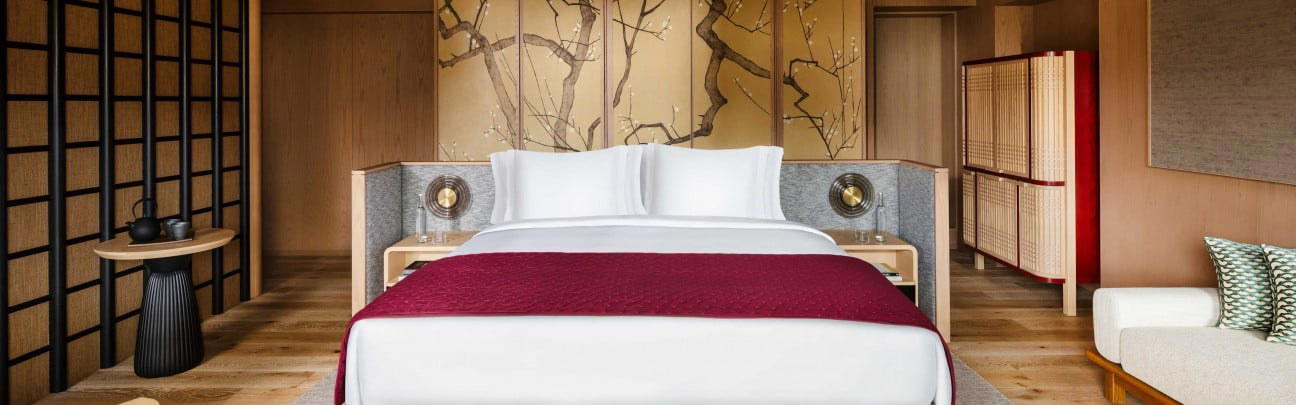
- Contemporary Classic with Tyrolean Elements
Know before you go
Know Before You Go
- Getting there
- Bichlstraße 5, 6370 Kitzbühel
Planning details
Location
Recognition and awards

Also consider
Where to look if this is full
If Hotel Weisses Roessl is unavailable, check Hotel Tennerhof for a quieter luxury stay or A-ROSA Kitzbühel for a broader resort setup. For a town-based backup, compare Q! Hotel Maria Theresia and Schwarzer Adler.
Hotel context
How Hotel Weisses Roessl compares in Kitzbühel
Hotel Weisses Roessl is the pick when the decision is about confidence: it has a Michelin 1 Key and Leading Hotels of the World membership, which gives it a clearer luxury signal than Q! Hotel Maria Theresia or Schwarzer Adler. Those two are better cross-shops if the goal is a town-based stay and availability is the deciding factor.
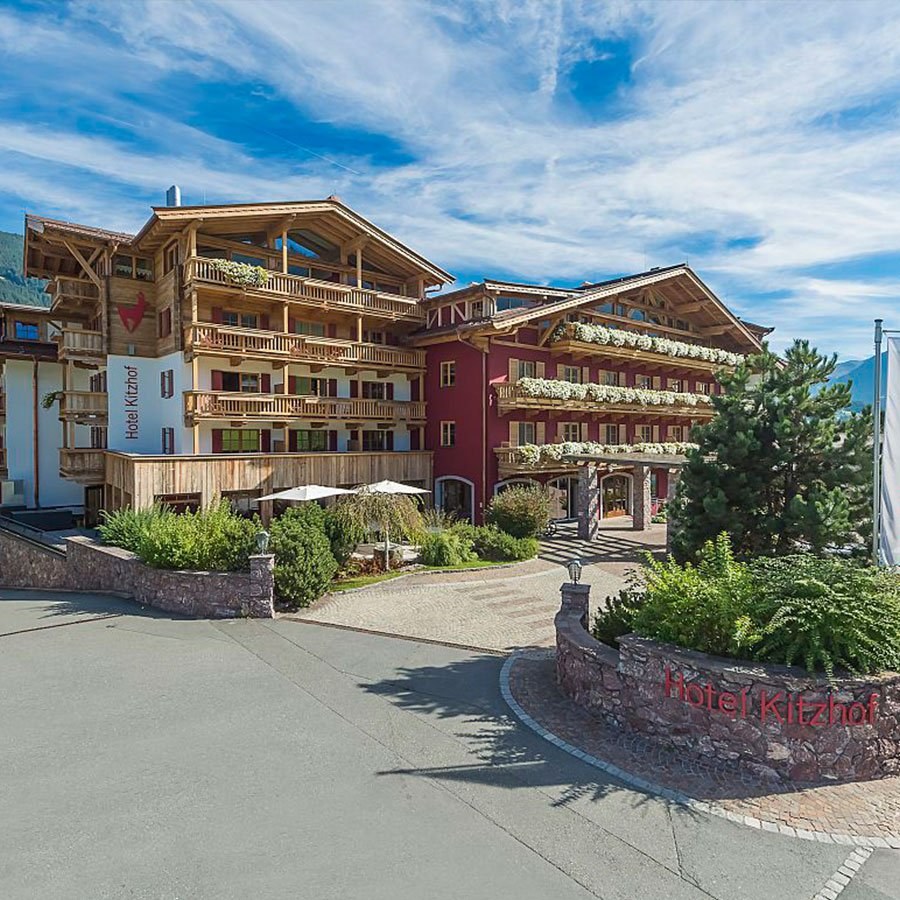
For a resort-style Kitzbühel trip, compare it with A-ROSA Kitzbühel and Hotel Kitzhof Mountain Design Resort. A-ROSA is the safer direction for guests who want a larger resort atmosphere; Kitzhof is the more design-led comparison. Hotel Weisses Roessl makes more sense when being in town matters.
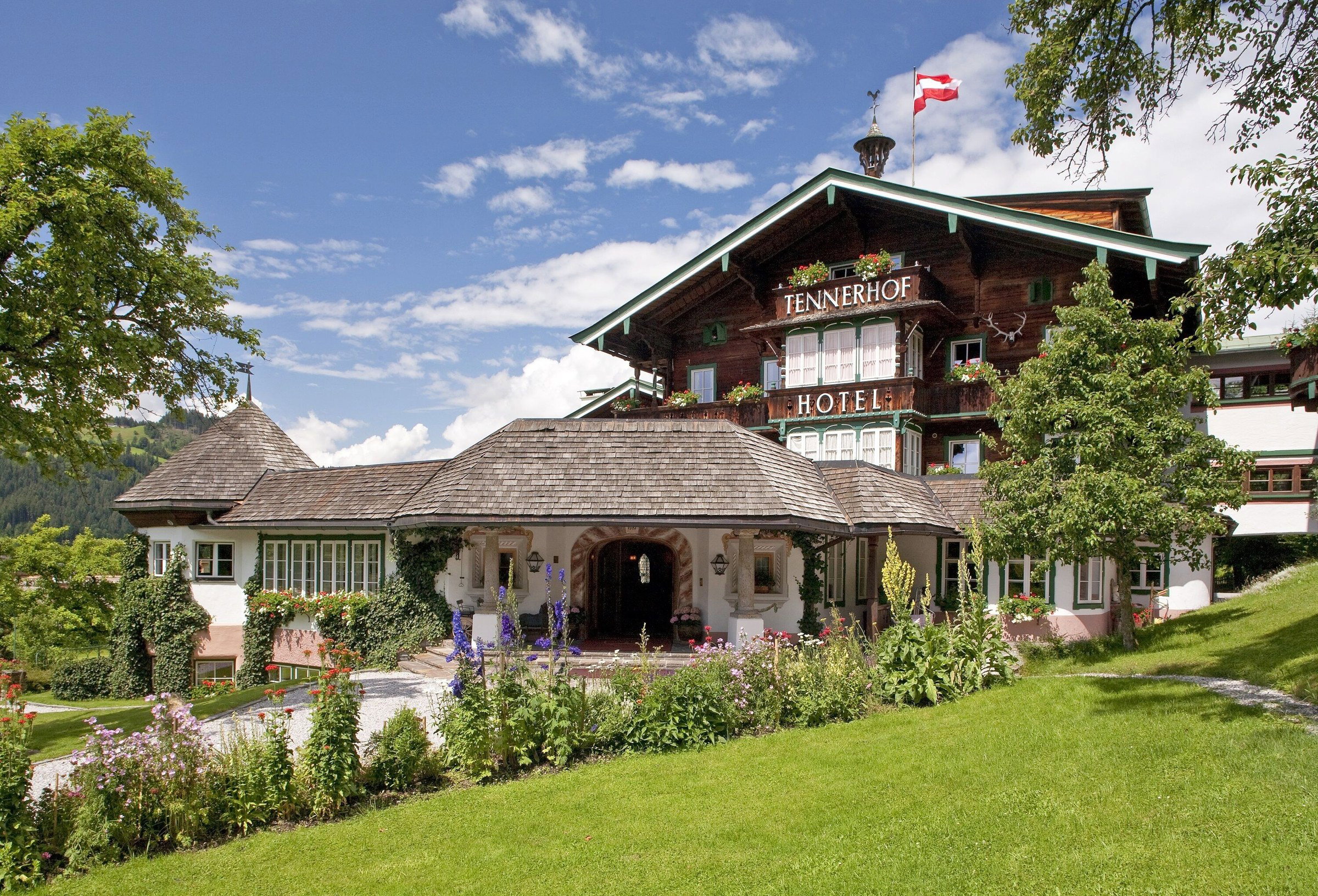
Hotel Tennerhof is the cross-shop for a quieter, more retreat-like stay. Choose Hotel Weisses Roessl for central convenience and recognized luxury credentials; choose Tennerhof when the trip calls for more separation from the center.
Explore Kitzbühel
Around this place
Discover more on Pearl
Unlock the full Hotel Weisses Roessl guide in Pearl, including awards, comparisons, FAQs, planning details, and nearby places.
Compare Hotel Weisses Roessl
| Venue | Location | Awards |
|---|---|---|
| Hotel Weisses Roessl | Kitzbühel | Leading Hotels of the World 20262026 Michelin 1 Key2025 Michelin 1 KeyMichelin 1 Key 2025 |
| Q! Hotel Maria Theresia | Kitzbühel | No published awards |
| Schwarzer Adler | Kitzbühel | 2026 Michelin 1 Key2025 Michelin 1 Key |
| Hotel Kitzhof Mountain Design Resort | Kitzbühel | 2026 Michelin 1 Key2025 Michelin 1 KeyPreferred Hotels L.V.X. Collection 2025 |
| A-ROSA Kitzbühel | Kitzbühel | No published awards |
| Hotel Tennerhof | Kitzbühel | 2026 Virtuoso Luxury Hotel Collection2026 Relais Chateaux Hotels2025 Michelin Selected Hotels2025 Relais Chateaux Award |





How Hotel Weisses Roessl Kitzbühel compares with similar nearby venues.
FAQ
Frequently Asked Questions
Is Hotel Weisses Roessl family-friendly?
Hotel Weisses Roessl is a Kitzbühel hotel with Michelin 1 Key recognition and Leading Hotels of the World membership; confirm child, family, and multigenerational travel details directly with the hotel.
What is check-in like at Hotel Weisses Roessl?
Which room category is best at Hotel Weisses Roessl?
Choose only after checking the hotel's current room descriptions, availability, and cancellation terms through official channels.
How is the location of Hotel Weisses Roessl?
Hotel Weisses Roessl is in Kitzbühel. More specific location details should be confirmed directly with the hotel or through its official booking channels.
How is the dining at Hotel Weisses Roessl?
How does Hotel Weisses Roessl compare to nearby hotels?
Pick Hotel Weisses Roessl if Michelin 1 Key recognition and Leading Hotels of the World membership are important to your Kitzbühel hotel search. Also compare Q! Hotel Maria Theresia, Schwarzer Adler, A-ROSA Kitzbühel, Hotel Kitzhof Mountain Design Resort, and Hotel Tennerhof using the latest details from each property.