
Fufu Karuizawa Wind in the Sunshine
Nagakura, Karuizawamachi, Kitasaku Gun
Hotel in Karuizawamachi, Kitasaku Gun, Japan
 Book with Pearl
Why go
Fufu Karuizawa Wind in the Sunshine is a plan-ahead Karuizawa hotel for travelers who want the room and setting to carry the stay, not just serve as a base. Its MICHELIN Guide Hotels 1 Key recognition in 2025 gives it a clear quality signal, but the value case is strongest on calmer dates and two-night stays.
About Fufu Karuizawa Wind in the Sunshine
Fufu Karuizawa Wind in the Sunshine is a venue in Karuizawamachi, Kitasaku Gun. Plan with the basics in mind rather than assuming specific room types, dining formats, services, prices, or on-property amenities.
The venue has MICHELIN Guide Hotels 1 Key recognition for 2025. Its dress code is smart casual. For broader trip planning, compare it with other dining in Karuizawamachi, Kitasaku Gun generically, confirm current details directly before locking dates.
Book with the confirmed basics in mind
The strongest planning hook is the 2025 MICHELIN Guide Hotels 1 Key recognition. For service style, room configuration, dining, pricing, hours, or special facilities, check official channels before booking.
Use the venue name and Karuizawamachi, Kitasaku Gun location as your starting point, then check official channels for the latest availability and practical information. Do not assume a particular meal format, beverage program, package, transfer arrangement, or family setup unless the property confirms it for your dates.
The practical fit: verify your stay requirements first
The safest approach is to match the booking to your own requirements after confirming them with the venue. Ask directly about room arrangements, dining availability, accessibility needs, any date-specific policies before committing.
Dining should not be treated as the sole reason to book unless the venue confirms the current format and availability for the dates in question. Judge the stay on its recognition, location, current information from the venue.
Quick reference: Fufu Karuizawa Wind in the Sunshine is in Karuizawamachi, Kitasaku Gun, has MICHELIN Guide Hotels 1 Key recognition for 2025, lists a smart casual dress code.
Planning details
- Location
- 568-1 Nagakura, Karuizawamachi, Kitasaku-gun, Japan
The take
The Take
The Vibe
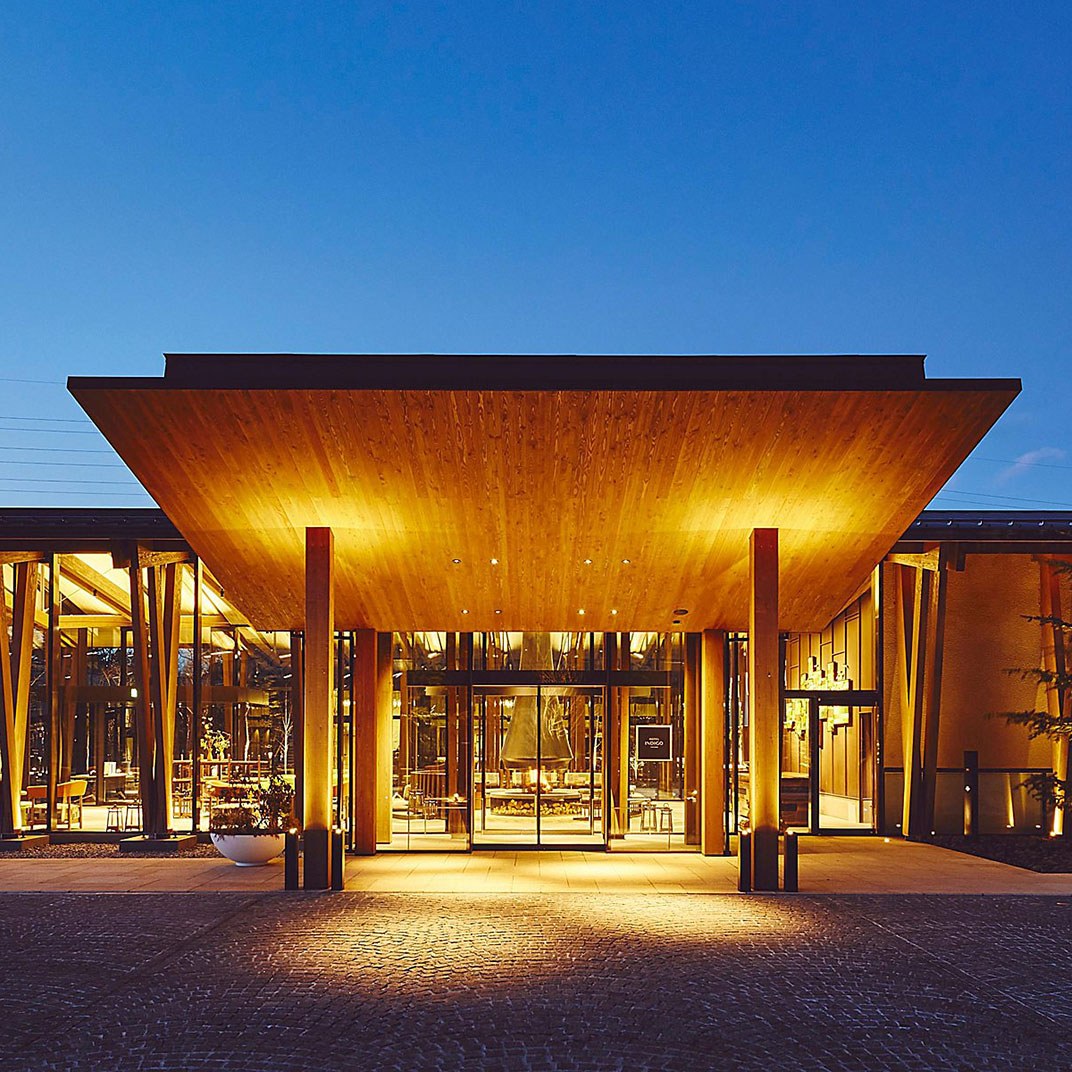
Fufu Karuizawa Wind in the Sunshine reads as a quietly authoritative forest retreat: architecture and landscape do the work. The hotel subscribes to Karuizawa’s long tradition of understated hospitality, deliberately calibrating light, material and scale so the surrounding woods become the main attraction. Interiors and rooms are modest in number and restrained in expression—described in the text as having 'limited keys' and tatami rooms that frame forest views—so the property feels more like a small, considered residence than a bustling resort. Its 2025 Michelin Key distinction underscores that the building’s design and atmosphere are a primary reason to stay.
Best For
This is a place for slow, restorative stays: travelers who want to step away from a packed itinerary and instead measure time by light, weather and quiet. The hotel’s highland location and proximity to Tokyo by rail make it especially suited to weekend escapes or short restorative breaks. Its small scale and deliberately understated presentation also align with romantic getaways and wellness-focused retreats, where privacy, calm and a close relationship with the forest are the priorities. Guests come to linger in rooms that open to trees, to appreciate architecture, and to trade spectacle for a slower rhythm.
Venue details
Ambiance
Bright, natural palette of white, copper, and tan with jewel tones, abundant living plants creating a warm, organic, and restorative atmosphere.
Tags
Vibe
Best For
Experience
Amenities
View
About the Stay
- Rooms
- 24
- Check-in
- 15:00
- Check-out
- 11:00
- Property Style
- Modern Ryokan Style Natural Resort
- Design Style
- Crisp Modernist with Warm Organic Elements and Lush Indoor Greenery
Planning details
Location
568-1 Nagakura, Karuizawamachi, Kitasaku-gun, Japan
Recognition and awards
Explore Karuizawamachi, Kitasaku Gun
Around this place
Discover more on Pearl
Unlock the full Fufu Karuizawa Wind in the Sunshine guide in Pearl, including awards, comparisons, FAQs, planning details, and nearby places.
FAQ
Frequently Asked Questions
What is check-in like at Fufu Karuizawa Wind in the Sunshine?
When is the best time to book Fufu Karuizawa Wind in the Sunshine?
If your dates are fixed, contact the venue or booking channel directly to confirm availability, rates, cancellation terms. The venue has MICHELIN Guide Hotels 1 Key recognition for 2025.
Is Fufu Karuizawa Wind in the Sunshine family-friendly?
How does Fufu Karuizawa Wind in the Sunshine compare to other options?
A clear point of distinction is its MICHELIN Guide Hotels 1 Key recognition for 2025. Other detailed comparisons, such as service style, amenities, dining format, or price level, should be checked directly against current information from the venue and other relevant options.
How is the dining at Fufu Karuizawa Wind in the Sunshine?
Ask the venue for current information on meal format, menu, beverage program, or dietary accommodation before relying on dining plans. The listed dress code is smart casual.
Do loyalty programs work at Fufu Karuizawa Wind in the Sunshine?
Confirm any member benefits, points, upgrades, or direct-booking advantages with the venue or booking channel before relying on them.