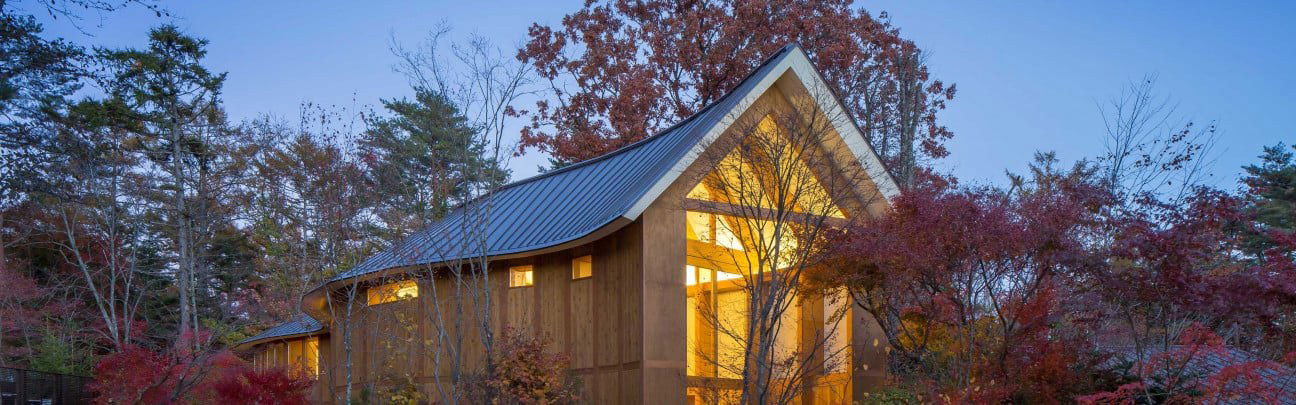



SHISHI-IWA-HOUSE Karuizawa
Karuizawa
Hotel in Karuizawa, Japan
 Book with Pearl
The Read
Pritzker-Pedigree Forest Retreat
Why go
Choose SHISHI-IWA-HOUSE Karuizawa if the priority is a quiet, design-led hotel rather than a large resort setup. Its strongest case is for couples or repeat Karuizawa visitors who will value the room and setting; families, loyalty-driven travellers, and business guests may be better served by larger nearby hotels.
About SHISHI-IWA-HOUSE Karuizawa
SHISHI-IWA-HOUSE Karuizawa is a hotel option in Karuizawa, with Michelin 1 Key recognition in 2025, a Tatler 2025 listing in Best Hotels Asia-Pacific, and the Mr & Mrs Smith Seal of Approval for 2026. Taken together, those signals make it a notable stay to consider.
Those accolades are useful as shorthand, but they should not replace a close look at what kind of stay is actually needed. Travellers deciding between local stays may also look at Hoshinoya Karuizawa, depending on what kind of hotel experience they want.
Upgrade only if the room is the point of the trip
The upgrade decision should stay practical rather than aspirational. Pay more only if the room itself is central to the trip; otherwise, choose the category that fits the budget and use the rest of the trip to enjoy Karuizawa. In a destination where the setting can matter as much as the room, that restraint can be the smarter luxury choice.
For travellers comparing within town, Fufu Kyu-Karuizawa Restful Forest and Fufu Karuizawa Wind in the Sunshine are also worth reviewing. SHISHI-IWA-HOUSE Karuizawa should be judged on its accolades and whether its Karuizawa setting suits the trip, rather than on assumptions about categories or inclusions.
Who should skip it
Travellers who need specific facilities, loyalty benefits, business amenities, family services, dining formats, or wellness features should confirm those details directly before booking. This is especially important for guests whose plans depend on particular services rather than a general hotel standard. For a broader scan, use the full Karuizawa hotels guide, then compare the stay with other Karuizawa options before committing.
Planning details
- Location
- 2147-768 Nagakura, Karuizawa, Kitasaku District, Nagano 389-0111
- Website
- shishiiwahouse.jp
- Phone
- +81 267-31-6658
The take
The Take
The Vibe
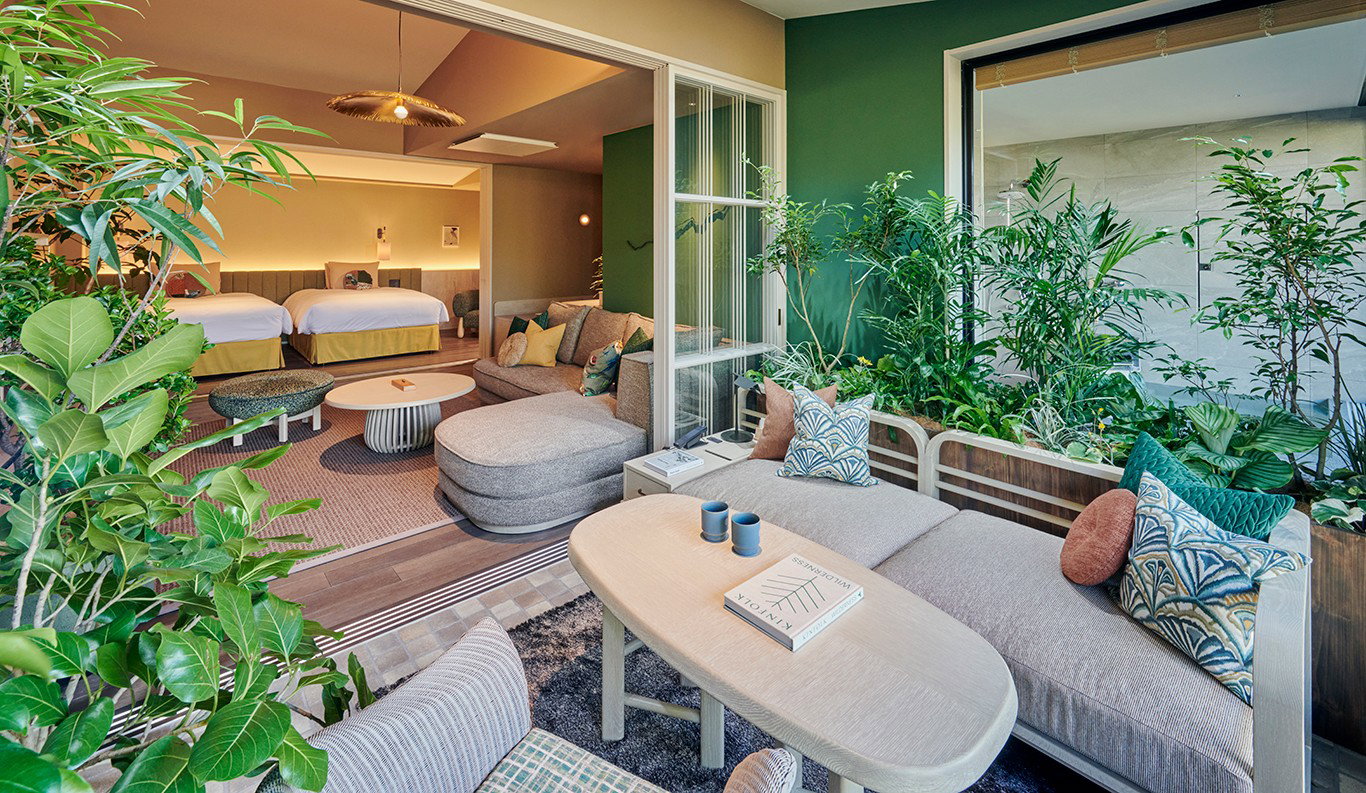
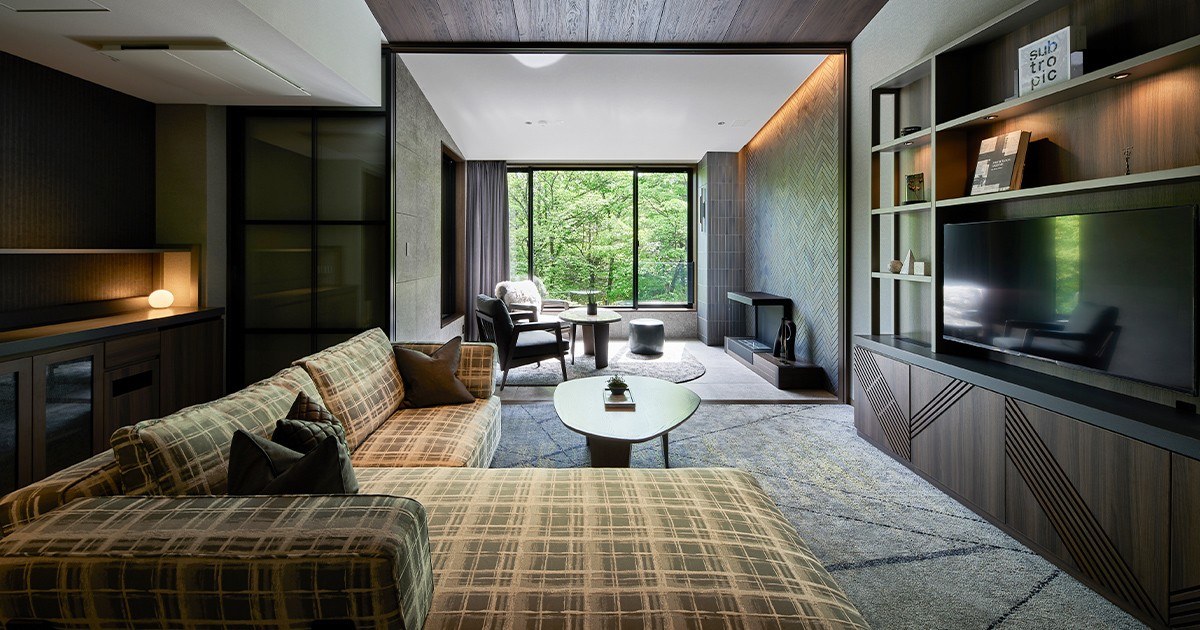
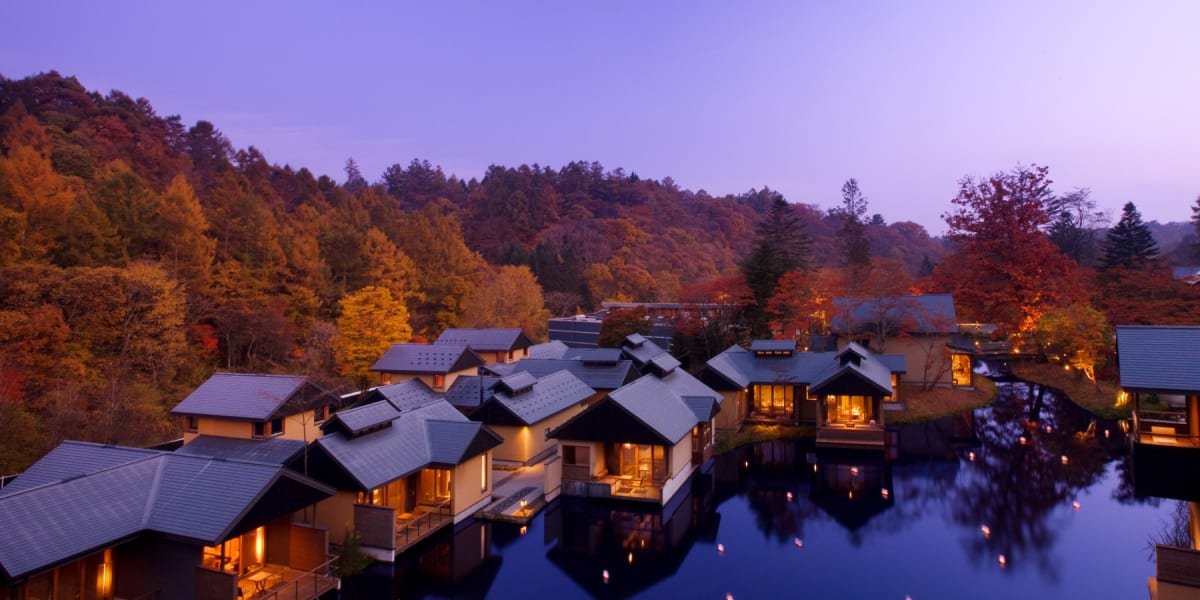
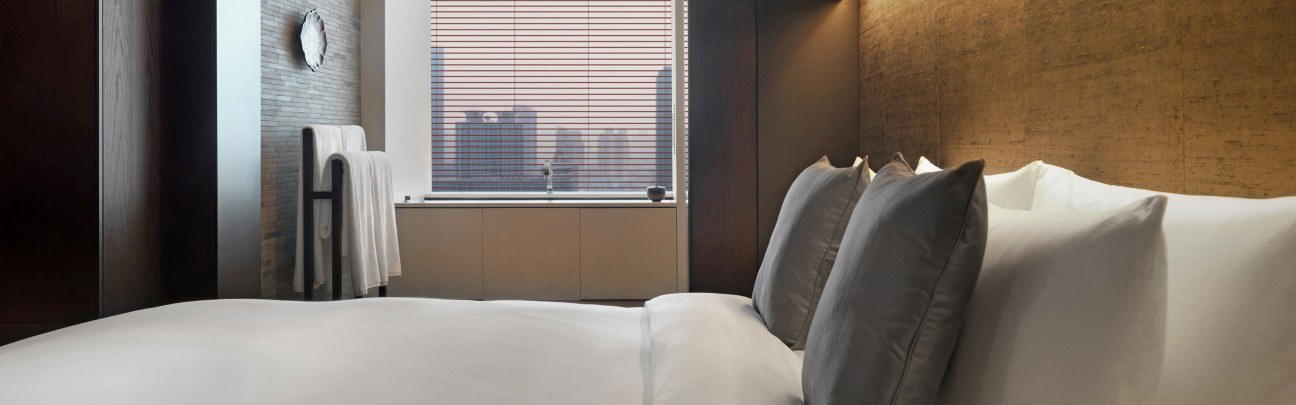
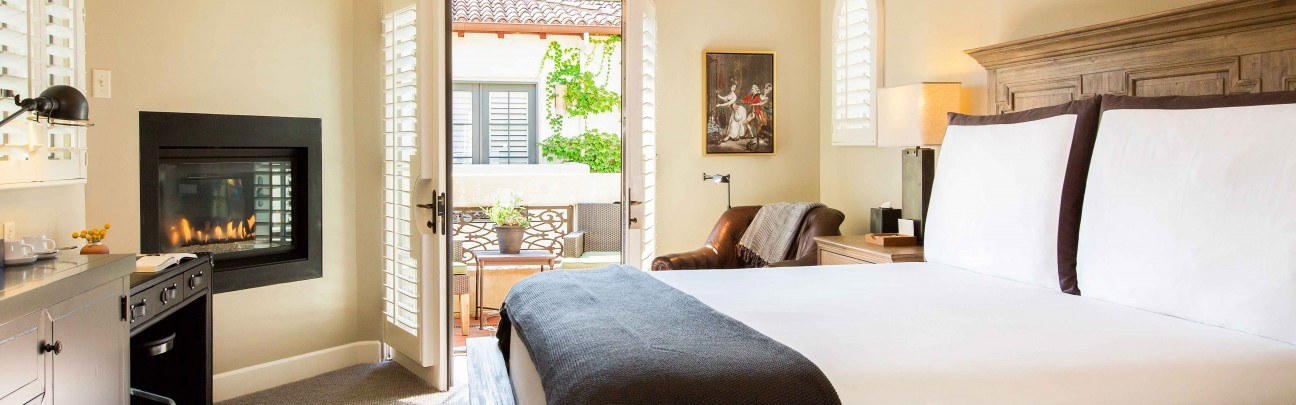
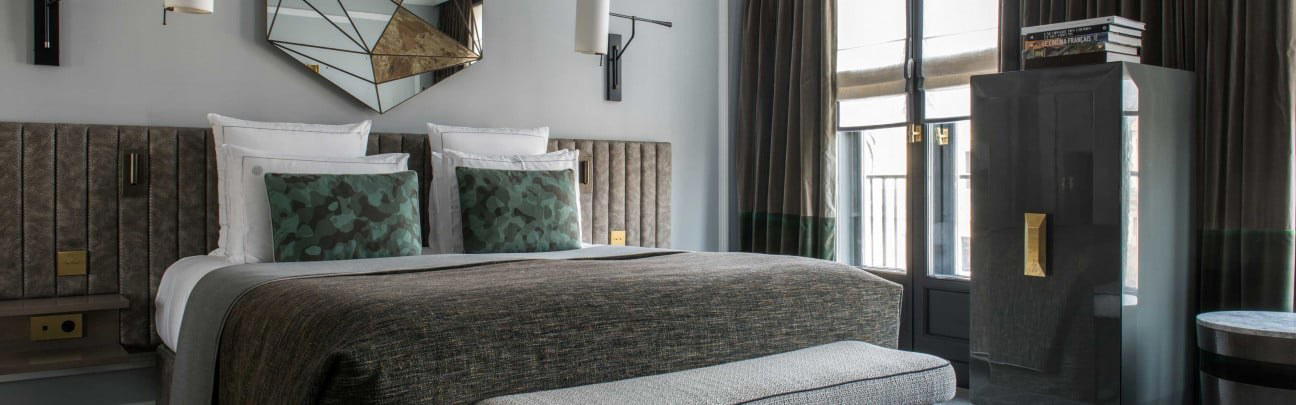
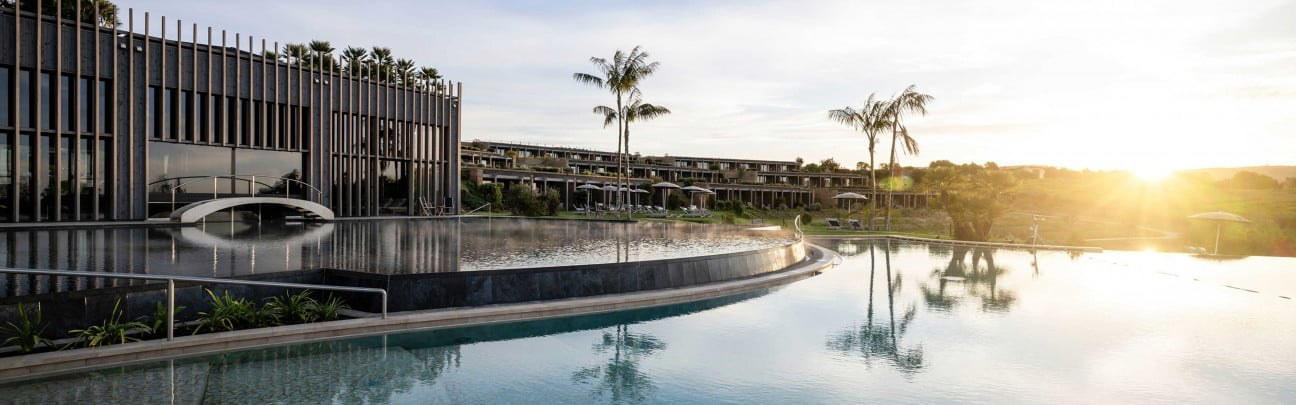
SHISHI-IWA-HOUSE presents architecture as the principal draw, so the stay feels like a quietly curated design experience. Three separate houses by Pritzker Prize architects sit lightly in cedar-dense hills, and the buildings intentionally frame the surrounding woodland rather than compete with it. The result is composed and modern, favoring refined materials, measured spaces, and a sense of intimacy that fits a small, design-forward property. Guests encounter the hush of the Nagano plateau, opportunities for forest bathing, and architecture that reads as both minimal and meticulous — an understated, serene retreat centered on place and form.
Best For
This is a hotel for travelers who prize architecture and nature in equal measure. It plays to short escapes from Tokyo — the shinkansen puts Karuizawa within roughly seventy minutes — so it suits weekend getaways and romantic or wellness-focused breaks where quiet and retreat are the point. The compact scale and forested setting also make it well suited to travelers seeking solitude, hiking on the plateau, and an experience driven by design rather than resort-style amenities. Recognition from Tatler and a Michelin one-key nod underline its appeal as a purposeful, destination stay.
Stay Tips
Book early and plan travel by shinkansen: the property draws heavily from Tokyo and is intentionally small, so availability can be limited. Factor transit time — the line runs in under seventy minutes — into a short itinerary that leaves room for forest bathing and nearby hikes on the plateau. Keep expectations focused on architecture and nature rather than extensive hotel amenity lists; the description frames the landscape and the houses themselves as the core offerings. Note the property's editorial recognitions as confirmation that staying here is framed as a journey in itself, so reserve in advance when possible.
Venue details
Ambiance
Serene and tranquil with natural light, hinoki wood scents, forest views, and a peaceful retreat atmosphere praised in guest reviews.
Tags
Vibe
Best For
Experience
Amenities
View
About the Stay
- Rooms
- 33
- Check-in
- 15:00
- Check-out
- 11:00
- Property Style
- Architectural Retreat Harmonizing with Nature
- Design Style
- Minimalist Wood Centric with Hinoki Cypress and Contemporary Japanese Elements
Know before you go
Know Before You Go
- Getting there
- 2147-768 Nagakura, Karuizawa, Kitasaku District, Nagano 389-0111
Planning details
Location
2147-768 Nagakura, Karuizawa, Kitasaku District, Nagano 389-0111 · Directions

Also consider
Also Consider
- Hoshinoya Karuizawa, Notable alternative
- Fufu Kyu-Karuizawa Restful Forest, Notable alternative
- Fufu Karuizawa Wind in the Sunshine, Notable alternative
- Kyukaruizawa Kikyo, Curio Collection by Hilton, Notable alternative
- Hotel Indigo Karuizawa, Notable alternative
Hotel context
How It Compares
Against Hoshinoya Karuizawa, SHISHI-IWA-HOUSE Karuizawa is the more restrained, design-first choice. Pick Hoshinoya if the trip needs a fuller resort rhythm; pick SHISHI-IWA-HOUSE if the room, quiet, and architectural mood matter more than breadth of facilities.
Fufu Kyu-Karuizawa Restful Forest and Fufu Karuizawa Wind in the Sunshine are stronger cross-shops for travellers who want a more service-forward, stay-in hotel experience. SHISHI-IWA-HOUSE is better for guests who prefer privacy and a lighter-touch atmosphere.
Kyukaruizawa Kikyo, Curio Collection by Hilton and Hotel Indigo Karuizawa make more sense for brand familiarity and easier decision-making. If booking difficulty or loyalty mechanics are a concern, start there; if the trip is a design-led Karuizawa reset, SHISHI-IWA-HOUSE is the more distinctive shortlist pick.
Explore Karuizawa
Around this place
Discover more on Pearl
Unlock the full SHISHI-IWA-HOUSE Karuizawa guide in Pearl, including awards, comparisons, FAQs, planning details, and nearby places.
Compare SHISHI-IWA-HOUSE Karuizawa
| Venue | Location | Awards |
|---|---|---|
| SHISHI-IWA-HOUSE Karuizawa | Karuizawa | 2026 Mr & Mrs Smith Luxury HotelsTablet Hotels Design Awards 2026: Best New Hotel Designs (Asia)Tatler Best Hotels Asia-Pacific 2025Michelin 1 Key 20252025 Michelin 1 Key2024 Michelin 1 Key |
| Hoshinoya Karuizawa | Karuizawa | No published awards |
| Fufu Kyu-Karuizawa Restful Forest | Karuizawa | 2025 Michelin 1 Key2024 Michelin 1 Key |
| Fufu Karuizawa Wind in the Sunshine | Karuizawa | Michelin 1 Key 20252025 Michelin 1 Key2024 Michelin 1 Key |
| Kyukaruizawa Kikyo, Curio Collection by Hilton | Nagano | No published awards |
| Hotel Indigo Karuizawa | Karuizawamachi, Kitasaku Gun | No published awards |
How SHISHI-IWA-HOUSE Karuizawa Review: Michelin 1 Key Stay compares with similar nearby venues.
FAQ
Frequently Asked Questions
Is SHISHI-IWA-HOUSE Karuizawa family-friendly?
Family-specific facilities and services should be confirmed directly before booking. If those details matter, compare SHISHI-IWA-HOUSE Karuizawa with Hoshinoya Karuizawa or Hotel Indigo Karuizawa.
Is SHISHI-IWA-HOUSE Karuizawa good for business travel?
Business-specific amenities and loyalty benefits should be confirmed directly before booking. The confirmed location is Karuizawa, and the confirmed recognition includes Michelin 1 Key in 2025. For another comparison, also review Kyukaruizawa Kikyo, Curio Collection by Hilton.
Which room category is best at SHISHI-IWA-HOUSE Karuizawa?
Choose a higher category only if the room is central to the trip; otherwise, select the category that fits your Karuizawa plans and budget. Fufu Kyu-Karuizawa Restful Forest is another local hotel to compare.
How is the pool and spa at SHISHI-IWA-HOUSE Karuizawa?
Pool and spa details should be confirmed directly before booking, and they should not be treated as a reason to book without checking. The confirmed accolades are Michelin 1 Key in 2025, Tatler 2025 Best Hotels Asia-Pacific listing, and the Mr & Mrs Smith Seal of Approval for 2026. Hoshinoya Karuizawa is another nearby hotel to compare.
Do loyalty programs work at SHISHI-IWA-HOUSE Karuizawa?
Loyalty-program participation and status benefits should be confirmed directly before booking. If points, elite recognition, or corporate booking rules are important, compare with Hotel Indigo Karuizawa and Kyukaruizawa Kikyo, Curio Collection by Hilton.
How does SHISHI-IWA-HOUSE Karuizawa compare to nearby hotels?
SHISHI-IWA-HOUSE Karuizawa stands on its recognition: Michelin 1 Key in 2025, a Tatler 2025 Best Hotels Asia-Pacific listing, and the Mr & Mrs Smith Seal of Approval for 2026. Travellers can compare it with Hoshinoya Karuizawa, Fufu Karuizawa Wind in the Sunshine, Fufu Kyu-Karuizawa Restful Forest, Kyukaruizawa Kikyo, Curio Collection by Hilton, and Hotel Indigo Karuizawa based on the specific services they need.