
Fufu Kyu-Karuizawa Restful Forest
Kyu-Karuizawa, Karuizawa
Hotel in Karuizawa, Japan
 Book with Pearl
The Read
Forest-Edge Shinshu Retreat
Why go
Fufu Kyu-Karuizawa Restful Forest is a strong choice for a quiet Karuizawa stay where the forest setting is the value, not a long amenities checklist. Book it for couples, short restorative trips, and travelers who will spend time on property; compare branded options if loyalty benefits or predictable hotel infrastructure matter more.
About Fufu Kyu-Karuizawa Restful Forest
Fufu Kyu-Karuizawa Restful Forest is a Karuizawa stay, recognized by Michelin with 1 Key in 2024.
The simplest way to judge it is to consider it a premium Karuizawa option, but confirm details about what the stay includes. The dress code is smart casual, and its Michelin 1 Key recognition supports positioning it as a higher-end choice in Karuizawa.
A Karuizawa stay with a Michelin 1 Key
The strongest grounded reason to consider Fufu Kyu-Karuizawa Restful Forest is its Michelin 1 Key recognition in 2024. That is a meaningful hotel accolade, but it should not be stretched into specific promises about amenities, room layouts, dining formats, or on-property programming unless those details are confirmed directly before booking.
For value-seekers, the main question is whether a Michelin-recognized Karuizawa stay is the right use of the budget for this trip. If the priority is simply having a base in Karuizawa, compare rates and inclusions carefully. If the priority is a premium stay with confirmed recognition, Fufu Kyu-Karuizawa Restful Forest belongs on the shortlist.
Book for a premium Karuizawa stay, but verify the details that matter
The safest booking approach is to confirm the practical details that would affect your trip before committing: room category, dining arrangements, arrival logistics, and any services you expect to use. The dress code is smart casual, but other specific service details should be checked directly with the property.
Compared with Hoshinoya Karuizawa, the choice should come down to the details, pricing, and style of stay you prefer. Other Karuizawa options to compare include Fufu Karuizawa Wind in the Sunshine, Hotel Indigo Karuizawa, Kyukaruizawa Kikyo, Curio Collection by Hilton, and SHISHI-IWA-HOUSE Karuizawa.
The practical verdict: consider Fufu Kyu-Karuizawa Restful Forest if you want a Michelin 1 Key stay in Karuizawa and are comfortable verifying trip-specific details before booking. For wider planning, use our full Karuizawa hotels guide, and pair the hotel decision with our full Karuizawa restaurants guide if dining will drive the itinerary.
Planning details
- Location
- 1299-2 Karuizawa, Karuizawa-machi, Kitasaku-gun, Nagano 389-0102, Japan
- Website
- fufukyukaruizawa.jp
- Phone
- +81570011722
The take
The Take
The Vibe
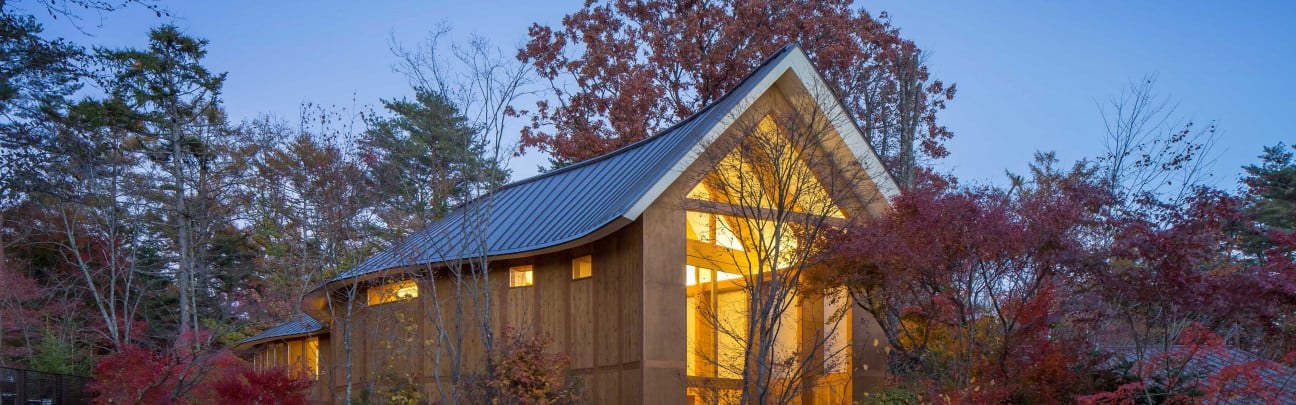
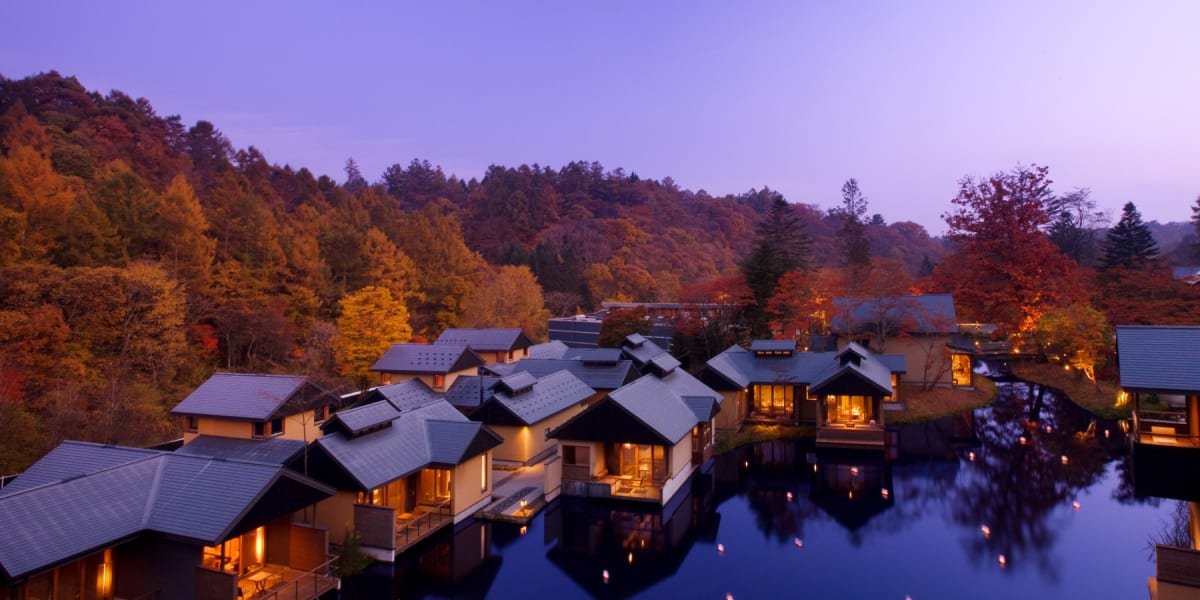
Fufu Kyu-Karuizawa Restful Forest reads like a contemporary ryokan: modern interiors meet traditional anticipatory service amid a quiet, pond-side setting. The property leans into restorative immersion in nature — Kumoba Pond and its surrounding treeline buffer the hotel from Karuizawa’s retail bustle and create a discreet, contemplative atmosphere. Design-forward touches sit comfortably alongside onsen facilities and a restaurant program, so the experience feels refined rather than flashy. Guests encounter service that anticipates needs in the ryokan tradition, delivered through a modern, design-led lens that emphasizes calm, restorative moments rather than spectacle.
Best For
This hotel is especially well suited to short restorative breaks: romantic getaways, wellness-focused escapes and long weekend departures from Tokyo all fit naturally here. Its pond-side location and quiet western-fringe setting make it easy to disconnect without committing to a remote mountain trek. The onsen facilities and measured, anticipatory service are geared toward travelers who want thoughtful hospitality and downtime—couples seeking a serene overnight, solo guests after a reset, and small groups looking for low-key luxury all find it a good match.
Stay Tips
Book a room that references the pond or western-facing side when possible to maximize the property's defining setting, and reserve dinner at the on-site restaurant if you value the ryokan-style pacing of meals. Plan your arrival with time to take in Kumoba Pond and the treeline that frames the property; the inn’s service model times meals and bath preparation, so communicate preferred meal times at booking if you have a strict schedule. For weekend travelers from Tokyo, Friday evening arrivals are straightforward and let you settle into the calm before exploring local paths the next day.
Venue details
Ambiance
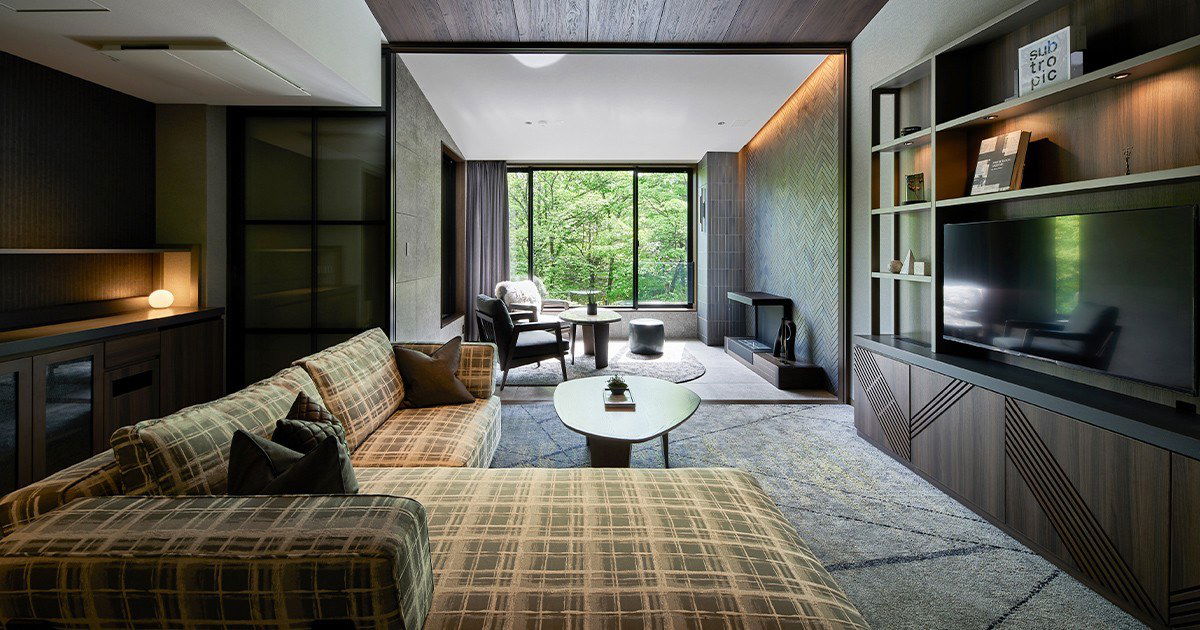
Chic and tranquil with subdued lighting from walnut interiors, flickering fireplaces, and large windows framing the forest.
Tags
Vibe
Best For
Experience
Amenities
View
About the Stay
- Rooms
- 0
- Check-in
- 15:00
- Check-out
- 11:00
- Property Style
- Small Luxury Forest Resort
- Design Style
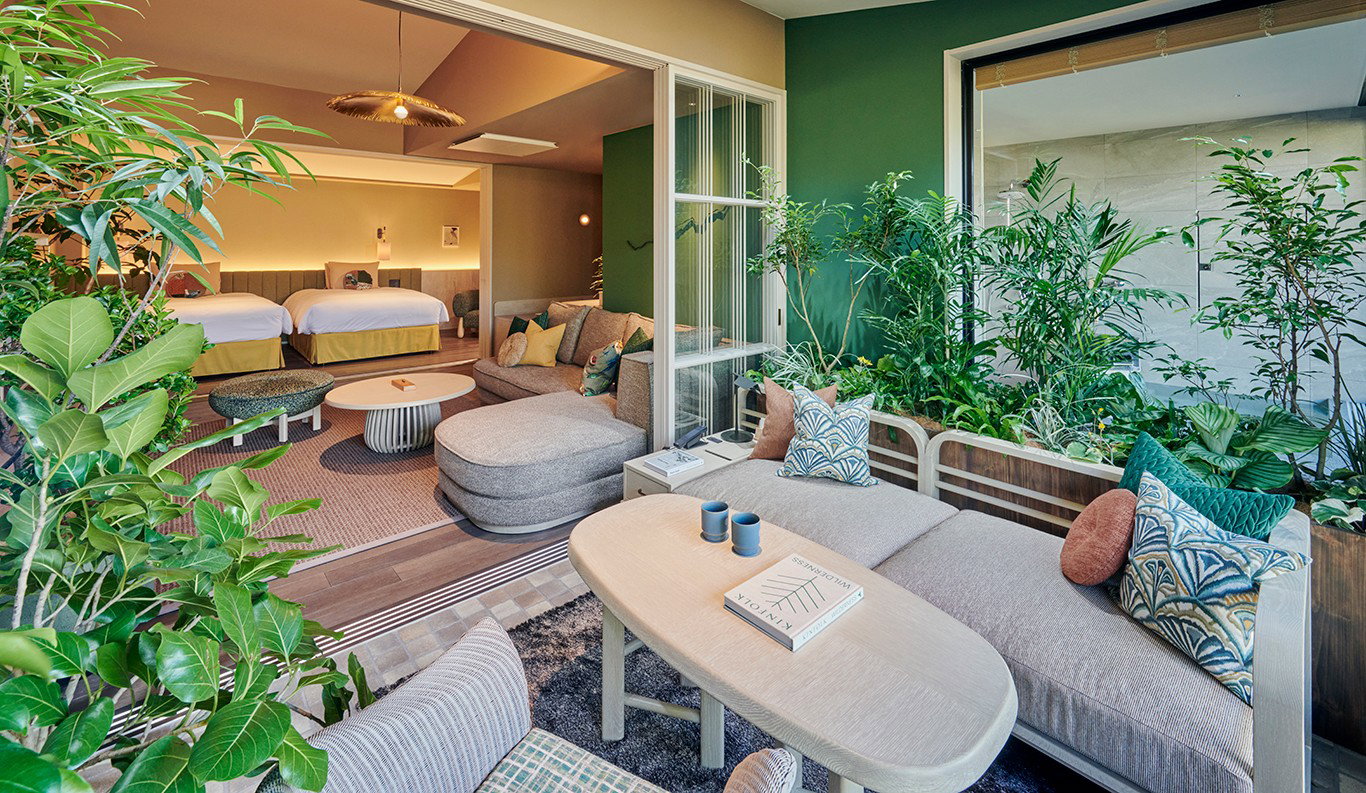
- Modern Chic with Sophisticated Walnut Interiors
Know before you go
Know Before You Go
- Getting there
- 1299-2 Karuizawa, Karuizawa-machi, Kitasaku-gun, Nagano 389-0102, Japan
Planning details
Location
1299-2 Karuizawa, Karuizawa-machi, Kitasaku-gun, Nagano 389-0102, Japan · Directions
Recognition and awards
Also consider
Also Consider
- Kyukaruizawa Kikyo, Curio Collection by Hilton, Notable alternative
- Hotel Indigo Karuizawa, Notable alternative
- Fufu Karuizawa Wind in the Sunshine, Notable alternative
- Hoshinoya Karuizawa, Notable alternative
- SHISHI-IWA-HOUSE Karuizawa, Notable alternative
Hotel context
How It Compares
Choose Fufu Kyu-Karuizawa Restful Forest if the priority is a quieter, more retreat-focused Karuizawa stay and the room setting matters more than brand-program value. Kyukaruizawa Kikyo, Curio Collection by Hilton is the safer comparison for travelers who want loyalty mechanics, familiar service standards, and a more conventional hotel decision.
Hotel Indigo Karuizawa is likely the easier fit for guests who want a branded lifestyle hotel feel rather than a quiet retreat. Hoshinoya Karuizawa is the heavier resort comparison: better for travelers who want a fuller destination-resort framework, while Fufu Kyu-Karuizawa Restful Forest makes more sense when privacy and stillness matter more than scale.
Within the closer luxury set, Fufu Karuizawa Wind in the Sunshine is the natural alternative for readers who like the brand but want to compare mood and setting, while SHISHI-IWA-HOUSE Karuizawa is the better cross-shop for design-led travelers. Booking is marked hard here, so if dates are fixed, cross-shop early rather than waiting for availability to loosen.
Explore Karuizawa
Around this place
Discover more on Pearl
Unlock the full Fufu Kyu-Karuizawa Restful Forest guide in Pearl, including awards, comparisons, FAQs, planning details, and nearby places.
Compare Fufu Kyu-Karuizawa Restful Forest
| Venue | Location | Awards |
|---|---|---|
| Fufu Kyu-Karuizawa Restful Forest | Karuizawa | Michelin 1 Key 20252025 Michelin 1 Key2024 Michelin 1 Key |
| Kyukaruizawa Kikyo, Curio Collection by Hilton | Nagano | No published awards |
| Hotel Indigo Karuizawa | Karuizawamachi, Kitasaku Gun | No published awards |
| Fufu Karuizawa Wind in the Sunshine | Karuizawa | Michelin 1 Key 20252025 Michelin 1 Key2024 Michelin 1 Key |
| Hoshinoya Karuizawa | Karuizawa | No published awards |
| SHISHI-IWA-HOUSE Karuizawa | Karuizawa | 2026 Mr & Mrs Smith Luxury HotelsTablet Hotels Design Awards 2026: Best New Hotel Designs (Asia)Tatler Best Hotels Asia-Pacific 20252025 Michelin 1 Key2024 Michelin 1 Key |


How Fufu Kyu-Karuizawa Restful Forest compares with similar nearby venues.
FAQ
Frequently Asked Questions
How is the location of Fufu Kyu-Karuizawa Restful Forest?
Is Fufu Kyu-Karuizawa Restful Forest family-friendly?
Family-specific details for Fufu Kyu-Karuizawa Restful Forest are not available. If traveling with children, confirm room setup, dining arrangements, and any child-related policies directly with the property before booking.
When is the best time to book Fufu Kyu-Karuizawa Restful Forest?
Booking-window guidance for Fufu Kyu-Karuizawa Restful Forest is not available. If your dates are fixed, compare availability and cancellation terms directly before committing.
Which room category is best at Fufu Kyu-Karuizawa Restful Forest?
Room-category guidance for Fufu Kyu-Karuizawa Restful Forest is not available. Choose based on the room details, pricing, and inclusions confirmed at the time of booking.
How does Fufu Kyu-Karuizawa Restful Forest compare to nearby hotels?
Fufu Kyu-Karuizawa Restful Forest has a Michelin 1 Key from 2024. For comparison in Karuizawa, also look at Kyukaruizawa Kikyo, Curio Collection by Hilton, Hotel Indigo Karuizawa, Hoshinoya Karuizawa, SHISHI-IWA-HOUSE Karuizawa, and Fufu Karuizawa Wind in the Sunshine, then compare rates, inclusions, and booking terms.