
Fufu Karuizawa Wind in the Sunshine
Nagakura, Karuizawa
Hotel in Karuizawa, Japan
 Book with Pearl
The Read
Modernist Ryokan Naturalism
Why go
A strong choice for a quiet Karuizawa stay when privacy, retreat time, and Michelin 1 Key recognition matter more than chain loyalty perks or business-hotel convenience. For work trips, book it when meetings are nearby or the stay doubles as recovery time; compare Kyukaruizawa Kikyo for brand infrastructure and Hoshinoya for a fuller leisure retreat.
About Fufu Karuizawa Wind in the Sunshine
Fufu Karuizawa Wind in the Sunshine is a Karuizawa hotel with Michelin 1 Key recognition in 2024. Beyond that recognition and its Karuizawa location, travelers should use the property's official booking channels for the latest specifics before committing.
Book for the confirmed hotel recognition, then verify the details
The clearest reason to consider Fufu Karuizawa Wind in the Sunshine is its Michelin 1 Key recognition. That is a meaningful luxury signal, but it should not be treated as confirmation of any particular room layout, dining program, amenity set, or business-travel setup. If your trip depends on specific facilities, loyalty benefits, or operational details, confirm those points directly before booking. Kyukaruizawa Kikyo, Curio Collection by Hilton is one natural comparison for travelers who want to weigh this stay against another Karuizawa hotel option.
Where it fits among Karuizawa stays
The Michelin 1 Key recognition gives this property a credible luxury signal, but the decision should still be value-led. Compare it with Hotel Indigo Karuizawa, Fufu Kyu-Karuizawa Restful Forest, and Hoshinoya Karuizawa if you are deciding among notable Karuizawa stays.
For value-seekers, the right booking logic is simple: pay up only if the recognition and the details on the booking page match the trip you want. If the stay is mainly a base for off-property plans, compare the final rate and inclusions with SHISHI-IWA-HOUSE Karuizawa and other Karuizawa hotels before deciding. For broader planning, use Pearl's Karuizawa hotels guide.
Planning details
- Location
- 568-1 Nagakura, Karuizawa, Kitasaku District, Nagano 389-0111
- Website
- fufukaruizawa.jp
- Phone
- +81 570-011-722
The take
The Take
The Vibe
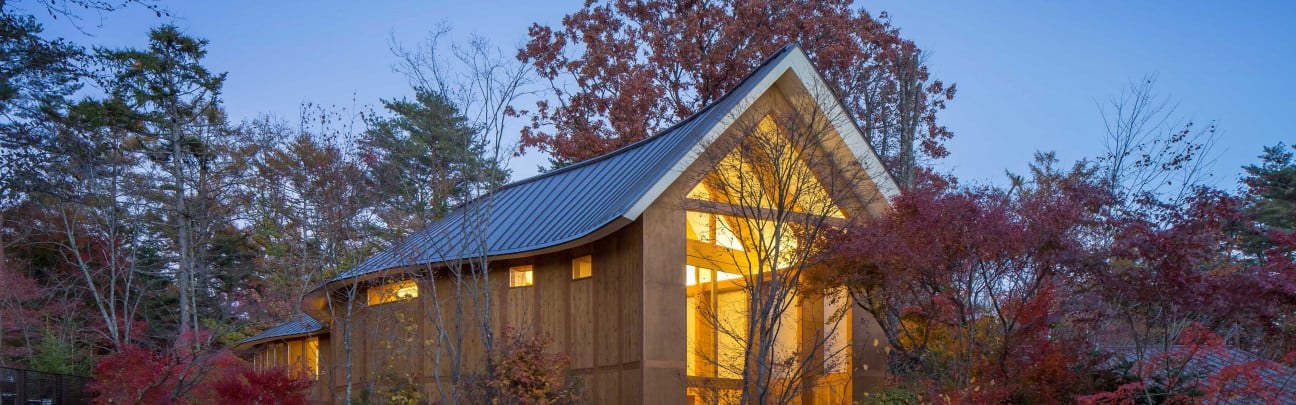
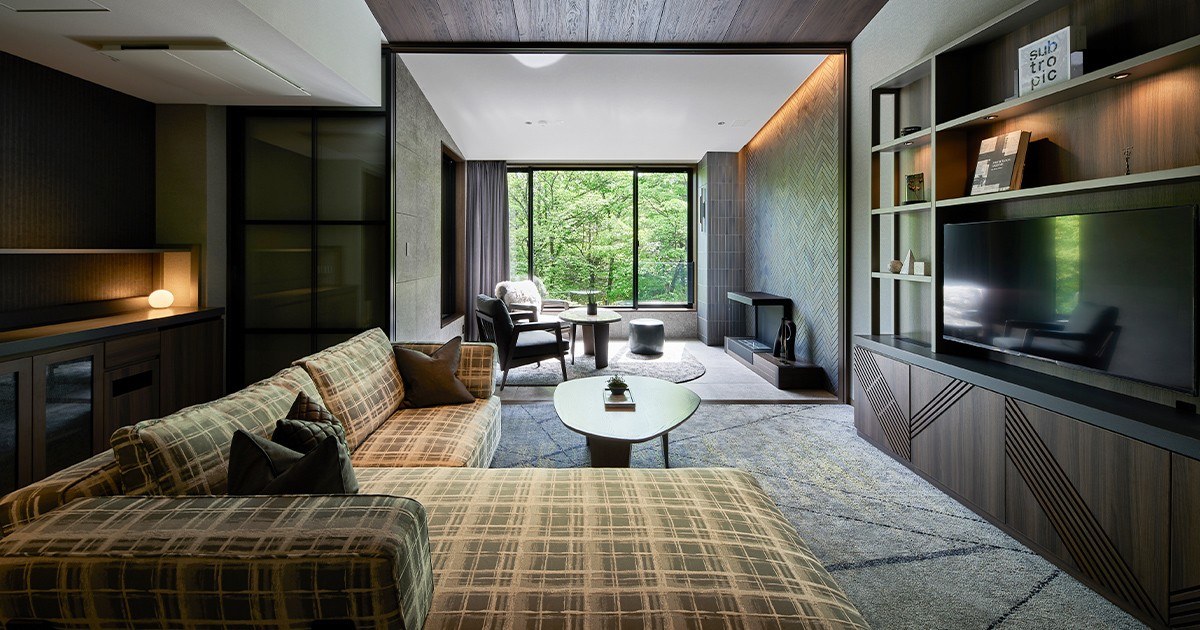
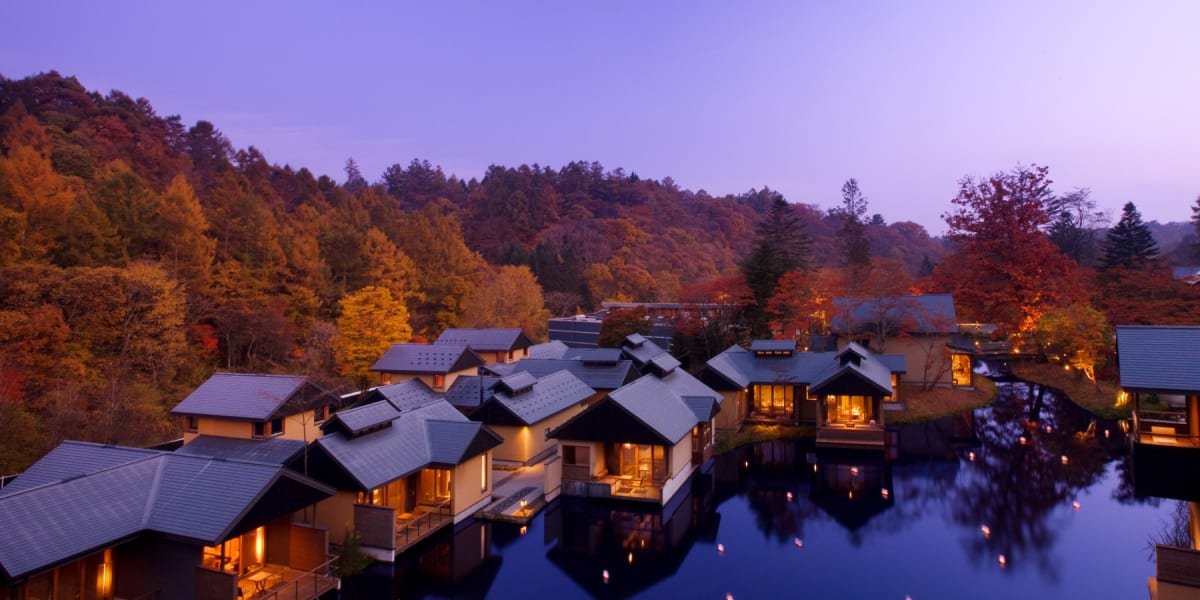
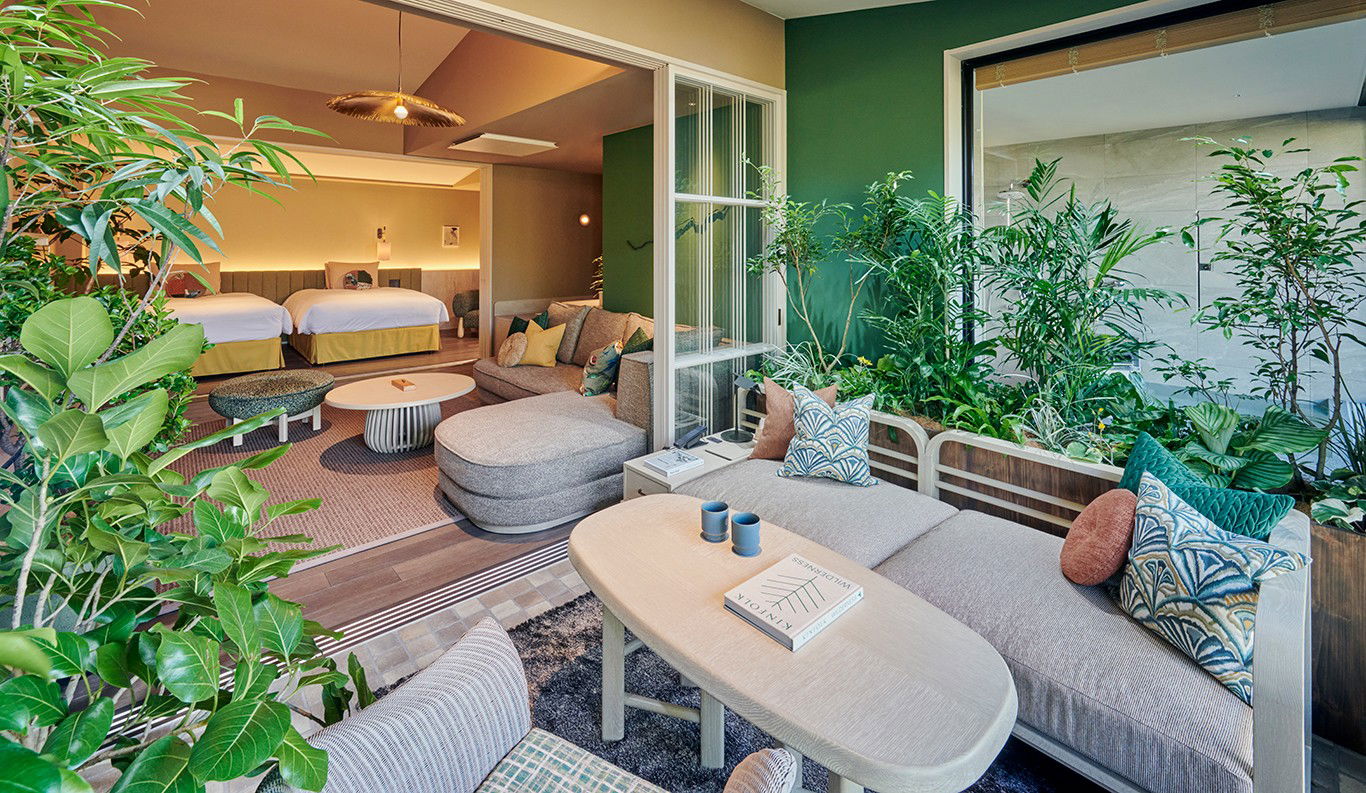
Fufu Karuizawa Wind in the Sunshine reads as a modern ryokan: restraint in material and plan meets an immersive approach to hospitality. The design-led property deliberately lets the outside in—living plants thread through public and private spaces—so quiet forest character and the silhouette of Mount Asama feel like compositional elements. It sits in Karuizawa’s quieter eastern reaches, balancing contemporary minimalism with the ritualized attentiveness of Japanese innkeeping. The result is sophisticated and scenic rather than ornate: a calm, thoughtfully composed stay where landscape and service are integral parts of the experience.
Best For
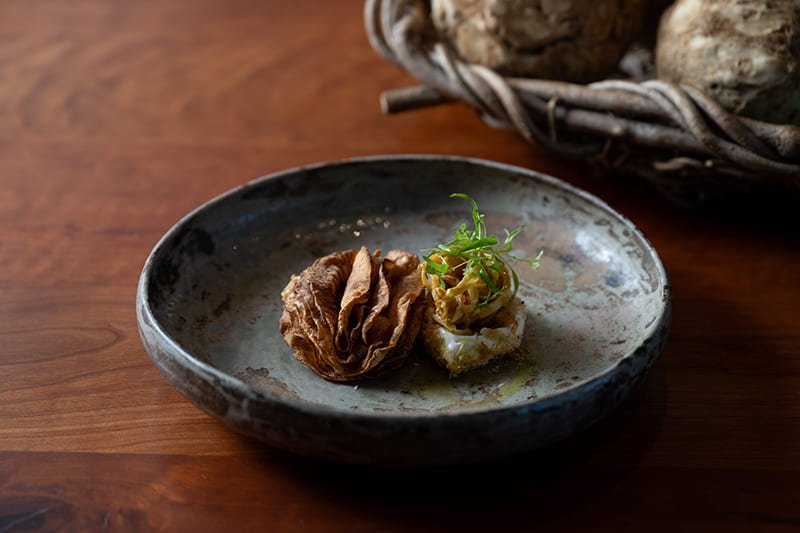
This hotel is ideal for Tokyo weekenders and travellers seeking a short nature escape that pairs restorative onsen bathing with elevated dining. Guests come for cooler air, forest quiet and mineral-rich hot springs drawn from volcanic activity around Mount Asama, and for a food programme that 'justifies the journey'—the property earned a Michelin Key in 2024. It suits couples, small groups or solo travellers who prioritise design, tranquility and a high-caliber hotel restaurant rather than nightlife or urban bustle.
Stay Tips
Plan your stay around the property's culinary and onsen offerings: the write-up stresses that food is a raison d’être here and notes Michelin recognition, so choose a rate that includes meals to experience the house dining. Allow time to enjoy the mineral-character onsen—fed by springs linked to Mount Asama—and the quiet forest setting. Because the property positions itself in Karuizawa’s upper bracket and emphasises immersive hospitality, expect a paced, considered rhythm to meals and bathing rather than quick turnarounds.
Venue details
Ambiance
Bright, greenery-filled, and naturalistic, with a sunny, restorative atmosphere and views of Mount Asama.
Tags
Vibe
Best For
Experience
Amenities
View
Accessibility
About the Stay
- Rooms
- 24
- Check-in
- 15:00
- Check-out
- 11:00
- Property Style
- Small Luxury Resort / Modern Ryokan with Strong Nature Forward Positioning.
- Design Style
- Modern Ryokan Style with a Natural, Greenery Filled Interior, Bright Vitamin Like Colors, and a Refined Forest Resort Aesthetic.
Know before you go
Know Before You Go
- Getting there
- 568-1 Nagakura, Karuizawa, Kitasaku District, Nagano 389-0111
Planning details
Location
568-1 Nagakura, Karuizawa, Kitasaku District, Nagano 389-0111 · Directions
Recognition and awards
Also consider
Where to Look If This Is Full
Try Fufu Kyu-Karuizawa Restful Forest first if the goal is to stay in a similar luxury-retreat lane. For a business traveler who needs a more predictable brand setup, Kyukaruizawa Kikyo, Curio Collection by Hilton is the cleaner fallback.
Hotel context
How It Compares
Fufu Karuizawa Wind in the Sunshine is the pick for travelers who want a quieter luxury retreat with Michelin 1 Key credibility. Hotel Indigo Karuizawa is the easier value call for a more familiar lifestyle-hotel stay, while Kyukaruizawa Kikyo, Curio Collection by Hilton is better for travelers who care about brand systems and work-trip predictability.
Within the higher-touch Karuizawa set, compare this closely with Fufu Kyu-Karuizawa Restful Forest. If the decision is about atmosphere rather than logistics, Hoshinoya Karuizawa leans more fully into destination-resort energy, while SHISHI-IWA-HOUSE Karuizawa is the sharper cross-shop for design-led travelers who do not need the same luxury-hotel framing.
Explore Karuizawa
Around this place
Discover more on Pearl
Unlock the full Fufu Karuizawa Wind in the Sunshine guide in Pearl, including awards, comparisons, FAQs, planning details, and nearby places.
Compare Fufu Karuizawa Wind in the Sunshine
| Venue | Location | Awards |
|---|---|---|
| Fufu Karuizawa Wind in the Sunshine | Karuizawa | Michelin 1 Key 20252025 Michelin 1 Key2024 Michelin 1 Key |
| Hotel Indigo Karuizawa | Karuizawamachi, Kitasaku Gun | No published awards |
| Fufu Kyu-Karuizawa Restful Forest | Karuizawa | 2025 Michelin 1 Key2024 Michelin 1 Key |
| Kyukaruizawa Kikyo, Curio Collection by Hilton | Nagano | No published awards |
| Hoshinoya Karuizawa | Karuizawa | No published awards |
| SHISHI-IWA-HOUSE Karuizawa | Karuizawa | 2026 Mr & Mrs Smith Luxury HotelsTablet Hotels Design Awards 2026: Best New Hotel Designs (Asia)Tatler Best Hotels Asia-Pacific 20252025 Michelin 1 Key2024 Michelin 1 Key |


How Fufu Karuizawa Wind in the Sunshine compares with similar nearby venues.
FAQ
Frequently Asked Questions
Do loyalty programs work at Fufu Karuizawa Wind in the Sunshine?
How is the dining at Fufu Karuizawa Wind in the Sunshine?
The confirmed Michelin 1 Key recognition refers to the hotel, so travelers focused on meals should check current property information before booking.
What is check-in like at Fufu Karuizawa Wind in the Sunshine?
Fufu Karuizawa Wind in the Sunshine is in Karuizawa and has Michelin 1 Key recognition in 2024. Confirm arrival, check-in, and access details through the property's official channels before you go.
Which room category is best at Fufu Karuizawa Wind in the Sunshine?
Choose based on the room descriptions, rates, and policies shown by the official booking channel for your dates.
Is Fufu Karuizawa Wind in the Sunshine family-friendly?
If traveling with children or a larger group, confirm occupancy rules and available room configurations before booking.
When is the best time to book Fufu Karuizawa Wind in the Sunshine?
If you have fixed Karuizawa dates, compare current availability and cancellation terms before committing.
Is Fufu Karuizawa Wind in the Sunshine good for business travel?
Business travelers should confirm the practical details they need and compare the property with other Karuizawa options before deciding.