
TAYUTA amakusa
Hioi Island, Kami Amakusa
Hotel in Kami Amakusa, Japan
 Book with Pearl
The Read
Seascape-Integrated Seclusion
Why go
TAYUTA amakusa is a better fit for travelers choosing Kami Amakusa for a quiet coastal detour than for anyone seeking a fully documented resort checklist. Shortlist it for a special-occasion stay where setting matters most, but verify room, dining, and wellness details before committing.
About TAYUTA amakusa
TAYUTA amakusa is a Kami Amakusa venue. The practical note is a smart casual dress code, so it is best approached with a measured, information-first mindset rather than treated as a fully documented stay or dining choice. In practical terms, that means the venue can be placed on a Kami Amakusa shortlist, but the final decision should depend on direct confirmation from the source most able to answer current questions.
Because details such as room types, dining, spa facilities, prices, hours, and specific services are not available, do not build an itinerary around assumptions. Those categories often shape the rhythm of a trip: what to pack, how long to stay, whether to reserve a meal, and how much time to leave between plans. If those points matter, confirm them through the venue's official channels before booking or visiting, and treat any detail as provisional until the venue itself has clarified it.
Book for Kami Amakusa, then confirm the specifics
The safest way to frame TAYUTA amakusa is simple: it is in Kami Amakusa, and the dress code is smart casual. Beyond that, specific claims about cuisine, awards, facilities, service format, or room categories are not available. That restraint is useful: it prevents overpromising and keeps the planning process grounded in what is actually known. Smart casual gives a basic cue for presentation, but it does not, by itself, define the full atmosphere, formality, or operational style of the venue.
For travelers comparing broader Kyushu options, OMO5 Kumamoto by Hoshino Resorts may suit a Kumamoto city plan, while Hotel Indigo Nagasaki Glover Street may fit a Nagasaki itinerary. For Kami Amakusa planning, compare TAYUTA amakusa with other local options generically and confirm the details that matter most before committing. The key is to decide which unknowns are essential for your trip, then verify those directly so the booking matches expectations rather than assumptions.
Planning details
- Location
- 7488-1 Matsushimamachi Aitsu, Kamiamakusa, Kumamoto 861-6102
- Website
- amakusa-tayuta.com
- Phone
- +81 50-1706-5284
The take
The Take
The Vibe
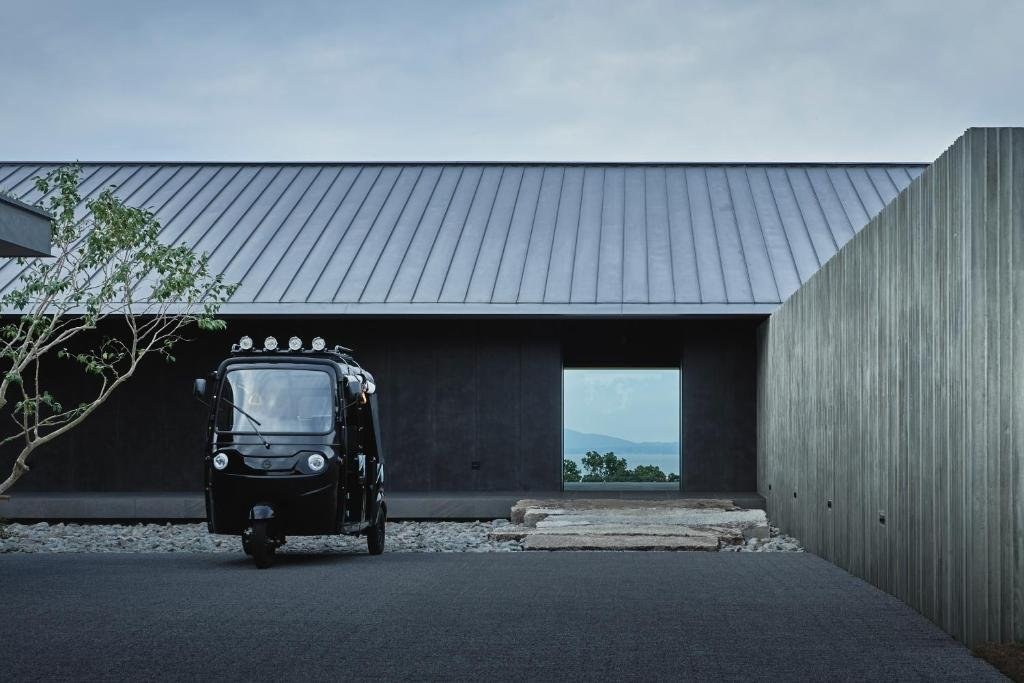
TAYUTA amakusa reads like a studied exercise in restraint: a small, design-forward property that treats Hiai Island as the principal attraction. The prose emphasizes quiet coastal scale and landscape integration rather than headline amenities, positioning the hotel among Japan’s boutique, nature-immersive peers. With just a dozen suites, it favors deliberate calm over bustle, and the architectural framing underscores a refined, understated sensibility. Guests encounter a slow, contemplative rhythm here — the intent is arrival and immersion in place rather than movement through a checklist of services.
Best For
This hotel is best for travelers who prize seclusion, landscape focus, and a design-led, low-density stay. It suits couples and solo travelers seeking an island terminus where the coastline and national-park setting are central to the experience. Given the property's comparison to small, premium ryokans and its limited inventory, it also appeals to guests who choose travel for deliberate arrival — those who want the destination itself to be the point of the trip rather than a base for many activities.
Stay Tips
Book well in advance and set expectations around the property's intent: with only 12 suites and an island setting, availability is limited and the experience foregrounds site and atmosphere over high amenity volume. Treat the stay as a place-centered retreat — prioritize arrival and timing logistics early, and look to the hotel as a destination in its own right rather than a gateway to a wider set of services.
Venue details
Ambiance
Tranquil and private with soft natural light, warm wood tones, and serene sea views promoting deep relaxation.
Tags
Vibe
Best For
Experience
Amenities
View
About the Stay
- Rooms
- 12
- Property Style
- Modern Luxury Ryokan Blending Minimalist Design with Traditional Onsen Elements
- Design Style
- Minimalist with Natural Wood, Ceramics, and Clean Lines Emphasizing Sea Views
Know before you go
Know Before You Go
- Getting there
- 7488-1 Matsushimamachi Aitsu, Kamiamakusa, Kumamoto 861-6102
Planning details
Location
7488-1 Matsushimamachi Aitsu, Kamiamakusa, Kumamoto 861-6102 · Directions
Also consider
If this is not the right fit
Pick OMO5 Kumamoto by Hoshino Resorts if the itinerary needs Kumamoto city convenience. Pick Hotel Indigo Nagasaki Glover Street if the trip is centered on Nagasaki sightseeing rather than an Amakusa stay.
Hotel context
How it compares
TAYUTA amakusa is the more place-led Kami Amakusa choice: book it when the point is to stay in the islands rather than base in a larger city. OMO5 Kumamoto by Hoshino Resorts is the easier call for travelers who want Kumamoto city access and a more predictable urban-hotel setup.
For a more traditional ryokan-style comparison, cross-shop RYOTEI HANZUIRYO and Azumaen. Those make more sense if the stay is built around classic hospitality cues rather than a quieter Amakusa setting. L'isola THE BIRD is the closest peer to consider if the priority is a distinctive leisure stay outside the city circuit.
If the trip is moving toward Nagasaki rather than Kumamoto, Hotel Indigo Nagasaki Glover Street is the cleaner alternative. Choose TAYUTA amakusa for a slower island stay; choose the Nagasaki option for easier sightseeing structure and a more city-facing hotel experience.
Explore Kami Amakusa
Around this place
Discover more on Pearl
Unlock the full TAYUTA amakusa guide in Pearl, including awards, comparisons, FAQs, planning details, and nearby places.
Compare TAYUTA amakusa
| Venue | Location | Awards |
|---|---|---|
| TAYUTA amakusa | Kami Amakusa | 2025 Michelin 1 Key |
| L'isola THE BIRD | Amakusa | No published awards |
| RYOTEI HANZUIRYO | Unzen | 2025 Michelin 1 Key |
| Azumaen | Unzen | No published awards |
| OMO5 Kumamoto by Hoshino Resorts | Kumamoto | No published awards |
| Hotel Indigo Nagasaki Glover Street | Nagasaki | No published awards |
How TAYUTA amakusa compares with similar nearby venues.
FAQ
Frequently Asked Questions
How is the pool and spa at TAYUTA amakusa?
Pool and spa details are not available. If those facilities matter to your plans, confirm directly with TAYUTA amakusa through official channels before booking or visiting.
How is the location of TAYUTA amakusa?
Which room category is best at TAYUTA amakusa?
Room-category information is not available. If you are choosing between options, ask TAYUTA amakusa directly about room types, layout, capacity, and what is included before making a reservation.
Is TAYUTA amakusa family-friendly?
Do loyalty programs work at TAYUTA amakusa?
Loyalty-program details are not available. If points, benefits, or membership recognition matter, confirm directly with TAYUTA amakusa; you can also compare broader regional options such as OMO5 Kumamoto by Hoshino Resorts for a different type of stay.
How is the dining at TAYUTA amakusa?
Dining details are not available. The dress code is smart casual, but cuisine, meal periods, and service format should be checked directly with TAYUTA amakusa before you book or visit.