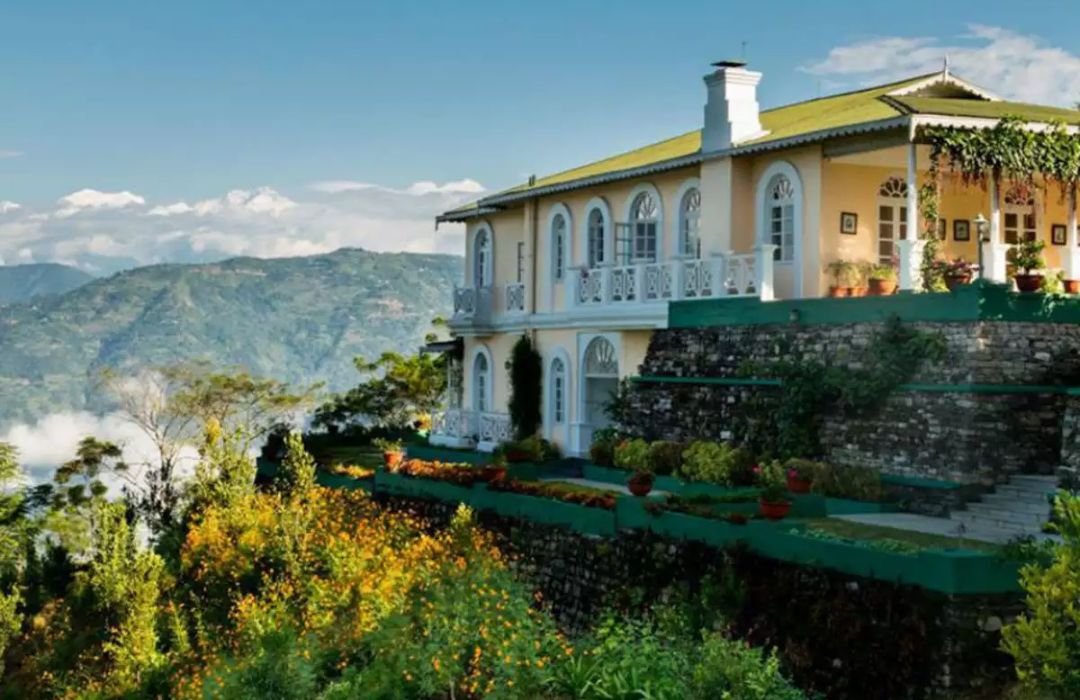

Glenburn Tea Estate
Kambal Tea Garden
Hotel in Kambal Tea Garden, India
 Book with Pearl
Why go
Glenburn Tea Estate is a strong fit for a special-occasion stay in Darjeeling tea country, especially if heritage atmosphere matters more than urban-hotel convenience. Booking difficulty is easy, but confirm dining, room category, and transfer details before committing, since verified price and format details are limited.
About Glenburn Tea Estate
Glenburn Tea Estate in Kambal Tea Garden is best approached as a heritage-hotel stay where the appeal is the setting and the property’s heritage character. The dress code is smart casual, so guests should pack accordingly rather than treating it as a fully casual stop.
Glenburn Tea Estate is worth shortlisting when the point of the trip is to spend time in Kambal Tea Garden and make the property itself the anchor. Its 2025 World Travel Awards recognition as a Leading Heritage Hotel is the strongest external signal here. Beyond that, details are lean, so it is best to confirm room count, price band, cuisine, dining format, and category hierarchy directly if those factors matter to your comparison.
Choose it for heritage-hotel atmosphere, not urban-hotel efficiency
The strongest fit is a trip where the setting matters as much as the schedule. Glenburn Tea Estate should be considered by guests who value a heritage-hotel context in Kambal Tea Garden and are comfortable confirming operational details directly before committing.
Because many practical details are still limited, the smarter move is to plan around the essentials first: the location in Kambal Tea Garden, the smart-casual dress code, and the heritage-hotel recognition. Before finalizing dates, confirm arrival logistics, room preferences, and any stay-specific requirements with the property.
Dining and rooms need confirmation before committing
The dining question is the main caveat. Cuisine type, chef, menu structure, meal schedule, and price range are not clearly established, so this should not be chosen primarily as a food-led booking without direct confirmation. It may still work well for guests who want a contained heritage stay, but anyone comparing it against a dining-first hotel should confirm meal arrangements before locking dates.
Room choice also deserves a direct check before payment. With no clear category hierarchy available, the practical ask is simple: request the room that best fits the guest profile and occasion. If accessibility, privacy, outlook, or layout matters, confirm those points directly rather than relying on assumptions.
The verdict: choose Glenburn Tea Estate when the Kambal Tea Garden setting and heritage-hotel recognition are the reason for the trip. Skip it if the decision depends on transparent dining detail, loyalty-program value, or business-hotel convenience that has not been confirmed in advance.
Planning details
- Location
- near Singritan, Darjeeling, Kambal Tea Garden, West Bengal 734213, India
- Website
- glenburnteaestate.com
The take
The Take
The Vibe
Glenburn Tea Estate reads as an authentic, lived-in colonial property where the landscape and daily work shape the mood. Original timber bungalows, pitched roofs and wide verandahs give the place a historic, classic character; the patina of the buildings and the presence of active tea fields create a quietly charming, serene atmosphere. Rather than a restored showpiece, Glenburn presents the rhythm of a working estate: mornings carry the green, slightly astringent scent of tea, cross‑breezes move through rooms, and valley views are constant. The overall effect is a calm, timeworn retreat that emphasizes presence in place over polished luxury.
Best For
Glenburn suits travelers who want an immersive, low‑key stay tied to agricultural life and colonial architecture. It's a strong fit for guests interested in seeing tea production up close and for those who value heritage character over immaculate restoration. The emphasis on verandahs and valley vistas rewards visitors who enjoy quiet mornings on a terrace and natural ventilation in place of mechanical comforts. Guests seeking authenticity, the sense of staying within an estate that still functions as intended, will find this property especially rewarding, as will couples looking for a peaceful, scenic retreat.
Stay Tips
When booking, request a valley‑facing bungalow with a deep verandah to make the most of cross‑breezes and the views. Plan to ask about estate walks or opportunities to observe tea production, since Glenburn is an active tea garden rather than a museum‑like restoration. Adjust expectations for accommodation finish: the buildings are original and show patina, so travelers seeking pristine, modern finishes should be prepared for a more lived‑in, rustic character.
Venue details
Ambiance
Colonial-era elegance with vintage decor, candle-lit communal dinners, and serene plantation surroundings.
Tags
Vibe
Best For
Experience
Amenities
View
About the Stay
- Rooms
- 8
- Check-in
- 14:00
- Check-out
- 12:00
- Property Type
- Heritage hotel
- Property Style
- Colonial Tea Plantation Bungalow Restored with Modern Comforts.
- Design Style
- Vintage 1930s Colonial with Antiques and Local Textiles.
- Breakfast
- Included
- Airport Transfer
- Available
- Cancellation
- Strict
Know before you go
Know Before You Go
- Getting there
- near Singritan, Darjeeling, Kambal Tea Garden, West Bengal 734213, India
Planning details
Location
near Singritan, Darjeeling, Kambal Tea Garden, West Bengal 734213, India · Directions
Recognition and awards

Also consider
Where to look if dates do not work
If Glenburn Tea Estate does not fit the trip, look first at Zhiwaling Heritage for another heritage-led stay, especially if Bhutan is already under consideration. For a more wellness-forward alternative, Bhutan Spirit Sanctuary is the cleaner substitute.
Hotel context
How it compares
Choose Glenburn Tea Estate if the priority is tea-estate atmosphere in India with easier booking pressure. Amankora, Six Senses Paro, and COMO Uma, Bhutan sit in a different trip frame: Bhutan-focused, higher-friction planning, and more resort-led positioning. For a simpler heritage stay anchored in one estate setting, Glenburn is the cleaner choice.
Zhiwaling Heritage is the closer comparison for travelers who care about heritage character, while Bhutan Spirit Sanctuary is more appropriate when wellness programming is the main reason to travel. Glenburn is less compelling for guests who want a clearly defined luxury-resort framework, but stronger for those who want the stay to feel tied to tea country rather than a branded circuit.
For value judgment, the issue is transparency: Glenburn has external heritage-hotel recognition, but no confirmed price tier in the available facts. If budget certainty matters, compare quotes directly before deciding. If ambiance and place matter more than a long amenity list, Glenburn belongs on the shortlist ahead of the Bhutan peers for an India-focused hill stay.
Explore Kambal Tea Garden
Around this place
Discover more on Pearl
Unlock the full Glenburn Tea Estate guide in Pearl, including awards, comparisons, FAQs, planning details, and nearby places.
Compare Glenburn Tea Estate
| Venue | Location | Awards |
|---|---|---|
| Glenburn Tea Estate | Kambal Tea Garden | World Travel Awards 2025 |
| Amankora | Paro | 2026 Virtuoso Luxury Hotel Collection2026 Forbes 4-Star2026 Mr & Mrs Smith Luxury Hotels2026 Michelin 2 KeysTatler Best Hotels Asia-Pacific 20252025 Michelin 2 Keys |
| Zhiwaling Heritage | Paro | No published awards |
| Six Senses Paro | Paro | No published awards |
| Bhutan Spirit Sanctuary | Shaba | 2026 Mr & Mrs Smith Luxury HotelsSmall Luxury Hotels Member 2025 |
| COMO Uma, Bhutan | Paro | No published awards |





How Glenburn Tea Estate compares with similar nearby venues.
FAQ
Frequently Asked Questions
When is the best time to book Glenburn Tea Estate?
Choose dates based on your wider travel plans for Kambal Tea Garden, then confirm availability, arrival logistics, and any stay-specific requirements directly with the property.
Which room category is best at Glenburn Tea Estate?
Ask the property which room best fits your priorities, such as privacy, access, outlook, or layout. If you are comparing retreat-style stays more broadly, you may also look at Amankora or Bhutan Spirit Sanctuary while confirming each property's details directly.
Is Glenburn Tea Estate good for business travel?
It may work only if the trip requirements match what the hotel confirms directly. The World Travel Awards 2025 heritage-hotel recognition supports its leisure appeal.