
Casale Panayiotis
Kalopanayiotis
Hotel in Kalopanayiotis, Cyprus
 Book with Pearl
The Read
Marathasa Valley Restoration
Price
$100–200per night
Why go
Choose Casale Panayiotis for a quiet Kalopanayiotis mountain stay, especially for a couple's weekend or low-key celebration. It makes less sense if the trip depends on beach access, nightlife, or large-resort facilities, but its Small Luxury Hotels of the World membership gives it a useful quality signal among independent Cyprus hotels.
About Casale Panayiotis
Casale Panayiotis is a venue in Kalopanayiotis. It is a Small Luxury Hotels of the World Member (2025), and the dress code is smart casual. Those two points are useful, but they do not, by themselves, describe the full guest experience. Before booking, check specific facilities, room layouts, dining formats, prices, hours, or activity offerings directly with the property. In practice, use this as a careful starting point rather than a complete operational guide. It can help you identify the property and frame the right questions, without inferring amenities or arrangements that need direct clarification.
Book for Kalopanayiotis, with details confirmed directly
The clearest grounded reason to consider Casale Panayiotis is its Kalopanayiotis location. If Kalopanayiotis is already central to your Cyprus plans, the venue naturally becomes relevant as a place to investigate further. Shortlist it first by location and recognition, then check the practical details that matter for your stay. That approach keeps the decision anchored in the essentials, while leaving room to clarify the elements that can materially change the suitability of a booking.
Before committing, check the room category, cancellation terms, arrival logistics, and any services you specifically need. Room category matters because names, layouts, inclusions, and suitability can vary from one accommodation type to another. Cancellation terms are equally important, since flexibility can affect whether a stay is low-risk or difficult to adjust. Arrival logistics should also be clarified in advance, particularly if timing, transport, luggage, or accessibility considerations are part of your planning. The smart-casual dress code is the dress guidance to plan around, so pack accordingly if that standard is relevant to your plans. If dress expectations will affect what you bring, or how you plan meals and social moments, it is worth confirming how the guidance applies during your specific stay.
The better fit depends on what you confirm
The Small Luxury Hotels of the World membership gives Casale Panayiotis a useful quality signal for travelers comparing Cyprus stays, but it should not be read as a promise of any specific facility, dining style, room configuration, or service format. It is a helpful marker, not a substitute for checking the details that shape a trip day by day. Confirm those details directly if they are important to the trip. This is especially relevant if your decision depends on particular services, a certain level of privacy, a preferred dining arrangement, or a precise room setup, because none of those points should be assumed from membership alone.
For comparison, other Cyprus stays to consider include Amathus Beach Hotel Limassol, Anassa, Apokryfo Traditional Guesthouse, City of Dreams Mediterranean, and Columbia Beach Resort. The right comparison set will depend less on a generic idea of luxury and more on the specific facts you are able to confirm for each place. You can also compare it with other stay options in Kalopanayiotis generically, depending on whether location, atmosphere, or confirmed services matter most to you. If location is the priority, Casale Panayiotis may remain on the shortlist because it is in Kalopanayiotis. If atmosphere or services are the priority, the more useful next step is direct confirmation, so that the final choice rests on current details rather than assumptions.
Planning details
- Location
- Ayias Marinas 14, Kalopanayiotis, Nicosia 2862, Cyprus
- Website
- casalepanayiotis.com
- Phone
- +357 22 952444
The take
The Take
The Vibe
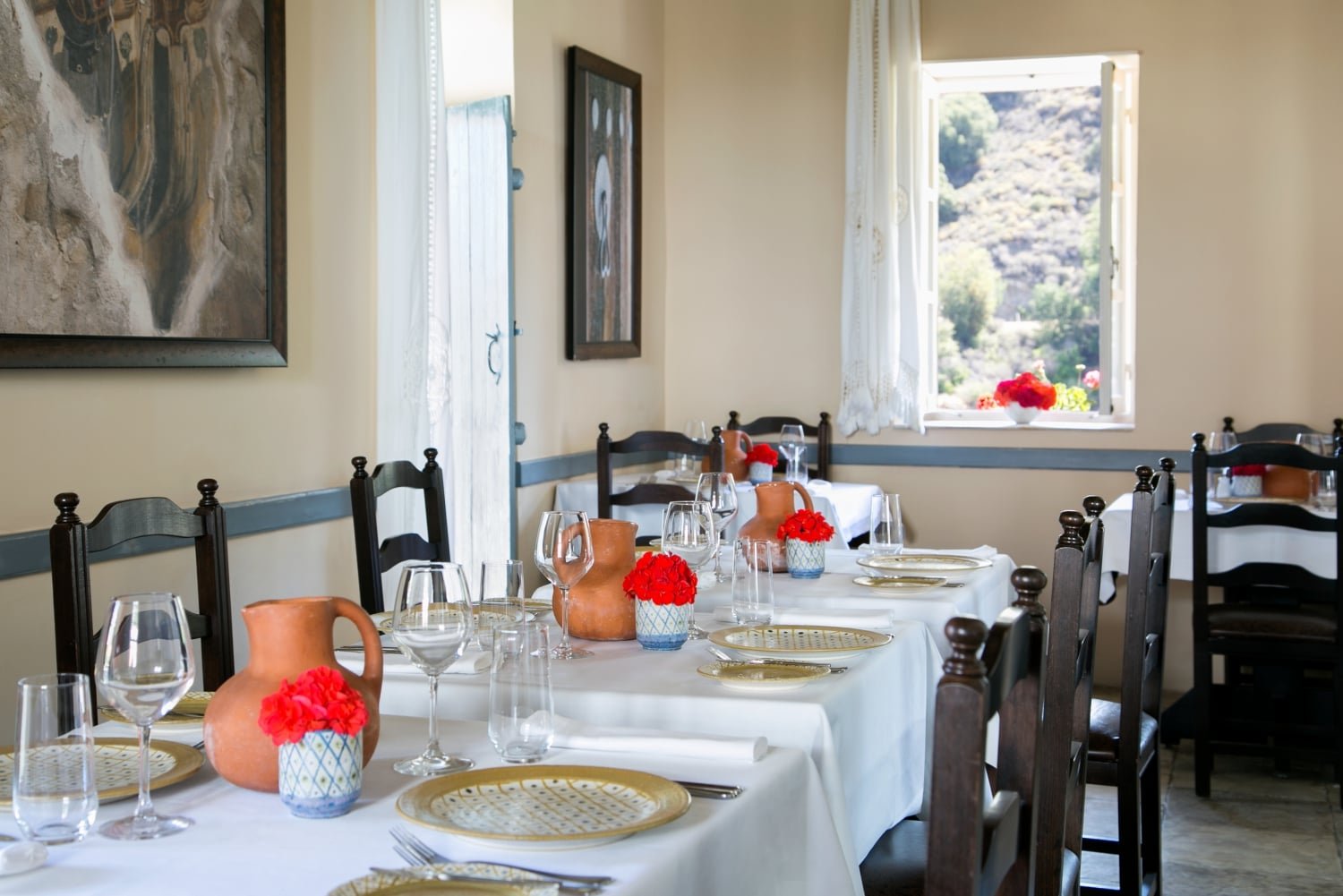
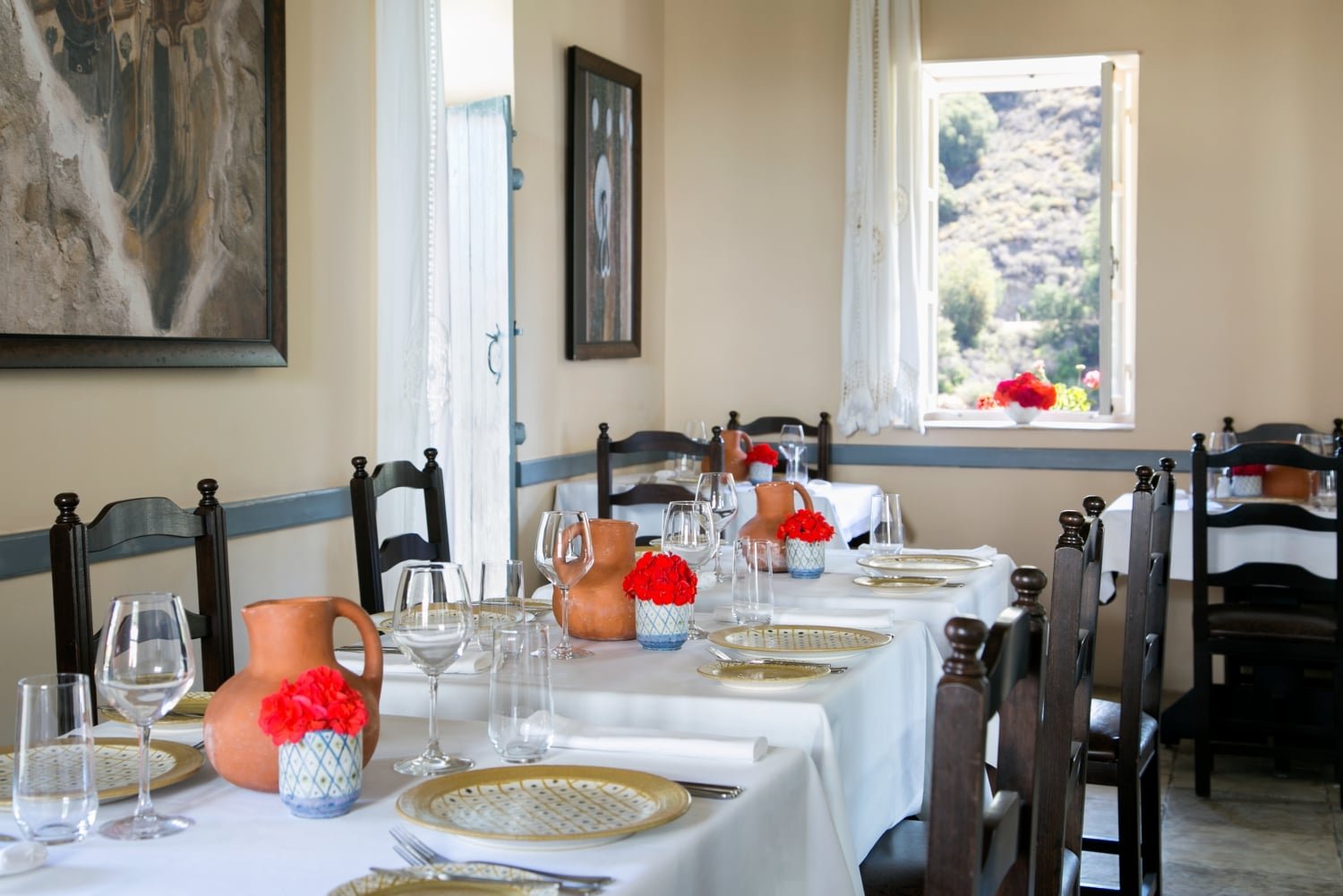
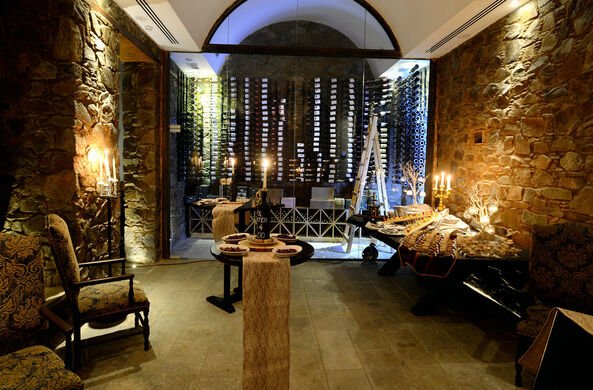
Casale Panayiotis foregrounds architecture as the main attraction. The hotel inhabits several traditional stone houses in a UNESCO-listed mountain village, and restoration of the existing fabric — thick limestone walls, terracotta detail and irregular floor plans — defines the guest experience. Rather than imposing contemporary design unrelated to context, the property honours vernacular construction and the weight of local history. The result is an intimate, quietly elegant cluster of rooms that reads as part of a neighbourhood, where the materiality of stone and the slow rhythm of village life shape a deliberately restrained, contemplative stay.
Best For
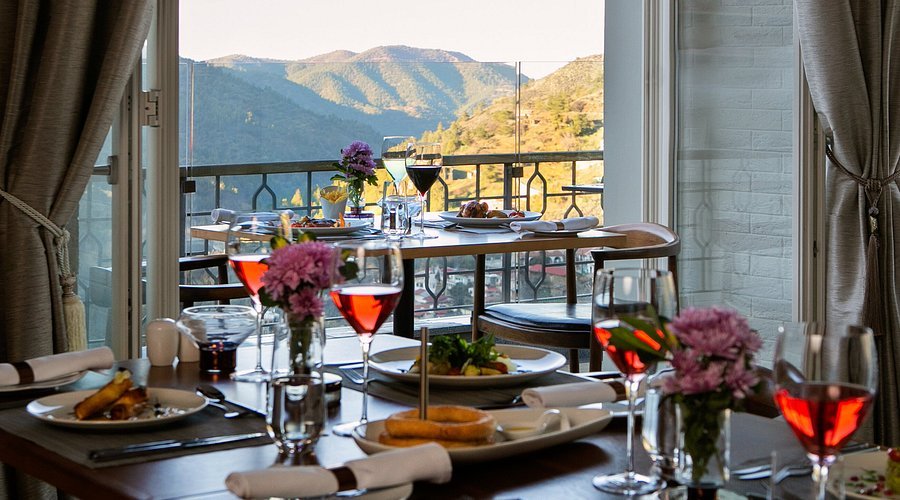
This property is best for travelers who prize heritage and calm over resort spectacle. Couples and small parties looking for a romantic, architecture-focused getaway find the village’s compact scale and restored stone rooms especially appealing. Wellness seekers and visitors drawn to the nearby sulphur springs and Byzantine monastery benefit from the setting’s restorative, low-key pace. Photographers and culture-minded guests appreciate the UNESCO-listed context and the authenticity of vernacular construction, while anyone after a quiet weekend escape in the Troodos mountains will be well served by the hotel’s contemplative atmosphere.
Stay Tips
Treat the stay as part of a village visit rather than a conventional resort booking. Rooms are spread across restored stone structures, so ask at reservation about proximity to the hotel’s arrival point and any on-site amenities; the property’s village-scale footprint means some accommodations may feel more secluded. Allow time to explore the Byzantine monastery and the sulphur springs nearby — these are integral to the local experience. Expect a slower pace and an architecture-led stay, and plan arrival times and transfers accordingly given the remote, mountainous location.
Venue details
Ambiance
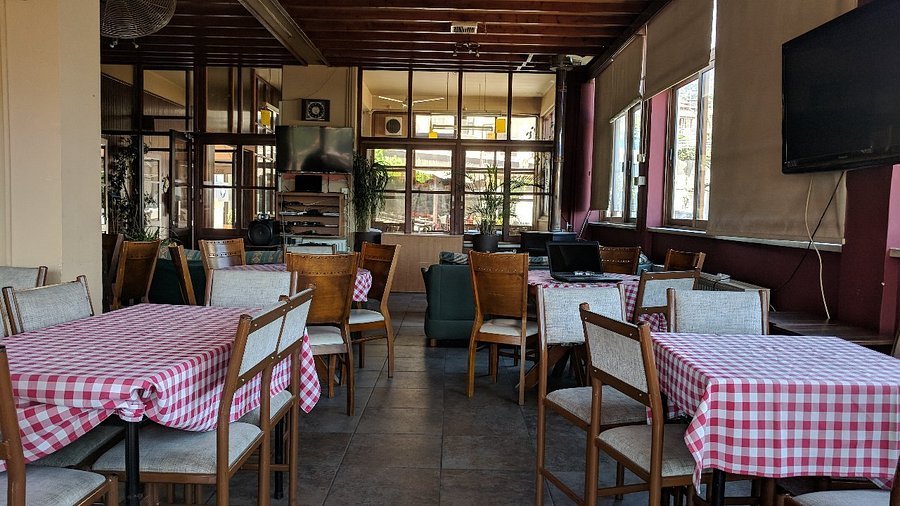
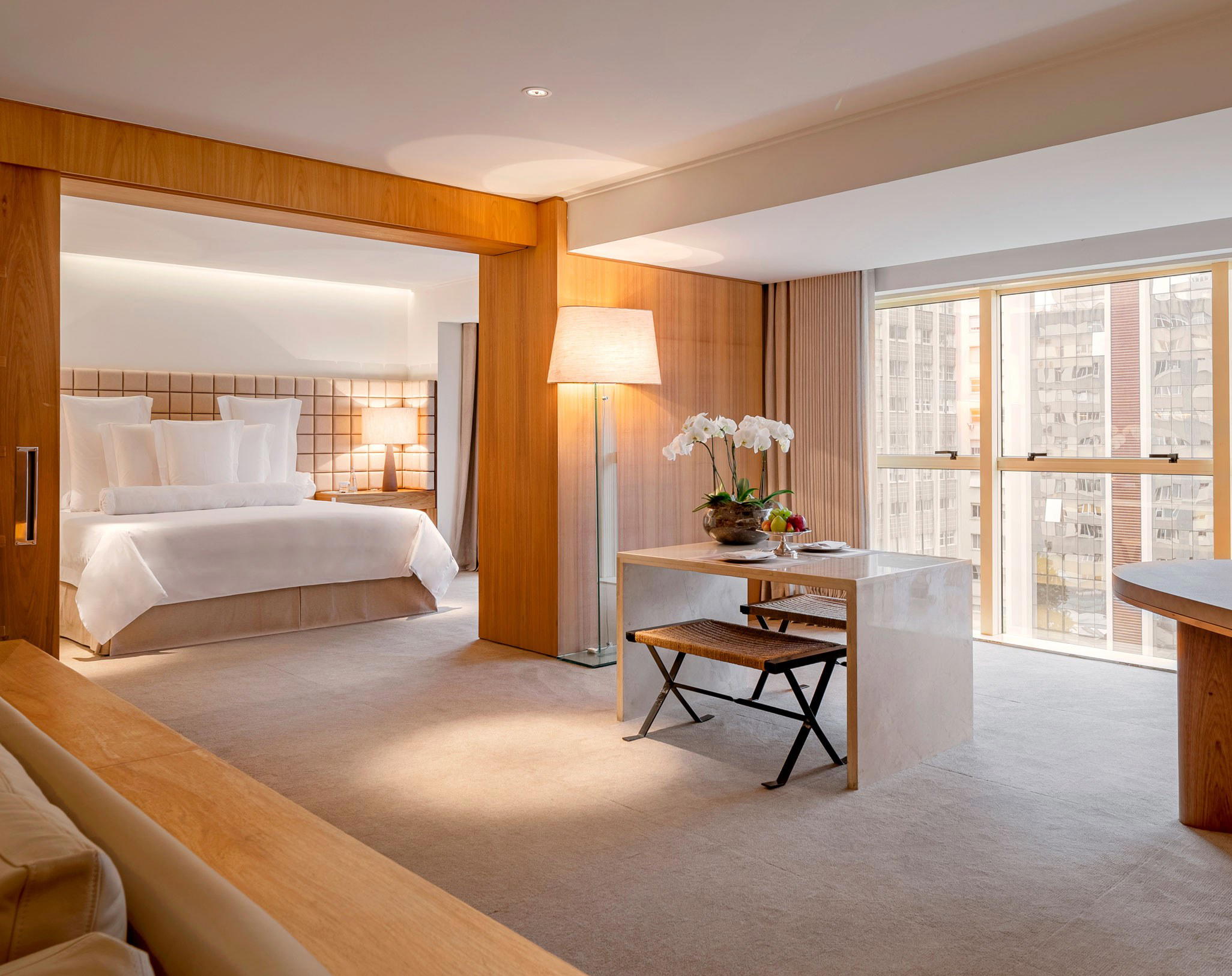
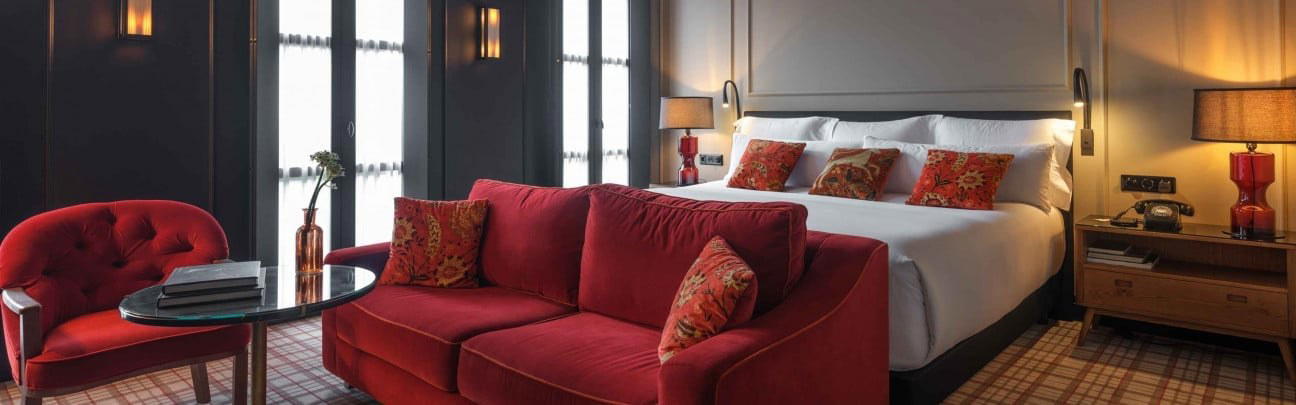
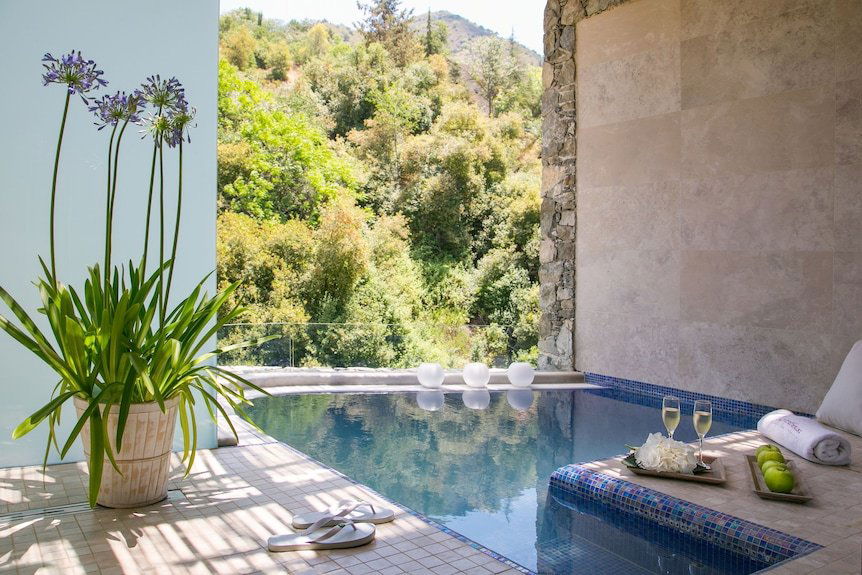
Cozy and tranquil atmosphere with warm lighting from fireplaces in rooms, soft natural light on stone walls and wooden furnishings, and a peaceful village setting praised for its relaxing serenity.
Tags
Vibe
Best For
Experience
Amenities
View
Accessibility
About the Stay
- Rooms
- 0
- Check-in
- 14:00
- Check-out
- 11:00
- Property Type
- Heritage hotel
- Property Style
- Agrotourism Village of Restored Traditional Stone Houses with Contemporary Luxury Interiors
- Design Style
- Rustic Cypriot with Whitewashed Walls, Wooden Beams, Hand Crafted Furniture and Fireplaces
- Breakfast
- Included
- Airport Transfer
- Available
- Pool
- Yes
- Spa
- Yes
- Pets
- Allowed
- Cancellation
- Moderate
Know before you go
Know Before You Go
- Getting there
- Ayias Marinas 14, Kalopanayiotis, Nicosia 2862, Cyprus
Planning details
Location
Ayias Marinas 14, Kalopanayiotis, Nicosia 2862, Cyprus · Directions
Recognition and awards

Also consider
Where to look if this is not the right fit
If the village setting is the appeal but availability or room fit does not work, consider Apokryfo Traditional Guesthouse. If the trip needs beach access and resort facilities, compare Columbia Beach Resort or Amathus Beach Hotel Limassol instead.
Hotel context
How it compares
Casale Panayiotis is the village-and-mountains pick in this group. Apokryfo Traditional Guesthouse is the closest comparison for travelers who want a smaller traditional stay, but Casale Panayiotis has the stronger Kalopanayiotis-specific case if the village itself is the point of the trip.
For resort facilities, the coastal options are the safer call. Columbia Beach Resort and Amathus Beach Hotel Limassol are better fits for guests prioritizing beach time, larger pools, and a more conventional resort rhythm. City of Dreams Mediterranean is the better pick for a bigger, more entertainment-led stay.
Anassa is the splurge comparison if the brief is a high-end Cyprus resort rather than a mountain village escape. Book Casale Panayiotis when ambiance and calm matter more than scale; cross-shop the others when facilities, coastline, or a broader resort program are central to the trip.
Explore Kalopanayiotis
Around this place
Discover more on Pearl
Unlock the full Casale Panayiotis guide in Pearl, including awards, comparisons, FAQs, planning details, and nearby places.
Compare Casale Panayiotis
| Venue | Location | Awards |
|---|---|---|
| Casale Panayiotis | Kalopanayiotis | Small Luxury Hotels Member 2025 |
| Apokryfo Traditional Guesthouse | Lofou | No published awards |
| Columbia Beach Resort | Pissouri Bay | Small Luxury Hotels Member 2025 |
| City of Dreams Mediterranean | Limassol | No published awards |
| Amathus Beach Hotel Limassol | Limassol | Leading Hotels of the World 2026 |
| Anassa | Neo Chorio | 2026 Virtuoso Luxury Hotel CollectionLeading Hotels of the World 20262025 Michelin Selected Hotels |



How Casale Panayiotis Kalopanayiotis compares with similar nearby venues.
FAQ
Frequently Asked Questions
How is the dining at Casale Panayiotis?
Casale Panayiotis is a Small Luxury Hotels of the World Member (2025). Confirm current restaurant availability, menus, and any dietary requirements directly before booking.
How is the location of Casale Panayiotis?
Casale Panayiotis is in Kalopanayiotis. If location is the main decision point, compare that setting with Amathus Beach Hotel Limassol, Columbia Beach Resort, Anassa, City of Dreams Mediterranean, or Apokryfo Traditional Guesthouse based on the type of Cyprus stay you want.
How is the pool and spa at Casale Panayiotis?
How does Casale Panayiotis compare to other Cyprus stays?
Casale Panayiotis is in Kalopanayiotis and is a Small Luxury Hotels of the World Member (2025). Apokryfo Traditional Guesthouse, Columbia Beach Resort, City of Dreams Mediterranean, Amathus Beach Hotel Limassol, and Anassa are other Cyprus options to compare depending on location and the services you confirm with each property.
Which room category is best at Casale Panayiotis?
Choose only after confirming the current room layout, access, privacy, and any amenities you need directly with the property.